Overview
## Overview
Northmead Creative and Performing Arts High School is a public, co-educational high school focused on nurturing students with talents in the arts while delivering a strong academic program. The school emphasizes creativity, collaboration and performance, providing an environment where students can blend rigorous learning with on-going artistic development. Class sizes are typically within a medium range, supporting individual attention within a diverse, inclusive culture.
The atmosphere is nurturing and arts-forward, with a community that values creativity alongside core learning. Students are encouraged to pursue leadership and teamwork through ensembles, productions and student-led initiatives, creating a balanced, engaging high school experience.
## Academics & Learning
- Academic strengths: STEM, English and literacy development, leadership opportunities, and language programs complement a strong arts focus to create well-rounded learners.
- Special programs: Specialist performing arts streams; audition-based entry for arts pathways; opportunities for accelerated or gifted/talented learning in core subjects where available.
- NAPLAN trends: Trends in recent years show stable or improving performance in reading and writing, with outcomes close to state averages and ongoing focus on literacy and numeracy across year levels.
- Student-teacher ratios: Vary by year and subject; typical ranges are approximately 1:12 to 1:20, with lower ratios in targeted elective and drama/music classes.
- Support for diverse learners: Comprehensive support for EAL students and learners with SEN, including dedicated learning support staff and accommodation of individual education plans.
## Sports & Extracurricular Strengths
- Sports offered: Inter-school sports across common NSW high school programs (e.g., basketball, soccer, netball, athletics) with opportunities to compete in district events.
- Strong teams or achievements: Regular participation in inter-school competitions; notable triumphs often tied to school-wide sport programs and student leadership.
- Music, arts, drama programs: Robust music ensembles, drama productions, dance groups, and opportunities to perform both within the school and in external arts contexts.
- Clubs: Robotics, chess, coding, debating and other academic or creative clubs to develop skills beyond the classroom.
- Partnerships: Connections with local arts groups and external competitions/performances to broaden exposure and experience for students in arts disciplines.
Most parents with boys aged 10–14 focus on the blend of sport, arts and academic opportunities; the school supports a balanced, active student life.
## Wellbeing & Pastoral Care
- Anti-bullying approach: Clear anti-bullying policies with restorative practices and ongoing education to promote a respectful school culture.
- House system: House groups support pastoral care, peer mentoring and friendly intra-school competition.
- Counsellors / wellbeing officers: Access to school counsellors and wellbeing staff to support mental health, transition, and personal development.
- Transition support for new students: Orientation programs, buddy systems and targeted support for students entering Year 7 to help them settle in quickly.
## Facilities
- Sports grounds: On-site sports facilities suitable for regular physical education and school sports events.
- Libraries: Well-stocked library supporting literacy, research and creative projects.
- Science labs: Modern science laboratories for hands-on experiments across disciplines.
- Music/performing arts centers: Dedicated spaces including music rooms, practice studios and a theatre or performance spaces to support productions.
- Tech/innovation labs: Practical spaces for technology, coding, digital media and design work.
- Cafeteria: On-site canteen providing meals and snacks during the school day.
- Updated playgrounds: Safe, functional outdoor spaces for break times and informal activities.
- Additional arts facilities: Theatre/dance studios and rehearsal spaces to support the arts program.
## School Values & Community Culture
- School values / mission: A focus on creativity, respect, collaboration and excellence in both arts and academics.
- Leadership style: Student voice is encouraged; leadership opportunities exist through ensembles, student councils and project-based learning.
- Behaviour expectations: Clear expectations around respectful conduct, responsibility and integrity; positive behaviours for learning are emphasized.
- Community reputation: Recognised for strengthening students’ creative talents while delivering solid academic outcomes; strong ties with local arts and education communities.
- Diversity & inclusion: Committed to an inclusive environment that values diverse backgrounds and perspectives and fosters belonging for all students.
## School Logistics & Daily Operations
- School hours: Typical school day runs during standard NSW hours with start and finish times aligned to state guidelines; after-school programs and activities may run beyond regular hours.
- Before/after school care: OSHC or partner services often available to support families needing supervision outside core hours.
- Uniform requirements: School uniform is compulsory; details provided by the school, with guidance on acceptable items and purchasing.
- Transport (train/bus routes): Public transport options (bus/train) commonly used by students; school may provide route information and transport assistance as needed.
- Canteen availability: Canteen or similar food service operates during the day for meals and snacks.
- Fees (low/medium/high ranges): As a NSW public school, there is no tuition, but families should expect costs for uniforms, excursions, extra-curricular activities and instrument hire or fees associated with the arts program.
## Enrolment & Admissions
11. What is the enrolment process and timeline?
- Enrolment in NSW public high schools involves applying through the NSW Department of Education system. For Year 7 intake, applications are typically opened in advance of the new school year, with timelines published by the NSW Department of Education. Families should check catchment eligibility, submit required documents, and apply for the school’s creative/performing arts program if applicable. The school may have specific timelines for auditions or portfolio requirements for the arts pathway.
12. Is there a waiting list, and how does it work?
- If the school is oversubscribed, a waiting list may operate. Offers are made as places become available, and priority is typically guided by NSW Department of Education processes, catchment rules, and the availability of spaces in the arts program. Families are usually contacted if a place becomes available; ongoing eligibility may require periodic reaffirmation.
13. Are there any entry requirements, tests, or interviews?
- General enrolment usually requires standard documentation; entry into the Creative and Performing Arts pathway often involves audition(s), portfolio review or interview related to the arts specialty. Assets or performances may be requested to assess suitability for the arts stream, in addition to meeting general academic entry requirements.
14. Does the school accept mid-year transfers?
- Mid-year transfers are considered if spaces are available. Parents should contact the school’s enrolment office to discuss availability, required documentation (transcripts, current enrolment details, etc.) and timelines for a mid-year transfer.
## Frequently Ask Questions
- Why Parents Choose This School?
- A strong blend of rigorous academics and dedicated arts training, with opportunities to excel in performing arts while maintaining a solid general education.
- What type of student thrives at this school?
- Students with a passion for the arts who also value academic development, collaboration and participation in ensembles, productions and clubs.
- What opportunities are available for students to extend their skills (academics, sports, arts)?
- Enriched arts programs (music, drama, dance, visual arts), leadership roles, accelerated learning options in core subjects, sport and inter-school competitions, and a wide range of clubs and external arts partnerships.
- How does the school communicate with parents?
- Regular updates through official channels, including newsletters, parent portals, and scheduled meetings; emphasis on timely two-way communication with families.
- What is the school’s approach to teaching and learning?
- A balanced, student-centered approach that integrates arts with core subjects, project-based learning, and collaborative activities to build creative and critical-thinking skills.
- How does the school support students who need extra academic help?
- Dedicated learning support staff, targeted interventions, EAL and SEN services, and access to counselling and wellbeing support as needed.
- What support is available for academic challenges?
- Additional tutoring, personalised learning plans, and targeted remediation or extension programs in response to student needs.
- How does the school communicate with parents? (Repeated)
- See above: regular updates through newsletters, portals, and parent meetings; proactive engagement on student progress.
- What are the class sizes and how much individual attention do students receive?
- Class sizes typically fall in a medium range (approximately 22–28 students in many classes), with targeted electives and specialist classes offering more individualized attention.
- What extracurricular and sports opportunities are available?
- A broad range of sports, ensembles, drama, dance and visual arts activities; clubs in robotics, chess, coding, debating; inter-school competitions and community partnerships.
- What facilities does the school offer (sports, science, arts)?
- Sports grounds, libraries, science labs, music/performing arts centers, tech/innovation labs, dedicated theatre and arts spaces, canteen and updated outdoor facilities.
- What is the school’s approach to technology and digital learning?
- Integration of digital literacy across the curriculum, access to technology labs and media production tools to support creative and academic work.
- What transport and accessibility options are available?
- Access to public transport routes and school-provided guidance for families; information on accessibility and supports for students with additional needs.
- What are the typical school fees or additional costs?
- Public schools do not charge tuition; expect costs for uniforms, optional excursions, arts program materials, instrument hire or other program-related fees.
## Short Pros & Cons list
- Pros
- Strong arts focus with solid academic program
- Rich extracurricular and performance opportunities
- Supportive wellbeing and inclusive culture
- Modern facilities for arts, science and technology
- Active partnerships with local arts communities
- Cons
- High demand can mean competitive intake for arts pathways
- Arts-focused program may require additional time and commitment
- Costs associated with uniforms, excursions, and program-specific materials
- Availability of mid-year transfers depends on space in the year group and program







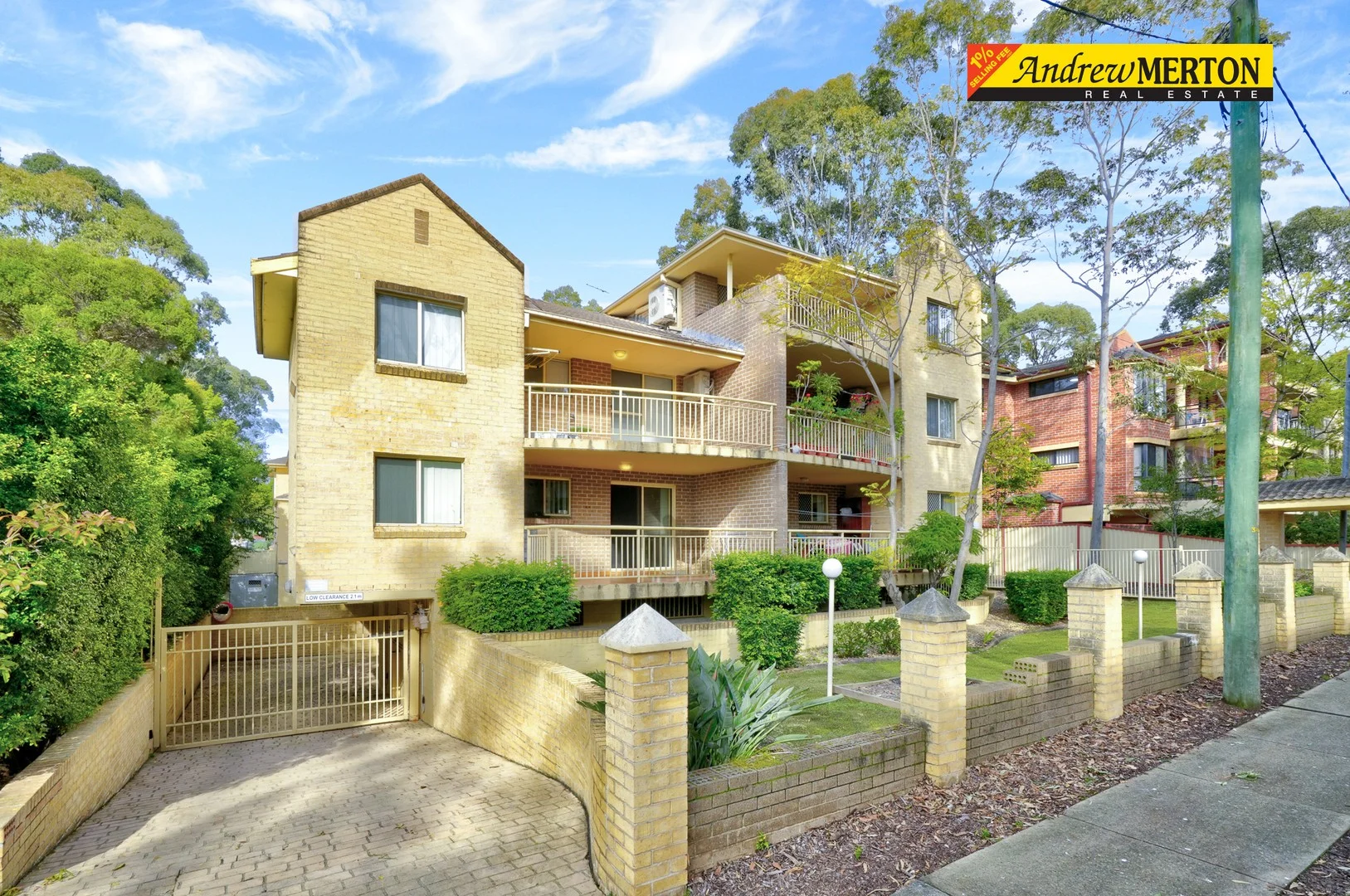 $530,000
Apartment / Unit / Flat
$530,000
Apartment / Unit / Flat
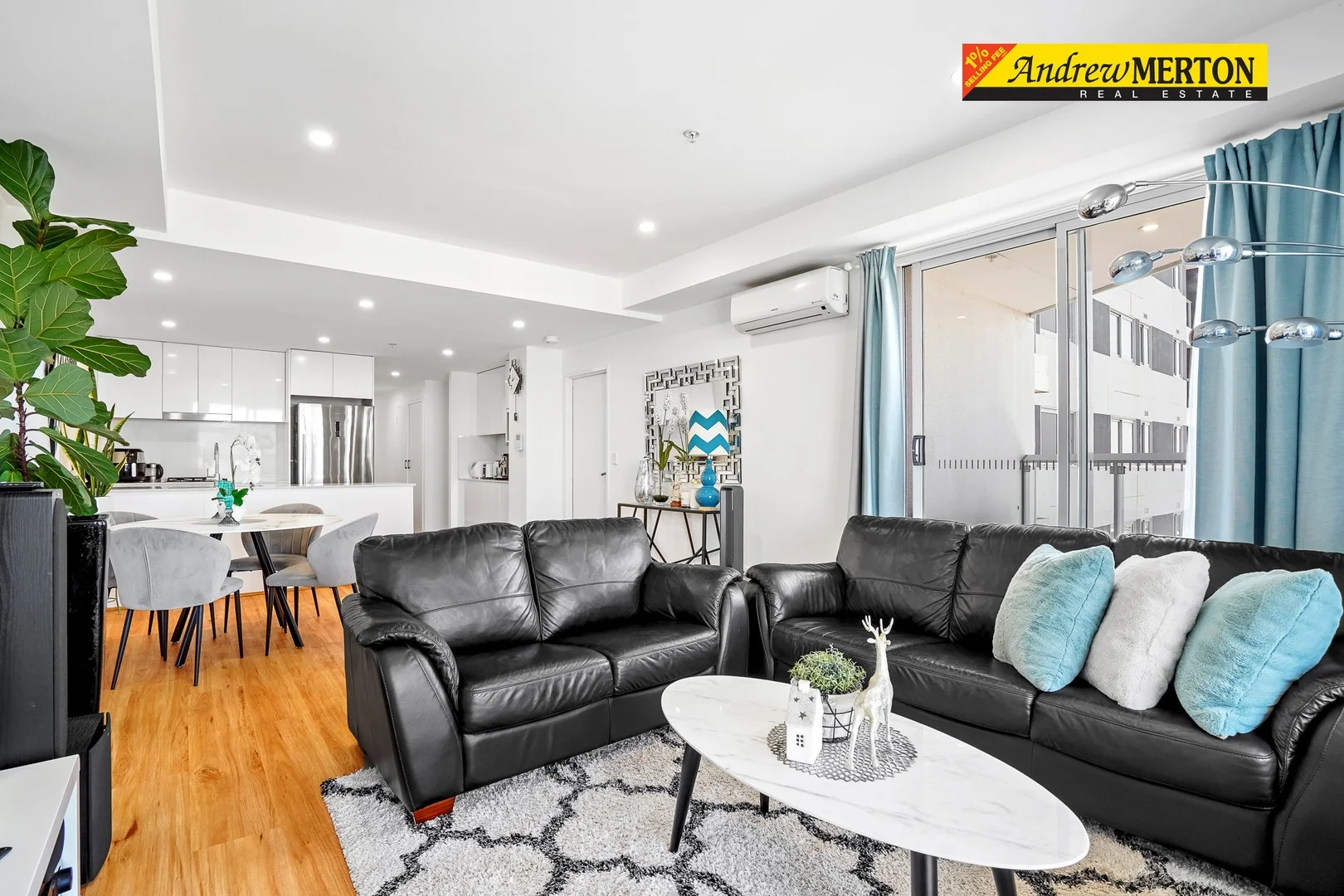 $475,000
Apartment / Unit / Flat
$475,000
Apartment / Unit / Flat
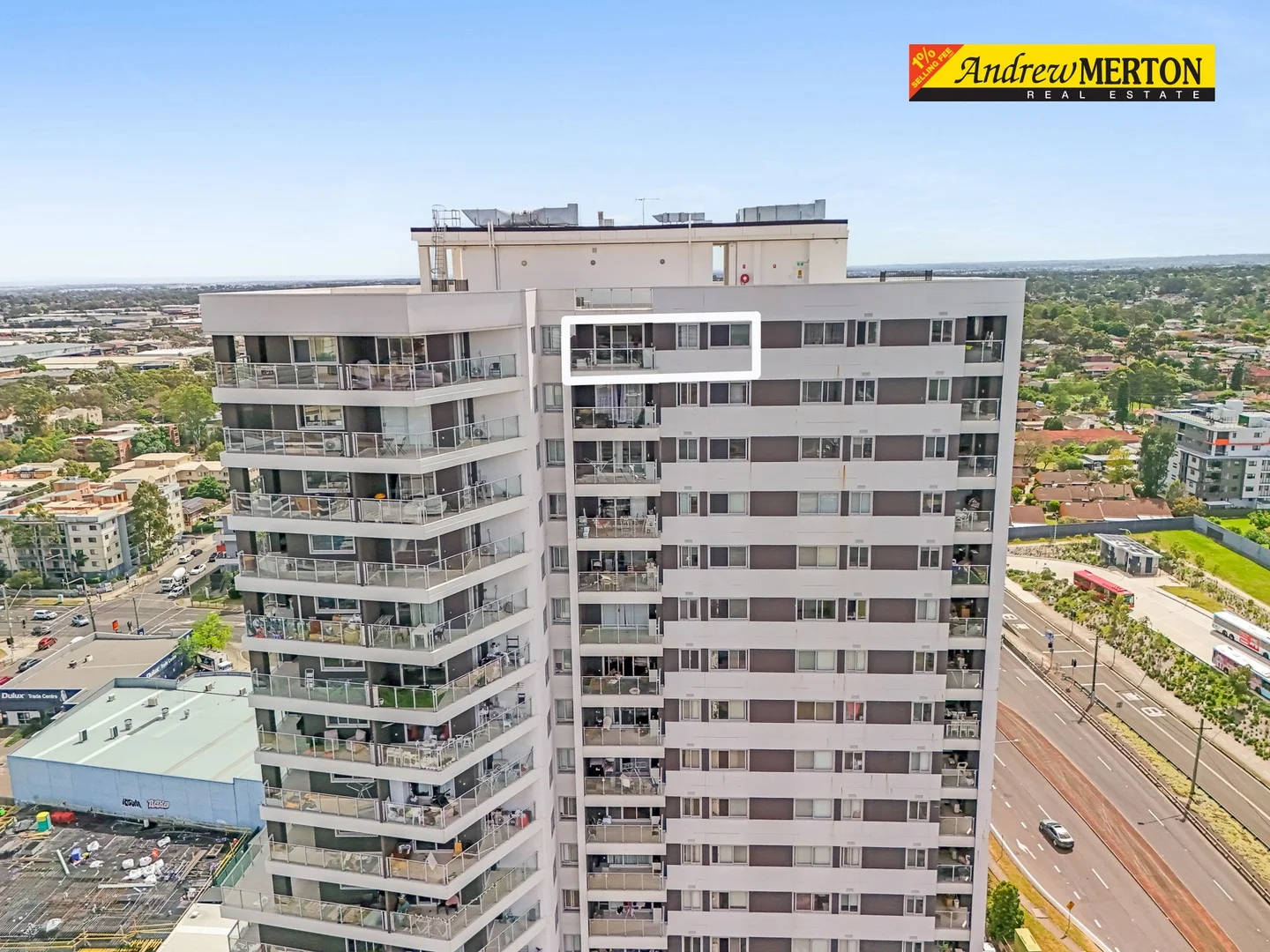 $399,900
Apartment / Unit / Flat
$399,900
Apartment / Unit / Flat