Overview
## 1. Overview
The Hospital School, Westmead is a public, Department of Education program designed to keep students connected to learning while they are receiving medical care. It offers a highly individualized, flexible learning environment that supports students during hospital stays or treatments.
- School type: Public
- School size: Small
- Class size: Small with significant one-on-one support
- Atmosphere/culture: Nurturing, inclusive, and adaptable to medical schedules
⸻
## 2. Academics & Learning
The school focuses on continuity of learning and keeping students on track with core subjects, even when day-to-day routines are disrupted by health needs.
- Academic strengths: Core English and mathematics progress, with an emphasis on personalised pacing and progress tracking to suit medical schedules.
- Special programs: Individualised Learning Plans; collaboration with the NSW DoE network; opportunities to connect with Gifted & Talented pathways via partner schools where appropriate.
- NAPLAN / Ofsted trends: NAPLAN data is not typically applicable for hospital-based learning; emphasis is on ongoing progress and learning continuity rather than year-to-year test scores.
- Student-teacher ratios: Very low, enabling frequent one-on-one or small-group instruction.
- Support for diverse learners: Strong support for students with SEN and EAL needs, with accommodations and coordinated planning with families and healthcare teams.
⸻
## 3. Sports & Extracurricular Strengths
Given the hospital-based context, on-site physical activities and clubs are tailored around medical schedules, with strong linkages to broader community options.
- Sports offered: Physical activity is accommodated as medically appropriate, often through hospital-based programs or coordinated community activity rather than traditional on-site teams.
- Strong teams or achievements: Focus is on individual progress and participation; formal inter-school teams are not a primary feature.
- Music, arts, drama programs: Access to arts and music opportunities via hospital-based therapies, partnerships with local arts programs, and online platforms.
- Clubs: Robotics, coding, chess, and debating may be available through partnerships or online clubs, subject to scheduling and student needs.
- Partnerships: Collaborations with local academies, community clubs, and DoE-supported programs to provide selective extras and competitions where feasible.
⸻
## 4. Wellbeing & Pastoral Care
Wellbeing sits at the core of the hospital-based education model, with a focus on safety, belonging, and smooth transitions back to ongoing schooling.
- Anti-bullying approach: Inclusive culture with clear anti-bullying policies and supportive peer environments.
- House system: Not a standard feature of this setting; wellbeing is delivered through individual support and small-group structures as needed.
- Counsellors / wellbeing officers: Dedicated school counsellor and welfare support staff to manage emotional wellbeing and case coordination.
- Transition support for new students: Strong transition planning for re-entry to mainstream schooling, ongoing hospital treatment, or changing schedules; includes coordination with families and healthcare teams.
⸻
## 5. Facilities
Facilities are described in the context of learning within the hospital environment, with access to DoE resources and digital tools.
- Sports grounds: Access via hospital or local community facilities as medically appropriate.
- Libraries: On-site learning spaces and access to digital DoE libraries/resources.
- Science labs: Use of science resources through the DoE network; on-site labs may be limited and accessed as available.
- Music/performing arts centers: Space and programs offered through hospital therapy services or external partnerships.
- Tech/innovation labs: ICT devices and digital learning platforms supported; remote learning options used when needed.
- Cafeteria: Hospital canteen or nearby dining options available; arrangements vary with medical scheduling.
- Updated playgrounds: External play spaces available via hospital grounds or nearby facilities when appropriate.
⸻
## 6. School Values & Community Culture
The school emphasizes values that support learning under challenging circumstances and foster a caring community.
- School values / mission: Inclusion, respect, resilience, and curiosity; student-focused learning during health-related disruptions.
- Leadership style: Collaborative and student-centered, with flexibility to suit individual circumstances.
- Behaviour expectations: Clear positive-behaviour expectations aligned with NSW DoE guidelines and the hospital context.
- Community reputation: Trusted partner for families and healthcare teams, known for flexible, compassionate education.
- Diversity & inclusion: Strong commitment to inclusive practices and meeting diverse student needs.
⸻
## 7. School Logistics & Daily Operations
Practical information to help families plan around medical and educational needs.
- School hours: Typically aligned with DoE hours, with flexibility for medical appointments and treatments.
- Before/after school care: Generally not a standard offering; arrangements are tailored to medical schedules.
- Uniform requirements: NSW public school uniform guidelines apply where appropriate; specifics provided by the hospital school.
- Transport (train/bus routes): Access via public transport; location within Westmead area may influence route choices and flexibility.
- Canteen availability: On-site hospital dining options or nearby facilities; hours vary.
- Fees (low/medium/high ranges): No tuition fees for public hospital schooling; minimal costs for learning resources or activities may apply if required.
⸻
## 8. Enrolment & Admissions
11. What is the enrolment process and timeline?
- Referrals typically come from the treating medical team. The hospital school coordinator contacts families, gathers learning information, and sets up an enrolment plan. Timelines vary based on medical schedules and intake.
12. Is there a waiting list, and how does it work?
- Formal waiting lists are not the norm. Priority is given to students currently in hospital or needing hospital-based learning; placement depends on capacity and timing of medical treatment.
13. Are there any entry requirements, tests, or interviews?
- Generally no entry tests or interviews; an educational assessment or learning-planning meeting may be conducted to determine current level and goals. Plans are tailored to medical and academic needs.
14. Does the school accept mid-year transfers?
- Yes. Mid-year transfers are accommodated where possible, with arrangements to ensure continuity of learning and scheduling around medical treatment.
⸻
## 9. Frequently Asked Questions
- Why Parents Choose This School?
- To maintain continuity of learning during medical treatment, with a responsive, supportive staff and flexible scheduling that fits health needs.
- What type of student thrives at this school?
- Students who benefit from a highly personalised approach, adaptable timelines, and strong collaboration between family, medical teams, and educators.
- What opportunities are available for students to extend their skills (academics, sports, arts)?
- Core academic support with personalised pacing, plus access to arts, coding, chess, and other clubs through partnerships and online platforms; some physical activities aligned with medical schedules.
- How does the school communicate with parents?
- Regular updates by phone or email, progress notes, planning meetings, and digital learning portals when applicable.
- What is the school’s approach to teaching and learning?
- Student-centered, flexible, and standards-aligned learning with modifications to fit medical realities; a strong emphasis on progress and engagement.
- How does the school support students who need extra academic help?
- One-on-one or small-group instruction, targeted learning plans, and coordination with hospital teams to tailor support.
- What support is available for academic challenges?
- Dedicated counsellor/wellbeing staff, tailored learning plans, and transition planning to re-engage with mainstream schooling when ready.
- How does the school communicate with parents? (repeated)
- See above: regular updates, progress reports, and accessible channels for ongoing discussion.
- What are the class sizes and how much individual attention do students receive?
- Class sizes are small with substantial one-on-one time and personalised attention.
- What extracurricular and sports opportunities are available?
- A mix of hospital-based or partner-program offerings, plus online clubs (robotics, coding, chess, debating) where feasible.
- What facilities does the school offer (sports, science, arts)?
- Dedicated learning spaces, access to library/digital resources, allied arts programs, and ICT tools; facilities are designed to support learning within the hospital context.
- What is the school’s approach to technology and digital learning?
- Strong use of digital platforms to enable learning continuity, remote learning options, and access to DoE resources.
- What transport and accessibility options are available?
- Public transport access to the Westmead area; flexible scheduling and arrangements to accommodate medical needs and mobility.
- What are typical school fees or additional costs?
- Public school education with no tuition fees; any additional costs relate to learning resources or activities as needed.
⸻
## 10. Short Pros & Cons list
- Pros
- Highly flexible, student-centered learning that fits medical schedules
- Strong continuity of education and individualized support
- Focus on wellbeing and a supportive, inclusive environment
- Access to digital resources and DoE networks through hospital-based learning
- Careful coordination with families and healthcare teams
- Cons
- Smaller, hospital-based setting may mean fewer traditional on-site clubs or teams
- Extracurricular options depend on partnerships and scheduling
- Transitions back into mainstream schooling can require coordination and time
- Some facilities and activities are dependent on hospital context and availability
⸻












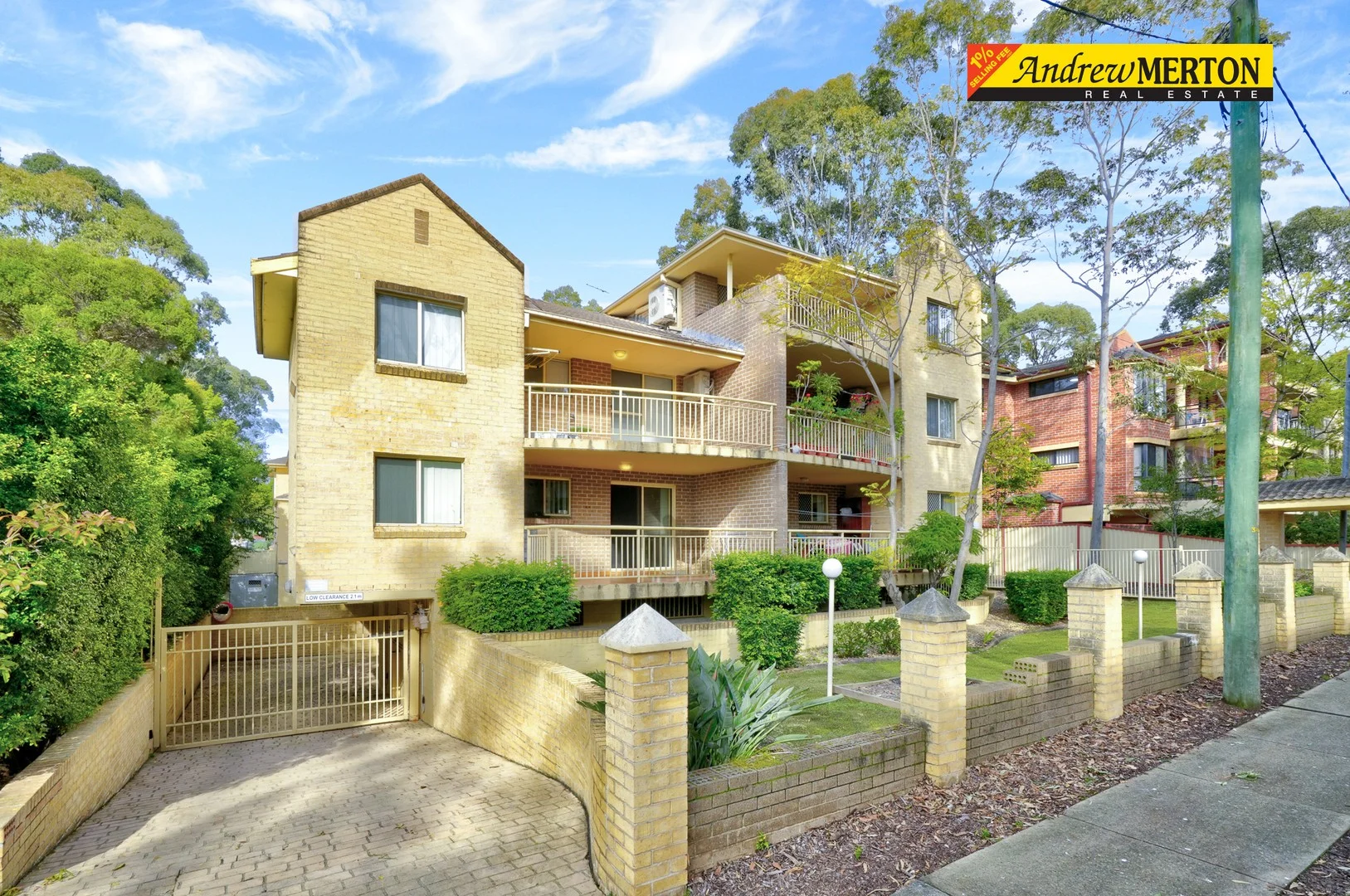 $530,000
Apartment / Unit / Flat
$530,000
Apartment / Unit / Flat
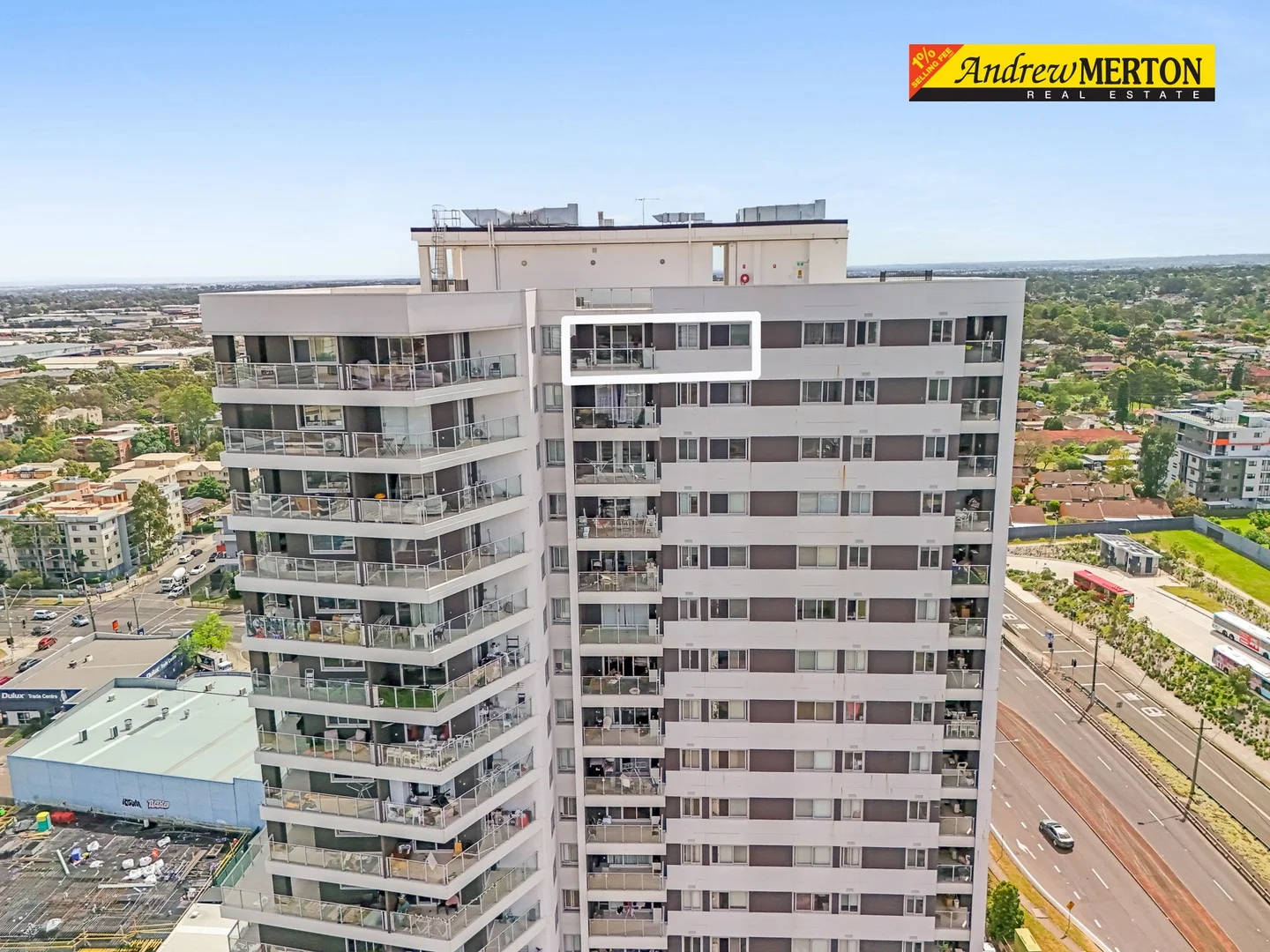 $399,900
Apartment / Unit / Flat
$399,900
Apartment / Unit / Flat
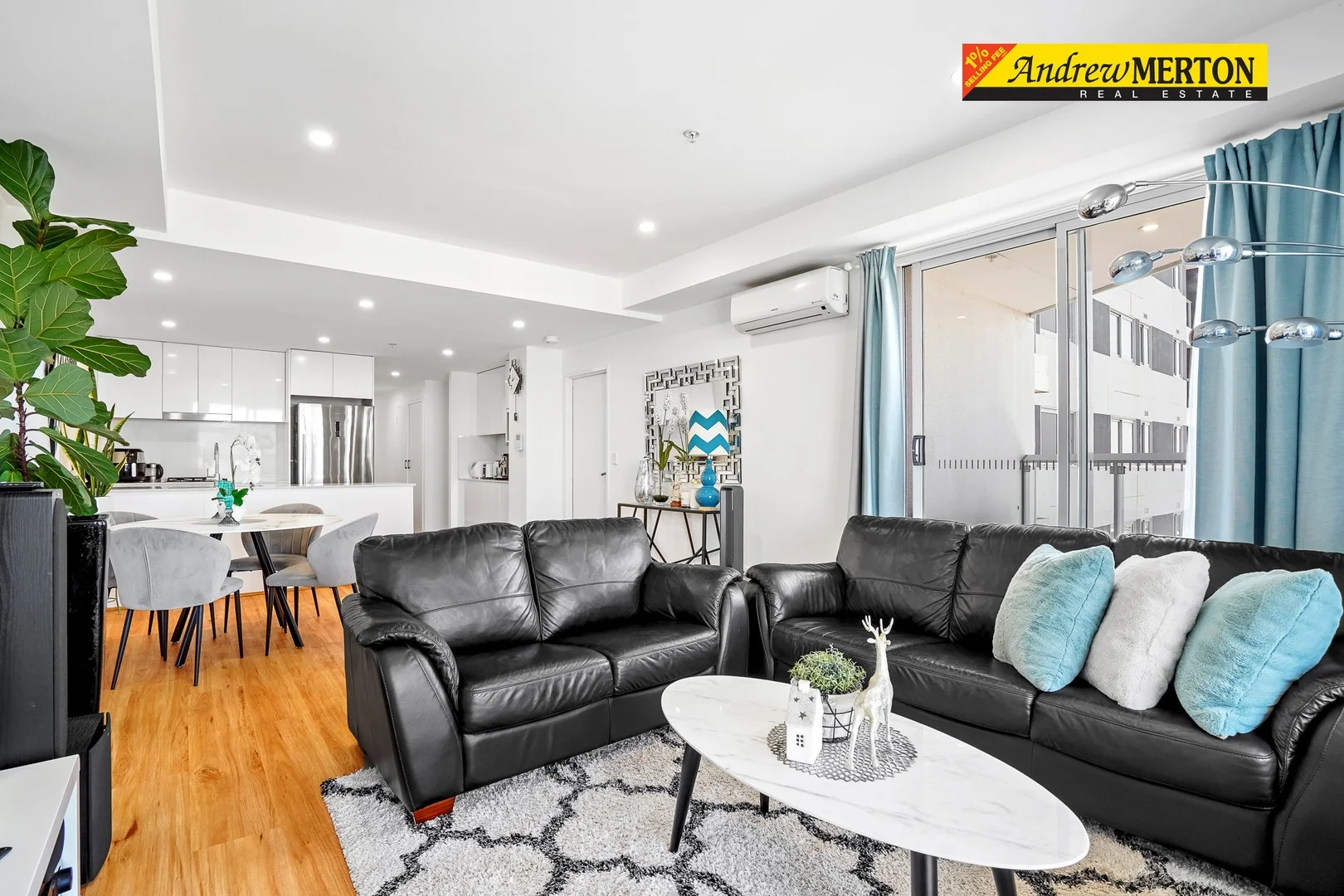 $475,000
Apartment / Unit / Flat
$475,000
Apartment / Unit / Flat