## 1. Overview
Pacific Hills Christian School is an independent Christian school offering a faith-based education in Dural, NSW. The school combines a family-like, nurturing atmosphere with a clear focus on academic growth, character development, and community values. It aims to equip students with strong core skills, leadership potential, and a respectful, inclusive posture toward others.
- School type: Independent/private Christian
- School size: Medium
- Class size: Typically around 18–22 students per class (varies by year level)
- Atmosphere/culture: Nurturing, inclusive, faith-based, community-focused with emphasis on character and well-being
⸻
## 2. Academics & Learning
Pacific Hills Christian School emphasises a solid, well-rounded curriculum with opportunities for growth beyond core subjects.
- Academic strengths: English and literacy, mathematics, science, and a strong emphasis on leadership development; language study is offered in selected year levels.
- Special programs: Gifted and Talented/enrichment options; potential accelerated learning pathways within the school’s structure.
- NSW NAPLAN/Trends: The school tracks literacy and numeracy progress over time and aims for steady improvement; trends are monitored to support targeted interventions where needed.
- Student-teacher ratios: Classrooms are designed to be small-to-medium in size, with a favorable student-teacher ratio to support individual attention.
- Support for diverse learners: EAL support and inclusive learning programs; dedicated learning support staff for targeted interventions and wellbeing.
⸻
## 3. Sports & Extracurricular Strengths
Sports and extracurriculars are a key consideration for many families, and Pacific Hills offers a broad range.
- Sports offered: soccer/football, basketball, netball, rugby, cricket, tennis, swimming, athletics; and school-based athletic programs.
- Strong teams or achievements: Competitive school teams participate in regional events and local leagues; opportunities to develop sport leadership and teamwork.
- Music, arts, drama: Music programs, ensembles, choir, and regular drama productions; opportunities for performance and artistic growth.
- Clubs: Robotics, coding, chess, debating, and other interest clubs to broaden skills and peer connections.
- Partnerships: Engagement with local clubs, allied academies, and regional competitions to enhance opportunities.
⸻
## 4. Wellbeing & Pastoral Care
Student wellbeing and safe, supportive relationships are central to the school experience.
- Anti-bullying approach: Clear policies and proactive programs to foster a respectful and safe school environment.
- House system: House-based activities and competitions to build belonging and peer support.
- Counsellors / wellbeing officers: Access to counsellors or wellbeing staff to support academic and personal wellbeing.
- Transition support for new students: Orientation programs, buddy systems, and transitional support to help new students settle in.
⸻
## 5. Facilities
The school environment supports learning across disciplines with a range of facilities.
- Sports grounds
- Libraries
- Science labs
- Music/performing arts centers
- Tech/innovation labs
- Cafeteria
- Updated playgrounds
⸻
## 6. School Values & Community Culture
Families often consider the ethos and community tone when choosing a school.
- School values / mission: Christian ethos with a focus on integrity, respect, service, and responsibility.
- Leadership style: Supportive, student-centered, and collaborative; pastoral leadership to guide personal development.
- Behaviour expectations: Clear codes of conduct aligned with Christian values; emphasis on respect, accountability, and community safety.
- Community reputation: Welcoming, supportive school community with active parental involvement.
- Diversity & inclusion: Environment that values and fosters inclusion and respect for diverse backgrounds and gifts.
⸻
## 7. School Logistics & Daily Operations
Practical details help families plan around school life.
- School hours: Generally around 9:00 am–3:15 pm; variations by year level.
- Before/after school care: Available programs to extend care beyond school hours.
- Uniform requirements: School uniform policy (with sports uniform on designated days).
- Transport (train/bus routes): Bus arrangements and local transport options; check current routes with the school.
- Canteen availability: On-site canteen or lunch facilities operating during the day.
- Fees (low/medium/high ranges): Fees are in the mid-to-high range for NSW independent schools; specifics available from the admissions team.
⸻
## 8. Enrolment & Admissions
11. What is the enrolment process and timeline?
- Submit online or printed application, with required documents (birth certificate, immunisation records, etc.).
- Pay application fee and complete any required paperwork.
- Participate in an interview and, if appropriate for year level, present requested documentation or assessments.
- Receive and review offer of placement; submit acceptance and deposit; confirm start date.
12. Is there a waiting list, and how does it work?
- Some year levels may have waiting lists depending on vacancies. The school communicates the process and estimated wait times; priority may be given to siblings or applicants meeting specific criteria.
13. Are there any entry requirements, tests, or interviews?
- Most year levels involve an interview and alignment with the school’s values; some years may include literacy/numeracy discussions or assessments as part of the process.
14. Does the school accept mid-year transfers?
- Yes, subject to vacancy and space in the desired year level; inquire early to understand available options and required steps.
⸻
## 9. Frequently Asked Questions
- Why Parents Choose This School?
- A faith-based community with strong values, supportive environment, small class sizes, and a balanced emphasis on academics, sport, and the arts.
- What type of student thrives at this school?
- Students who value a Christian, community-focused education with opportunities across academics, sport, music, and clubs; those who respond well to a nurturing, structured environment.
- What opportunities are available for students to extend their skills (academics, sports, arts)?
- Enriched learning options, leadership opportunities, sports teams, music ensembles, drama productions, robotics, coding, debating, and other co-curricular clubs.
- How does the school communicate with parents?
- Regular updates via newsletters, emails, and a parent portal; parent-teacher conferences; notices and events; timely responses from staff.
- What is the school’s approach to teaching and learning?
- A holistic, inquiry-based approach grounded in Christian values; differentiation to meet diverse learner needs; emphasis on literacy, numeracy, critical thinking, and character development.
- How does the school support students who need extra academic help?
- Targeted learning support, EAL assistance, small-group interventions, and collaboration between teachers and support staff.
- What support is available for academic challenges?
- Access to educational support services, ongoing assessment, personalised learning plans, and progress monitoring.
- How does the school communicate with parents? (repeat)
- See above: newsletters, portals, conferences, and direct contact with teachers and administration.
- What are the class sizes and how much individual attention do students receive?
- Class sizes are designed to be small-to-medium, enabling regular teacher check-ins, targeted feedback, and individualized guidance.
- What extracurricular and sports opportunities are available?
- A broad range of sports, music, drama, robotics, coding, chess, debating, and other clubs; competitions and local partnerships.
- What facilities does the school offer (sports, science, arts)?
- Sports grounds, libraries, science labs, performing arts spaces, technology/innovation labs, on-site canteen, and updated playgrounds.
- What is the school’s approach to technology and digital learning?
- Integration of digital tools to support learning, with age-appropriate use and emphasis on digital literacy, responsible use, and safe online practices.
- What transport and accessibility options are available?
- School bus routes and local transport options; details provided by the admissions or transport team.
- What are the typical school fees or additional costs?
- Fees are in the mid-to-high range for NSW independent schools; specific amounts and any additional costs are provided by the school’s admissions team.
⸻
## 10. Short Pros & Cons
Pros
- Strong Christian values and a welcoming, inclusive community
- Small-to-medium class sizes enabling individual attention
- Broad range of academics, arts, and sports opportunities
- Supportive wellbeing and pastoral care
- Modern facilities across science, arts, and technology
Cons
- Fees are higher than public schools and may be a consideration for some families
- Availability of places can be limited in popular year levels; mid-year transfers may be subject to vacancy
- Transport options may require planning depending on your location
⸻











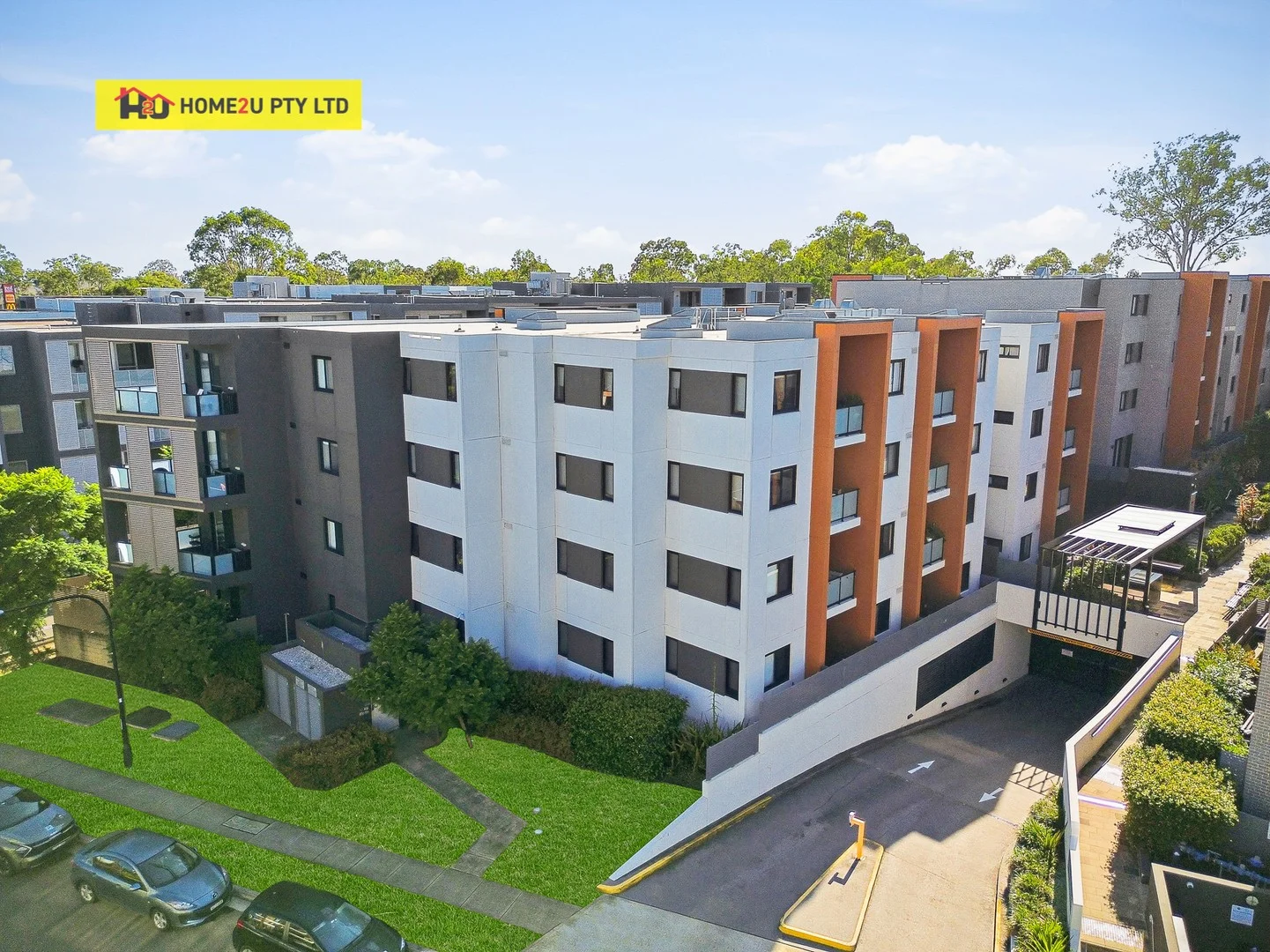 $750,000 - $780,000
Apartment / Unit / Flat
$750,000 - $780,000
Apartment / Unit / Flat
 $1,525,000
Apartment / Unit / Flat
$1,525,000
Apartment / Unit / Flat
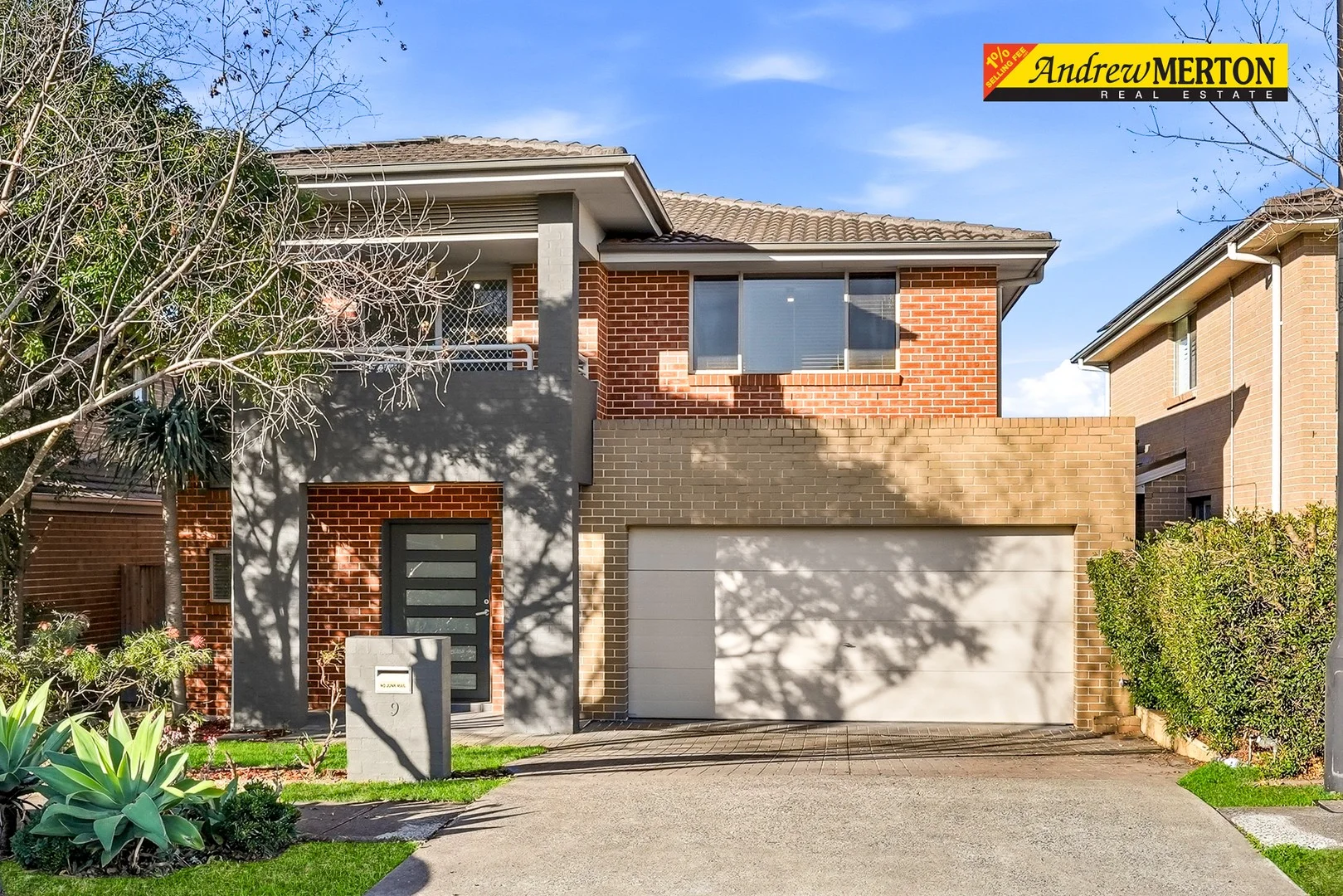 $1,550,000
House
$1,550,000
House
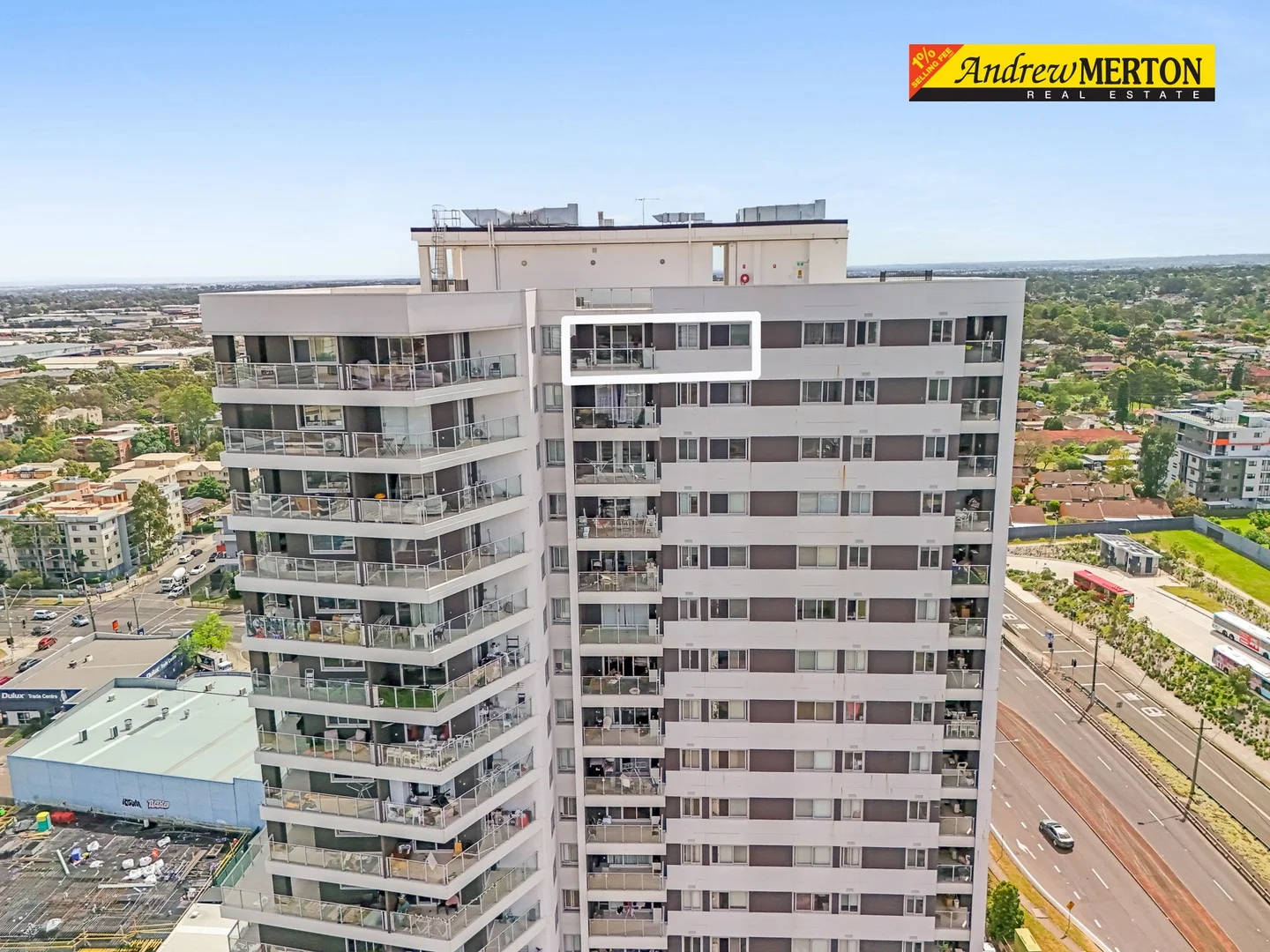 $399,900
Apartment / Unit / Flat
$399,900
Apartment / Unit / Flat
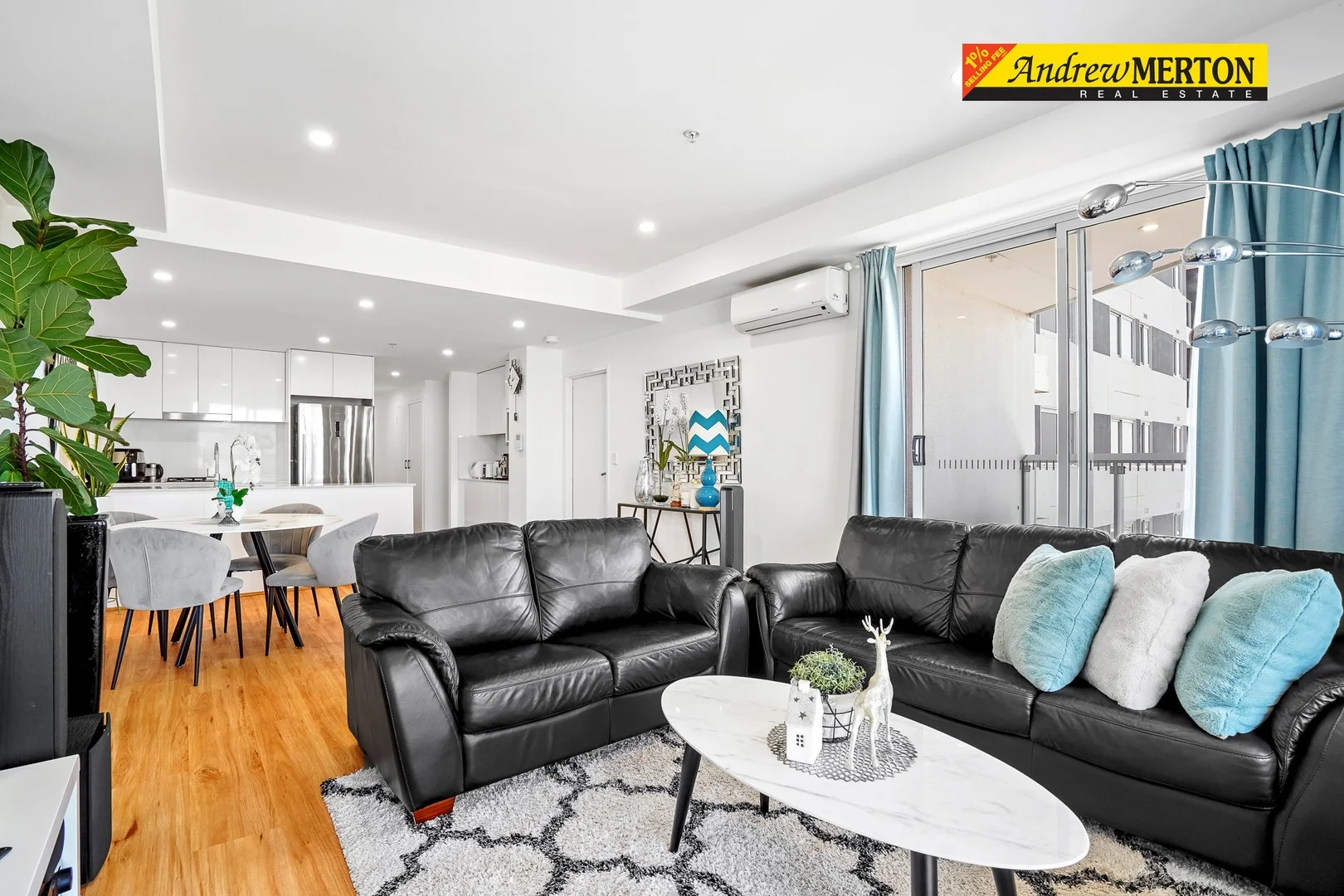 $450,000 - $470,000
Apartment / Unit / Flat
$450,000 - $470,000
Apartment / Unit / Flat
 $36,000,000 - $39,500,000
Vacant Land
$36,000,000 - $39,500,000
Vacant Land


