## Overview
Cherrybrook Technology High School is a public secondary school that serves students from Cherrybrook and surrounding NSW suburbs. It is a co-educational, comprehensive high school with a strong emphasis on technology and STEM, complemented by a broad range of academic and pastoral programs. The atmosphere is welcoming and purposeful, with a focus on preparing students for post-school pathways through high expectations and supportive teaching.
- School type: Public
- School size: Large
- Class size: Typically around 25–30 students
- Atmosphere/culture: Academic, inclusive, diverse, tech-focused
## Academics & Learning
The school offers a broad curriculum designed to develop core skills across literacy, numeracy, and critical thinking, with particular strengths in STEM, English, and leadership development. There are opportunities for accelerated and enriched learning through gifted and talented pathways, and a strong emphasis on languages and digital literacy.
- Academic strengths: STEM, English/literacy, leadership development, languages
- Special programs: Gifted and Talented, accelerated learning options, technologies/programs aligned with STEM
- NAPLAN trends: Steady performance with improvements in literacy and numeracy over recent years; trends show consistent achievement above typical state averages and strong participation
- Student-teacher ratios: Generally aligned with NSW public high schools, enabling solid teacher support within class contexts
- Support for diverse learners: EAL/D support, inclusive education programs, SEN supports and targeted interventions
## Sports & Extracurricular Strengths
A wide range of sports and activities supports a balanced student experience and appeals to boys and girls aged 10–14 and beyond. Strong participation in team sports and a variety of clubs helps students build teamwork and leadership.
- Sports offered: Basketball, soccer, cricket, rugby league, netball, athletics, tennis (and other school-based programs)
- Strong teams or achievements: Regular participation in inter-school and district competitions with notable performances across sports
- Music, arts, drama programs: School bands, ensembles, choir, drama productions, and opportunities in performing arts
- Clubs: Robotics, chess, coding, debating, science clubs, and language/cultural clubs
- Partnerships: Local clubs and associations, participation in regional competitions and events
## Wellbeing & Pastoral Care
Pastoral care and student wellbeing are priorities, with systems in place to support social-emotional health, transition, and safe learning environments.
- Anti-bullying approach: Clear anti-bullying policies and proactive programs to promote respectful behavior
- House system: House groups support belonging, mentorship, and friendly competition
- Counsellors / wellbeing officers: Access to school-based counselors and wellbeing staff
- Transition support for new students: Orientation, buddy programs, and targeted transition activities to help new students settle
## Facilities
The campus includes multiple facilities designed to support academics, arts, sport, and technology.
- Sports grounds
- Libraries
- Science labs
- Music/performing arts centers
- Tech/innovation labs
- Cafeteria
- Updated playgrounds
## School Values & Community Culture
The school aims to foster responsible, respectful, and engaged students who contribute positively to the school and community.
- School values / mission: Emphasis on respect, responsibility, integrity, and inclusion
- Leadership style: Collaborative and student-centered, with teacher guidance and opportunities for student leadership
- Behaviour expectations: Clear codes of conduct and consistent application of expectations
- Community reputation: Generally positive, with strong parent and community engagement
- Diversity & inclusion: Commitment to inclusive practices and celebrating diverse backgrounds
## School Logistics & Daily Operations
Key day-to-day details help families plan around school routines and supports.
- School hours: Typical daytime timetable (start and finish times align with NSW public high school norms)
- Before/after school care: OSHC or school-approved programs may be available
- Uniform requirements: School uniform required; details provided by the school
- Transport (train/bus routes): Accessible via local bus services and nearby train connections; check specific routes and stop locations
- Canteen availability: On-site canteen or lunch facilities
- Fees (low/medium/high ranges): No tuition; some voluntary contributions and subject/materials fees may apply
## Enrolment & Admissions
11. What is the enrolment process and timeline?
- Enrolment is typically handled through the NSW Department of Education processes. Families submit an application with required documentation (proof of address, identity, previous schooling, and any program-specific requirements). Timelines generally align with the NSW school year, with notification of placement or placement status provided by the school.
12. Is there a waiting list, and how does it work?
- There can be wait lists for non-catchment places or popular programs. Waiting lists are typically managed by date of application and student catchment status, with priority given to local residents where applicable.
13. Are there any entry requirements, tests, or interviews?
- In public high schools, entry is usually based on residence within the local intake area, with documentation submitted for enrolment. Some programs or year groups may have additional steps, but standard entry generally does not involve entrance tests or interviews.
14. Does the school accept mid-year transfers?
- Mid-year transfers may be possible subject to space in the requested year level and NSW Department of Education guidelines. Families should contact the school directly to assess availability and required paperwork.
## Frequently Asked Questions
- Why Parents Choose This School?
- A combination of strong academics, a focus on technology and STEM, supportive staff, and active extracurricular options.
- What type of student thrives at this school?
- Students who are motivated, collaborative, and engaged in a range of subjects and activities, particularly those with interests in science, technology, and leadership.
- What opportunities are available for students to extend their skills (academics, sports, arts)?
- Enrichment and acceleration options in core subjects, STEM-related clubs and competitions, performing arts programs, and a broad array of sports and clubs.
- How does the school communicate with parents?
- Regular updates via newsletters, emails, the school portal, and parent-teacher meetings; information shared through the school website and community channels.
- What is the school’s approach to teaching and learning?
- A mix of evidence-based classroom practices, differentiated instruction, and integration of technology to support diverse learning needs.
- How does the school support students who need extra academic help?
- Targeted interventions, tutoring supports, EAL/D and SEN services, and access to guidance from teachers and wellbeing staff.
- What support is available for academic challenges?
- Additional tutoring, adjusted learning plans, and collaboration with families to monitor progress and set goals.
- How does the school communicate with parents? (duplicate)
- See above under parent communication.
- What are the class sizes and how much individual attention do students receive?
- Class sizes are typically around 25–30 students, with teacher support and opportunities for individual feedback within classroom and small-group settings.
- What extracurricular and sports opportunities are available?
- A broad range of sports, music and arts programs, robotics, chess, coding, debating, and other clubs and competitions.
- What facilities does the school offer (sports, science, arts)?
- Modern science labs, music/performing arts facilities, libraries, tech/innovation spaces, sports grounds, and a canteen.
- What is the school’s approach to technology and digital learning?
- Integration of digital tools and STEM-focused learning across subjects, with opportunities for students to engage in coding, robotics, and technology-driven projects.
- What transport and accessibility options are available?
- Access via local bus routes and nearby rail connections; school coordination with transport services for safe and reliable travel.
- What typical school fees or additional costs?
- No tuition fees for public education; some subject materials, activities, and excursions may require small additional costs.
## Short Pros & Cons List
- Pros
- Strong focus on STEM and technology alongside a broad academic program
- Wide range of extracurriculars and clubs
- Supportive wellbeing and pastoral care
- Large, diverse student community with inclusive practices
- Cons
- Large school size can mean busier campuses and slightly less individualized attention in some classes
- Uniform and materials costs are ongoing
- Availability of certain programs may depend on year level and space












 $1,525,000
Apartment / Unit / Flat
$1,525,000
Apartment / Unit / Flat
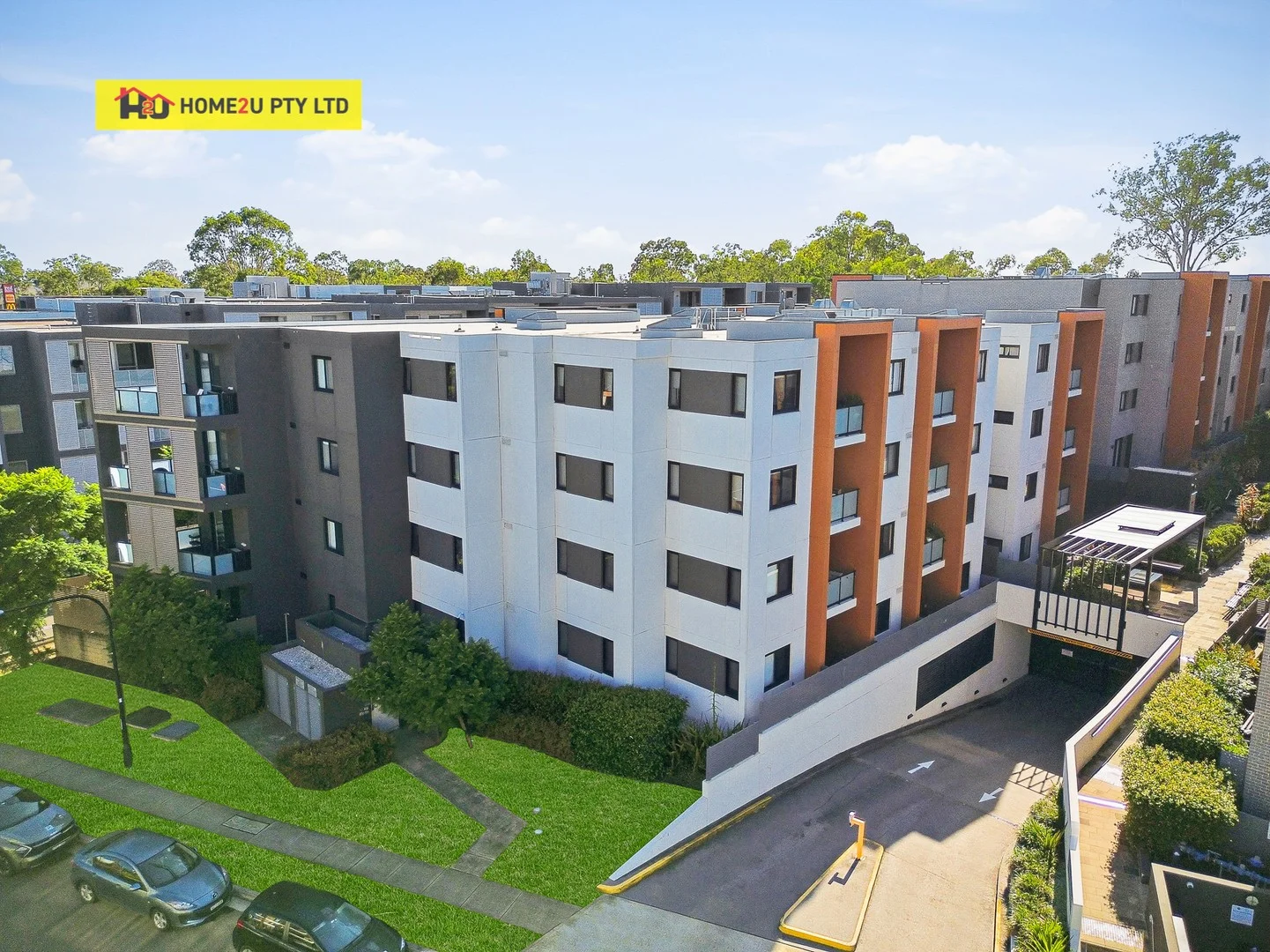 $750,000 - $780,000
Apartment / Unit / Flat
$750,000 - $780,000
Apartment / Unit / Flat
 $36,000,000 - $39,500,000
Vacant Land
$36,000,000 - $39,500,000
Vacant Land
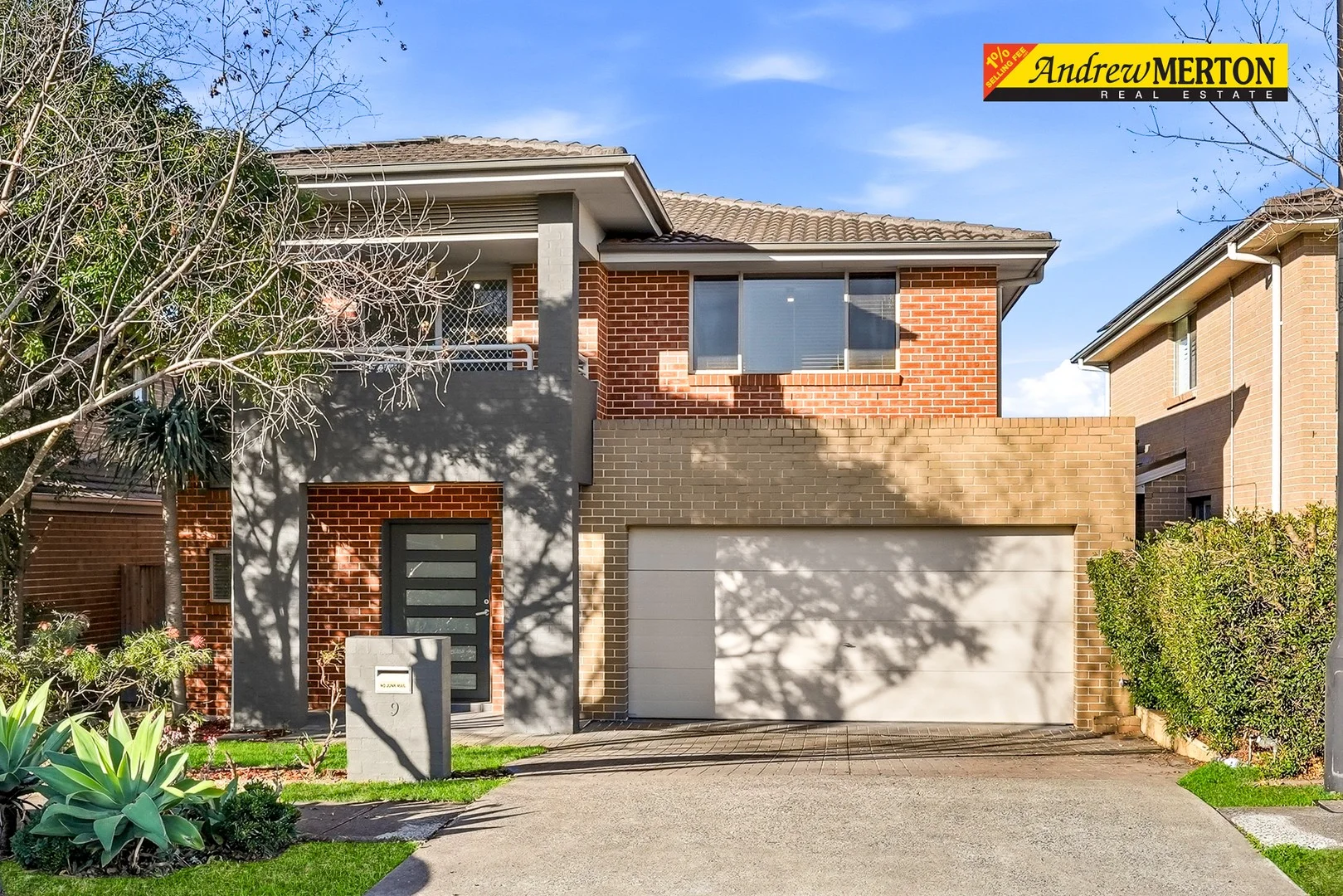 $1,550,000
House
$1,550,000
House
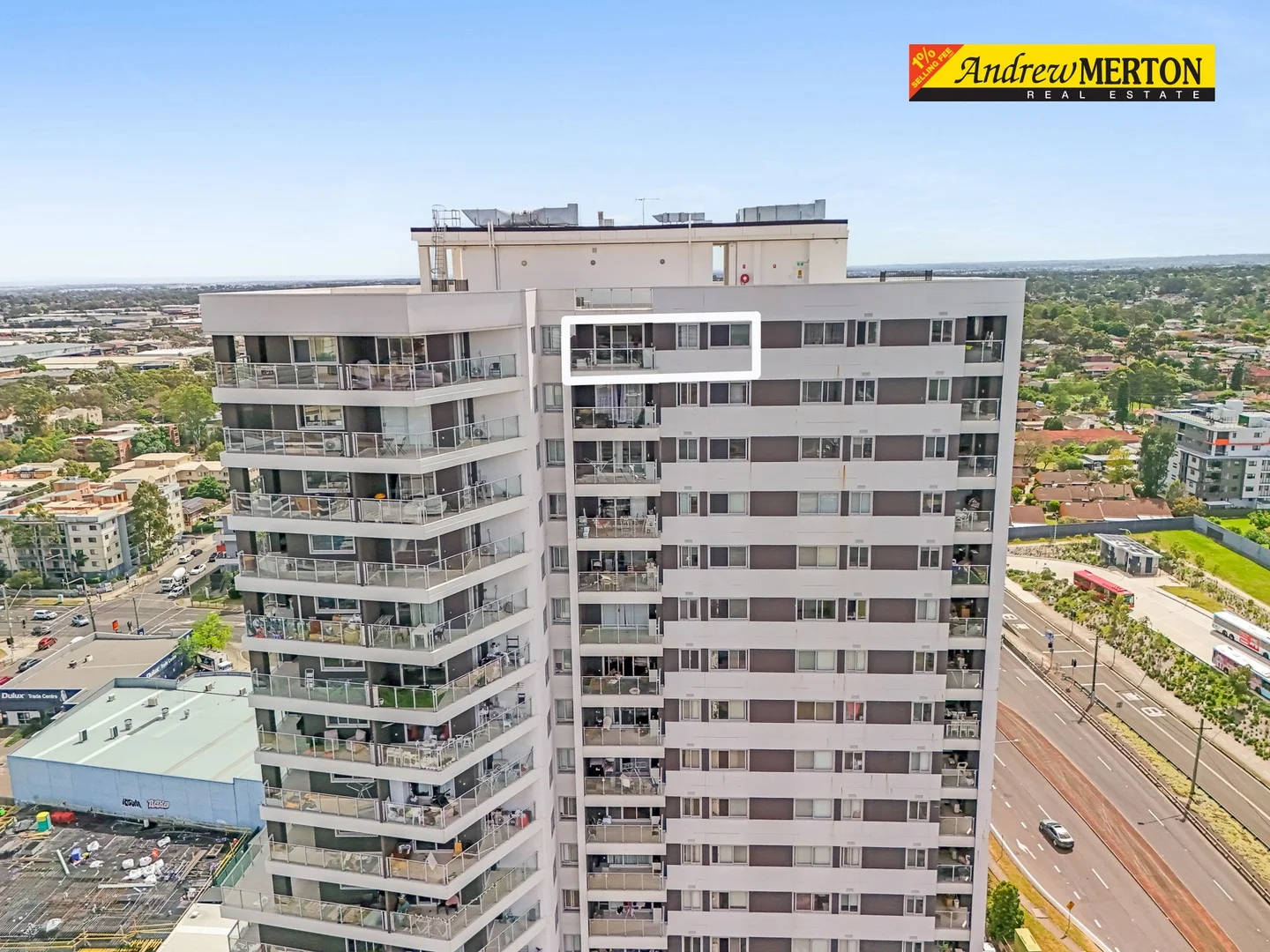 $399,900
Apartment / Unit / Flat
$399,900
Apartment / Unit / Flat
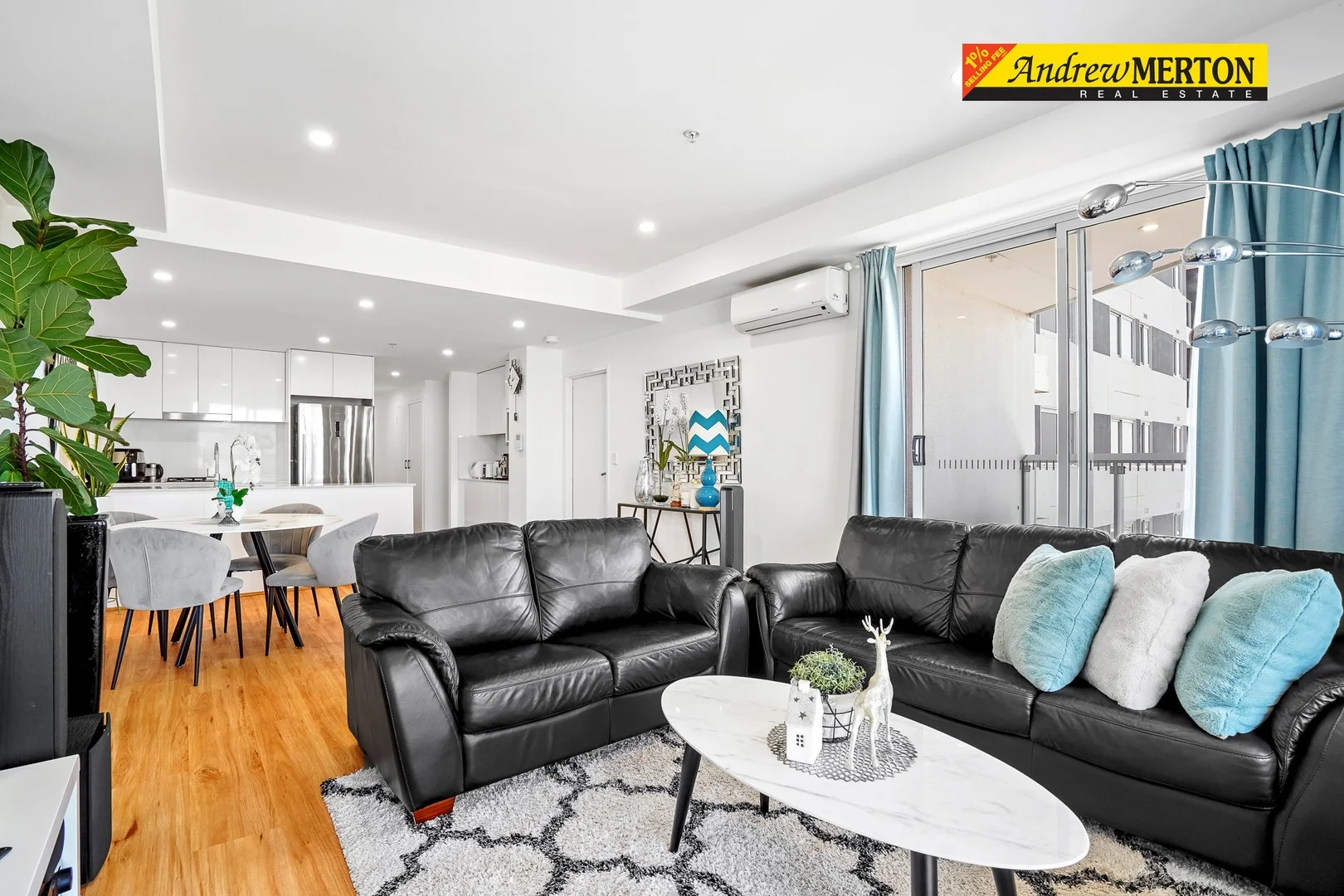 $450,000 - $470,000
Apartment / Unit / Flat
$450,000 - $470,000
Apartment / Unit / Flat


