Port Vincent Primary School
Port Vincent, SA 5581
School Type
Government
Gender
Coeducational
Tuition Fees
N/A
Levels
PrimarySecondary
Contact Information
Overview
## Overview
Port Vincent Public Primary School is a public primary school serving families in Port Vincent, SA. The school focuses on creating a safe, supportive, and inclusive learning environment where students can develop foundational skills in literacy, numeracy, and social learning. The atmosphere is nurturing and community-minded, with an emphasis on student well-being and active participation in school life.
The school is small in size, which helps foster close relationships between students, teachers, and families. Class sizes are typically in the low-to-mid 20s, varying by year level. The culture prioritizes collaboration, respect, and a positive attitude to learning, supporting students to grow academically and socially.
---
## Academics & Learning
- Academic strengths: English and mathematics underpin daily learning, with opportunities to develop STEM capabilities, leadership skills, and language awareness integrated across the curriculum.
- Special programs: There may be access to targeted programs such as gifted and talented or enriched learning opportunities, embedded where feasible within year-level cohorts.
- NAPLAN / trend awareness: The school monitors NAPLAN progress over time to track literacy and numeracy growth and to identify areas for targeted support.
- Student-teacher ratios: Typical ratios are in the lower teens to mid-20s, depending on year level and class structure, allowing some individual attention within a small-school setting.
- Support for diverse learners: Support for diverse learners is available, including EAL (English as an Additional Language) assistance and SEN (Special Education Needs) support to help students access learning in a way that suits their needs.
---
## Sports & Extracurricular Strengths
- Sports offered: Primary-level programs commonly include football, cricket, netball, athletics, and swimming activities, with opportunities for inter-school events and school carnivals.
- Strong teams or achievements: The school may participate in local competitions and sporting events, celebrating team efforts and individual growth.
- Music, arts, drama programs: There are opportunities for music and performing arts involvement through choirs, instrumental programs, school productions, and classroom-based arts initiatives.
- Clubs: Robotics, chess, coding, and debating clubs are often available or offered through partnerships or after-school programs.
- Partnerships: Local community clubs, regional school networks, and external competitions provide extra opportunities for students to showcase skills and participate in events beyond the school gates.
---
## Wellbeing & Pastoral Care
- Anti-bullying approach: The school adopts a proactive anti-bullying strategy with clear reporting pathways, student-friendly policies, and age-appropriate education on respectful behavior.
- House system: A house or mentor grouping structure supports leadership, teamwork, and healthy competition during school activities.
- Counsellors / wellbeing officers: On-site wellbeing staff (counsellors or wellbeing officers) support student mental health, resilience, and social-emotional learning.
- Transition support for new students: Orientation programs, buddy systems, and family supports help new students settle smoothly and build connections quickly.
---
## Facilities
- Sports grounds: On-site playing fields or ovals for daily activity and sport events.
- Libraries: A library space supporting independent reading, research, and exploration.
- Science labs: Dedicated spaces for practical science activities and experiments.
- Music/performing arts centers: Spaces or rooms for music practice, rehearsals, and performances.
- Tech/innovation labs: Computers or media labs to support digital literacy and project-based learning.
- Cafeteria: On-site or nearby canteen facilities for student lunches and snacks.
- Updated playgrounds: Safe, modern play areas that encourage active free play and physical development.
---
## School Values & Community Culture
- School values / mission: A focus on respect, responsibility, collaboration, and inclusivity guides daily practice and student leadership.
- Leadership style: A student-centered, supportive leadership approach that values teacher collaboration and family partnership.
- Behaviour expectations: A positive behaviour framework promotes consistent expectations, restorative approaches, and praise for effort and achievement.
- Community reputation: The school is known for a family-friendly, welcoming environment where parents feel involved and students feel supported.
- Diversity & inclusion: The school supports diverse backgrounds and abilities, promoting accessibility and inclusive participation in all activities.
---
## School Logistics & Daily Operations
- School hours: Typical day runs from morning start to mid-afternoon with standard break times; exact times can vary by year level and term.
- Before/after school care: Availability often provided through school-operated or partner programs; check current arrangements.
- Uniform requirements: A formal school uniform is expected, with sports uniforms for physical education and specific items for daily wear; hats and sun protection are commonly encouraged.
- Transport (train/bus routes): Student transport options may include local bus services or walking/cycling to a nearby area; check current arrangements for Port Vincent.
- Canteen availability: On-site or nearby canteen services may operate on certain days or by order; lunch orders may be offered.
- Fees (low/medium/high ranges): As a public school, tuition is typically minimal or not charged; additional costs may relate to excursions, activities, materials, or voluntary contributions.
---
## Enrolment & Admissions
11. What is the enrolment process and timeline?
- Begin with an inquiry to the school administration to obtain the current enrolment pack and timelines.
- Submit the required enrolment forms along with citizenship/residency documentation, immunisation records, birth certificate, proof of address, and any school transfer documents.
- The school will review documents, confirm space availability, and inform families of next steps, including orientation or intake testing if applicable.
- The timeline varies by year level and term; early applications are encouraged to secure a place.
12. Is there a waiting list, and how does it work?
- Some years may have a waiting list due to limited places. Positions on the list are typically allocated by date of application and may give priority to siblings of current students or staff where applicable.
- The school will provide updates on wait-list status and any opportunities for interim placement if space becomes available.
13. Are there any entry requirements, tests, or interviews?
- Primary-school enrolment typically requires standard documentation (proof of residency, immunisation records, birth certificate). Some pathways may involve a brief interview or informal discussion to understand needs and placement.
- There are usually no entrance exams for standard year-level placements, though any assessments or interviews would be communicated by the school if required.
14. Does the school accept mid-year transfers?
- Mid-year transfers are possible if there is space in the relevant year level.
- Families should contact the administration as soon as possible to discuss eligibility, provide current school records or transcripts, and arrange transition activities or a short onboarding period.
---
## Frequently Ask Questions
- Why Parents Choose This School?
- A caring community, a focus on well-being and safe learning environments, and small class sizes that allow for more teacher attention.
- What type of student thrives at this school?
- Students who are collaborative, motivated to learn, and appreciative of a supportive community and opportunities in both academics and activities.
- What opportunities are available for students to extend their skills (academics, sports, arts)?
- Access to literacy and numeracy enhancement, STEM activities, arts and music programs, and a range of after-school clubs and sports.
- How does the school communicate with parents?
- Regular newsletters, emails, parent-teacher meetings, and official school apps or portals for updates and notices.
- What is the school’s approach to teaching and learning?
- A balanced approach that combines literacy and numeracy foundations with inquiry, collaboration, and real-world applications to build critical thinking and problem-solving.
- How does the school support students who need extra academic help?
- Targeted interventions and small-group or one-on-one support within the school timetable, plus access to learning support staff as needed.
- What support is available for academic challenges?
- Additional tutoring or learning support initiatives, with referrals to appropriate specialists or adjustments to classroom practice.
- How does the school communicate with parents? (Repeated)
- See above: newsletters, digital platforms, and scheduled meetings.
- What are the class sizes and how much individual attention do students receive?
- Class sizes are small to mid-sized for primary grades, enabling some individual attention within a supportive team setting.
- What extracurricular and sports opportunities are available?
- A mix of sports (team and individual activities), music and drama programs, and clubs such as robotics, chess, coding, and debating.
- What facilities does the school offer (sports, science, arts)?
- Sports grounds, libraries, science labs, music/arts spaces, technology labs, a canteen, and updated playgrounds.
- What is the school’s approach to technology and digital learning?
- Emphasis on digital literacy, use of devices and interactive learning tools, and safe, responsible technology use integrated into the curriculum.
- What transport and accessibility options are available?
- Information on bus routes or local transport options, walkable access where possible, and accommodations to support accessibility.
- What are the typical school fees or additional costs?
- Public primary schools generally have low or no tuition; there may be costs for specific activities, excursions, or material fees.
---
## Short Pros & Cons list
- Pros:
- Strong sense of community and student well-being
- Small to mid-sized classes enabling more individualized attention
- Inclusive culture with diverse learning support
- Broad opportunities across academics, sports, arts, and clubs
- Cons:
- Limited specialist facilities compared to larger urban schools
- Annual enrolment can be competitive if spaces are tight
- Transportation options may depend on rural/remote logistics
- Extracurricular offerings may vary by year and term; some activities may be limited if demand exceeds capacity
What's Nearby

Nearby Schools
🏫
Stansbury Primary School
North Terrace, Stansbury SA 5582 Australia
Government
Coeducational
Primary+
🏫
Curramulka Primary School
Sixth Street, Curramulka SA 5580 Australia
Government
Coeducational
Primary+
🏫
Minlaton District School
2 North Terrace, Minlaton SA 5575 Australia
Government
Coeducational
Primary+
🏫
Yorketown Area School
Stansbury Rd & School Rd, Yorketown SA 5576, Australia
Government
Coeducational
Primary+
🏫
St Columba's Memorial School
55 Warooka Road, Yorketown SA 5576 Australia
Catholic
Coeducational
Primary+
🏫
St Mark's College
455 The Terrace Extension, Port Pirie SA 5540 Australia
Catholic
Coeducational
Primary+
Nearby Properties
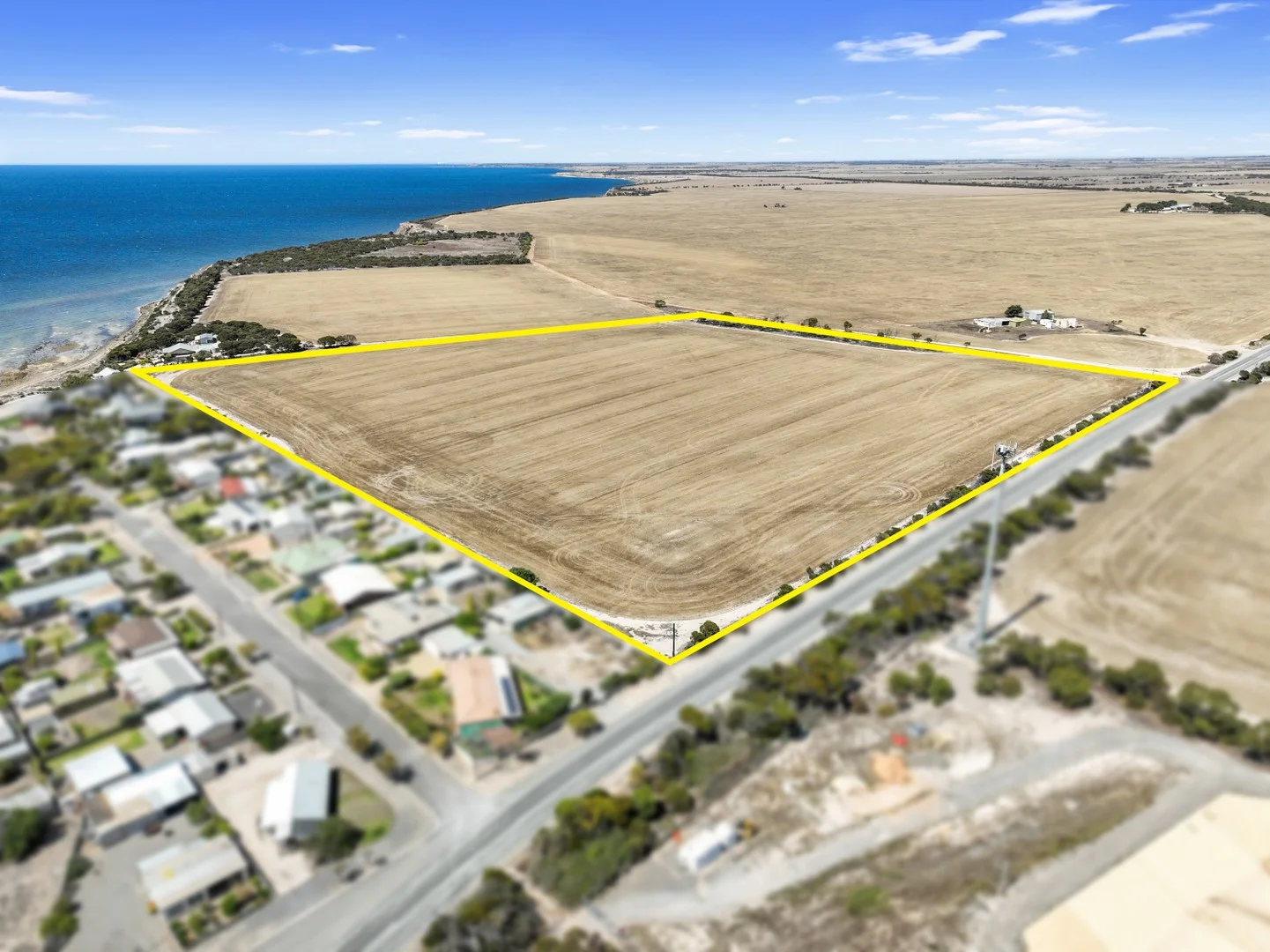 $999,999
propertyType.SPECIALIST FARM
$999,999
propertyType.SPECIALIST FARM
Expressions of Interest
Lot 5 Port Vincent Road
Port Vincent, SA, 5581
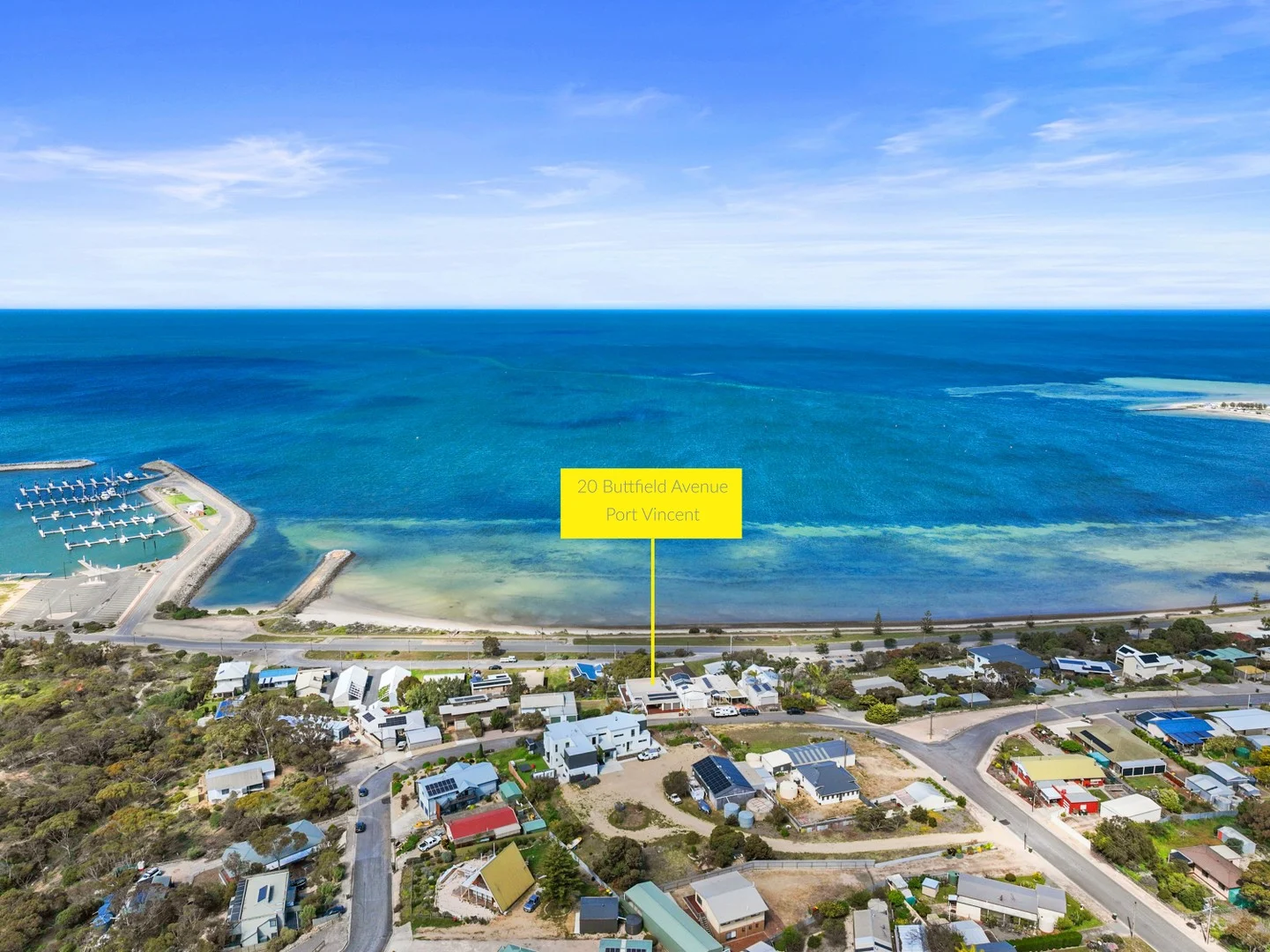 $880,000
House
$880,000
House
$895,000
20 Buttfield Avenue
Port Vincent, SA, 5581
5 beds · 2 baths · 2 cars
 $430,000 - $450,000
House
$430,000 - $450,000
House
$430,000.00 to $450,000.00
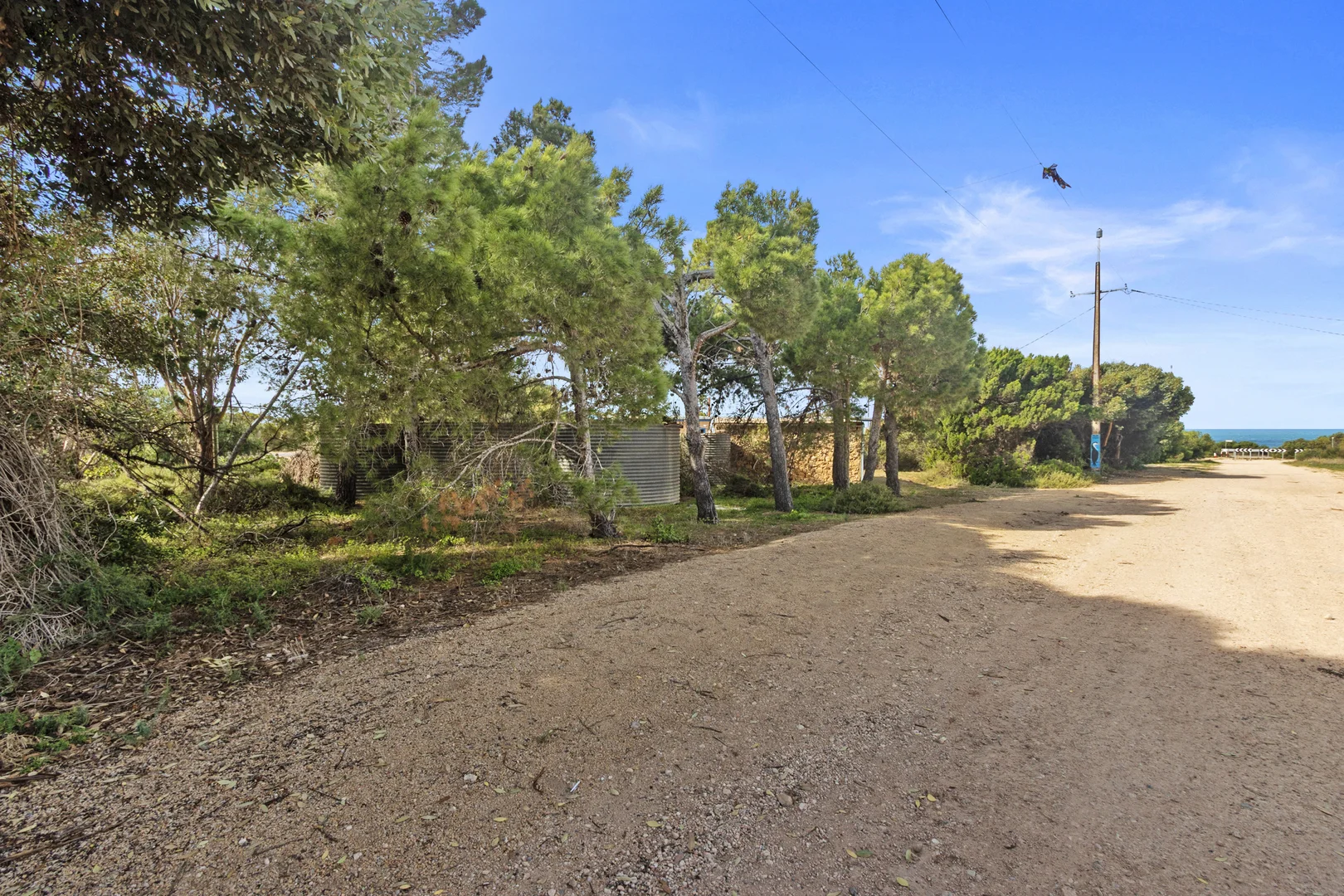
1 Priscilla Avenue
Port Julia, SA, 5580
3 beds · 1 baths · 2 cars
 $320,000
House
$320,000
House
$320,000 to $340,000
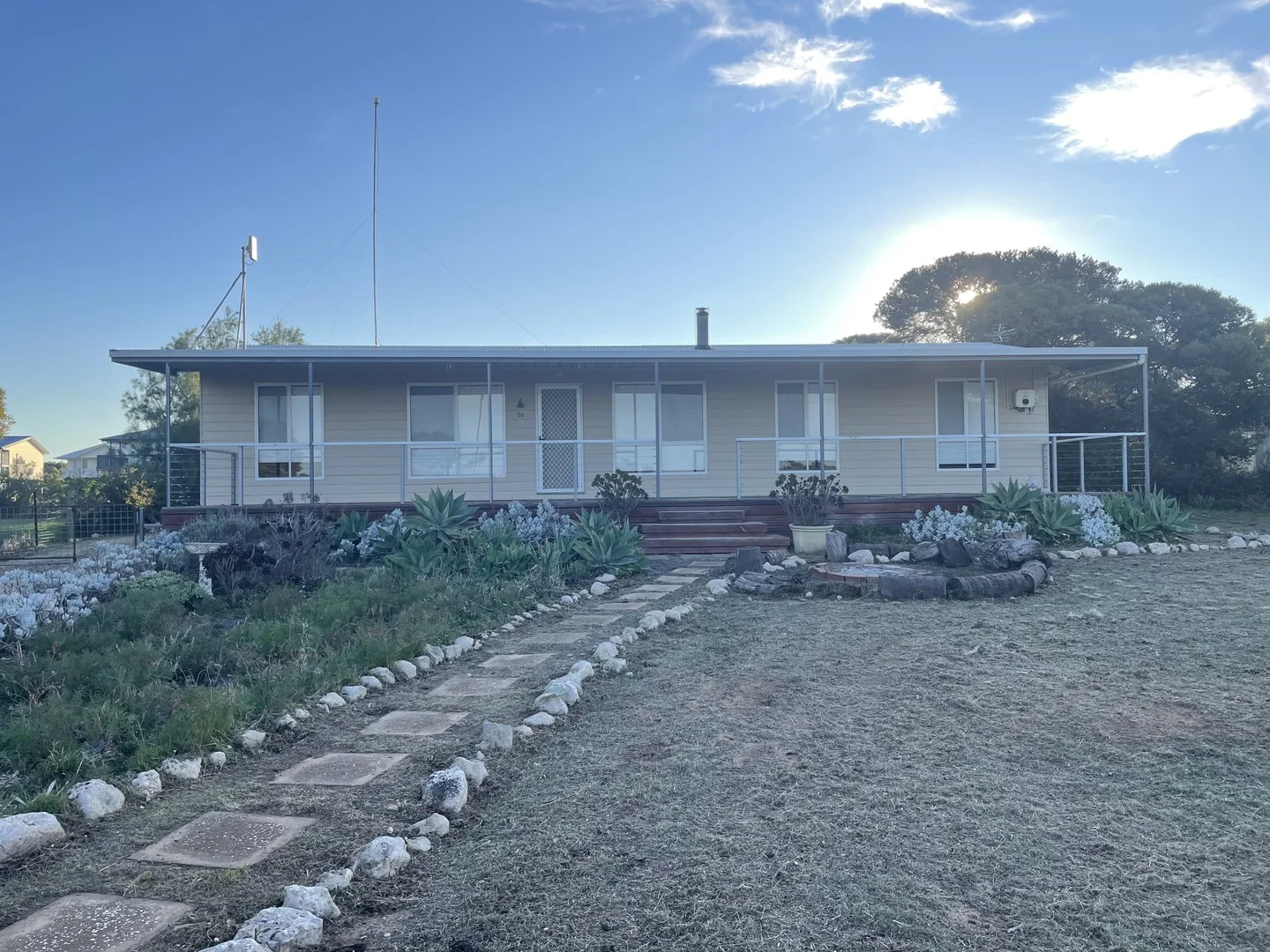
1 Endeavour Drive
Port Julia, SA, 5580
2 beds · 1 baths · 2 cars
 $450
House
$450
House
$450 per week
54-56 Active Road
Port Julia, SA, 5580
5 beds · 2 baths · 7 cars
 $199,000
Vacant Land
$199,000
Vacant Land
$199,000
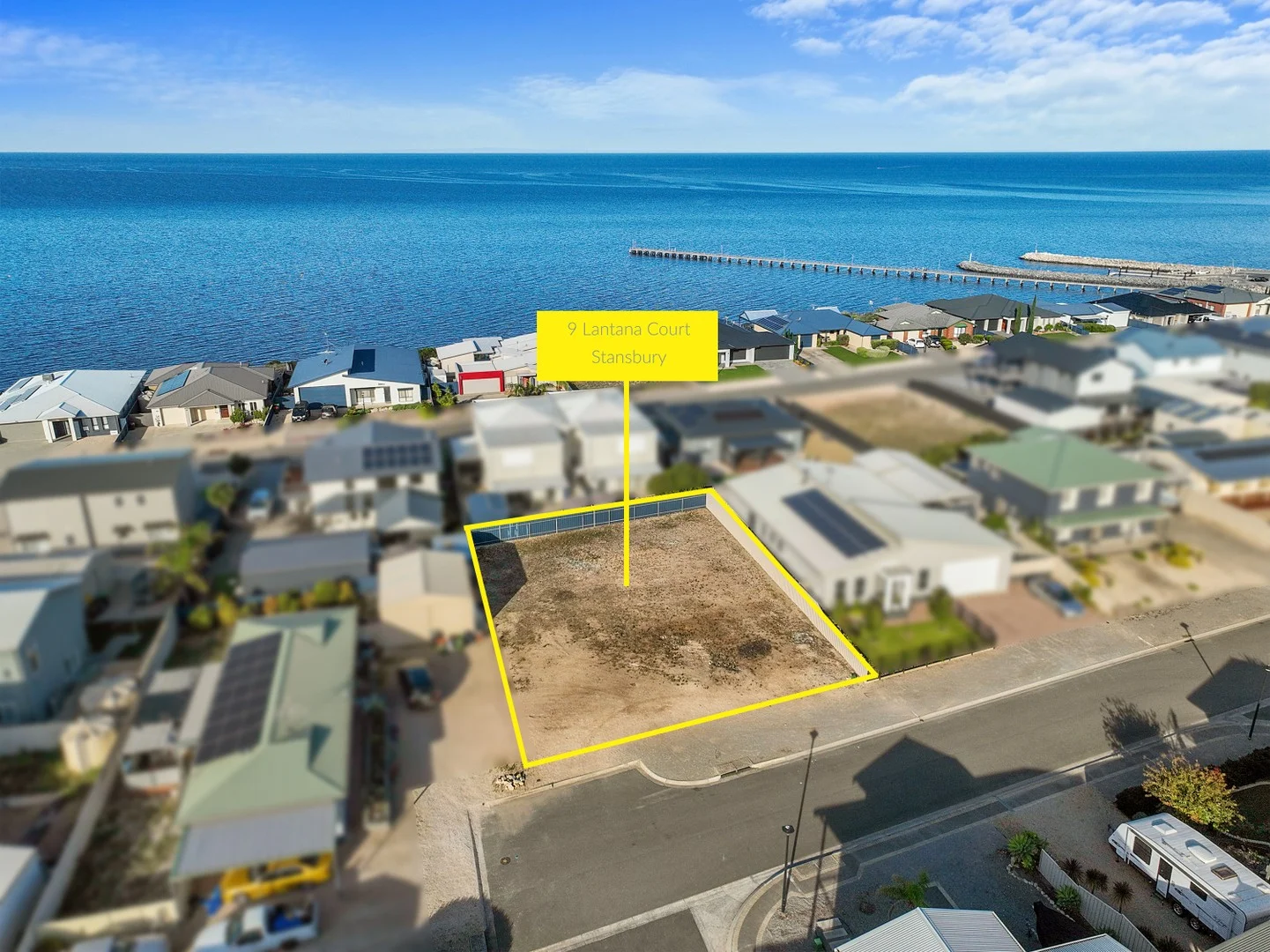
9 Lantana Court
Stansbury, SA, 5582