Overview
## 1. Overview
Prescott Northern Primary School is a public, Department for Education school serving families in Para Vista, SA. The school offers a medium-sized community with a welcoming, inclusive atmosphere that supports both academic and personal growth. Class sizes are typically in the 20–25 student range, fostering strong student-teacher interactions and collaborative learning.
- School type: Public
- School size: Medium
- Class size: ~20–25 students per class
- Atmosphere/culture: Nurturing, inclusive, academically focused with a community feel
---
## 2. Academics & Learning
Prescott Northern Primary focuses on delivering a well-rounded foundation across core subjects, with emphasis on literacy, numeracy, and STEM themes. The school supports students to develop critical thinking, creativity, and leadership from an early age.
- Academic strengths: Literacy and numeracy, STEM concepts and digital literacy, early leadership opportunities, and strong English/foundation programs
- Special programs: Intervention and support for learners needing extra help; gifted and talented opportunities where available; targeted reading and mathematics supports; digital learning across year levels
- NAPLAN / trends: Public primary trends typically show performance in line with state averages, with ongoing improvement efforts in literacy and numeracy over recent years
- Student-teacher ratios: Approximately 1:18–1:22, depending on year level and class
- Support for diverse learners: EAL support, SEN support, inclusive classroom practices, and access to learning support staff
---
## 3. Sports & Extracurricular Strengths
A strong feature for families seeking well-rounded development, Prescott Northern offers a variety of sports and enrichment activities, with opportunities to participate in teams, arts, and clubs.
- Sports offered: Soccer, netball, basketball, athletics, cricket, and other school-wide physical activities
- Strong teams or achievements: Regular participation in district-level events and inter-school competitions
- Music, arts, drama programs: School music programs and performing arts events; opportunities to participate in choir and school productions
- Clubs: Robotics, coding, chess, debating, and other inquiry-based clubs
- Partnerships: Connections with local community groups and sports/arts organizations for competitions and showcases
---
## 4. Wellbeing & Pastoral Care
Wellbeing is a core priority, with systems in place to support a safe, respectful learning environment and smooth transitions for students.
- Anti-bullying approach: Clear policies, positive behaviour support frameworks, and proactive intervention strategies
- House system: House groups that foster teamwork, spirit, and peer support
- Counsellors / wellbeing officers: Access to school counsellor or wellbeing coordinator for student and family support
- Transition support for new students: Buddy system, orientation activities, and information for families to ease start-of-year changes
---
## 5. Facilities
The school grounds and facilities are designed to support a broad curriculum and engaging learning experiences.
- Sports grounds
- Libraries
- Science labs
- Music/performing arts centers
- Tech/innovation labs
- Cafeteria
- Updated playgrounds
---
## 6. School Values & Community Culture
Prescott Northern aims to cultivate responsible, respectful, and resilient learners who contribute positively to the school and wider community.
- School values / mission: Core values such as Respect, Responsibility, Resilience, and Collaboration
- Leadership style: Distributed leadership with teacher partnerships and student voice opportunities
- Behaviour expectations: Clear code of conduct and positive reinforcement for desired behaviours
- Community reputation: Family-friendly, welcoming school with active parent participation
- Diversity & inclusion: Commitment to inclusive practices and supporting diverse learners
---
## 7. School Logistics & Daily Operations
Key practical details to help families plan around school life.
- School hours: Typical school day runs mornings to afternoons (check current year timetable)
- Before/after school care: Available or arranged through approved providers
- Uniform requirements: School uniform required (with seasonal options); sports uniform for PE/sport
- Transport: Bus routes and active travel options (walking/ciking) supported
- Canteen availability: Canteen or no-cost lunch options available on some days; eat-in or take-away arrangements
- Fees: Generally low-cost to moderate; standard charges for materials and activities; voluntary contributions may apply
---
## 8. Enrolment & Admissions
11. What is the enrolment process and timeline?
- Submit an enrolment application through the school or education department portal.
- Provide required documents (proof of address, birth certificate, immunisation records).
- Zone priority applies; you may receive a decision within several weeks, with dates varying by intake period.
- Some information sessions or school tours may be offered to families.
12. Is there a waiting list, and how does it work?
- Waiting lists may apply if year levels reach capacity.
- Applications are placed in a queue and offers are made when vacancies arise, following enrolment priorities.
13. Are there any entry requirements, tests, or interviews?
- There are typically no entrance tests for public primary enrolments.
- Interviews are uncommon but tours or information sessions may be offered; address verification and immunisation records are required.
14. Does the school accept mid-year transfers?
- Yes, subject to vacancies and placement needs.
- Transfer requests usually require up-to-date student records and may involve a short transition period.
---
## 9. Frequently Asked Questions
- Why Parents Choose This School?
- A welcoming, inclusive environment with a strong focus on literacy and numeracy, plus a broad range of clubs and activities.
- What type of student thrives at this school?
- Students who engage in collaborative learning, enjoy a balanced curriculum, and appreciate a supportive, community-focused setting.
- What opportunities are available for students to extend their skills (academics, sports, arts)?
- Access to enrichment programs in literacy, numeracy, and STEM; clubs in robotics, coding, chess, and debating; music and drama opportunities; inter-school sports teams.
- How does the school communicate with parents?
- Regular notices, newsletters, and digital platforms; parent-teacher meetings; updates on learning progress and school events.
- What is the school’s approach to teaching and learning?
- Student-centred learning with a mix of whole-class, small-group, and targeted intervention to meet diverse needs; emphasis on literacy, numeracy, and digital literacy.
- How does the school support students who need extra academic help?
- Targeted intervention, in-class support, and access to learning support staff and EAL/SEN resources.
- What support is available for academic challenges?
- Early identification, tailored supports, and progress monitoring; additional tutoring or small-group sessions as needed.
- How does the school communicate with parents?
- See above; ongoing updates via newsletters, portals, and meetings.
- What are the class sizes and how much individual attention do students receive?
- Class sizes around 20–25 students; students typically receive regular opportunities for teacher interaction and small-group support.
- What extracurricular and sports opportunities are available?
- A range of sports (soccer, netball, basketball, athletics, cricket); robotics, coding, chess, debating; music and performing arts programs.
- What facilities does the school offer (sports, science, arts)?
- Sports grounds, libraries, science labs, performing arts venues, tech/innovation spaces, and a canteen with updated playgrounds.
- What is the school’s approach to technology and digital learning?
- Integration of digital literacy across learning areas, with age-appropriate use of technology to support inquiry and collaboration.
- What transport and accessibility options are available?
- Bus routes and active travel options; provisions to support students with accessible routes where possible.
- What are the typical school fees or additional costs?
- Overall low-to-moderate fees; additional costs may relate to materials, excursions, and optional activities.
---
## 10. Short Pros & Cons list
Pros
- Nurturing, inclusive learning environment
- Strong focus on literacy and numeracy with STEM integration
- Broad range of extracurriculars (sports, arts, clubs)
- Support for diverse learners (EAL, SEN)
- Active community and family-friendly culture
Cons
- Enrolment may involve a waiting list for popular year levels
- Uniforms are required and may add to costs
- Busy school schedule can mean peak-period transportation impacts
- Large enough to require proactive organisation for events and communications
- Availability of some programs may vary by year and staffing









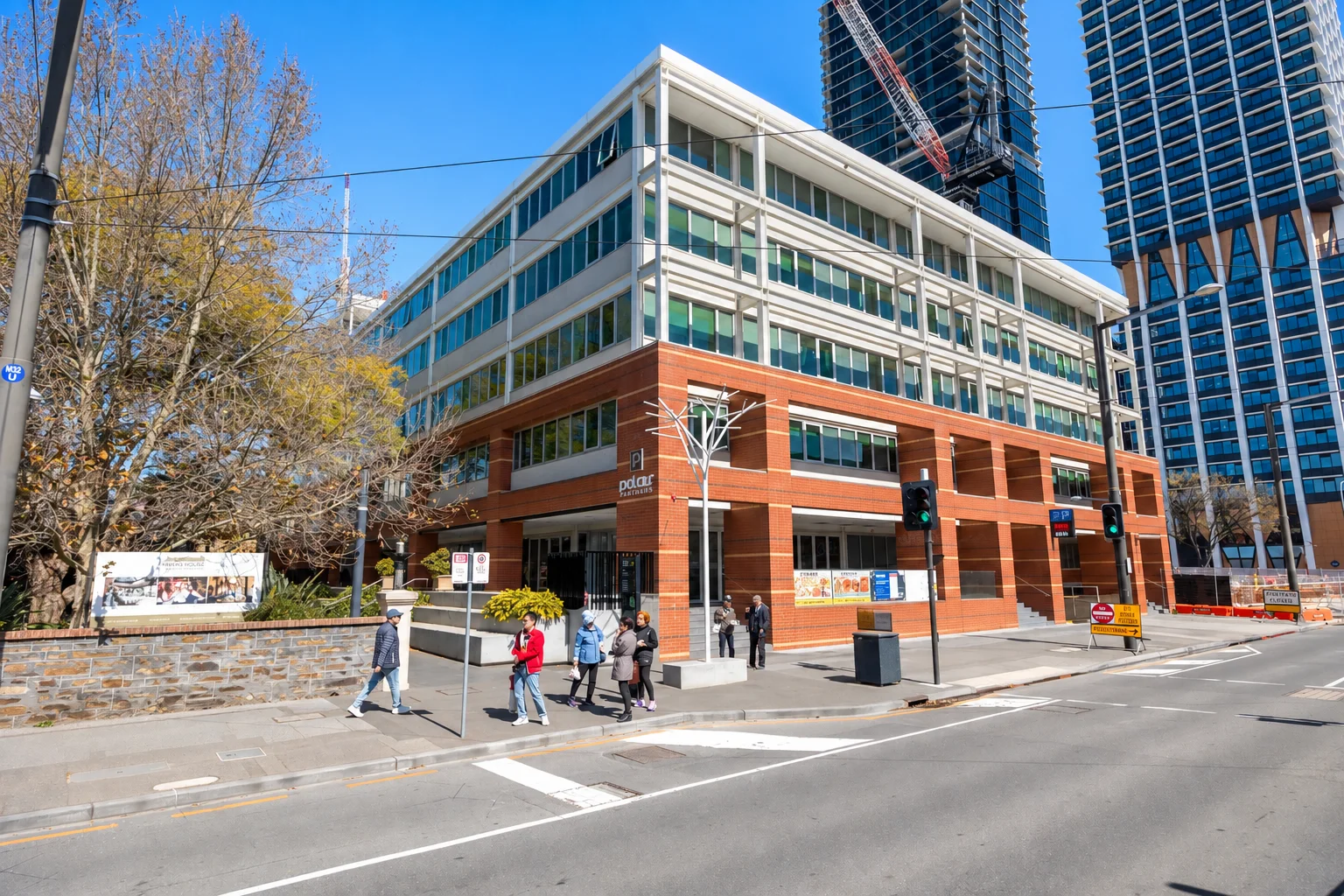 $545,000
Apartment / Unit / Flat
$545,000
Apartment / Unit / Flat
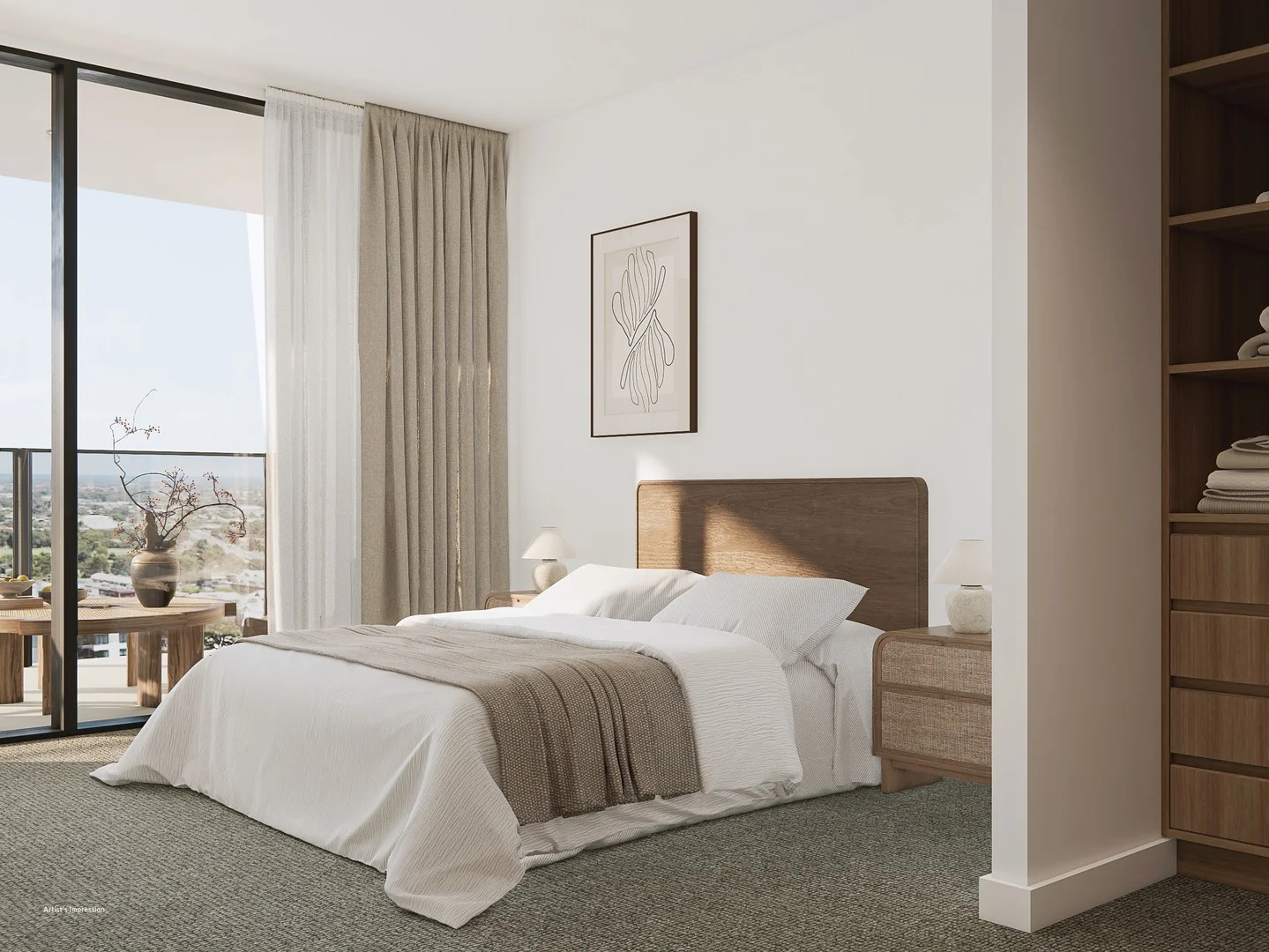 $935,000
Apartment / Unit / Flat
$935,000
Apartment / Unit / Flat
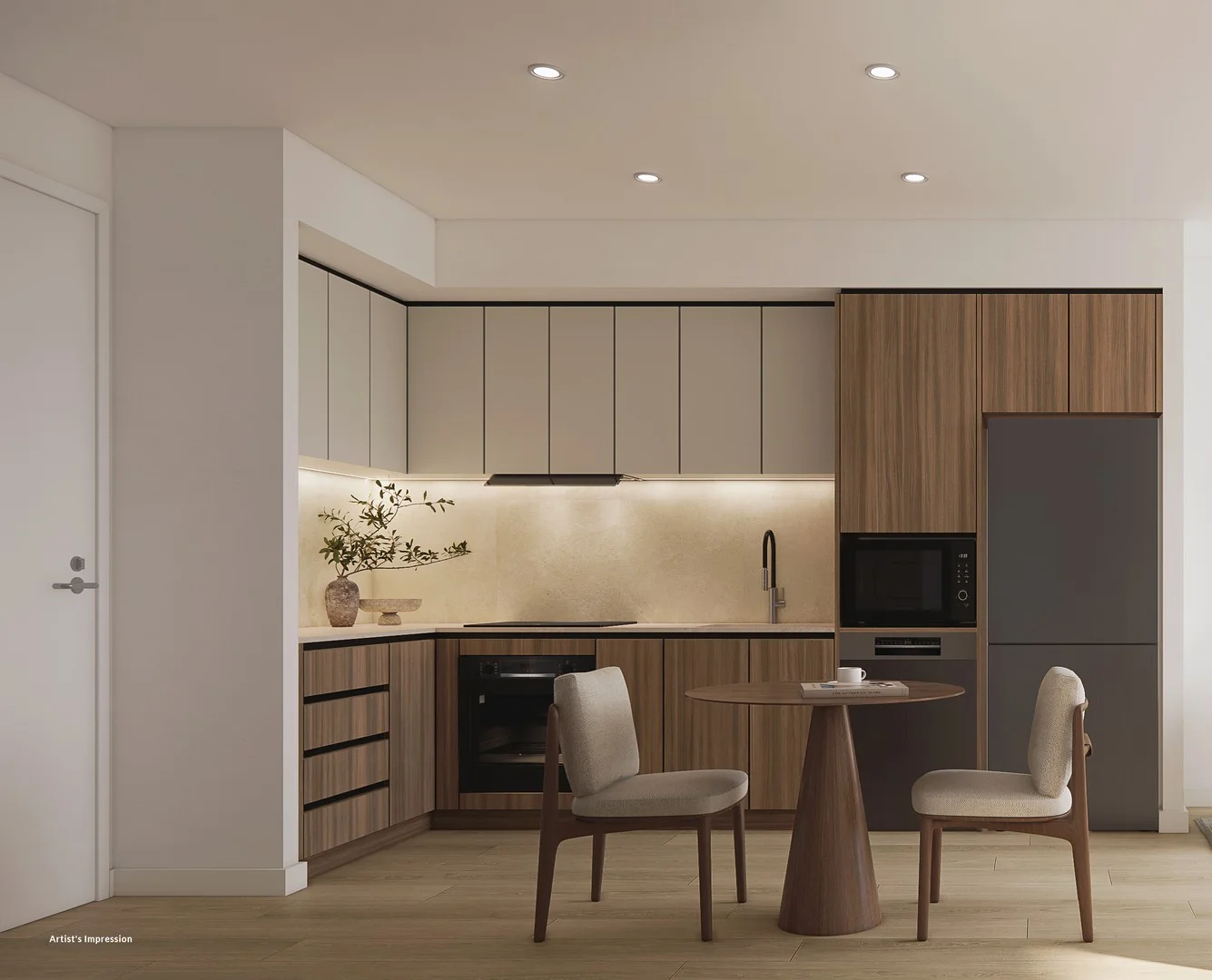 $557,000
Apartment / Unit / Flat
$557,000
Apartment / Unit / Flat
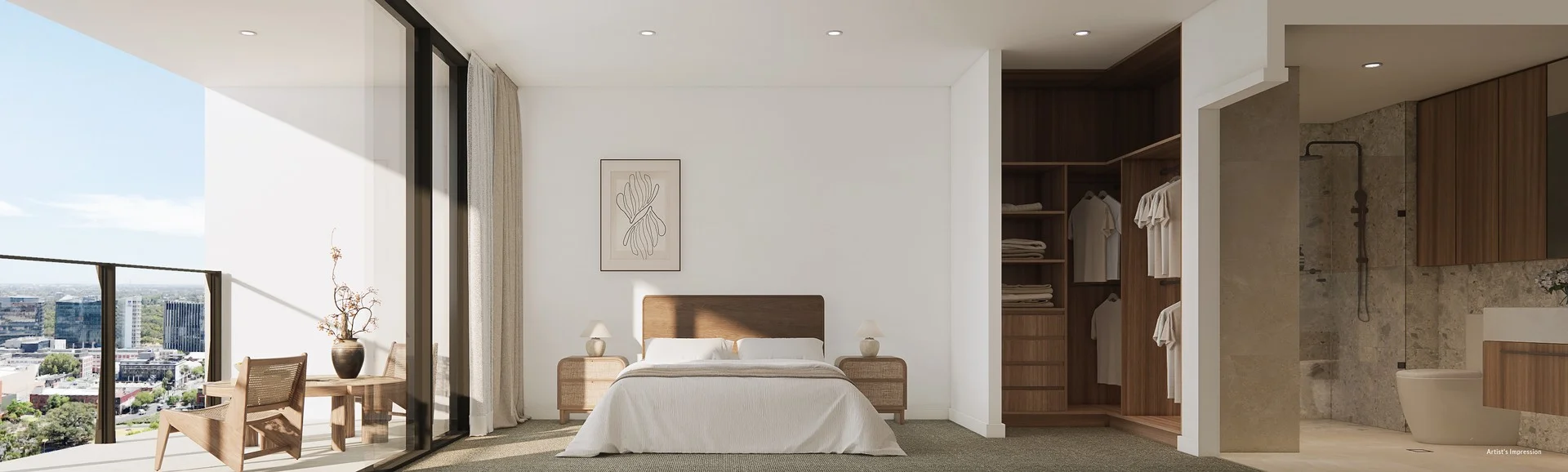 $1,056,000
Apartment / Unit / Flat
$1,056,000
Apartment / Unit / Flat
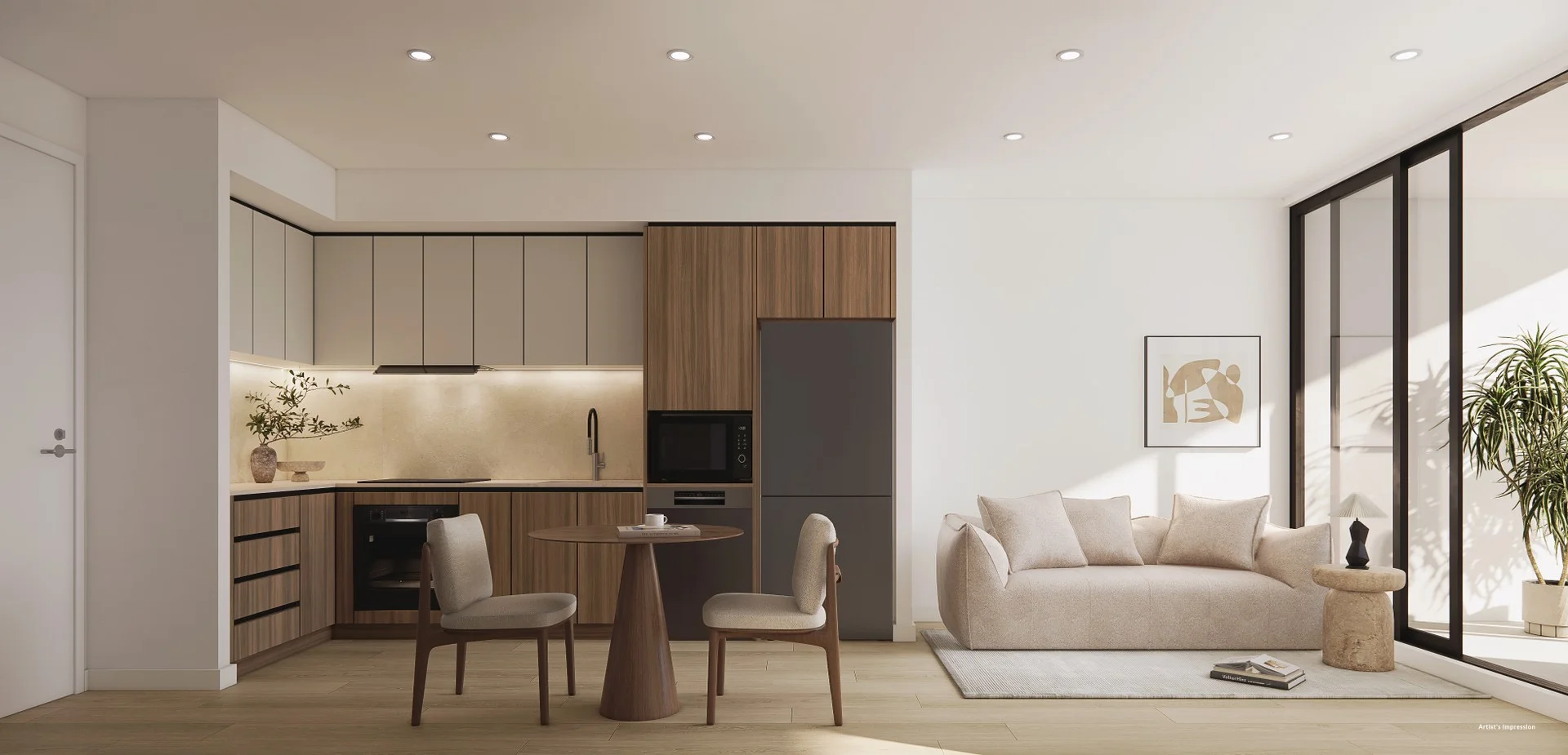 $588,000
Apartment / Unit / Flat
$588,000
Apartment / Unit / Flat
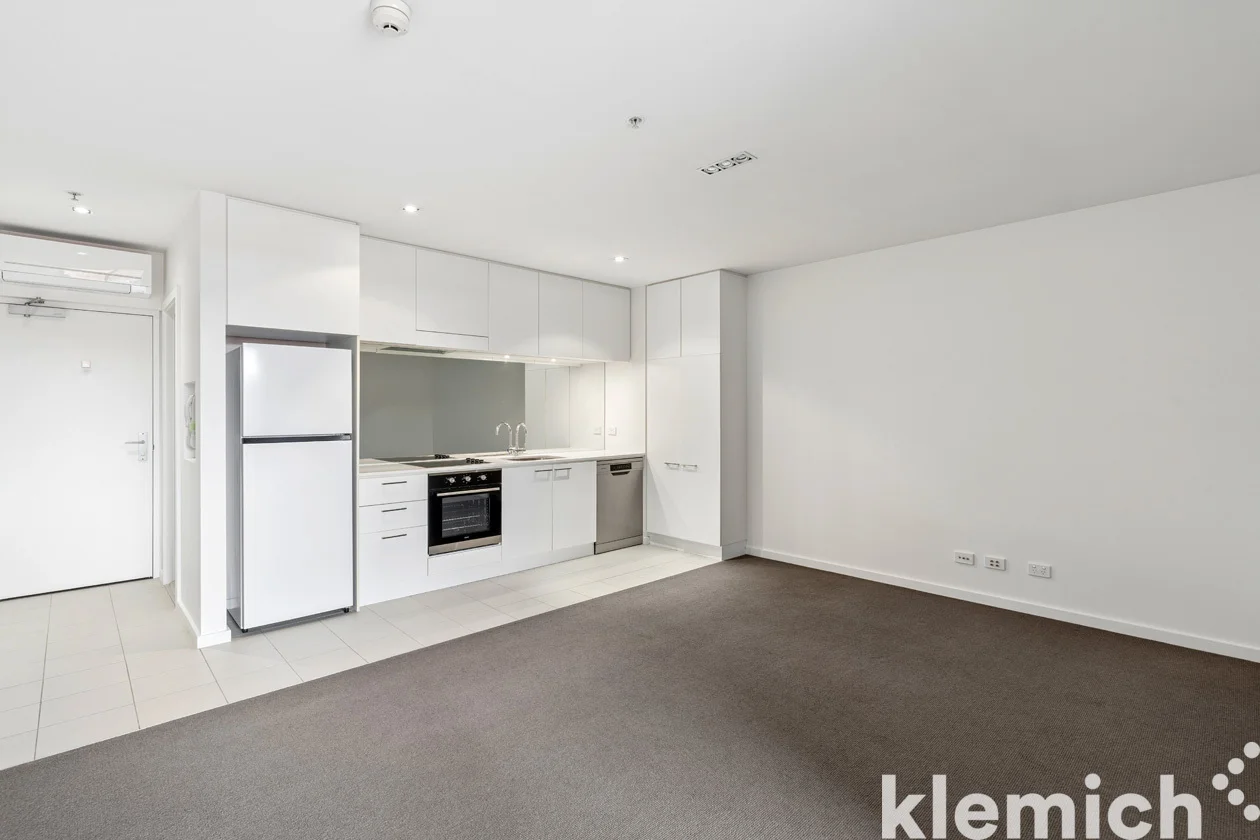 $440,000
Apartment / Unit / Flat
$440,000
Apartment / Unit / Flat
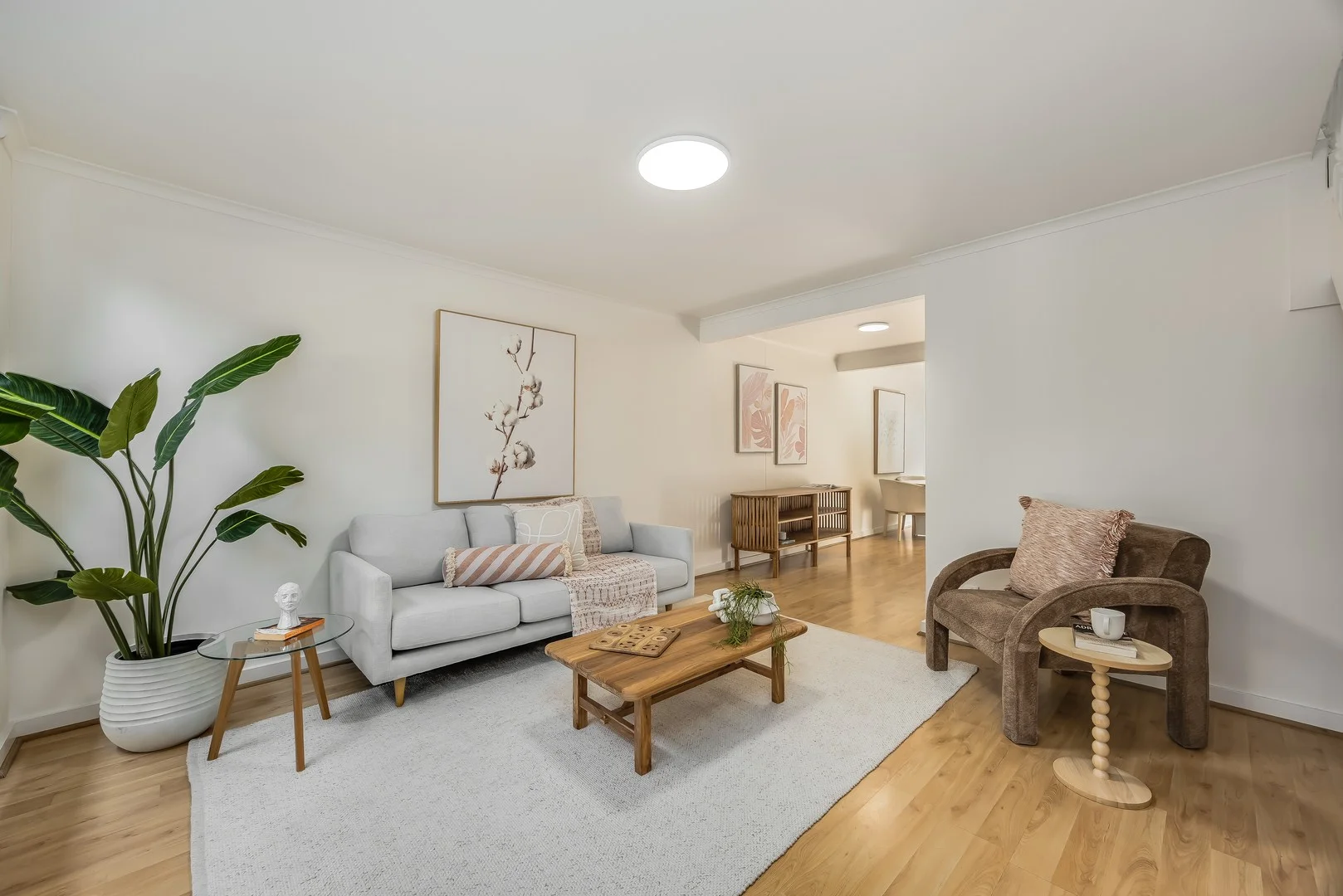 $775,000
House
$775,000
House
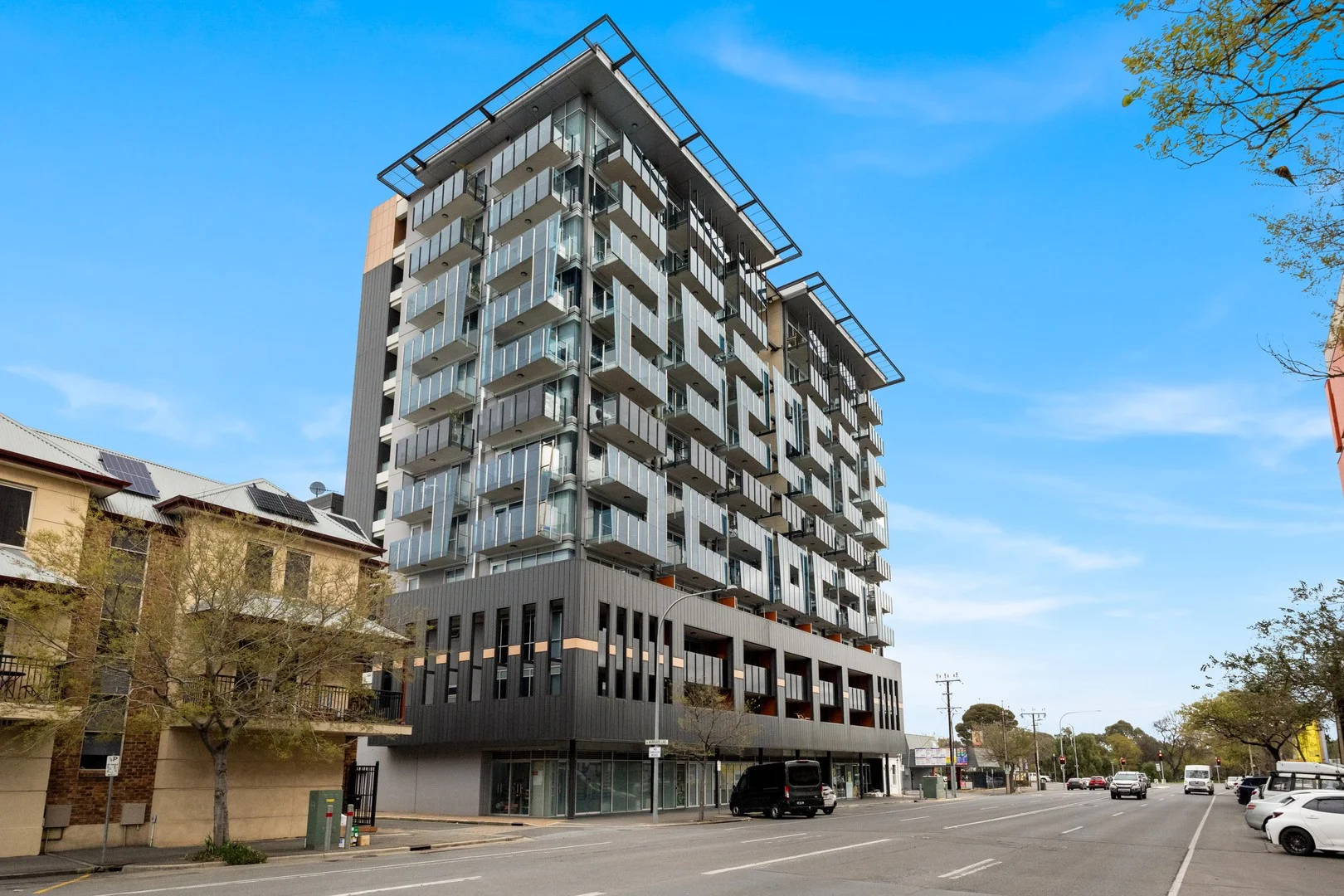 $1,100,000
Apartment / Unit / Flat
$1,100,000
Apartment / Unit / Flat