## 1. Overview (1–2 paragraphs max)
St Paul’s College Gilles Plains is a Catholic independent school in the northern outskirts of Adelaide, offering a values-based education within a supportive, faith-informed community. The school aims to balance strong academic programs with broad pastoral care and a wide range of co-curricular opportunities, creating an inclusive environment where students can grow academically, socially and spiritually.
As a medium-sized school, class sizes are designed to support individual attention and active participation. The atmosphere tends to be nurturing and inclusive, with an emphasis on service, leadership and respect. The school community often highlights collaboration between families, staff and parish partners to help students develop resilience and a sense of responsibility.
---
## 2. Academics & Learning
- Academic strengths: English, Mathematics and STEM focus, with opportunities to develop leadership and communication skills; emphasis on literacy and critical thinking across the curriculum; languages and religious education as core components of a holistic program.
- Special programs: Gifted & Talented pathways, accelerated learning options where available, and a curriculum aligned with Catholic values and service-learning experiences.
- NAPLAN / Ofsted trends (not scores — trends): NAPLAN trend data historically shows steady progress in reading and numeracy with performance in line with or above state averages over time; Ofsted does not apply to this school (UK inspection body is not used for Australian Catholic schools).
- Student-teacher ratios: Typical student-teacher ratios are in the low-to-mid range for a medium-sized independent school, allowing for relatively close teacher–student contact (actual ratios vary by year level and subject).
- Support for diverse learners (EAL, SEN): Dedicated support for diverse learners, including English as an Additional Language (EAL) support and SEN assistance, with inclusive education practices and access to learning support staff.
---
## 3. Sports & Extracurricular Strengths
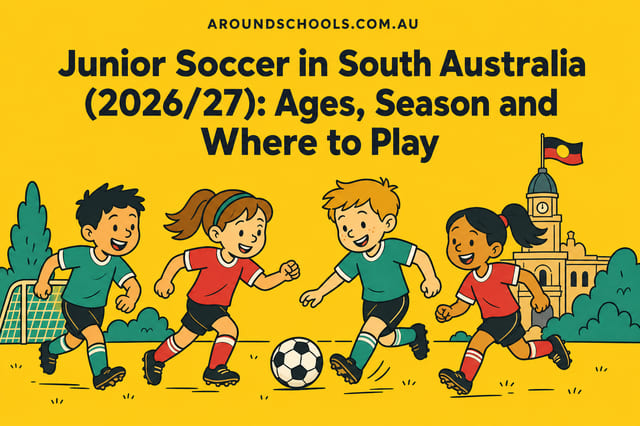
- Sports offered: A range of team and individual sports including football (soccer), basketball, cricket, netball, Australian rules football, tennis and athletics.
- Strong teams or achievements: Active participation in regional school sport competitions with competitive teams and a track record of involvement in inter-school events.
- Music, arts, drama programs: Viable music program (ensembles and performances), drama productions and opportunities to participate in school musical activities and arts events.
- Clubs: Robotics, coding, chess, debating and other interest-based clubs to support students’ technical and creative interests.
- Partnerships (local academies, competitions): Connections with local clubs, community organizations and regional competitions to broaden opportunities beyond the classroom.
---
## 4. Wellbeing & Pastoral Care
- Anti-bullying approach: Clear anti-bullying policies and restorative practices designed to promote respectful behavior and swift reporting.
- House system: House groups organize pastoral care, peer mentoring and friendly competition that fosters belonging and community spirit.
- Counsellors / wellbeing officers: Access to school counsellors and wellbeing staff to support mental health, resilience and coping strategies.
- Transition support for new students: Orientation programs, buddy systems and targeted transition support to help new students settle in smoothly.
---
## 5. Facilities
- Sports grounds: On-site sports fields and courts suitable for cricket, football, basketball and athletics.
- Libraries: Central library spaces with study resources and quiet reading areas.
- Science labs: Dedicated science facilities designed for practical experiments and STEM learning.
- Music/performing arts centers: Space for music rehearsals and performing arts activities.
- Tech/innovation labs: Modern technology and design spaces to support coding, robotics and digital projects.
- Cafeteria: On-site canteen or cafeteria providing daily meal options.
- Updated playgrounds: Age-appropriate, well-maintained play and recreation spaces.
---
## 6. School Values & Community Culture
- School values / mission: Catholic values framework emphasizing respect, integrity, responsibility and service to others; mission focused on forming well-rounded individuals.
- Leadership style: Collaborative and student-centered, with opportunities for student voice in leadership and decision-making.
- Behaviour expectations: Clear behaviour expectations aligned with the school’s values; emphasis on respect, courtesy and responsibility.
- Community reputation: Strong ties with local families, parish and community groups; active parental involvement and support of school initiatives.
- Diversity & inclusion: Inclusive environment that respects different backgrounds and abilities, with inclusive practices across teaching and student services.
---
## 7. School Logistics & Daily Operations
- School hours: Typical day begins in the morning and finishes in mid-to-late afternoon; actual times vary by year level and term.
- Before/after school care: After-school care and activities available, with supervision and paid options.
- Uniform requirements: School uniform compulsory; details provided in the enrolment materials and uniform shop information.
- Transport (train/bus routes): Accessible via local public transport networks and bus routes; details on routes and drop-off zones provided by the school.
- Canteen availability: Canteen or tuck shop services available on site with daily options.
- Fees (low/medium/high ranges): Fees generally fall in the mid-to-high range for independent Catholic schools; bursaries or scholarships may be available to eligible families.
---
## 8. Enrolment & Admissions
11. What is the enrolment process and timeline?
- Inquiry and information session
- Submission of application and required documentation
- Interview (and in some cases assessment or tests)
- Offer of placement
- Enrolment confirmation and timetabling
- Timeline can vary by intake; check with admissions for current cohorts
12. Is there a waiting list, and how does it work?
- Waiting lists may apply when cohorts reach capacity; priority often given to siblings and in-catchment/priority categories, with space allocated based on timing and availability.
13. Are there any entry requirements, tests, or interviews?
- Yes; typically an interview is required, and there may be assessments or tests for specific programs; documentation such as birth certificates, immunization records and previous school reports are commonly requested; potential religious education alignment considerations may apply.
14. Does the school accept mid-year transfers?
- Yes, subject to space and timetable feasibility; transfers usually require formal transcripts, current school references and a smooth transition plan.
---
## 9. Frequently Asked Questions
- Why Parents Choose This School?
- What type of student thrives at this school?
- What opportunities are available for students to extend their skills (academics, sports, arts)?
- How does the school communicate with parents?
- What is the school’s approach to teaching and learning?
- How does the school support students who need extra academic help?
- What support is available for academic challenges?
- How does the school communicate with parents?
- What are the class sizes and how much individual attention do students receive?
- What extracurricular and sports opportunities are available?
- What facilities does the school offer (sports, science, arts)?
- What is the school’s approach to technology and digital learning?
- What transport and accessibility options are available?
- What are the typical school fees or additional costs?
---
## 10. Short Pros & Cons list
- Pros
- Catholic values framework with a focus on character and service
- Nurturing, inclusive, family-friendly culture
- Moderate to small class sizes enabling personal attention
- Broad range of co-curriculars (sports, arts, clubs)
- Support for diverse learners (SEN, EAL) and strong wellbeing services
- Facilities that support science, arts and technology
- Cons
- Fees can be higher than public options
- As a medium-sized independent school, some specialist programs may have limited capacity or waitlists
- Transport options may depend on family location and public transit availability
- Specific year-level offerings or pathways may vary; check current prospectus for details
 Free
Free









 $545,000
Apartment / Unit / Flat
$545,000
Apartment / Unit / Flat
 $935,000
Apartment / Unit / Flat
$935,000
Apartment / Unit / Flat
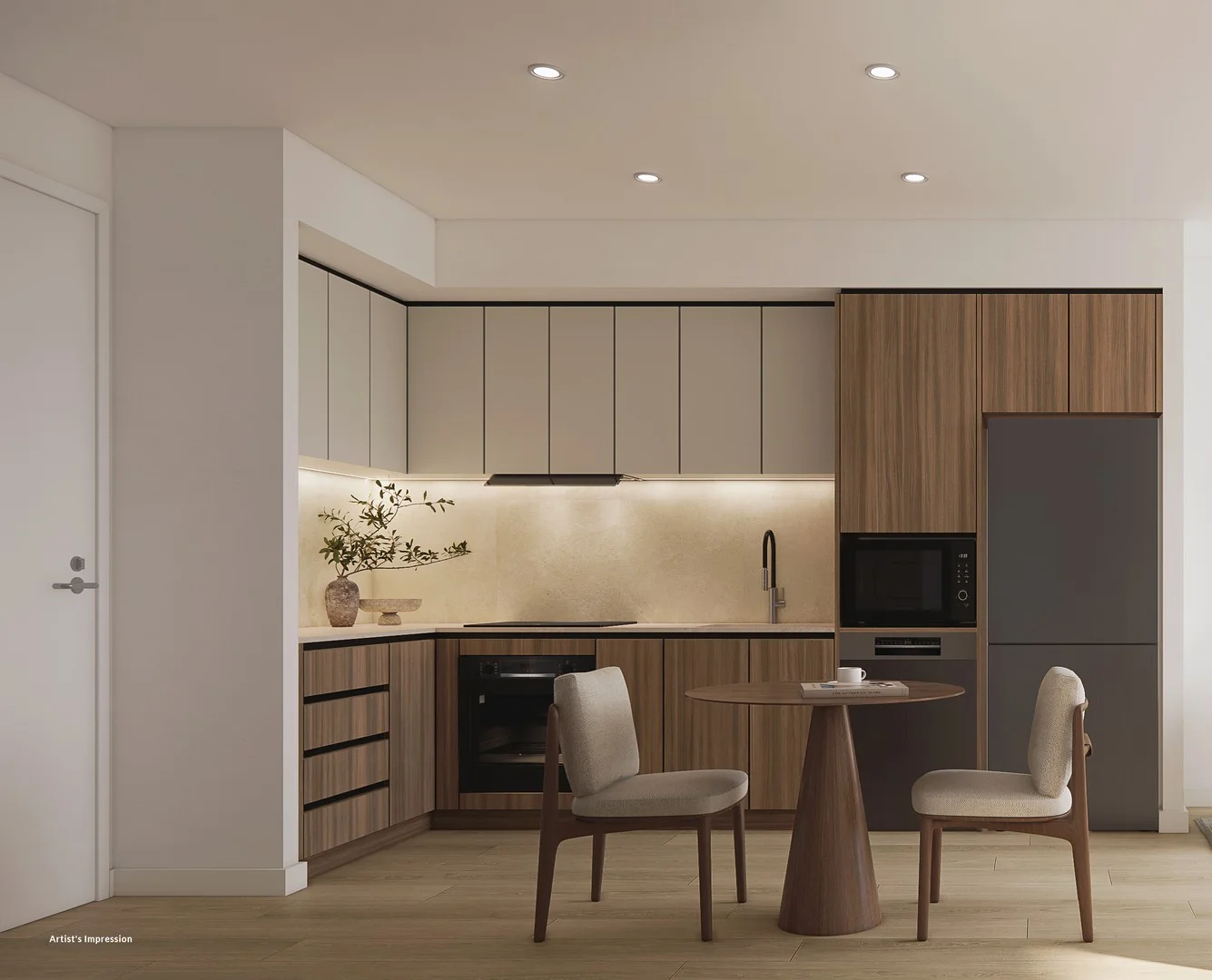 $557,000
Apartment / Unit / Flat
$557,000
Apartment / Unit / Flat
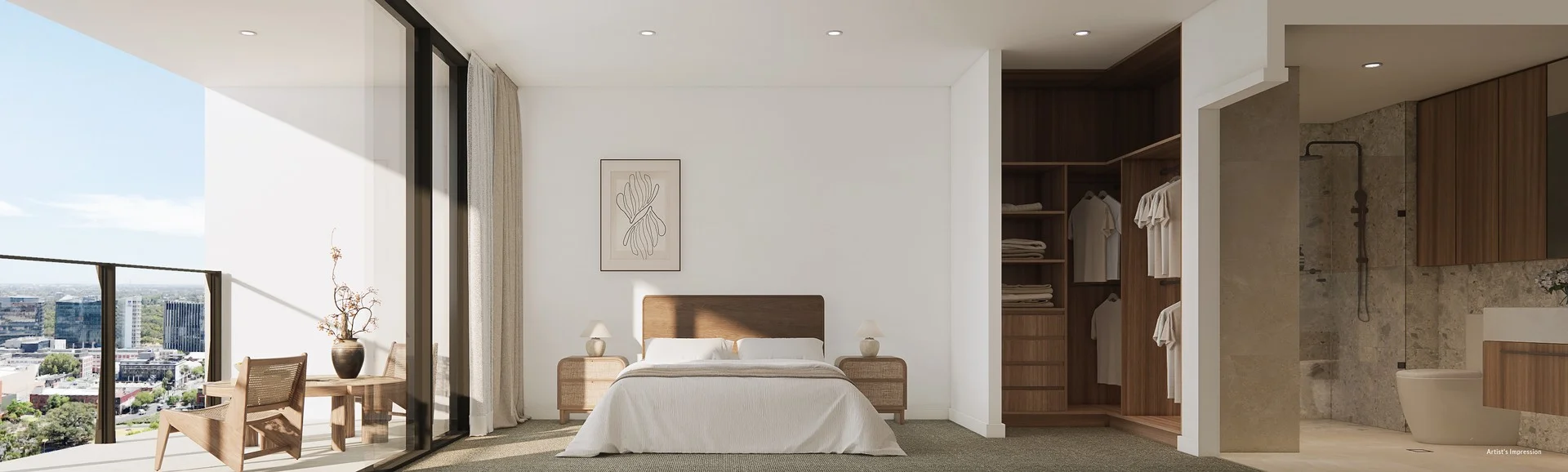 $1,056,000
Apartment / Unit / Flat
$1,056,000
Apartment / Unit / Flat
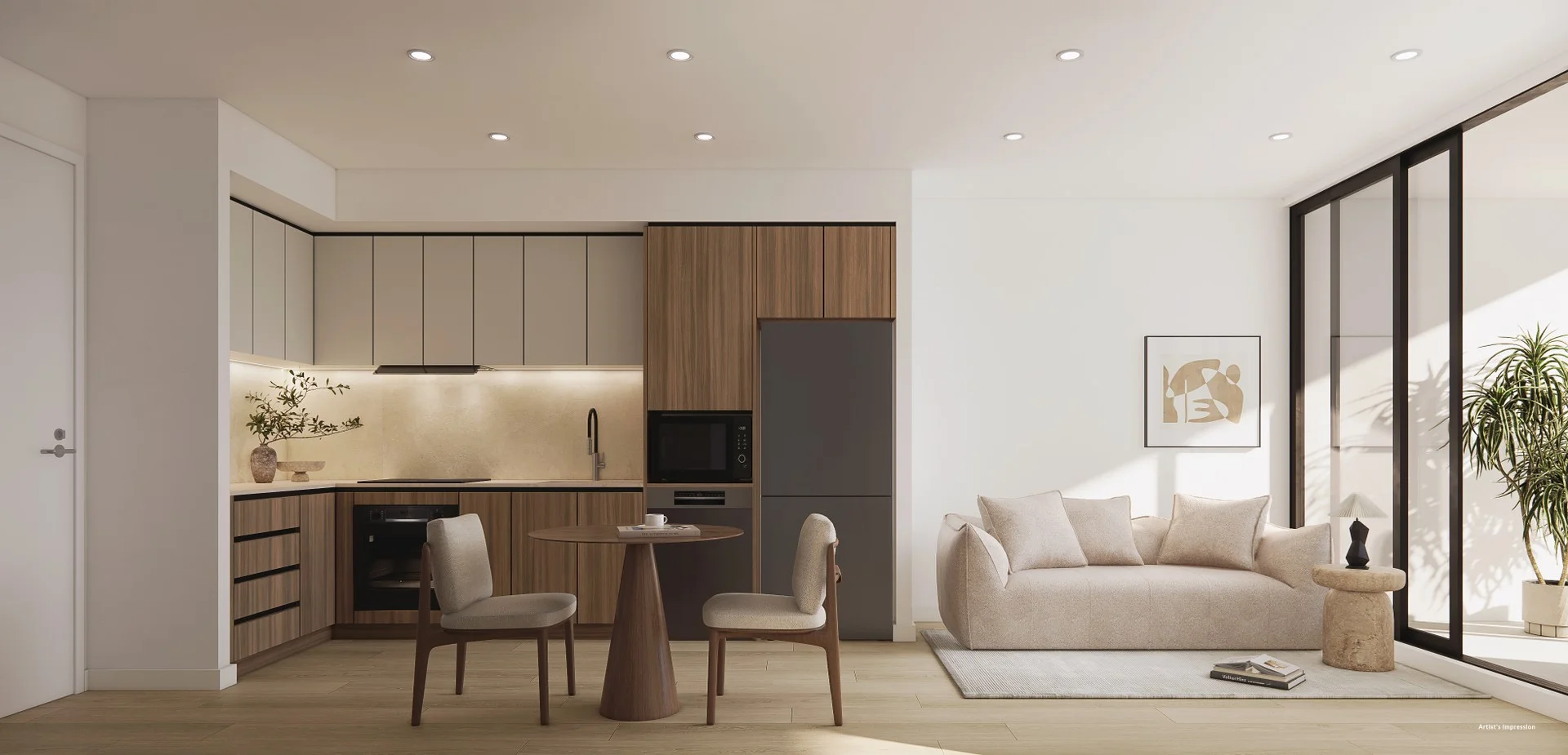 $588,000
Apartment / Unit / Flat
$588,000
Apartment / Unit / Flat
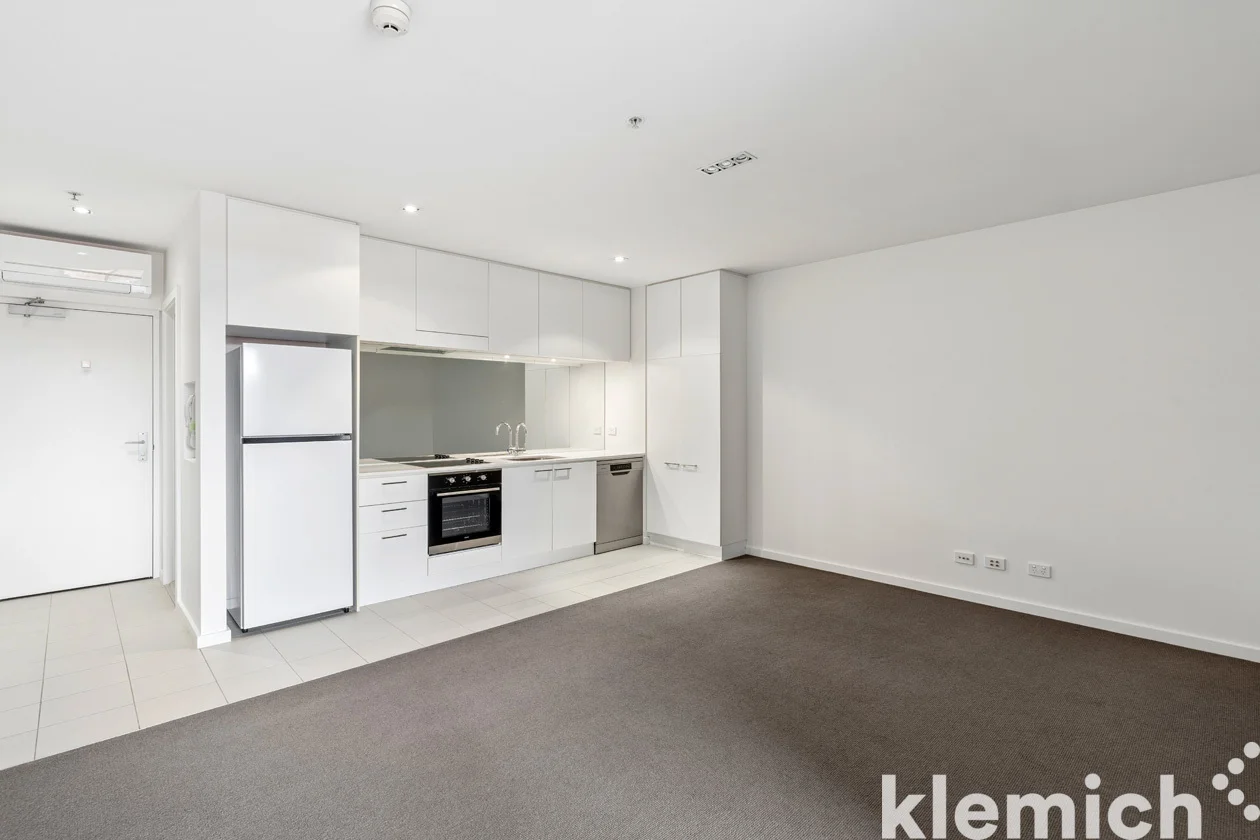 $440,000
Apartment / Unit / Flat
$440,000
Apartment / Unit / Flat
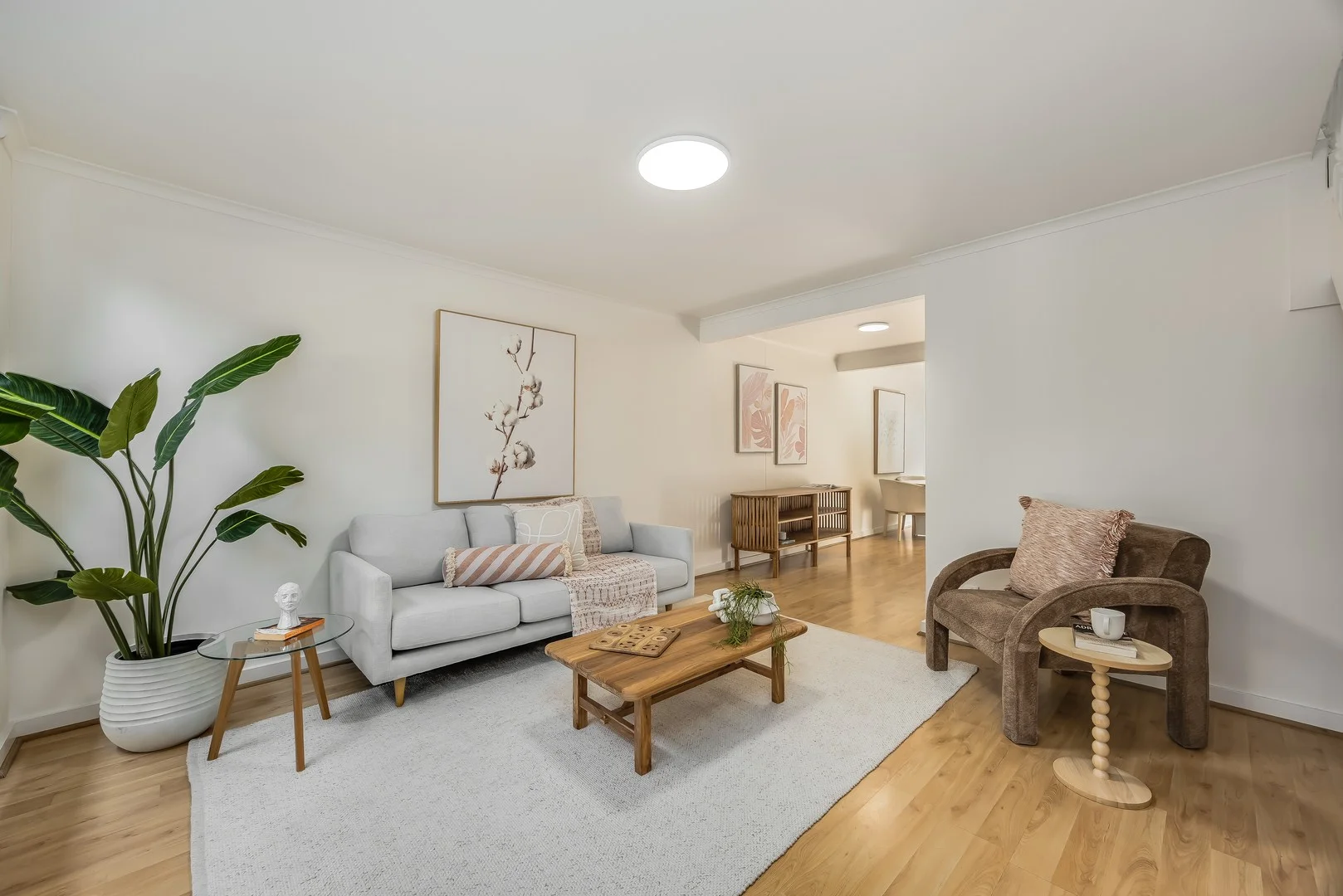 $775,000
House
$775,000
House
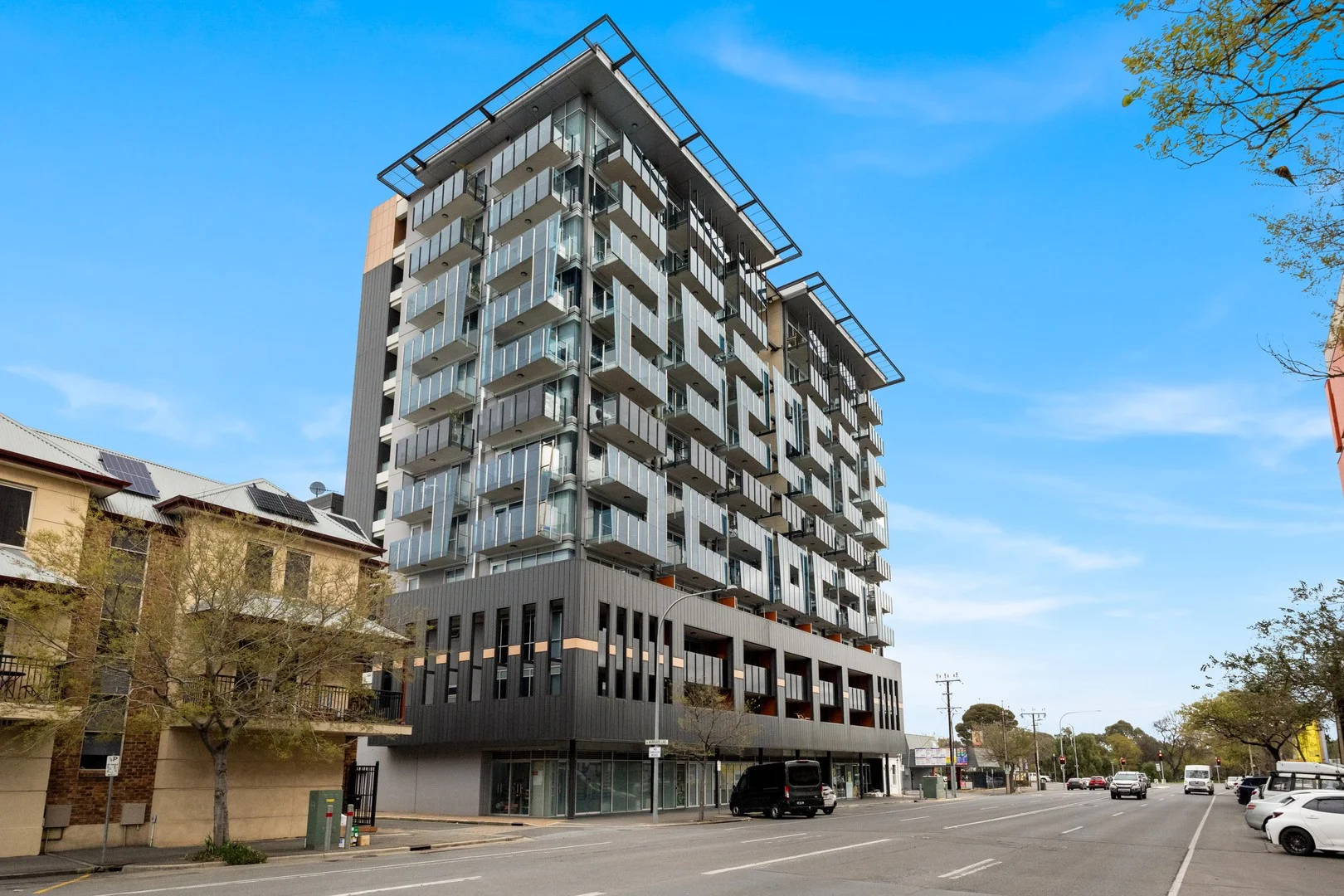 $1,100,000
Apartment / Unit / Flat
$1,100,000
Apartment / Unit / Flat