Overview
## Overview
Ryde Public School is a public primary school serving students from Kindergarten to Year 6 in the Ryde area. It offers a community-focused, inclusive environment with an emphasis on student wellbeing, quality teaching, and active engagement in learning.
- School type: Public
- School size: Medium
- Class size: Typically around 22–26 students per class
- Atmosphere/culture: Nurturing, inclusive, diverse, and community-oriented
⸻
## Academics & Learning
- Academic strengths: English and literacy, numeracy, and STEM-related activities, with emphasis on developing critical thinking and problem-solving skills. Strong focus on literacy and reading comprehension across year levels.
- Special programs: Gifted and Talented opportunities, STEM-related clubs and activities, and creative arts initiatives. Support for students to pursue extended learning where available.
- NAPLAN trends: Trends over recent years show stable performance with gradual improvements in reading and numeracy, reflecting ongoing schoolwide emphasis on core skills.
- Student-teacher ratios: Approximately 1:20–1:25, varying by year and class.
- Support for diverse learners: EAL/D support, Learning and Support Team (SEN) involvement, inclusive education practices, and targeted interventions as needed.
⸻
## Sports & Extracurricular Strengths
- Sports offered: Soccer, netball, cricket, basketball, athletics, swimming (seasonal activities), and other school-based fitness programs.
- Strong teams or achievements: Active participation in interschool and local competitions; performances and achievements vary by year, with a focus on teamwork and fair play.
- Music, arts, drama programs: School choir, music ensembles, and drama activities or productions are typically offered, supporting a broad arts program.
- Clubs: Robotics, chess, coding, debating, and other student-led clubs are commonly available.
- Partnerships: Connections with local community groups and regional competitions to extend opportunities beyond the classroom.
⸻
## Wellbeing & Pastoral Care
- Anti-bullying approach: Clear anti-bullying policies and whole-school strategies to promote respectful behavior and cyber-safety.
- House system: House-based activities and competitions to foster teamwork and a sense of belonging across year levels.
- Counsellors / wellbeing officers: Access to school-based wellbeing staff and supports for social-emotional learning.
- Transition support for new students: Orientation activities, buddy programs, and transition assistance to help students settle in smoothly.
⸻
## Facilities
- Sports grounds
- Libraries
- Science labs
- Music/performing arts centers
- Tech/innovation labs
- Cafeteria
- Updated playgrounds
⸻
## School Values & Community Culture
- School values / mission: Emphasis on respect, responsibility, inclusion, and resilience; a focus on building positive character and leadership.
- Leadership style: Student voice through leadership opportunities and active involvement in school life; collaborative decision-making where appropriate.
- Behaviour expectations: Clear, consistently applied expectations with positive reinforcement and support.
- Community reputation: Strong sense of community with active parent involvement and supportive networks.
- Diversity & inclusion: Commitment to an inclusive environment that welcomes students from diverse backgrounds and needs.
⸻
## School Logistics & Daily Operations
- School hours: Approximately 9:00 am – 3:00 pm (subject to term schedules and early shuttle/assembly times)
- Before/after school care: Often available through OSHC providers or external partners; check current arrangements with the school.
- Uniform requirements: School uniform is standard; navy and white tones, with PE/sport uniform for physical education; hats and seasonal options as required.
- Transport (train/bus routes): Accessible by local bus services and nearby public transport; check Transport for NSW for specific routes and stops; school drop-off/pick-up protocols may apply.
- Canteen availability: Canteen or food service options typically available with healthy choices.
- Fees (low/medium/high ranges): Public primary schools generally have low to moderate voluntary contributions; specific costs for activities or materials may apply.
⸻
## Enrolment & Admissions
11. What is the enrolment process and timeline?
- Check catchment eligibility and eligibility requirements with the NSW Department of Education. Gather required documents (e.g., birth certificate, immunisation records, proof of address). Submit enrolment forms through the official process. For Kindergarten, applications are usually submitted in the year prior to starting; offers are made according to timelines set by the department and school capacity. Familiarize yourself with the school’s intake schedule and any information sessions.
12. Is there a waiting list, and how does it work?
- If applications exceed places, a waitlist may be used. Families are notified of their status and may be asked to provide updated information. The waitlist process is governed by the department and school policy and can vary by year and year level.
13. Are there any entry requirements, tests, or interviews?
- For standard enrollment, there are no entrance exams or interviews. Some programs or specific pathways might involve information sessions or additional documentation, but general enrollment does not require testing.
14. Does the school accept mid-year transfers?
- Yes, subject to vacancies and availability. Prospective mid-year transfer families should contact the school early to check current capacity and complete the required documentation.
⸻
## Frequently Ask Questions
- Why Parents Choose This School?
- A local, public primary option with a balanced focus on academics, wellbeing, and community involvement; inclusive environment and opportunities across academics, arts, and sport.
- What type of student thrives at this school?
- Students who benefit from a supportive, community-focused environment with solid literacy and numeracy foundations, opportunities to participate in clubs and sports, and a focus on social-emotional development.
- What opportunities are available for students to extend their skills (academics, sports, arts)?
- Extended learning through gifted and talented opportunities, STEM activities, coding and robotics clubs, music and drama programs, and interschool sports and competitions.
- How does the school communicate with parents?
- Regular newsletters, emails, and notifications; parent-teacher meetings; school portals and announcements; events and information sessions.
- What is the school’s approach to teaching and learning?
- Student-centered, evidence-based teaching with differentiation to meet diverse learning needs; emphasis on literacy, numeracy, and technology integration.
- How does the school support students who need extra academic help?
- Learning and Support Team involvement; targeted interventions; EAL/D support; inclusive practices within mainstream classrooms.
- What support is available for academic challenges?
- In-class differentiation, targeted small-group support, access to specialists as needed, and ongoing monitoring of progress.
- What are the class sizes and how much individual attention do students receive?
- Typical class sizes around 22–26 students; teachers provide in-class instruction with opportunities for small-group and individual support.
- What extracurricular and sports opportunities are available?
- A range of sports (e.g., soccer, netball, cricket, basketball, athletics), music and arts programs, and clubs such as robotics, chess, coding, and debating.
- What facilities does the school offer (sports, science, arts)?
- Sports grounds, libraries, science labs, music/performing arts spaces, tech/innovation labs, a canteen, and updated playgrounds.
- What is the school’s approach to technology and digital learning?
- Integration of ICT across the curriculum, use of digital learning tools, and emphasis on cyber-safety and responsible technology use.
- What transport and accessibility options are available?
- Access via local bus services and proximity to public transport; structured drop-off/pick-up and accessible facilities as appropriate.
- What are the typical school fees or additional costs?
- Generally low to moderate with voluntary contributions; some programs or activities may have additional costs.
⸻
## Short Pros & Cons list
- Pros
- Public, community-focused school with inclusive practices
- Balanced emphasis on academics, wellbeing, and extracurriculars
- Active clubs and sports options; strong arts and music programs
- Support for diverse learners and transition programs for new students
- Moderate class sizes and clear, positive behavior expectations
- Cons
- As a public school, availability of programs may vary year to year based on staffing and funding
- Wait times and mid-year transfer opportunities depend on vacancies
- Specific programs (e.g., GT or advanced pathways) may vary and could require eligibility checks
- Uniforms and on-site facilities may differ in capacity depending on enrollment and maintenance cycles









 $36,000,000 - $39,500,000
Vacant Land
$36,000,000 - $39,500,000
Vacant Land
 $1,525,000
Apartment / Unit / Flat
$1,525,000
Apartment / Unit / Flat
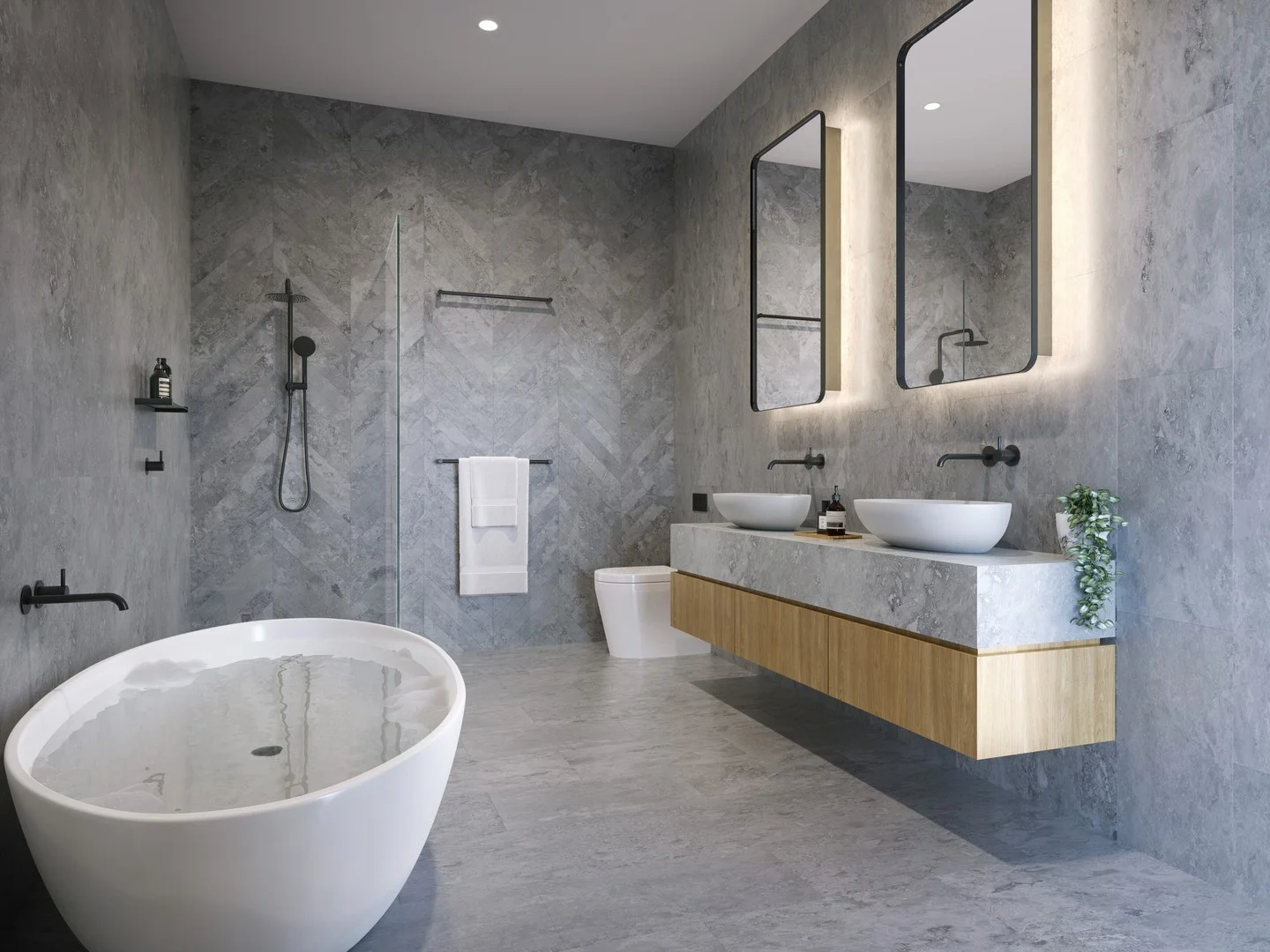 $2,824,000
Apartment / Unit / Flat
$2,824,000
Apartment / Unit / Flat
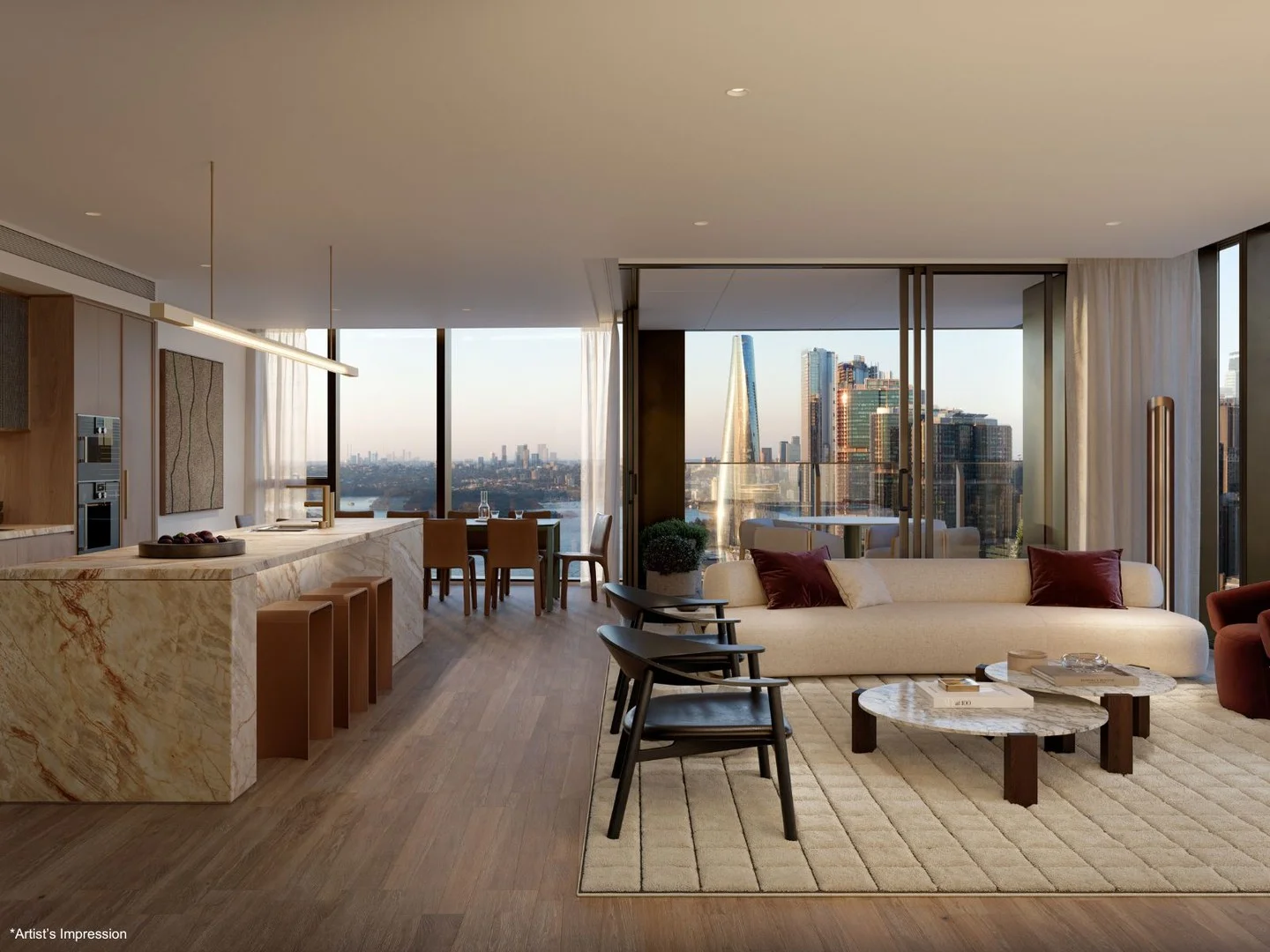 $12,980,000
propertyType.NEW APARTMENTS / OFF THE PLAN
$12,980,000
propertyType.NEW APARTMENTS / OFF THE PLAN
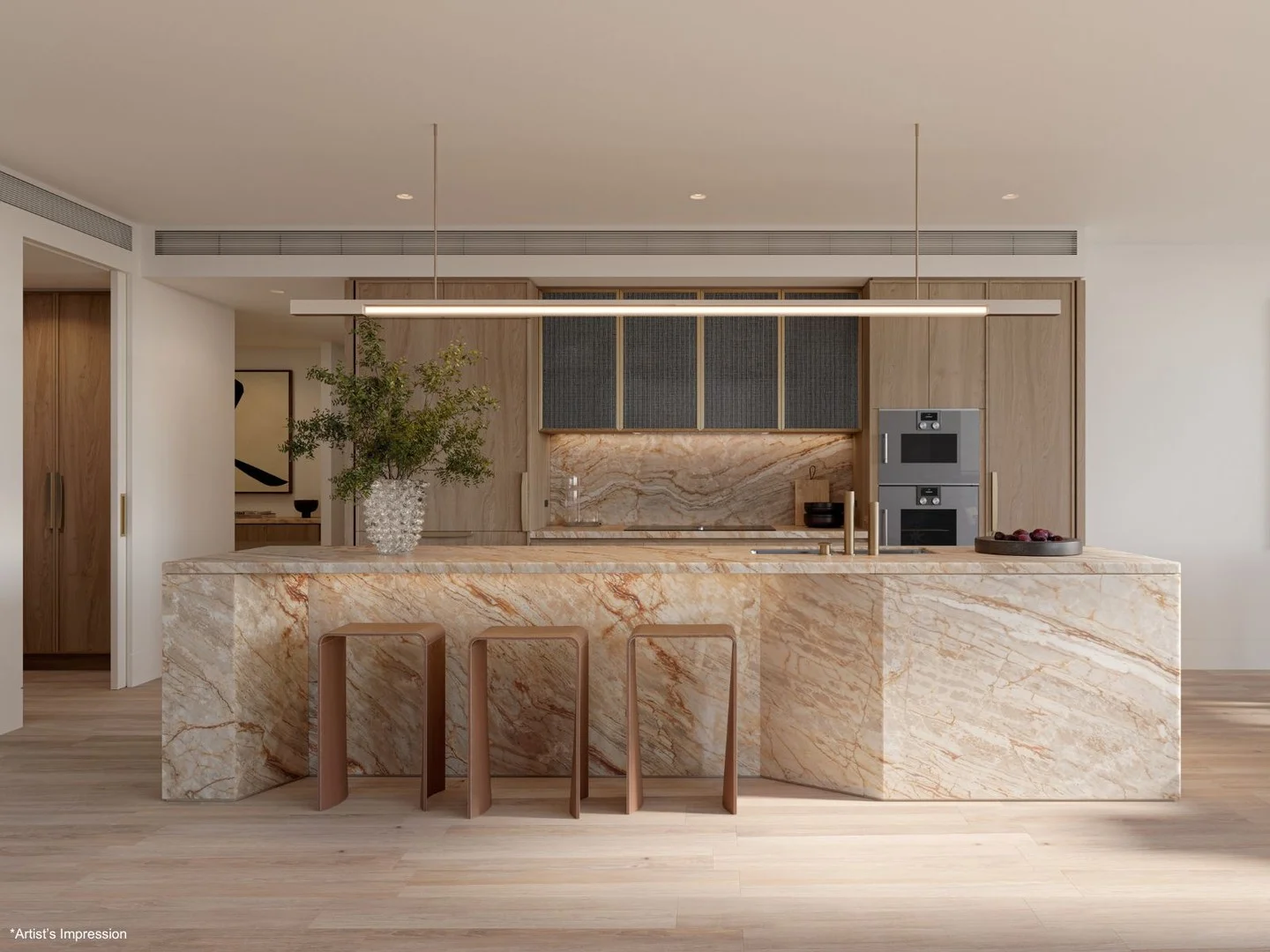 $6,225,000
propertyType.NEW APARTMENTS / OFF THE PLAN
$6,225,000
propertyType.NEW APARTMENTS / OFF THE PLAN
 $8,630,000
propertyType.NEW APARTMENTS / OFF THE PLAN
$8,630,000
propertyType.NEW APARTMENTS / OFF THE PLAN
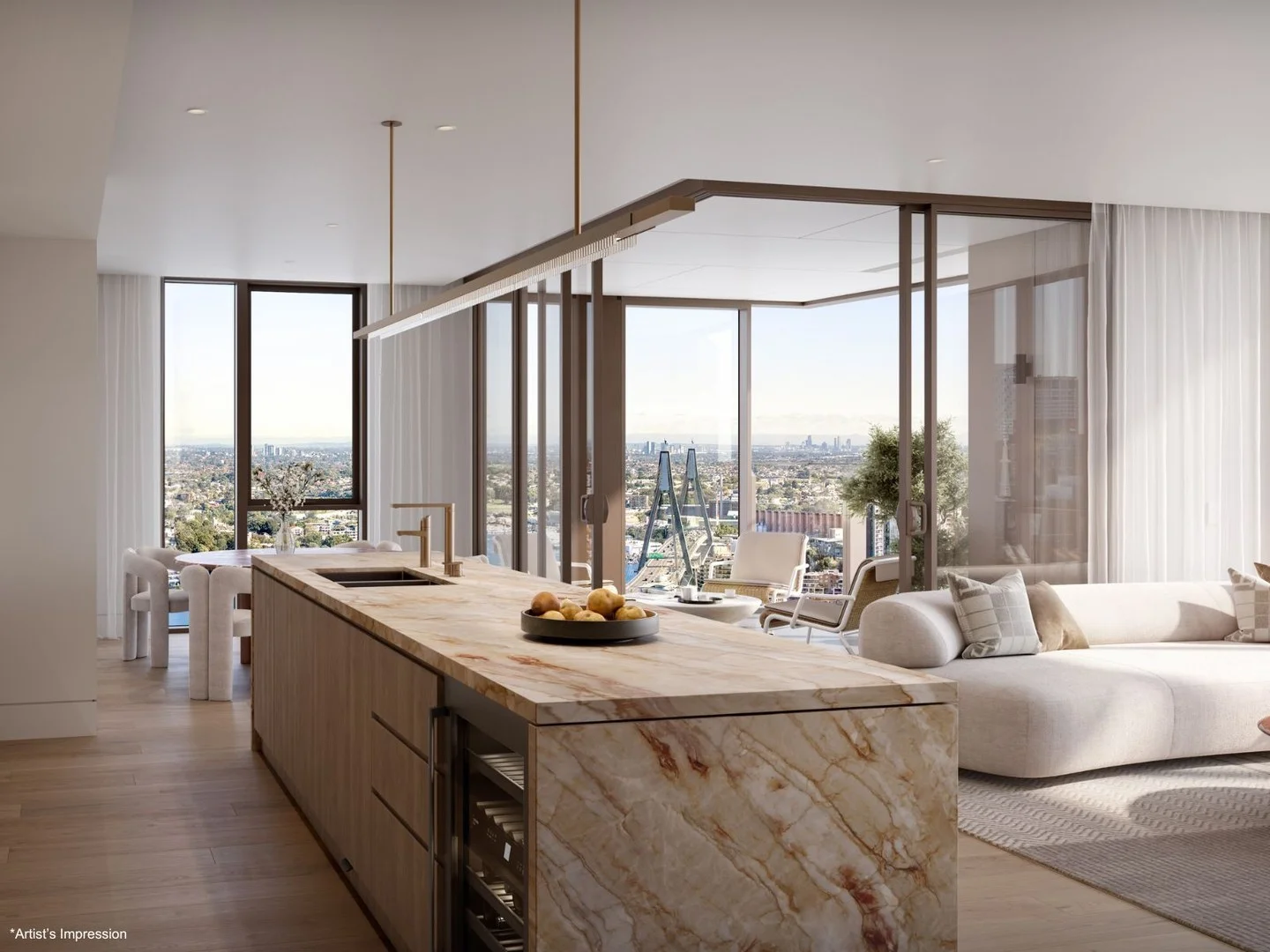 $9,020,000
propertyType.NEW APARTMENTS / OFF THE PLAN
$9,020,000
propertyType.NEW APARTMENTS / OFF THE PLAN
 $26,550,000
propertyType.NEW APARTMENTS / OFF THE PLAN
$26,550,000
propertyType.NEW APARTMENTS / OFF THE PLAN
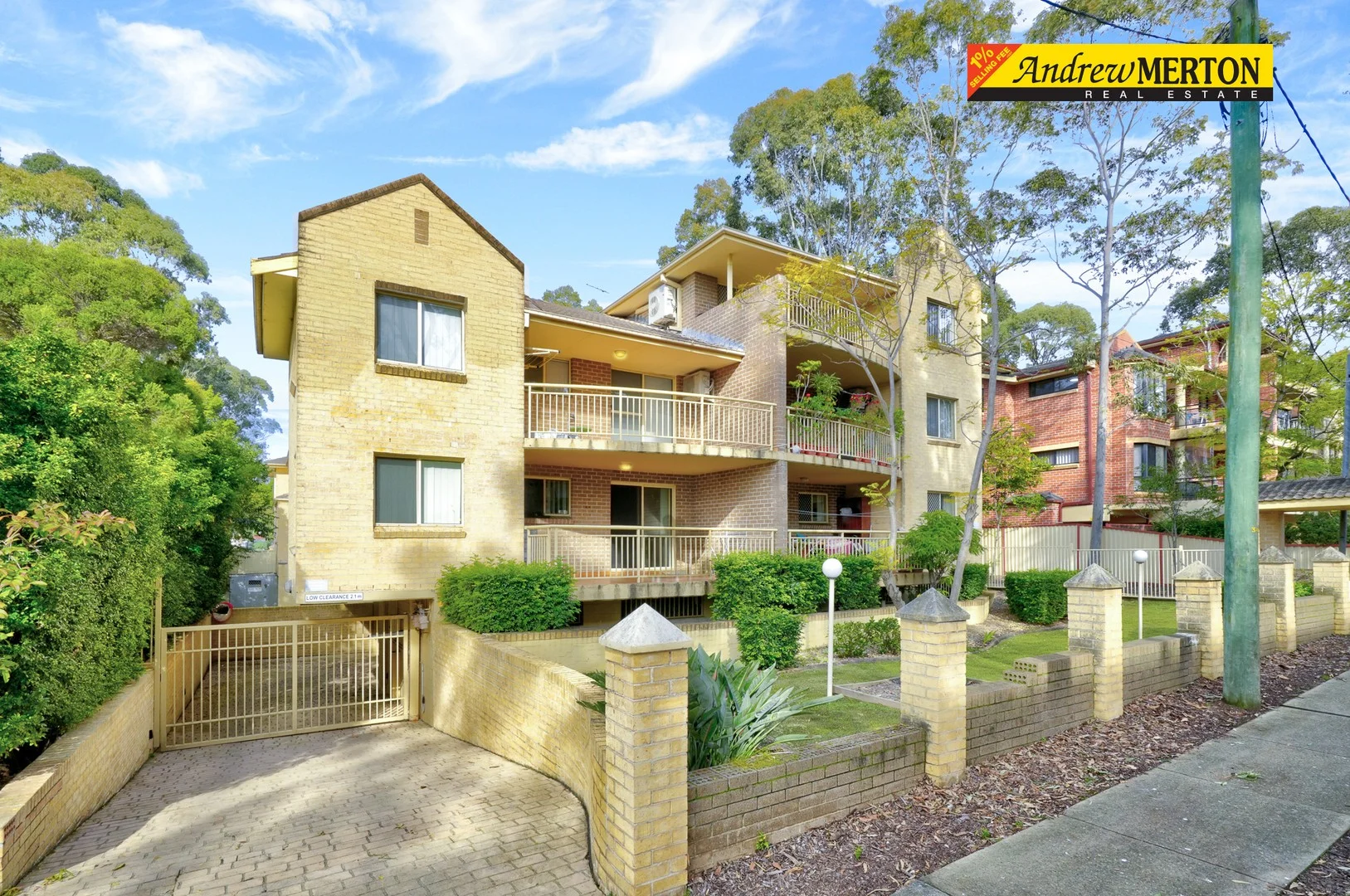 $530,000
Apartment / Unit / Flat
$530,000
Apartment / Unit / Flat