- Overview
Salesian College Chadstone is a Catholic, co-educational secondary school in Chadstone, Melbourne. Guided by the Salesian tradition, the college emphasises faith, service and academic excellence within a caring, inclusive community. It offers a comprehensive Catholic education for Years 7–12, with a focus on shaping confident, responsible young people who contribute to their communities.
Size-wise, the college is large, with a wide range of programs and facilities to support diverse student interests. Class sizes are designed to balance individual attention with engaging, collaborative learning. The atmosphere is known for being supportive and academically oriented, while also fostering community spirit and opportunities for sport, arts and service.
- Academics & Learning
- Academic strengths: Strong focus on core subjects including English and STEM, with a broad VCE program that supports a wide range of student interests. The college also emphasises humanities, languages and contemporary learning to prepare students for life beyond school.
- Special programs: English as an Additional Language (EAL) and learning support pathways are available to assist diverse learners. The college provides leadership development, faith formation and opportunities for service-learning as part of a well-rounded education.
- Support for diverse learners: Comprehensive support for diverse learners, including EAL, learning support and access arrangements to help students reach their potential.
- Sports & Extracurricular Strengths
- Sports offered: A broad sports program including basketball, netball, football/soccer, cricket, athletics and swimming, with opportunities to compete in inter-school championships.
- Strong teams or achievements: The college participates actively in regional and inter-school competitions, with several teams achieving strong results across years.
- Music, arts, drama programs: Active music and performing arts offerings, with ensembles, bands, choirs and drama productions that provide performance opportunities throughout the year.
- Clubs: Robotics, coding, chess, debating and other clubs support students to explore interests beyond the classroom.
- Partnerships: Partnerships with local clubs and regional competitions help extend learning beyond school, including opportunities in sport, arts and STEM activities.
- Wellbeing & Pastoral Care
- Anti-bullying approach: Clear anti-bullying policies and proactive programs to cultivate a safe, respectful school culture.
- House system: A house-based pastoral structure provides belonging, leadership opportunities and structured support across year levels.
- Counsellors / wellbeing officers: On-site counsellors and wellbeing staff support students’ emotional and social needs, with proactive wellbeing initiatives.
- Transition support for new students: Orientation programs, buddy systems and targeted transition support help new students settle in smoothly and build connections quickly.
- Facilities
- Sports grounds: On-site sports facilities and playing fields to support physical education and inter-school sport.
- Libraries: Well-resourced library spaces for study, research and quiet reading.
- Science labs: Modern science laboratories for hands-on learning across biology, chemistry and physics.
- Music/performing arts centers: Dedicated spaces for music rehearsal, ensembles and drama productions.
- Tech/innovation labs: Digital labs and maker spaces support technology, coding and project-based learning.
- Cafeteria: On-site canteen providing a range of meal options and healthy choices.
- Updated playgrounds: Well-maintained outdoor spaces to complement learning and recreation.
- School Values & Community Culture
- School values / mission: Grounded in the Salesian tradition—values such as respect, responsibility, service, faith and care for others.
- Leadership style: Servant-leadership and collaborative decision-making with student leadership opportunities.
- Behaviour expectations: Clear conduct expectations aligned with the school’s values; emphasis on respect, accountability and community spirit.
- Community reputation: Known for a welcoming, inclusive atmosphere and strong sense of community involvement.
- Diversity & inclusion: Commitment to diversity and inclusion, with programs and practices that support culturally and linguistically diverse students.
- School Logistics & Daily Operations
- School hours: Typical school day runs from morning to mid-afternoon with start and finish times aligned to Victorian school schedules.
- Before/after school care: Availability of before/after school supervision or care through the school or partner providers.
- Uniform requirements: Formal school uniform required, with details on standard items and any season-specific attire.
- Transport (train/bus routes): Access to public transport options and bus routes in consultation with local services; guidance on travel planning is available from the school.
- Canteen availability: On-site canteen or meal facilities offering daily options.
- Fees (low/medium/high ranges): Fees fall in the mid to higher range for independent Catholic schooling; detailed fee schedules are provided at enrolment.
- Enrolment & Admissions
- What is the enrolment process and timeline?
- Submit an enquiry and complete the application form with required supporting documents (birth certificate, baptism or religious education information if applicable).
- Attend information sessions or open days, followed by any school assessments or interviews as part of the process.
- Applications are reviewed on a rolling basis with offers issued according to vacancy, suitability and priority considerations; families are advised of timelines at application.
- Is there a waiting list, and how does it work?
- A waiting list may apply when all places are filled. Applications are kept on file and processed as vacancies arise, with priority often given to siblings and other policy-based factors.
- Are there any entry requirements, tests, or interviews?
- Entry typically involves an information session, interview and review of supporting documents. Some years may require assessments to determine readiness and alignment with the school’s values and program.
- Does the school accept mid-year transfers?
- Mid-year transfers may be possible subject to vacancies and placement considerations. Families interested in mid-year moves should contact the admissions office for guidance on process and timelines.
- Frequently Asked Questions
- Why Parents Choose This School?
Families often choose the college for its strong Catholic identity, supportive community, wide range of programs and solid track record of academic and personal development.
- What type of student thrives at this school?
Students who are motivated, community-minded and engaged in both academics and co-curricular activities tend to thrive—especially those who value service, leadership and collaboration.
- What opportunities are available for students to extend their skills (academics, sports, arts)?
The college offers a robust VCE program, strong STEM and humanities pathways, diverse music and drama possibilities, and a wide spectrum of sports and clubs (robotics, coding, debating, chess, etc.).
- How does the school communicate with parents?
Regular communications include newsletters, emails, a parent portal or app, and scheduled parent-teacher interviews. Flexible options are provided to keep families informed about student progress and events.
- What is the school’s approach to teaching and learning?
Learning is student-centered, with emphasis on key competencies, literacy and numeracy development, digital learning, and integration of faith-based values. Differentiation and feedback support ongoing growth.
- How does the school support students who need extra academic help?
Targeted learning support, EAL assistance, access to tutors and advisers, and coordinated interventions are available to help students reach their potential.
- What support is available for academic challenges?
Dedicated pastoral and learning support teams work with students and families to identify challenges early and implement appropriate strategies and resources.
- How does the school communicate with parents? (Repeated)
See above: newsletters, digital platforms, and parent-teacher conversations.
- What extracurricular and sports opportunities are available?
A wide range of sports, music, drama, and clubs (robotics, coding, chess, debating) are available to suit varied interests and talents.
- What facilities does the school offer (sports, science, arts)?
The college features well-equipped science labs, libraries, music/performing arts spaces, tech/innovation labs, sports facilities and on-site canteen, plus modern outdoor areas.
- What is the school’s approach to technology and digital learning?
Technology is embedded across the curriculum with digital learning tools, online resources and potential 1:1 devices to support modern learning.
- What transport and accessibility options are available?
Access to local transport routes and guidance on travel options are provided; arrangements for accessibility and parking are considered to support all families.
- What are typical school fees or additional costs?
Fees fall in the mid-to-high range for independent Catholic schooling; families are provided with a detailed breakdown of tuition, uniforms and any subject or activity costs.
- Short Pros & Cons list
Pros
- Strong Catholic identity with a values-driven culture
- Broad VCE program and diverse subject choices
- Comprehensive wellbeing and pastoral care
- Wide range of sports, arts and clubs
- Modern facilities and well-equipped learning spaces
- Support for diverse learners (EAL and SEN)
Cons
- Fees are higher than government schools
- Large school environment may mean busier campuses and slower individual access at peak times
- Enrollment can be competitive, with wait times during some intake years
- Mid-year transfers depend on vacancies












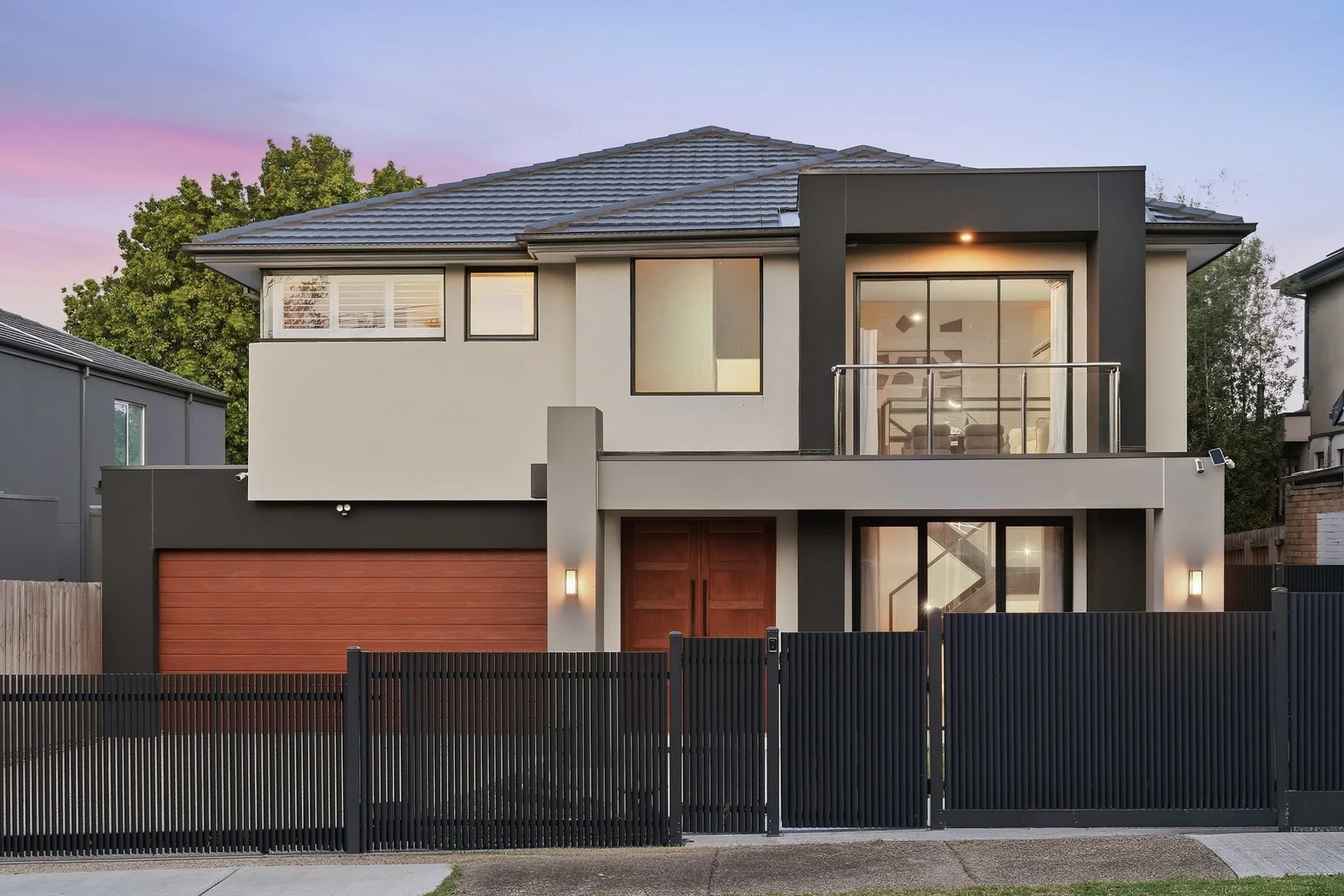 $2,680,000
House
$2,680,000
House
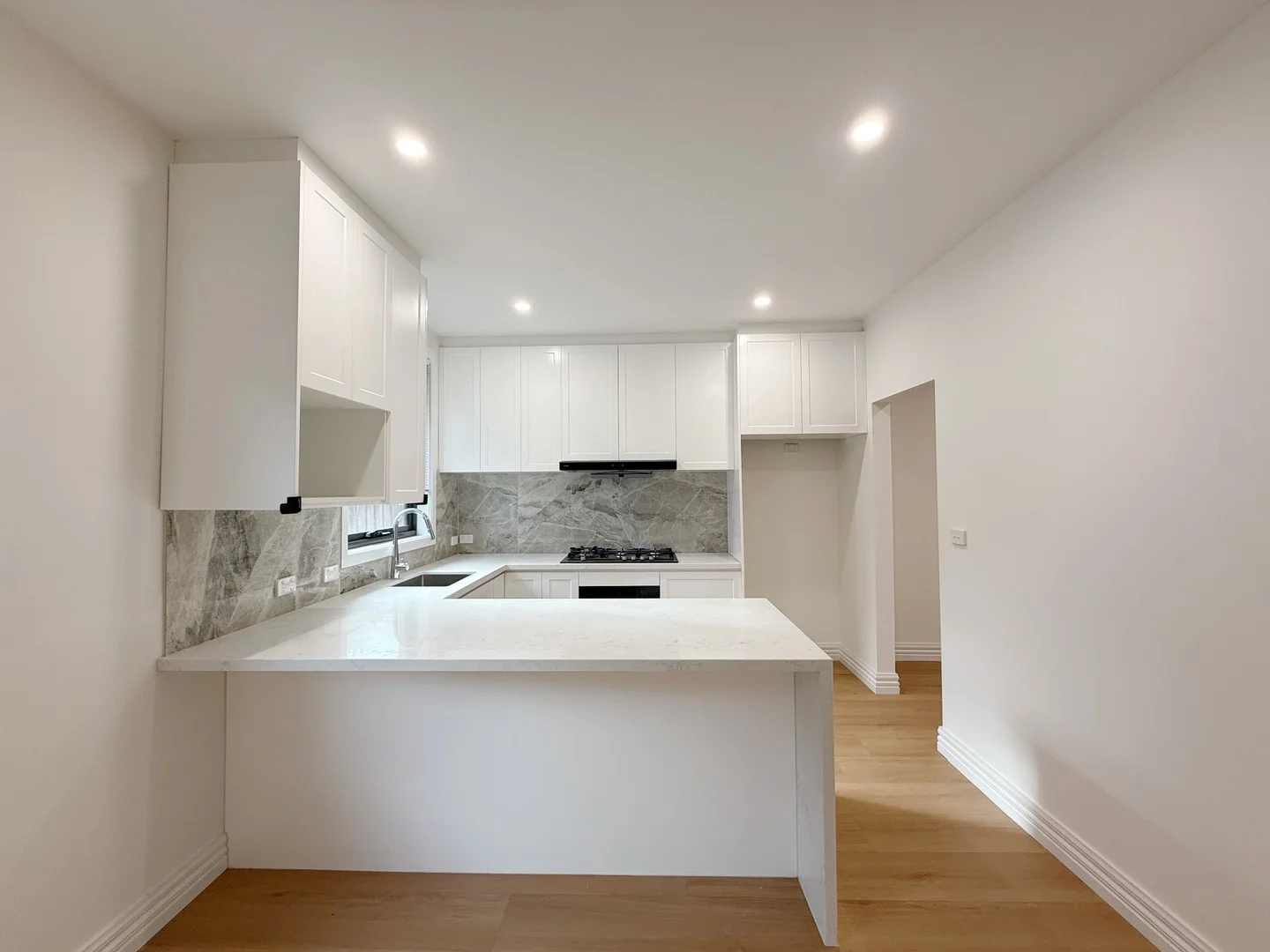 $1,280
House
$1,280
House
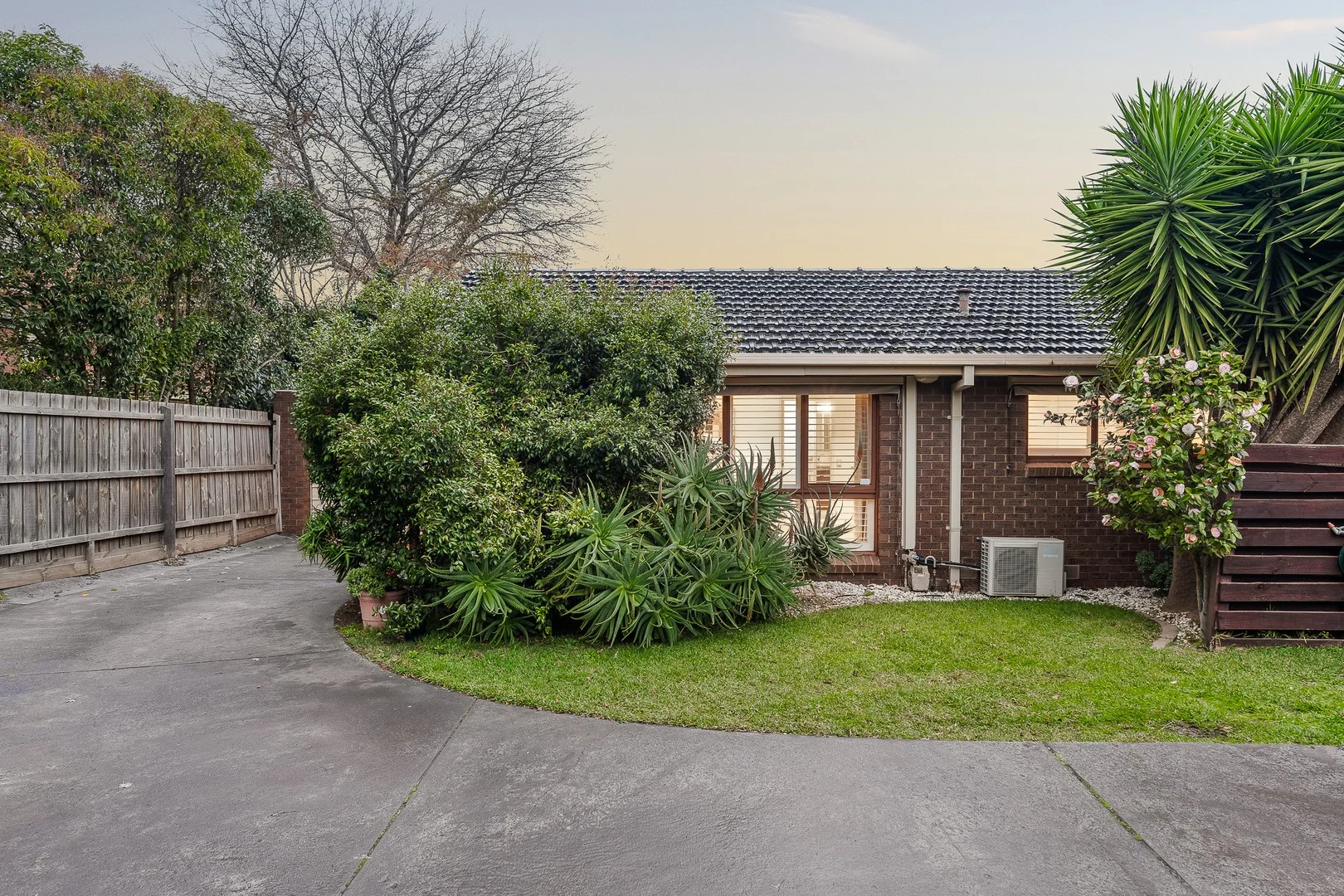 $770,000 - $820,000
Apartment / Unit / Flat
$770,000 - $820,000
Apartment / Unit / Flat
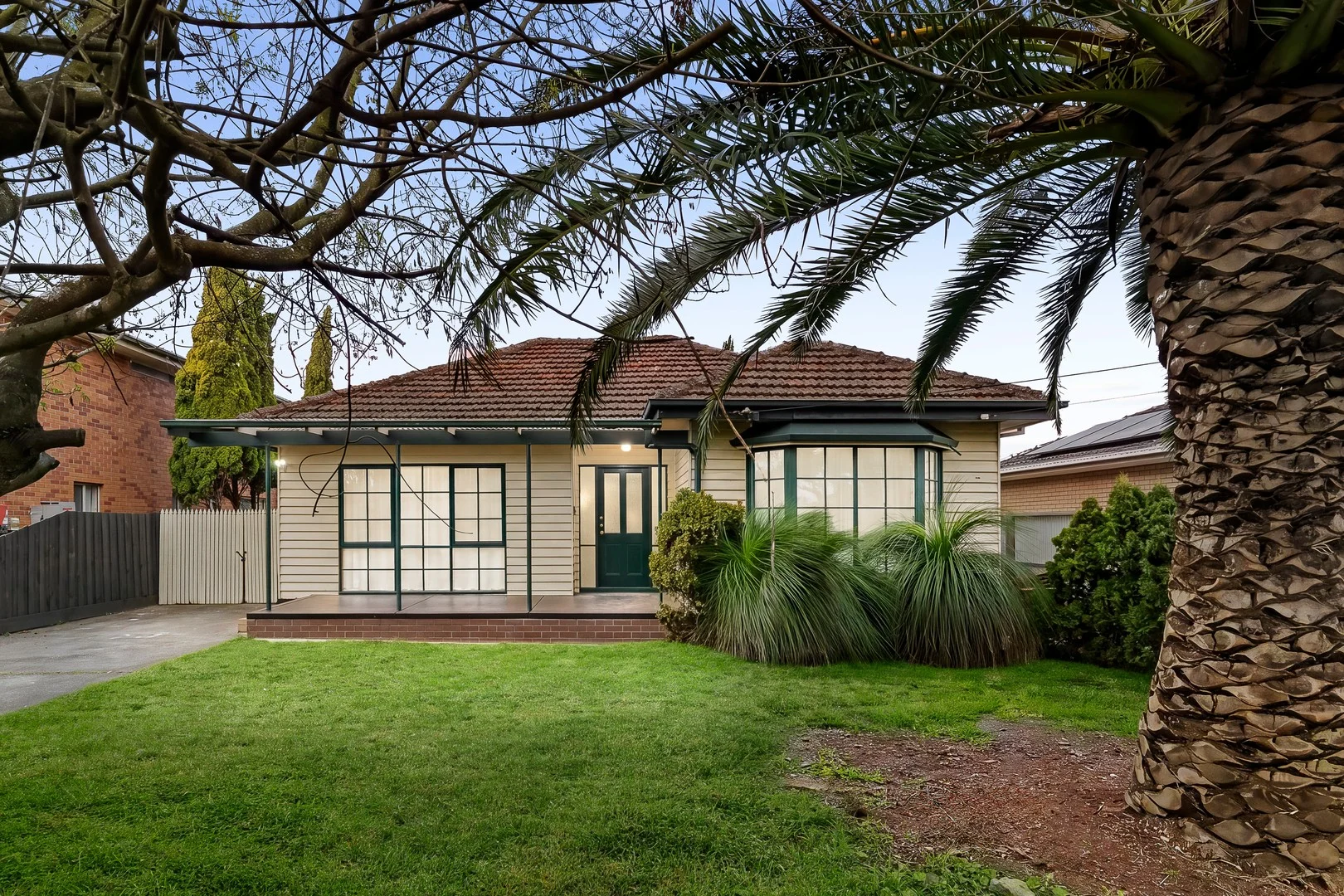 $980,000
House
$980,000
House
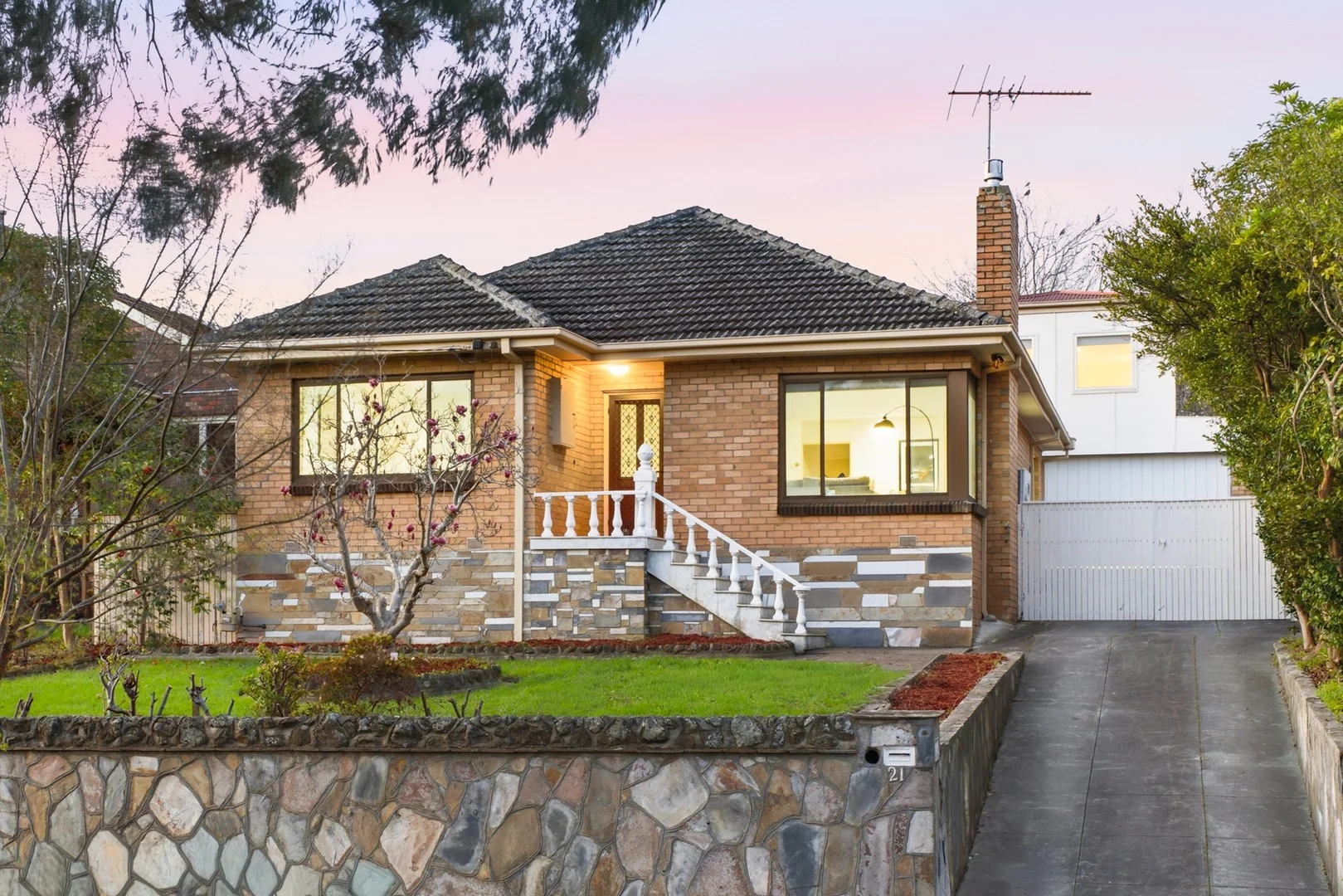 $1,200,000
House
$1,200,000
House
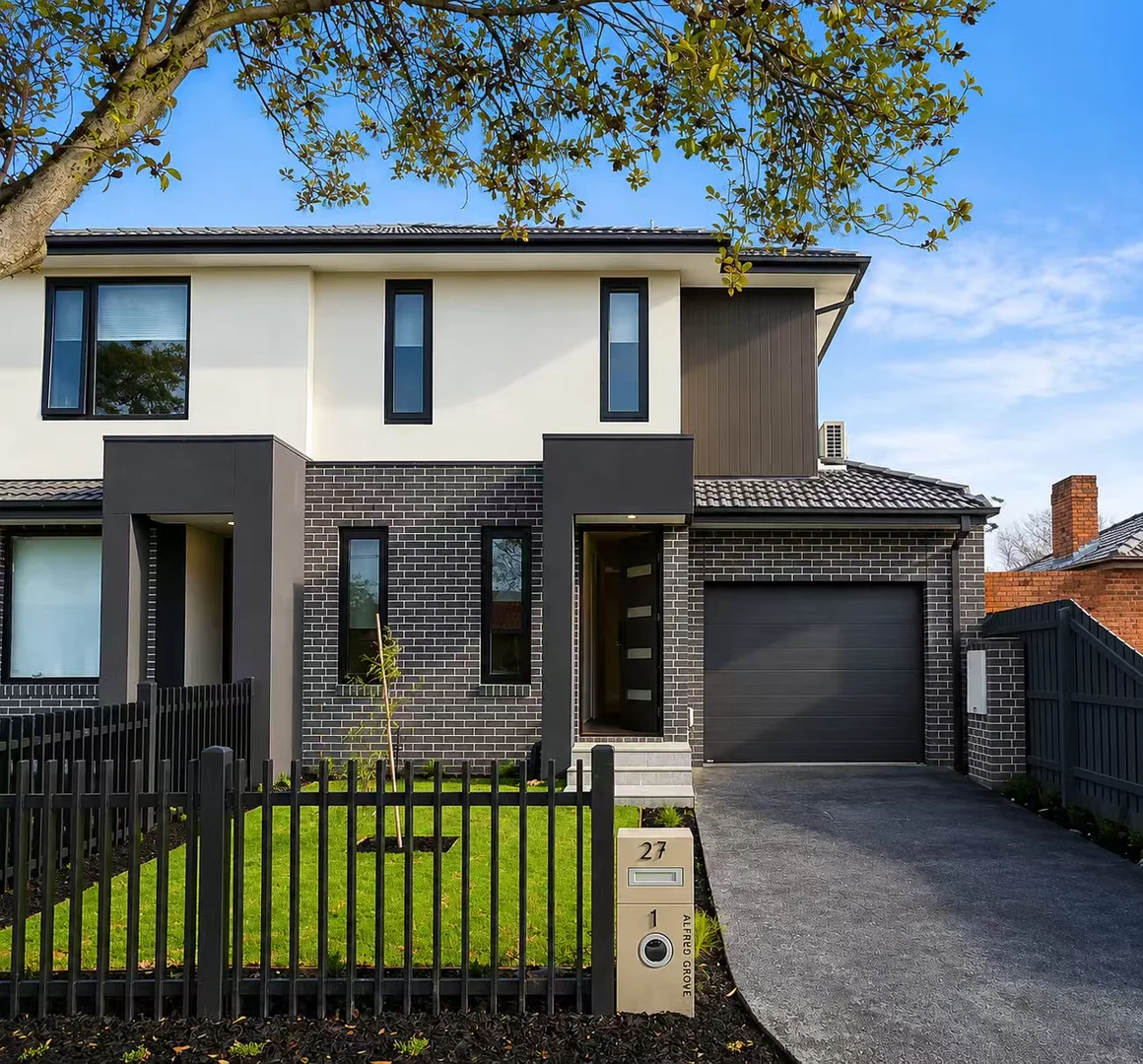 $1,050,000
Townhouse
$1,050,000
Townhouse
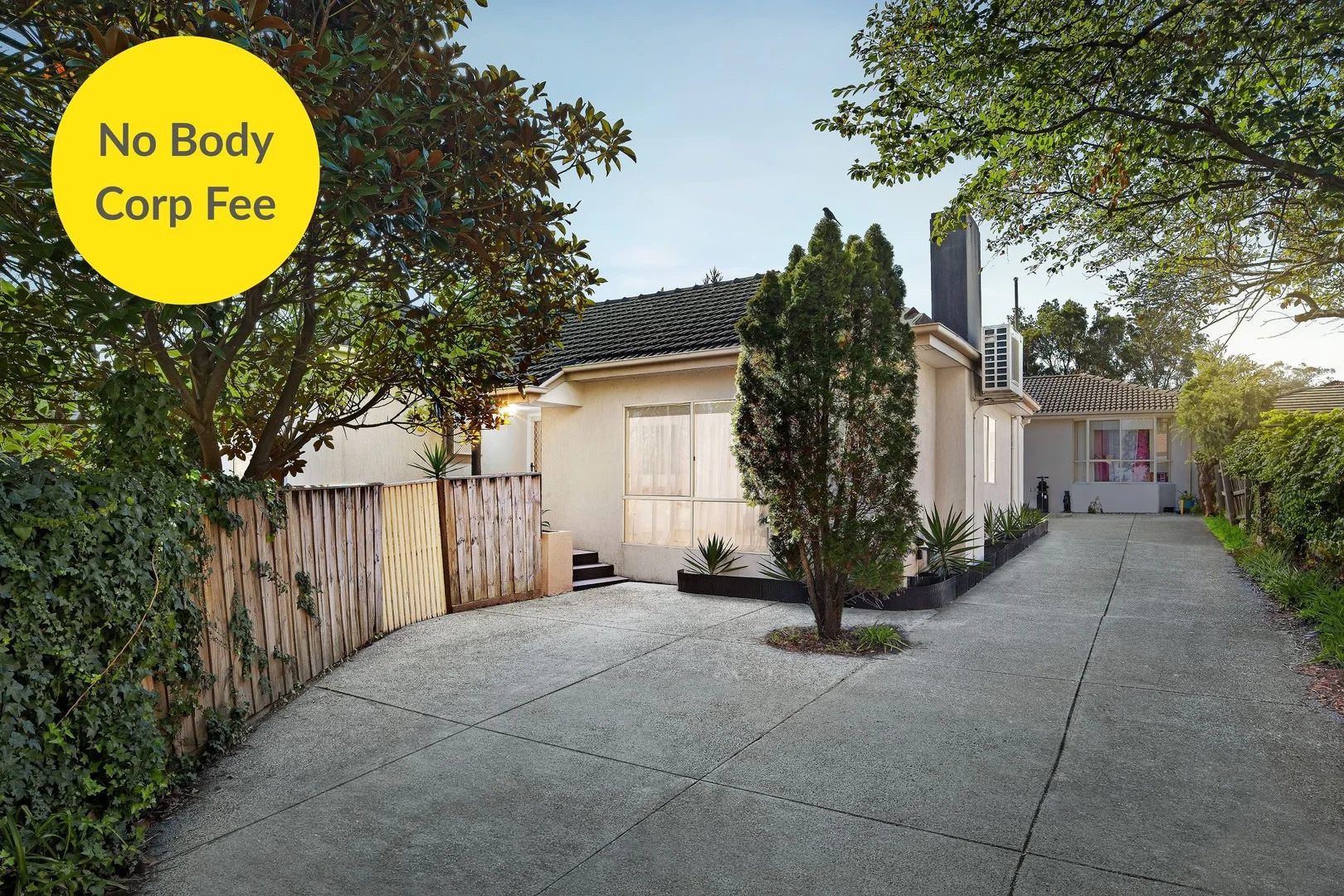 $750,000
Apartment / Unit / Flat
$750,000
Apartment / Unit / Flat
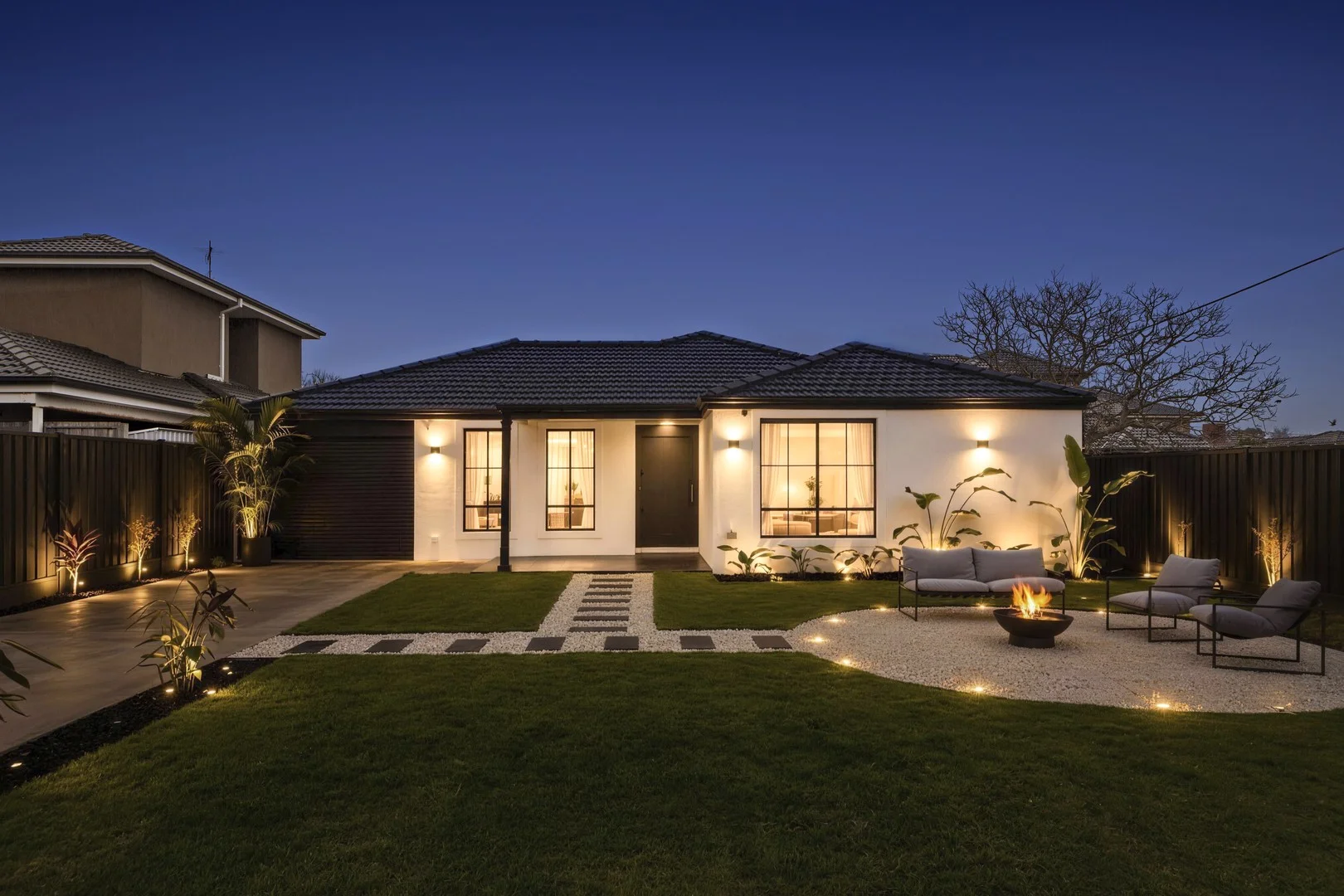 $1,380,000
House
$1,380,000
House
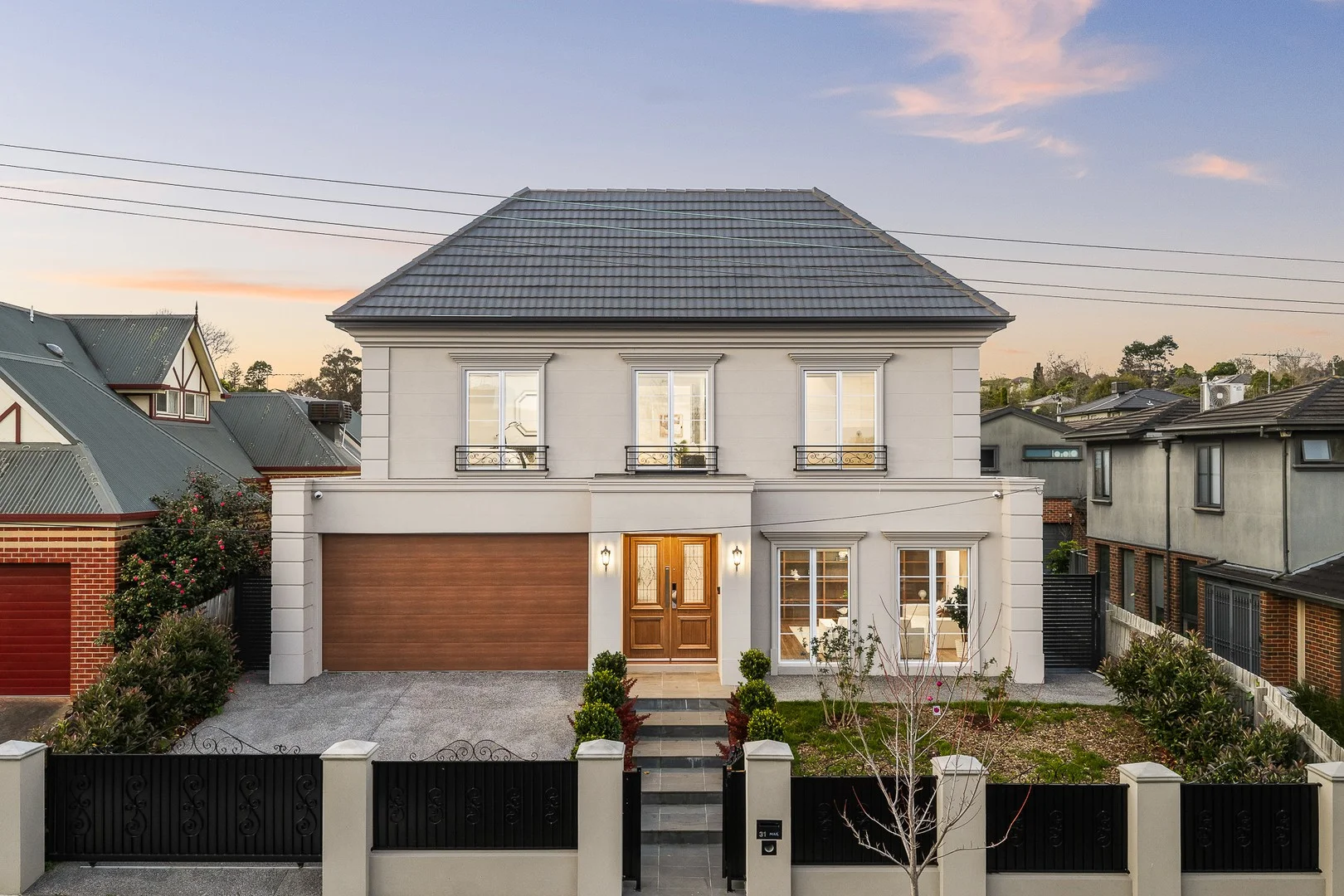 $2,550,000
House
$2,550,000
House


