## Overview
Santa Maria College is an independent Catholic day school for girls located in Attadale, Western Australia. As a faith-based environment, the college emphasises values-based education, service, and community, alongside strong academic outcomes. The school offers a broad range of subjects and co-curriculars within a mid-sized, supportive campus.
With a medium-sized student body and a culture that blends academic rigor with pastoral care, classes tend to be intimate enough for individual attention while still providing diverse opportunities. The atmosphere is nurturing and inclusive, prioritising respectful relationships, leadership development, and community involvement.
## Academics & Learning
- Academic strengths: Strong emphasis on STEM, English, languages, and leadership development, integrated with service learning and Catholic values.
- Special programs: ATAR pathway for senior years; opportunities for accelerated or enriched learning and gifted/talented programs; focus on leadership and community service as part of the curriculum.
- NAPLAN / trends: Trends show steady progress over recent years with performance generally stable to improving in reading and numeracy, often in line with or above state averages.
- Student-teacher ratios: Class sizes typically around 20–25 students with a student-teacher ratio in the mid-teens (roughly 1:12 to 1:15 in core classes), enabling some individual attention.
- Support for diverse learners: EAL support, learning assistance for students with additional needs, and targeted support programs to help students access the full curriculum.
## Sports & Extracurricular Strengths
- Sports offered: Netball, basketball, hockey, soccer/football, athletics, swimming, and tennis, with opportunities across inter-school and regional competitions.
- Strong teams or achievements: Competitive participation in regional school sport and inter-school events; emphasis on teamwork, sportsmanship, and personal development.
- Music, arts, drama programs: Robust performing arts program including choir, ensembles, and school productions; theatre and music opportunities complement academic study.
- Clubs: Robotics, coding, chess, debating, and other academic or interest-based clubs to extend learning beyond the classroom.
- Partnerships: Connections with local community organisations, sporting clubs, and competitions to broaden opportunities for students.
## Wellbeing & Pastoral Care
- Anti-bullying approach: Proactive policies and clear reporting pathways, reinforced by pastoral care and student support systems.
- House system: House-based activities and competitions to foster belonging and healthy rivalry.
- Counsellors / wellbeing officers: Access to school counsellors and wellbeing staff to support academic and personal development.
- Transition support for new students: Orientation programs, buddy systems, and targeted transitions support to help new students settle in.
## Facilities
- Sports grounds: On-site playing fields and courts for outdoor sport.
- Libraries: Well-equipped library and study spaces for reading and research.
- Science labs: Modern science laboratories for hands-on learning across disciplines.
- Music/performing arts centers: Dedicated spaces for music practice, rehearsals, and performances.
- Tech/innovation labs: Computer labs and makerspaces to support digital learning and project work.
- Cafeteria: On-site canteen providing daily meal options.
- Updated playgrounds: Well-maintained outdoor spaces for recreation and socialising.
## School Values & Community Culture
- School values / mission: Catholic values with a focus on faith, service, integrity, and community; commitment to social justice and helping others.
- Leadership style: Collaborative and inclusive leadership that invites student input through pastoral care and student representative bodies.
- Behaviour expectations: Clear codes of conduct emphasising respect, responsibility, and care for others.
- Community reputation: Known for a supportive, faith-driven environment with strong parent and community engagement.
- Diversity & inclusion: Practices that promote inclusion and respect for a diverse student body within a Catholic framework.
## School Logistics & Daily Operations
- School hours: Typical day runs through the morning and afternoon with a standard school timetable; times may vary by year level.
- Before/after school care: After-school care and supervision options available.
- Uniform requirements: Formal uniform policy with specific items and rules for appearance.
- Transport (train/bus routes): Access to local bus routes and public transport; convenient drop-off/pick-up arrangements in the surrounding area.
- Canteen availability: On-site canteen or lunch facilities offering daily meal options.
- Fees (low/medium/high ranges): Fees are in the mid-to-upper range for independent Catholic schools in Western Australia.
## Enrolment & Admissions
11. What is the enrolment process and timeline?
- Steps typically include submitting an application, attending information sessions or tours, documents submission (academic records, residence/citizenship details, and any required paperwork), interviews or early assessment where relevant, and a formal offer of enrolment. The timeline usually spans several months from application to confirmation for the start of the school year, with ongoing intake depending on vacancies.
12. Is there a waiting list, and how does it work?
- Yes, there is often a waitlist for popular year groups. Places on the waiting list are generally allocated by date of application and availability, with occasional priority given based on specific circumstances or sibling considerations.
13. Are there any entry requirements, tests, or interviews?
- Entry typically involves an application and supporting documents, with an interview or information session as part of the process. Some year levels may require placement tests or academic assessments, while others may rely on records and suitability for the school’s program and Catholic ethos.
14. Does the school accept mid-year transfers?
- Mid-year transfers may be possible if spaces are available and all admissions requirements are met, including transcripts and any necessary pastoral or administrative clearances. Availability varies by year level and term.
## Frequently Asked Questions
- Why Parents Choose This School?
- A faith-based environment that emphasises academic excellence, values-based education, strong pastoral care, and a supportive community.
- What type of student thrives at this school?
- Motivated girls who value community, service, leadership development, and a broad range of academic and co-curricular opportunities.
- What opportunities are available for students to extend their skills (academics, sports, arts)?
- ATAR pathways and accelerated learning options; leadership programs; a wide range of sports; strong performing arts and music programs; clubs in robotics, coding, debating, and more.
- How does the school communicate with parents?
- Regular newsletters, emails, parent portals, and scheduled parent-teacher interviews; updates on school events and student progress.
- What is the school’s approach to teaching and learning?
- Inclusive, enquiry-driven pedagogy within a Catholic framework; emphasis on critical thinking, collaboration, and real-world application.
- How does the school support students who need extra academic help?
- Targeted learning support, EAL assistance, tutoring options, and access to wellbeing and academic counsellors.
- What support is available for academic challenges?
- Dedicated support plans, small-group instruction, and collaboration with teachers to tailor adjustments and interventions.
- How does the school communicate with parents? (Repeated question)
- See above: newsletters, portals, and direct contacts with teachers and leadership.
- What are the class sizes and how much individual attention do students receive?
- Class sizes typically around 20–25 students, with a student-teacher ratio of roughly 1:12 to 1:15 in core subjects, allowing meaningful individual attention.
- What extracurricular and sports opportunities are available?
- A range of sports (netball, basketball, hockey, soccer, athletics, swimming, tennis), performing arts programs, and clubs (robotics, coding, chess, debating).
- What facilities does the school offer (sports, science, arts)?
- Modern science labs, a well-stocked library, performing arts spaces, music facilities, technology and innovation labs, a canteen, and well-maintained outdoor areas.
- What is the school’s approach to technology and digital learning?
- Integration of digital literacy across the curriculum with access to computer labs and technology-enabled learning environments; emphasis on responsible use and future-ready skills.
- What transport and accessibility options are available?
- Access to local bus routes and public transport; convenient drop-off/pick-up arrangements; campus design supports accessibility.
- What are the typical school fees or additional costs?
- Fees are in the mid-to-upper range for independent Catholic schools in Western Australia; additional costs may apply for uniforms, texts, and excursions.
## Short Pros & Cons list
- Pros
- Catholic values-based education with strong pastoral care
- Solid academic program with ATAR pathway and enrichment options
- Wide range of co-curriculars (sports, arts, clubs)
- Inclusive, supportive, community-focused culture
- Modern facilities and well-equipped learning spaces
- Cons
- Fees are higher than public schools; may be a consideration for some families
- Girls-only environment; may not suit families seeking co-educational experiences
- Admissions process can be competitive, with waitlists for popular year levels
- Religious education and ethos may not align with every family’s beliefs
If you’d like, I can tailor this content further with more precise details from official sources or adjust the tone for your site’s style.









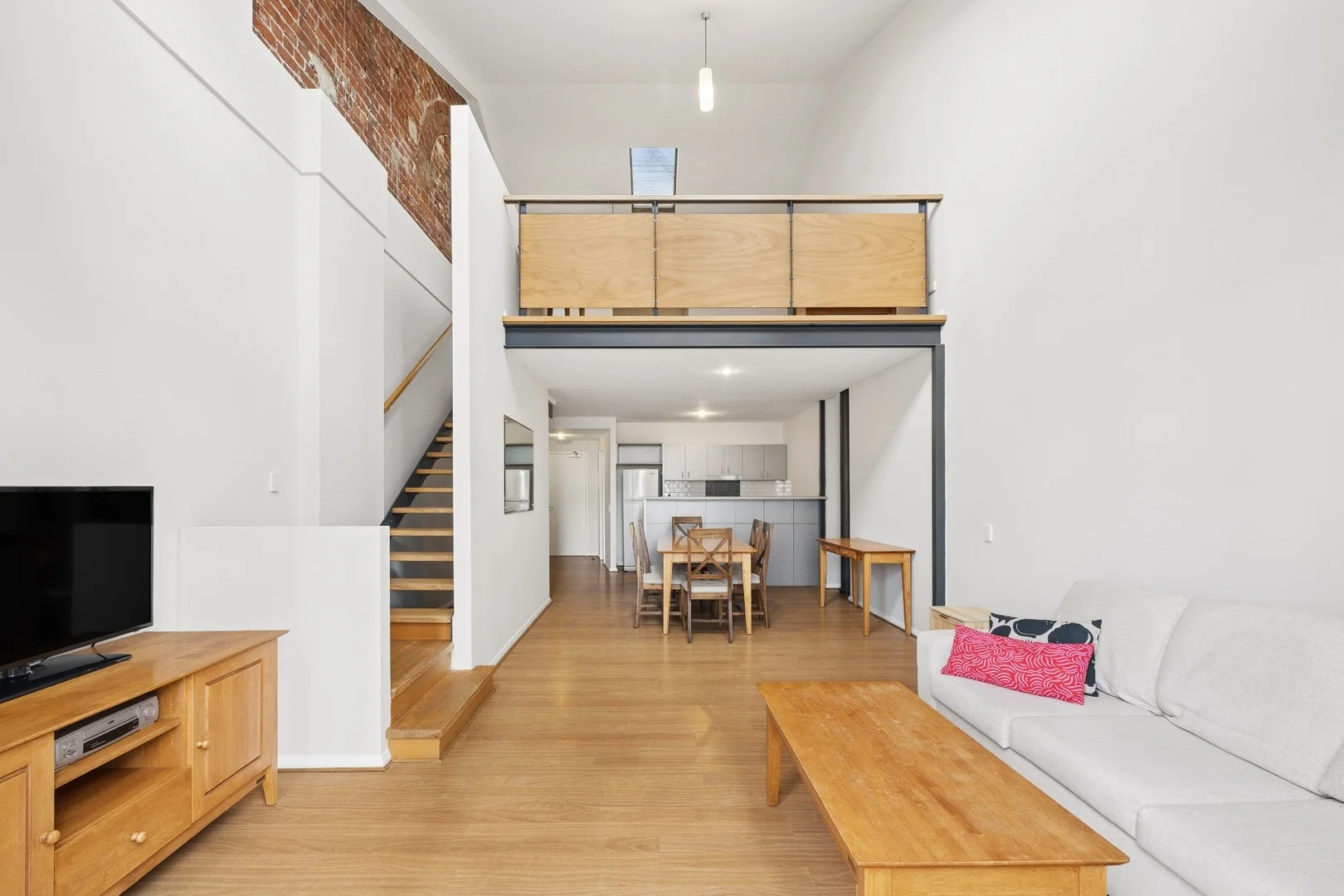 $549,000
Apartment / Unit / Flat
$549,000
Apartment / Unit / Flat
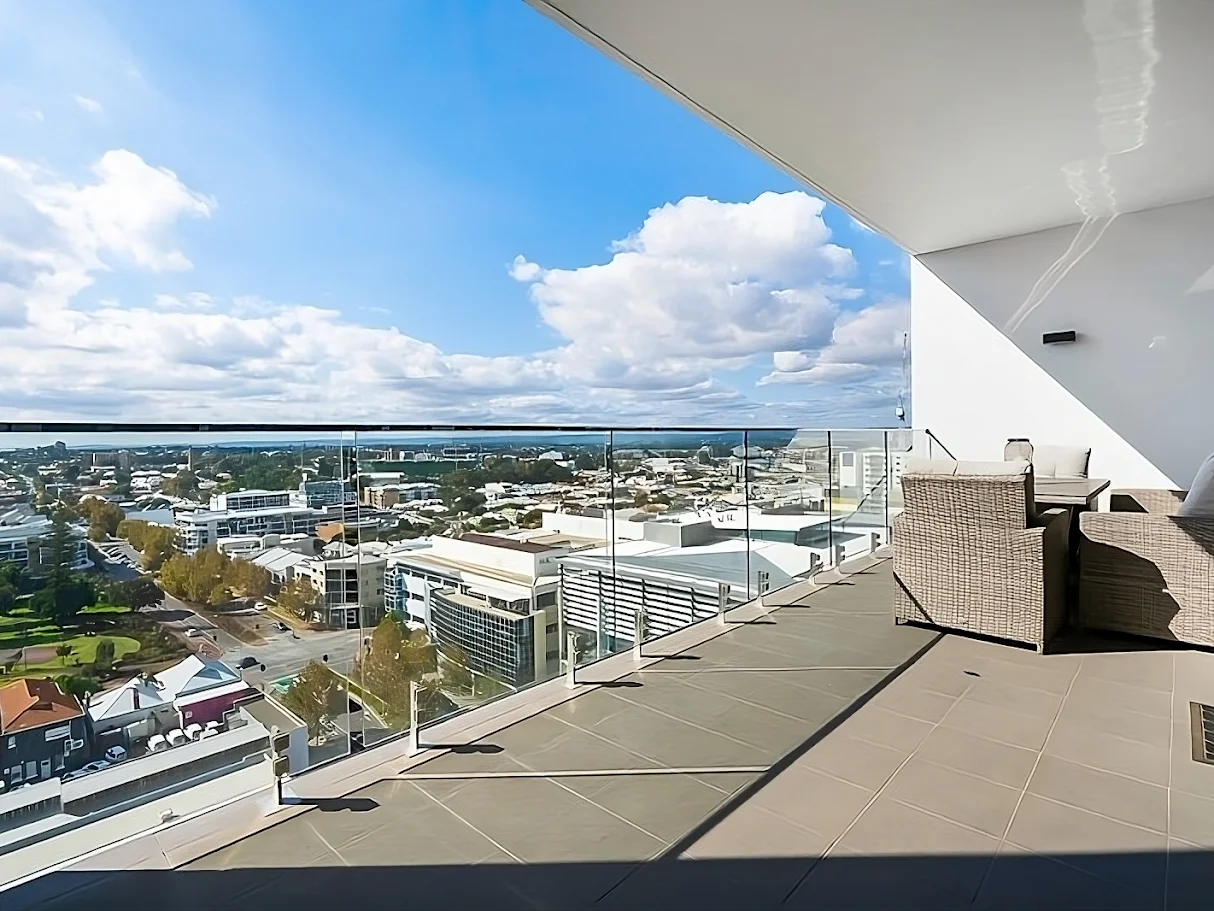 $580,000
Apartment / Unit / Flat
$580,000
Apartment / Unit / Flat
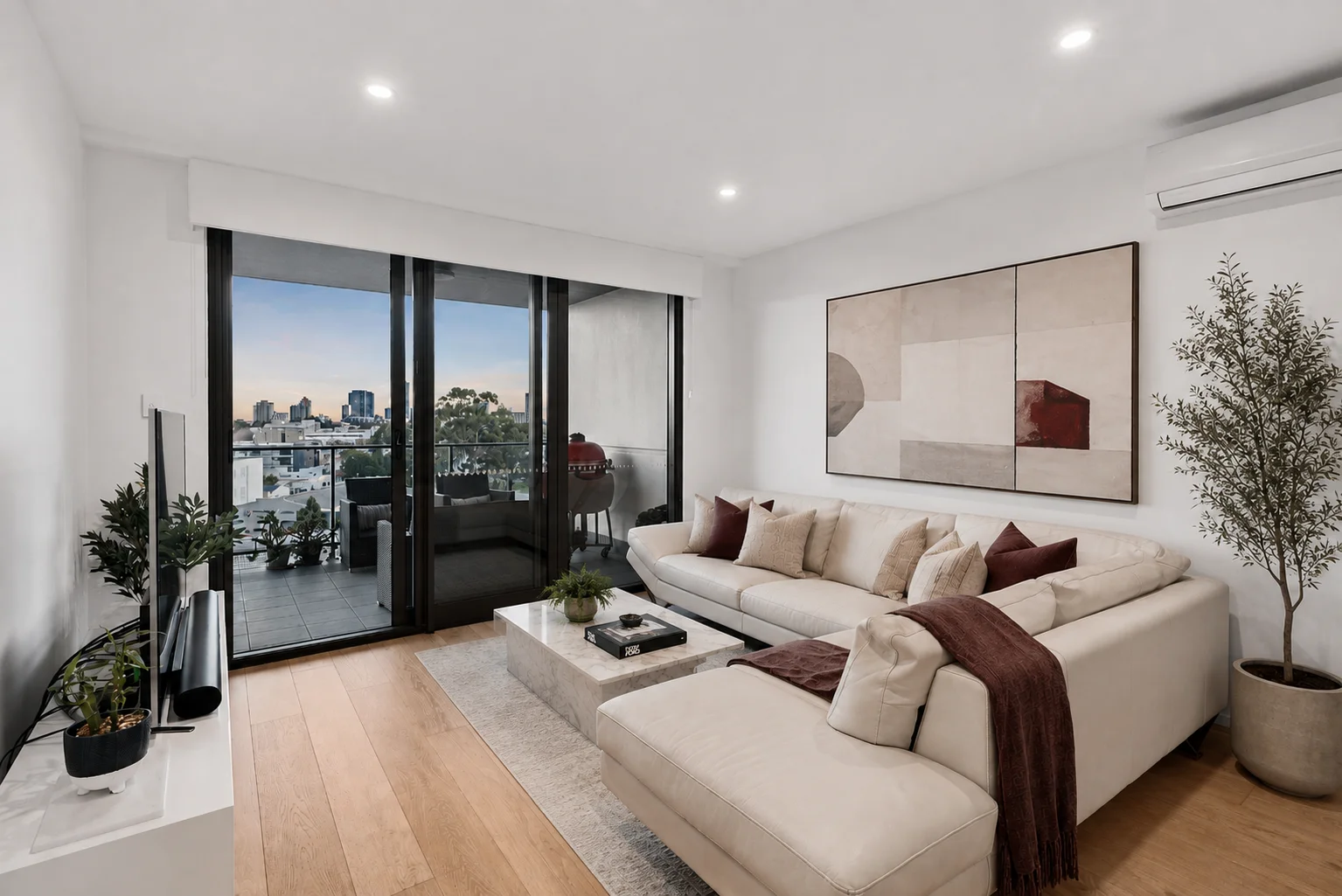 $700,000
Apartment / Unit / Flat
$700,000
Apartment / Unit / Flat


