Overview
## 1. Overview
Sophia Mundi Steiner School is an independent, co-educational school following the Steiner pedagogy, offering a holistic, arts‑rich education for students from early childhood through the middle and senior years. The school emphasises creative thinking, hands‑on learning, and social responsibility within a close-knit community.
- School type: Independent
- School size: Small to medium
- Class size: Approximately 16–22 students per class
- Atmosphere/culture: Nurturing, inclusive, arts‑integrated
⸻
## 2. Academics & Learning
- Academic strengths: Integrated Steiner approach supports creativity alongside literacy and numeracy; strong emphasis on the arts, humanities, and practical skills; cross‑curricular projects foster critical thinking and collaboration.
- Special programs: Steiner curriculum from early childhood to senior years; arts‑based subjects (e.g., music, drama, crafts); eurythmy and handcrafts are commonly included as part of the program.
- NAPLAN / Ofsted trends: As a private Steiner school in Australia, formal NAPLAN reporting is not the primary focus; progress is tracked through school‑based assessments and observational methods that align with Steiner principles.
- Student-teacher ratios: Typically low to moderate ratios (roughly 1:8–1:12, depending on year level), allowing more individualized attention.
- Support for diverse learners: Inclusive education with EAL and SEN support; differentiated instruction and targeted learning support within the classroom, plus small group interventions when needed.
⸻
## 3. Sports & Extracurricular Strengths
- Sports offered: Soccer, netball, cricket, basketball, athletics, and other outdoor education activities; emphasis on participation and teamwork.
- Strong teams or achievements: Active involvement in local inter-school events and Steiner school networks; participation is encouraged across ages.
- Music, arts, drama programs: Strong performing arts culture with choir, instrumental ensembles, drama productions, and visual arts integrated into the curriculum.
- Clubs: Robotics, chess, coding, debating, gardening and crafts; opportunities for student-led clubs and projects.
- Partnerships: Local community clubs, inter-school competitions, and Steiner school networks; collaboration with regional arts and cultural programs.
⸻
## 4. Wellbeing & Pastoral Care
- Anti-bullying approach: Restorative practices and a focus on respectful relationships and social responsibility.
- House system: House or team groups used to build belonging, teamwork, and healthy competition.
- Counsellors / wellbeing officers: On-site wellbeing coordinator and access to school counsellors for student support.
- Transition support for new students: Welcome programs, buddy systems, and targeted orientation to help new students settle in smoothly.
⸻
## 5. Facilities
- Sports grounds: On-site or nearby facilities supporting physical education and outdoor education.
- Libraries: Quiet, well-stocked spaces for reading and research.
- Science labs: Functional spaces for hands‑on experiments and inquiry.
- Music/performing arts centers: Dedicated rooms or spaces for music practice and dramatic productions.
- Tech/innovation labs: Areas for digital literacy, coding, and project work.
- Cafeteria: Healthy meal options and a place for social meals.
- Updated playgrounds: Safe, age‑appropriate outdoor play and activity spaces.
- Additional notes: Open, activity‑friendly spaces often include art studios, woodwork and garden areas to support the Steiner curriculum.
⸻
## 6. School Values & Community Culture
- School values / mission: Creativity, curiosity, compassion, responsibility, and respect; a focus on developing confident, thoughtful individuals.
- Leadership style: Collaborative and teacher‑guided with opportunities for student voice and leadership through projects and committees.
- Behaviour expectations: Respectful conduct, restorative approaches to conflict, and a focus on social and environmental responsibility.
- Community reputation: Close‑knit, family‑oriented atmosphere with active parent involvement and a sense of shared purpose.
- Diversity & inclusion: Welcoming to families from diverse backgrounds; commitment to inclusivity and accessibility within the Steiner framework.
⸻
## 7. School Logistics & Daily Operations
- School hours: Start and end times vary by year level; typical day covers core learning blocks with breaks for reflection and activity.
- Before/after school care: Available options to support working families; after‑school programs may include sport, arts, and supervision.
- Uniform requirements: School uniform required; details provided by the school uniform shop and guidelines.
- Transport (train/bus routes): Connections to public transport; information on nearby stops and accessibility; walking/biking encouraged where feasible.
- Canteen availability: Canteen or school meal provisions often available, with healthy options.
- Fees (low/medium/high ranges): Fees are in the independent/private school range; exact figures vary by year level and program; check with the school for current schedules.
⸻
## 8. Enrolment & Admissions
### 11. What is the enrolment process and timeline?
- Inquiry and information session
- Submission of application materials
- Family and student interview/observation
- Offer of placement (subject to vacancy)
- Enrolment agreement and fee payments
- Timelines vary by year level and cohort; early applications are advisable to secure a place
### 12. Is there a waiting list, and how does it work?
- Waiting lists can apply; placement depends on vacancies and fit with the Steiner program
- Parents are kept informed of status; timelines for vacancies can be unpredictable and may require patience
- Sibling preference policies may apply in some cases; confirm with the school
### 13. Are there any entry requirements, tests, or interviews?
- Emphasis on alignment with Steiner principles
- Typically no standardised entry tests; rather, family and student interviews and observations
- Interviews focus on learning style, interests, and readiness for the Steiner approach
### 14. Does the school accept mid-year transfers?
- Yes, subject to vacancy and timetable alignment
- Transfer process includes observation, intake discussion, and a plan to integrate the student into the current year level
⸻
## 9. Frequently Asked Questions
- Why Parents Choose This School?
- A holistic, arts‑integrated education that emphasises character, creativity, and community; strong focus on wellbeing and individualized growth within a close‑knit environment.
- What type of student thrives at this school?
- Curious, creative learners who benefit from hands‑on, project‑based learning and a collaborative, supportive community.
- What opportunities are available for students to extend their skills (academics, sports, arts)?
- Access to arts programs (music, drama, visual arts), handcrafts, languages, and cross‑curricular projects; clubs in robotics, coding, chess, debating; opportunities in sports and outdoor education.
- How does the school communicate with parents?
- Regular updates via newsletters, meetings, school portals, and annual reports; open channels with teachers and coordinators.
- What is the school’s approach to teaching and learning?
- Steiner pedagogy: learner‑centred, experiential, and integrated across subjects; emphasis on imagination, inquiry, and practical application.
- How does the school support students who need extra academic help?
- In‑class differentiation, targeted learning support, and access to additional help within the school context.
- What support is available for academic challenges?
- Early intervention strategies, small group sessions, and tailored materials to meet individual needs.
- What are the class sizes and how much individual attention do students receive?
- Class sizes are relatively small (roughly 16–22 students); teachers often work closely with students to provide individual attention and adjust pace as needed.
- What extracurricular and sports opportunities are available?
- A broad mix of sports, arts, and clubs (robotics, chess, coding, debating) with participation encouraged across ages.
- What facilities does the school offer (sports, science, arts)?
- Sports grounds, libraries, science labs, music/performing arts spaces, tech/innovation labs, cafeteria, and updated playgrounds, plus arts and craft spaces.
- What is the school’s approach to technology and digital learning?
- Balanced approach with digital literacy integrated into learning; mindful use of technology aligned with the curriculum and development goals.
- What transport and accessibility options are available?
- Public transport connections and walking/biking options; information on nearby stops and accessibility provided by the school.
- What are the typical school fees or additional costs?
- Fees are in the middle-to-high range for independent schools; exact amounts and any additional costs (camps, excursions, materials) are provided on inquiry.
⸻
## 10. Short Pros & Cons
- Pros
- Holistic, arts‑rich education that supports creativity and well‑being
- Small to medium class sizes enabling personalized attention
- Collaborative, community‑oriented culture with strong parent involvement
- Focus on character development, resilience, and social responsibility
- Integrated arts, crafts, and practical learning throughout the curriculum
- Cons
- Fees are higher than many government or public options
- Standardised testing is not the primary measure of progress, which may be less familiar to some families
- Focus on Steiner pedagogy means a different pacing and approach from traditional classrooms
- Availability of places can be limited due to the school’s size and demand
⸻








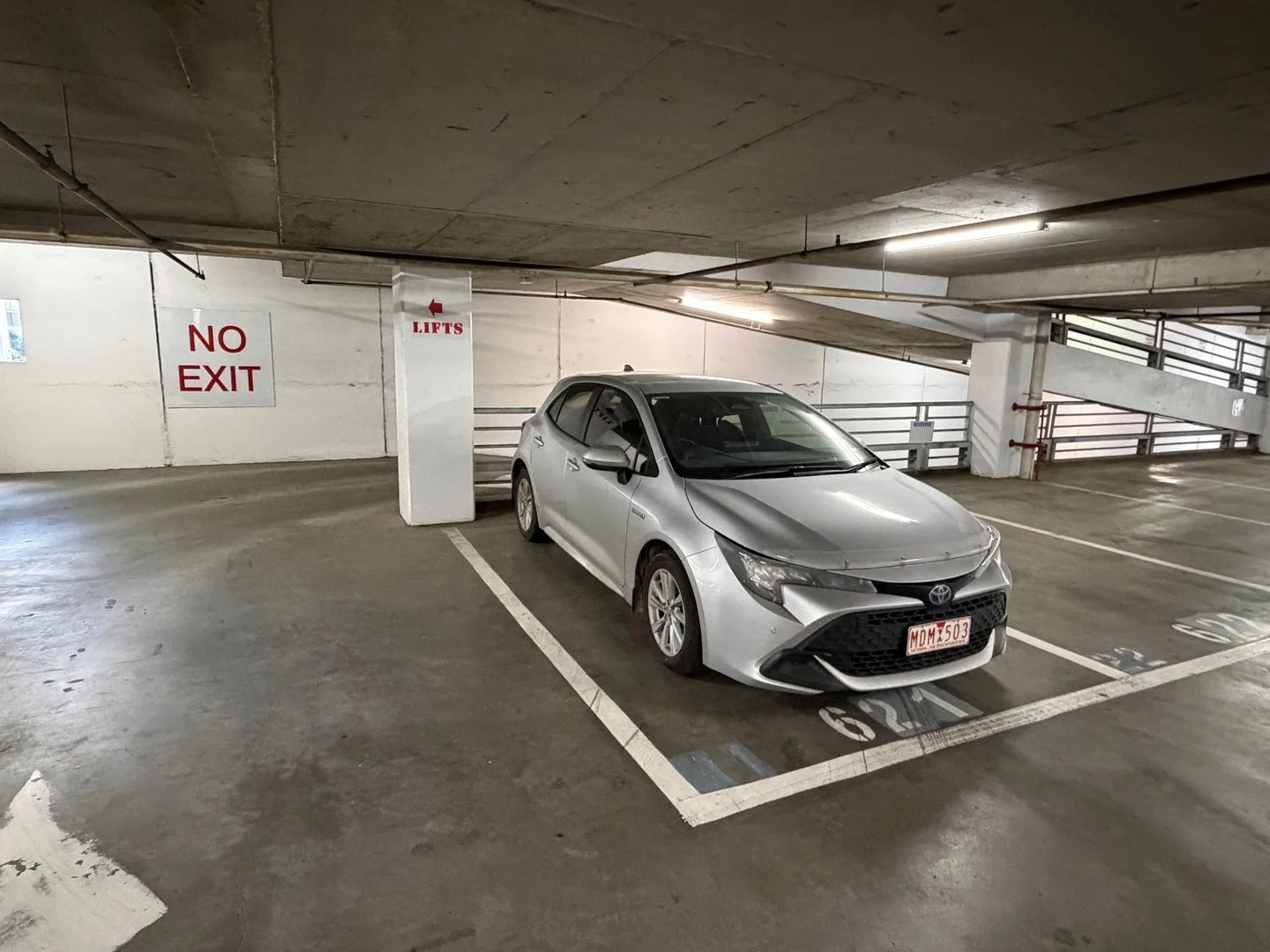 $27,500
propertyType.CAR SPACE
$27,500
propertyType.CAR SPACE
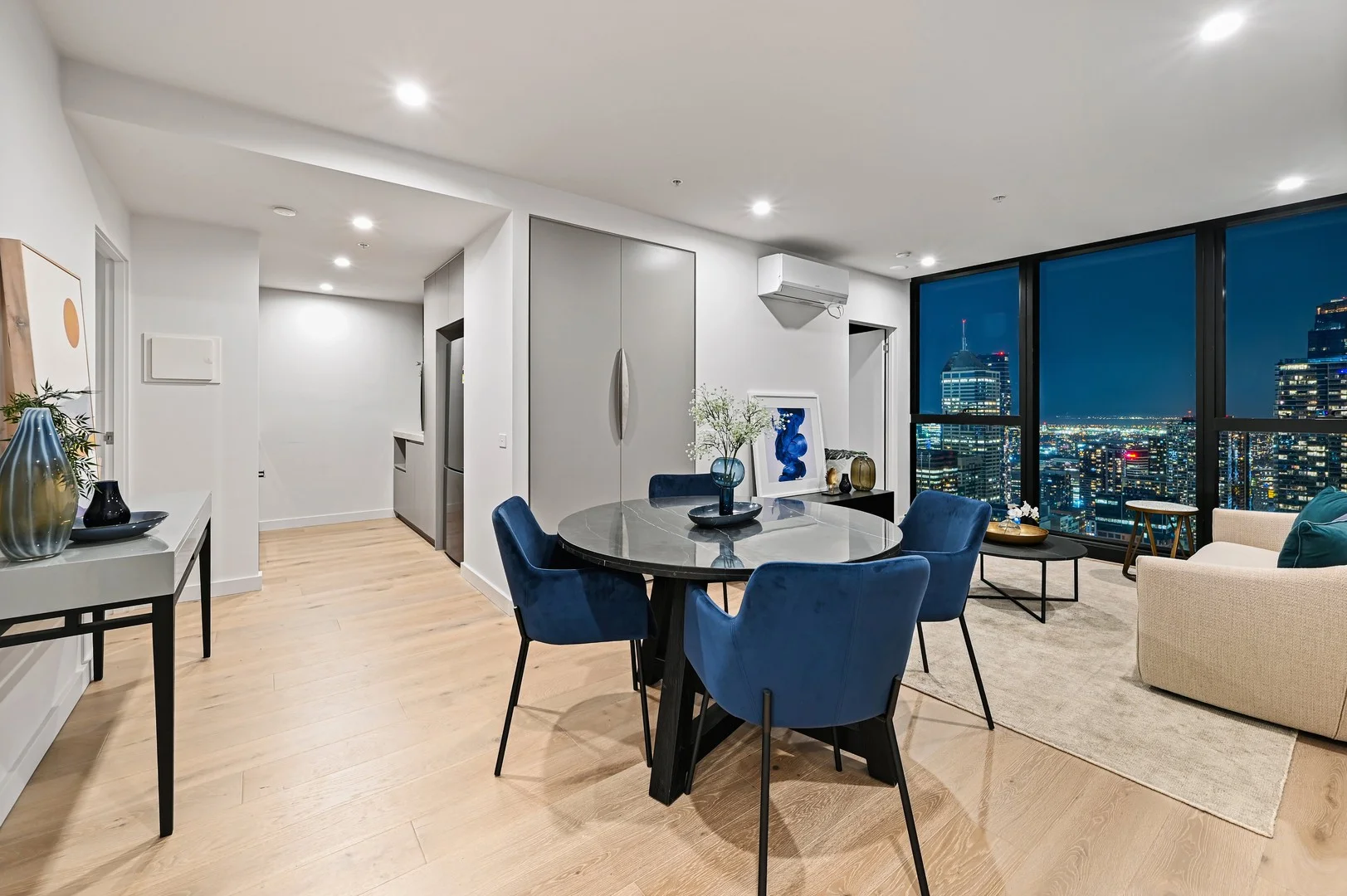 $943,000
propertyType.NEW APARTMENTS / OFF THE PLAN
$943,000
propertyType.NEW APARTMENTS / OFF THE PLAN
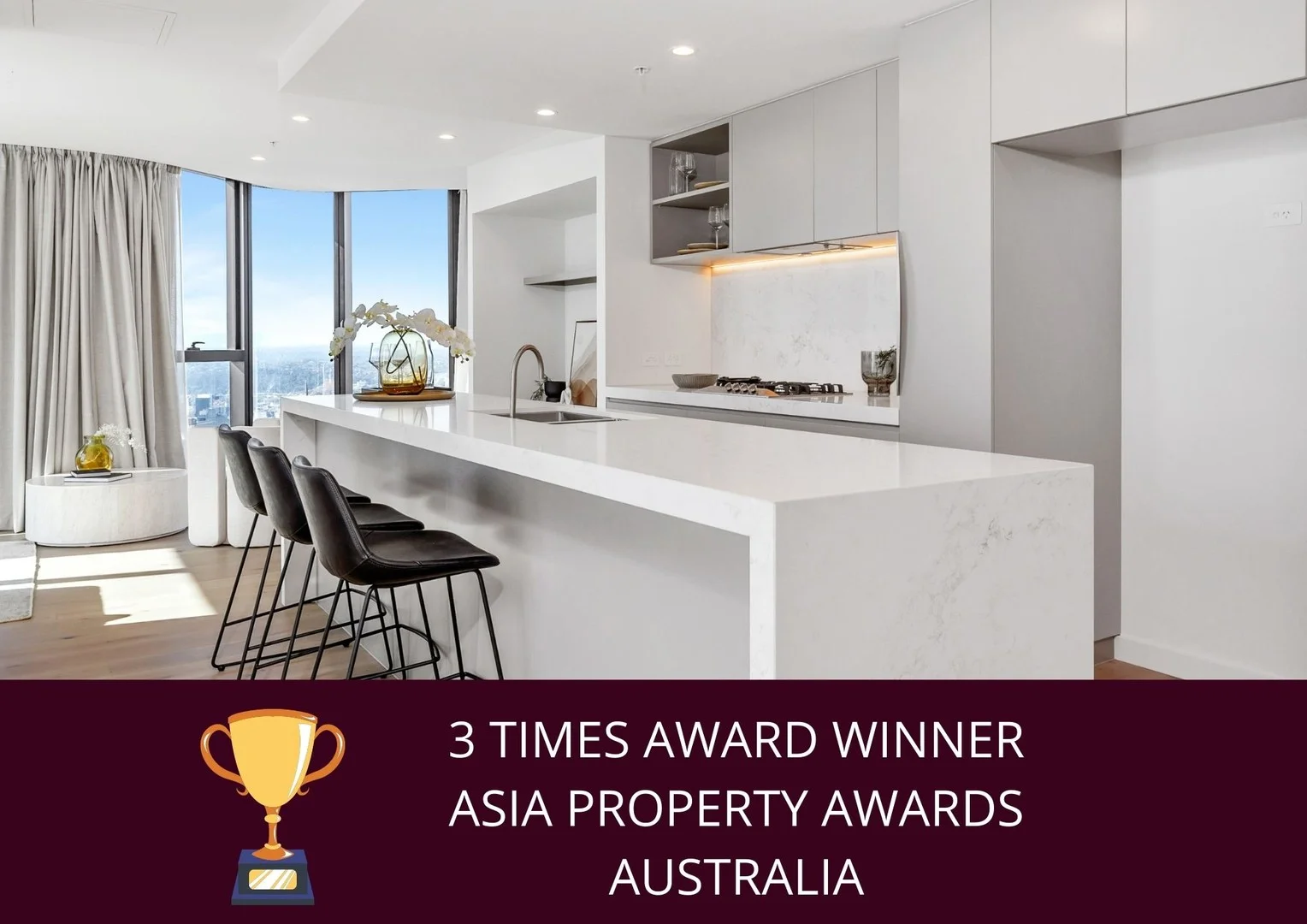 $2,008,000
propertyType.NEW APARTMENTS / OFF THE PLAN
$2,008,000
propertyType.NEW APARTMENTS / OFF THE PLAN
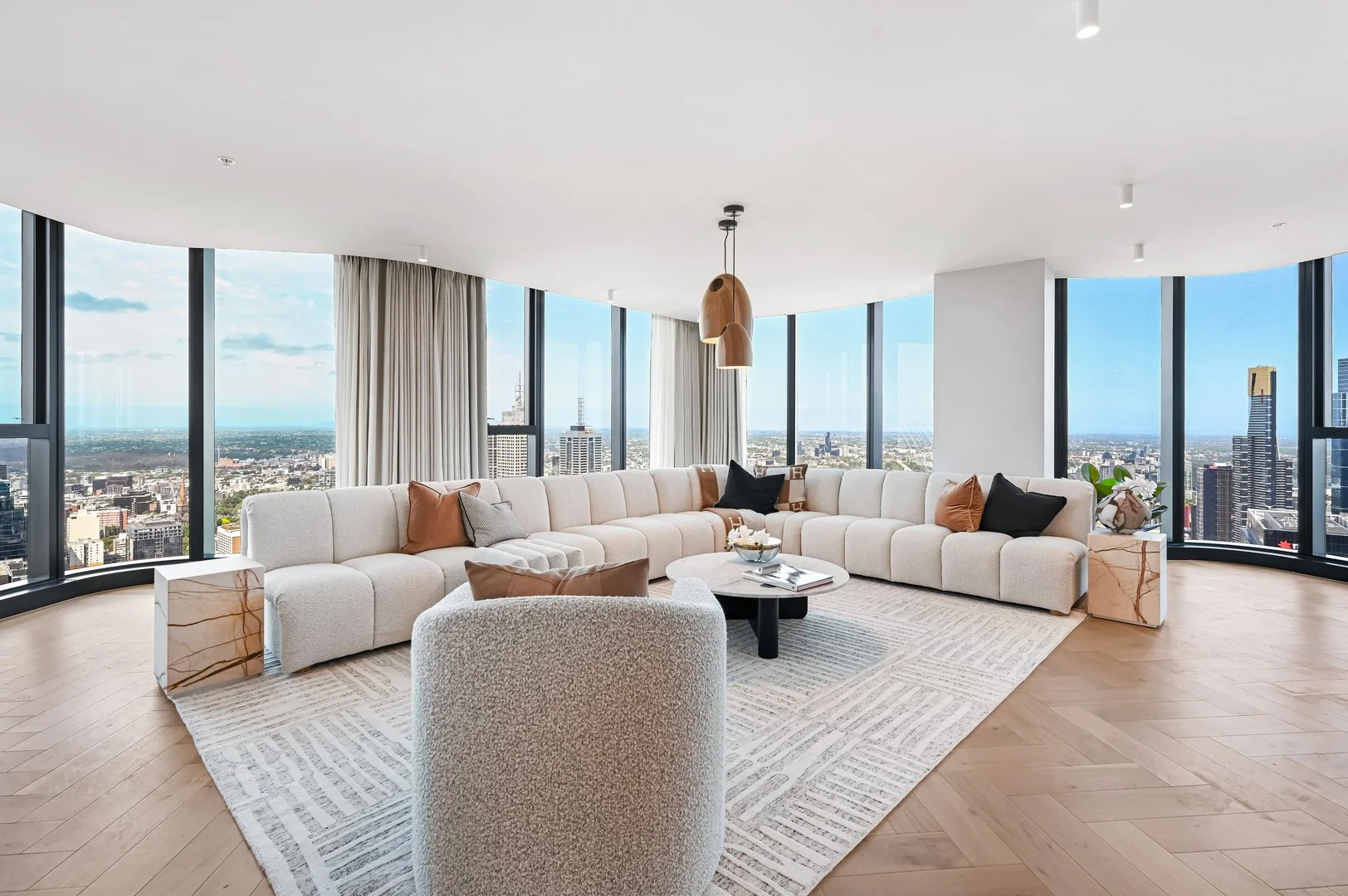 $5,512,000
propertyType.NEW APARTMENTS / OFF THE PLAN
$5,512,000
propertyType.NEW APARTMENTS / OFF THE PLAN
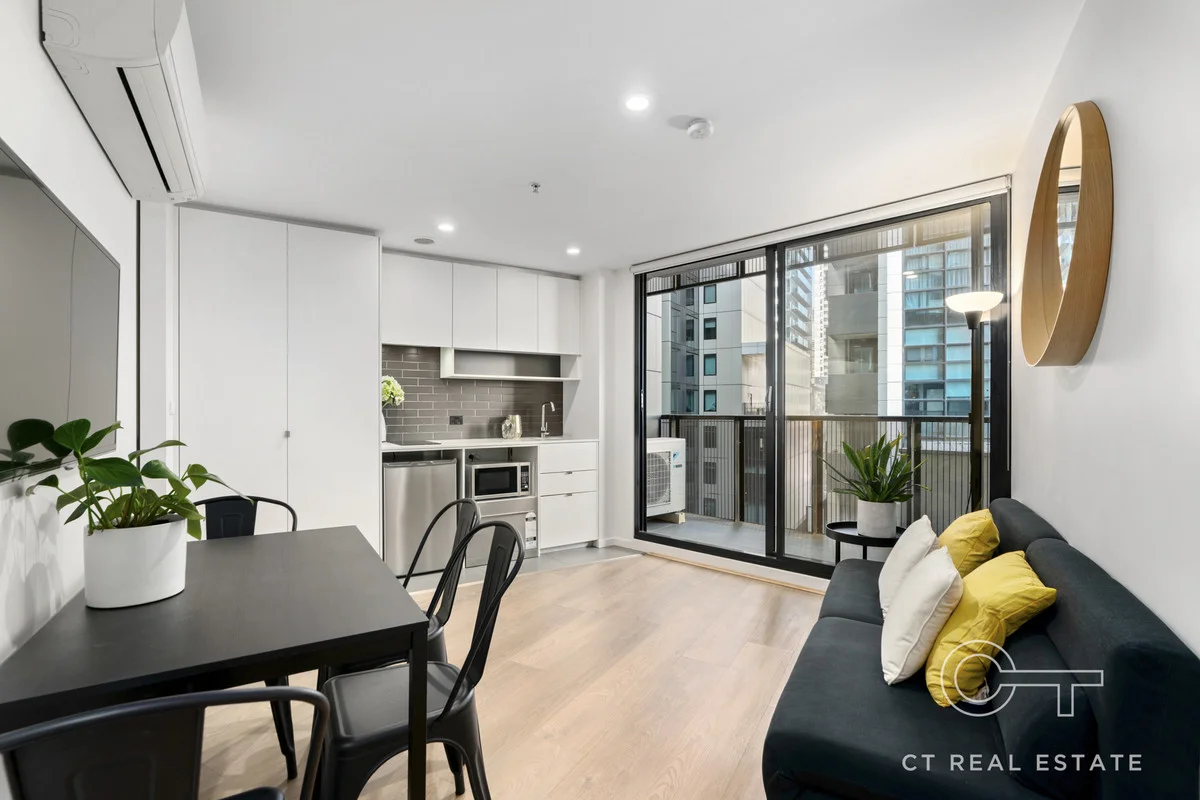 $360,000
Apartment / Unit / Flat
$360,000
Apartment / Unit / Flat
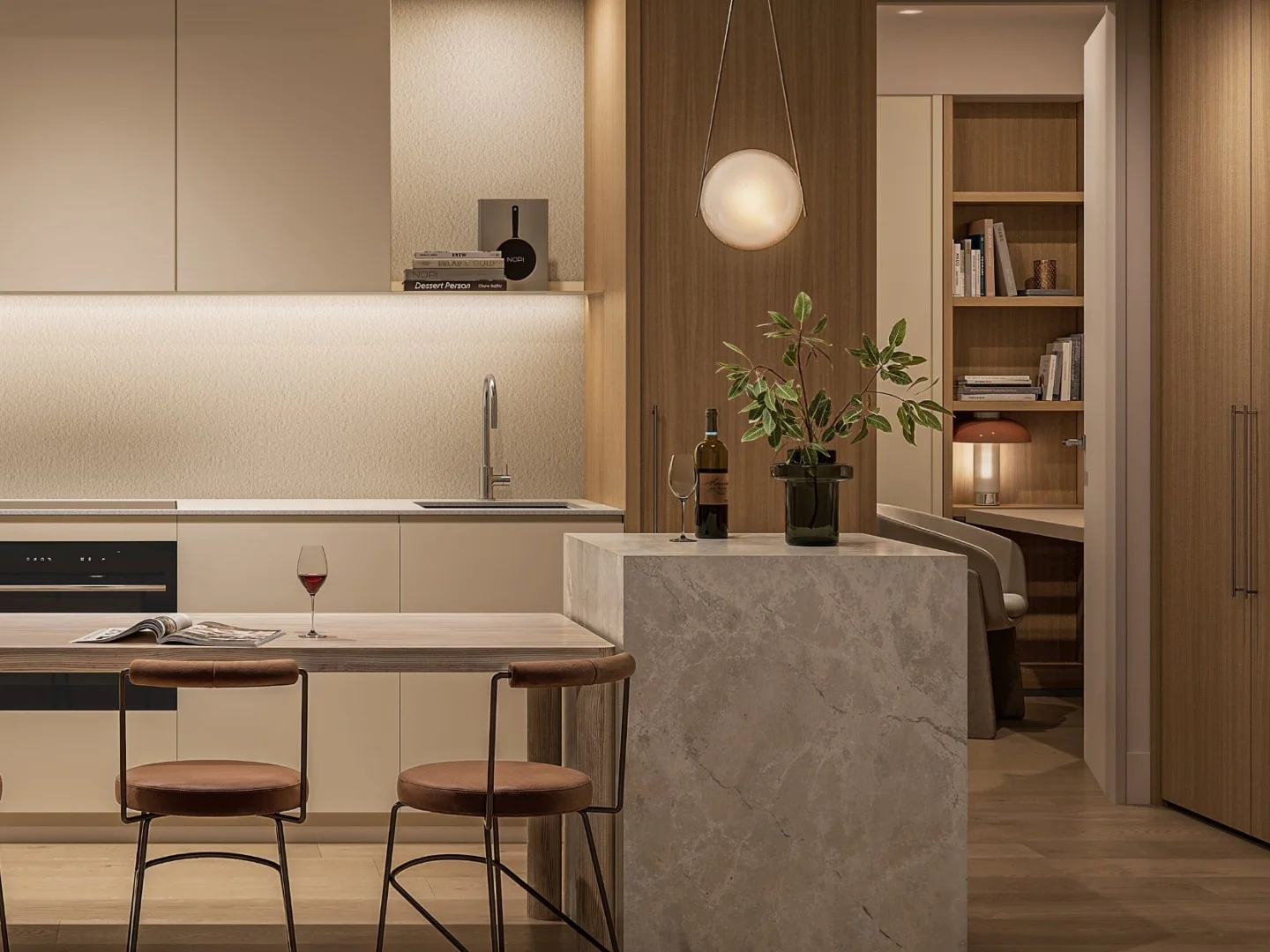 $712,500
Apartment / Unit / Flat
$712,500
Apartment / Unit / Flat
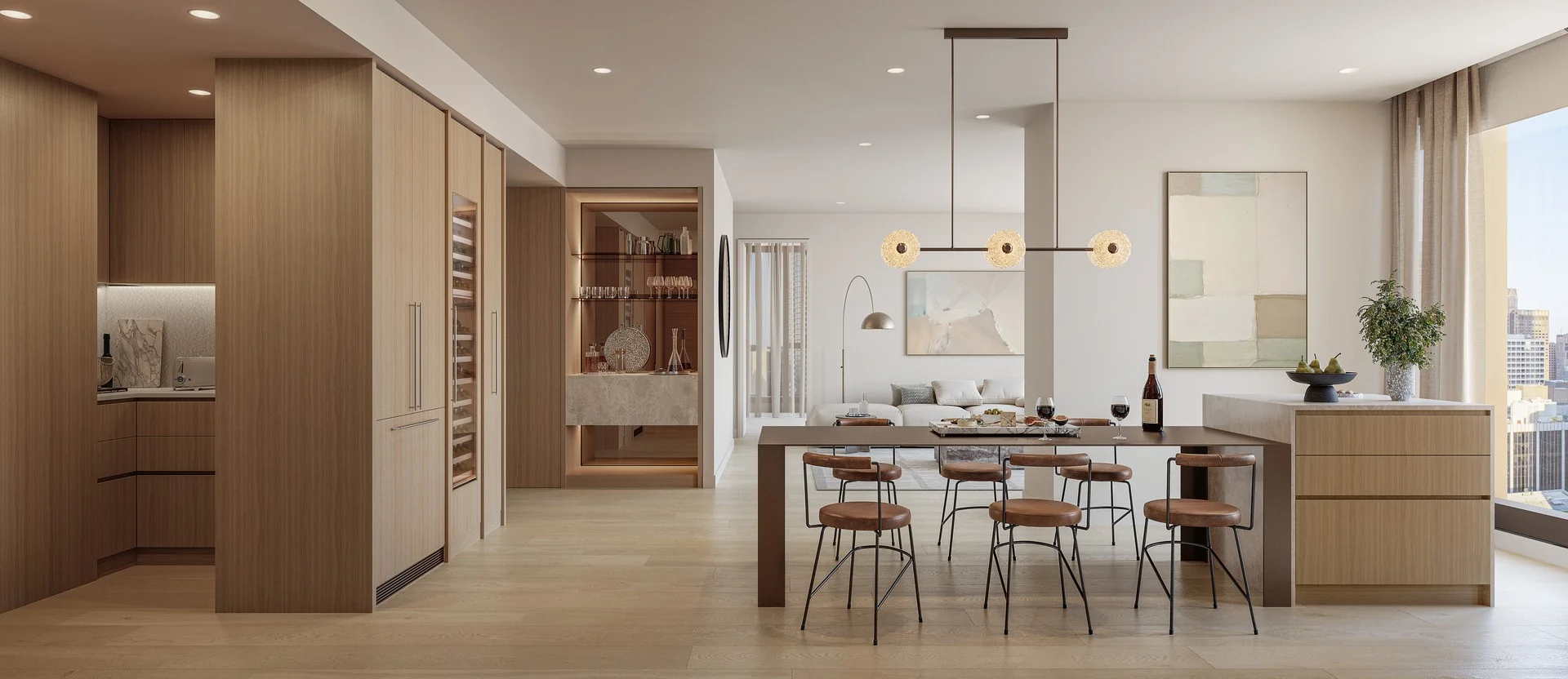 $2,865,000
Apartment / Unit / Flat
$2,865,000
Apartment / Unit / Flat
 $666,000
Apartment / Unit / Flat
$666,000
Apartment / Unit / Flat
 $1,870,000
propertyType.NEW APARTMENTS / OFF THE PLAN
$1,870,000
propertyType.NEW APARTMENTS / OFF THE PLAN