Overview
## Overview
South Ballajura Primary Campus is a public, government primary school serving families in Ballajura, Western Australia. The campus includes an Education Support Centre to assist students with diverse learning needs, underpinning an inclusive, student-focused culture. As a mid-sized public school, classes typically run with around 20–25 students, supported by a dedicated team of teachers and specialist staff. The atmosphere is welcoming and collaborative, emphasising respectful relationships, student wellbeing, and community involvement.
⸻
## Academics & Learning
- Academic strengths: Strong emphasis on literacy and numeracy foundations, with additional focus on inclusive teaching practices and digital learning. The school also supports student development in STEM and practical problem-solving skills through integrated learning experiences.
- Special programs: Education Support Centre on site to assist students with additional learning needs; access to targeted support and inclusive education pathways. Gifted and talented opportunities are typically available through district programs and school-based differentiation.
- NAPLAN trends: Public reporting of NAPLAN trends varies by year. For the most current trend data, refer to the WA Department of Education publications and the school’s own annual report; trends generally reflect ongoing emphasis on improving literacy and numeracy outcomes across year levels.
- Student-teacher ratios: Primary classrooms commonly operate with around 1 teacher for 20–25 students, with specialist staff supporting literacy, numeracy, and inclusive education.
- Support for diverse learners: Strong EAL/D support and SEN services; targeted interventions, small-group instruction, and coordinated referrals help students with diverse learning needs access the curriculum.
⸻
## Sports & Extracurricular Strengths
- Sports offered: Typical primary programs include athletics, netball, basketball, soccer, cricket, and cross-country events, with opportunities to participate in local and district-level competitions.
- Strong teams or achievements: Active participation in inter-school events; achievements vary by year, with emphasis on teamwork, sportsmanship, and skill development.
- Music, arts, drama programs: On-site music and performing arts opportunities, school assemblies, and performances that foster creativity and confidence.
- Clubs: Robotics, coding, chess, and debating clubs are commonly available or offered through after-school programs and school partnerships.
- Partnerships: Involvement with local clubs and regional competitions; opportunities to engage with community organizations and district-level programs to broaden experience in sport and STEM activities.
⸻
## Wellbeing & Pastoral Care
- Anti-bullying approach: Proactive, whole-school anti-bullying programs and clear policy frameworks, with student-led initiatives and staff support.
- House system: House groups organize events such as cross-country and team-based activities to build belonging and healthy competition.
- Counsellors / wellbeing officers: Access to school-based counsellors or wellbeing staff to support students’ emotional and social needs.
- Transition support for new students: Orientation activities, buddy programs, and parent information sessions help smooth transitions for new arrivals and students joining the Education Support Centre.
⸻
## Facilities
- Sports grounds: On-site outdoor sports facilities suitable for athletics and team sports.
- Libraries: A school library/resource hub supporting literacy and inquiry learning.
- Science labs: Dedicated spaces for science activities and hands-on experiments.
- Music/performing arts centers: Rooms and space for music, drama, and performing arts activities.
- Tech/innovation labs: Designated areas for technology, coding, and STEM-based learning.
- Cafeteria: On-site canteen or arrangement for meals and healthy options.
- Updated playgrounds: Modern play spaces to support active breaks and social interaction.
⸻
## School Values & Community Culture
- School values / mission: Emphasis on respect, inclusion, responsibility, and collaboration; a commitment to providing equitable opportunities for all students.
- Leadership style: Collaborative and distributed leadership with input from teachers, support staff, and families to support student outcomes.
- Behaviour expectations: Clear positive-behaviour expectations and reinforcement through school-wide programs and routines.
- Community reputation: Generally described as welcoming, family-friendly, and supportive of a diverse student population.
- Diversity & inclusion: Strong focus on inclusion for students from diverse backgrounds and with additional learning needs; ongoing efforts to promote equity and belonging.
⸻
## School Logistics & Daily Operations
- School hours: Typically around start in the morning and finish in the mid-afternoon, aligned with WA public primary schedules.
- Before/after school care: OSHClub or other external providers commonly available for before/after school care.
- Uniform requirements: School uniform expected with clear guidelines on colors and items.
- Transport (train/bus routes): Access via local bus routes and public transport; car drop-off/pick-up areas designed for safety.
- Canteen availability: Canteen or canteen services offered with healthy menu options.
- Fees (low/medium/high ranges): Public schools generally have low to medium voluntary contributions and item costs for excursions and activities; there are no tuition fees for enrollment, but some costs may apply for additional programs and resources.
⸻
## Enrolment & Admissions
11. What is the enrolment process and timeline?
- Enrolment is managed through the WA Department of Education. Start by confirming catchment eligibility, then submit the enrolment application with required documents (proof of address, immunisation records, and student information). For Education Support Centre placements, additional documentation and planning discussions with support staff may be required. Timelines vary by year and space availability; early applications are recommended.
12. Is there a waiting list, and how does it work?
- Waiting lists can occur when year groups reach capacity. Priority is typically given by catchment eligibility, with siblings often receiving priority placement where applicable. The school and Department of Education will advise on current wait times and placement options.
13. Are there any entry requirements, tests, or interviews?
- For general public primary enrolment, formal tests or interviews are not usually required. For Education Support Centre admissions, there may be review of the student’s learning needs and planning discussions to ensure appropriate support is available. Immunisation and health documentation are commonly requested.
14. Does the school accept mid-year transfers?
- Mid-year transfers are possible subject to space and alignment with enrolment policies. Parents should contact the school and the Department of Education to initiate the transfer and coordinate any scheduling, orientation, and handovers.
⸻
## Frequently Asked Questions
- Why Parents Choose This School?
- A welcoming, inclusive community with strong support for diverse learners and a focus on student wellbeing and engagement across academics, sports, and the arts.
- What type of student thrives at this school?
- Students who respond well to a collaborative, supportive environment, who enjoy a broad range of activities (academic, sporting, arts) and benefit from targeted support if needed.
- What opportunities are available for students to extend their skills (academics, sports, arts)?
- Opportunities across literacy and numeracy extension, STEM and digital learning, athletics and team sports, music and performing arts, and clubs such as robotics, coding, chess, and debating.
- How does the school communicate with parents?
- Regular communications through newsletters, emails, parent portals, and scheduled parent-teacher interviews; updates about events, policies, and student progress.
- What is the school’s approach to teaching and learning?
- Student-centred, inclusive, and differentiated instruction with a strong emphasis on literacy, numeracy, digital literacy, and hands-on learning.
- How does the school support students who need extra academic help?
- Targeted small-group and in-class supports, EAL/D and SEN services, specialist staff, and referrals to appropriate support programs as needed.
- What support is available for academic challenges?
- Early intervention, targeted literacy and numeracy strategies, and access to specialist resources and coordination with families for tailored plans.
- How does the school communicate with parents?
- See above; ongoing dialogue through multiple channels and proactive engagement with families.
- What are the class sizes and how much individual attention do students receive?
- Class sizes typically around 20–25 students, with opportunities for individual and small-group support as part of targeted interventions.
- What extracurricular and sports opportunities are available?
- A range of sports (athletics, netball, basketball, soccer, cricket), arts programs (music and drama), and clubs (robotics, coding, chess, debating).
- What facilities does the school offer (sports, science, arts)?
- Sports grounds, library, science labs, music/performing arts spaces, technology/innovation labs, cafeteria, and updated playgrounds.
- What is the school’s approach to technology and digital learning?
- Integrated ICT across the curriculum, use of digital resources and devices to support learning, and ongoing emphasis on online safety and responsible use.
- What transport and accessibility options are available?
- Transport options include local bus routes and access to public transport, with safe drop-off/pick-up arrangements and accessible facilities where needed.
- What are typical school fees or additional costs?
- Public schools generally have low to moderate voluntary contributions and costs for excursions or additional resources; no tuition is charged for standard enrollment.
⸻
## Short Pros & Cons list
- Pros
- Inclusive, supportive environment with Education Support Centre on site
- Focus on literacy, numeracy, and digital learning
- Broad range of extracurriculars (sports, arts, clubs)
- Active emphasis on wellbeing, anti-bullying, and student safety
- Family-friendly, community-oriented culture
- Cons
- Enrolment capacity fluctuations can affect mid-year transfers
- Some programs and clubs may vary year to year based on staffing and funding
- Public-school costs are generally voluntary contributions and excursion fees; uniform costs apply
⸻













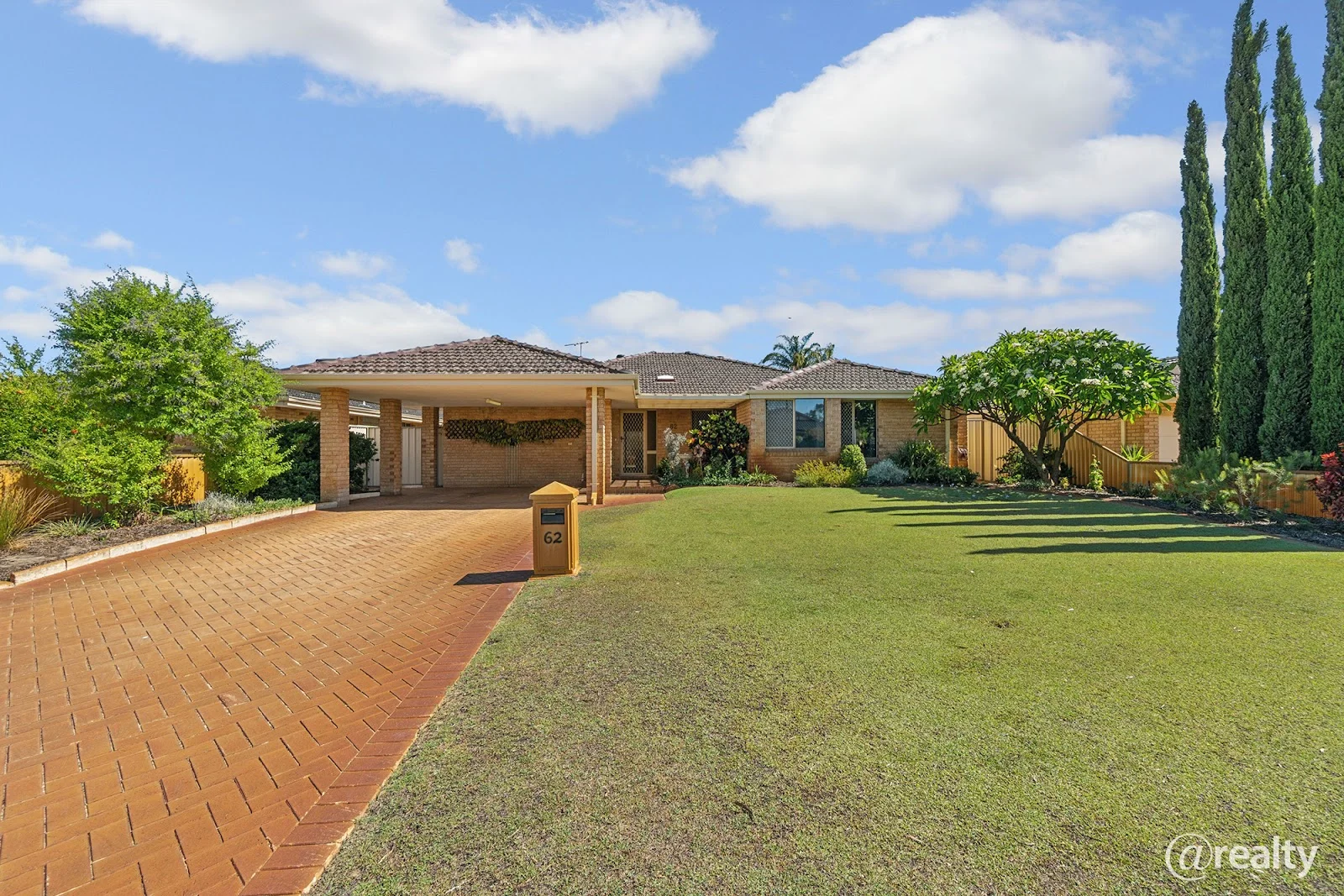 $1,099,000 - $1,153,950
House
$1,099,000 - $1,153,950
House
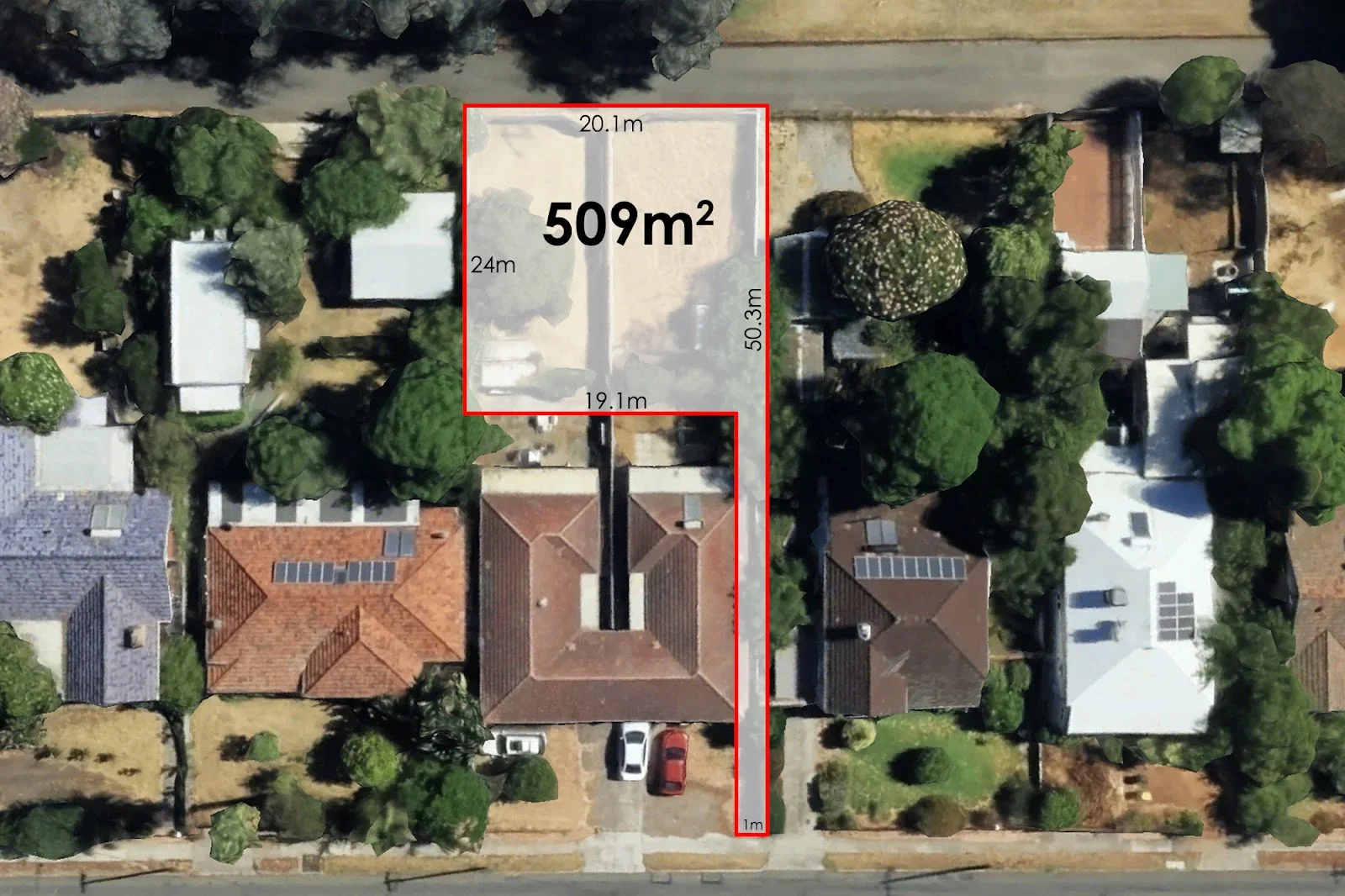 $480,000
Vacant Land
$480,000
Vacant Land
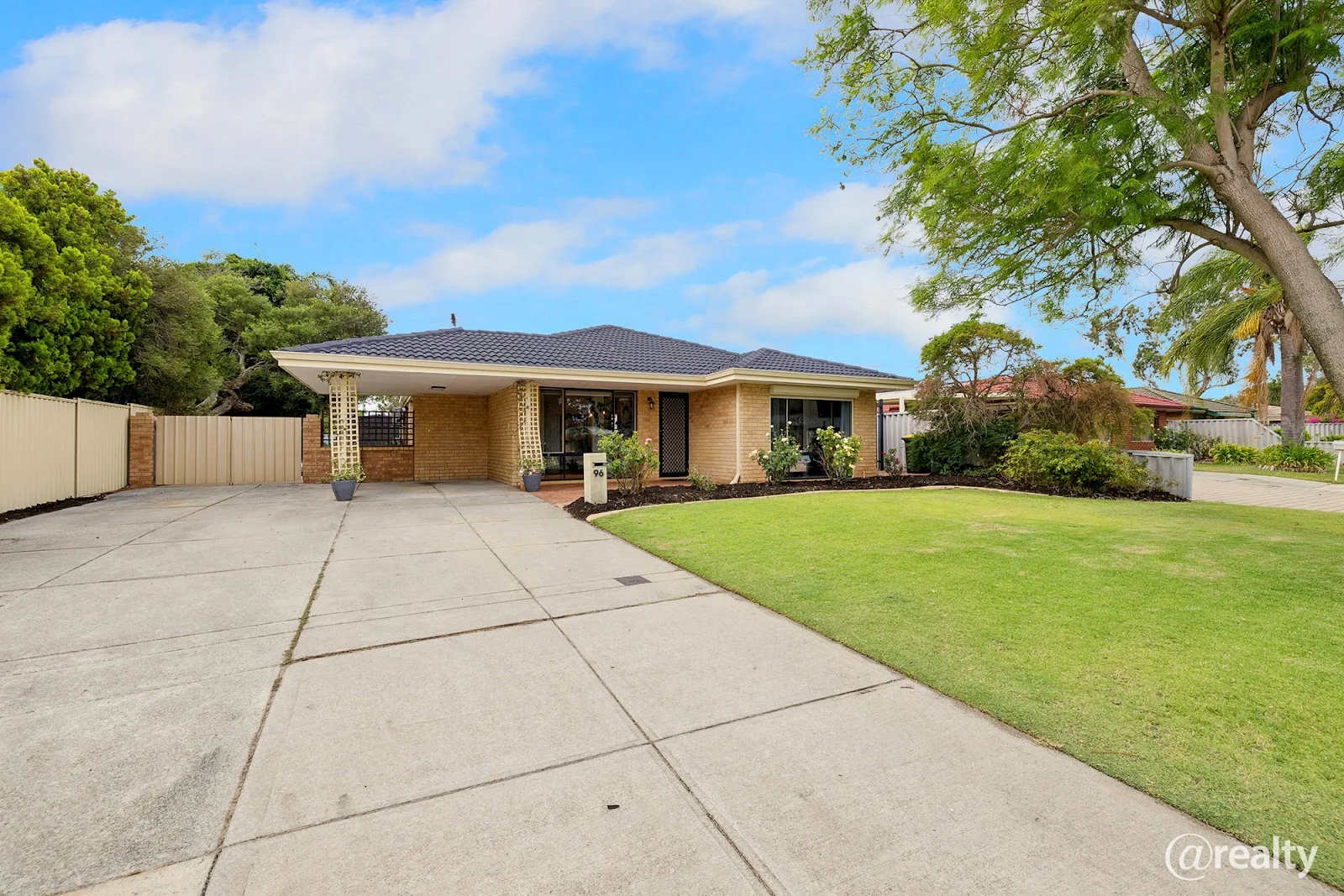 $899,000 - $943,950
House
$899,000 - $943,950
House
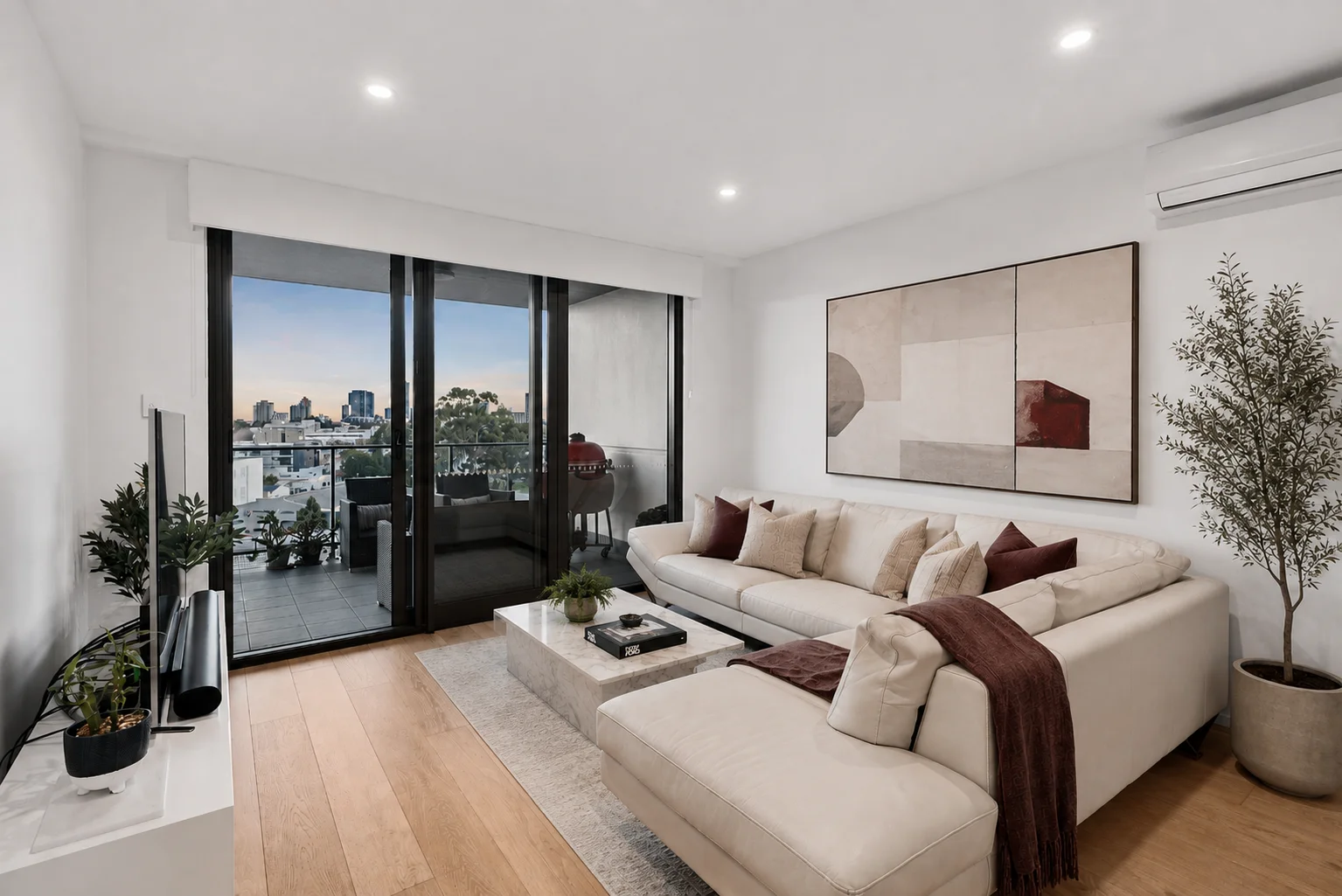 $700,000
Apartment / Unit / Flat
$700,000
Apartment / Unit / Flat
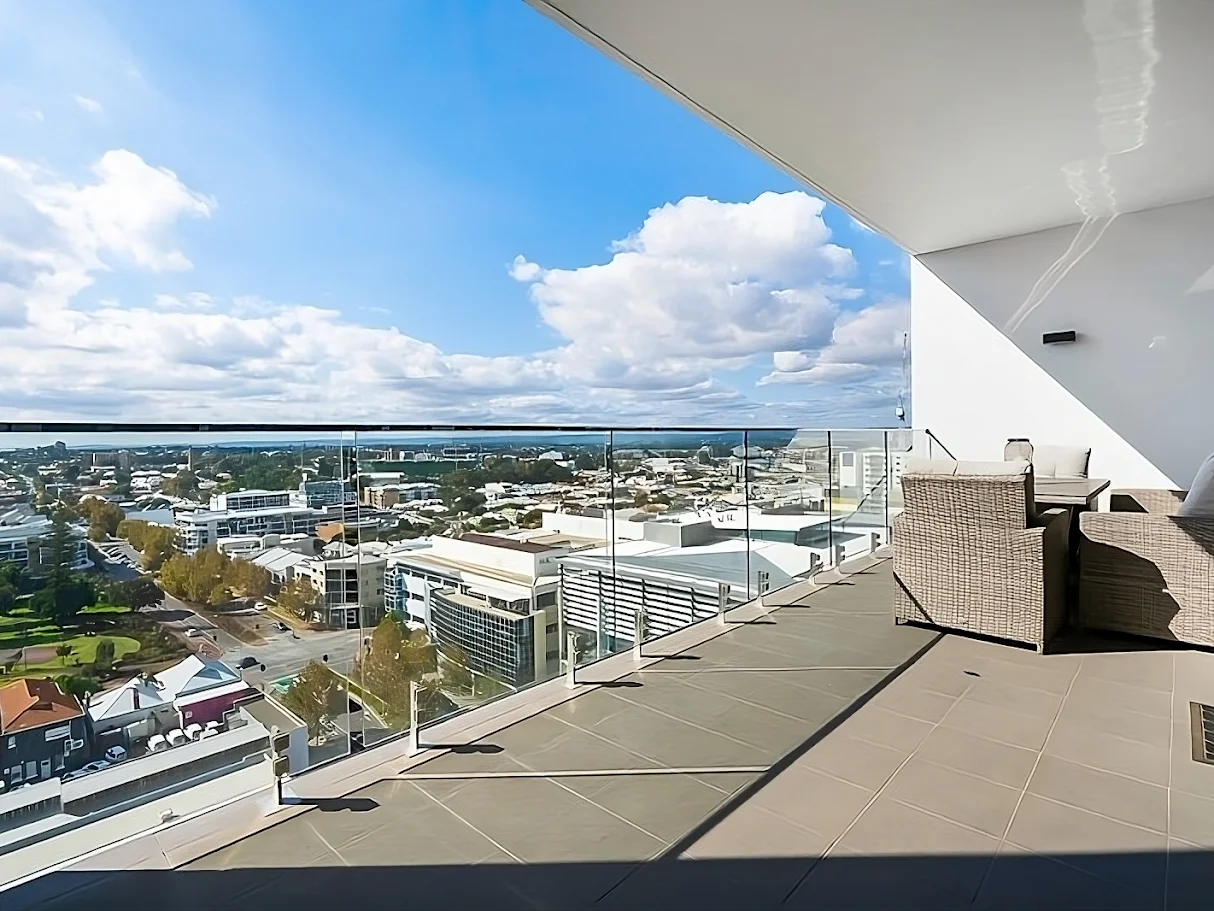 $580,000
Apartment / Unit / Flat
$580,000
Apartment / Unit / Flat
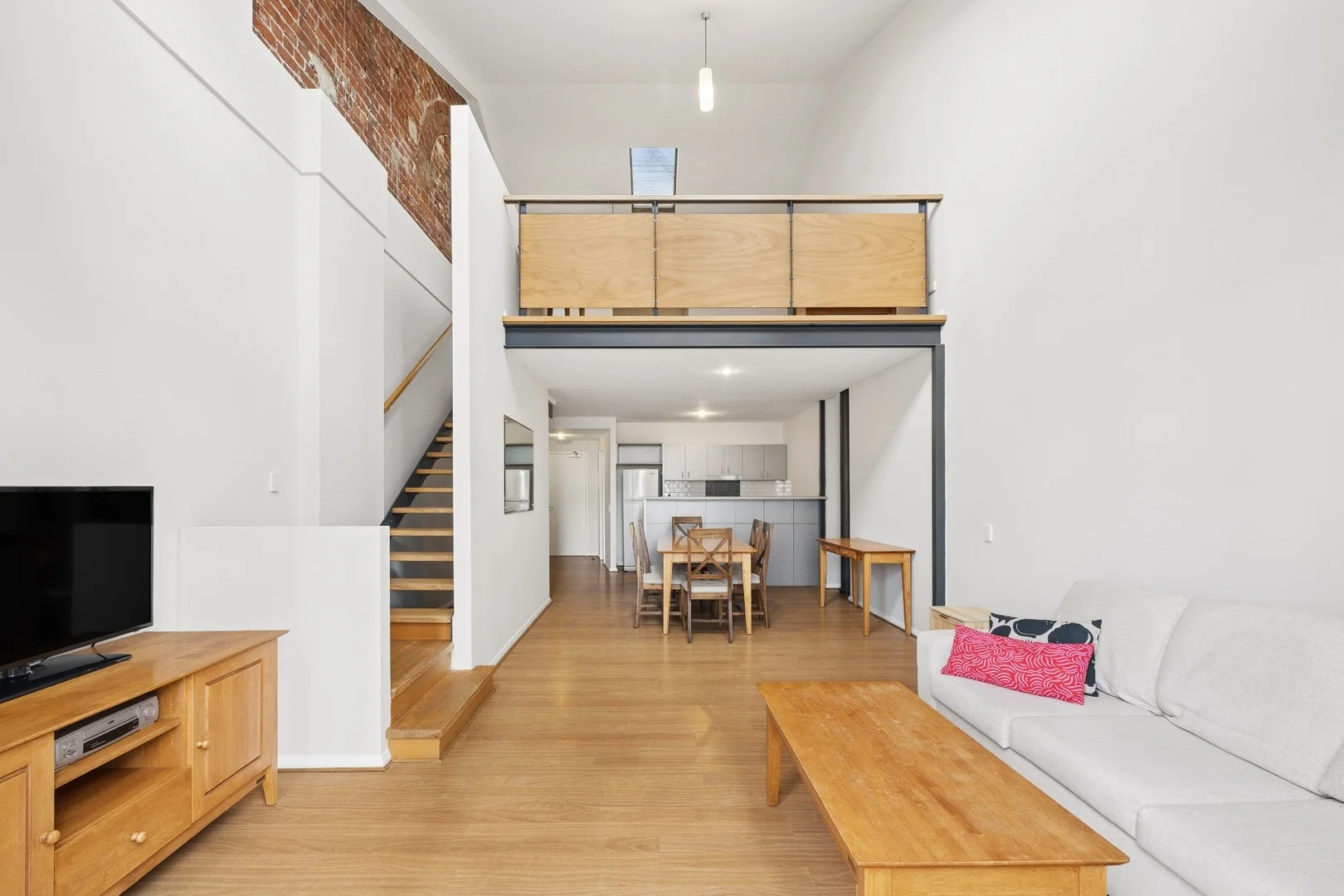 $549,000
Apartment / Unit / Flat
$549,000
Apartment / Unit / Flat