1. Overview
Southern Cross Early Childhood School (SCECS) in Scullin, ACT is a public, co-educational school that serves families in the local community. The school focuses on building strong foundations in literacy, numeracy and social-emotional development, within a supportive and inclusive environment. Class sizes are typically around 20–25 students, with additional support staff as needed to help individual learners thrive.
The atmosphere is nurturing and community-focused, balancing academic growth with wellbeing and inclusion. The school aims to create a positive culture where students feel safe, valued and encouraged to participate in their learning and broader school life.
⸻
2. Academics & Learning
- Academic strengths: Early literacy and numeracy development, foundational STEM concepts, language acquisition and everyday critical thinking. The school emphasises high-quality teaching across core subjects and supports ongoing literacy and numeracy progress.
- Special programs: Enrichment opportunities and targeted learning supports are available to suit diverse learner needs, including pathways for gifted and talented learners where appropriate.
- NAPLAN / Ofsted trends (not scores — trends): The school uses regular assessments to monitor growth and inform teaching practices, with a focus on improving literacy and numeracy outcomes over time and providing targeted supports where needed.
- Student-teacher ratios: Class sizes are designed to provide meaningful, individualized attention, with teaching staff and aides available to support learning across year levels.
- Support for diverse learners: Strong support for diverse learners, including EAL (English as an Additional Language) support and SEN (Special Educational Needs) provisions, to help all students access the curriculum.
⸻
3. Sports & Extracurricular Strengths
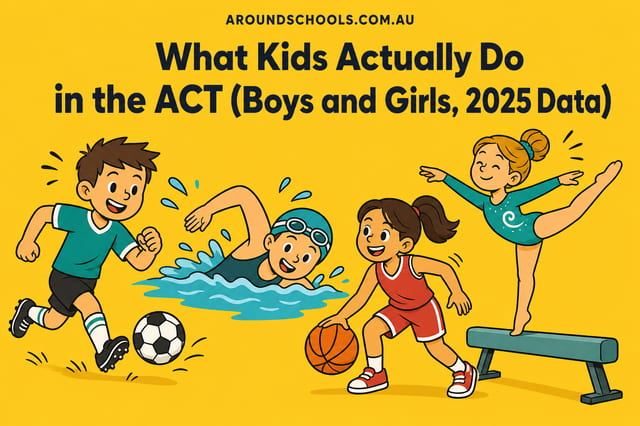
- Sports offered: A range of team and individual sports are available, including soccer, basketball, AFL/footy, cricket and athletics, with opportunities for participation across year levels.
- Strong teams or achievements: The school encourages participation in local inter-school competitions and showcases achievements across sports through school-led teams and events.
- Music, arts, drama programs: Regular music and performing arts programs, culminating in school performances and assemblies.
- Clubs: Robotics, coding, chess, debating and other creative or STEM-based clubs are offered to broaden learning beyond the classroom.
- Partnerships: The school engages with local clubs, academies and competitions to provide students with broader opportunities in sport, coding and creative arts.
⸻
4. Wellbeing & Pastoral Care
- Anti-bullying approach: A whole-school approach to wellbeing and bullying prevention, with clear expectations, student-led initiatives and restorative practices to support positive relationships.
- House system: A house system supports belonging, friendly competition and pastoral care through house-based activities and events.
- Counsellors / wellbeing officers: Access to wellbeing professionals and staff trained to support student mental health, resilience and social-emotional learning.
- Transition support for new students: Orientation sessions, buddy programs and targeted transition support help new families settle in smoothly.
⸻
5. Facilities
- Sports grounds: On-site spaces for PE and outdoor activities.
- Libraries: A welcoming library and learning hub to support reading and research skills.
- Science labs: Age-appropriate science spaces to foster inquiry and experimentation.
- Music/performing arts centers: Facilities to support music lessons, rehearsals and performances.
- Tech/innovation labs: Access to technology and digital learning resources to develop future-ready skills.
- Cafeteria: A canteen or lunch facilities that offer healthy options.
- Updated playgrounds: Modern outdoor play spaces that support active learning and exploration.
⸻
6. School Values & Community Culture
- School values / mission: A clear focus on respect, resilience, curiosity and inclusion, guiding daily learning and interactions.
- Leadership style: Collaborative and student-centered leadership, with teacher and student involvement in decisions that affect school life.
- Behaviour expectations: Explicit codes of conduct and restorative approaches to behaviour, emphasizing positive relationships and accountability.
- Community reputation: A welcoming and supportive school community that values parent involvement and active participation in school life.
- Diversity & inclusion: Strong commitment to diversity and inclusive practices to ensure all families feel respected and included.
⸻
7. School Logistics & Daily Operations
- School hours: The school follows typical ACT public school timings, with a standard day that supports consistent learning routines.
- Before/after school care: Before and after school care options are available through school-based or partner providers.
- Uniform requirements: A school uniform policy is in place; details are provided by the school and support materials.
- Transport (bus routes): Access to public transport options and walking/biking routes is considered, with information provided to families on travel choices.
- Canteen availability: Canteen or food service offering healthy meal options is available.
- Fees (low/medium/high ranges): As a public school, tuition is not charged; there may be minimal or voluntary contributions and costs for certain activities or resources.
⸻
8. Enrolment & Admissions
11. What is the enrolment process and timeline?
- Applications are typically made via the ACT public school enrolment process and portal. Families should check current timelines with the school or the ACT Education Authority, as timelines can vary by year and year level. Once a placement is offered, there is a confirmation and intake process that includes enrolment forms and required documentation (immunisation records, proof of address, and family details).
12. Is there a waiting list, and how does it work?
- There may be a waiting list when year-level or program spaces are full. Wait times depend on available vacancies and the school’s enrolment priorities. Common priorities include siblings and enrolment slots released by ACT Education guidelines. The school will provide an updated waitlist position and estimated timelines.
13. Are there any entry requirements, tests, or interviews?
- For public schools, entry tests are not typically required. Admission is usually based on the ACT enrolment process and available space. There may be orientation sessions or family information evenings, and relevant documentation (immunisation records, proof of address) will be requested. Individual assessments are generally not required solely for enrolment.
14. Does the school accept mid-year transfers?
- Mid-year transfers are considered if spaces are available. Families should contact the school as soon as possible to discuss transfer options and to understand any timing, documentation, and transitional supports that may be needed.
⸻
9. Frequently Ask Questions
- “Why Parents Choose This School?”
- Parents often choose this school for its public, inclusive environment, focus on foundational skills, strong wellbeing supports and a sense of community.
- “What type of student thrives at this school?”
- Students who respond well to a nurturing, collaborative learning environment with emphasis on literacy, numeracy and social-emotional growth typically thrive here.
- “What opportunities are available for students to extend their skills (academics, sports, arts)?”
- The school offers enrichment opportunities in literacy, STEM, arts and sports, plus clubs such as robotics, coding, chess and debating to extend learning beyond the core curriculum.
- “How does the school communicate with parents?”
- Communication channels include regular newsletters, classroom/home learning updates, parent information evenings and online platforms or portals for progress and announcements.
- “What is the school’s approach to teaching and learning?”
- A standards-based, student-centered approach with emphasis on evidence-based teaching, differentiated instruction and ongoing assessment to meet diverse learner needs.
- “How does the school support students who need extra academic help?”
- Targeted interventions, small-group supports, EAL/SEN resources and collaboration with families to tailor learning plans.
- “What support is available for academic challenges?”
- Access to teaching staff, learning support assistants, and personalised strategies to help students catch up and stay engaged.
- “How does the school communicate with parents?”
- See above; multiple channels including meetings, reports and digital updates.
- “What are the class sizes and how much individual attention do students receive?”
- Class sizes are designed to be manageable (approximately 20–25 students per class), with teacher and support staff providing individualized attention and grouping based on student needs.
- “What extracurricular and sports opportunities are available?”
- A range of sports, arts, music, and clubs (robotics, coding, chess, debating) are available to cater to varied interests and talents.
- “What facilities does the school offer (sports, science, arts)?”
- Facilities include sports grounds, library, science spaces, music/drama spaces, tech/innovation resources and suitable spaces for performing arts.
- “What is the school’s approach to technology and digital learning?”
- Integration of age-appropriate technology and digital learning tools to enhance inquiry, collaboration and problem-solving skills.
- “What transport and accessibility options are available?”
- Information on transport options, walking/biking routes and accessibility considerations is provided to families.
- “What are the typical school fees or additional costs?”
- Tuition is not charged for public schooling; there may be small costs for optional activities or contributions as advised by the school.
⸻
10. Short Pros & Cons list
Pros
- Public, inclusive environment with a focus on foundational skills and wellbeing
- Supportive staff and strong emphasis on student wellbeing and belonging
- Range of extracurriculars including sports, arts and STEM clubs
- Small to medium class sizes enabling more individual attention
- Active community and family engagement
Cons
- As a public school, formal uniform and policy guidelines may be stricter than some private options
- Availability of specific programs or clubs can vary by year and space
- Mid-year transfers depend on space and scheduling constraints
- Specific enrichment or advanced programs may be limited compared with specialist independent schools
⸻