Overview
## 1. Overview
Springvale Rise Primary School – Heights Campus is a public (government) primary school serving families in Springvale, Victoria. The Heights Campus part of Springvale Rise serves students from Prep through to Year 6, offering a well-rounded Australian primary education within a supportive, community-focused environment. The school is medium-sized, with classrooms that typically accommodate around 20–26 students depending on year level, providing a balanced setting for targeted teaching and student interaction.
The atmosphere is nurturing, inclusive and diverse, with an emphasis on student wellbeing and belonging. Staff work to create a positive culture where students are encouraged to participate, collaborate and grow across academic, arts, sport and social-emotional domains.
## 2. Academics & Learning
- Academic strengths: Strong literacy and numeracy programs underpin learning across year levels. There are dedicated opportunities in STEM and digital technologies, with a focus on inquiry-based learning and cross-curricular projects. The school also supports arts and languages where available.
- Special programs: Access to extension or gifted/talented opportunities where appropriate, along with targeted interventions and support for students needing extra help. Inclusive education practices are in place to support diverse learners.
- NAPLAN trends: Public reporting typically shows the school focusing on growth and progress in reading and numeracy across cohorts, with ongoing emphasis on improving outcomes for all students. Longitudinal trends commonly indicate steady or improving performance in key areas.
- Student-teacher ratios: Class sizes generally range in the low 20s, with variations by year level and specialist support needs. Overall ratios aim to support effective teaching and individualized attention.
- Support for diverse learners: EAL/D (English as an Additional Language/Dialect) support and SEN (special educational needs) programs are available, with differentiated instruction and targeted supports to assist students of varying abilities.
## 3. Sports & Extracurricular Strengths
- Sports offered: A variety of school sports and physical activities typical of Victorian primary schools, including team sports such as soccer, basketball, netball, cricket and AFL-aligned activities, plus athletics and swimming programs.
- Strong teams or achievements: The school participates in district/inter-school events and competitions, with opportunities for representative teams across multiple age groups.
- Music, arts, drama programs: Music education and performing arts opportunities are part of the program, including opportunities for school concerts, choirs or ensembles, and drama activities.
- Clubs: Robotics, coding, chess and debating are commonly offered or available through after-school programs or partnerships.
- Partnerships: Collaborations with local sporting clubs, community groups and inter-school competitions help extend opportunities beyond the classroom.
## 4. Wellbeing & Pastoral Care
- Anti-bullying approach: A whole-school anti-bullying policy and positive behaviour supports are in place, often including restorative practices and explicit student education around respectful relationships.
- House system: A house system is used to run events and foster belonging, teamwork and healthy competition across year levels.
- Counsellors / wellbeing officers: Access to school-based wellbeing staff or a dedicated counsellor/psychologist as part of the support team for students.
- Transition support for new students: Orientation activities, buddy systems and targeted transition programs help new students settle in smoothly and feel part of the school community.
## 5. Facilities
- Sports grounds: On-site play areas and outdoor spaces suitable for PE and recreation.
- Libraries: A well-stocked library supporting literacy and research skills.
- Science labs: Dedicated science spaces or labs for hands-on experiments and inquiry.
- Music/performing arts centers: Dedicated spaces for music and performing arts activities and rehearsals.
- Tech/innovation labs: Computer rooms or ICT suites to support digital literacy and coding.
- Cafeteria: On-site canteen or lunch facilities that provide meals or snacks during school hours.
- Updated playgrounds: Modern and safe playground equipment and play spaces.
## 6. School Values & Community Culture
- School values / mission: A values-based approach commonly framed around respect, responsibility, resilience and kindness, with a focus on growth and community contribution.
- Leadership style: Leadership is often distributed across staff, with opportunities for student voice and involvement in school leadership initiatives and decision-making processes.
- Behaviour expectations: Clear behavioral expectations and a Code of Conduct, applied consistently to foster a respectful and safe learning environment.
- Community reputation: The school generally enjoys a positive relationship with families and the broader Springvale community, supported by strong parent involvement and open communication.
- Diversity & inclusion: The school emphasises inclusion and embracing cultural diversity, with practices designed to support students from different backgrounds.
## 7. School Logistics & Daily Operations
- School hours: Typical school day runs from morning to mid-afternoon (commonly around 9:00 am to 3:30 pm), with breaks included.
- Before/after school care: After-school care programs are commonly available through external providers or school-arranged services.
- Uniform requirements: School uniforms are generally required, with guidance on appropriate attire for everyday wear and physical education.
- Transport (train/bus routes): Public transport access via nearby bus routes and train stations; families may use school drop-off/pick-up options where available. Parking arrangements and drop-off zones are typically in place to support safe commutes.
- Canteen availability: A canteen or lunch service operates on school days, offering a selection of meals or snacks.
- Fees (low/medium/high ranges): As a public school, there is no tuition fee for standard schooling. There may be minimal costs for uniforms, incursions/excursions, camps or optional activities; these costs are typically communicated in advance.
## 8. Enrolment & Admissions
11. What is the enrolment process and timeline?
- Enrolment is generally managed through the school’s local intake process in line with Victorian Department of Education guidelines. Families typically submit an enrolment form during the specified intake period, provide proof of residency within the school’s catchment, birth certificate or identity documents, and immunisation records. The timeline often includes a notification period before the start of the school year, with steps for confirmation of placement.
12. Is there a waiting list, and how does it work?
- If the campus is at capacity, a waiting list may operate. Priority placement is usually given to students residing in the school’s catchment. When spaces become available, families on the waiting list are contacted in order of priority and suitability, subject to accommodation and zoning rules.
13. Are there any entry requirements, tests, or interviews?
- Generally, government primary schools do not require entry exams or merit-based testing for enrolment. Some schools may offer a tour, information session, or brief orientation for new families, but formal testing or interviews are not typical for standard enrolment.
14. Does the school accept mid-year transfers?
- Mid-year transfers are considered subject to vacancies and space availability. Parents may apply for a mid-year enrolment, with the school coordinating placement in alignment with Department guidelines and capacity.
## 9. Frequently Asked Questions
- Why Parents Choose This School?
- A welcoming, inclusive community with a focus on wellbeing, strong literacy and numeracy programs, and opportunities across sport, arts and tech.
- What type of student thrives at this school?
- Curious, engaged learners who enjoy collaborative activities, value inclusive environments and participate in a range of academic, arts and sport experiences.
- What opportunities are available for students to extend their skills (academics, sports, arts)?
- Extension and enrichment in literacy, numeracy, STEM and digital technologies; music and performing arts; sports programs; robotics, coding, chess and debating clubs where available.
- How does the school communicate with parents?
- Regular newsletters, emails, parent-teacher interviews, student progress reports, and updates via the school’s chosen communication platforms.
- What is the school’s approach to teaching and learning?
- Student-centered, differentiated instruction with a mix of direct teaching, inquiry-based learning, and inclusive practices to meet diverse needs.
- How does the school support students who need extra academic help?
- Targeted small-group interventions, EAL/D support, and SEN support, along with structured literacy and numeracy supports.
- What support is available for academic challenges?
- Diagnostic assessments, personalised learning plans where needed, and access to specialist staff to support learning goals.
- How does the school communicate with parents? (Repeated)
- See above: newsletters, emails, interviews, reports, and platform updates.
- What are the class sizes and how much individual attention do students receive?
- Typical class sizes are around 20–26 students, with teacher and specialist support designed to provide feedback and opportunities for individual input.
- What extracurricular and sports opportunities are available?
- A range of sports and physical activities, plus clubs in robotics, coding, chess and debating; arts and music programs are offered as part of the core or extracurricular timetable.
- What facilities does the school offer (sports, science, arts)?
- Sports grounds or outdoor fields, library, science lab spaces, music and performing arts spaces, IT/digital learning facilities, canteen, and modern play areas.
- What is the school’s approach to technology and digital learning?
- Integrated ICT and digital literacy across subjects, with access to devices and age-appropriate software; emphasis on safe and responsible use of technology.
- What transport and accessibility options are available?
- Access via public transport (bus/train networks), with family-friendly drop-off/pick-up arrangements and accessible facilities where applicable.
- What are typical school fees or additional costs?
- No tuition; possible costs for uniforms, excursions, activities or camps, communicated in advance by the school.
## 10. Short Pros & Cons
- Pros
- Nurturing and inclusive culture with a focus on wellbeing
- Strong literacy and numeracy foundations
- Broad opportunities across sports, arts, and technology
- Support for diverse learners (EAL/D and SEN)
- Active community engagement and parent involvement
- Cons
- As a public school, some programs depend on annual funding and may vary year to year
- Class sizes may vary by year level; some years may have larger groups
- Availability of certain after-school clubs or programs can depend on external partnerships and term calendars












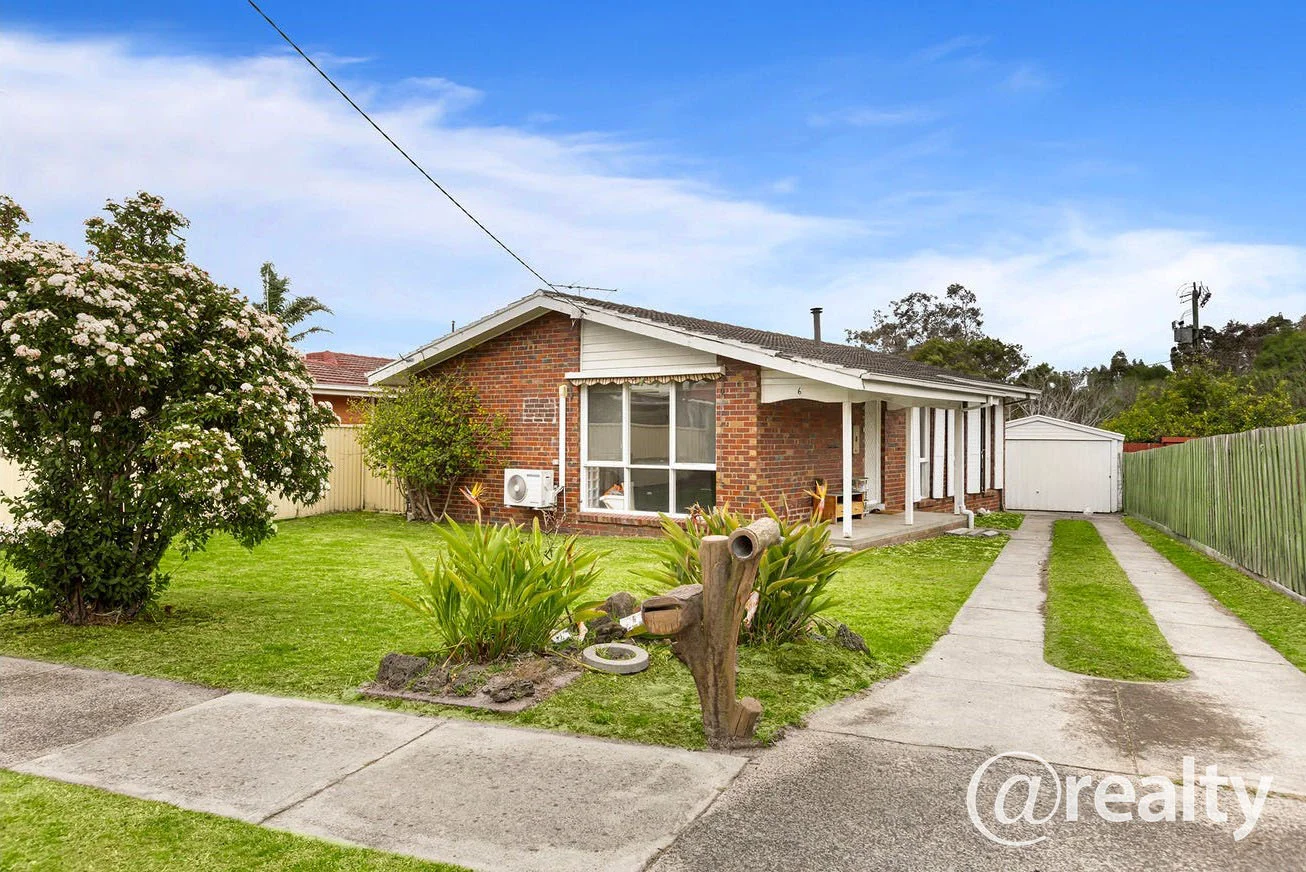 $610
House
$610
House
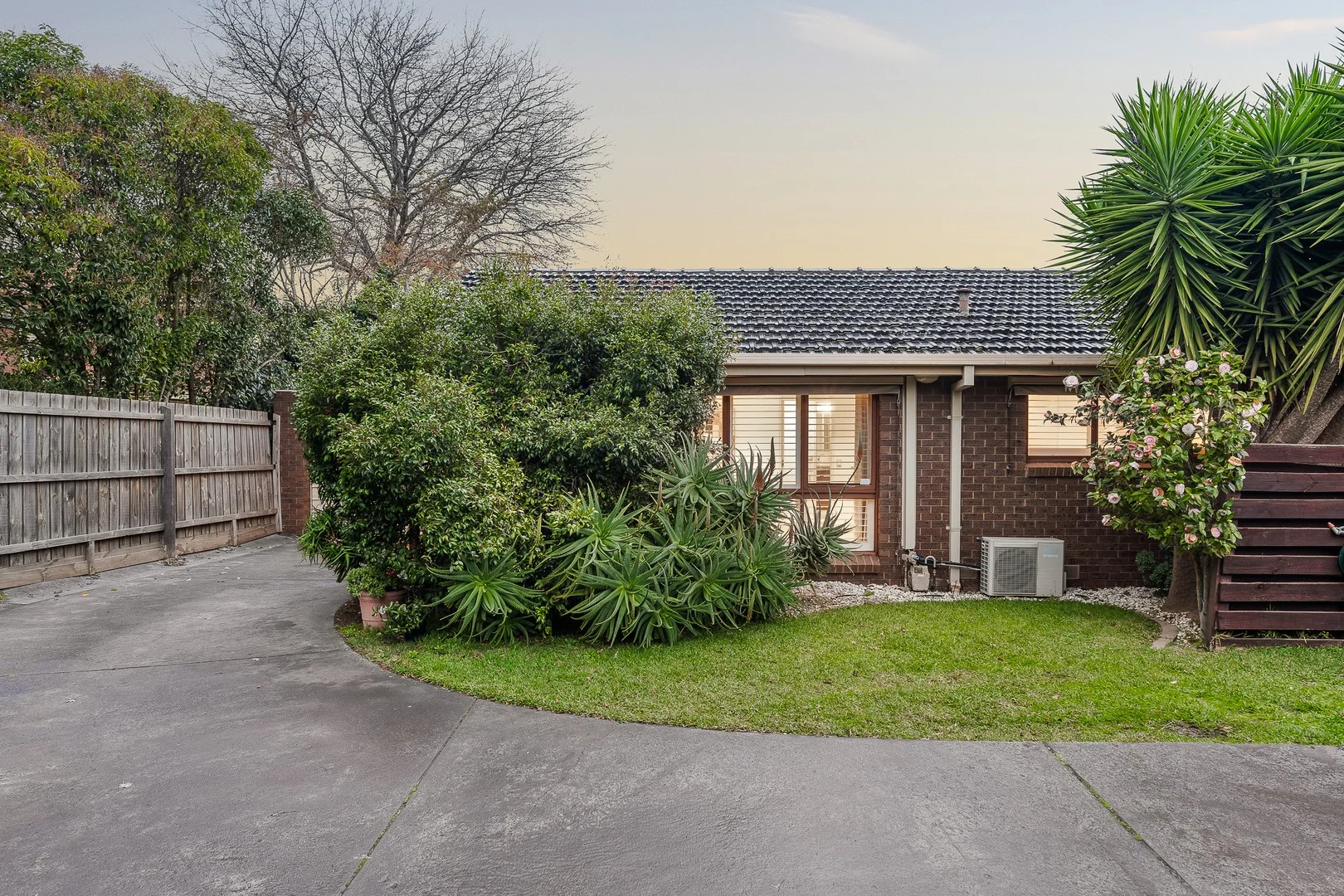 $770,000 - $820,000
Apartment / Unit / Flat
$770,000 - $820,000
Apartment / Unit / Flat
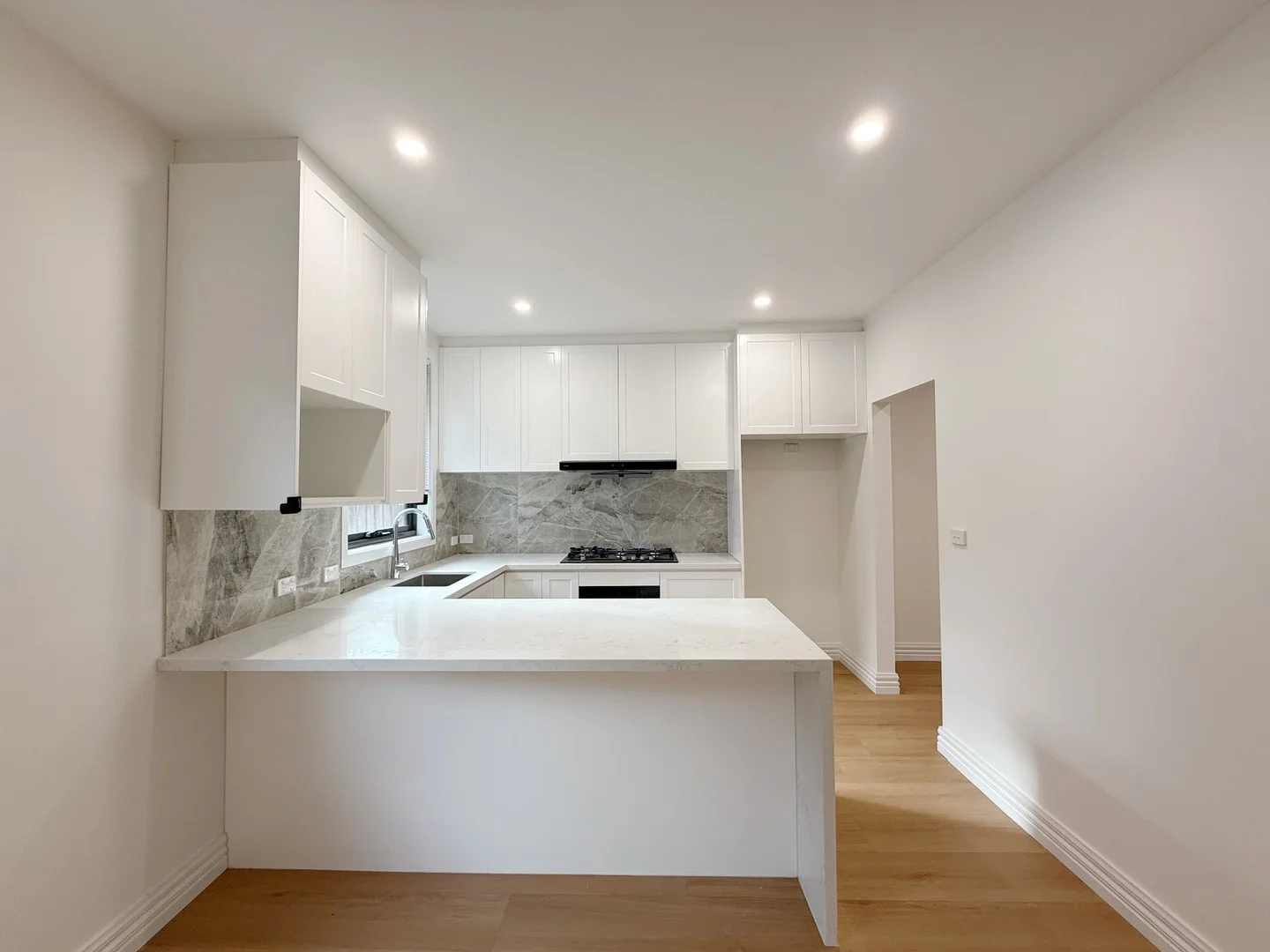 $1,280
House
$1,280
House
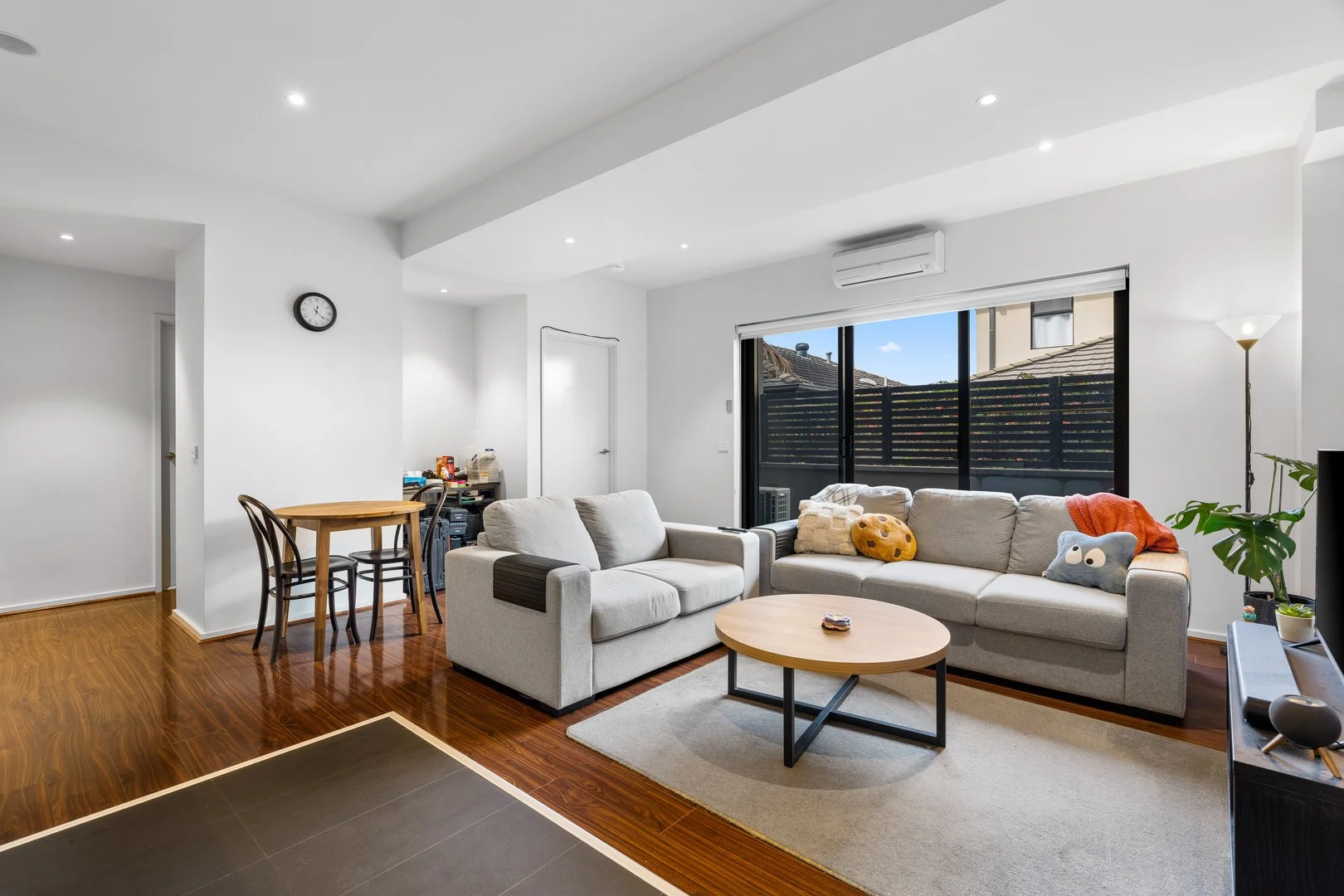 $385,000 - $410,000
Apartment / Unit / Flat
$385,000 - $410,000
Apartment / Unit / Flat
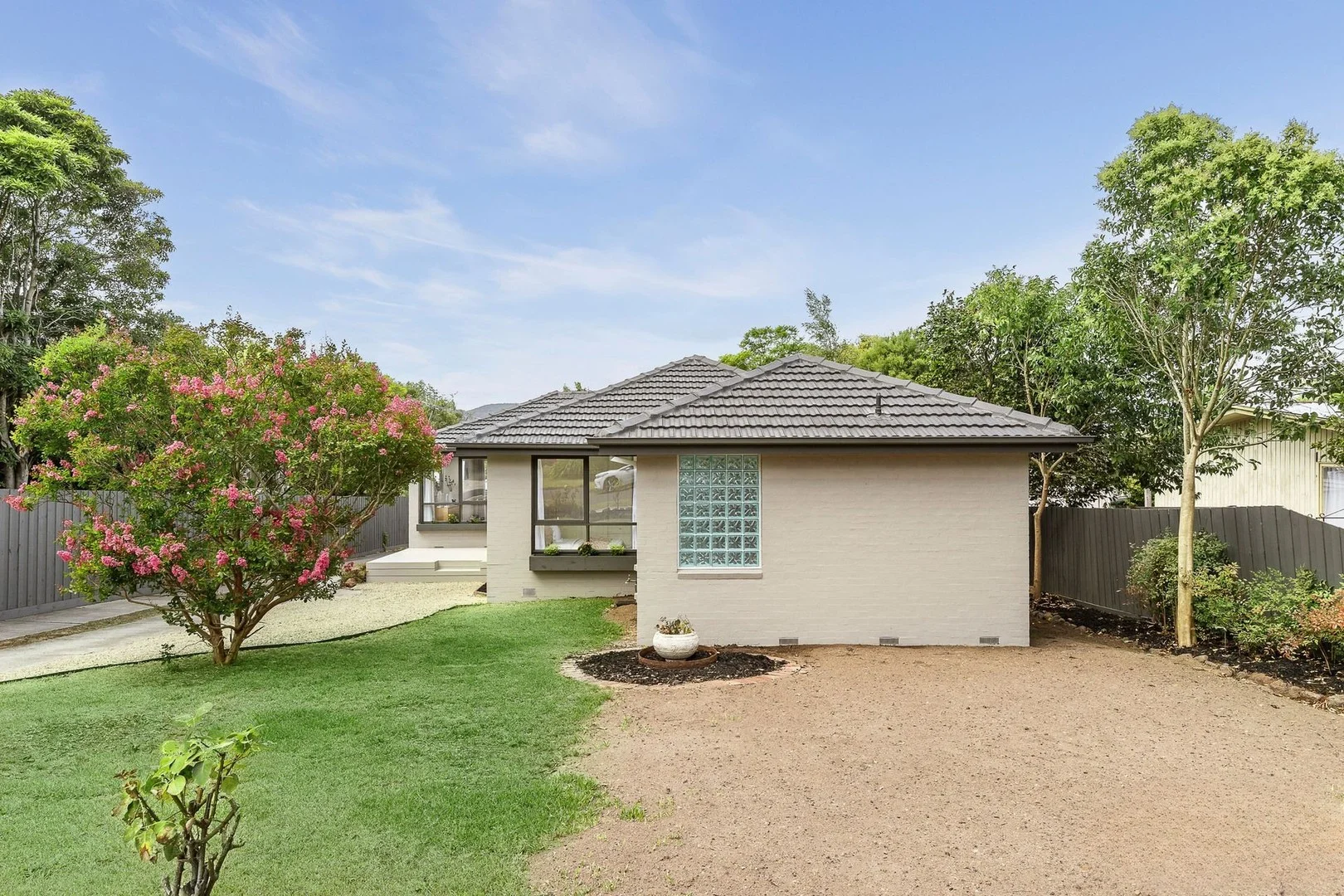 $700
Apartment / Unit / Flat
$700
Apartment / Unit / Flat
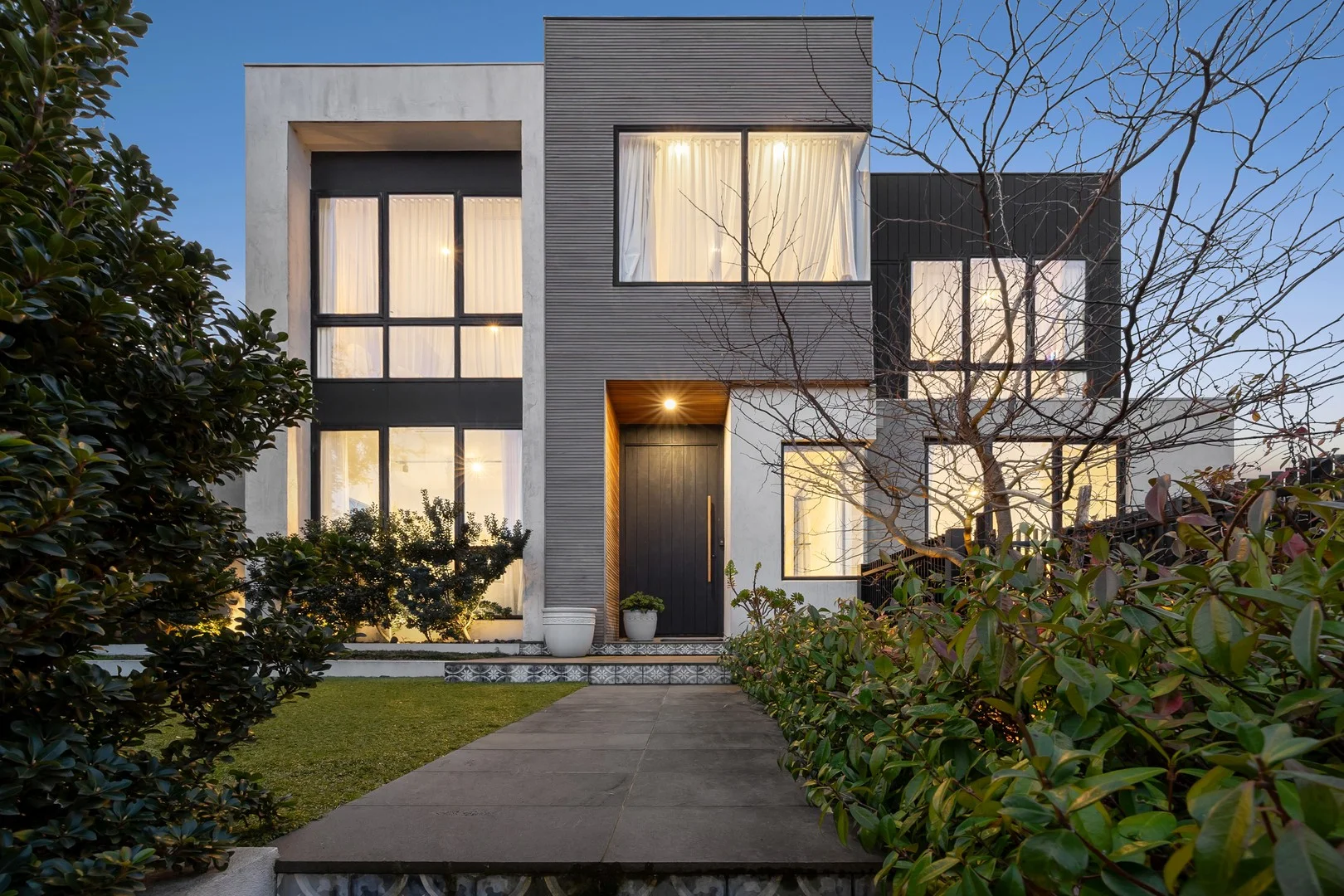 $4,200,000
House
$4,200,000
House
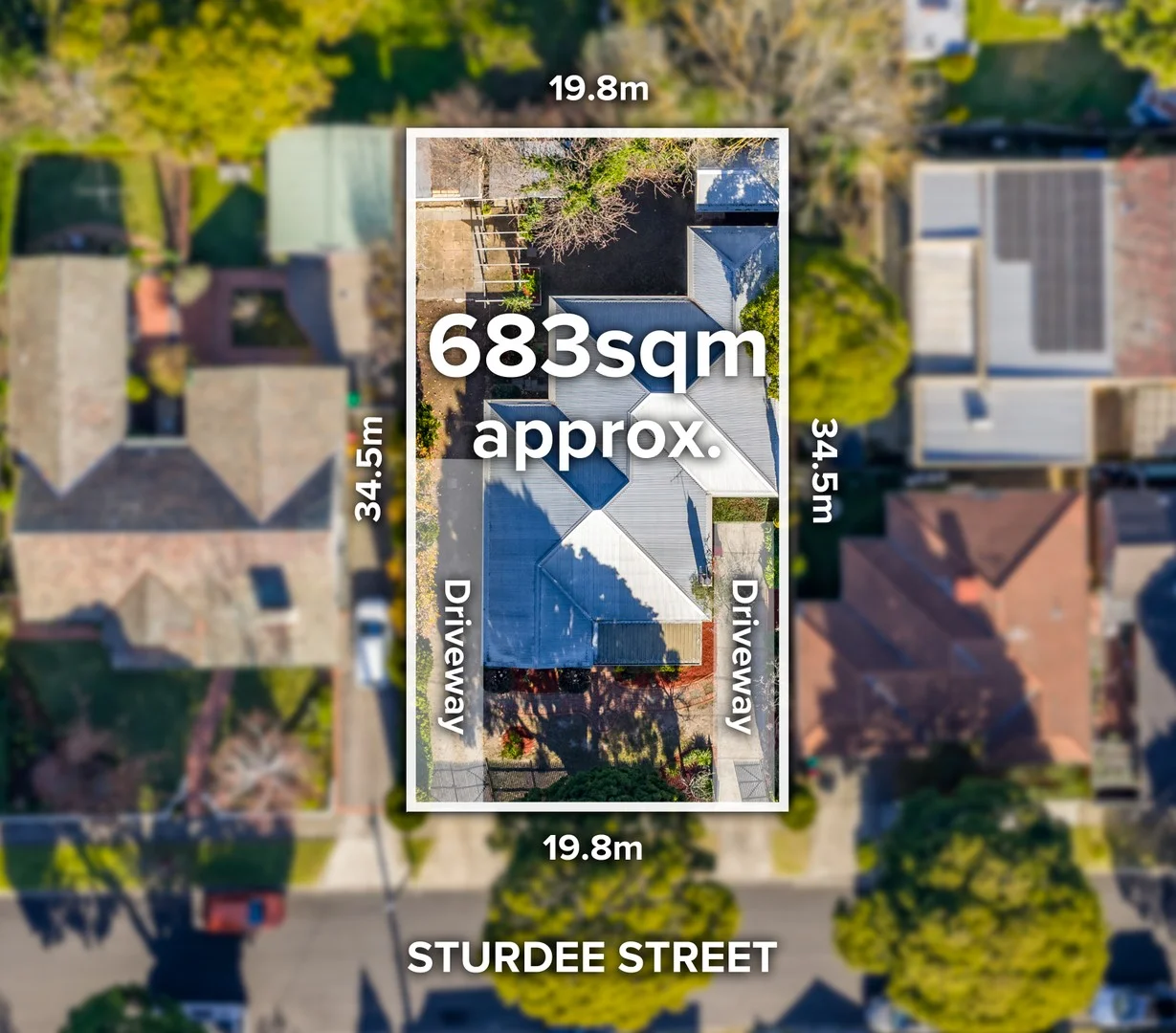 $2,000,000
House
$2,000,000
House
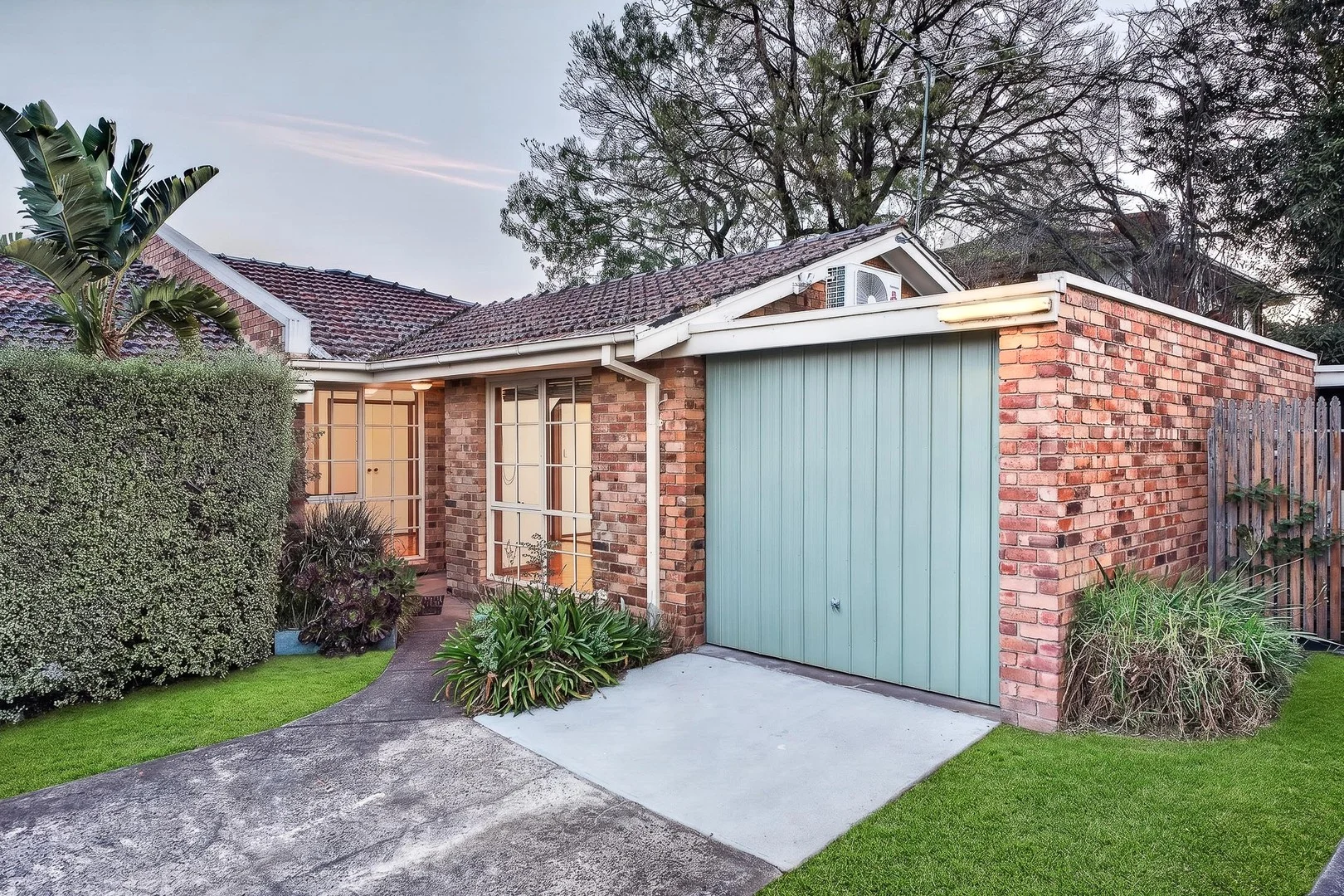 $765,000 - $825,000
Apartment / Unit / Flat
$765,000 - $825,000
Apartment / Unit / Flat
 $630,000 - $680,000
Apartment / Unit / Flat
$630,000 - $680,000
Apartment / Unit / Flat