Overview
1. Overview
St Agatha’s Catholic Primary School, Cranbourne is a Catholic, co-educational primary school that welcomes families from Cranbourne and surrounding communities. Grounded in faith and community, the school aims to nurture each child academically, socially and spiritually within a supportive, values-based environment. As a small-to-medium sized school, class sizes are designed to be manageable, promoting personalised attention and a warm, inclusive culture.
Class size and atmosphere: typically around 20–24 students per class, with a nurturing, inclusive atmosphere that emphasises faith, wellbeing and strong pastoral care. The school fosters a sense of belonging where students are encouraged to participate, try their best and show care for others.
---
2. Academics & Learning
- Academic strengths: foundations in English and mathematics with integrated literacy and numeracy development, complemented by STEM activities and digital learning. The school places emphasis on critical thinking, problem solving and faith-informed learning.
- Special programs: differentiation and targeted support for diverse learners; opportunities for accelerated learning or gifted and talented pathways where available; faith formation integrated across learning experiences.
- NAPLAN / trends: school-level public trend data may not be published, but the school typically focuses on steady progress in literacy and numeracy with attention to individual growth and cohort improvement over time.
- Student-teacher ratios: generally designed to enable accessible teacher support, often around small-group sizes within classrooms (typical primary ranges).
- Support for diverse learners: dedicated support for EAL learners, learning support for students with additional needs, and access to learning support staff to assist with individual plans and progress.
---
3. Sports & Extracurricular Strengths
- Sports offered: a variety of team and individual sports through the school program (e.g., soccer, netball, cricket, AFL-inspired activities, athletics) as part of physical education and inter-school events.
- Strong teams or achievements: students participate in inter-school competitions and showcase teamwork, effort and sportsmanship; achievements vary by cohort and year level.
- Music, arts, drama programs: active music and performing arts opportunities, including choir and instrument programs, along with drama involvement.
- Clubs: robotics, coding, chess, debating and other enquiry-based clubs are features of the extracurricular landscape.
- Partnerships: connections with local clubs, community groups and inter-school competitions provide additional opportunities for development and competition.
---
4. Wellbeing & Pastoral Care
- Anti-bullying approach: whole-school anti-bullying policy and education, with clear procedures and a focus on safe, respectful culture.
- House system: house-based structure fosters belonging, teamwork and positive peer relationships through friendly competition and collaboration.
- Counsellors / wellbeing officers: access to wellbeing staff or school counsellors to support students’ emotional and social health.
- Transition support for new students: buddy programs, orientation activities and ongoing pastoral support to help new families settle in smoothly.
---
5. Facilities
- Sports grounds
- Libraries
- Science labs
- Music/performing arts centers
- Tech/innovation labs
- Cafeteria
- Updated playgrounds
The school maintains a visually engaging, easy-to-navigate campus with dedicated spaces for learning, creativity and physical activity. Classrooms are equipped to support interactive teaching, literacy and numeracy development, and student engagement across subjects.
---
6. School Values & Community Culture
- School values / mission: Catholic ethos focusing on respect, compassion, service, honesty and responsibility; emphasis on character development as part of daily learning.
- Leadership style: collaborative and student-centred, with opportunities for student voice and leadership roles within class and school activities.
- Behaviour expectations: clear standards for respectful behaviour, responsibility and safety, reinforced through consistent routines and positive reinforcement.
- Community reputation: families report a friendly, supportive, faith-centered and community-focused environment with strong pastoral care.
- Diversity & inclusion: welcoming to families from diverse backgrounds, with inclusive practices and opportunities for all students to participate and succeed.
---
7. School Logistics & Daily Operations
- School hours: typical primary school day structure (commonly around 9:00 am to 3:30 pm), with built-in times for learning, breaks and prayer.
- Before/after school care: available to families needing before or after school supervision and activities.
- Uniform requirements: formal school uniform required, with a sports uniform for physical education days; hats and appropriate dress for outdoor activities; details provided by the school.
- Transport (train/bus routes): access to local bus routes and proximity to public transport; safe drop-off and pick-up zones are established.
- Canteen availability: canteen or lunch program available on designated days, with options for student lunch orders.
- Fees (low/medium/high ranges): fees fall in the mid-range for primary Catholic schools, with standard charges for books, excursions and uniform; exact figures provided upon enrolment.
---
8. Enrolment & Admissions
11. What is the enrolment process and timeline?
- Families typically submit an enrolment application with required documentation (birth certificate, immunisation records, and any school-specific forms). The school reviews applications, may request additional information, and invites shortlisted applicants for discussions or interviews if applicable. Offers are issued according to space availability and enrolment policies within the defined timelines, with orientation sessions for new families.
12. Is there a waiting list, and how does it work?
- Waiting lists are common when year levels reach capacity. Applicants on the waiting list are contacted when a place becomes available, and placement may be influenced by location, date of application and readiness to begin at the school.
13. Are there any entry requirements, tests, or interviews?
- Entry processes typically involve standard enrolment criteria and, in some cases, interviews or discussions to understand the student’s needs and fit with the school’s programs. There are usually no formal academic entrance tests for a primary school, though assessments may occur for specific programs or supports.
14. Does the school accept mid-year transfers?
- Mid-year transfers are possible if spaces exist. Families seeking mid-year placements should contact the school early to discuss availability, transfer documentation and any transitional supports for the new student.
---
9. Frequently Asked Questions
- Why Parents Choose This School?
- The school offers a faith-centered, values-based education with strong pastoral care, a collaborative community, and a balanced focus on academics, wellbeing and opportunities outside the classroom.
- What type of student thrives at this school?
- Students who value community, faith, academic effort and participation in a range of activities tend to thrive, as the school supports holistic growth and personal responsibility.
- What opportunities are available for students to extend their skills (academics, sports, arts)?
- There are academic extension opportunities, diverse sports and physical education programs, music and performing arts, and clubs such as robotics, coding, chess and debating to broaden skills.
- How does the school communicate with parents?
- Regular newsletters, a parent portal/app, updates from teachers and school leaders, parent-teacher interviews and scheduled information sessions help keep families informed.
- What is the school’s approach to teaching and learning?
- Teaching is student-centred and differentiated, with explicit instruction, inquiry-based learning and integration of faith and values into everyday learning.
- How does the school support students who need extra academic help?
- Targeted literacy and numeracy support, small-group strategies, learning support staff, and referral pathways for additional services as needed.
- What support is available for academic challenges?
- Learning adjustments, tailored support plans, and access to specialists or external services as appropriate to the student’s needs.
- How does the school communicate with parents? (Repeated)
- See above: newsletters, portals, and regular communication from teachers and leaders.
- What are the class sizes and how much individual attention do students receive?
- Class sizes are designed to be small-to-medium (roughly 20–24 students per class), enabling more frequent teacher feedback and targeted support.
- What extracurricular and sports opportunities are available?
- A broad range of sports and physical activities, plus clubs in robotics, coding, chess, debating, music and performing arts.
- What facilities does the school offer (sports, science, arts)?
- Sports grounds, libraries, science labs, music/performing arts facilities, tech/innovation labs, a cafeteria and updated playgrounds.
- What is the school’s approach to technology and digital learning?
- Integrated digital learning across the curriculum, access to computer/lab facilities and technology-rich learning experiences to build digital literacy.
- What transport and accessibility options are available?
- Local bus routes and public transport access, with safe drop-off/pick-up arrangements and accessible facilities where possible.
- What are typical school fees or additional costs?
- Fees are mid-range for primary Catholic schools, with additional costs for excursions, books and uniform; exact figures are provided at enrolment.
---
10. Short Pros & Cons list
Pros
- Strong Catholic values and pastoral care
- Supportive, close-knit community
- Balanced focus on academics, wellbeing, sport and arts
- Manageable class sizes enabling individual attention
- Wide range of extracurricular activities and clubs
- Safe, well-maintained facilities and grounds
Cons
- May have waitlists for popular year levels
- Uniform and extra costs (excursions, etc.) can add to annual expenses
- For some families, transport distance or commute may be a factor
- Access to certain specialist facilities may be more limited than larger schools






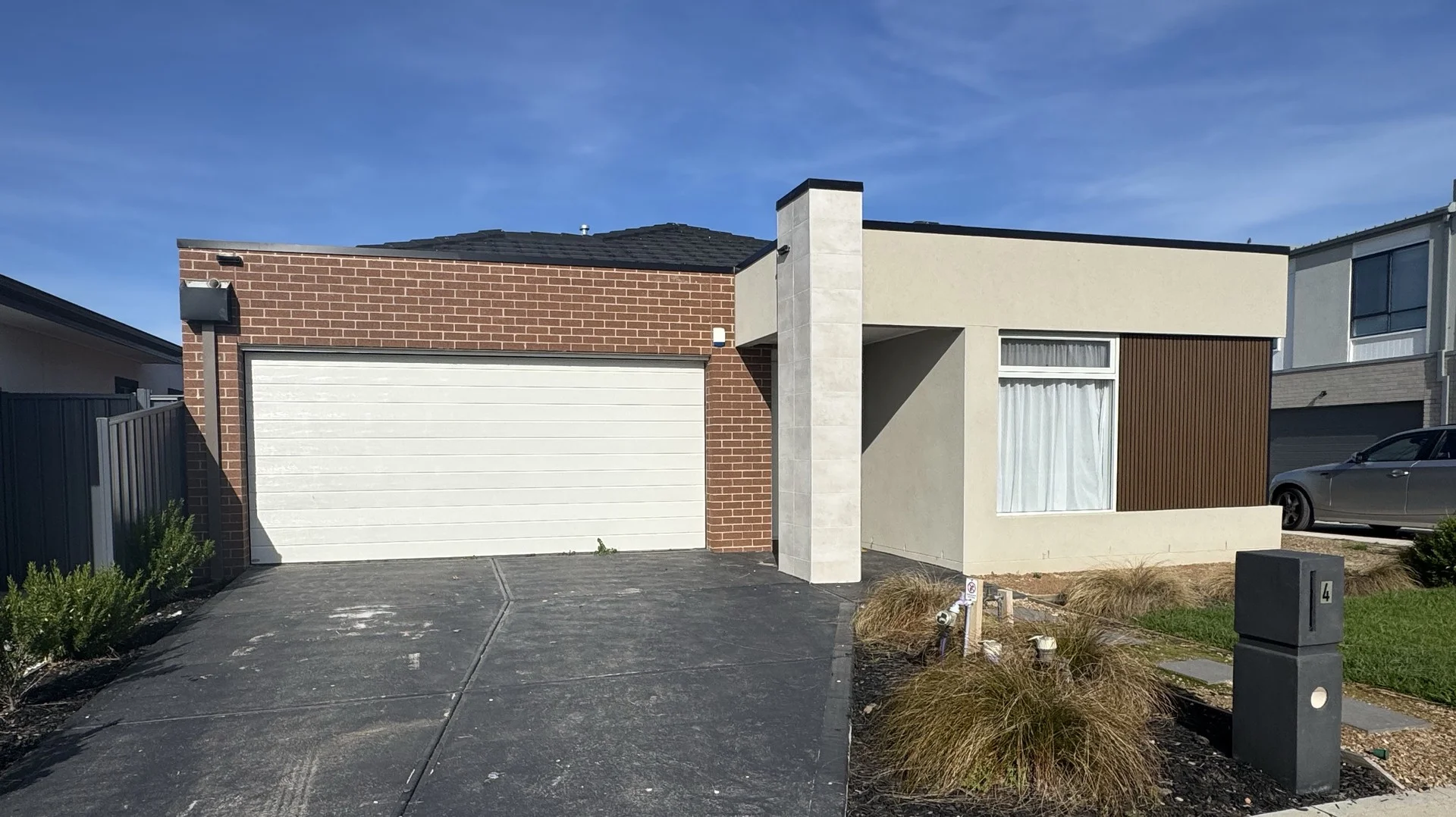 $600
House
$600
House
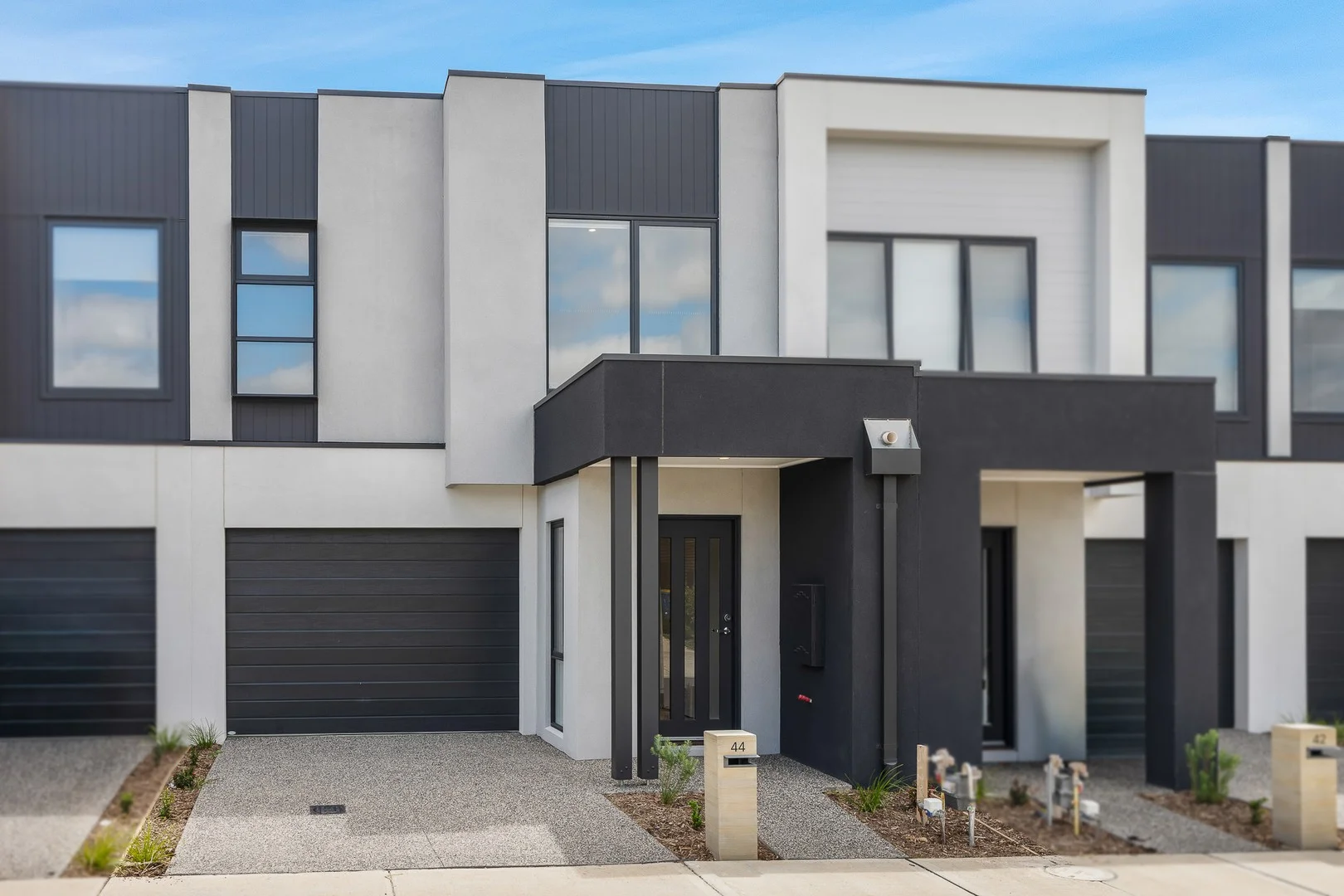 $595,000 - $645,000
House
$595,000 - $645,000
House
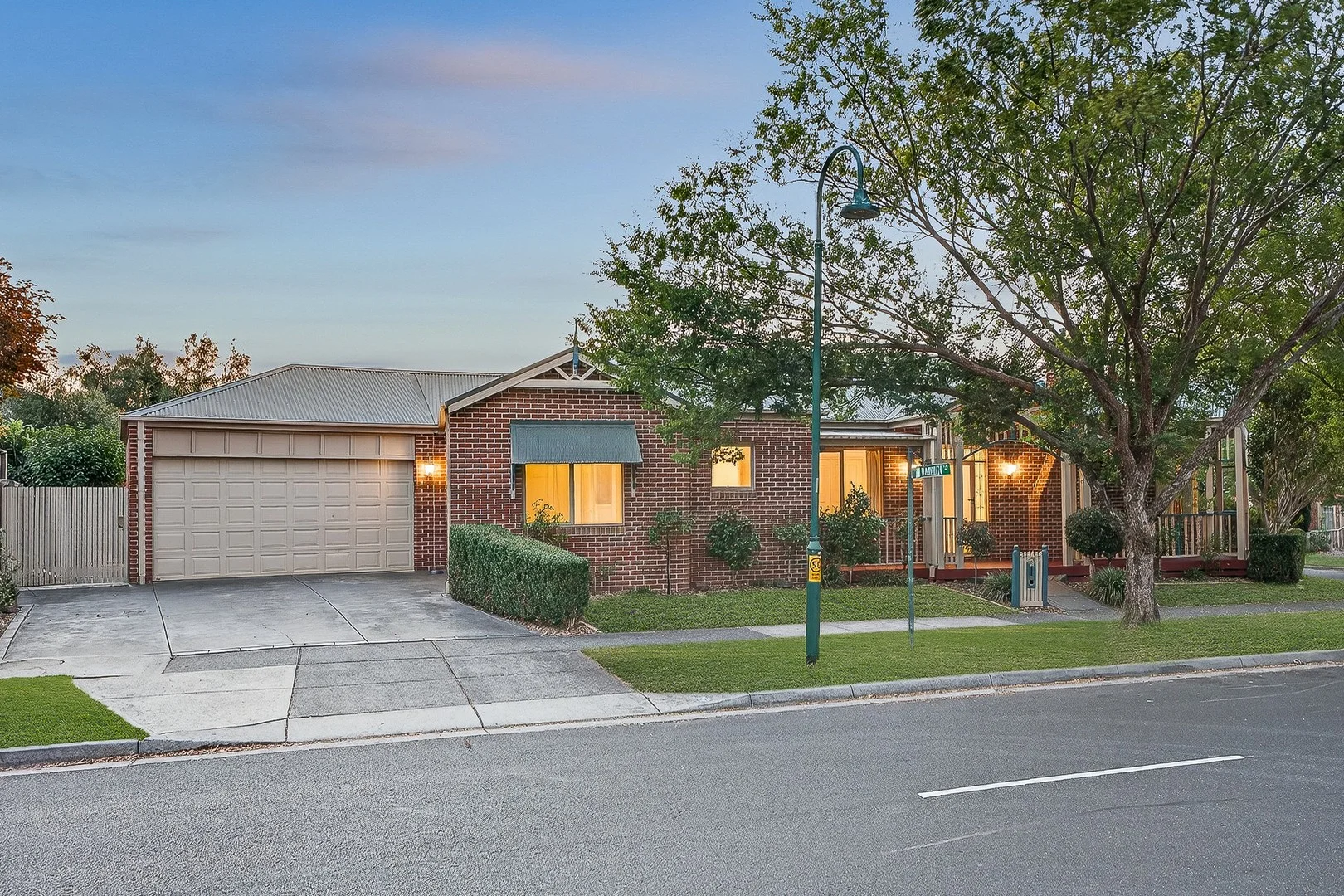 $700
House
$700
House
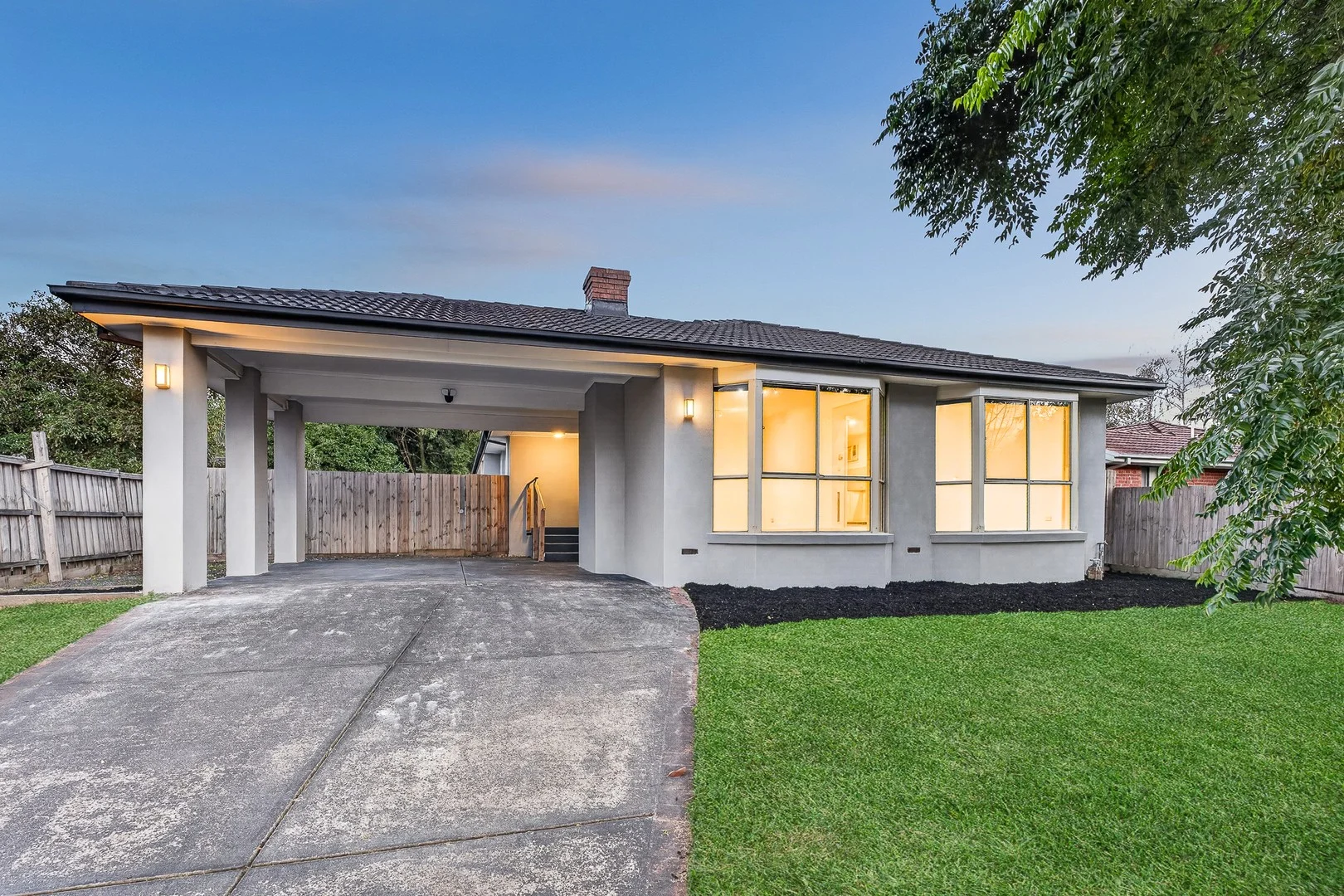 $800,000 - $880,000
House
$800,000 - $880,000
House
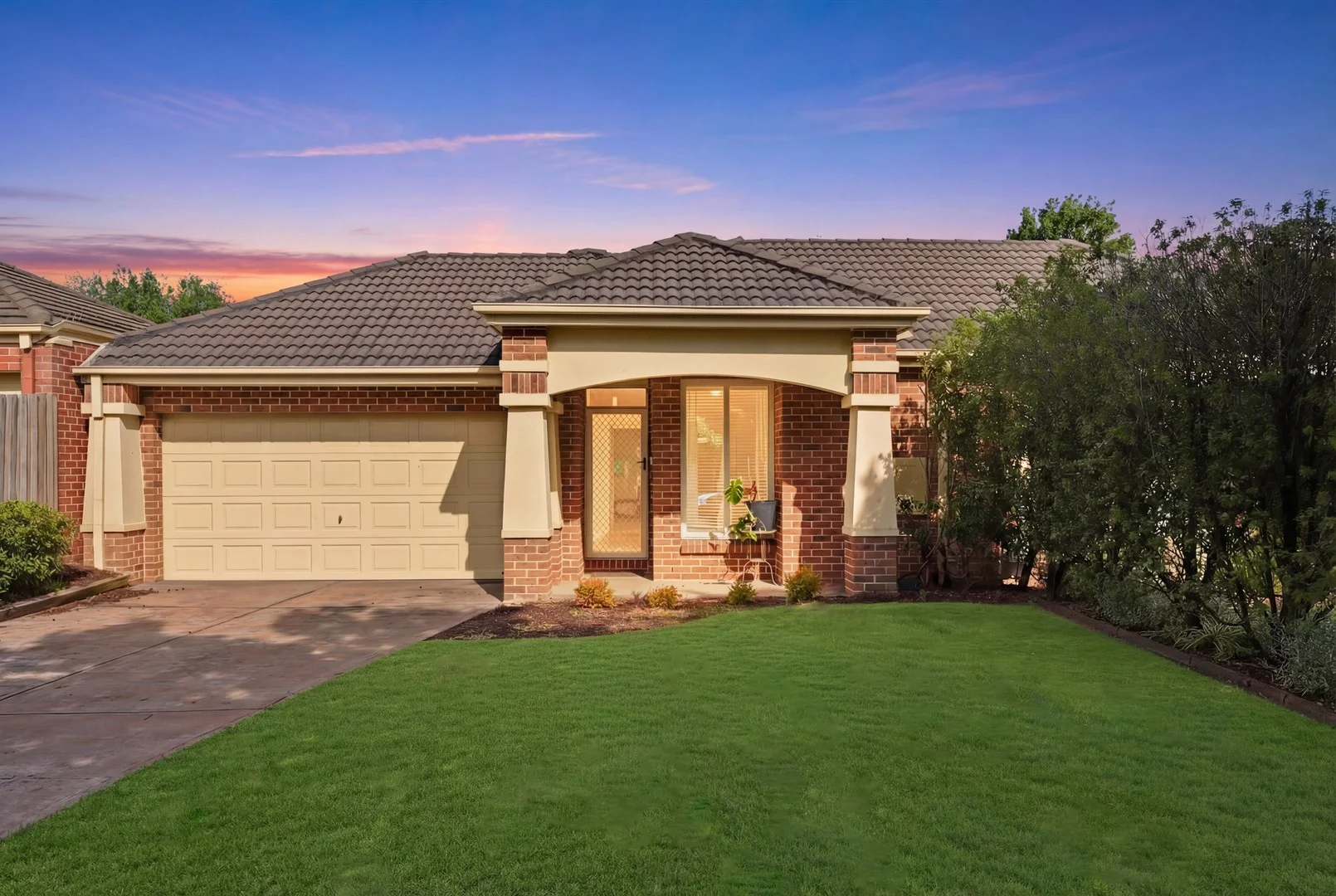 $795,000 - $835,000
House
$795,000 - $835,000
House