1. Overview
St Aidan’s Anglican Girls School is an independent, Anglican, girls-only school in Corinda, QLD. The school offers a comprehensive education for students across Junior and Senior Years with a strong emphasis on academic excellence, leadership, and service within a faith-informed community. It is a large, established campus that provides a broad range of curricular and co-curricular opportunities designed to develop confident, capable young women.
Class sizes are typically in the low-to-mid 20s, enabling teachers to give meaningful individual attention while maintaining a lively, collaborative classroom environment. The atmosphere combines academic rigour with a nurturing, inclusive culture that supports diverse interests—academic achievement, sports, arts, and community service—underpinned by Anglican values.
⸻
2. Academics & Learning
Academic strengths include English, STEM subjects, languages, and leadership development, with a strong emphasis on broadening thinking and problem-solving. The school offers programs for gifted and talented students and pathways for accelerated learning across senior subjects. Students benefit from a robust curriculum aligned to Queensland standards, with opportunities to undertake advanced studies.
Naplan and curriculum trends typically show consistent performance improvements over time, reflecting ongoing instructional refinement and a focus on literacy and numeracy. Student–teacher ratios are designed to support personalized feedback and targeted guidance, with small groups for targeted coaching where needed. The school also provides support for diverse learners, including English as an Additional Language (EAL) support and dedicated learning support for students with special educational needs (SEN).
⸻
3. Sports & Extracurricular Strengths
Sports offered commonly include netball, hockey, tennis, basketball, swimming, athletics, cricket, and cross-country, with opportunities to represent the school in regional and state competitions. The school runs strong teams across various sports and maintains a track record of participation and achievement in inter-school events. In addition to sport, there are vibrant music, drama, and arts programs, including ensembles, choirs, and productions.
A range of clubs supports STEAM and intellectual curiosity, such as robotics, coding, chess, debating, and mock trials. The school frequently partners with local organisations for competitions and development programs, providing pathways for talented students to extend their skills beyond the classroom.
⸻
4. Wellbeing & Pastoral Care
Wellbeing and pastoral care are central to the school’s approach. There is a clear anti-bullying stance with a supportive structure to promote respectful relationships and inclusion. A school house system strengthens community belonging and peer support, with senior students taking on mentoring roles. A dedicated team of counsellors or wellbeing officers supports student resilience, mental health, and social-emotional development, along with transition support for new students to help them settle into the school community smoothly.
⸻
5. Facilities
- Sports grounds and well-equipped athletic facilities
- Libraries with contemporary resources
- Modern science laboratories
- Music and performing arts centers
- Tech/innovation labs for STEAM learning
- On-site cafeteria with healthy options
- Well-maintained playgrounds and outdoor learning spaces
The campus is designed to be visually engaging and easy to navigate, supporting a broad range of activities from daily study to extra-curricular pursuits.
⸻
6. School Values & Community Culture
The school’s Anglican ethos informs its values, with emphasis on courage, compassion, integrity, service, and respect. Leadership is typically collaborative and student-centred, promoting responsibility, initiative, and positive behaviour. Behaviour expectations focus on courtesy, accountability, and inclusivity. The community is generally regarded as supportive and welcoming, with ongoing attention to diversity and inclusion across all year levels.
⸻
7. School Logistics & Daily Operations
- School hours typically run through a standard school day with additional activities in after-school hours
- Before- and after-school care options are available
- Uniforms are required; a uniform shop or guidelines cover daily, sports, and formal wear
- Transport options include school bus services and proximity to public transport, with information on routes provided by the school
- Canteen or catering services offer healthy meal options
- Fees fall in the higher range typical of independent schools; additional costs may include uniforms, trips, and activity fees
⸻
8. Enrolment & Admissions
11. What is the enrolment process and timeline?
- Submit an online application with the required documents and a registration/application fee
- Preliminary assessment of suitability and availability of places
- Shortlisting and invitation for interviews/assessments
- Offers issued for places in appropriate year levels, with acceptance and enrolment timelines communicated by the school
- Confirmation of enrolment and payment of deposit/fees to secure the place
12. Is there a waiting list, and how does it work?
- Yes, many year levels operate with a waiting list when demand exceeds places
- Allocation from the waiting list is typically based on year level availability, application date, and the school’s enrolment priorities (e.g., sibling policy, church affiliation, etc.)
- Regular updates are provided to applicants on their status
13. Are there any entry requirements, tests, or interviews?
- Yes. Entry often involves academic assessment or testing, EAL evaluation if needed, and an interview component with the student and parents
- Past academic records and teacher references may be requested
- Scholarships or special entry pathways may have additional criteria
14. Does the school accept mid-year transfers?
- Mid-year transfers are considered if places are available and the transfer aligns with the curriculum and year level requirements
- Applicants typically undergo the standard assessment and interview process for placement
⸻
9. Frequently Asked Questions
- Why Parents Choose This School?
- A strong combination of academic excellence, supportive pastoral care, Anglican values, and broad co-curricular opportunities, with a welcoming, inclusive community.
- What type of student thrives at this school?
- Students who value a well-rounded education, leadership opportunities, faith-informed community, and active participation in academics, sport, and the arts.
- What opportunities are available for students to extend their skills (academics, sports, arts)?
- Accelerated or advanced subject options, gifted and talented programs, extensive sports teams, performing arts programs, robotics, coding, debating, and other clubs.
- How does the school communicate with parents?
- Regular newsletters and notices, parent portals, emails, parent-teacher interviews, and dedicated communications from year coordinators or the principal.
- What is the school’s approach to teaching and learning?
- Student-centred, inquiry-based learning with integration of technology, collaboration, and real-world applications.
- How does the school support students who need extra academic help?
- Targeted learning support, EAL assistance, small-group tutoring, and SEN services to assist learners needing additional help.
- What support is available for academic challenges?
- Individualised support plans, access to learning support staff, and timely feedback to guide improvement.
- How does the school communicate with parents? (Repeated)
- See above: multiple channels including portals, newsletters, and meetings to keep parents informed about progress and events.
- What are the class sizes and how much individual attention do students receive?
- Class sizes are typically in the low-to-mid 20s, with low student–teacher ratios enabling meaningful, individual attention and targeted feedback.
- What extracurricular and sports opportunities are available?
- A broad range of sports (netball, hockey, tennis, basketball, swimming, athletics, cricket, cross-country), plus music, drama, arts, and clubs such as robotics, coding, chess, and debating.
- What facilities does the school offer (sports, science, arts)?
- Comprehensive facilities including sports grounds, libraries, science labs, performing arts spaces, tech/innovation labs, and a canteen.
- What is the school’s approach to technology and digital learning?
- Integrated use of technology across the curriculum, with digital learning tools, and a focus on digital literacy and responsible use.
- What transport and accessibility options are available?
- School bus services and access to public transport; information on routes and accessibility provided by the school.
- What are the typical school fees or additional costs?
- Fees are in the higher range for private education; additional costs may include uniforms, excursions, camps, and extra-curricular activities.
⸻
10. Short Pros & Cons list
Pros
- Independent, Anglican, girls-only setting with a values-focused environment
- Strong academic program with pathways for advanced learning
- Broad co-curricular opportunities across sport, music, arts, and clubs
- Comprehensive wellbeing, pastoral care, and transition support
- Modern facilities across science, arts, and STEAM spaces
- Active house system, leadership opportunities, and community involvement
Cons
- Higher tuition and related costs compared with public options
- Highly sought-after, which can mean a waiting list for certain year levels
- Intensive schedule with significant commitments outside of core class time for some students
⸻









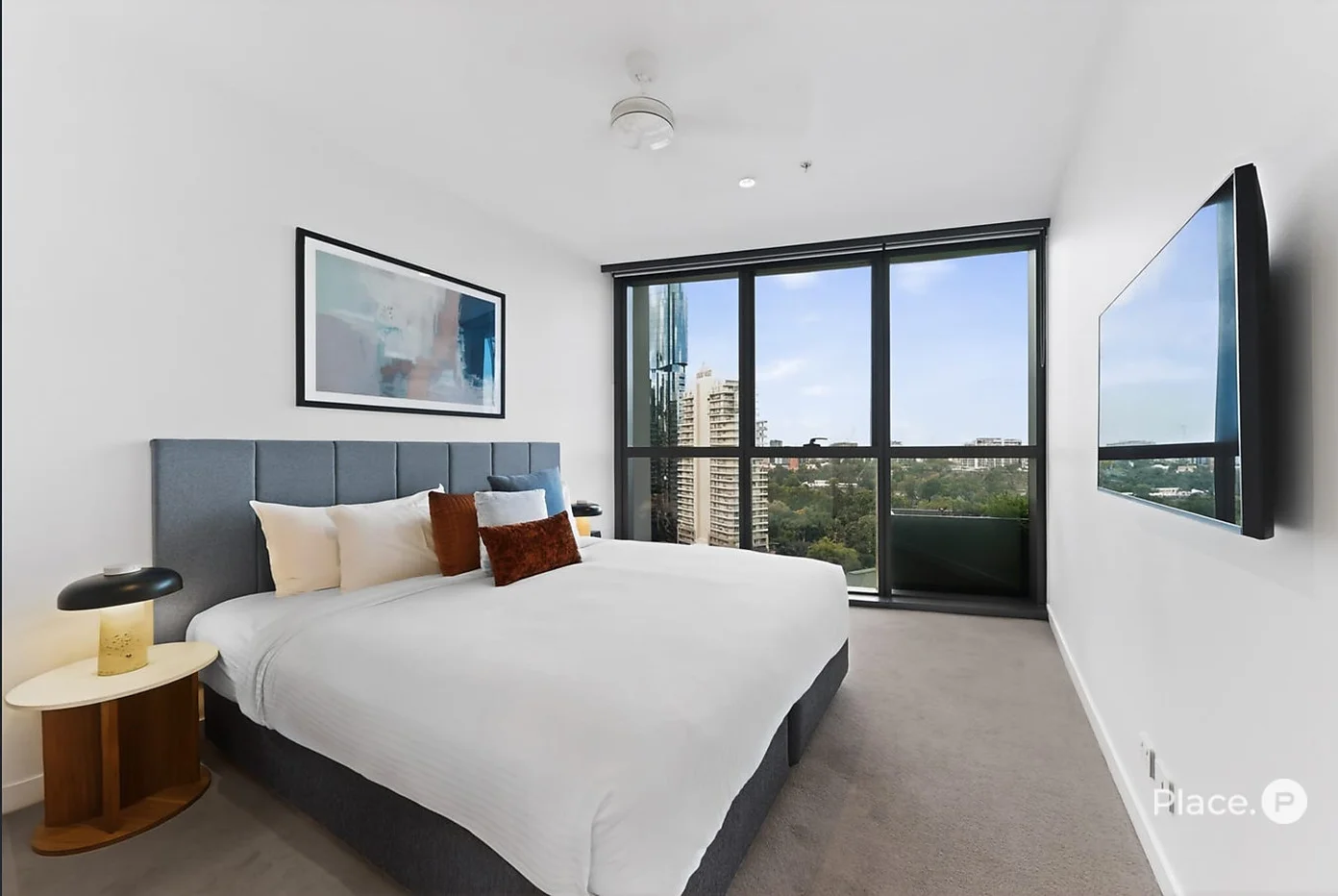 $770,000
Apartment / Unit / Flat
$770,000
Apartment / Unit / Flat
 $550,000
Apartment / Unit / Flat
$550,000
Apartment / Unit / Flat
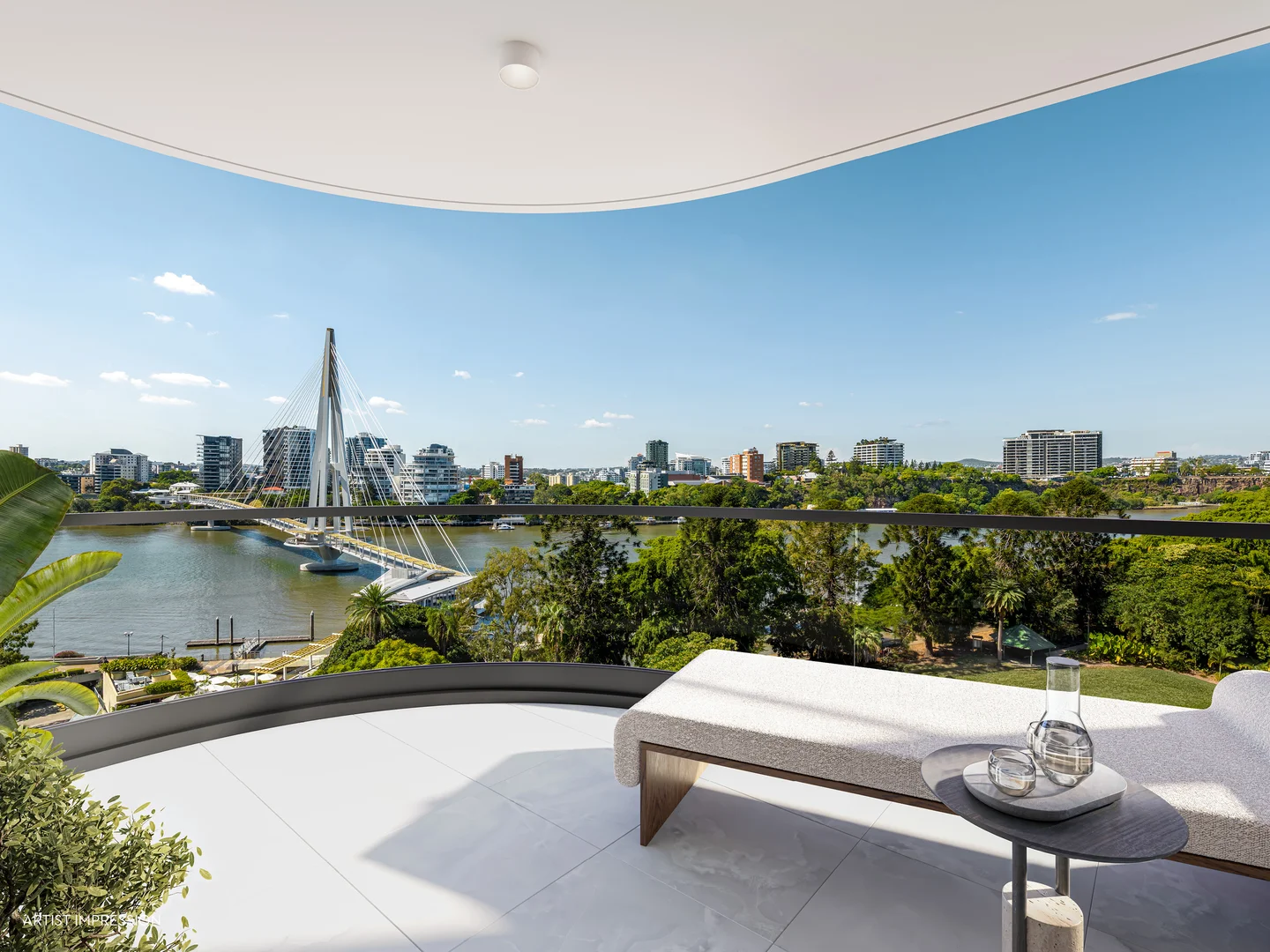 $1,475,000 - $2,090,000
propertyType.NEW APARTMENTS / OFF THE PLAN
$1,475,000 - $2,090,000
propertyType.NEW APARTMENTS / OFF THE PLAN
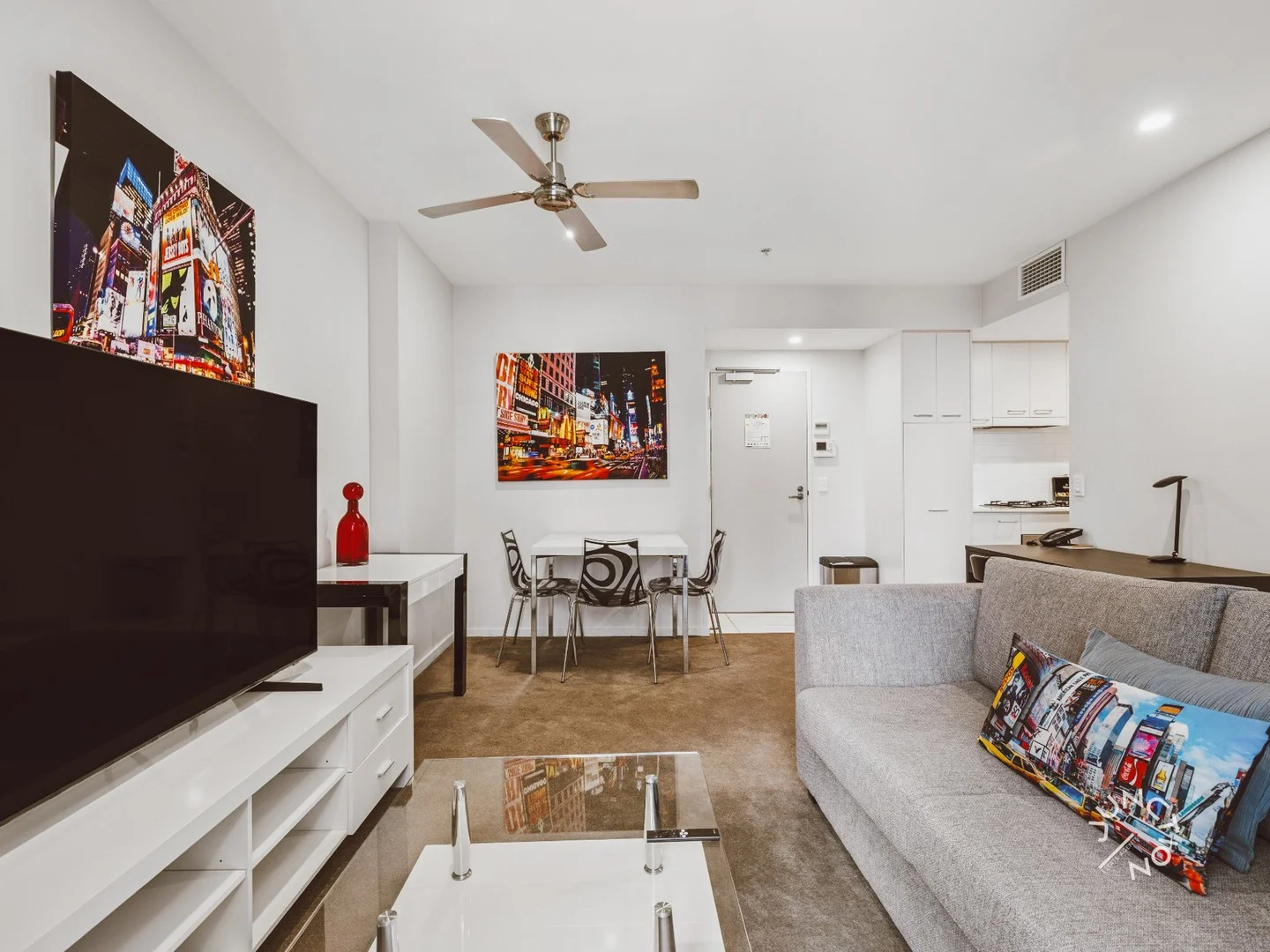 $523,200 - $566,800
Apartment / Unit / Flat
$523,200 - $566,800
Apartment / Unit / Flat
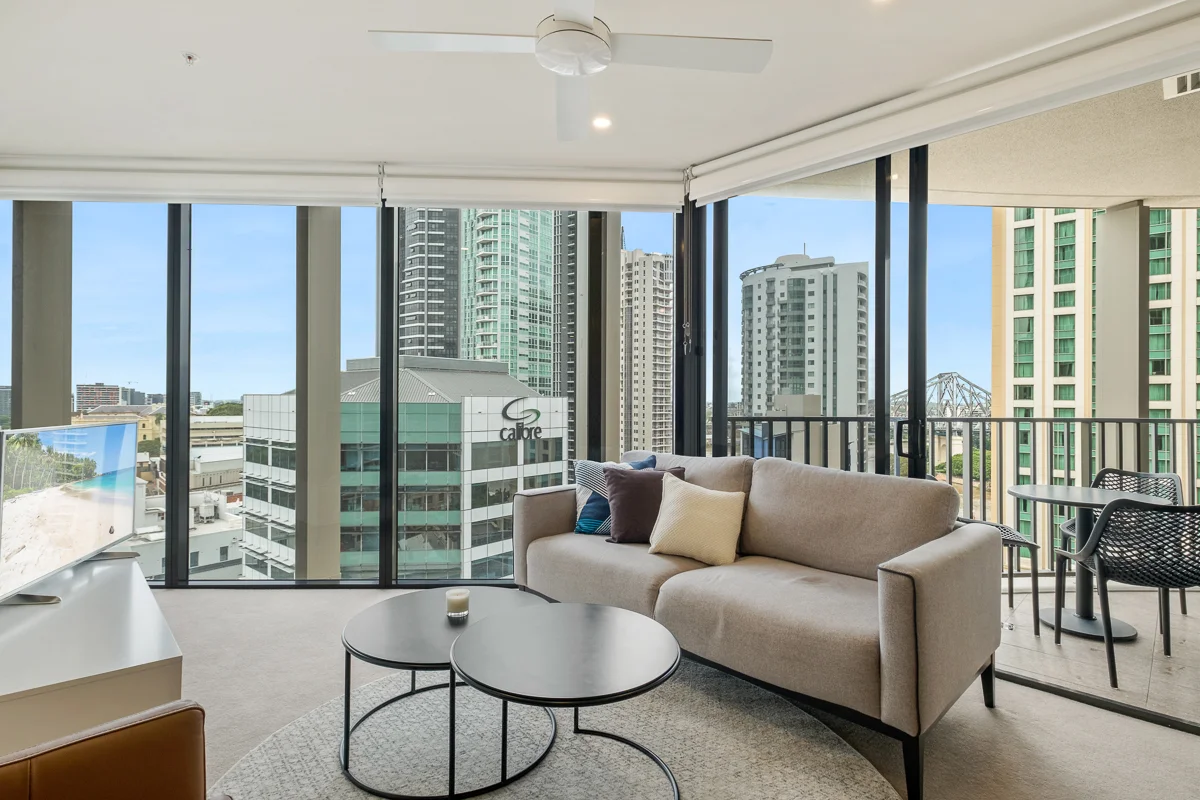 $950,000
Apartment / Unit / Flat
$950,000
Apartment / Unit / Flat
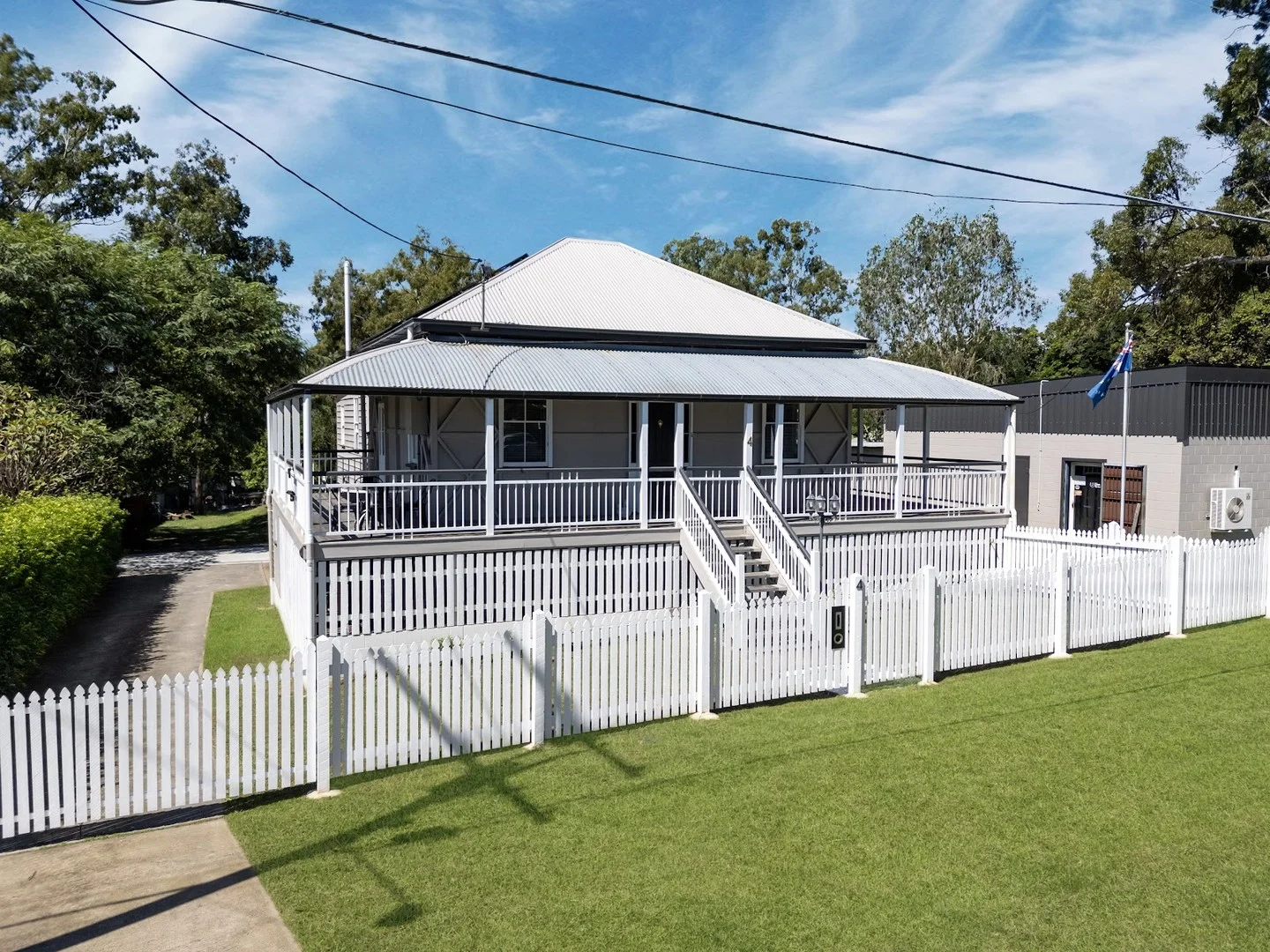 $1,700,000
House
$1,700,000
House