Overview
St Andrew's School Walkerville is a private, independent school in Walkerville, South Australia. It offers a close-knit, community-focused learning environment with a emphasis on strong academic foundations and holistic development.
- School type: Private/Independent
- School size: Medium
- Atmosphere/culture: Nurturing, inclusive, academically oriented with a strong sense of community
Academics & Learning
St Andrew's School Walkerville focuses on delivering a well-rounded academic program while supporting individual growth and curiosity.
- Academic strengths: Emphasis on English/literacy, numeracy, science, and humanities; opportunities to develop leadership and communication skills; exposure to arts and languages as part of a balanced curriculum.
- Special programs: Availability of extension or gifted/talented opportunities; inquiry-based learning and project-based learning pathways to challenge students at different levels.
- Support for diverse learners: EAL support, targeted assistance for students with identified needs, inclusive education practices, and plans to help students succeed across learning areas.
Sports and extracurricular offerings are a key strength area, with a broad range of activities designed to engage students aged 10–14 and beyond.
- Sports offered: A variety of team and individual sports (e.g., football/soccer, cricket, basketball, netball, swimming, athletics) complementing general fitness and recreation.
- Strong teams or achievements: Involvement in regional/inter-school competitions with dedicated coaching and opportunities to develop teamwork and competitive spirit.
- Music, arts, drama programs: Active music program, choir, and drama productions; opportunities to participate in performing arts.
- Clubs: Robotics, coding, chess, debating, and other clubs that foster critical thinking and problem-solving.
- Partnerships: Local community clubs and competitions that provide additional pathways for skill development and public performances.
Wellbeing & Pastoral Care
Wellbeing and pastoral care are central to helping students feel secure, engaged, and ready to learn.
- Anti-bullying approach: Clear policies and restorative practices designed to promote respect and safe interactions.
- House system: House-based activities and leadership opportunities to foster belonging and peer support.
- Counsellors / wellbeing officers: Access to school-based wellbeing staff or counsellors to support emotional and social development.
- Transition support for new students: Orientation programs, buddy systems, and onboarding initiatives to ease transitions into the school community.
Facilities
Facilities are designed to support a broad curriculum and a positive student experience.
- Sports grounds: On-site sports facilities and playing fields suitable for a range of activities.
- Libraries: On-site library with a variety of print and digital resources.
- Science labs: Dedicated laboratories for hands-on experiments and inquiry-based learning.
- Music/performing arts centers: Facilities to support music, chorus, drama, and performances.
- Tech/innovation labs: Dedicated spaces for technology, coding, robotics, and digital projects.
- Cafeteria: On-site canteen or dining facilities offering healthy options.
- Updated playgrounds: Safe, modern outdoor play spaces and equipment.
The school aims to develop not only academically capable students but also responsible, respectful members of the community.
- School values / mission: Core focus on respect, integrity, perseverance, and collaboration; values-driven learning approach.
- Leadership style: Collaborative leadership with opportunities for student voice and leadership roles.
- Behaviour expectations: Clear, consistently applied behaviour expectations and positive reinforcement.
- Community reputation: Strong sense of community and parent involvement; supportive and welcoming environment.
- Diversity & inclusion: Commitment to inclusive practices and respect for diverse backgrounds and abilities.
School Logistics & Daily Operations
Practical information that families need to plan their day-to-day arrangements.
- School hours: Typical start and finish times; structure may vary by year level.
- Before/after school care: Available options or arrangements for before/after school care.
- Uniform requirements: School uniform policy with details on daily wear and purchases.
- Transport (train/bus routes): Information about bus routes or public transport accessibility; parking considerations.
- Canteen availability: On-site canteen or lunch program and options.
- Fees (low/medium/high ranges): Fees generally positioned in a mid-to-high range for private independent schools in the region; additional costs may include uniforms, excursions, and activities.
Enrolment & Admissions
- What is the enrolment process and timeline?
- Submit an expression of interest or online application; provide requested documents (birth certificate, past school reports, immunisation records, etc.).
- Attend campus tours or information sessions (where offered).
- Participate in any required assessments or interviews; reception of offer if spaces are available.
- Complete enrolment paperwork, pay any deposits or fees, confirm start date.
- Is there a waiting list, and how does it work?
- There may be a waiting list if spaces are limited; priority often given to siblings and families in the school’s intake catchment (or other internal policies). Offers are made as spaces become available.
- Are there any entry requirements, tests, or interviews?
- Entry requirements vary by year level and program; may include academic assessments, readiness checks, and an interview to understand the student’s needs and fit with the school culture. Additional assessments may apply for EAL or special learning needs.
- Does the school accept mid-year transfers?
- Mid-year transfers are possible subject to space and alignment with the student’s needs and the year level’s capacity. Families should contact the admissions team to discuss timing and requirements.
Frequently Asked Questions
- Why Parents Choose This School?
- A strong sense of community, supportive teachers, values-aligned education, and opportunities across academics, arts, and sport.
- What type of student thrives at this school?
- Curious, motivated students who value collaboration, personal growth, and a well-rounded education.
- What opportunities are available for students to extend their skills (academics, sports, arts)?
- Extension or gifted pathways, leadership opportunities, diverse clubs (robotics, coding, debating), performance and sport programs, and specialist teaching in arts and sciences.
- How does the school communicate with parents?
- Regular newsletters or emails, a school app/portal, parent-teacher meetings, and clear channels for updating families about events and student progress.
- What is the school’s approach to teaching and learning?
- Student-centered, inquiry-based learning with differentiation to meet diverse needs and a focus on critical thinking and real-world applications.
- How does the school support students who need extra academic help?
- Differentiated instruction, targeted support programs, small-group assistance, and access to learning support staff where available.
- What support is available for academic challenges?
- Additional tutoring options, progress monitoring, and tailored plans to help students catch up or progress.
- How does the school communicate with parents? (Note: duplicate topic)
- See above: regular updates, portals, and parent feedback loops.
- What extracurricular and sports opportunities are available?
- Wide range of sports, music, arts, and clubs such as robotics, coding, chess, and debating; opportunities to compete and perform.
- What facilities does the school offer (sports, science, arts)?
- Sports grounds, libraries, science labs, music/performing arts spaces, tech/innovation labs, canteen, and updated playgrounds.
- What is the school’s approach to technology and digital learning?
- Integrated digital learning with age-appropriate technology use, focus on digital literacy, data privacy, and responsible online conduct.
- What transport and accessibility options are available?
- Transport options include local bus routes and accessibility considerations; information on parking and drop-off zones is available from the school.
- What are the typical school fees or additional costs?
- Fees fall in the mid-to-high range for private independent schools; additional costs may include uniforms, excursions, and elective activities.
Short Pros & Cons list
- Strong sense of community and supportive environment
- Balanced focus on academics, arts, and sports
- Range of clubs and extracurricular activities
- Structured wellbeing and pastoral care
- Fees are higher than public options
- Limited spaces may require waiting lists during peak intake periods
- Extracurriculars and programs may vary by year and availability
- Transport and commute considerations for families outside the immediate area
 Free
Free









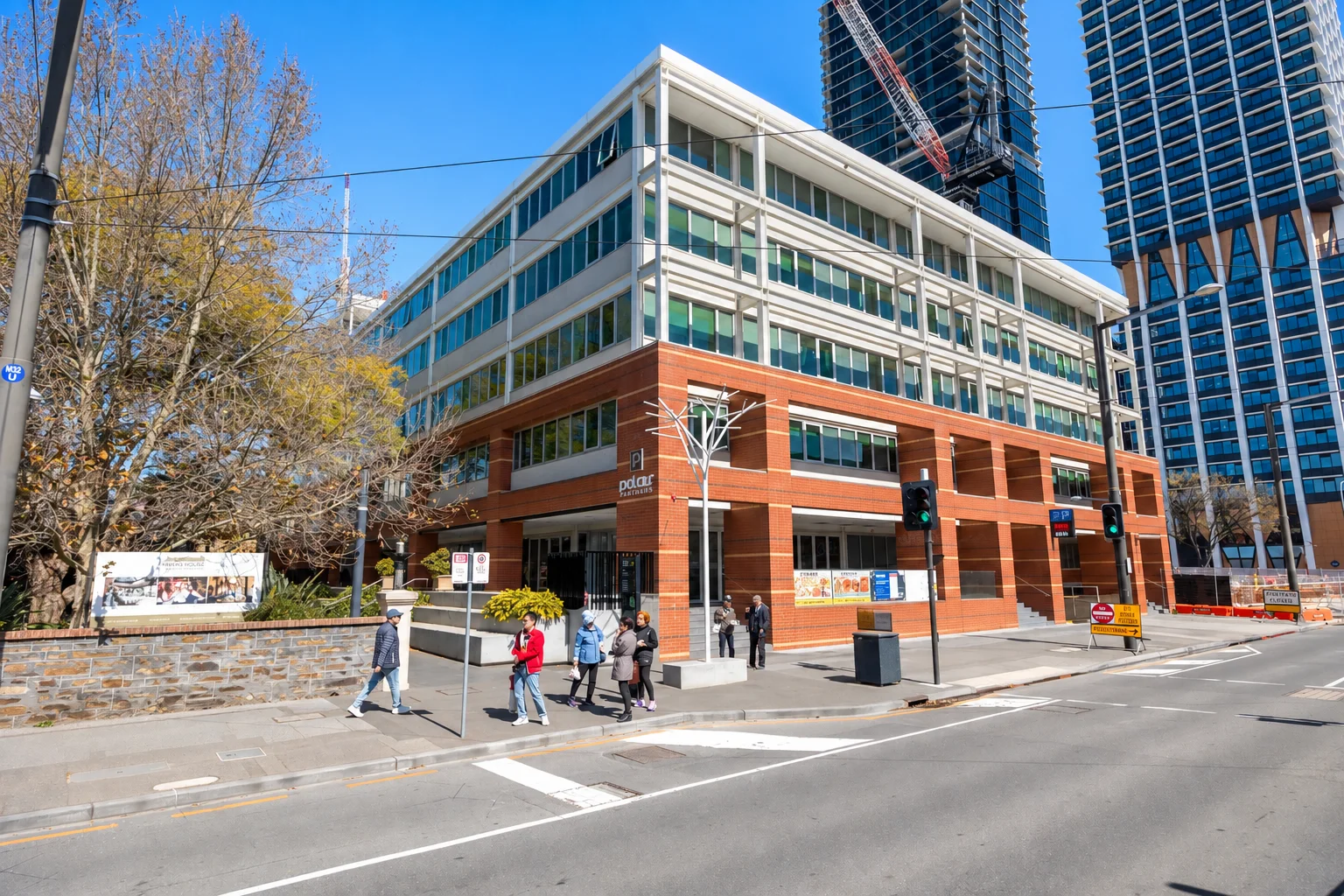 $545,000
Apartment / Unit / Flat
$545,000
Apartment / Unit / Flat
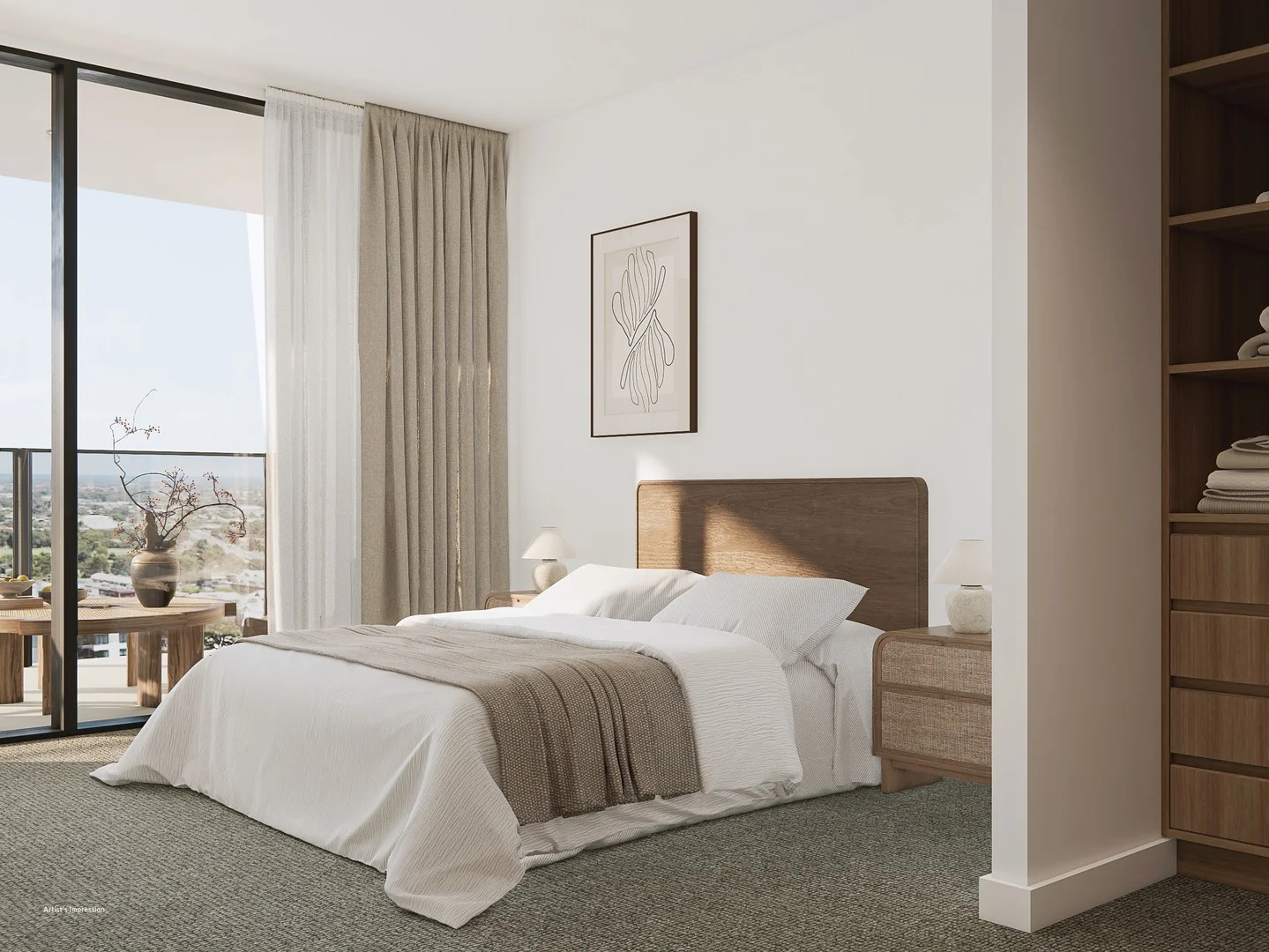 $935,000
Apartment / Unit / Flat
$935,000
Apartment / Unit / Flat
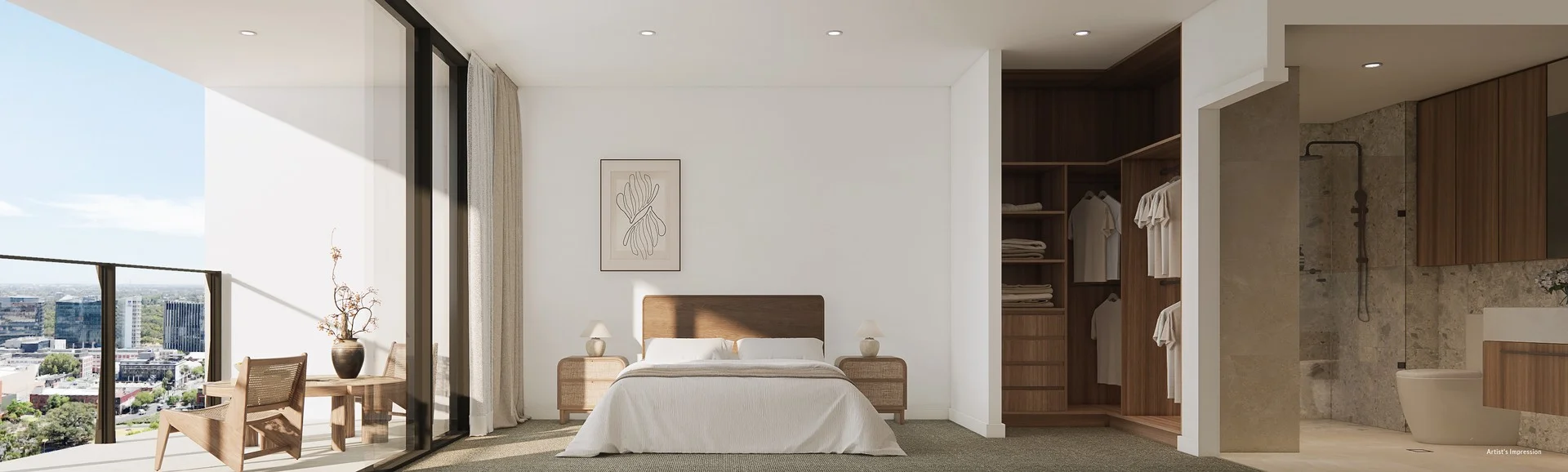 $1,056,000
Apartment / Unit / Flat
$1,056,000
Apartment / Unit / Flat
 $557,000
Apartment / Unit / Flat
$557,000
Apartment / Unit / Flat
 $588,000
Apartment / Unit / Flat
$588,000
Apartment / Unit / Flat
 $440,000
Apartment / Unit / Flat
$440,000
Apartment / Unit / Flat
 $1,100,000
Apartment / Unit / Flat
$1,100,000
Apartment / Unit / Flat
 $775,000
House
$775,000
House