Overview
## Overview
St Anthony’s Primary School Glen Huntly is a Catholic primary school that focuses on faith-informed learning within a caring, inclusive community. The school serves families in Glen Huntly and surrounding suburbs, offering a nurturing environment where students are encouraged to grow academically, socially, and spiritually.
The school size is typically described as small-to-medium, with class sizes commonly in the low-to-mid 20s. The atmosphere emphasizes warmth, belonging, and a strong sense of community, balancing academic achievement with pastoral care and faith formation.
- School type: Catholic
- School size: small-to-medium
- Class size: around 20–25 students per class
- Atmosphere/culture: nurturing, inclusive, values-based
---
## Academics & Learning
St Anthony’s provides a well-rounded curriculum that supports students across core learning areas while fostering a faith-based perspective.
- Academic strengths: strong English and literacy focus, numeracy as a core priority, engagement in STEM activities, and encouragement of leadership and personal growth. Religious education is integrated to build values and community awareness.
- Special programs: opportunities for leadership development, targeted literacy/numeracy support, and programs that promote student engagement in science, technology, engineering and mathematics.
- NAPLAN / trends: steady progress aligned with or above state trends in recent years, with ongoing focus on literacy, numeracy, and growth in student capabilities.
- Student-teacher ratios: typically around 1:12–1:18, allowing for meaningful student-teacher interaction.
- Support for diverse learners: dedicated EAL and SEN support, inclusion teachers or coordinators, and targeted intervention programs to assist students needing extra help.
---
## Sports & Extracurricular Strengths
A strong focus on holistic development means students can engage in a wide range of sporting and cultural activities.
- Sports offered: soccer, basketball, cricket, AFL-inspired activities, athletics, and swimming programs; regular interschool and district events.
- Strong teams or achievements: participation in local interschool competitions and school-wide sports carnivals; emphasis on teamwork, fair play, and personal bests.
- Music, arts, drama programs: choir, school band or ensembles, and opportunities to participate in drama productions and performing arts activities.
- Clubs: robotics, coding, chess, debating, and other STEM/academics clubs offered to extend student interests.
- Partnerships: connections with local community clubs and participation in inter-school competitions and events to broaden opportunity and experience.
---
## Wellbeing & Pastoral Care
Wellbeing is a central component of daily school life, with structures to support students, families, and staff.
- Anti-bullying approach: whole-school anti-bullying policy and clear reporting pathways; emphasis on respectful relationships and restorative practices.
- House system: a House-based framework that fosters belonging, healthy competition, and leadership opportunities.
- Counsellors / wellbeing officers: access to wellbeing coordinators or school counsellors who support social-emotional learning and student resilience.
- Transition support for new students: structured programs to help new students settle in, including buddy systems and orientation activities.
---
## Facilities
The school presents a family-friendly, well-equipped environment designed to support a range of learning experiences.
- Sports grounds: multi-purpose ovals or grounds suitable for PE and outdoor activities.
- Libraries: a dedicated library with resources to support literacy and inquiry.
- Science labs: primary-level laboratories or dedicated spaces for science experiments and exploration.
- Music/performing arts centers: music rooms and spaces for drama and performance, enabling regular arts participation.
- Tech/innovation labs: ICT facilities or makerspace-like areas to support coding, robotics, and design activities.
- Cafeteria: on-site canteen or lunch area for daily meals and student lunches.
- Updated playgrounds: modern play spaces with age-appropriate equipment for outdoor learning and recreation.
---
## School Values & Community Culture
The school aims to cultivate values-driven learners who contribute positively to their communities.
- School values / mission: Christian ideals such as respect, responsibility, compassion, and excellence underpin daily learning and behavior.
- Leadership style: student voice through councils and leadership roles; collaborative decision-making with staff and families.
- Behaviour expectations: clear codes of conduct emphasizing respect, safety, and integrity; positive behaviour support system.
- Community reputation: a welcoming Catholic community known for inclusivity, faith formation, and family partnerships.
- Diversity & inclusion: welcoming environment for students from diverse backgrounds; emphasis on equity and support for all learners.
---
## School Logistics & Daily Operations
Key practical details to help families plan around school life.
- School hours: typical daytime hours with start around 9:00 am and finish around 3:00 pm; occasional after-school activities.
- Before/after school care: available to families through on-site or affiliated providers.
- Uniform requirements: standard school uniform with designated daily attire and any sport-specific gear as required.
- Transport (train/bus routes): accessible by local public transport options; nearby train stations and bus services support commuting families.
- Canteen availability: on-site canteen or lunch program offering healthy meal options.
- Fees (low/medium/high ranges): fees are generally in the mid-range for primary Catholic schools; exact costs vary by year and program and are available on enquiry.
---
## Enrolment & Admissions
A clear process to help families understand how to join the school community.
11. What is the enrolment process and timeline?
- Applications are typically invited within set windows each year; timelines are published by the school and may align with parish calendars. Parents submit an application form and supporting documents; there may be an interview or information session as part of the process.
12. Is there a waiting list, and how does it work?
- Waiting lists can occur when applications exceed vacancies. Priority may be given to current siblings, parishioners, or Catholic families, with vacancies allocated as they arise.
13. Are there any entry requirements, tests, or interviews?
- Entry often involves confirmation of Catholic background or parish involvement, a short interview or information session, and submission of required documents. There may be an opportunity to discuss learning needs or support requirements.
14. Does the school accept mid-year transfers?
- Mid-year transfers are sometimes possible subject to space and staffing considerations; vacancies are assessed on a case-by-case basis and the enrolment team can provide timelines and guidelines.
---
## Frequently Asked Questions
- Why Parents Choose This School?
- A values-based Catholic environment, caring community, strong focus on literacy and numeracy, and opportunities for involvement in faith, sport, and arts.
- What type of student thrives at this school?
- Students who thrive in a supportive, collaborative setting with opportunities to grow academically, socially, and spiritually.
- What opportunities are available for students to extend their skills (academics, sports, arts)?
- Extended programs in literacy/numeracy support, leadership roles, clubs (robotics, coding, chess, debating), sport teams, and performing arts opportunities.
- How does the school communicate with parents?
- Regular updates via newsletters, digital platforms, parent-teacher meetings, and open channels with teachers and administration.
- What is the school’s approach to teaching and learning?
- A balanced approach combining strong foundational literacy and numeracy with inquiry-based learning, faith integration, and inclusive practices.
- How does the school support students who need extra academic help?
- Targeted intervention programs, EAL/SEN support, and regularly monitored progress with collaboration between teachers, specialists, and families.
- What support is available for academic challenges?
- Individualized support plans, access to intervention teachers or coordinators, and additional resources to help students catch up and progress.
- How does the school communicate with parents? [Repeated]
- See above: newsletters, digital platforms, and formal meetings plus informal contact with staff as needed.
- What are the class sizes and how much individual attention do students receive?
- Class sizes are typically around 20–25 students, with opportunities for individual feedback and small-group instruction.
- What extracurricular and sports opportunities are available?
- A broad program including team sports (soccer, basketball, cricket, AFL-inspired activities), interschool events, and clubs (robotics, coding, chess, debating), plus arts and music activities.
- What facilities does the school offer (sports, science, arts)?
- Comprehensive facilities including sports grounds, library, science labs, music/performing arts spaces, technology/ICT areas, and a canteen.
- What is the school’s approach to technology and digital learning?
- Integration of ICT and coding into learning, with age-appropriate digital literacy and responsible use guidance.
- What transport and accessibility options are available?
- Accessible by local public transport with nearby train stations and bus routes; supports families who commute or travel from surrounding areas.
- What are the typical school fees or additional costs?
- Fees are in the mid-range for primary Catholic schools; additional costs may apply for excursions, camps, and some specialist programs.
---
## Short Pros & Cons list
- Pros
- Values-driven Catholic education in a welcoming, inclusive community
- Strong focus on literacy and numeracy with support for diverse learners
- Broad range of extracurriculars (sports, arts, clubs)
- Caring pastoral care, wellbeing supports, and leadership opportunities
- Modern facilities and a family-friendly campus
- Cons
- As a small-to-medium school, external specialist programs may be more limited than larger schools
- Waiting lists can occur depending on capacity and demand
- Transport options depend on local public transport routes and may require planning for some families












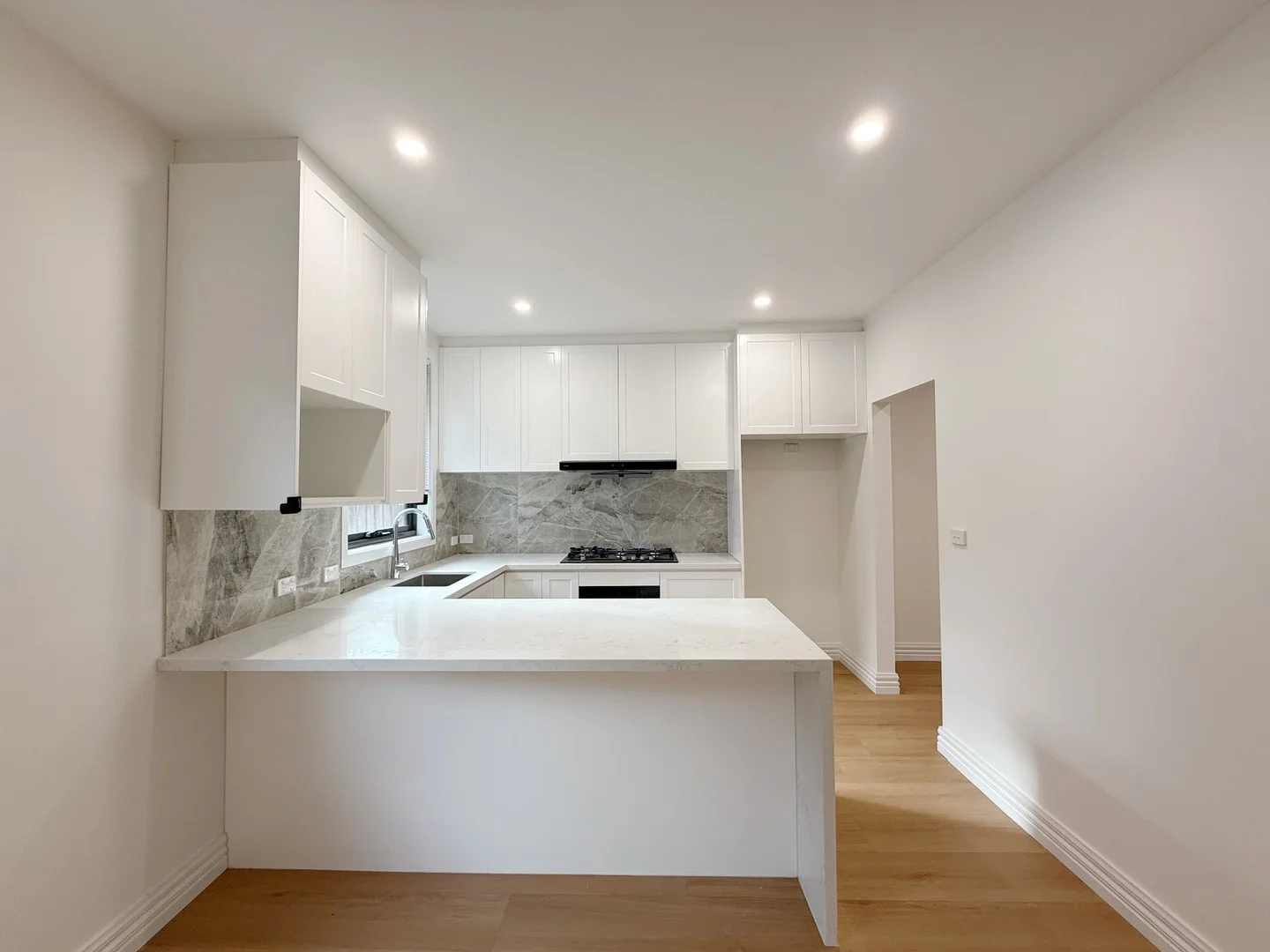 $1,280
House
$1,280
House
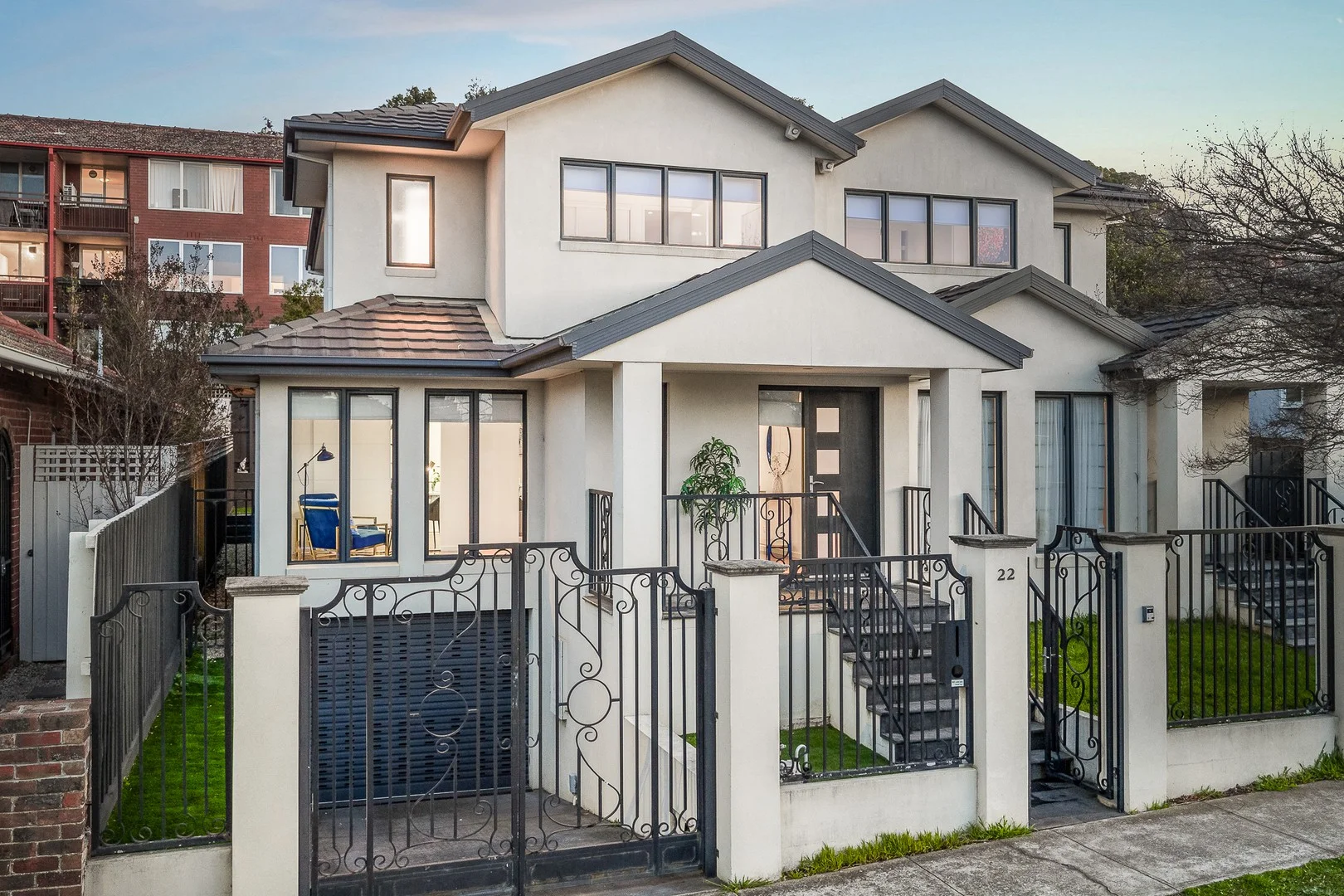 $2,390,000
Townhouse
$2,390,000
Townhouse
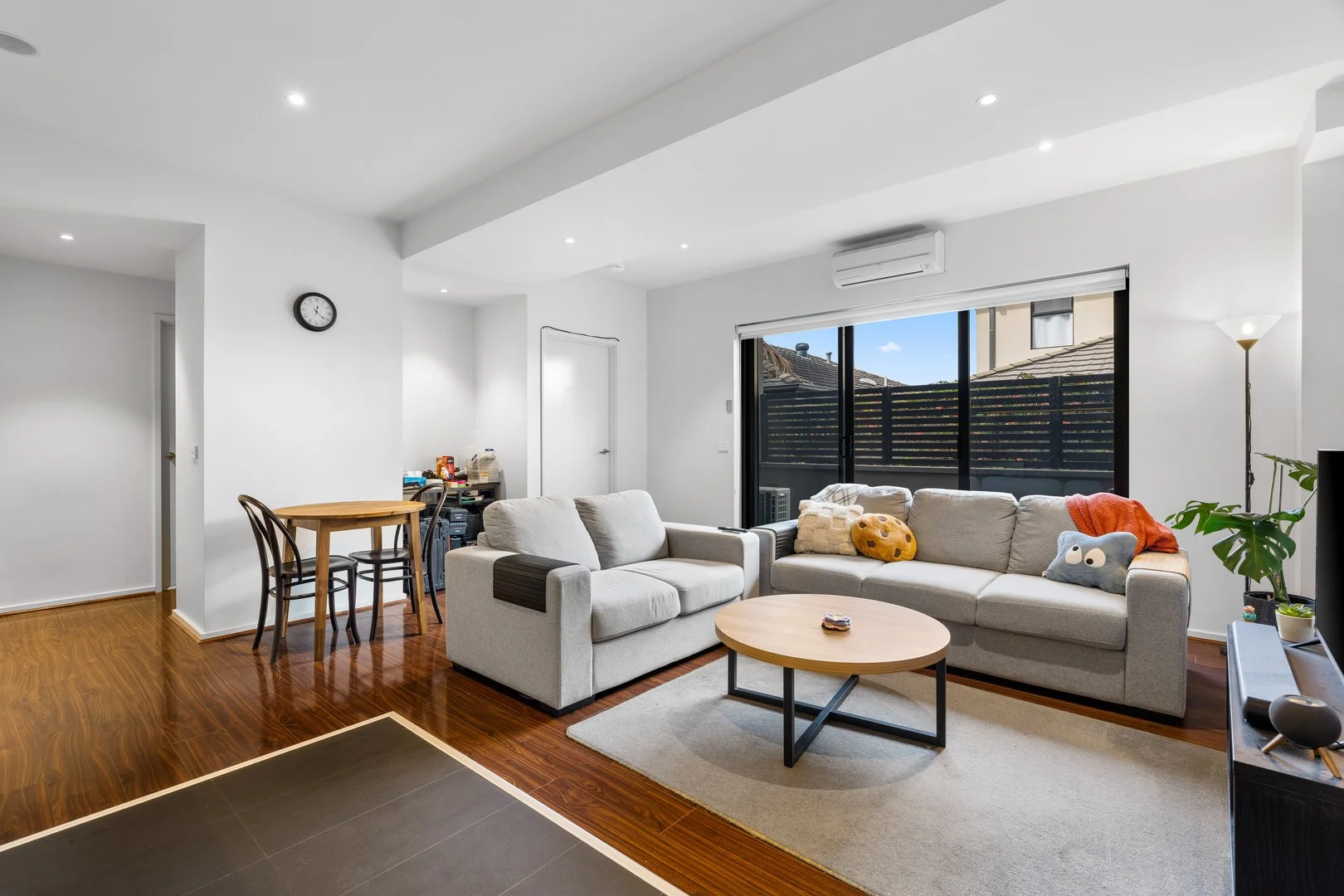 $385,000 - $410,000
Apartment / Unit / Flat
$385,000 - $410,000
Apartment / Unit / Flat
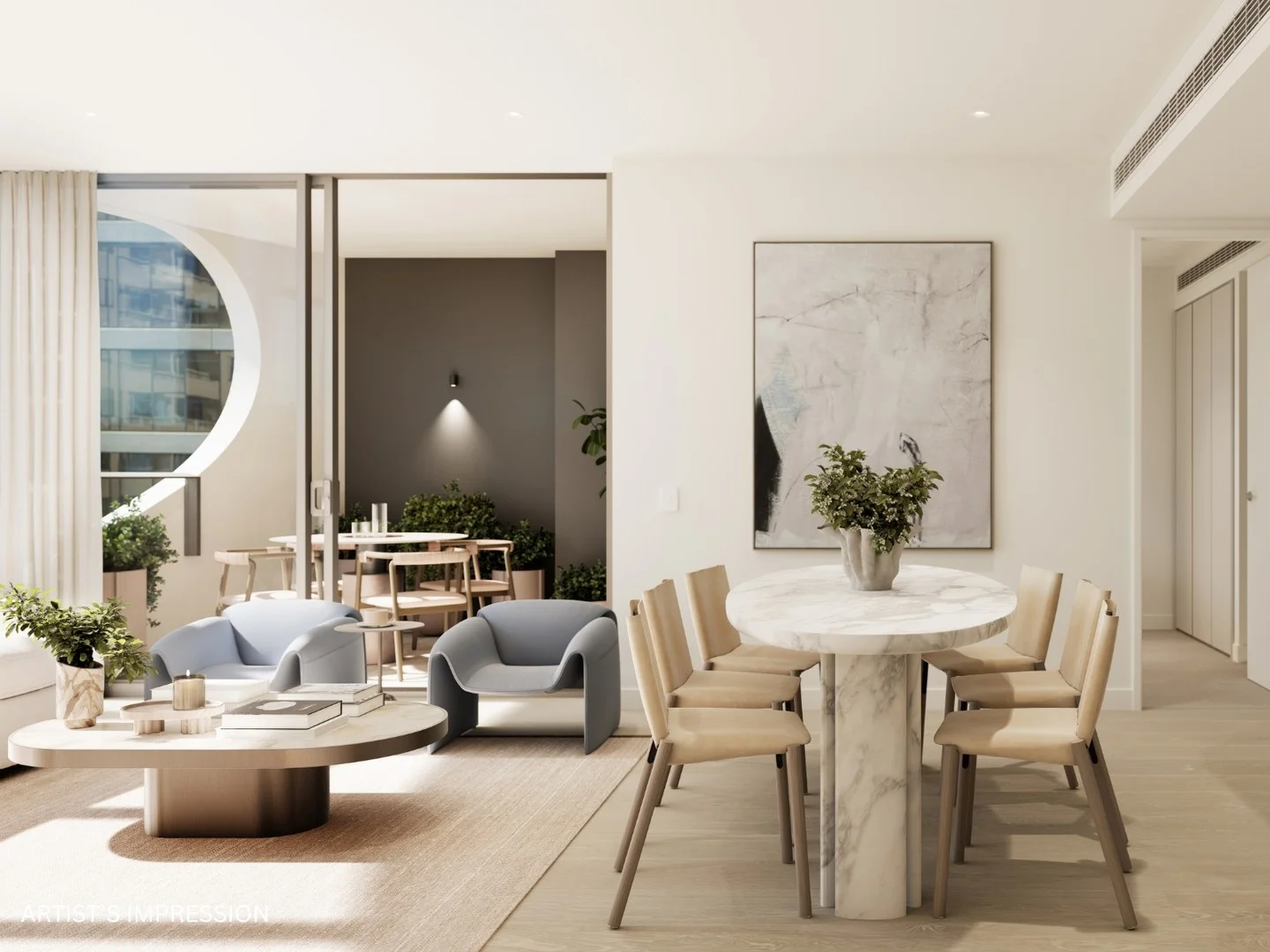 $1,640,000
Apartment / Unit / Flat
$1,640,000
Apartment / Unit / Flat
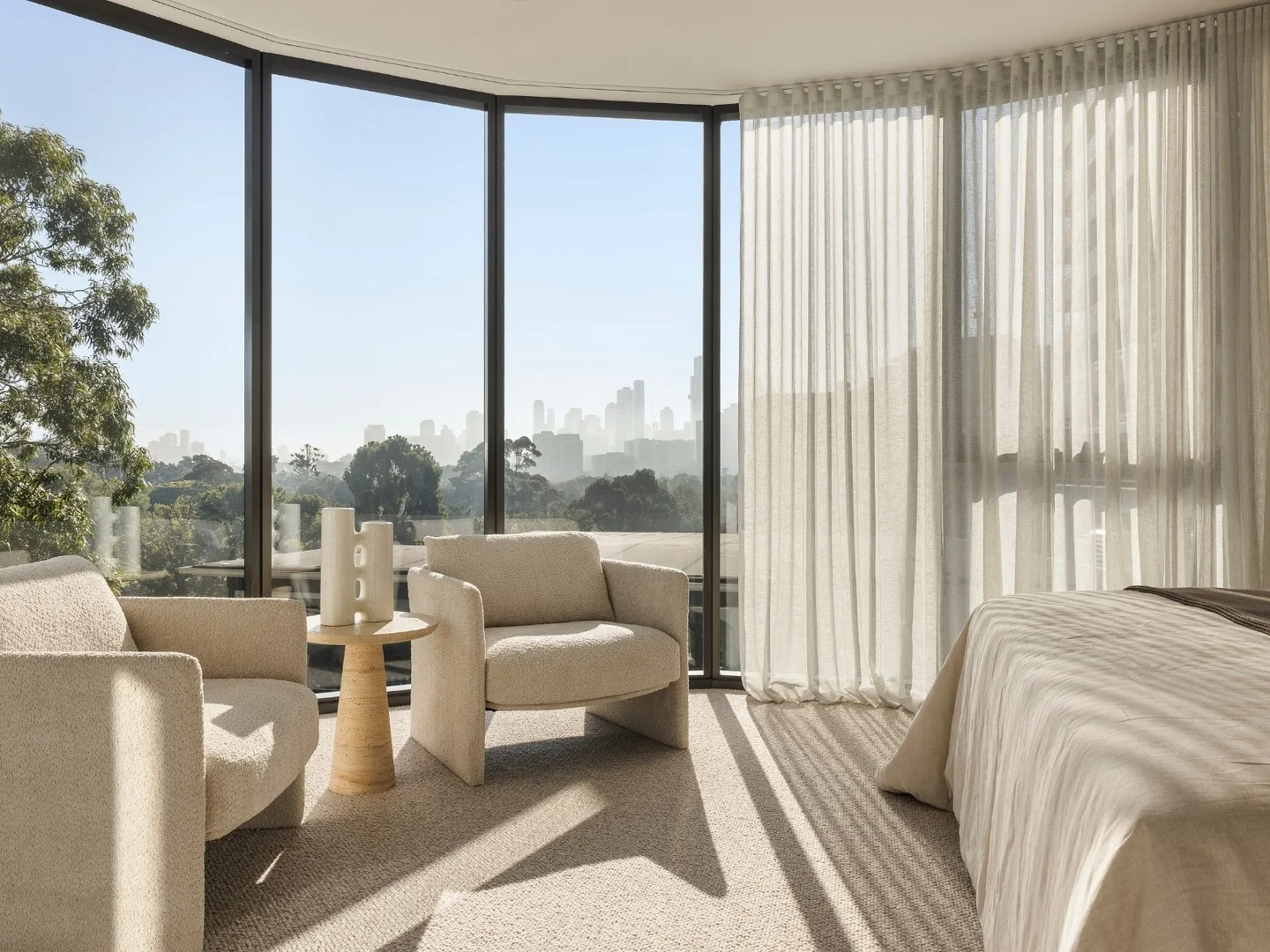 $2,750,000
Apartment / Unit / Flat
$2,750,000
Apartment / Unit / Flat
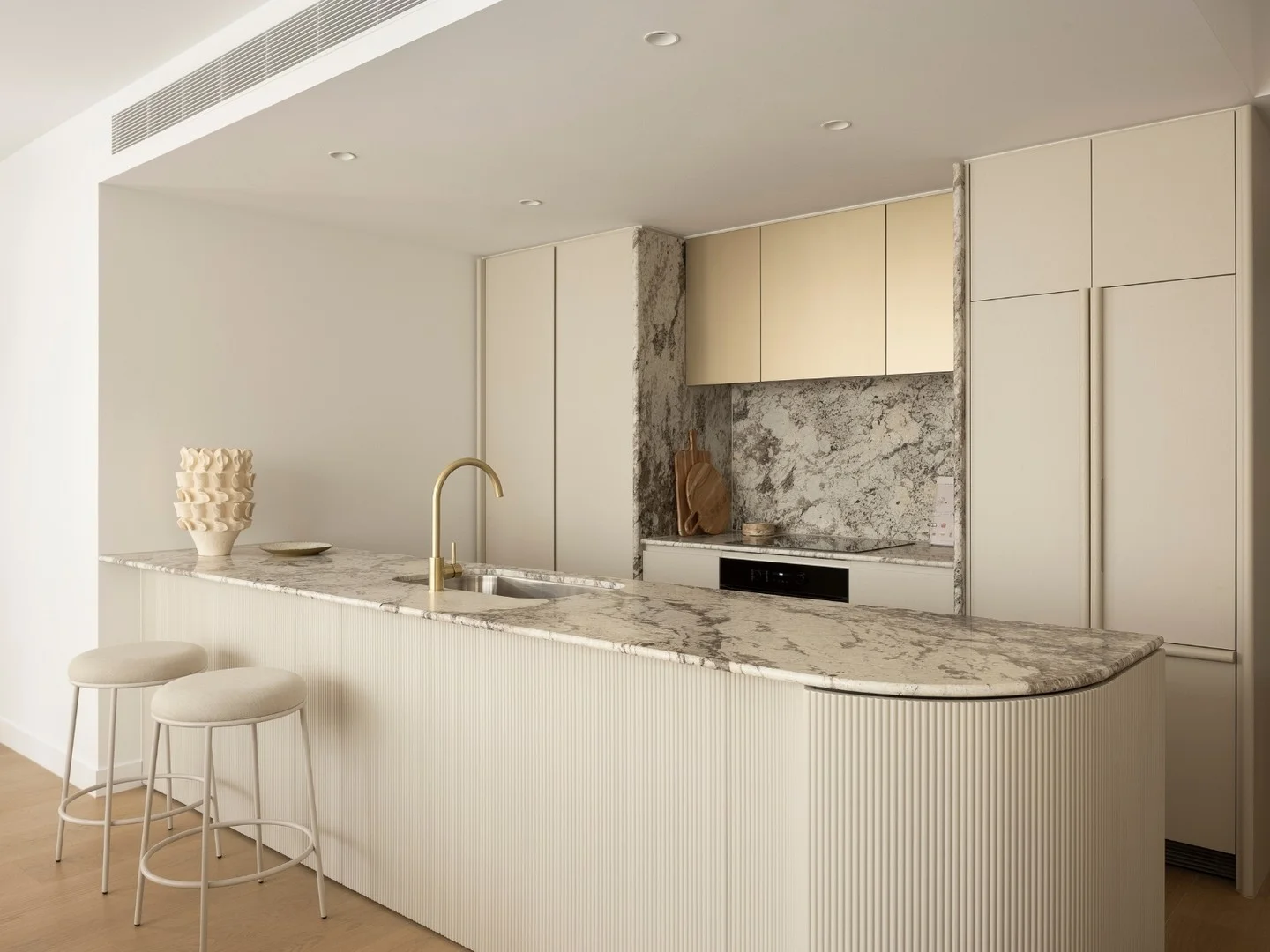 $1,345,000
Apartment / Unit / Flat
$1,345,000
Apartment / Unit / Flat
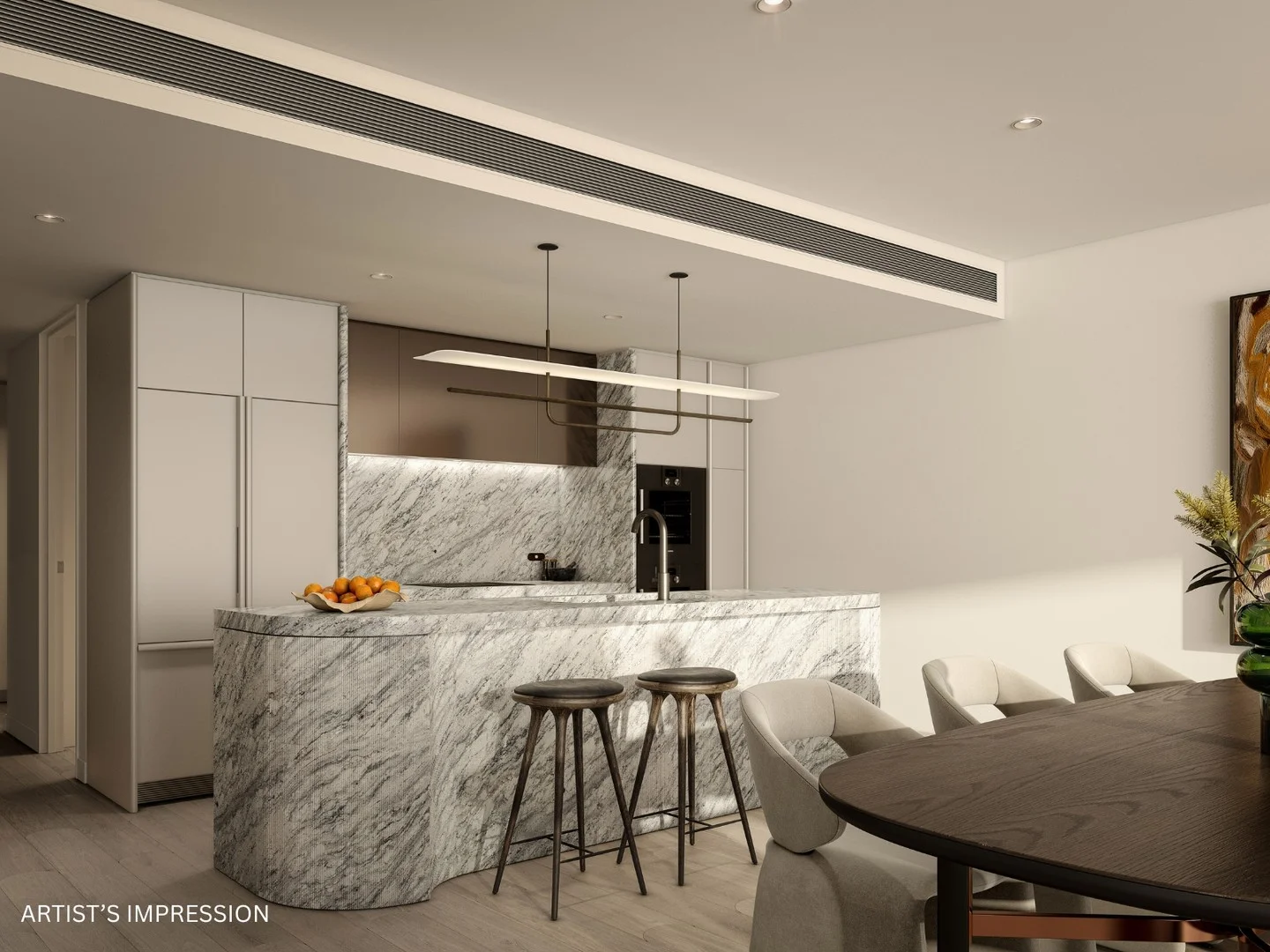 $2,900,000
Apartment / Unit / Flat
$2,900,000
Apartment / Unit / Flat
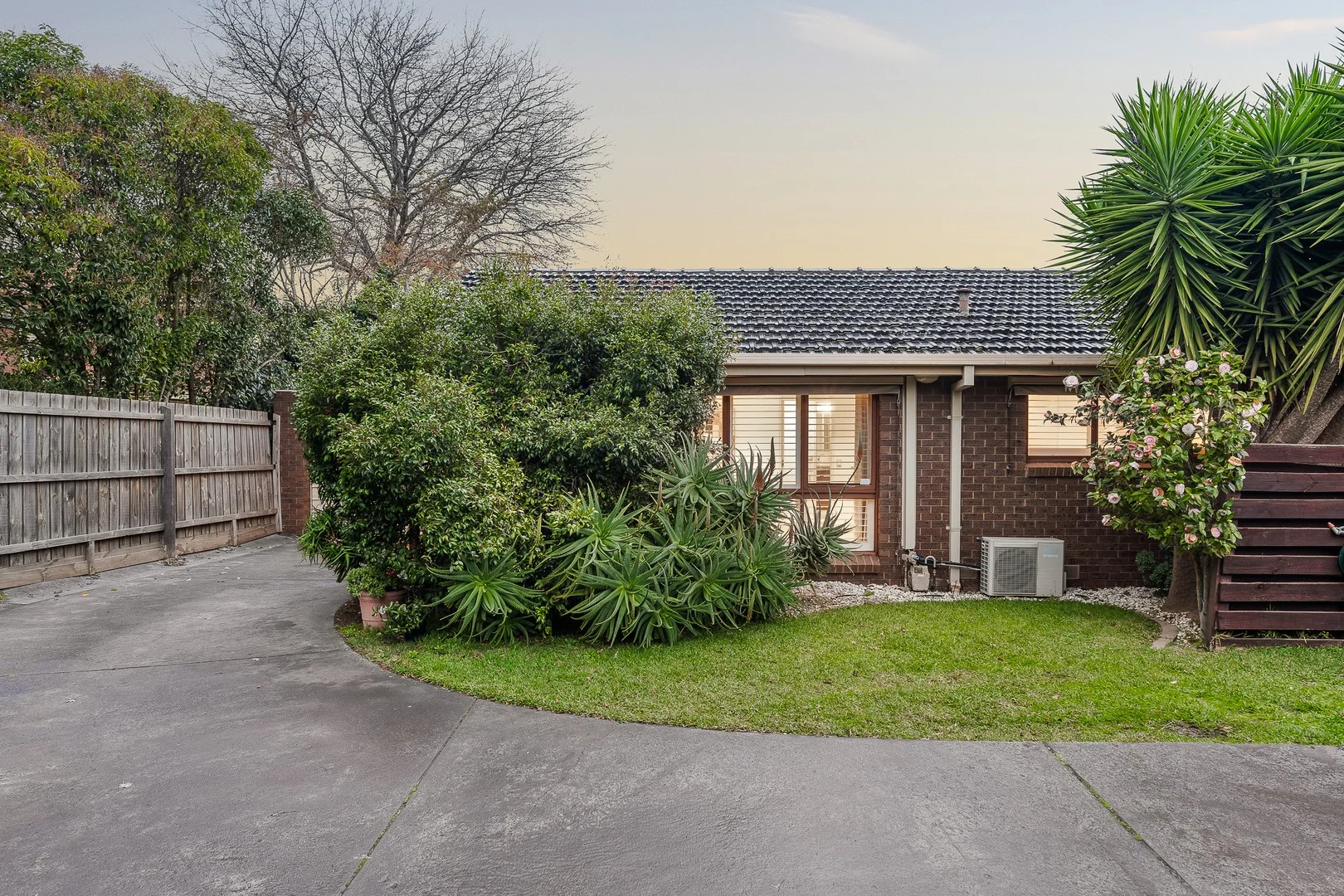 $770,000 - $820,000
Apartment / Unit / Flat
$770,000 - $820,000
Apartment / Unit / Flat
 $1,250,000
Apartment / Unit / Flat
$1,250,000
Apartment / Unit / Flat