Overview
1. Overview
St Dominic's Primary School is a Catholic, co-educational primary school serving families in Camberwell East. The school typically operates as a medium-sized community, with class sizes that allow for focused teaching and individual attention within a faith-centered environment.
The atmosphere is nurturing and inclusive, combining a strong sense of Catholic values with a classroom culture that supports academic progress, pastoral care, and active student participation. Students are encouraged to participate in a range of learning experiences that reinforce community spirit and personal growth.
2. Academics & Learning
- Academic strengths: The school emphasises strong literacy and numeracy foundations, with opportunities to engage in STEAM initiatives and leadership activities that build confidence and independent thinking.
- Special programs: Targeted learning support, enrichment opportunities, and leadership experiences are typically available to help students maximise their potential. Religious education is integrated as a core component of the curriculum.
- NAPLAN trends: Historically, primary Catholic schools in this region show steady improvement in literacy and numeracy results over time, with a focus on sustaining performance and closing learning gaps.
- Student-teacher ratios: Class sizes are generally in the low-to-mid 20s, with a dedicated class teacher per year group and access to specialist staff (e.g., art, PE, languages) to support a well-rounded program.
- Support for diverse learners: EAL support and inclusive education programs are commonly provided, along with targeted intervention and learning support for students who need additional help.
3. Sports & Extracurricular Strengths
- Sports offered: A broad range of sports is typically available, including basketball, netball, soccer/football, cricket, athletics, and general fitness activities.
- Strong teams or achievements: Students have opportunities to participate in school-level and district inter-school events, with pathways to represent the school in various sports.
- Music, arts, drama programs: Acknowledged programs in music and performing arts, with opportunities to join choirs, ensembles, and school productions.
- Clubs: Robotics, coding, chess, and debating clubs are commonly offered to foster problem-solving, strategic thinking, and collaboration.
- Partnerships: The school often engages with local community groups and competitions to extend learning beyond the classroom and provide real-world experiences.
4. Wellbeing & Pastoral Care
- Anti-bullying approach: A proactive anti-bullying policy and wellbeing framework underpin a safe, respectful school climate.
- House system: A house-based system supports teamwork, healthy competition, and social belonging across year levels.
- Counsellors / wellbeing officers: Access to school-based counselling or wellbeing staff helps support students’ emotional and social development.
- Transition support for new students: Structured buddy programs, orientation activities, and targeted transition support ease entry for new families and students.
5. Facilities
- Sports grounds: Adequate outdoor spaces for physical education and sport.
- Libraries: On-site libraries supporting reading, research, and digital literacy.
- Science labs: Dedicated spaces for hands-on science exploration.
- Music/performing arts centers: Facilities for music education and performing arts activities.
- Tech/innovation labs: Resources to support ICT, coding, and digital projects.
- Cafeteria: On-site canteen or dining area to support healthy eating.
- Updated playgrounds: Well-maintained play areas that encourage active play and social interaction.
6. School Values & Community Culture
- School values / mission: A values-based, Catholic education focusing on respect, compassion, service, and personal integrity.
- Leadership style: Collaborative and student-inclusive, with opportunities for student voice within class and school-wide initiatives.
- Behaviour expectations: Clear behavioural expectations supported by restorative practices and positive reinforcement.
- Community reputation: Strong ties with parish and local families; a welcoming, family-friendly community ethos.
- Diversity & inclusion: Inclusive practices that welcome students from diverse backgrounds and support all learners to participate fully.
7. School Logistics & Daily Operations
- School hours: Typically a morning start and afternoon finish with a standard school day structure; check the current timetable for exact times.
- Before/after school care: Available on-site or via affiliated providers to support working families.
- Uniform requirements: School uniform policy with summer and winter options, including polo shirts, shorts/skirts, and jumper options; consistent with Catholic school expectations.
- Transport (train/bus routes): Accessible by public transport with nearby stops; proximity to local tram/bus routes and Camberwell area transport options.
- Canteen availability: Canteen or lunch-ordering system common to support healthy meal choices.
- Fees (low/medium/high ranges): Fees are typically in the mid-range for Melbourne Catholic primary schools; specifics are available from the school’s enrolment office.
8. Enrolment & Admissions
11. What is the enrolment process and timeline?
- Applications are submitted through the school’s enrolment process, with documentation requested (birth certificates, immunisation records, proof of residence, baptism/first communion details where applicable). Offers are typically made according to the school’s timetable, with orientation activities for new families.
12. Is there a waiting list, and how does it work?
- Waiting lists can apply, especially for popular year levels. Priority may be given to parish families or siblings of current students, with subsequent vacancies filled as space becomes available.
13. Are there any entry requirements, tests, or interviews?
- Entry often involves documentation and a brief meeting or interview to understand the student’s needs and fit with the school culture. Routine entrance tests are not typically required for primary admissions, but families may be asked to provide previous school reports or records.
14. Does the school accept mid-year transfers?
- Yes, subject to space and a smooth transition process. Transfers usually require official records from the former school and a meeting with the principal or enrolment coordinator to confirm placement.
9. Frequently Asked Questions
- Why Parents Choose This School?
Parents cite a values-based Catholic education, supportive community, strong pastoral care, good class sizes, and opportunities across academics, sport, and the arts.
- What type of student thrives at this school?
Students who are engaged, collaborative, and motivated to participate in both academic and community activities tend to thrive. The school supports diverse learners and values positive relationships.
- What opportunities are available for students to extend their skills (academics, sports, arts)?
Extended opportunities include targeted literacy/numeracy support and enrichment, STEAM activities, leadership roles, sports teams, music ensembles, drama, robotics, coding, and debating clubs.
- How does the school communicate with parents?
Regular updates via newsletters, emails, a school app or website, and parent-teacher meetings ensure open lines of communication.
- What is the school’s approach to teaching and learning?
A contemporary, differentiated approach that blends faith education with inquiry-based learning, encouraging curiosity, collaboration, and critical thinking.
- How does the school support students who need extra academic help?
A dedicated learning support framework provides small-group interventions, individualized plans, EAL support, and access to specialist staff.
- What support is available for academic challenges?
Targeted interventions, progress monitoring, and collaboration with families to adjust learning plans and provide additional resources.
- How does the school communicate with parents?
See above: newsletters, app/portal updates, emails, and parent-teacher interviews.
- What are the class sizes and how much individual attention do students receive?
Class sizes are typically around 20–25 students, with teachers providing routine feedback, differentiation, and targeted support within the classroom and through additional programs.
- What extracurricular and sports opportunities are available?
A broad offering including sports teams, music ensembles, drama, robotics, coding, chess, and debating clubs, with opportunities to represent the school in district events.
- What facilities does the school offer (sports, science, arts)?
Sports grounds, libraries, science labs, music/performing arts facilities, technology/innovation labs, a canteen, and updated playgrounds.
- What is the school’s approach to technology and digital learning?
Integrated ICT learning with access to devices and digital resources to develop information literacy, responsible use, and project-based learning.
- What transport and accessibility options are available?
Access via public transport with nearby stops; information on specific routes can be obtained from the school. The campus aims to be accessible for students and families.
- What are the typical school fees or additional costs?
Fees are in the mid-range for Melbourne Catholic primary schools, with additional costs for compulsory activities, uniforms, and optional programs. Exact figures are provided by the school on enrolment.
10. Short Pros & Cons list
Pros
- Values-based Catholic education with strong pastoral care
- Medium-sized, supportive learning environment
- Focus on literacy, numeracy, and inclusive learning
- Wide range of sports, arts, and clubs
- Positive culture with House system and community involvement
Cons
- As with many Catholic schools, enrolment may be competitive in certain year levels
- Uniform and elective costs can add to overall expenses
- Mid-year transfer availability depends on space and alignment with current cohorts
Note: This content provides a helpful, high-level overview based on common characteristics of Catholic primary schools in Melbourne. For precise details (enrolment timelines, current fees, exact facilities, and current programs), please contact the school directly and consult their official communications.













 $1,250,000
Apartment / Unit / Flat
$1,250,000
Apartment / Unit / Flat
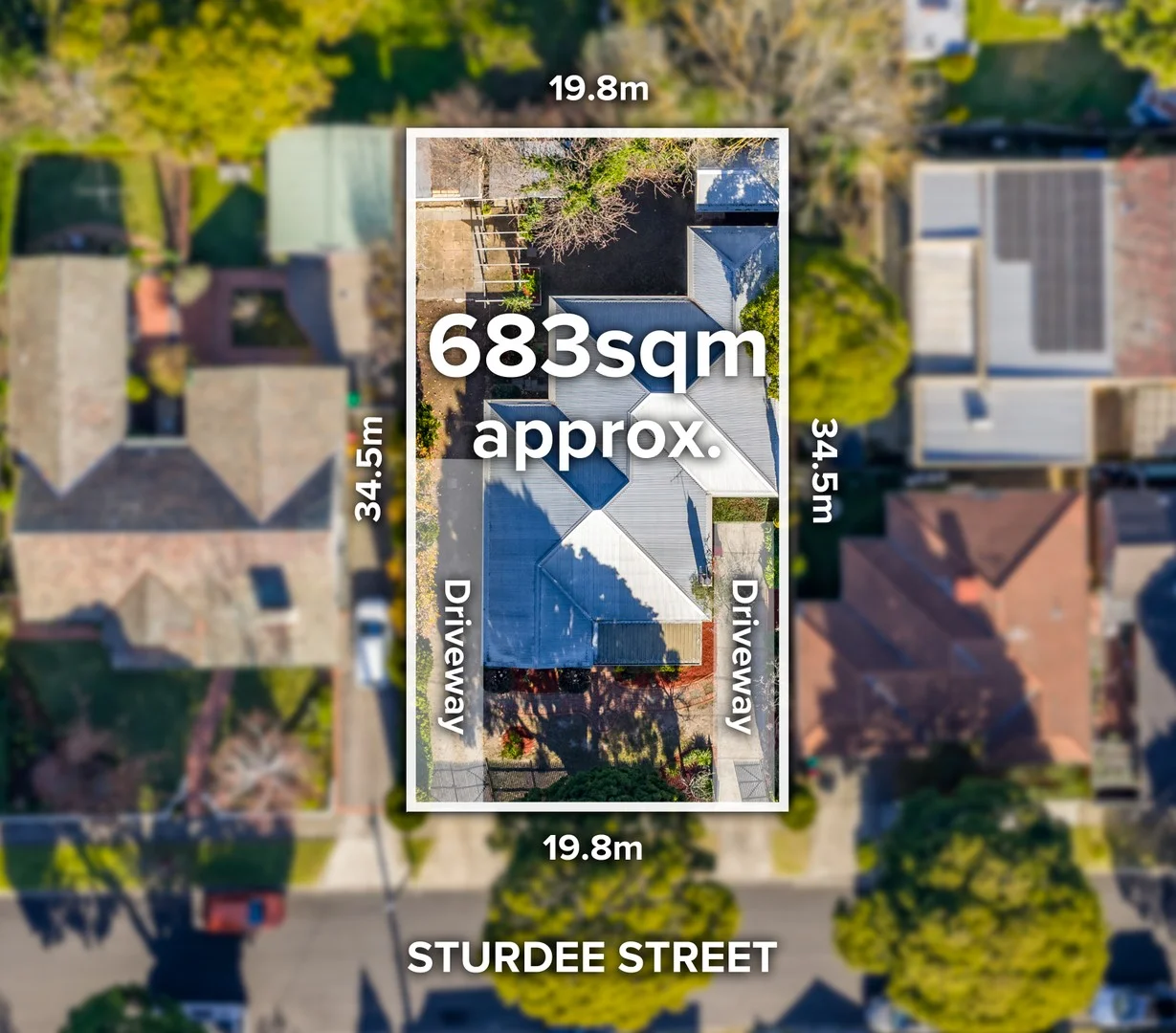 $2,000,000
House
$2,000,000
House
 $630,000 - $680,000
Apartment / Unit / Flat
$630,000 - $680,000
Apartment / Unit / Flat
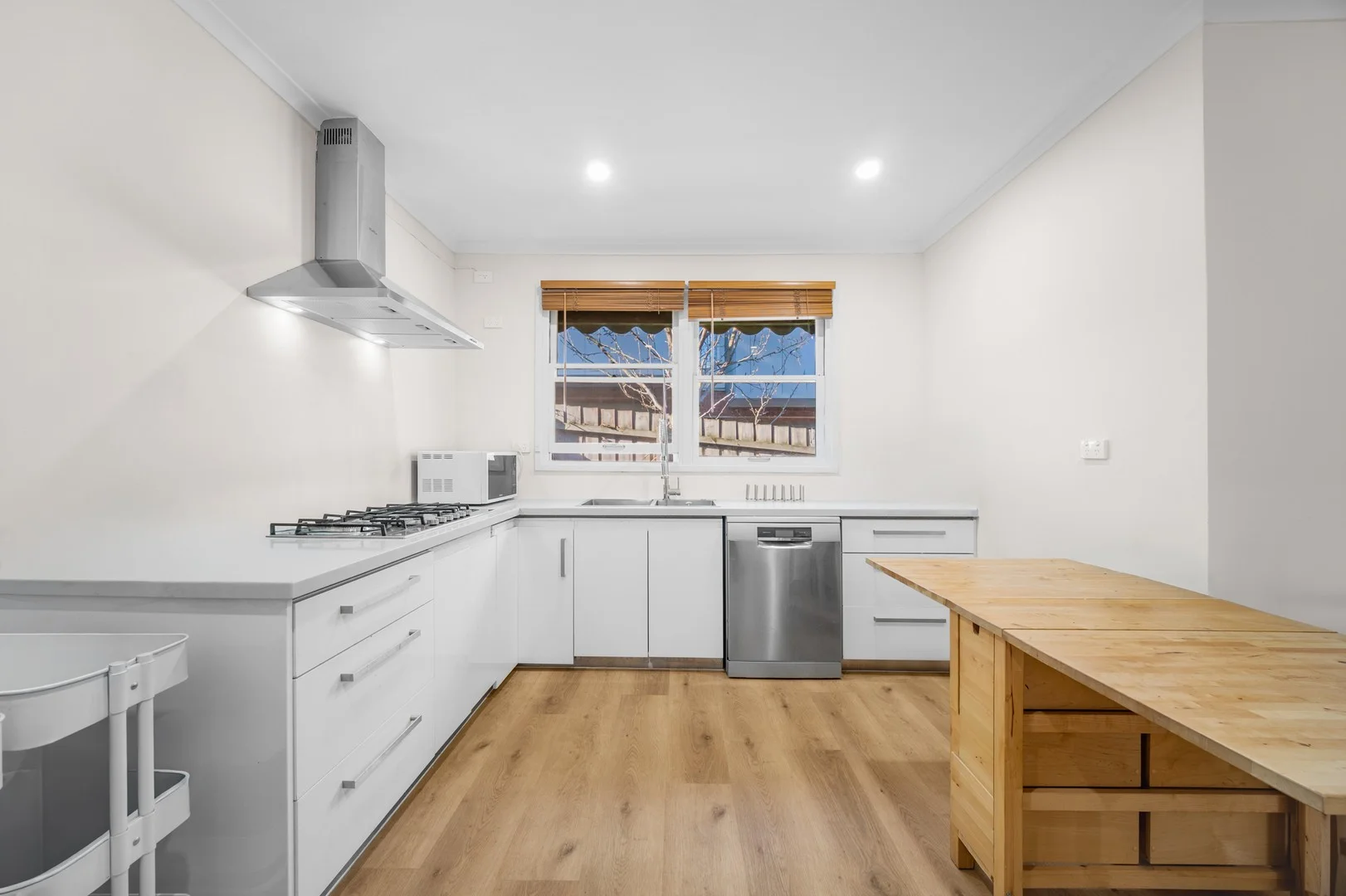 $680
Apartment / Unit / Flat
$680
Apartment / Unit / Flat
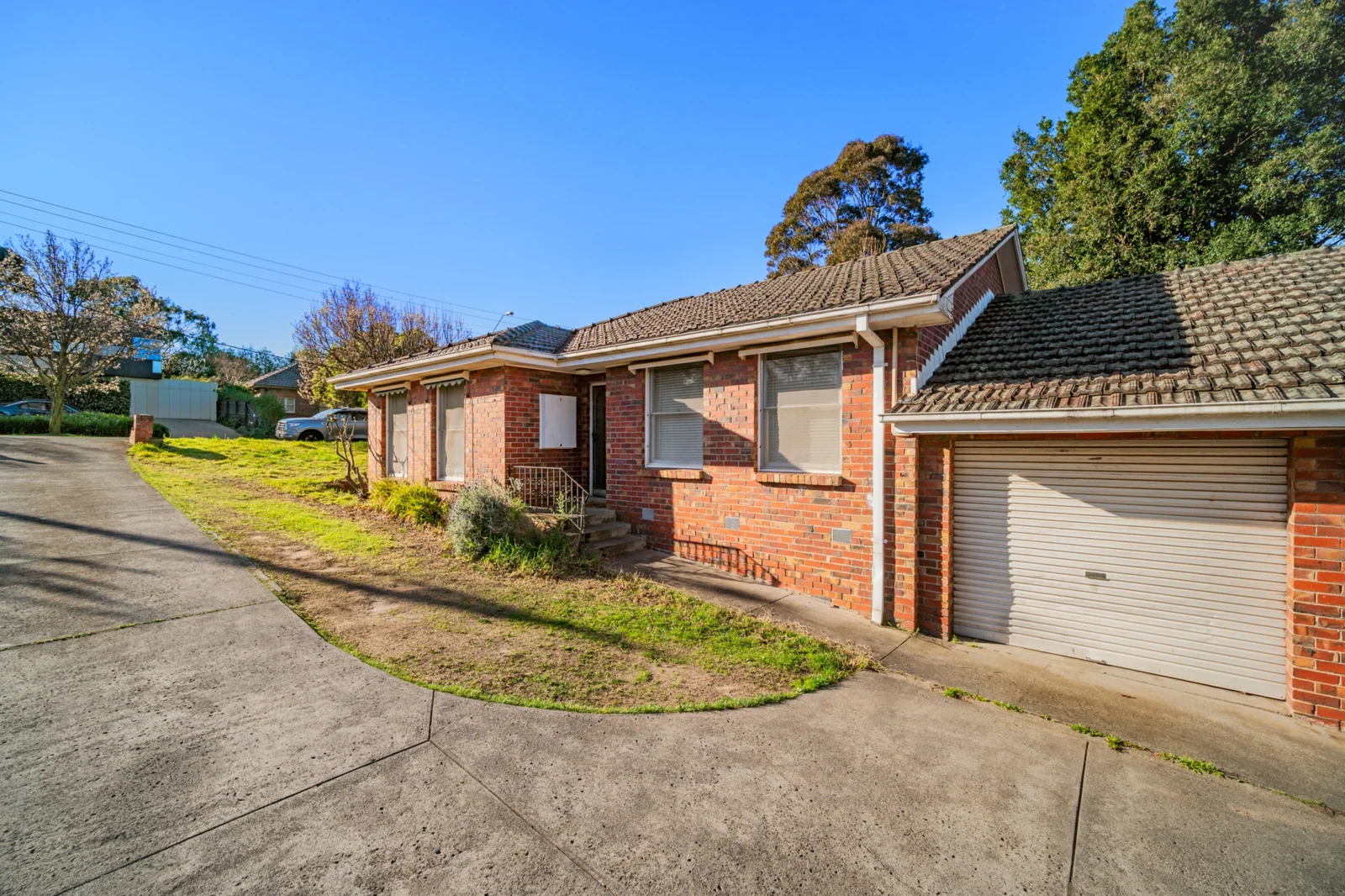 $580
Apartment / Unit / Flat
$580
Apartment / Unit / Flat
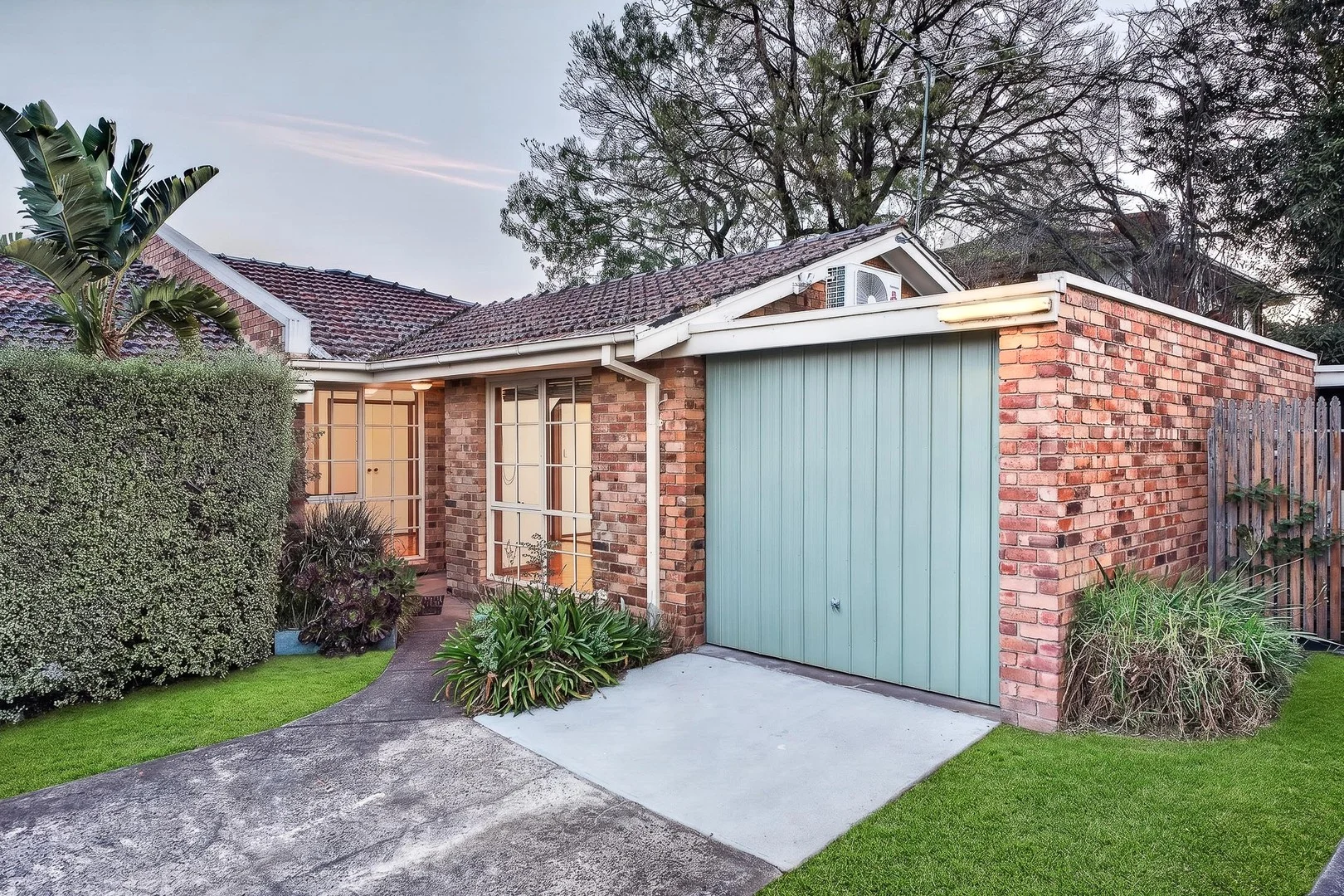 $765,000 - $825,000
Apartment / Unit / Flat
$765,000 - $825,000
Apartment / Unit / Flat
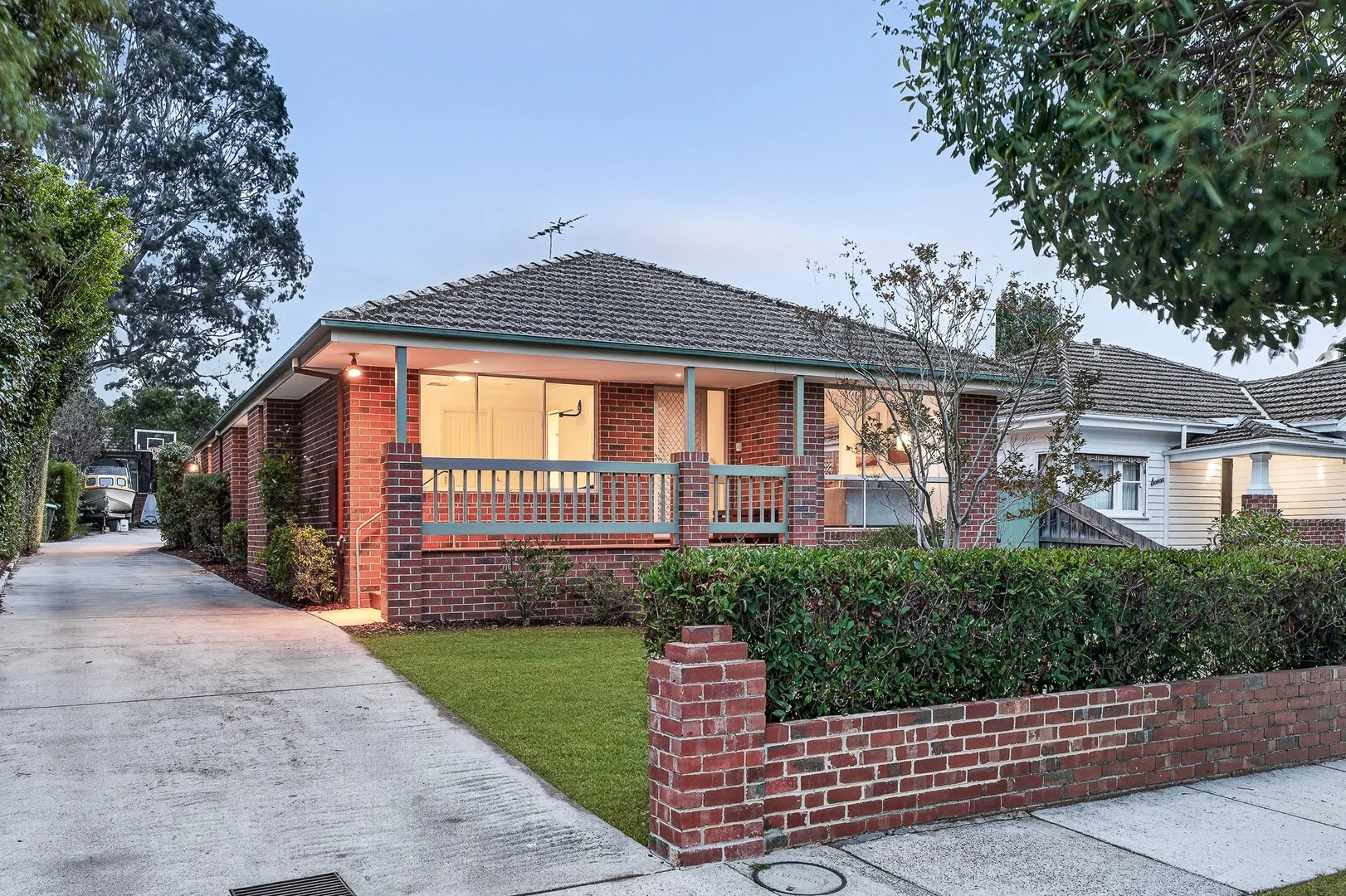 $1,200,000 - $1,300,000
House
$1,200,000 - $1,300,000
House
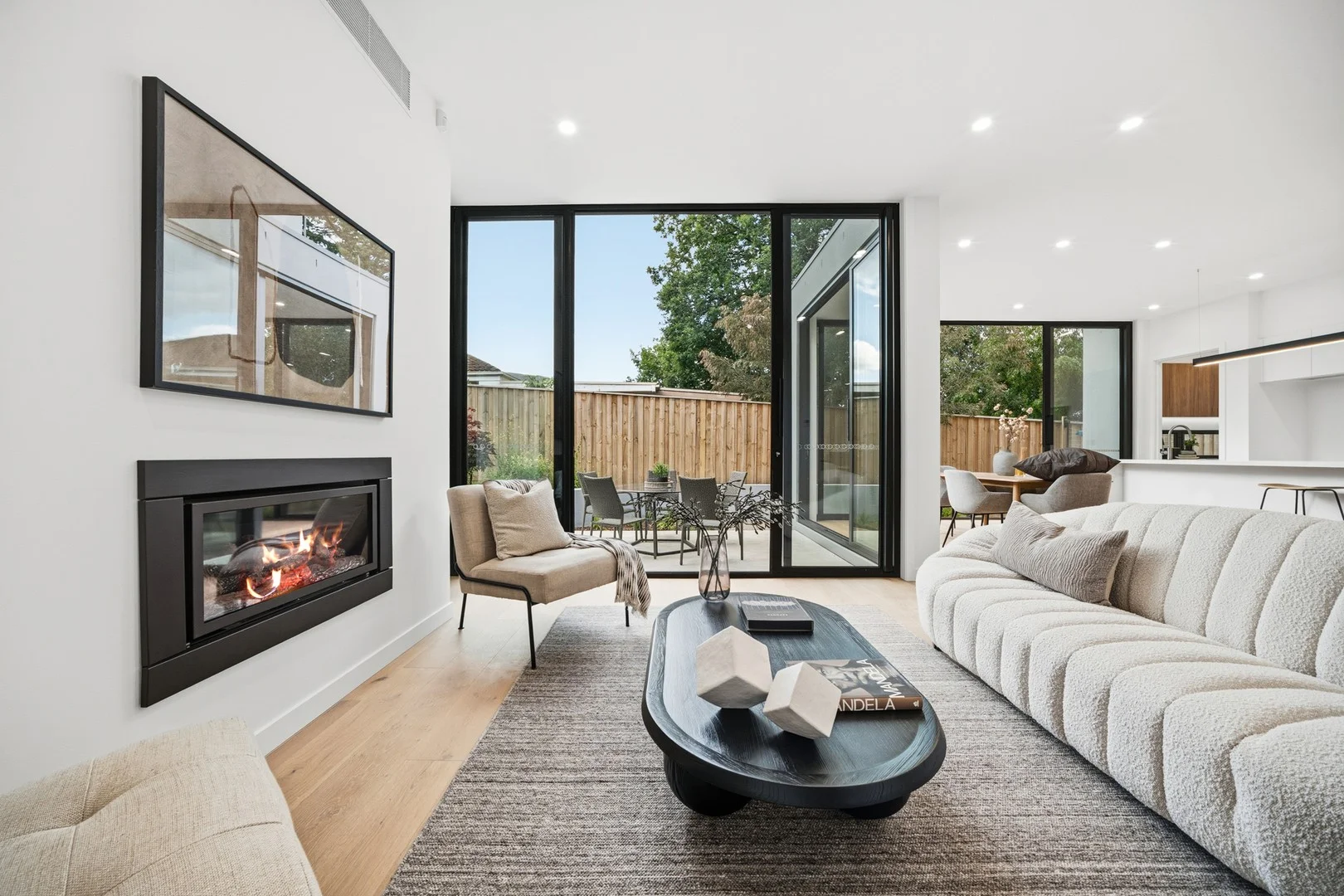 $1,750,000
Townhouse
$1,750,000
Townhouse
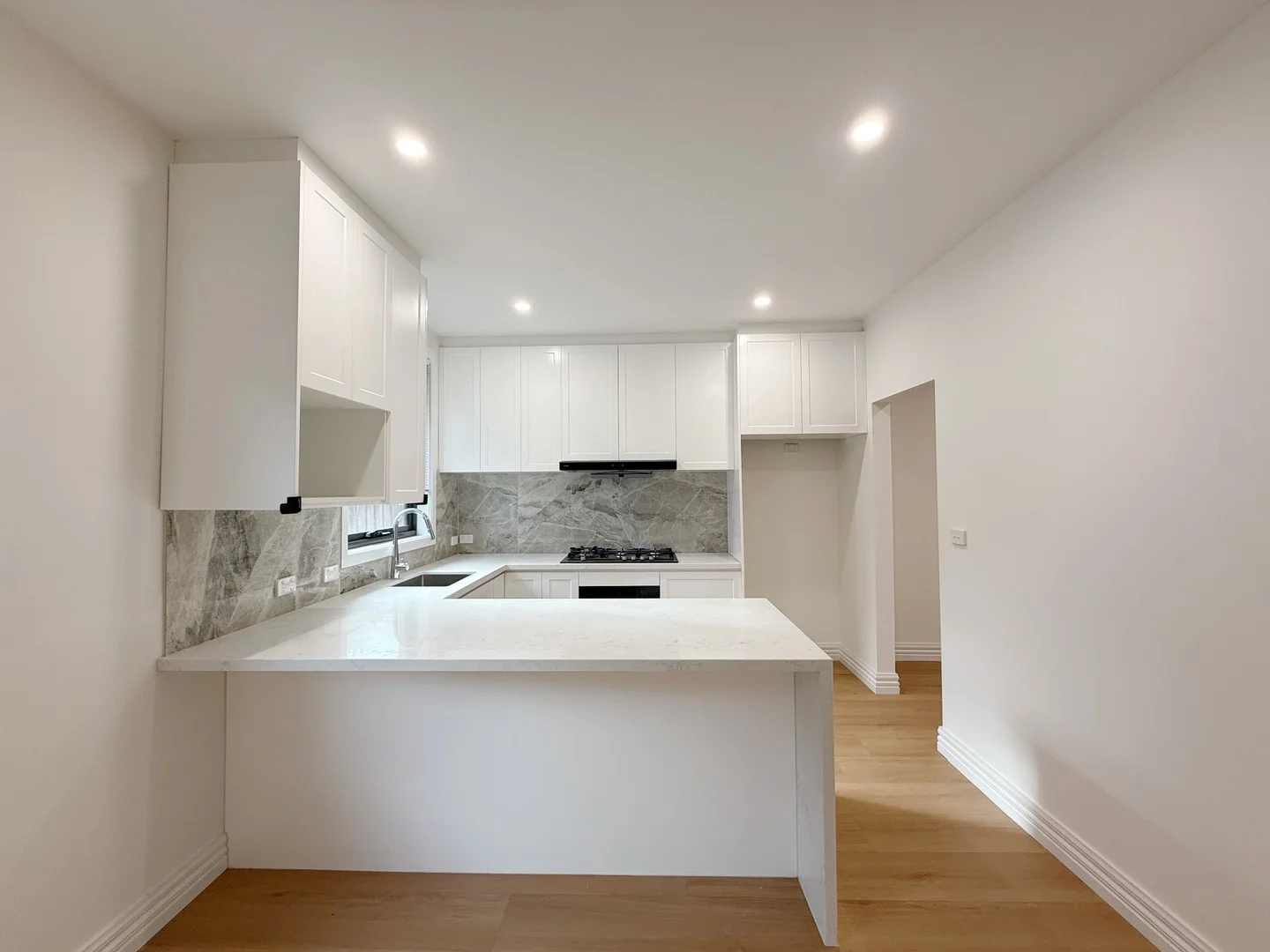 $1,280
House
$1,280
House