Overview
1. Overview
St Gerard’s Primary School is a Catholic, co-educational primary school serving families in Dandenong North, VIC. It offers a Prep–Year 6 program in a medium-sized school community that emphasises faith, values and a collaborative approach to learning. Class sizes are typically in the low-to-mid 20s, supporting teacher attention and student participation.
The atmosphere is nurturing and inclusive, with a strong sense of community and respectful relationships. The school focuses on holistic development—academic progress, faith formation, character building and active involvement in school life—so students feel supported to try new things and grow as individuals.
2. Academics & Learning
Academic strengths commonly include strong literacy and numeracy foundations, with a focus on reading, writing and mathematical problem-solving. There is attention to STEM concepts through hands-on learning, inquiry and digital literacy. Religious education and a values-based approach are integrated into daily learning.
Special programs may include enrichment opportunities and support for gifted and talented learners, alongside targeted support for students needing extra help. The school participates in NAPLAN testing to monitor trends and guide teaching adjustments over time. Student–teacher ratios typically support individual attention, with additional support available for diverse learners, including EAL (English as an Additional Language) students and those with SEN (Special Educational Needs).
3. Sports & Extracurricular Strengths
Sports offered commonly include soccer, basketball, netball, cricket and AFL-inspired activities, with participation in district and inter-school events. The school supports strong teams and provides opportunities for skill development across age groups.
Music, arts and drama programs are part of the co-curricular life, alongside a range of clubs such as robotics, coding, chess and debating. There are partnerships with local clubs and competitions to extend student learning beyond the classroom and to foster teamwork, discipline and competition in a positive setting.
4. Wellbeing & Pastoral Care
Wellbeing and pastoral care are priorities, with an anti-bullying approach embedded in school culture. A house system supports leadership, teamwork and healthy competition, while dedicated counsellors or wellbeing officers provide guidance and support for students and families. Transition programs help new students settle in smoothly, including orientation activities and ongoing pastoral care during key times of change.
5. Facilities
Facilities provide a visually engaging and functional learning environment, including:
- Sports grounds and playing fields
- A library and learning resources centre
- Science labs or dedicated science spaces
- Music and performing arts spaces or rooms
- Tech/innovation labs or computer suites
- A cafeteria or canteen
- Updated playgrounds and outdoor learning spaces
6. School Values & Community Culture
The school’s values and mission typically centre on faith, respect, responsibility, compassion and service. Leadership opportunities for students (e.g., student council, peer mentors) promote a sense of ownership and responsibility. Clear behaviour expectations support a safe learning environment, and the school community generally reflects diversity and inclusion, with a welcoming culture for families from various backgrounds.
7. School Logistics & Daily Operations
Key logistics commonly include:
- School hours around the typical primary school timetable (e.g., start mid-morning to mid-afternoon)
- Before/after school care or holiday programs may be available
- Uniform requirements aligned with school policy
- Transport options including local bus routes and access to public transport
- Canteen or meal options available on certain days
- Fees and levies that fall within a medium range for Catholic primary schools (specifics to be confirmed with the school)
8. Enrolment & Admissions
11. What is the enrolment process and timeline?
- Families typically submit an online application or enrolment form, provide required documents (e.g., birth certificate, immunisation records, baptism certificate where relevant) and participate in information sessions or tours. The school and diocese may publish a timeline for applications, interviews and offer of places. Offers are usually contingent on space and meeting enrolment criteria.
12. Is there a waiting list, and how does it work?
- Waiting lists are common when applications exceed available places. Applications are placed on a waitlist with positions allocated according to the school’s policy (e.g., priority often given to siblings and parishioners, availability of spaces, and other criteria set by the school).
13. Are there any entry requirements, tests, or interviews?
- Most Catholic primary schools do not require entrance exams. An information session, family interview or meeting with leadership may form part of the process. Readiness for Prep or assessment of individual learning needs may be considered as part of enrolment.
14. Does the school accept mid-year transfers?
- Mid-year transfers are possible if there is space and the transfer aligns with the school’s enrolment policies and transitional arrangements. Space and placement considerations will determine feasibility.
9. Frequently Asked Questions
- Why Parents Choose This School?
- A welcoming Catholic learning community with a focus on faith, character and academic growth; supportive teachers and inclusive practices; opportunities across academics, sport, arts and service.
- What type of student thrives at this school?
- Students who value a values-based education, participate in a range of learning activities, and benefit from a nurturing environment with attentive teachers and supportive peers.
- What opportunities are available for students to extend their skills (academics, sports, arts)?
- Enrichment opportunities, sports teams, music and drama programs, clubs (robotics, coding, chess, debating) and leadership roles for students.
- How does the school communicate with parents?
- Regular updates through newsletters, parent portals or apps, scheduled parent-teacher conferences, and open channels for feedback and conversations.
- What is the school’s approach to teaching and learning?
- A balanced approach combining strong literacy and numeracy instruction, inquiry-based learning, values education and inclusive practices to meet diverse learner needs.
- How does the school support students who need extra academic help?
- Targeted learning support, intervention programs, EAL assistance and SEN support as part of an inclusive education framework.
- What support is available for academic challenges?
- Individual or small-group support plans, ongoing assessment and collaboration with families to strategies for improvement and achievement.
- How does the school communicate with parents? (Note: same question as above)
- See above; expects ongoing, clear communication through multiple channels.
- What are the class sizes and how much individual attention do students receive?
- Class sizes typically in the low-to-mid 20s, with teacher attention focused on group and individual needs where possible.
- What extracurricular and sports opportunities are available?
- A range of sports, music and drama, and clubs such as robotics, coding, chess and debating. Inter-school events and local partnerships enrich opportunities.
- What facilities does the school offer (sports, science, arts)?
- Sports grounds, library, science labs, music/arts spaces, tech/innovation labs, canteen and modern playgrounds.
- What is the school’s approach to technology and digital learning?
- Integration of digital literacy and technology in learning, access to devices or computer labs and responsible digital citizenship teaching.
- What transport and accessibility options are available?
- Access to local bus routes and public transport; information on drop-off/pick-up arrangements and accessibility considerations.
- What are the typical school fees or additional costs?
- There are fees and levies typical of Catholic primary schools; exact amounts vary by year level and programs with specific details provided by the school.
10. Short Pros & Cons list
Pros
- Catholic, values-based education with a nurturing, inclusive culture
- Strong emphasis on literacy, numeracy and foundational learning
- Broad range of co-curriculars (sport, arts, clubs) and leadership opportunities
- Support for diverse learners (EAL, SEN) and well-being services
- Updated facilities and resources to support learning and activities
Cons
- As a medium-sized Catholic school, space for new enrolments may be limited at certain times
- Fees and levies apply; costs can vary by programs and activities
- Mid-year transfers depend on space and alignment with existing class structures
If you’d like, I can tailor this content further with any exact data you provide (enrolment numbers, specific programs, current facility names, or recent achievements) or adjust tone to match your site style.











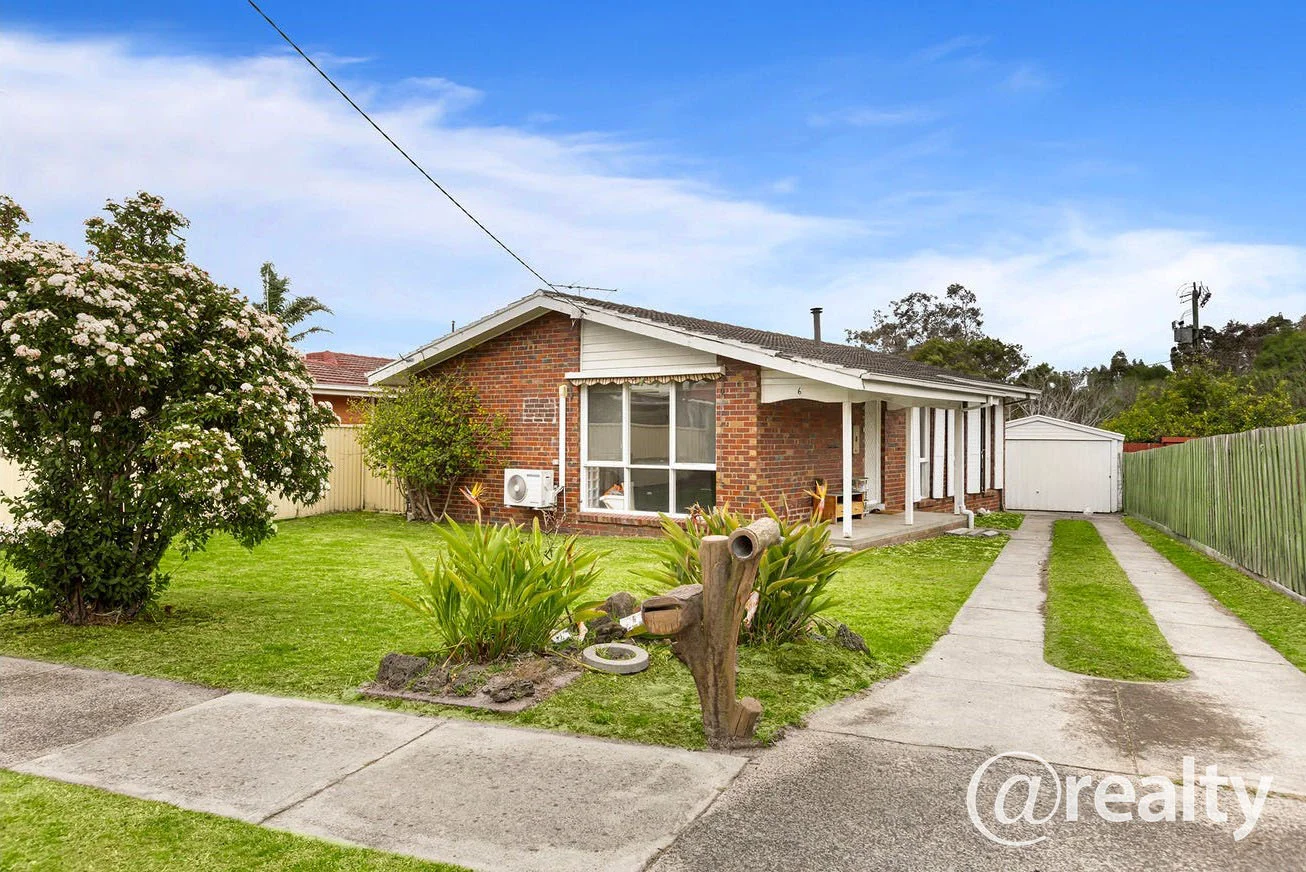 $610
House
$610
House
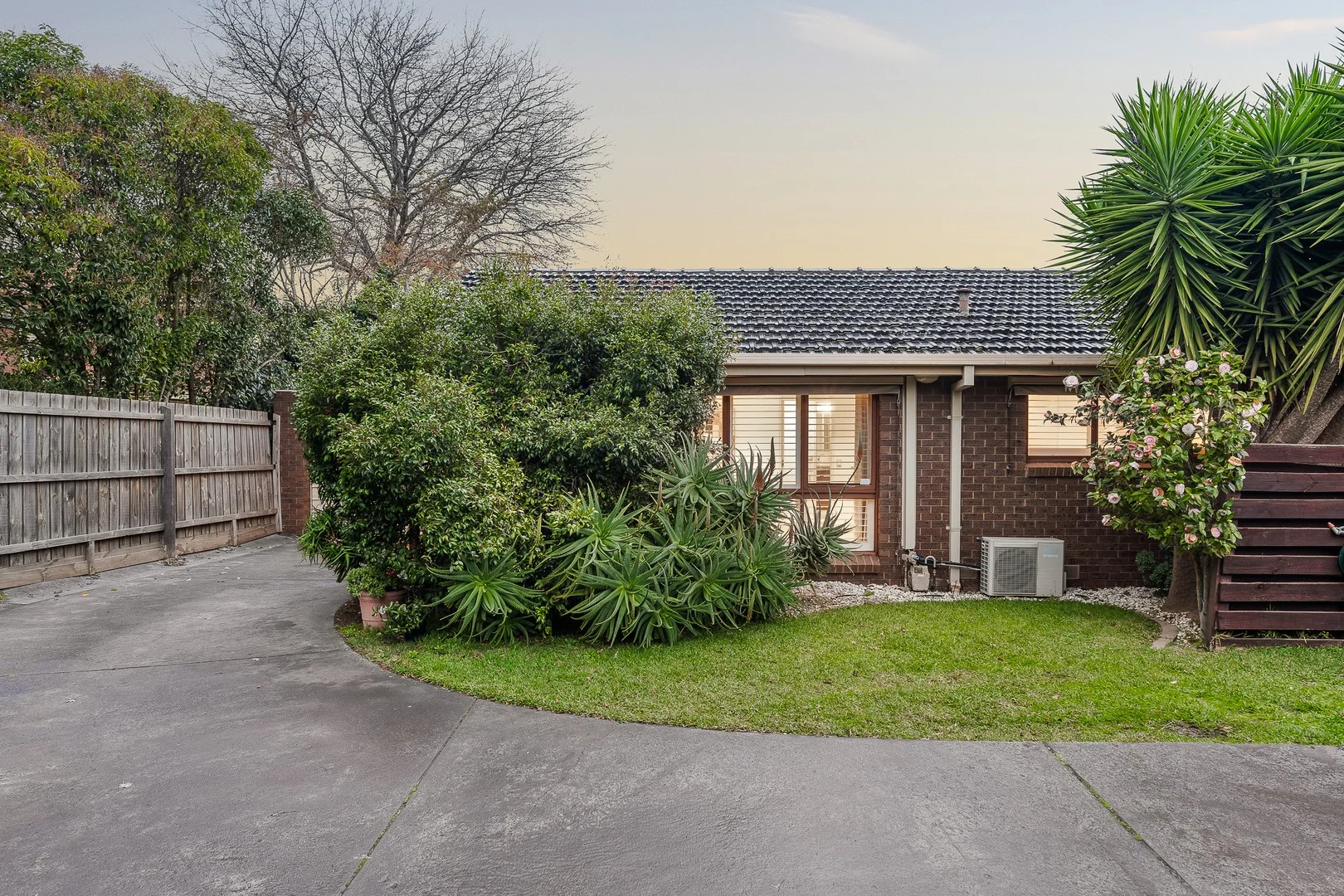 $770,000 - $820,000
Apartment / Unit / Flat
$770,000 - $820,000
Apartment / Unit / Flat
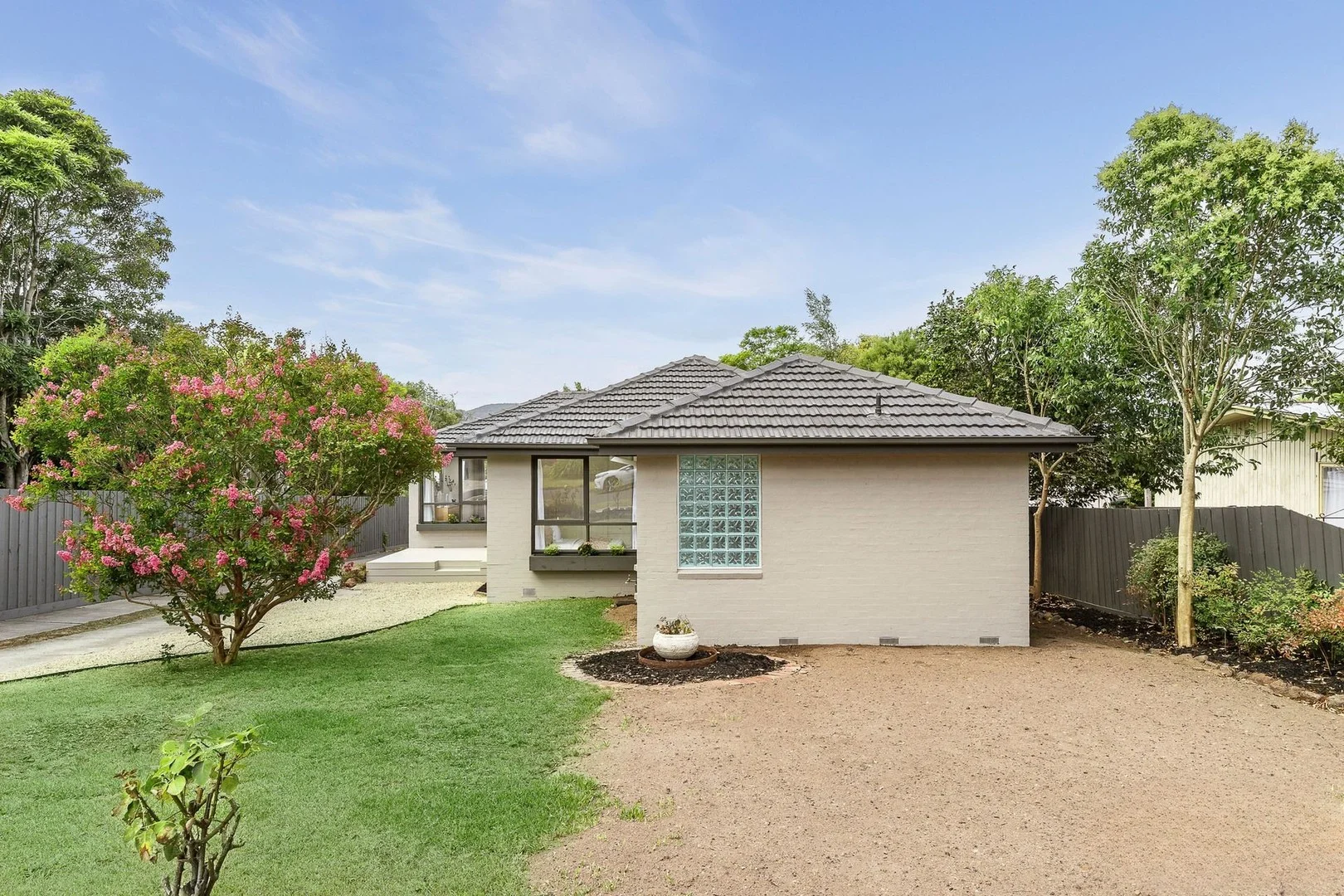 $700
Apartment / Unit / Flat
$700
Apartment / Unit / Flat
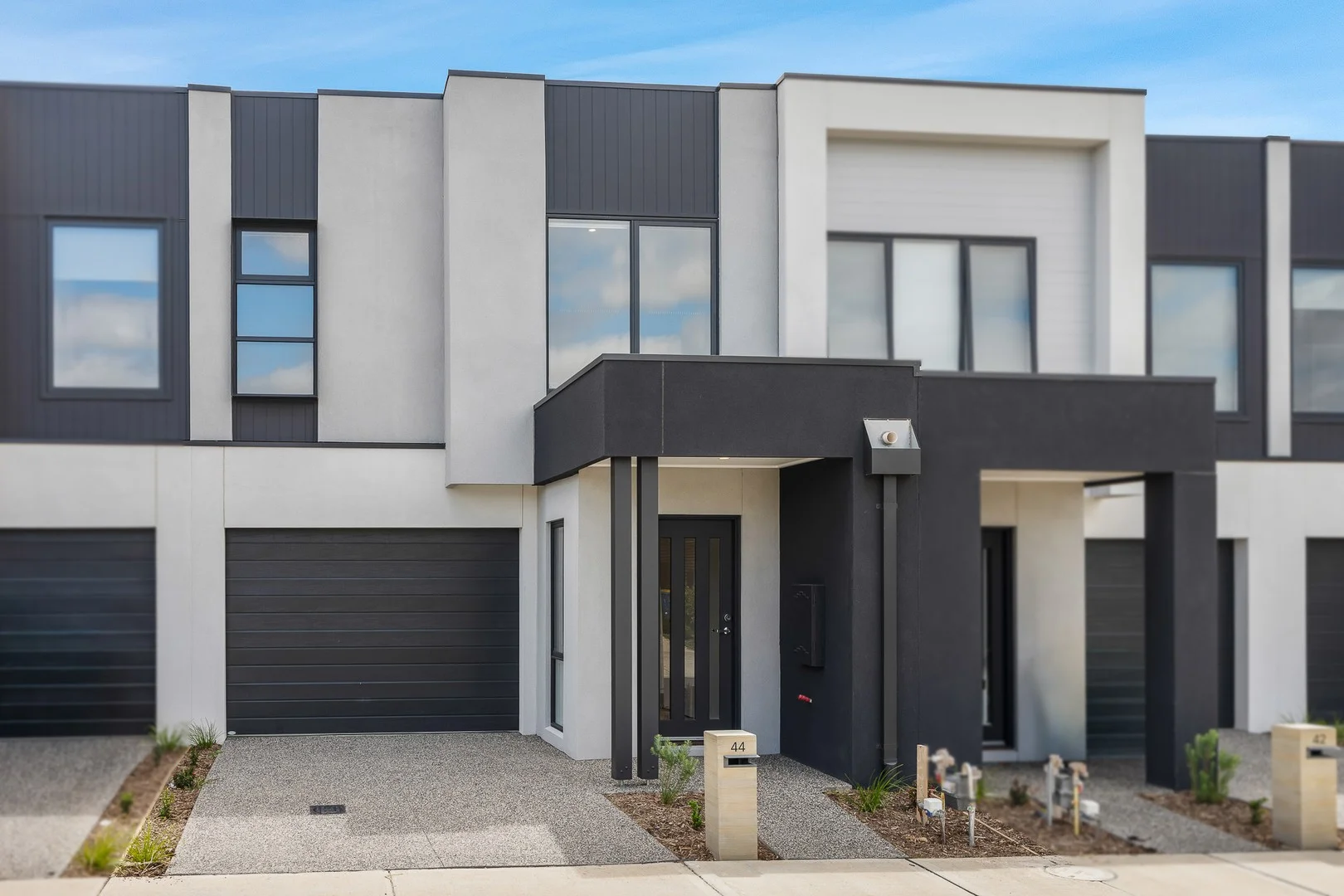 $595,000 - $645,000
House
$595,000 - $645,000
House
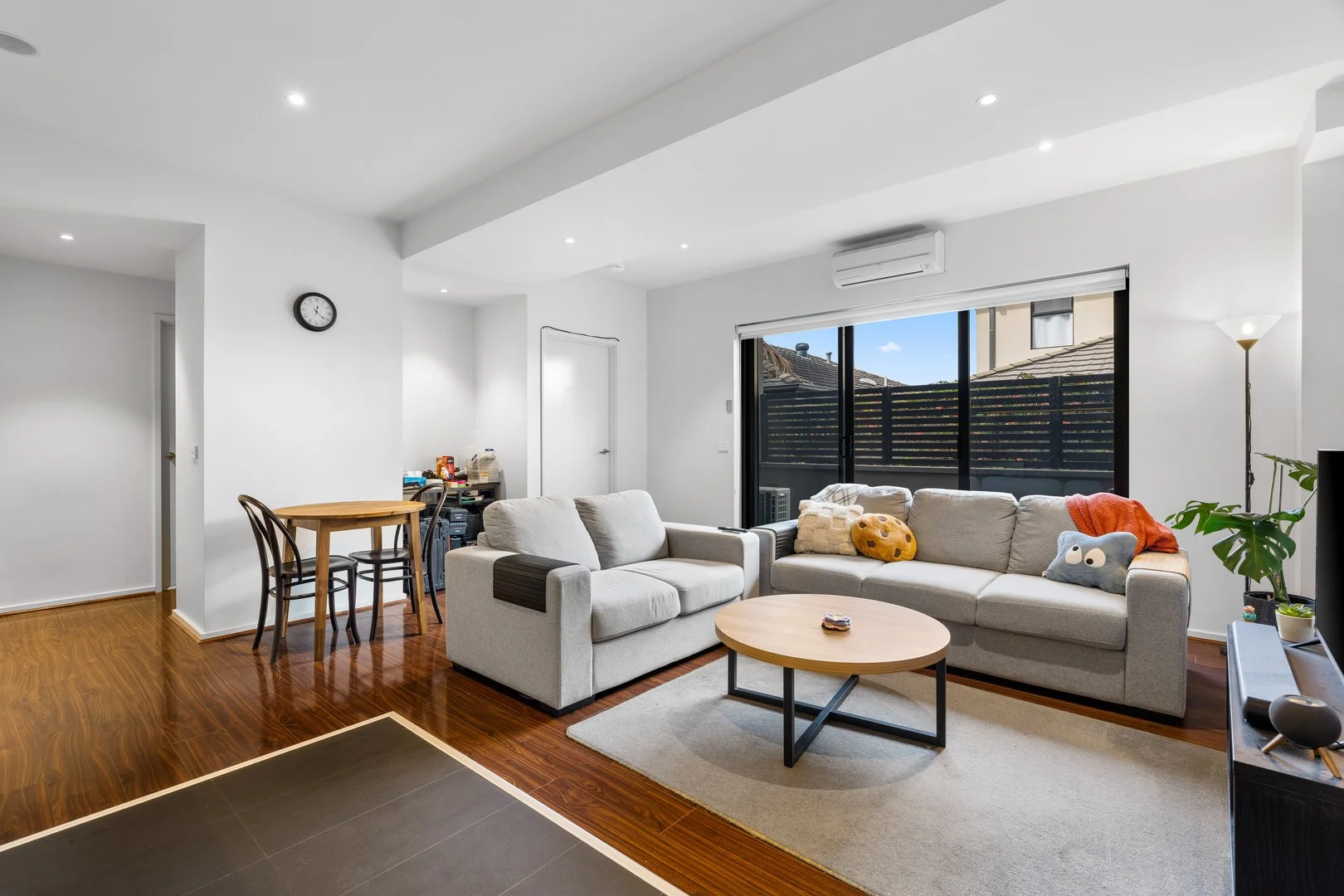 $385,000 - $410,000
Apartment / Unit / Flat
$385,000 - $410,000
Apartment / Unit / Flat
 $1,280
House
$1,280
House