## 1. Overview
St Ignatius' College is a Catholic, Jesuit-inspired independent secondary school for boys in Adelaide’s eastern suburbs (Athelstone). The college fosters a close-knit, values-driven community with a strong emphasis on academic achievement, service, and leadership. It tends to attract families seeking a traditional, discipline-focused environment that supports personal growth within a modern learning framework.
Size-wise, the college sits in the medium range for Australian secondary schools, offering a broad set of subjects and activities while maintaining a sense of belonging and individual attention. The atmosphere is typically described as respectful, purposeful, and inclusive, with a clear focus on character development, community involvement, and high standards across academics, sport, and the arts.
## 2. Academics & Learning
- Academic strengths: The college emphasises robust literacy and numeracy foundations, strong STEM pathways, leadership development, and languages. English and mathematics are core strengths, with ongoing opportunities in science, technology, engineering, and the humanities.
- Special programs: Expect leadership programs, service initiatives, and opportunities for gifted and talented learners. While the school may offer accelerated learning options in certain subjects, it generally focuses on building a broad, rigorous curriculum within the Jesuit tradition.
- NAPLAN / trends: NAPLAN trends typically show steady progress in Reading and Numeracy with a sustained emphasis on improving literacy and numeracy outcomes across year levels.
- Student-teacher ratios: Class sizes and teacher contact are managed to balance individual attention with collaborative learning. A typical range might be mid-20s for single classes, with overall ratios around the high teens to low 20s in core subjects.
- Support for diverse learners: Strong support for diverse learners includes services for students needing additional help, EAL (if applicable), and SEN (special educational needs) support, with access to learning support staff and tailored interventions.
## 3. Sports & Extracurricular Strengths
- Sports offered: Common offerings include football (AFL), cricket, soccer, basketball, rugby, tennis, swimming, athletics, and cross-country, with pathways for trial and competition across age groups.
- Strong teams or achievements: The college maintains competitive teams across major sports with dedicated coaching and regular interschool competition; successful programs often feature in regional or league results.
- Music, arts, drama programs: Active music and performing arts programs, including bands, choirs, orchestras, theatre productions, and ensemble work, provide broad opportunities for performance.
- Clubs: Robotics, chess, coding, debating, and other STEM or humanities-focused clubs are typically available, supporting a wide range of interests.
- Partnerships: The college participates in local interschool competitions and may have partnerships with local sporting academies, arts organizations, or industry networks to offer additional development opportunities.
## 4. Wellbeing & Pastoral Care
- Anti-bullying approach: A clear anti-bullying policy with established procedures and restorative approaches aims to maintain a respectful school climate.
- House system: A house-based pastoral care structure supports belonging, competition, and mentorship, with house activities linked to leadership and service opportunities.
- Counsellors / wellbeing officers: Access to school counsellors or wellbeing staff helps students manage academic, emotional, and social challenges.
- Transition support for new students: Orientation programs, buddy systems, and ongoing mentoring support help new students settle in and build connections.
## 5. Facilities
- Sports grounds: On-campus sports facilities and nearby grounds support a range of physical education and team sports.
- Libraries: A well-equipped library supports study, research, and reading for pleasure.
- Science labs: Modern science laboratories enable practical experiments across disciplines.
- Music/performing arts centers: Dedicated spaces for music rehearsal, performance, and drama productions.
- Tech/innovation labs: Computer labs and technology spaces support digital literacy, coding, and project-based learning.
- Cafeteria: On-site dining facilities provide meals and snacks.
- Updated playgrounds: Age-appropriate spaces for recreation and social interaction.
## 6. School Values & Community Culture
- School values / mission: The college operates within a Jesuit, faith-based framework that emphasises service, courage, integrity, and leadership, alongside academic excellence.
- Leadership style: A collaborative, servant-leadership approach encourages student agency through prefect roles, student councils, and leadership development programs.
- Behaviour expectations: Clear behavioural standards rooted in respect, responsibility, and resilience guide student conduct.
- Community reputation: The college is widely regarded for its tradition of values-based education, community involvement, and commitment to preparing students for life beyond school.
- Diversity & inclusion: An inclusive culture welcomes students from diverse backgrounds and emphasizes belonging, equity, and opportunity for all.
## 7. School Logistics & Daily Operations
- School hours: Typical day starts in the morning and finishes in the mid-afternoon, with a structured timetable that includes breaks for rest and study.
- Before/after school care: There are arrangements or facilities to support before and after school care or supervision where needed.
- Uniform requirements: A formal uniform is standard, with items such as a blazer, shirt, shorts/trousers, tie, and appropriate footwear; physical education uniforms for PE days are common.
- Transport (train/bus routes): Access to public transport routes (bus or train) is possible, with planning guidance provided for families commuting from surrounding suburbs.
- Canteen availability: A canteen or food service is available to provide meals and beverages during the school day.
- Fees (low/medium/high ranges): Fees fall within a mid-to-upper range for Australian Catholic secondary education, with typical additional costs for camps, activities, and excursions.
## 8. Enrolment & Admissions
11. What is the enrolment process and timeline?
- Applications are usually submitted online, with an annual intake cycle. Families should check the school’s published timeline for application deadlines, open days, interview dates, and notification timelines.
12. Is there a waiting list, and how does it work?
- There is often a waitlist or priority sequence based on factors such as siblings in the school, enrolment year, and community priorities. The school can advise on current availability and expected wait times.
13. Are there any entry requirements, tests, or interviews?
- Entry commonly involves application forms, documentation (birth certificate, baptism/catholic background details), and an interview or information session. Some years or programs may include assessments or task-based activities to understand fit and readiness.
14. Does the school accept mid-year transfers?
- Mid-year transfers may be possible subject to space and alignment with the curriculum schedule; families are advised to contact the admissions team early to discuss options and required documentation.
## 9. Frequently Asked Questions
- Why Parents Choose This School?
- A values-led education grounded in Jesuit principles, strong academics, extensive co-curricular programs, and a supportive, community-focused environment.
- What type of student thrives at this school?
- Students who are motivated, cooperative, curious, and committed to both studies and service tend to thrive, especially those who respond well to a structured, values-based atmosphere.
- What opportunities are available for students to extend their skills (academics, sports, arts)?
- Advanced coursework or acceleration options in certain subjects, leadership programs, competitive sports, performing arts, robotics, debating, and other clubs.
- How does the school communicate with parents?
- Regular communications via newsletters, the school app/learning management system, email, notices, and parent-teacher conferences or information sessions.
- What is the school’s approach to teaching and learning?
- A rigorous, student-centered approach that combines traditional academic standards with modern pedagogy, critical thinking, collaboration, and service learning.
- How does the school support students who need extra academic help?
- Targeted tutoring, in-class differentiation, learning support staff, and access to SEN or EAL services where applicable.
- What support is available for academic challenges?
- Early identification, personalised learning plans, and additional tutoring or adjustments to instruction to help students catch up or extend their learning.
- How does the school communicate with parents? (duplicate)
- See above in the section on parent communication.
- What are the class sizes and how much individual attention do students receive?
- Classes are designed to balance collaboration with individual attention; typical classes are in the mid-20s, with teachers able to provide guidance and feedback designed to support each student.
- What extracurricular and sports opportunities are available?
- A broad menu including major sports, music and drama, robotics, coding, debating, chess, and other clubs; opportunities to compete and perform across various platforms.
- What facilities does the school offer (sports, science, arts)?
- Comprehensive facilities including sports grounds, libraries, science labs, performing arts spaces, technology/innovation labs, a canteen, and well-equipped classrooms.
- What is the school’s approach to technology and digital learning?
- Integration of digital tools to support learning, with classroom devices, software platforms for collaboration, and a focus on digital literacy and responsible use.
- What transport and accessibility options are available?
- Access to public transport and arrangements to assist families with commuting needs; information on bus/train routes and drop-off points is available from the admissions team.
- What are the typical school fees or additional costs?
- A mid-to-high range for Catholic secondary education in Australia, with additional costs for trips, camps, uniforms, and some co-curricular activities.
## 10. Short Pros & Cons list
- Pros
- Values-based education within a Catholic/Jesuit framework
- Medium-sized, close-knit community with strong pastoral care
- Broad range of academic, sport, and arts programs
- Active student leadership and service opportunities
- Solid facilities and a supportive learning environment
- Cons
- As a single-sex school, may not suit families seeking co-education
- Fees reflect the independent Catholic school sector
- Competitive culture may feel intense to some students
- Location may require travel for families outside the eastern suburbs
- Availability of certain programs can vary by year and cohort









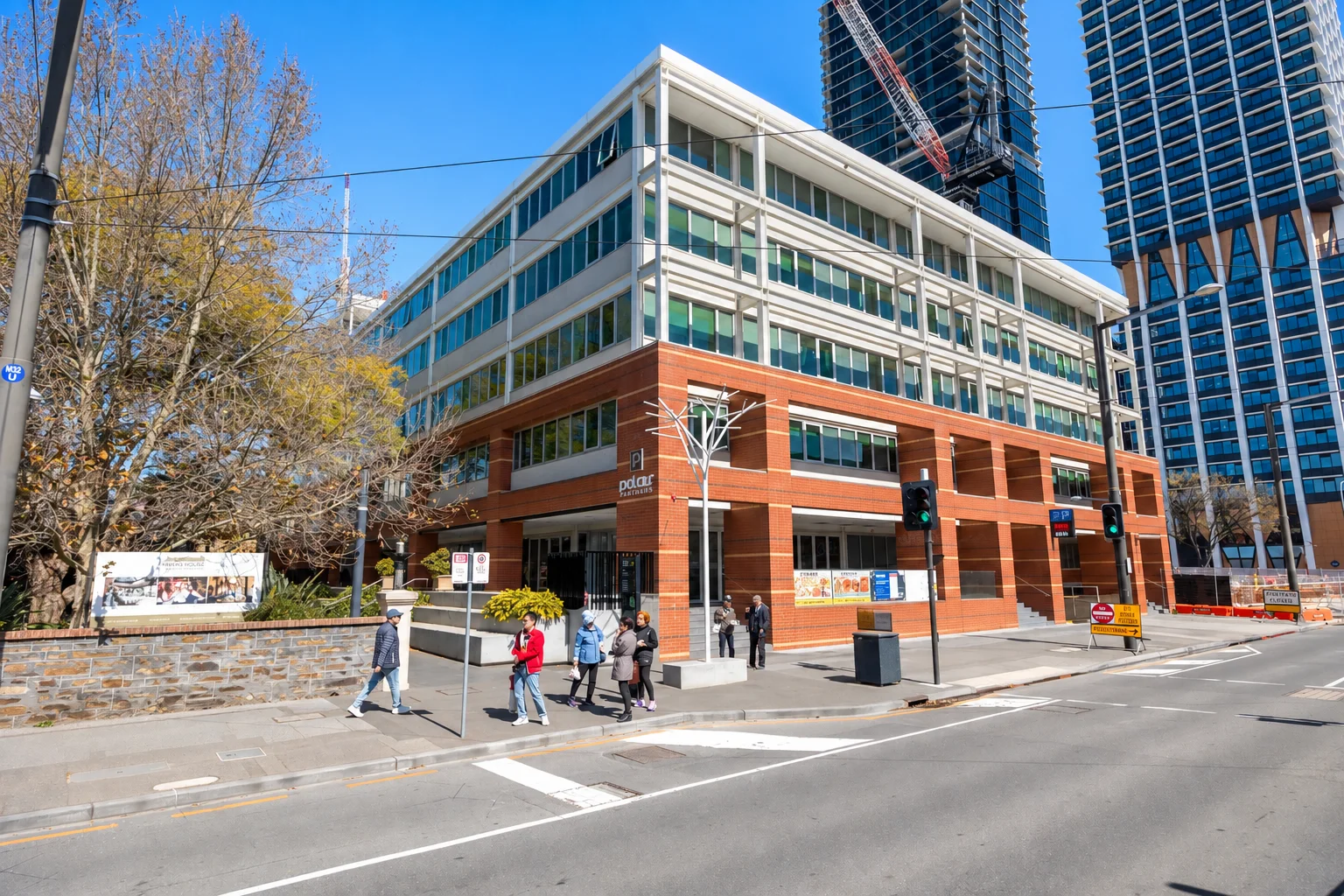 $545,000
Apartment / Unit / Flat
$545,000
Apartment / Unit / Flat
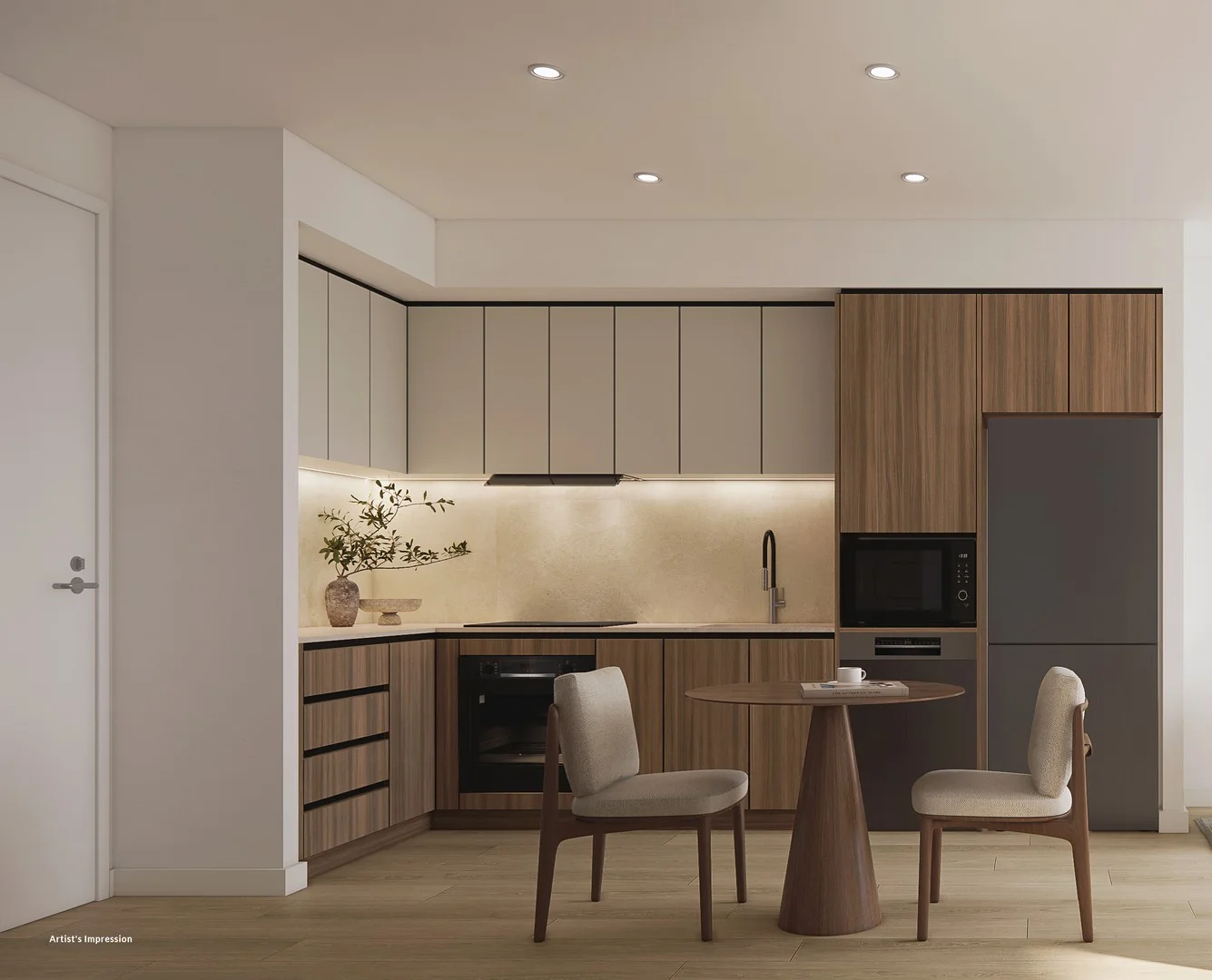 $557,000
Apartment / Unit / Flat
$557,000
Apartment / Unit / Flat
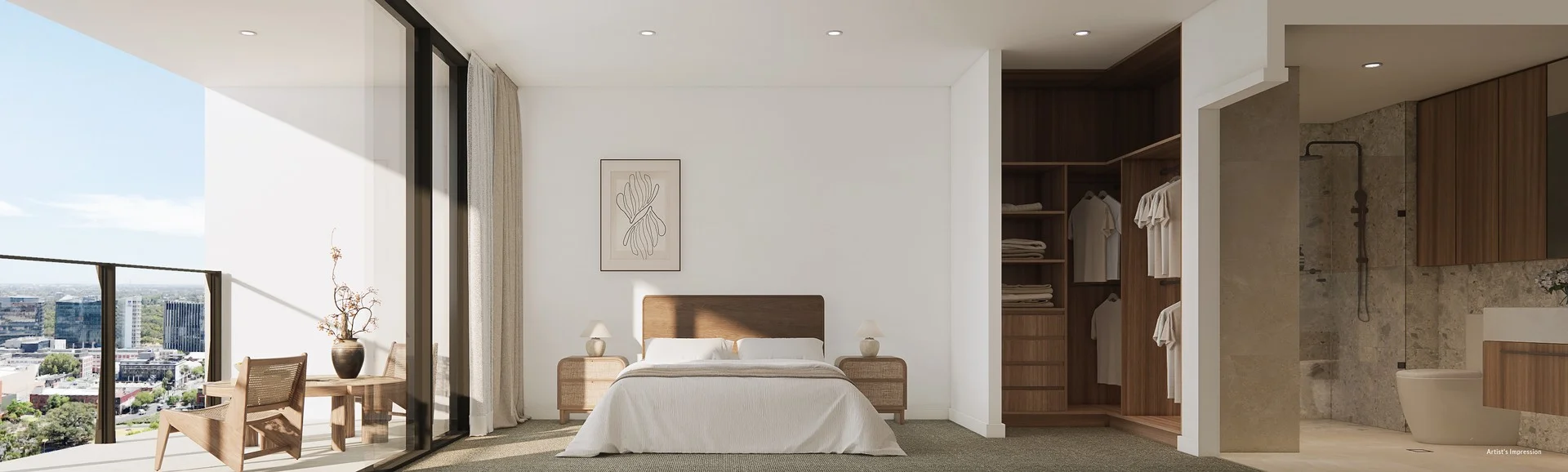 $1,056,000
Apartment / Unit / Flat
$1,056,000
Apartment / Unit / Flat
 $588,000
Apartment / Unit / Flat
$588,000
Apartment / Unit / Flat
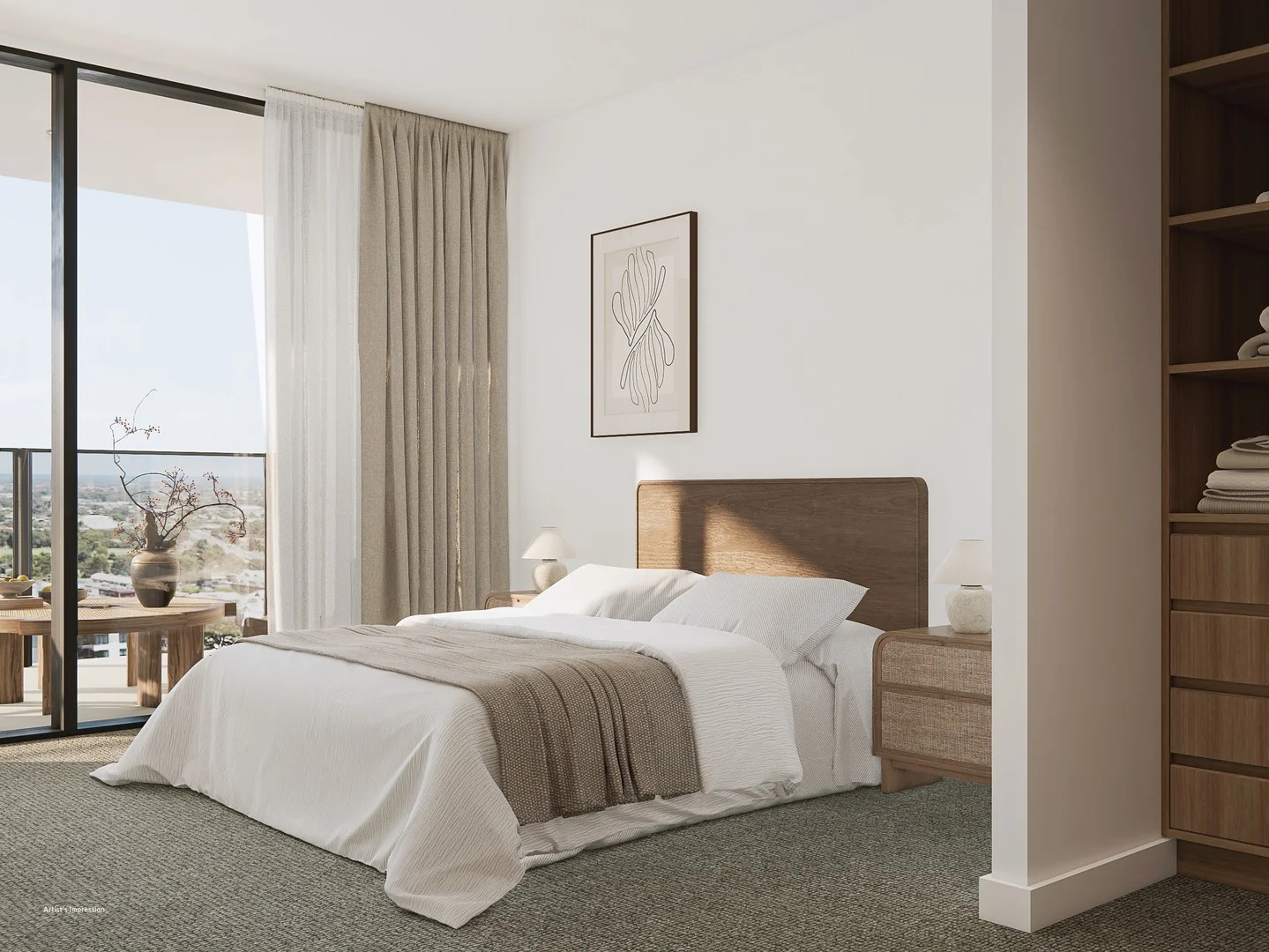 $935,000
Apartment / Unit / Flat
$935,000
Apartment / Unit / Flat
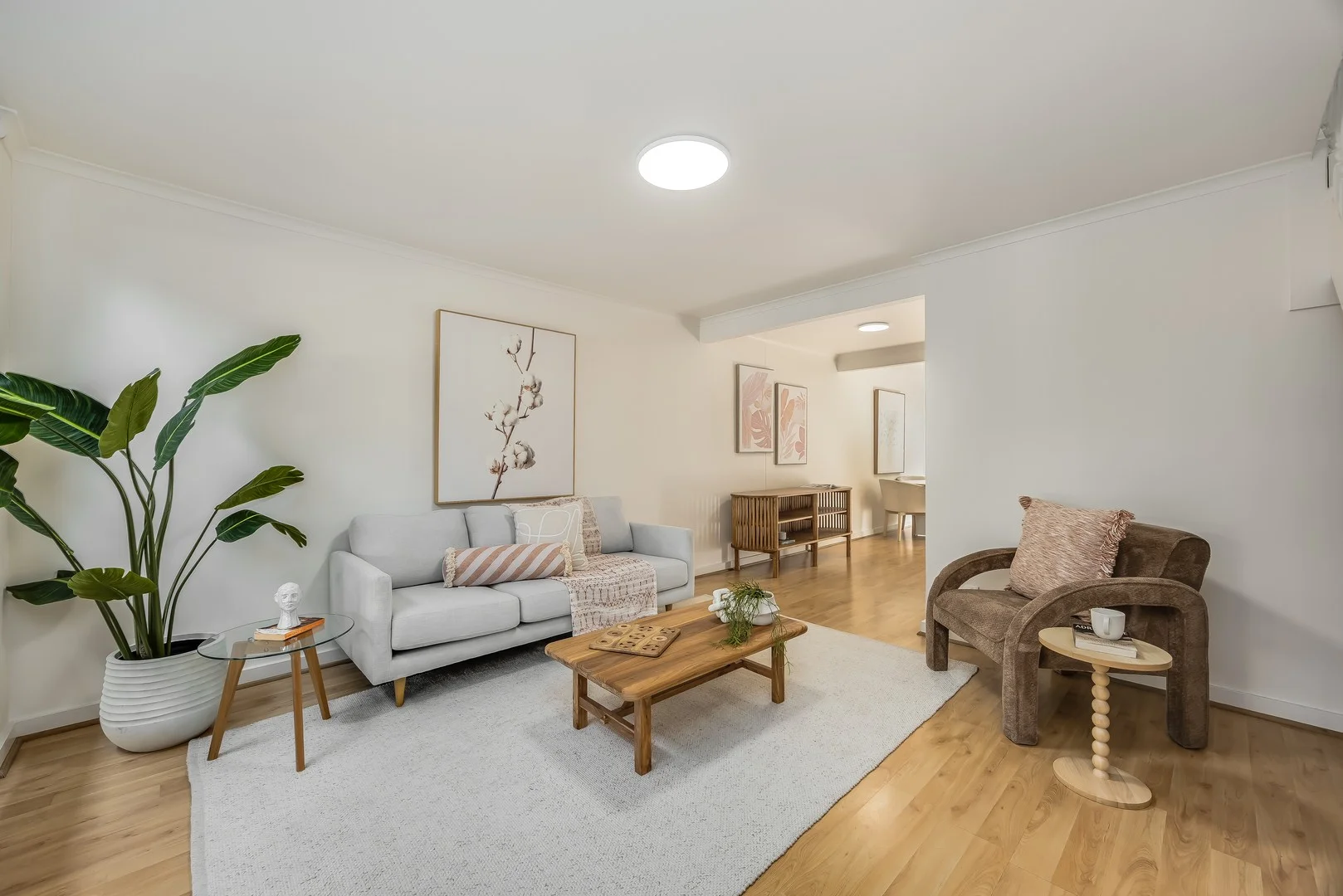 $775,000
House
$775,000
House
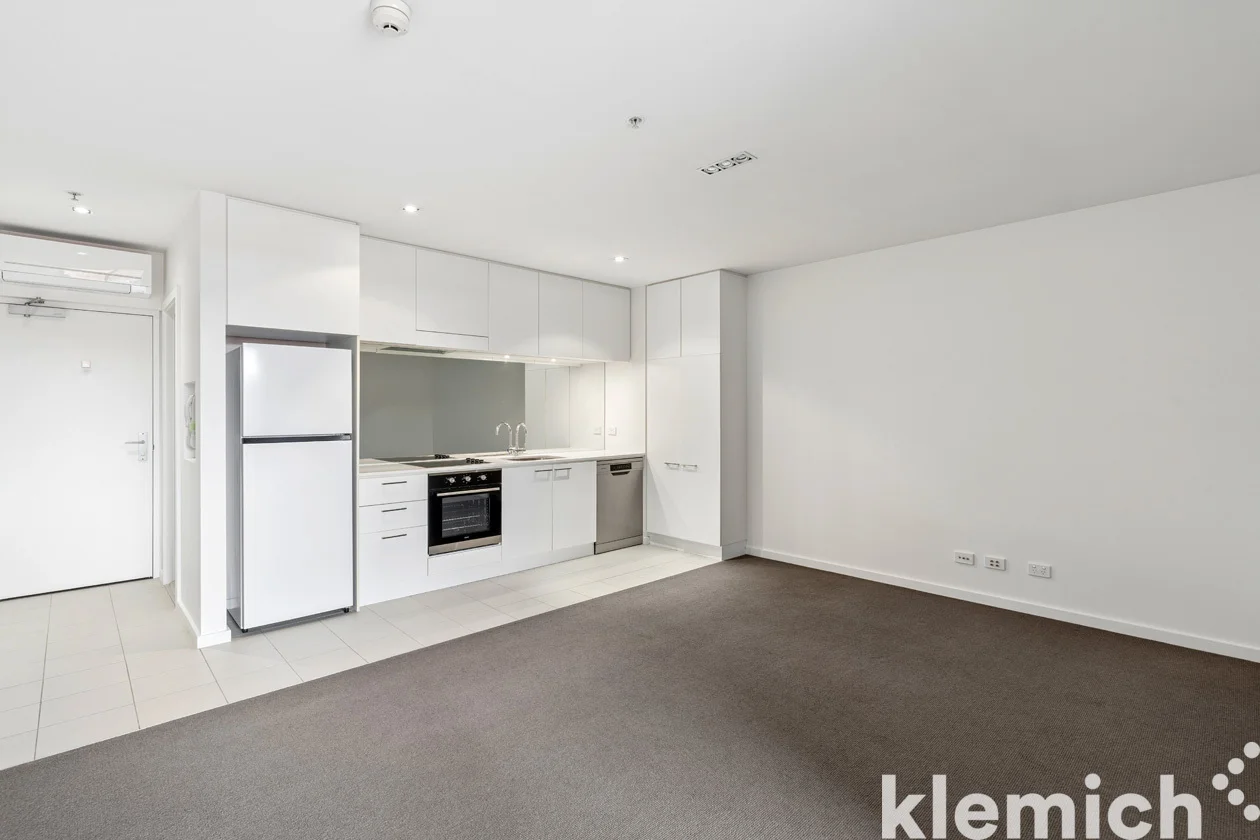 $440,000
Apartment / Unit / Flat
$440,000
Apartment / Unit / Flat
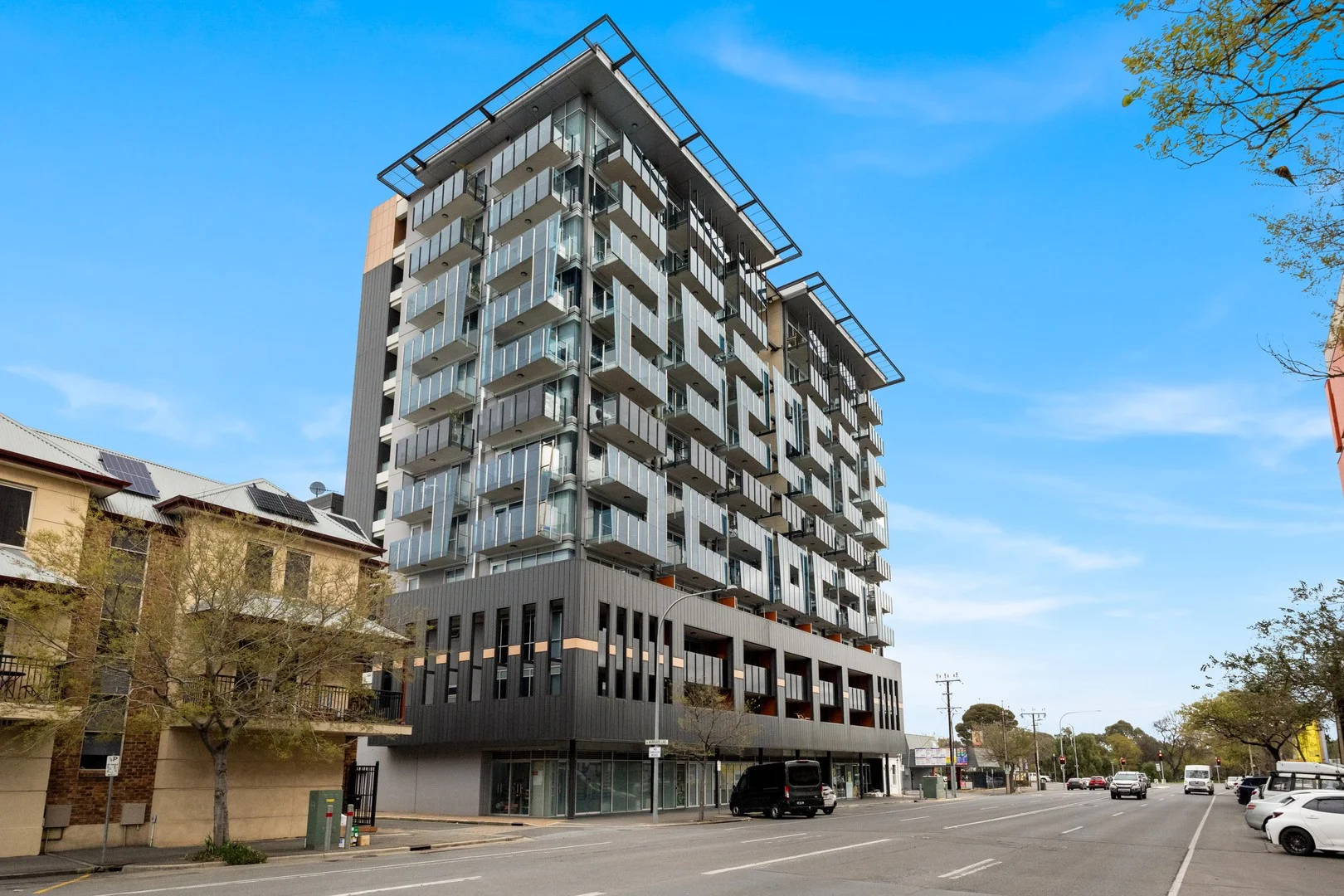 $1,100,000
Apartment / Unit / Flat
$1,100,000
Apartment / Unit / Flat