## 1. Overview
Thorndon Park Primary School is a public, co-educational primary school serving families in Athelstone and the eastern suburbs of Adelaide. The school is a medium-sized community that emphasises a welcoming, inclusive environment where students feel supported to learn and grow.
- School type: Public
- School size: Medium
- Class size: Generally in the low-to-mid 20s
- Atmosphere/culture: Inclusive, nurturing, community-focused
---
## 2. Academics & Learning
The school focuses on strong literacy and numeracy foundations, with emphasis on developing curious, capable learners. There is an emphasis on hands-on learning across core subjects and opportunities for thinking skills, collaboration, and creative problem-solving.
- Academic strengths: Literacy, numeracy, STEM activities, leadership development, and opportunities to participate in language and digital literacy activities
- Special programs: Enrichment and extension options, targeted literacy/numeracy support, and digital learning opportunities
- NAPLAN / trends: NAPLAN participation is in place; trends over time vary by year. For up-to-date trend information, refer to the school's annual report and DET communications
- Student-teacher ratios: Typical classes operate with a supportive teacher-to-student ratio consistent with public primary schools
- Support for diverse learners: EAL/D support, SEN assistance, and inclusive practices to support a range of learning needs
---
## 3. Sports & Extracurricular Strengths
A broad offering of sports and activities supports student interests and helps build teamwork and resilience. The school aims to provide activities that appeal to a wide range of students, including opportunities to compete and perform.
- Sports offered: A variety of school-based and interschool sports (e.g., athletics and ball sports)
- Strong teams or achievements: Participation in interschool events and local competitions; emphasis on teamwork and personal bests
- Music, arts, drama programs: Access to music and performing arts experiences
- Clubs: Robotics, coding, chess, debating, and other enrichment activities
- Partnerships: Local community partners and amateur clubs may provide additional opportunities and competitions
Note: Availability of specific programs and clubs can vary by year; please check current offerings with the school.
---
## 4. Wellbeing & Pastoral Care
Wellbeing and pastoral care are central to the student experience, with supports designed to help students feel safe, supported, and engaged.
- Anti-bullying approach: Clear policies and supportive interventions to promote respectful behaviours
- House system: House groupings to foster belonging, teamwork, and positive competition (where applicable)
- Counsellors / wellbeing officers: Access to school wellbeing staff and supports for emotional health and resilience
- Transition support for new students: Welcome procedures, orientation activities, and buddy programs to ease transitions
---
## 5. Facilities
Facilities are designed to support a well-rounded learning environment and student enjoyment.
- Sports grounds: Outdoor spaces for physical activity and games
- Libraries: A reading and learning hub for research and book access
- Science labs: Spaces for hands-on science exploration
- Music/performing arts centers: Areas for music, drama, and ensemble activities
- Tech/innovation labs: Digital technologies and maker-space capabilities
- Cafeteria: On-site eating area for meals or snacks
- Updated playgrounds: Safe, modern play areas for recreation
---
## 6. School Values & Community Culture
The school community operates around a values-based framework that guides behaviour, leadership, and daily interaction.
- School values / mission: A clear set of values aimed at respect, responsibility, resilience, and inclusion
- Leadership style: Collaborative and student-centred approaches that encourage student voice
- Behaviour expectations: Consistent, positive behaviour expectations with a focus on acceptable conduct and helpful citizenship
- Community reputation: A welcome and collaborative local ethos with families and staff
- Diversity & inclusion: Commitment to inclusive practices and celebrating diversity within the school community
---
## 7. School Logistics & Daily Operations
Practical day-to-day information helps families plan and participate.
- School hours: Standard primary school day with start and end times aligned to DET schedules
- Before/after school care: Availability of After School Care or OSHC programs (subject to current offerings)
- Uniform requirements: Uniforms are typically required and can be purchased through approved suppliers
- Transport (train/bus routes): Transport options exist for local areas; specifics depend on catchment and routes
- Canteen availability: Canteen or lunch options may be available on-site
- Fees (low/medium/high ranges): Public primary schools generally have low to modest discretionary costs; some activities and excursions may carry additional costs
---
## 8. Enrolment & Admissions
11. What is the enrolment process and timeline?
- Enrolment usually involves submitting an application through the school/DET admissions process, providing required documentation, and completing any school-specific orientation steps. Timelines depend on catchment status and placement availability; check with the school for the current cycle.
12. Is there a waiting list, and how does it work?
- Some enrolments may have waiting lists depending on capacity and catchment rules. Placements are typically allocated by priority factors (e.g., catchment residence) and space availability; late applications may be placed on a waiting list.
13. Are there any entry requirements, tests, or interviews?
- Generally, public primary schools do not require entrance tests. Some schools offer tours or brief interviews for families to discuss placement and supports, but this varies by year and intake.
14. Does the school accept mid-year transfers?
- Mid-year transfers are possible if there is available space and complete enrolment documentation. Availability may depend on current cohort numbers and program capacity.
---
## 9. Frequently Ask Questions
- Why Parents Choose This School?
- A welcoming community, strong focus on literacy and numeracy, and supportive wellbeing programs that help students feel safe and engaged.
- What type of student thrives at this school?
- Students who respond well to a family-like, inclusive environment with opportunities in academics, sport, and the arts.
- What opportunities are available for students to extend their skills (academics, sports, arts)?
- Enrichment and extension activities, STEM and digital learning experiences, and a range of sports and arts programs; clubs and competitions may be offered.
- How does the school communicate with parents?
- Regular updates through newsletters, phone/app communications, parent-teacher meetings, and formal reports; specifics vary by year.
- What is the school’s approach to teaching and learning?
- A balanced approach focusing on core skills, inquiry-based learning, collaboration, and digital literacy.
- How does the school support students who need extra academic help?
- Targeted literacy/numeracy support and access to additional classroom and specialist support as needed.
- What support is available for academic challenges?
- In-class differentiation, specialist support services, and intervention strategies aligned with student needs.
- How does the school communicate with parents?
- See above: ongoing channels include newsletters, meetings, and digital platforms.
- What are the class sizes and how much individual attention do students receive?
- Class sizes are designed to be manageable for effective instruction, with teacher support and access to additional help as needed.
- What extracurricular and sports opportunities are available?
- A range of sports, arts, and clubs; specifics depend on the term and year.
- What facilities does the school offer (sports, science, arts)?
- Sports grounds, library, science labs, music/arts spaces, and technology labs.
- What is the school’s approach to technology and digital learning?
- Integration of digital technologies in learning, with access to appropriate devices and guided instruction.
- What transport and accessibility options are available?
- Local bus routes and transport options aligned with catchment areas; accessibility considerations are addressed as part of student support.
- What are the typical school fees or additional costs?
- Public primary schools typically have low discretionary costs; excursions and some activities may have additional fees.
---
## 10. Short Pros & Cons list
- Pros
- Welcoming, inclusive community with a focus on well-being
- Balanced emphasis on academics, sports, and the arts
- Range of enrichment opportunities and support for diverse learners
- Family-friendly communication and involvement
- Cons
- Specific programs and clubs may vary year to year; check current offerings
- Some costs may apply for excursions, clubs, or elective activities
- Transport options depend on catchment and routing; verify accessibility for your location
If you’d like, I can tailor this draft with precise details from the school’s official materials. Just share any exact information you have (e.g., current class sizes, specific programs, or transport routes), and I’ll update the sections accordingly.








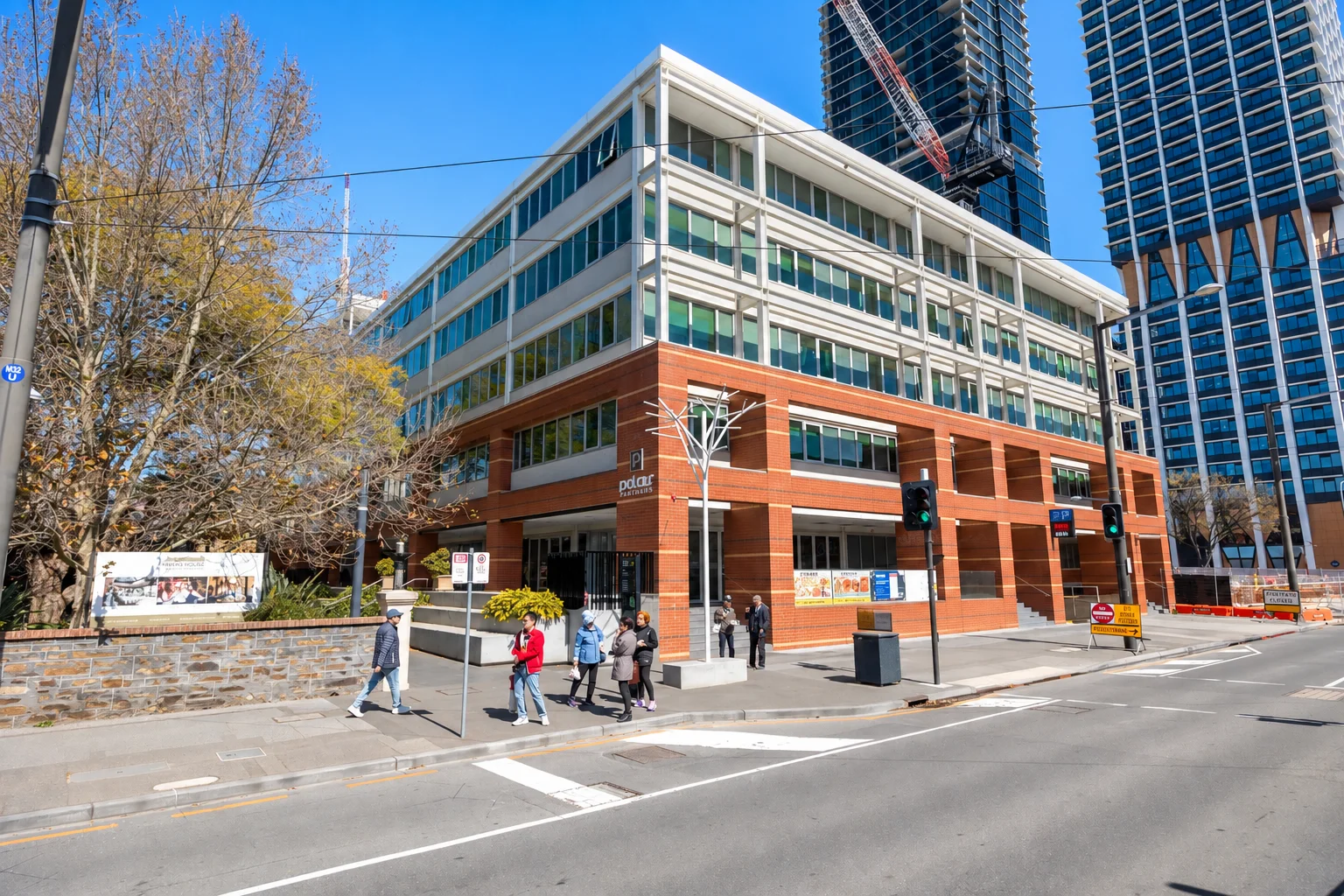 $545,000
Apartment / Unit / Flat
$545,000
Apartment / Unit / Flat
 $588,000
Apartment / Unit / Flat
$588,000
Apartment / Unit / Flat
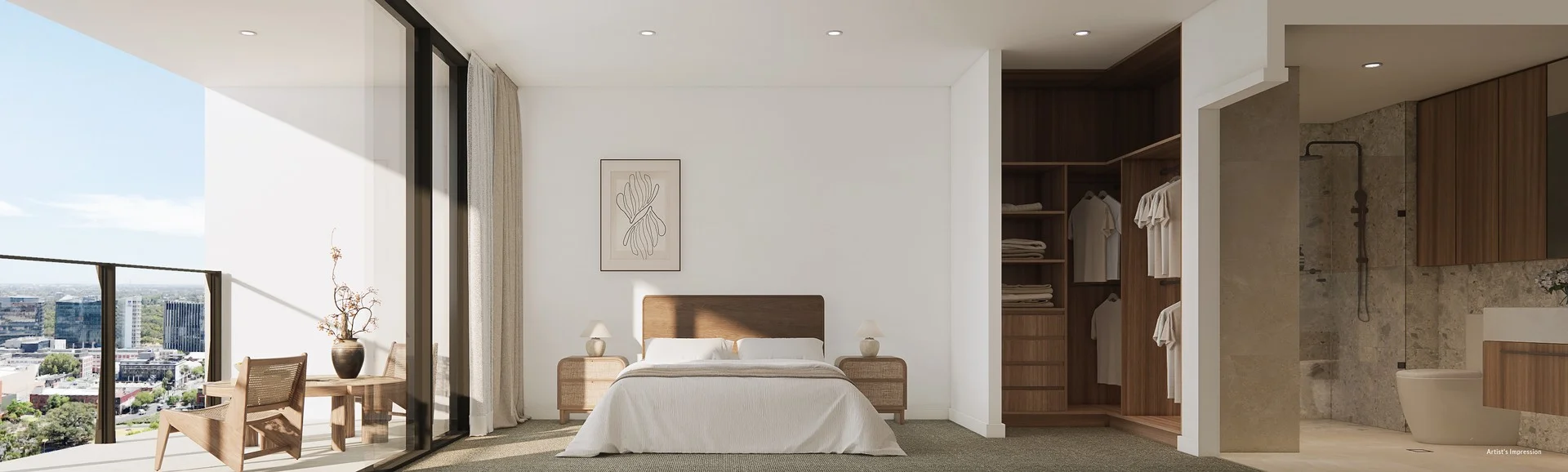 $1,056,000
Apartment / Unit / Flat
$1,056,000
Apartment / Unit / Flat
 $557,000
Apartment / Unit / Flat
$557,000
Apartment / Unit / Flat
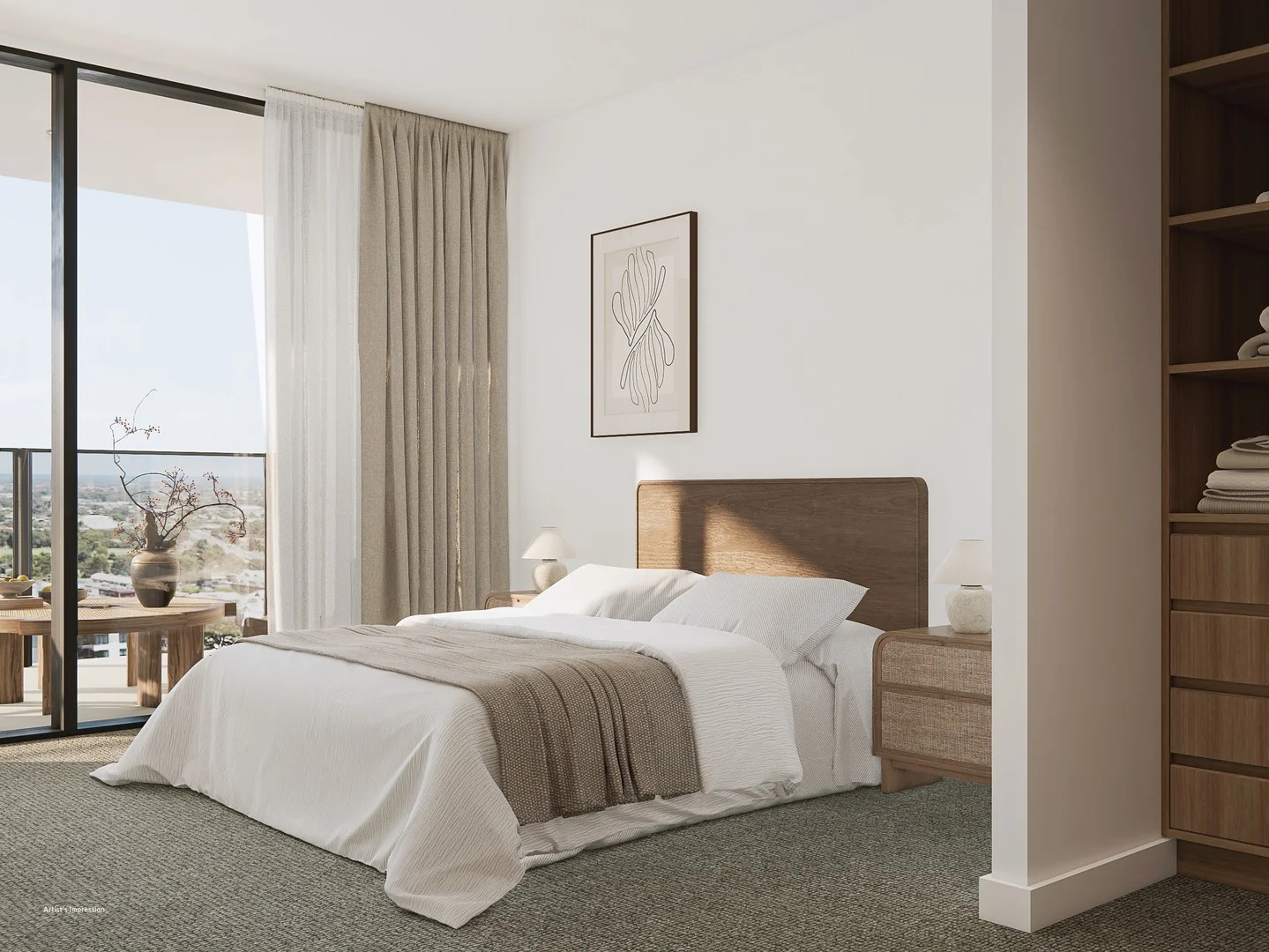 $935,000
Apartment / Unit / Flat
$935,000
Apartment / Unit / Flat
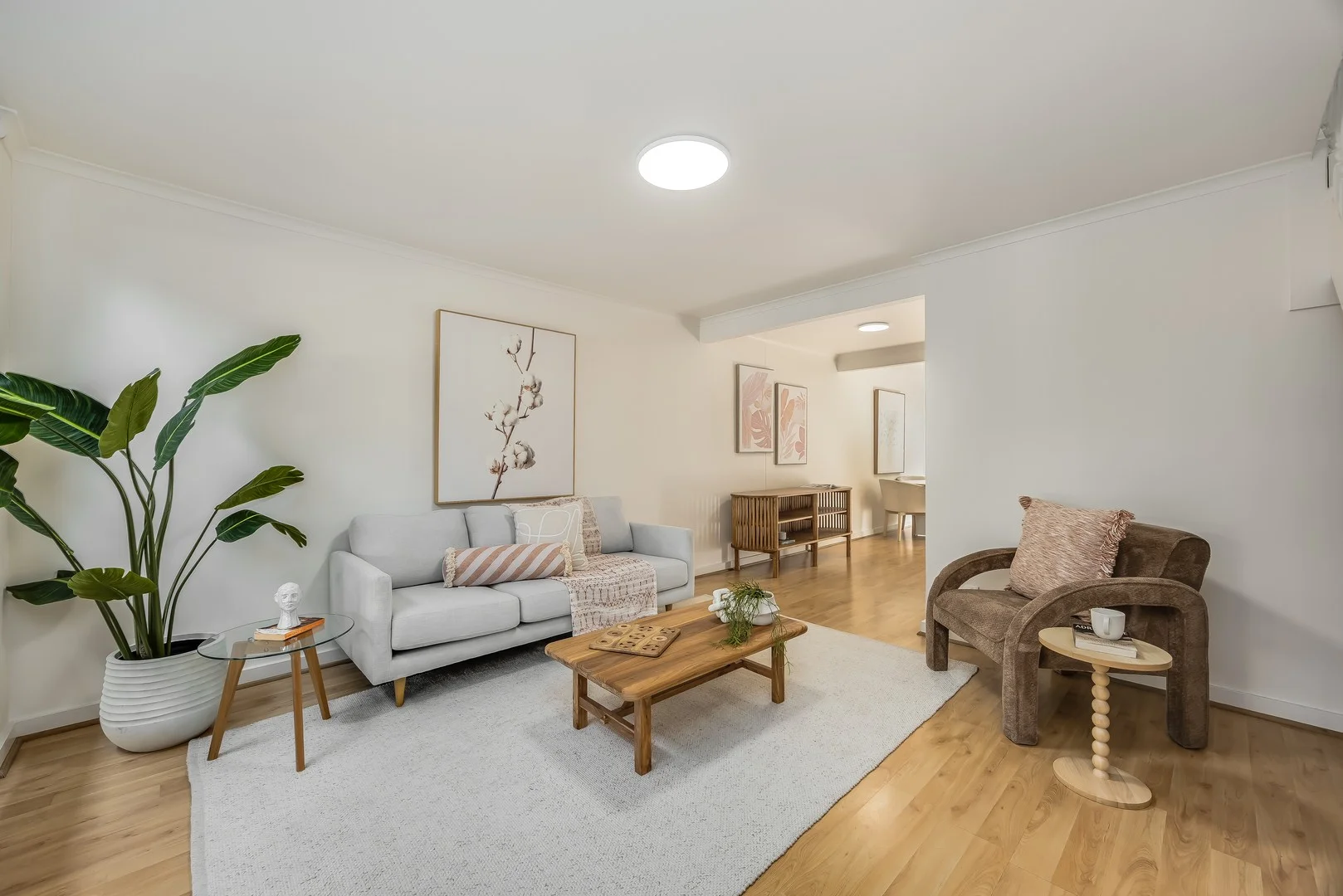 $775,000
House
$775,000
House
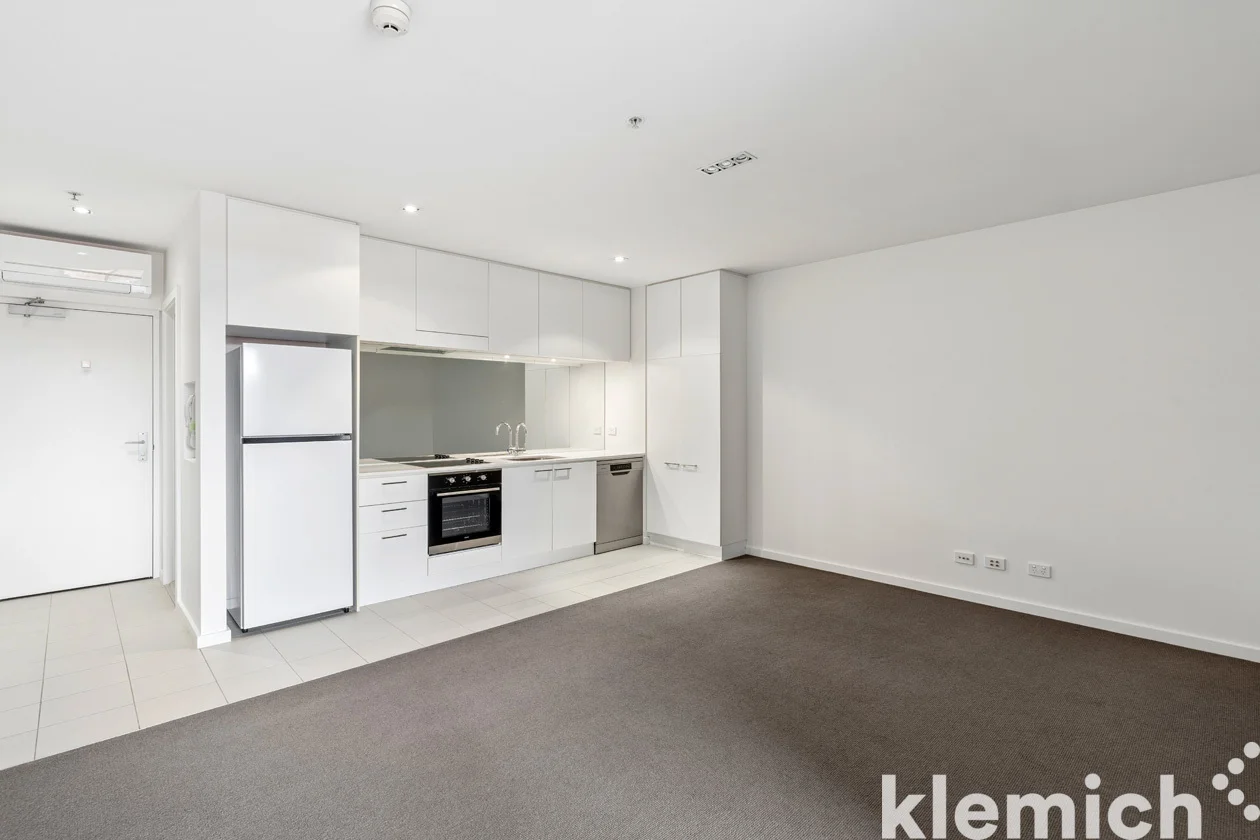 $440,000
Apartment / Unit / Flat
$440,000
Apartment / Unit / Flat
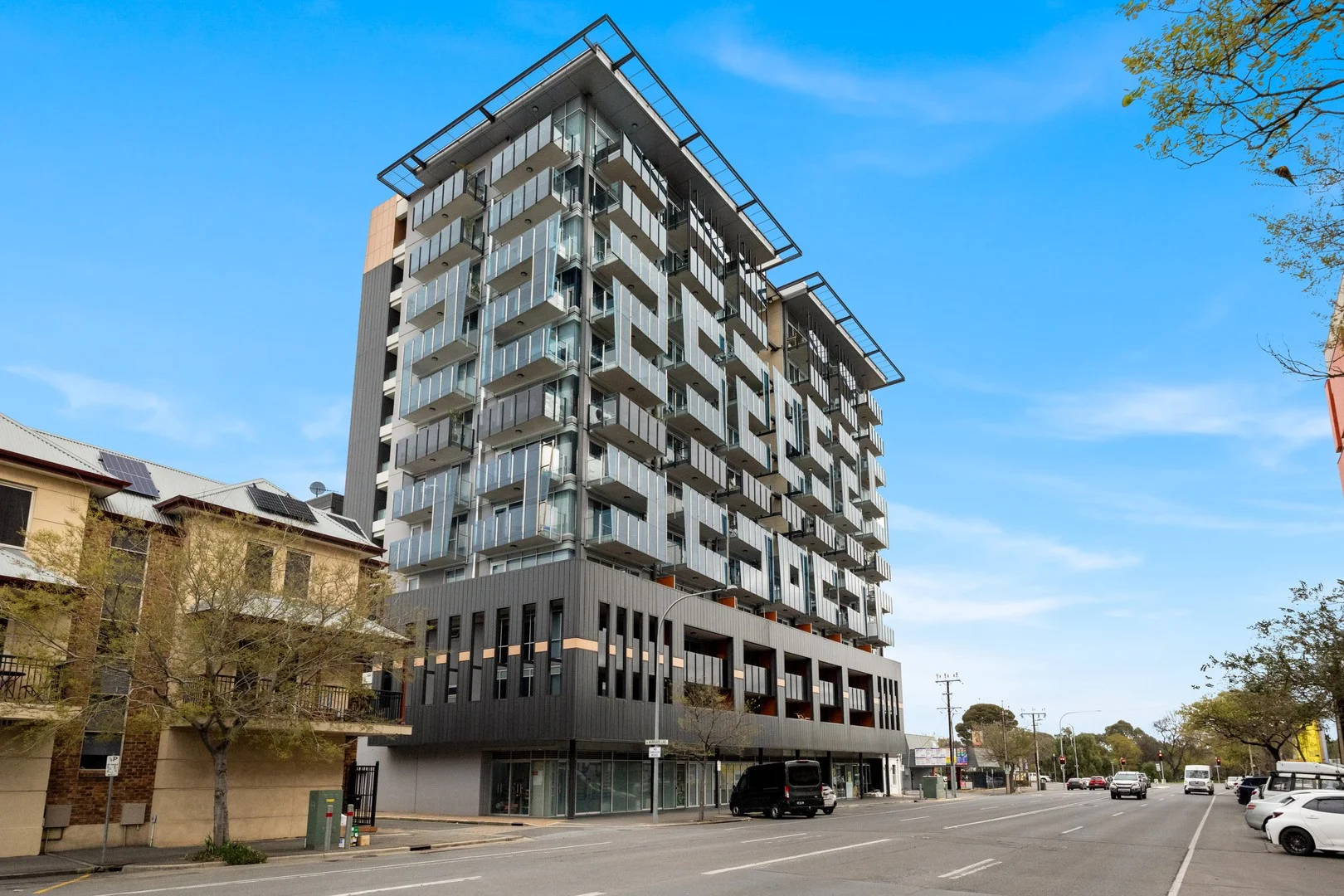 $1,100,000
Apartment / Unit / Flat
$1,100,000
Apartment / Unit / Flat


