Overview
## 1. Overview
St James Primary School, Banora Point, is a Catholic, co-educational primary school serving families in Banora Point and the surrounding area. The school emphasises faith-based learning, holistic development and a strong sense of community. It aims to provide a nurturing environment where students feel supported to grow academically, socially and spiritually.
- School type: Catholic
- School size: Medium
- Class size: Typically around 20–25 students per class
- Atmosphere/culture: Nurturing, inclusive, values-based with a focus on well-being and academic achievement
⸻
## 2. Academics & Learning
St James Primary focuses on strong literacy and numeracy foundations within a Catholic education framework. The curriculum integrates religious education with core learning areas to promote critical thinking, creativity and responsible citizenship. There are opportunities for leadership and to engage in learning beyond the classroom.
- Academic strengths: Literacy and numeracy foundations, faith-integrated learning, opportunities for leadership and collaboration
- Special programs: Gifted and Talented pathways or acceleration options may be available in some year levels; digital learning and STE initiatives are commonly integrated
- NAPLAN / trends: NSW NAPLAN trends for primary Catholic schools in regional areas typically show steady or gradual improvement in reading and numeracy over recent years; detailed school-specific trends are published by the NSW Department of Education
- Student-teacher ratios: Generally around 1:20–1:25 in primary years; depends on year level and class structure
- Support for diverse learners: EAL support, inclusive education practices, and SEN support are typically available to help diverse learners participate fully
⸻
## 3. Sports & Extracurricular Strengths
Athletics and team sports are an important part of the school culture, with opportunities in a range of popular games and activities. The school also supports a broad arts and STEM offering to develop well-rounded students.
- Sports offered: Soccer, netball, cricket, athletics, swimming, and other community-supported activities
- Strong teams or achievements: School-level teams compete in local school sports events and inter-school competitions
- Music, arts, drama programs: Music and performing arts are integrated into the timetable; opportunities to participate in school productions and community arts programs
- Clubs: Robotics, coding, chess, debating and other student clubs are commonly available
- Partnerships: Local clubs and regional competitions provide additional opportunities for talent development and friendly competition
⸻
## 4. Wellbeing & Pastoral Care
Wellbeing is a central focus, with structures in place to support students’ emotional and social development, alongside a clear anti-bullying framework.
- Anti-bullying approach: Proactive programs and restorative practices to promote respectful relationships
- House system: A house structure to foster healthy competition, teamwork and pride
- Counsellors / wellbeing officers: Access to school-based wellbeing staff or support personnel
- Transition support for new students: Orientation activities, buddy programs and targeted supports to help with transitions
⸻
## 5. Facilities
Facilities are designed to support a broad curriculum and an engaging student experience. The environment is typically welcoming and well-maintained, prioritising safe and modern learning spaces.
- Sports grounds
- Libraries
- Science labs
- Music / performing arts centers
- Tech / innovation labs
- Cafeteria
- Updated playgrounds
⸻
## 6. School Values & Community Culture
The school emphasises faith-based values, positive behavior and community engagement, shaping a respectful and inclusive school culture.
- School values / mission: Faith, respect, responsibility, and service within a supportive learning community
- Leadership style: Collaborative and student-centered, with opportunities for student leadership
- Behaviour expectations: Clear expectations aligned with positive behavior for learning and restorative practices
- Community reputation: Known for a welcoming atmosphere and involvement of families in school life
- Diversity & inclusion: Committed to inclusive practices and welcoming families from diverse backgrounds
⸻
## 7. School Logistics & Daily Operations
Helpful logistic details to plan daily routines and invoicing considerations.
- School hours: Typical start and finish times aligned with NSW primary schedules
- Before/after school care: Availability of before/after school care programs
- Uniform requirements: School uniform policy with approved items; details published by the school
- Transport (bus routes): Bus services available in the local area; check current routes with the school or local transport providers
- Canteen availability: Canteen or lunch program options often available
- Fees (range): Catholic primary schools have varying fee levels; typically described as moderate to mid-range within the NSW sector
⸻
## 8. Enrolment & Admissions
11. What is the enrolment process and timeline?
- Applications are typically submitted through the school’s enrolment process, often with an annual intake timeline. Expect an application form, supporting documents, and a timeline that includes intake periods, interviews or school tours as part of the decision process.
12. Is there a waiting list, and how does it work?
- Waiting lists are common and can vary by year level and vacancy. Priority may be given to siblings and Catholic families depending on the diocesan policy. The school will advise on current waiting times and the process to register.
13. Are there any entry requirements, tests, or interviews?
- Applications may require standard documents (birth certificate, immunisation records, proof of address, etc.). Some year levels or cohorts may involve a short interview or information session; specific testing is not always required.
14. Does the school accept mid-year transfers?
- Yes, subject to vacancies and registration. Prospective mid-year transfers should contact the school to discuss availability and alignment with the current cohort.
⸻
## 9. Frequently Asked Questions
- Why Parents Choose This School?
- A faith-based, values-driven environment with a supportive community and focus on holistic development.
- What type of student thrives at this school?
- Students who value community, faith, academics and well-being; those who respond well to a nurturing, inclusive setting.
- What opportunities are available for students to extend their skills (academics, sports, arts)?
- Strong literacy and numeracy programs, leadership opportunities, sports teams, arts and music programs, and STEM/robotics clubs.
- How does the school communicate with parents?
- Regular updates via newsletters, parent forums, emails and the school app/portal; events and open days are common.
- What is the school’s approach to teaching and learning?
- Practice that blends faith-based values with evidence-based pedagogy, focusing on engaging, student-centered learning and differentiation.
- How does the school support students who need extra academic help?
- Targeted support within the classroom, individual or small-group interventions, and access to school-based support staff.
- What support is available for academic challenges?
- Customised planning, monitoring progress, and collaboration with families to implement effective strategies.
- How does the school communicate with parents? (Repeated)
- See above; multiple channels to keep families informed and involved.
- What are the class sizes and how much individual attention do students receive?
- Class sizes typically around 20–25 students, with teachers able to provide targeted support and adjustments as needed.
- What extracurricular and sports opportunities are available?
- A range of sports (e.g., soccer, netball, cricket), music and performing arts, plus clubs such as robotics, coding, chess and debating.
- What facilities does the school offer (sports, science, arts)?
- Modern facilities including sports grounds, library, science labs, music/arts spaces and tech/innovation labs.
- What is the school’s approach to technology and digital learning?
- Integration of digital learning tools and resources to support curriculum goals and student engagement.
- What transport and accessibility options are available?
- Local bus services and transport options; check with the school for current routes and availability.
- What are the typical school fees or additional costs?
- Fees vary by year and program; the school office can provide a current fee schedule and any additional costs for excursions or resources.
⸻
## 10. Short Pros & Cons list
Pros
- Catholic values-based education with a nurturing, inclusive culture
- Solid literacy and numeracy foundations with diverse learning supports
- Range of extracurriculars including sports, arts and STEM clubs
- Active wellbeing support and house-based community activities
- Moderate class sizes that support individual attention
Cons
- As a medium-sized Catholic primary, demand may lead to waiting lists at certain year levels
- Fees and elective activities may involve additional costs beyond standard schooling
- Availability of certain programs (e.g., advanced pathways or mid-year transfers) can vary by year and cohort
⸻










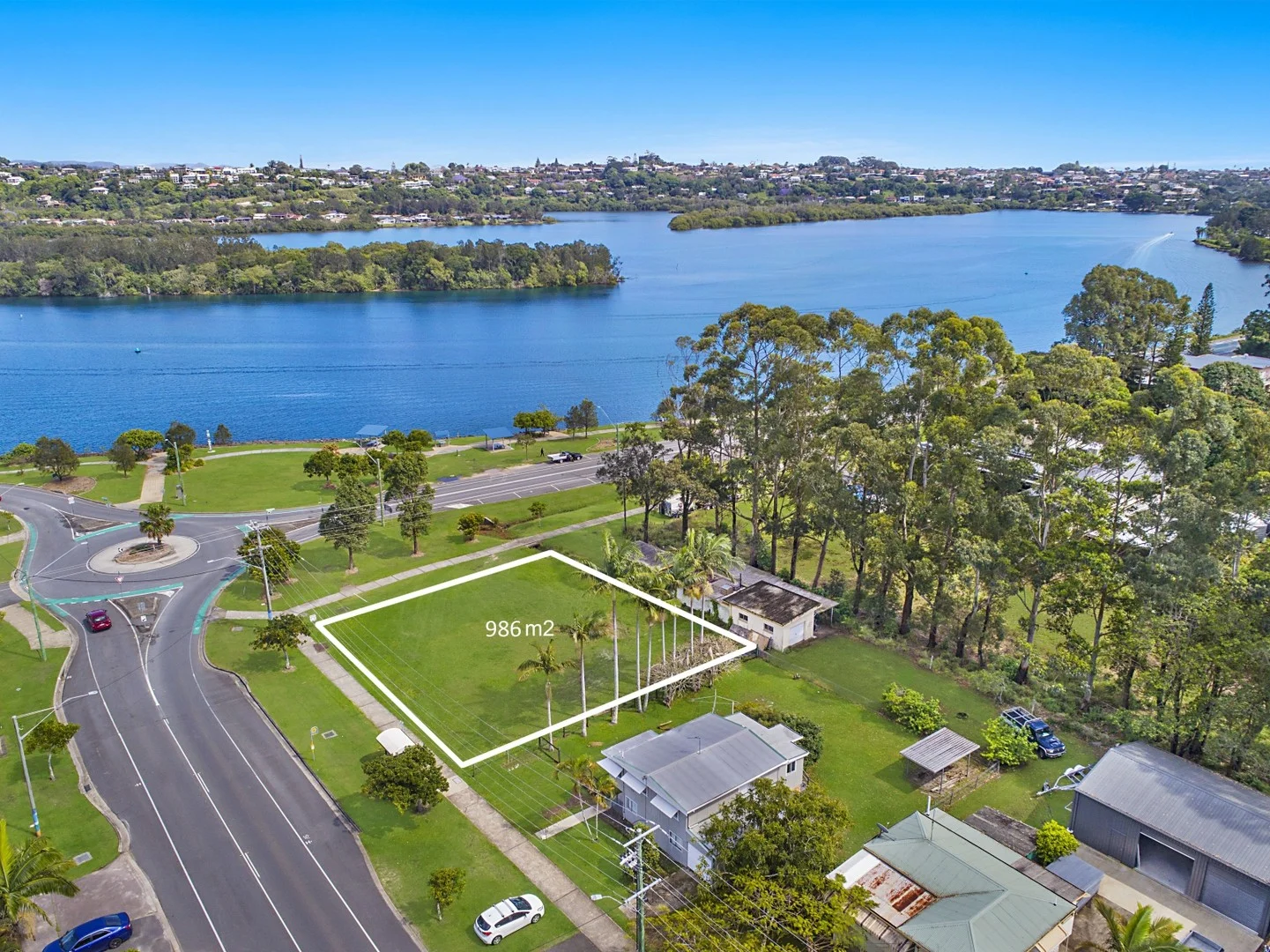 $1,000,000
Vacant Land
$1,000,000
Vacant Land
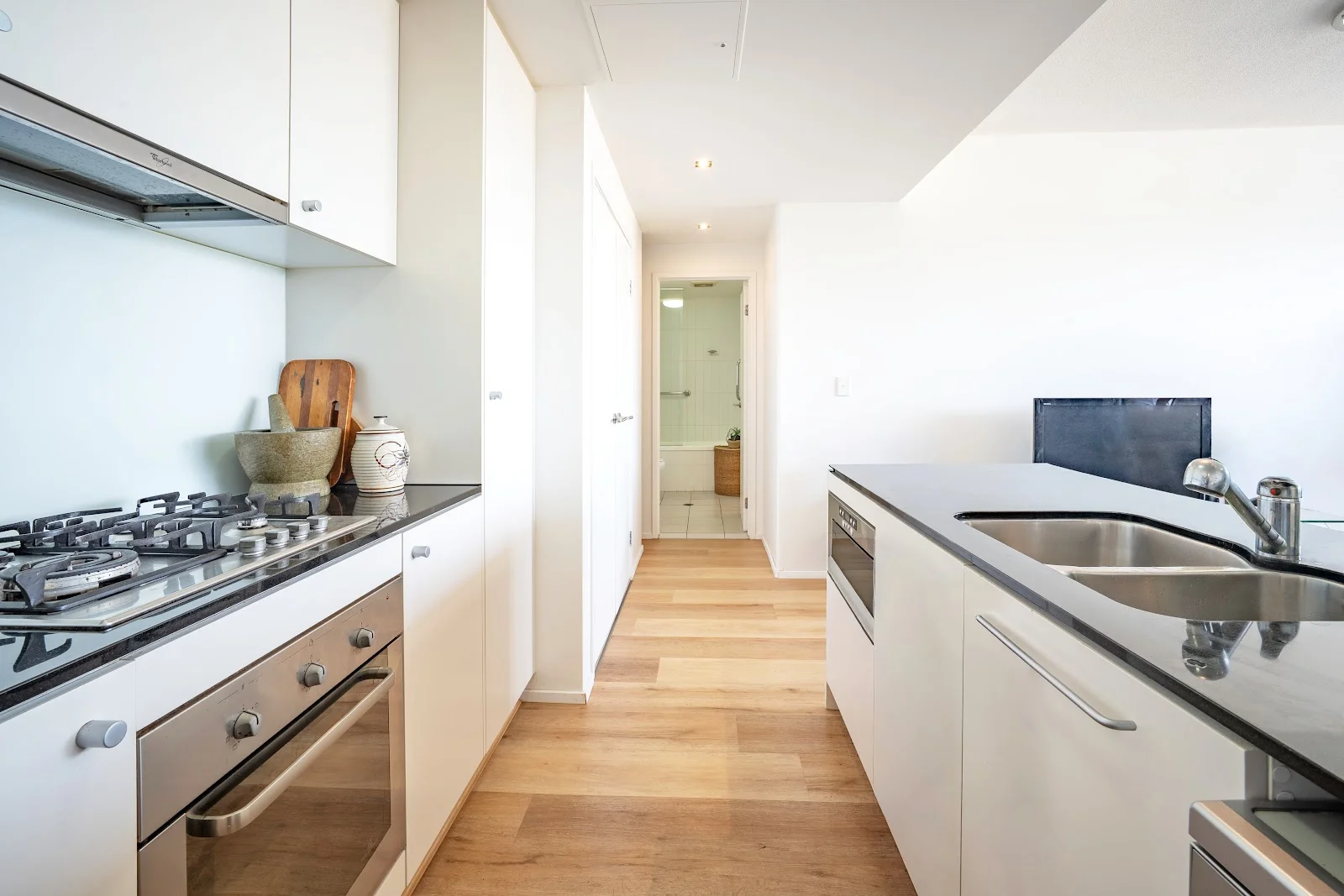 $750,000
Apartment / Unit / Flat
$750,000
Apartment / Unit / Flat
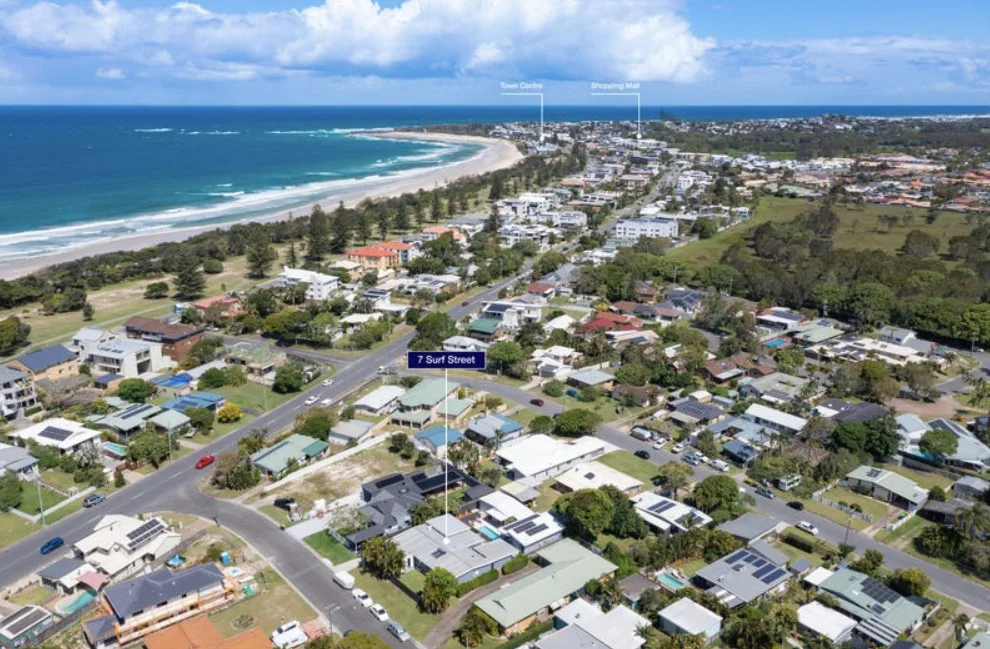 $2,200,000 - $2,350,000
House
$2,200,000 - $2,350,000
House


