Overview
## 1. Overview
St James Primary School Banora Point is a Catholic primary school serving families in Banora Point and surrounding communities. The school focuses on faith-based education within a nurturing, community-driven environment, guiding students from kindergarten through to Year 6.
Size-wise the school is mid-sized, with class sizes typically around 20–25 students. The atmosphere emphasizes inclusion, respect, and collaboration, balancing academic growth with social and spiritual development.
## 2. Academics & Learning
- Academic strengths: Strong literacy and numeracy foundations, with hands-on STEM activities, creative arts, and opportunities to develop leadership skills through student programs.
- Special programs: Catholic religious education embedded in daily life, sacramental preparation where appropriate, and targeted options for gifted and talented learners or accelerated learning where available.
- NAPLAN trends: Historically stable to positive with gradual improvements in core domains such as reading and numeracy across cohorts, aligning with NSW state trends.
- Student-teacher ratios: Generally around 1:20, with smaller groups for targeted support where needed.
- Support for diverse learners: Inclusive education with EAL (English as an Additional Language) support, SEND/special needs planning, and a dedicated learning support team delivering differentiated instruction and interventions.
## 3. Sports & Extracurricular Strengths
- Sports offered: Interschool athletics, cricket, netball, soccer (football), swimming, and other school-level sport opportunities.
- Strong teams or achievements: Active participation across age groups in district events with encouragement for all students to compete and contribute.
- Music, arts, drama programs: School music program and choir; drama and performing arts activities are encouraged as part of the curriculum and co-curricular life.
- Clubs: Robotics, coding, chess, debating, and other inquiry-based clubs are available to extend interests beyond the classroom.
- Partnerships: Connections with local clubs and community partnerships to support competitions and enrichment activities, helping students access external opportunities.
## 4. Wellbeing & Pastoral Care
- Anti-bullying approach: Clear policies and programs promoting respectful relationships, positive behavior, and a safe school environment.
- House system: A house structure fosters teamwork, leadership opportunities, and a sense of belonging across year levels.
- Counsellors / wellbeing officers: Access to school-based wellbeing staff or counsellors to support student mental health and resilience.
- Transition support for new students: Orientation activities, buddy systems, and transition planning to help new students settle in smoothly.
## 5. Facilities
- Sports grounds: On-site spaces for physical education and outdoor activities.
- Libraries: A dedicated library for reading and research.
- Science labs: Practical science spaces to support inquiry-based learning.
- Music/performing arts centers: Areas or halls suitable for music, drama, and performances.
- Tech/innovation labs: Facilities to support coding, robotics, and digital creation.
- Cafeteria: On-site canteen or lunch facilities with healthy options.
- Updated playgrounds: Modern play spaces that provide safe, engaging outdoor activity.
## 6. School Values & Community Culture
- School values / mission: A Catholic values framework emphasizing faith, compassion, service, respect, and integrity.
- Leadership style: Collaborative leadership with opportunities for student voice and leadership roles (e.g., student councils, prefects).
- Behaviour expectations: Clear expectations around respect, responsibility, and safety, with consistent reinforcement.
- Community reputation: Strong parish-school link and an engaged local community with active family involvement.
- Diversity & inclusion: Welcoming environment that supports students from diverse backgrounds and needs.
## 7. School Logistics & Daily Operations
- School hours: Typical day runs during standard primary hours, with start and finish times aligned to local NSW norms; before/after school care is usually available.
- Uniform requirements: School uniform is standard; sports uniforms on designated days; sun protection (hats) encouraged for outdoor activities.
- Transport (train/bus routes): Local bus routes and public transport options available; convenient pick-up/drop-off arrangements commonly in place.
- Canteen availability: On-site canteen or lunch facilities offering healthy choices.
- Fees (low/medium/high ranges): Fees are generally in the mid-range for NSW Catholic primary schools, with information provided at enrolment and financial assistance options where applicable.
## 8. Enrolment & Admissions
- What is the enrolment process and timeline?: Submit an expression of interest, complete the formal application, provide required documents (birth certificate, immunisation details, and proof of address), attend information sessions or interviews as advised, and follow the stated timelines for offers and acceptance.
- Is there a waiting list, and how does it work?: Yes, there can be a waiting list when year levels are full. Priority often considers local catchment, parish alignment, and sibling placement, with offers made as vacancies arise.
- Are there any entry requirements, tests, or interviews?: Generally, interviews or meetings with the leadership team or enrolment officer are part of the process. There are no standard academic entrance tests; the focus is on fit, faith formation, documents, and placement needs.
- Does the school accept mid-year transfers?: Yes, subject to available places and a smooth transition; transfer documentation (report from previous school, vaccination records, and relevant permissions) is typically required.
## 9. Frequently Asked Questions
- Why Parents Choose This School?
- Because of a nurturing Catholic environment, strong literacy and numeracy programs, and an emphasis on values, wellbeing, and community involvement.
- What type of student thrives at this school?
- Students who respond well to a faith-informed, supportive community with active participation in both academics and co-curriculars, including sport and the arts.
- What opportunities are available for students to extend their skills (academics, sports, arts)?
- Opportunities across literacy/numeracy extension, STEM activities, robotics, coding, debating, drama, music, and sports. Leadership roles and clubs provide additional growth.
- How does the school communicate with parents?
- Regular updates via newsletters, emails, a parent portal or communication app, and scheduled parent-teacher meetings. Open channels for feedback and questions are encouraged.
- What is the school’s approach to teaching and learning?
- Student-centered, differentiated instruction with a focus on core literacy and numeracy, integrated religious education, and hands-on learning experiences.
- How does the school support students who need extra academic help?
- Targeted interventions, learning support staff, and differentiated instruction within the classroom, plus access to additional resources as needed.
- What support is available for academic challenges?
- Early identification, small-group or one-on-one support, and coordination with families to create effective learning plans.
- How does the school communicate with parents? (Note: same theme as above)
- Through consistent updates, progress reports, and opportunities to discuss student progress with teachers and leadership.
- What are the class sizes and how much individual attention do students receive?
- Class sizes are typically around 20–25 students, with additional support available for students who need it to ensure adequate individual attention.
- What extracurricular and sports opportunities are available?
- A range of sports (interschool and school-level), plus clubs in robotics, coding, chess, debating, music, drama, and arts.
- What facilities does the school offer (sports, science, arts)?
- Sports grounds, library, science labs, music/performing arts spaces, tech/innovation labs, canteen, and updated outdoor play areas.
- What is the school’s approach to technology and digital learning?
- Integration of coding, robotics, and digital literacy into learning, with age-appropriate use of devices and online resources to support research, collaboration, and creativity.
- What transport and accessibility options are available?
- Local bus routes and convenient transport options; accessible facilities to support students with diverse needs.
- What are the typical school fees or additional costs?
- Fees are moderate for the NSW Catholic primary sector; information about costs and any applicable subsidies or voluntary contributions is provided during enrolment.
## 10. Short Pros & Cons list
- Pros
- Catholic values and faith-based identity with an emphasis on character and service
- Medium-sized, community-focused environment with manageable class sizes
- Strong literacy, numeracy, and STEM opportunities alongside arts and sports
- Comprehensive wellbeing supports, house system, and inclusive practices
- Wide range of clubs and extracurriculars; opportunities for leadership and innovation
- Cons
- As a community-focused school, travel time may be longer for some families outside the catchment
- Uniforms and coordinated schedules for after-school activities may require planning
- Availability of certain programs or clubs can depend on student interest and staffing levels
- Catholic schools can have enrolment demand fluctuations; waiting lists may apply in busy years









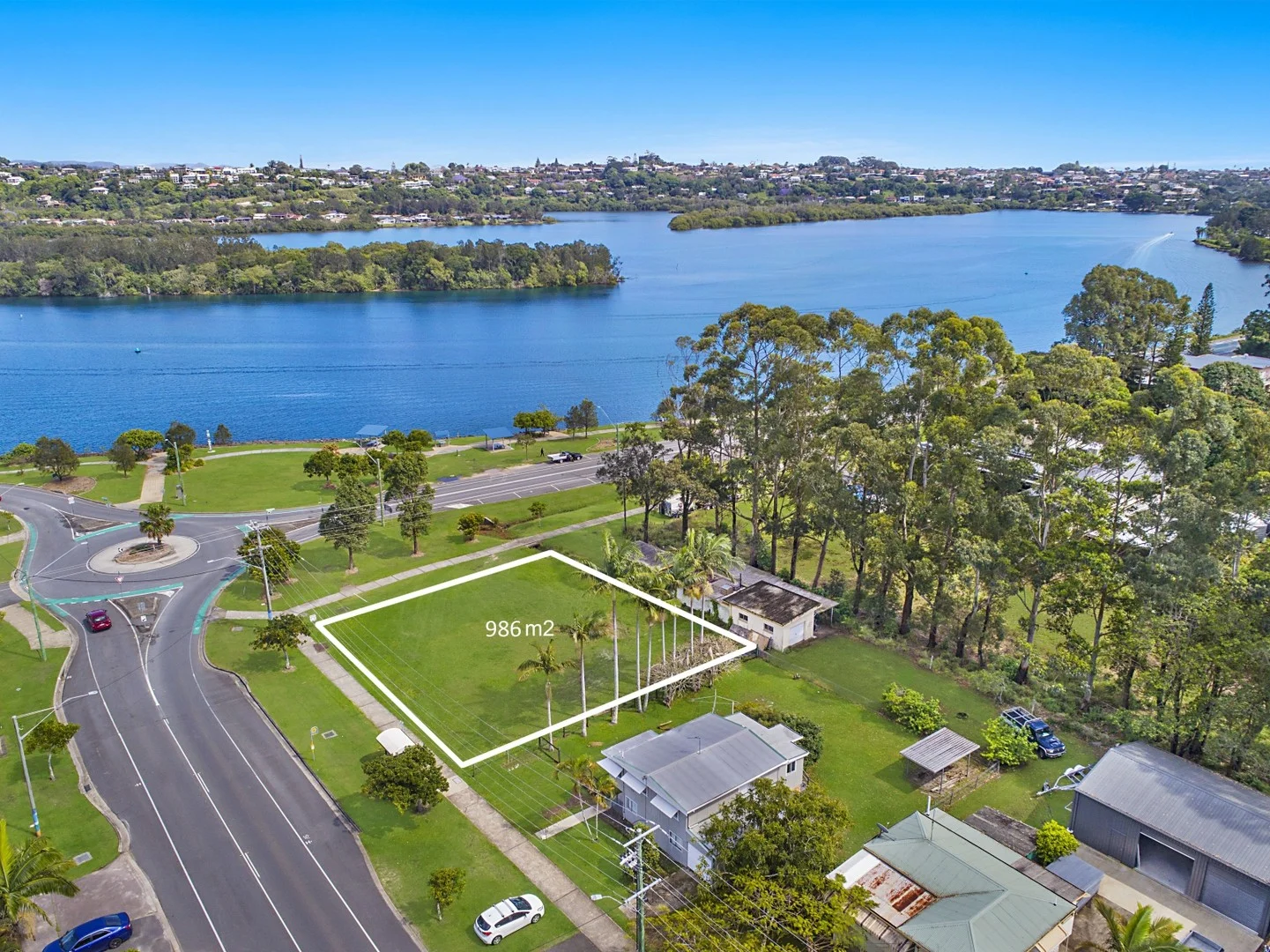 $1,000,000
Vacant Land
$1,000,000
Vacant Land
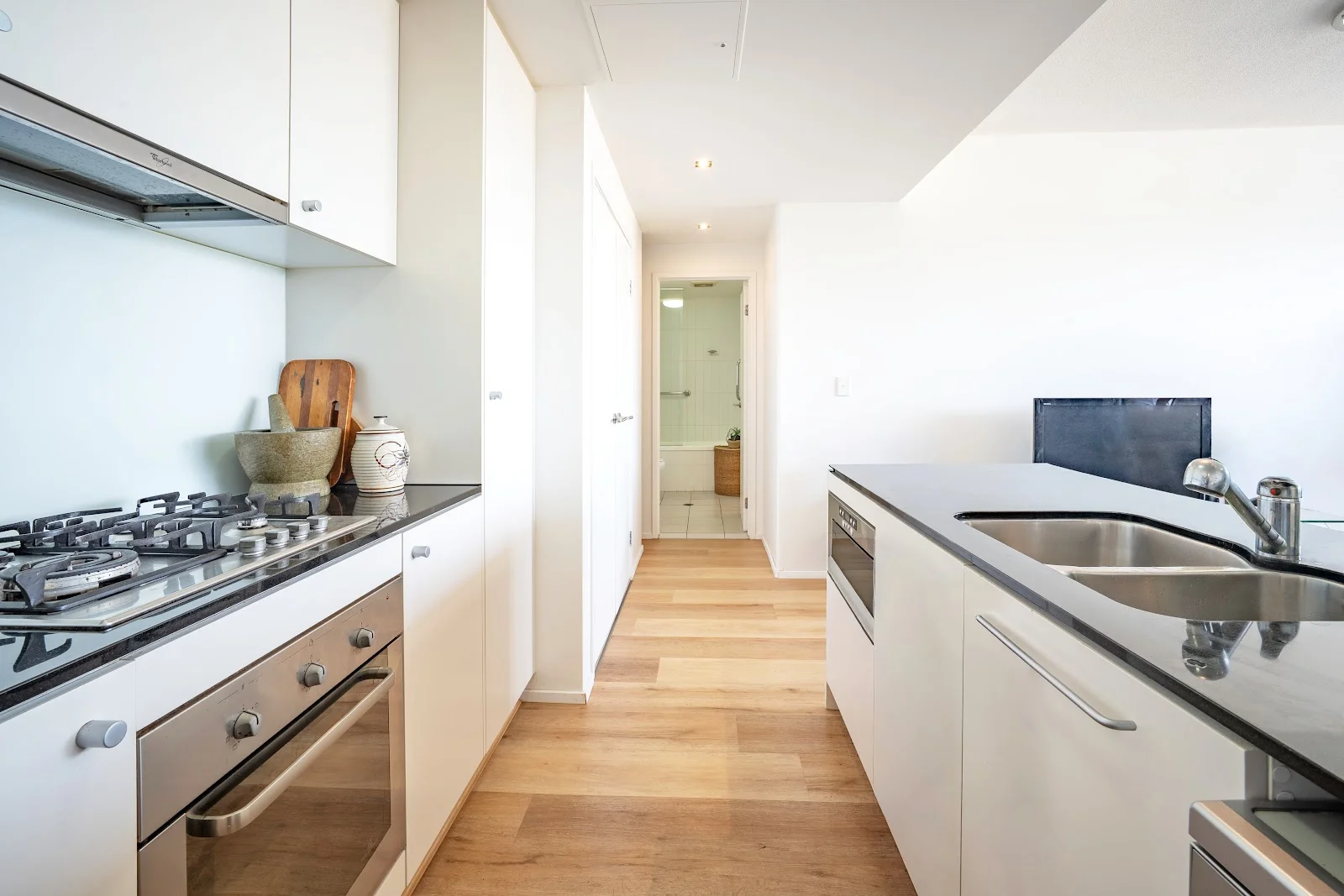 $750,000
Apartment / Unit / Flat
$750,000
Apartment / Unit / Flat
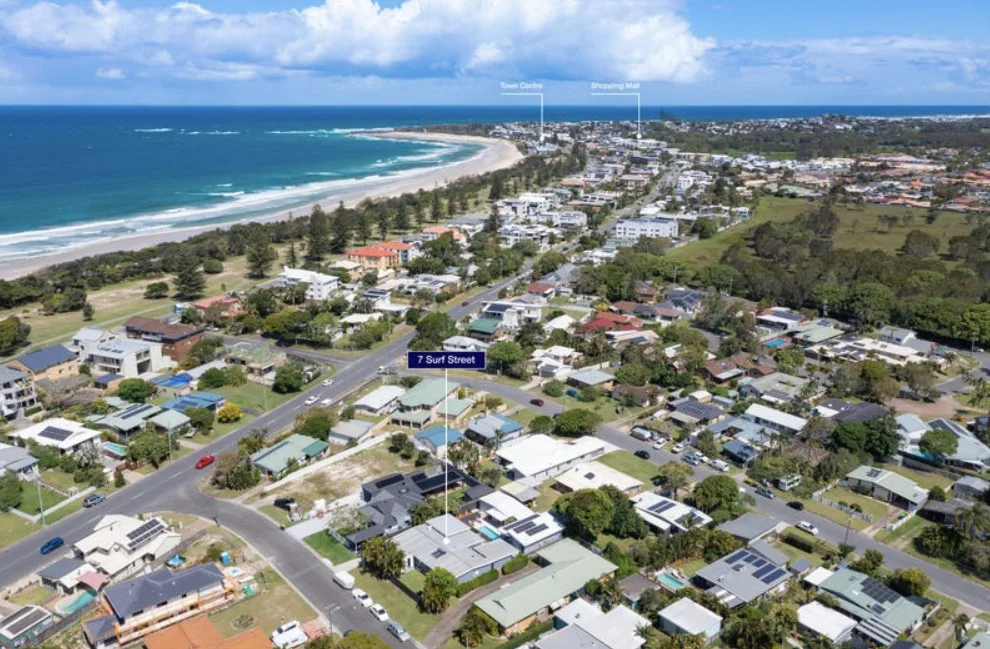 $2,200,000 - $2,350,000
House
$2,200,000 - $2,350,000
House


