Overview
## 1. Overview
St Joan of Arc Catholic Primary School Haberfield is a Catholic co-educational primary school that focuses on faith-based learning within a supportive, nurturing community. The school aims to combine strong academic foundations with character development rooted in Catholic values, encouraging students to grow as lifelong learners and responsible members of their community.
Size and atmosphere: The school runs as a small-to-medium community with class sizes that support individual attention. The culture is inclusive and welcoming, emphasizing faith, respect, service, and learning. Classes typically encourage collaboration, reflection, and active participation in both classroom and community life.
## 2. Academics & Learning
- Academic strengths: Emphasis on literacy and numeracy, with integration of faith-based values throughout learning. Focus areas often include English, Mathematics, and Catholic Studies, with opportunities to explore STEM concepts and digital technologies as part of a well-rounded curriculum.
- Special programs: Catholic identity and religious education are integrated into the curriculum; opportunities for leadership development and student voice are often available. Gifted and talented pathways may be addressed through differentiated instruction within the classroom.
- NAPLAN / trends: Trend information is typically shared publicly by the school; families can expect to see steady progress in key areas such as Reading and Numeracy over time, with ongoing focus on targeted improvement where needed.
- Student-teacher ratios: Generally in the small-to-medium range for primary schools, with class sizes that support individual attention—commonly around 1:15 to 1:18 in many NSW Catholic primary settings.
- Support for diverse learners: Dedicated support for diverse learners, including EAL (English as an Additional Language) and SEN (Special Educational Needs) provisions, often via a Learning Support Team and targeted interventions.
## 3. Sports & Extracurricular Strengths
- Sports offered: A range of traditional primary-school programs such as soccer, basketball, cricket, netball, and athletics, with involvement in inter-school competitions where available.
- Strong teams or achievements: Students regularly participate in inter-school events and local showcases; pride in teamwork and sportsmanship is emphasized.
- Music, arts, drama: Active music programs, choir or vocal ensembles, and opportunities for drama and school performances.
- Clubs: Robotics, coding, chess, debating, and other clubs that enhance critical thinking and teamwork.
- Partnerships: Local community and diocesan level activities, with opportunities to engage in external competitions and performances.
## 4. Wellbeing & Pastoral Care
- Anti-bullying approach: Whole-school policies and practices aimed at fostering respectful relationships, with restorative approaches to conflict resolution.
- House system: A house-based structure for fostering community, competition, and belonging across year levels.
- Counsellors / wellbeing officers: Access to wellbeing staff or counsellors to support emotional and social development, as part of a whole-child approach.
- Transition support for new students: Orientation programs, buddy systems, and transitional visits to help new students settle into school life.
## 5. Facilities
- Sports grounds: Indoor/outdoor spaces suitable for physical education and play.
- Libraries: A dedicated library space to support reading, research, and literacy activities.
- Science labs: Science learning spaces to explore experiments and inquiry-based learning.
- Music/performing arts centers: Rooms or spaces for music practice, rehearsals, and small performances.
- Tech/innovation labs: Areas for digital learning, coding, and technology-enabled projects.
- Cafeteria: On-site canteen or lunch facilities supporting nutritional choices.
- Updated playgrounds: Well-maintained outdoor play areas and recreational spaces.
## 6. School Values & Community Culture
- School values / mission: Grounded in Catholic faith, with a mission centered on faith, service, compassion, and academic growth.
- Leadership style: Collaborative and inclusive, encouraging student voice, responsibility, and leadership opportunities within the school community.
- Behaviour expectations: Clear expectations around respect, kindness, responsibility, and safe conduct, reinforced through consistent routines and positive reinforcement.
- Community reputation: Known for a welcoming, parish-connected community that supports families and student growth.
- Diversity & inclusion: Commitment to an inclusive environment that respects cultural and linguistic diversity and supports all learners.
## 7. School Logistics & Daily Operations
- School hours: Typically, a morning start and afternoon finish with a structured timetable that includes breaks and assemblies.
- Before/after school care: Availability of after-school care or extended care arrangements to support families.
- Uniform requirements: School uniform with seasonal variations (winter/summer) and a uniform shop or approved suppliers; hats and sun-protective attire as part of the dress code.
- Transport: Access to public transport options where available (bus routes, nearby stations) and established drop-off/pick-up arrangements for safety.
- Canteen availability: On-site or readily accessible canteen providing lunch and snack options.
- Fees: Fees typically fall within a medium range for NSW Catholic primary schools, including tuition, resource charges, and potential voluntary contributions.
## 8. Enrolment & Admissions
11. What is the enrolment process and timeline?
- Parents typically begin with expressing interest and submitting an application. The school will outline required documentation (birth certificates, baptism certificates where relevant, immunisation records, proof of residency). Depending on the school calendar, offers and placement decisions are communicated according to a defined timeline, often aligned with the school year and term structure. Interviews or family information sessions may be part of the process.
12. Is there a waiting list, and how does it work?
- Many Catholic primary schools maintain a waiting list when places are limited. Priority is often given to siblings, parishioners, and local community considerations. The school will provide guidance on how to register on the waiting list and what to expect regarding estimated wait times.
13. Are there any entry requirements, tests, or interviews?
- Entry typically includes documentation checks and an introductory interview or information session with families. There is usually no formal academic testing required for primary intake, though schools may assess readiness or gather background information to support placement and transition.
14. Does the school accept mid-year transfers?
- Mid-year transfers are possible if space is available. Families should contact the school to discuss current vacancies, transfer timelines, and required documentation (withdrawal from current school, enrolment forms, etc.).
## 9. Frequently Asked Questions
- Why Parents Choose This School?
- A values-driven, inclusive Catholic community with a focus on academic growth, wellbeing, and service to others.
- What type of student thrives at this school?
- Curious, respectful, engaged learners who value faith, friendships, and contributing to the school and wider community.
- What opportunities are available for students to extend their skills (academics, sports, arts)?
- Enrichment in literacy and numeracy, leadership opportunities, music and drama programs, sports, clubs such as robotics, coding, chess, and debating.
- How does the school communicate with parents?
- Regular updates via newsletters, emails, parent portals or apps, and scheduled parent-teacher meetings; clear channels for feedback and questions.
- What is the school’s approach to teaching and learning?
- A faith-informed, student-centered approach that emphasizes differentiation, inquiry, collaboration, and high expectations across all learning areas.
- How does the school support students who need extra academic help?
- Targeted support through a Learning Support Team, small-group interventions, ESL/SEN assistance, and tailored learning plans.
- What support is available for academic challenges?
- Early identification, personalised strategies, academic mentoring, and coordination with families to implement effective supports.
- What are the class sizes and how much individual attention do students receive?
- Class sizes are kept to support engagement and teacher interaction, with teachers providing regular feedback and opportunities for individual attention within the day.
- What extracurricular and sports opportunities are available?
- A range of sports (team and individual), music ensembles, drama, and clubs such as robotics, coding, chess, and debating.
- What facilities does the school offer (sports, science, arts)?
- Sports facilities, library, science labs, music/performing arts spaces, technology/innovation areas, and a canteen.
- What is the school’s approach to technology and digital learning?
- Integration of digital tools to support learning, with emphasis on digital citizenship, safe online practices, and age-appropriate coding and ICT experiences.
- What transport and accessibility options are available?
- Local transport options, safe drop-off/pick-up zones, and campus accessibility features to support families.
- What are typical school fees or additional costs?
- Fees are typically medium-range for NSW Catholic primary schools, with potential additional costs for excursions, book packs, uniform, and optional activities.
## 10. Short Pros & Cons list
- Pros
- Faith-based, values-driven education in a welcoming community
- Small-to-medium class sizes enabling individual attention
- Strong pastoral care, support for diverse learners, and student well-being
- Broad range of extracurriculars (sports, arts, clubs)
- Safe, family-friendly environment with parish connection
- Cons
- Limited places may lead to waiting lists during peak intake years
- As a faith-based school, religious education is central, which may be a fit consideration for some families
- Fees are in the medium range for the area, which may require budgeting for uniforms, excursions, and activities
Note: The content above reflects common features of NSW Catholic primary schools and provides a framework for Enrolments & FAQ content. For precise details (current class sizes, exact programs, transport, and enrolment timelines), please verify with the school directly.








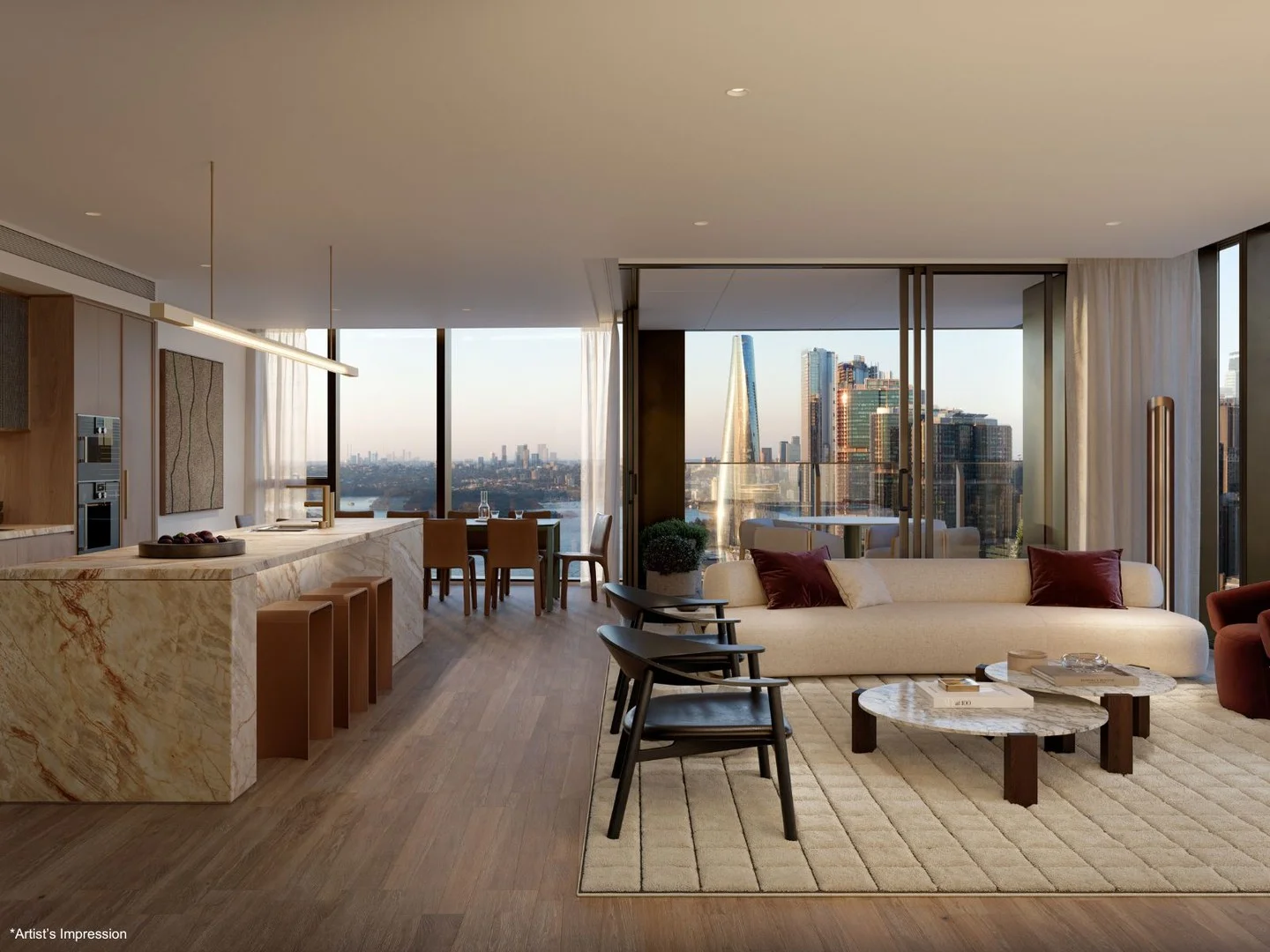 $12,980,000
propertyType.NEW APARTMENTS / OFF THE PLAN
$12,980,000
propertyType.NEW APARTMENTS / OFF THE PLAN
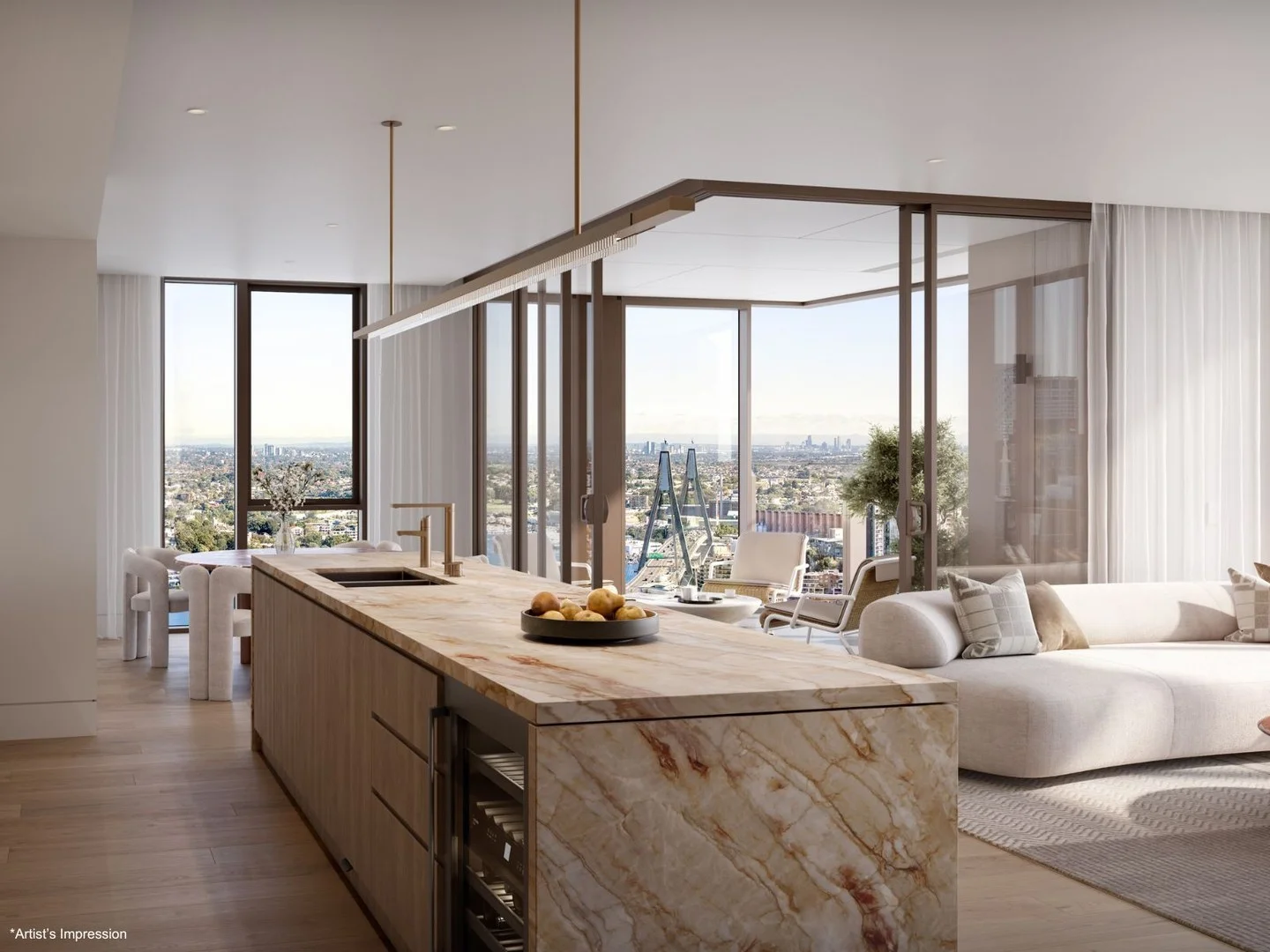 $9,020,000
propertyType.NEW APARTMENTS / OFF THE PLAN
$9,020,000
propertyType.NEW APARTMENTS / OFF THE PLAN
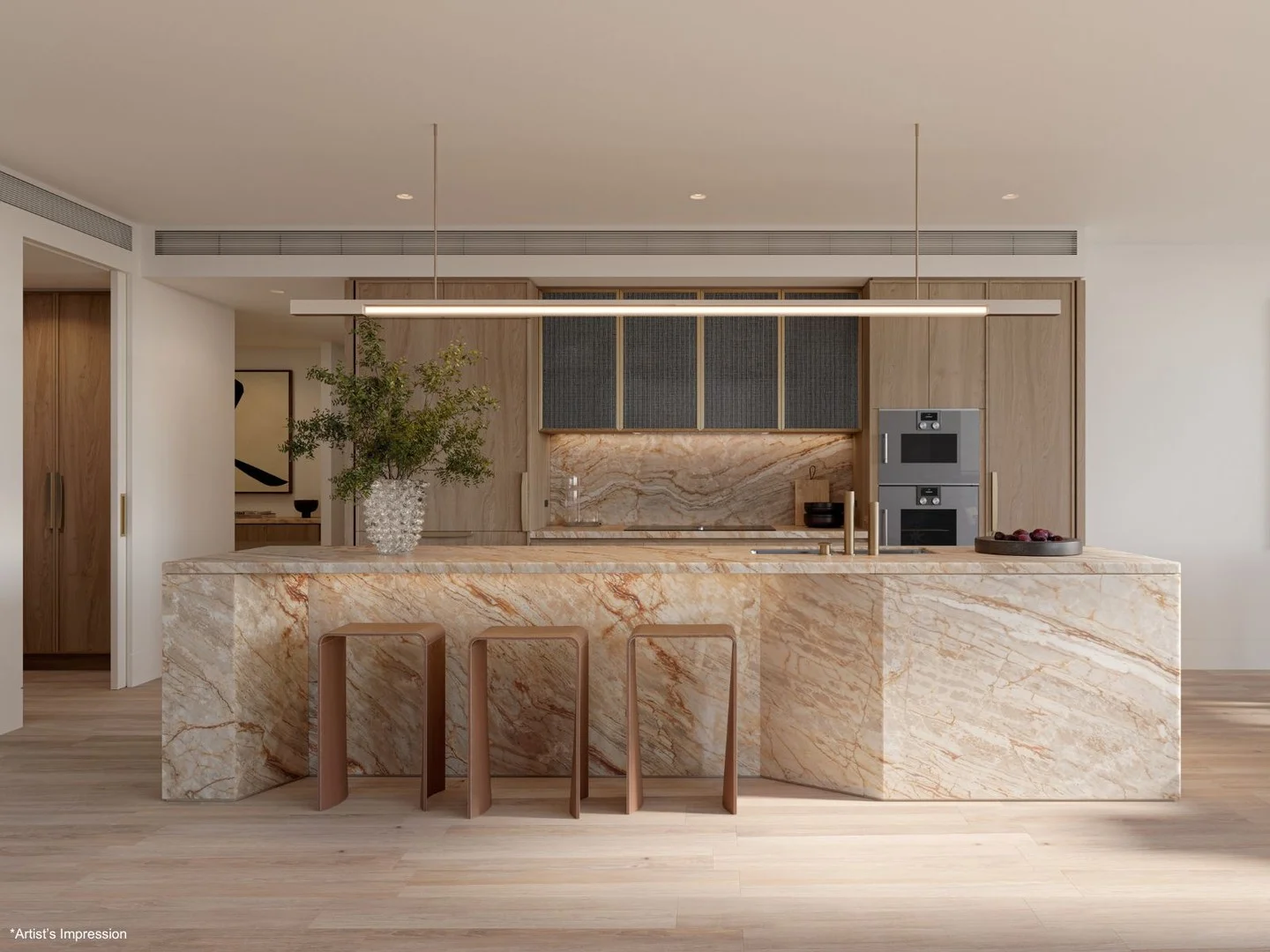 $6,225,000
propertyType.NEW APARTMENTS / OFF THE PLAN
$6,225,000
propertyType.NEW APARTMENTS / OFF THE PLAN
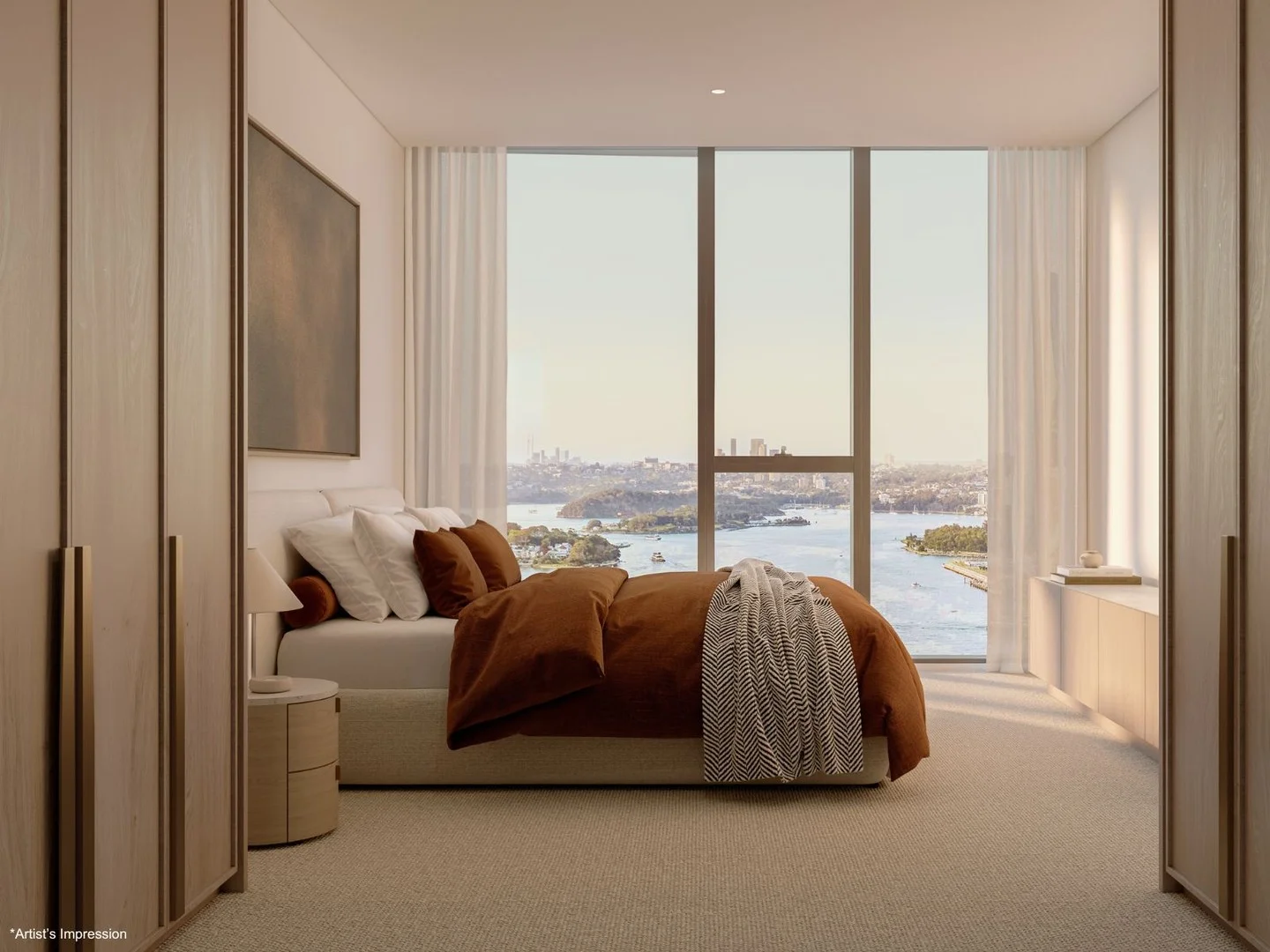 $8,630,000
propertyType.NEW APARTMENTS / OFF THE PLAN
$8,630,000
propertyType.NEW APARTMENTS / OFF THE PLAN
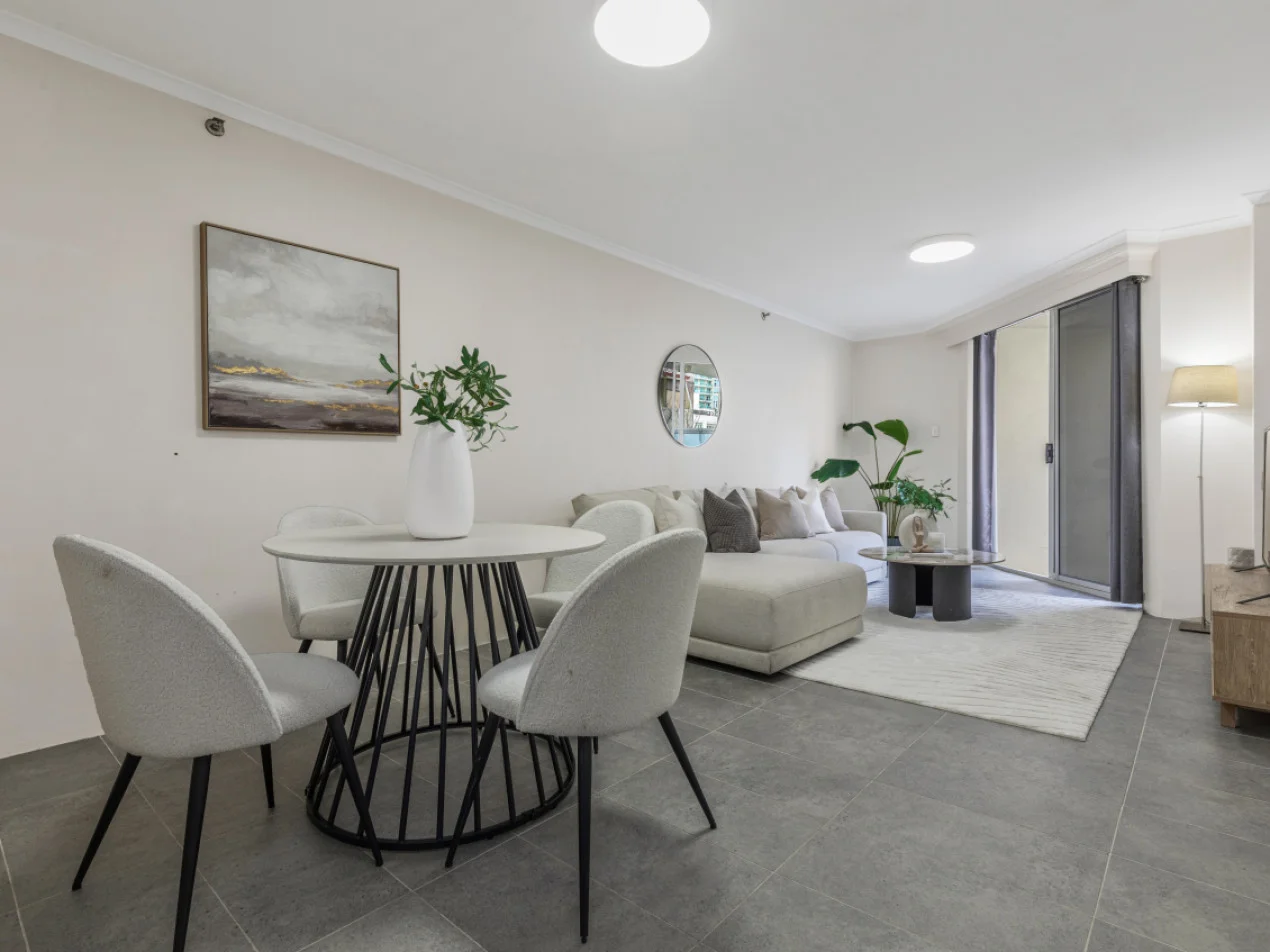 $640,000 - $675,000
Apartment / Unit / Flat
$640,000 - $675,000
Apartment / Unit / Flat
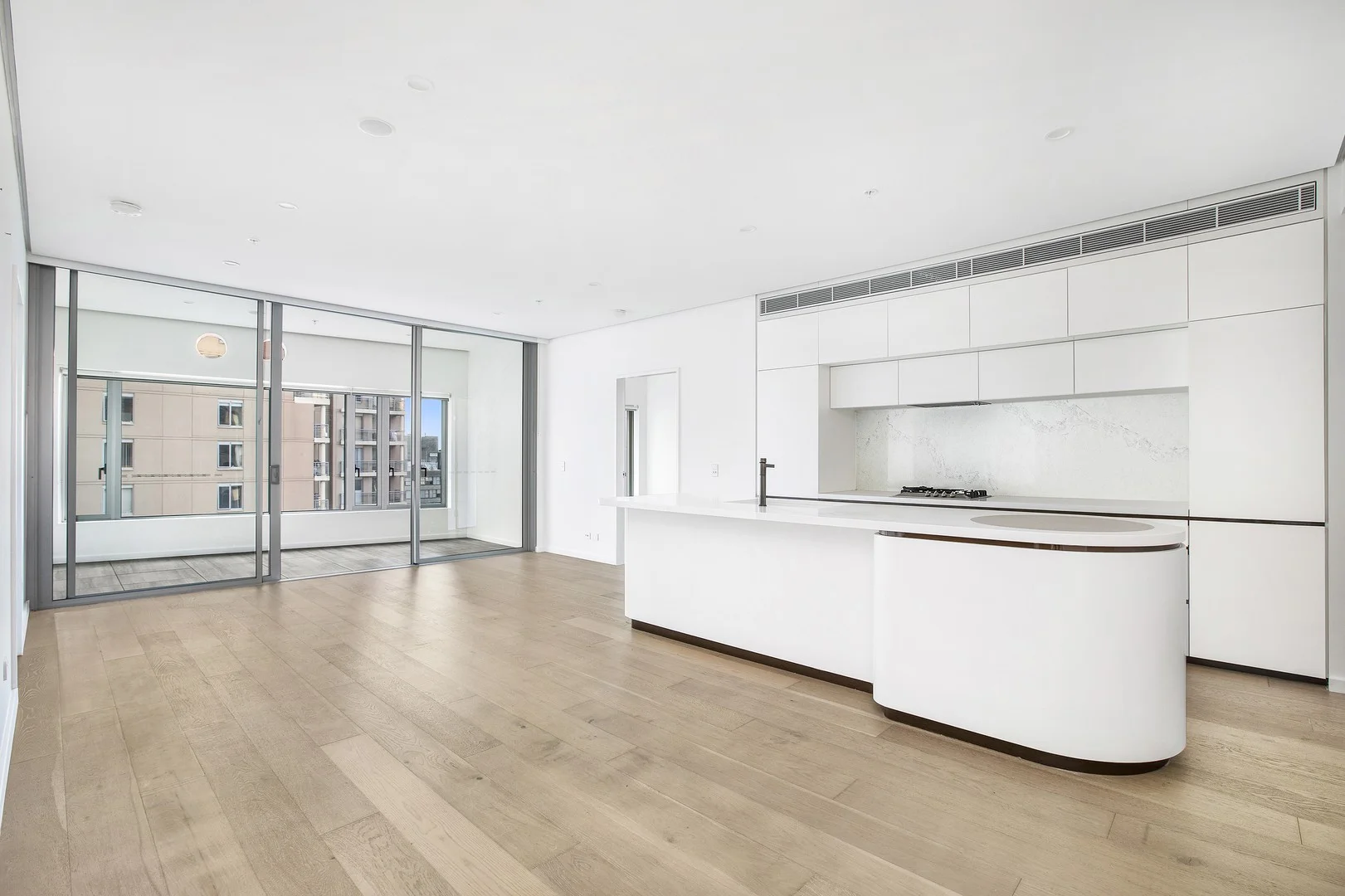 $2,250,000
Apartment / Unit / Flat
$2,250,000
Apartment / Unit / Flat
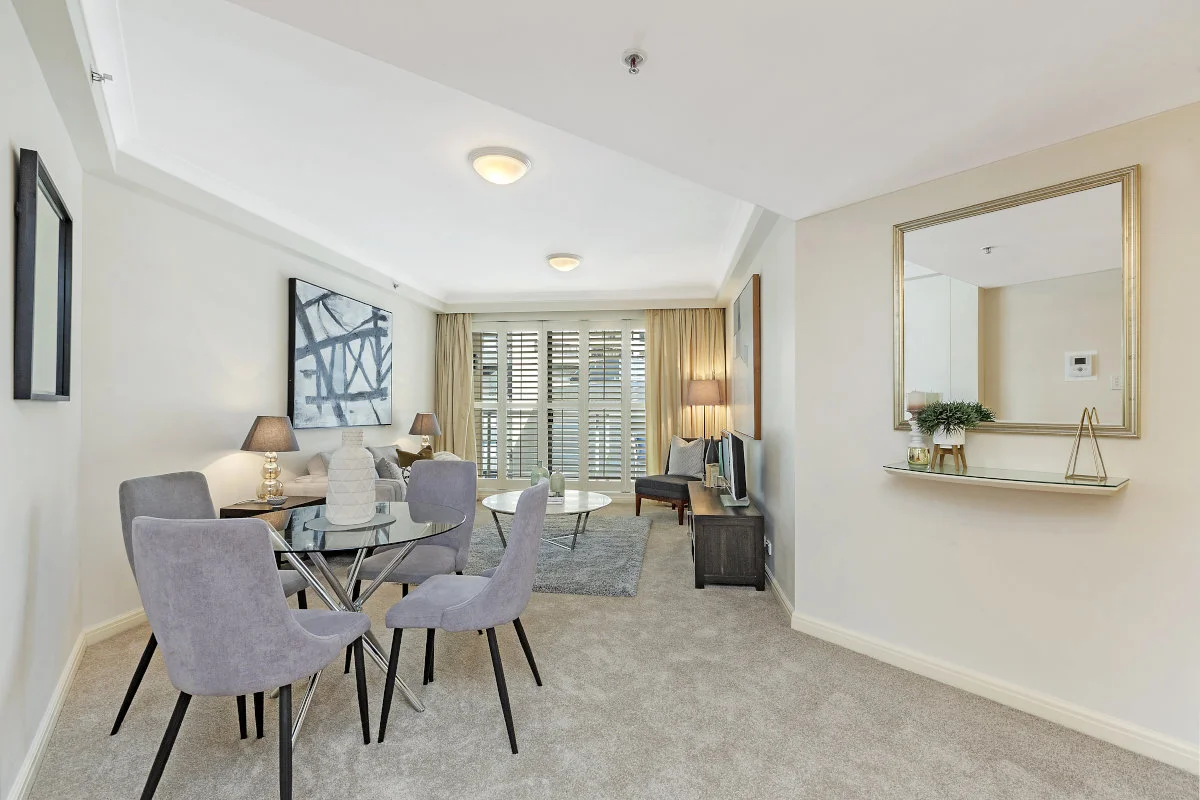 $660,000 - $725,000
Apartment / Unit / Flat
$660,000 - $725,000
Apartment / Unit / Flat
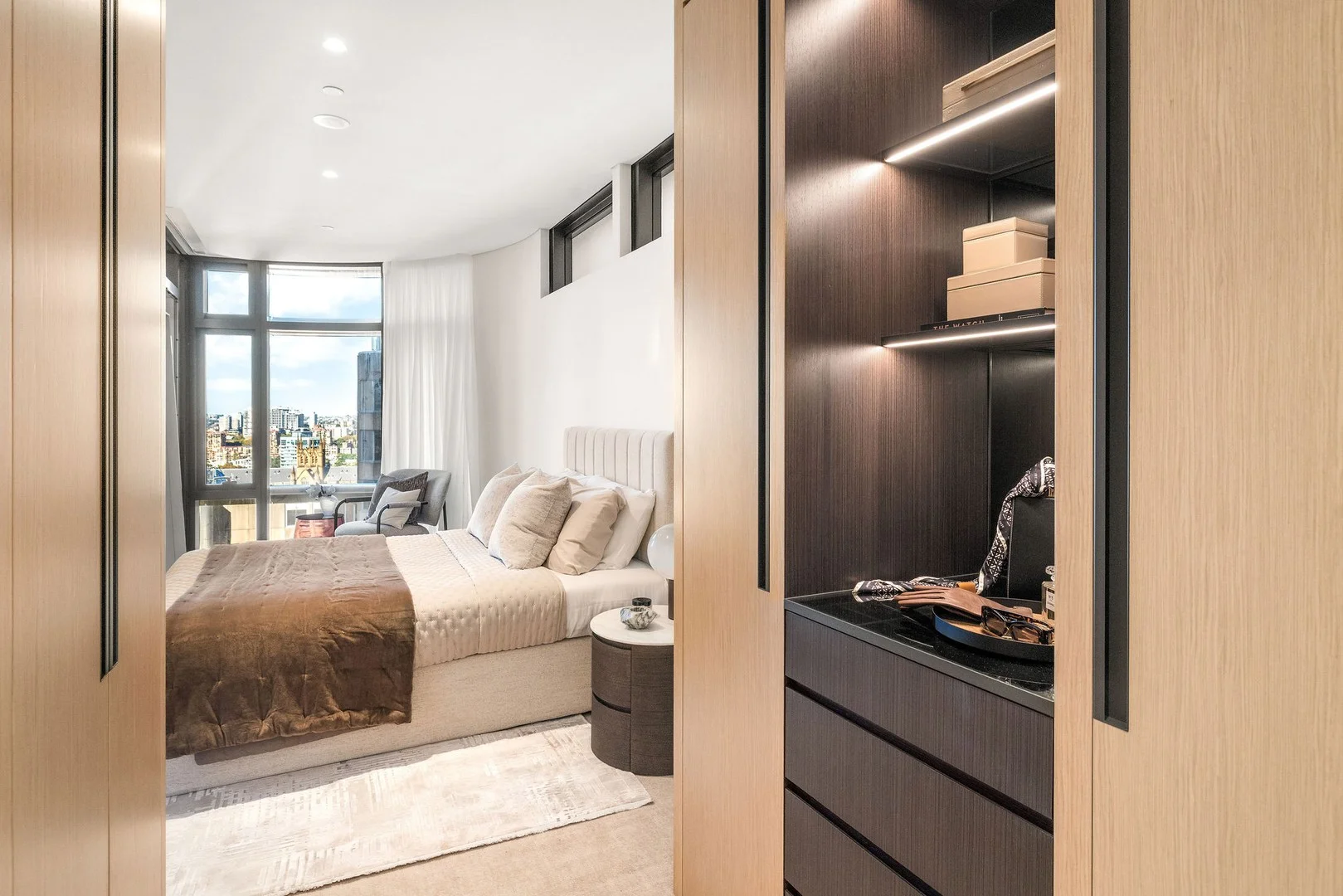 $2,745,000
propertyType.NEW APARTMENTS / OFF THE PLAN
$2,745,000
propertyType.NEW APARTMENTS / OFF THE PLAN
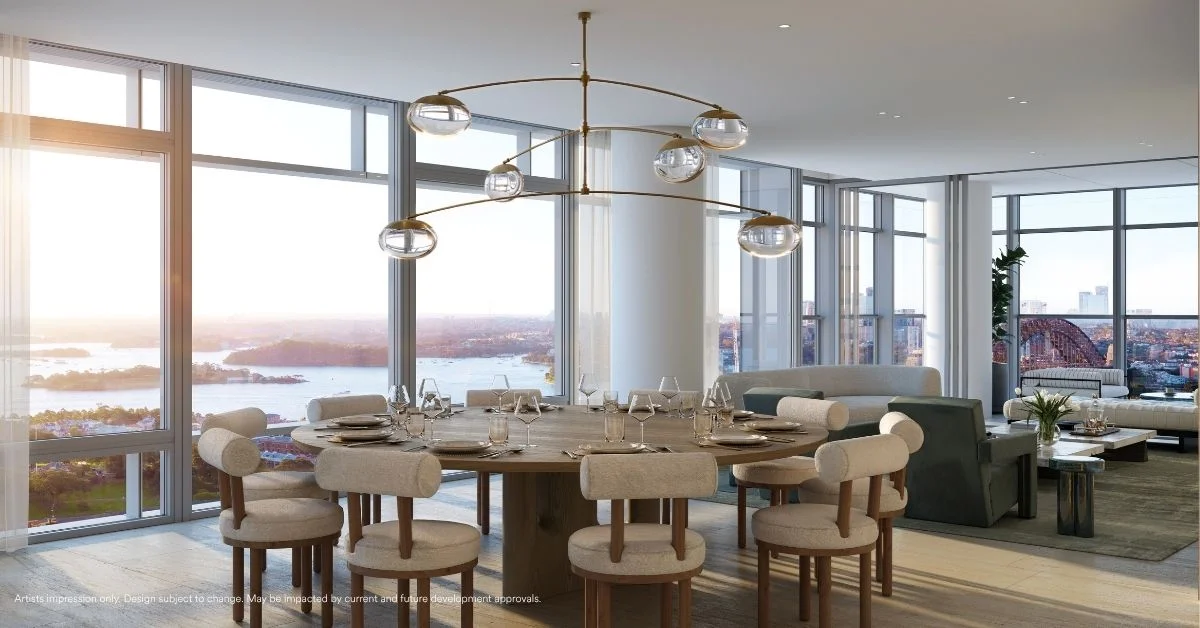 $26,550,000
propertyType.NEW APARTMENTS / OFF THE PLAN
$26,550,000
propertyType.NEW APARTMENTS / OFF THE PLAN