Overview
1. Overview
St Joseph’s Catholic Primary School, Enfield is a Catholic, co-educational primary school serving families in the Enfield area within the Archdiocese of Sydney. The school combines faith-based education with a solid academic program, fostering a sense of community and service.
The school is small to medium in size, with class sizes designed to be manageable and nurture close teacher–student relationships. Class sizes typically range around 20–25 students per class, depending on year level. The atmosphere is nurturing and inclusive, with a faith-informed culture that values academic achievement, character development, and community involvement.
⸻
2. Academics & Learning
Academic strengths include strong literacy and numeracy foundations, with an emphasis on English, maths, and writing across the curriculum. Religious education is integrated throughout the program, supporting moral and values-based learning alongside core subjects. The school also prioritises critical thinking, creativity, and responsible citizenship, helping students become confident contributors to their communities.
Special programs may include opportunities for enrichment and extension within the school day, with a focus on developing leadership, teamwork, and resilience. The school participates in NSW curriculum standards and supports learning progression through targeted teaching strategies.
NAPLAN trends (where available) show steady performance with students meeting or exceeding state benchmarks over time, reflecting purposeful teaching and ongoing improvement. The school emphasises progress and individual growth, using data to tailor support and challenge for students.
Student–teacher ratios are kept deliberately low to support personalised learning and meaningful teacher feedback. Support for diverse learners is key, with EAL/D (English as an Additional Language/Dialect) support and inclusive education practices to help students with diverse needs access the curriculum. Individual or small-group interventions may be offered for students requiring extra help.
⸻
3. Sports & Extracurricular Strengths
Sports offered typically include soccer, rugby league, cricket, netball, basketball, and athletics, with opportunities to participate in school and district competitions. The school aims to field teams and participate in representative programs where possible, fostering teamwork, discipline, and school pride.
Music, arts, and drama programs are part of the extracurricular landscape, with opportunities for school performances, choir, and music lessons. A range of clubs exists or is developed over time, such as robotics, coding, chess, and debating, providing avenues for students to explore interests beyond the classroom.
Partnerships with local clubs, community organisations, and diocesan activities offer additional avenues for competition, enrichment, and collaboration, helping students engage with broader communities beyond the classroom.
⸻
4. Wellbeing & Pastoral Care
A positive anti-bullying approach is embedded in the school culture, combining clear policies with restorative practices and peer-support initiatives. A house system supports belonging, leadership development, and friendly competition, while fostering a sense of identity and teamwork across year levels.
Counsellors or wellbeing officers are available to support students’ emotional and social needs, with programs focusing on resilience, self-regulation, and healthy peer relationships. Transition support for new students includes orientation activities, buddy programs, and communication with families to ensure a smooth start.
⸻
5. Facilities
Facilities are designed to support a well-rounded education and a safe, engaging learning environment. Visual highlights include:
- Sports grounds for outdoor activities and events
- Library stocked with current and engaging titles
- Science labs for practical investigations
- Music and performing arts spaces for ensembles and productions
- Tech/innovation labs or computing spaces for digital learning
- Canteen offering healthy meal options
- Updated playgrounds and outdoor learning areas
These spaces are designed to be welcoming and easy to navigate, supporting both structured lessons and creative exploration.
⸻
6. School Values & Community Culture
The school’s values and mission centre on Catholic faith, service, respect, and responsibility, guiding daily life and learning. Leadership is often collaborative, with opportunities for student voice and leadership roles that build character and civic-mindedness.
Behaviour expectations are clear, consistent, and rooted in dignity and mutual respect. The school enjoys a positive reputation within the local community for its faith-based, family-friendly environment and commitment to inclusive education. A focus on diversity and inclusion ensures that students from varied backgrounds feel supported and valued.
⸻
7. School Logistics & Daily Operations
School hours typically run from around 9:00am to 3:00pm, with variations by year level and activities. Before/after school care options are often available to help families with work commitments.
Uniform requirements include a school uniform with seasonal adjustments (summer and winter options) as part of daily school life. Transport options generally include access to local public transport routes and parking considerations in coordination with families and the school community.
A canteen provides daily healthy options, and students might participate in lunch-order systems. Fees are reflective of a moderate level common to NSW Catholic primary schools, with information provided in enrolment packs and school communications.
⸻
8. Enrolment & Admissions
11. What is the enrolment process and timeline?
- Interested families should submit an application and any required documentation through the school’s enrolment process.
- Information sessions or open days may be offered to families considering the school.
- The school reviews applications, conducts interviews or discussions with families, and assesses eligibility and readiness.
- Offers are communicated within an established timeline, with next steps provided to secure enrolment. The start year is confirmed during the admission process.
12. Is there a waiting list, and how does it work?
- Yes, a waiting list may operate when enrolments exceed available places.
- Priority is typically given to siblings, parish considerations, and date of application, with spaces allocated as they become available.
- Families on the waiting list are informed of status updates and expected timelines for opportunities.
13. Are there any entry requirements, tests, or interviews?
- Entry usually involves an interview or meeting with the principal or leadership team.
- Required documentation (birth certificates, immunisation records, baptism information where applicable) is requested.
- Some Catholic primary schools include discussions about faith formation or family involvement as part of the process.
14. Does the school accept mid-year transfers?
- Mid-year transfers may be possible where space allows.
- The process typically includes an intake meeting, provision of student records, and a transition plan to support the student’s adjustment.
- Availability depends on current enrolments and capacity at the time of request.
⸻
9. Frequently Asked Questions
- Why Parents Choose This School?
Parents value the school’s faith-based, values-driven education, supportive teachers, small classes, and strong sense of community. The focus on holistic development—academic, spiritual, and social—resonates with families seeking a nurturing environment.
- What type of student thrives at this school?
Students who respond well to a values-based learning culture, who benefit from close teacher guidance, and who enjoy collaborative learning, faith formation, and participation in a range of sports and arts tend to thrive here.
- What opportunities are available for students to extend their skills (academics, sports, arts)?
Opportunities include literacy and numeracy enrichment, leadership activities, sports teams, music ensembles, drama productions, clubs (robotics, chess, coding, debating), and community service projects.
- How does the school communicate with parents?
Regular communications are provided through newsletters, emails, the school portal, parent-teacher meetings, and information evenings. Notices about events, performances, sports, and enrolment are shared in a timely manner.
- What is the school’s approach to teaching and learning?
The school emphasises a balanced, student-centered approach that integrates faith with academic learning, fosters critical thinking, collaboration, and hands-on inquiry, and uses formative assessment to guide instruction.
- How does the school support students who need extra academic help?
Targeted interventions, small-group instruction, EAL/D support, and access to school counsellors and learning support staff are provided to help students catch up and grow.
- What support is available for academic challenges?
Dedicated teachers, learning support programs, and parental involvement through conferences and plans help address academic challenges and track progress.
- How does the school communicate with parents?
See above: ongoing channels include newsletters, portals, and formal/informal meetings to keep families informed and engaged.
- What are the class sizes and how much individual attention do students receive?
Class sizes are designed to be small to medium (roughly 20–25 students per class), enabling regular individual feedback, tailored instruction, and closer teacher-student relationships.
- What extracurricular and sports opportunities are available?
A range of sports (soccer, rugby league, cricket, netball, basketball, athletics), music/arts programs, and clubs such as robotics, coding, chess, and debating are commonly available.
- What facilities does the school offer (sports, science, arts)?
Facilities typically include sports grounds, library, science labs, performing arts/music spaces, technology/computing spaces, a canteen, and updated outdoor play areas.
- What is the school’s approach to technology and digital learning?
The school supports digital literacy through age-appropriate technology use, computer labs or devices, and integrated online learning tools to complement classroom instruction.
- What transport and accessibility options are available?
Public transport routes and reasonable accessibility arrangements support families coming from the surrounding area, with information provided to help plan travel.
- What are the typical school fees or additional costs?
Fees are described as moderate and are outlined in the enrolment materials; families should review the fee schedule for details on uniforms, excursions, and optional activities.
⸻
10. Short Pros & Cons list
Pros
- Strong Catholic values and community focus
- Small to medium class sizes with attentive teaching
- Holistic approach combining faith, academics, and wellbeing
- Supportive environment for diverse learners (EAL/D and SEN)
- Good facilities supporting a range of learning and activities
Cons
- Religious alignment may not suit non-CCatholic families
- Limited specialization beyond core curriculum in some subjects
- Travel or commuting considerations for families outside the immediate area
- Participation in school life (events, programs) can require time commitments from families
⸻









 $36,000,000 - $39,500,000
Vacant Land
$36,000,000 - $39,500,000
Vacant Land
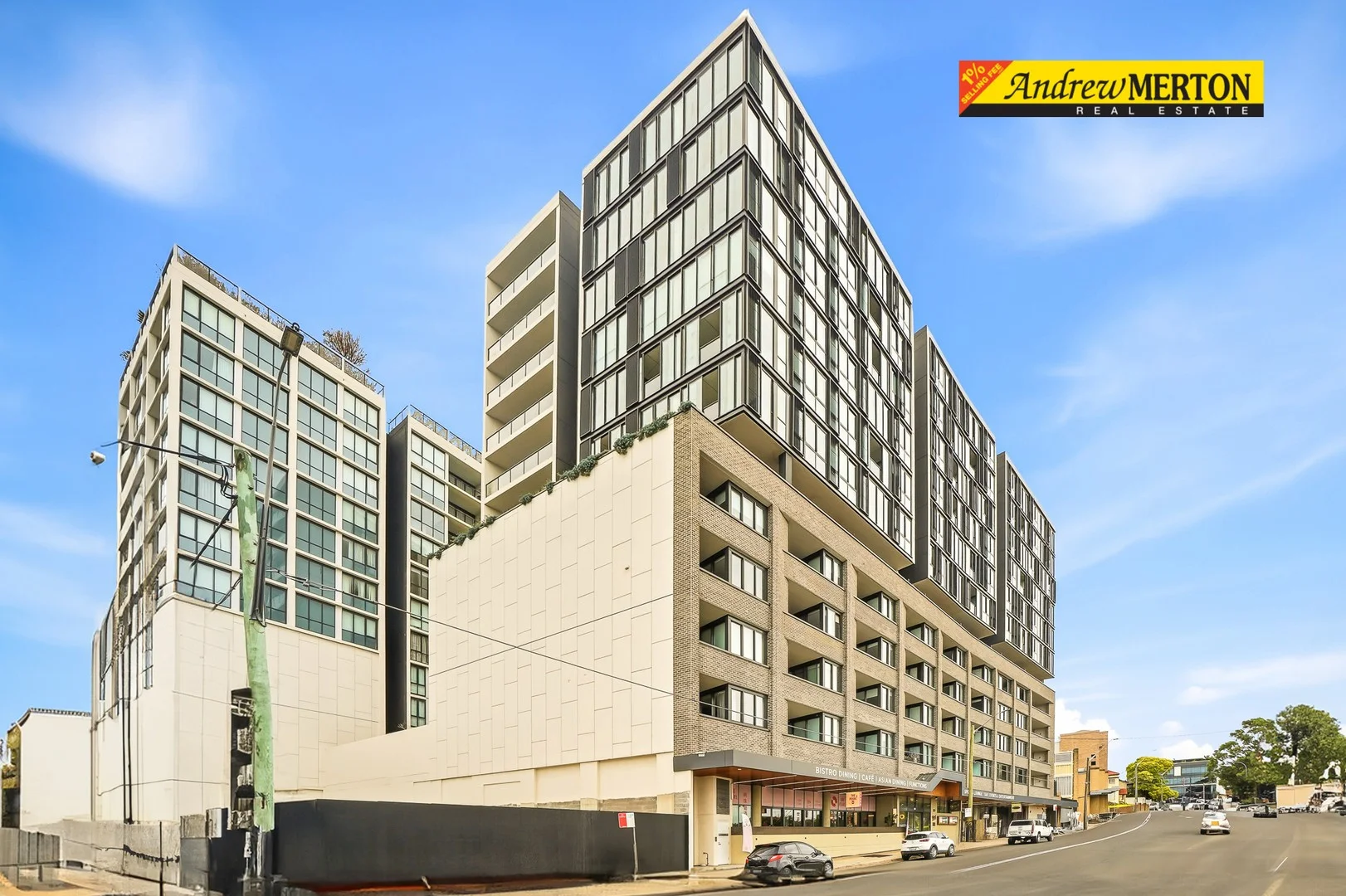 $699,000
Apartment / Unit / Flat
$699,000
Apartment / Unit / Flat
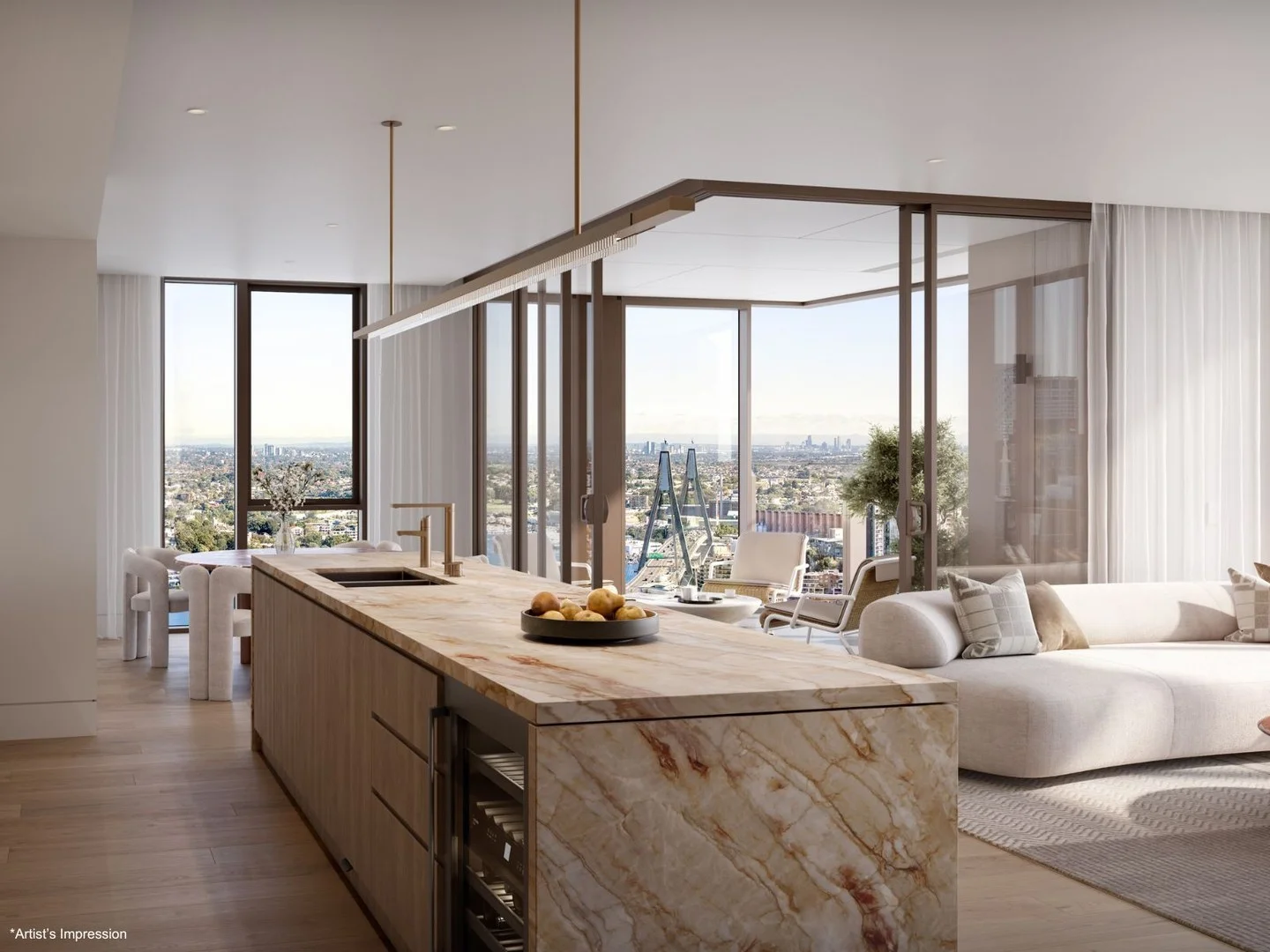 $9,020,000
propertyType.NEW APARTMENTS / OFF THE PLAN
$9,020,000
propertyType.NEW APARTMENTS / OFF THE PLAN
 $8,630,000
propertyType.NEW APARTMENTS / OFF THE PLAN
$8,630,000
propertyType.NEW APARTMENTS / OFF THE PLAN
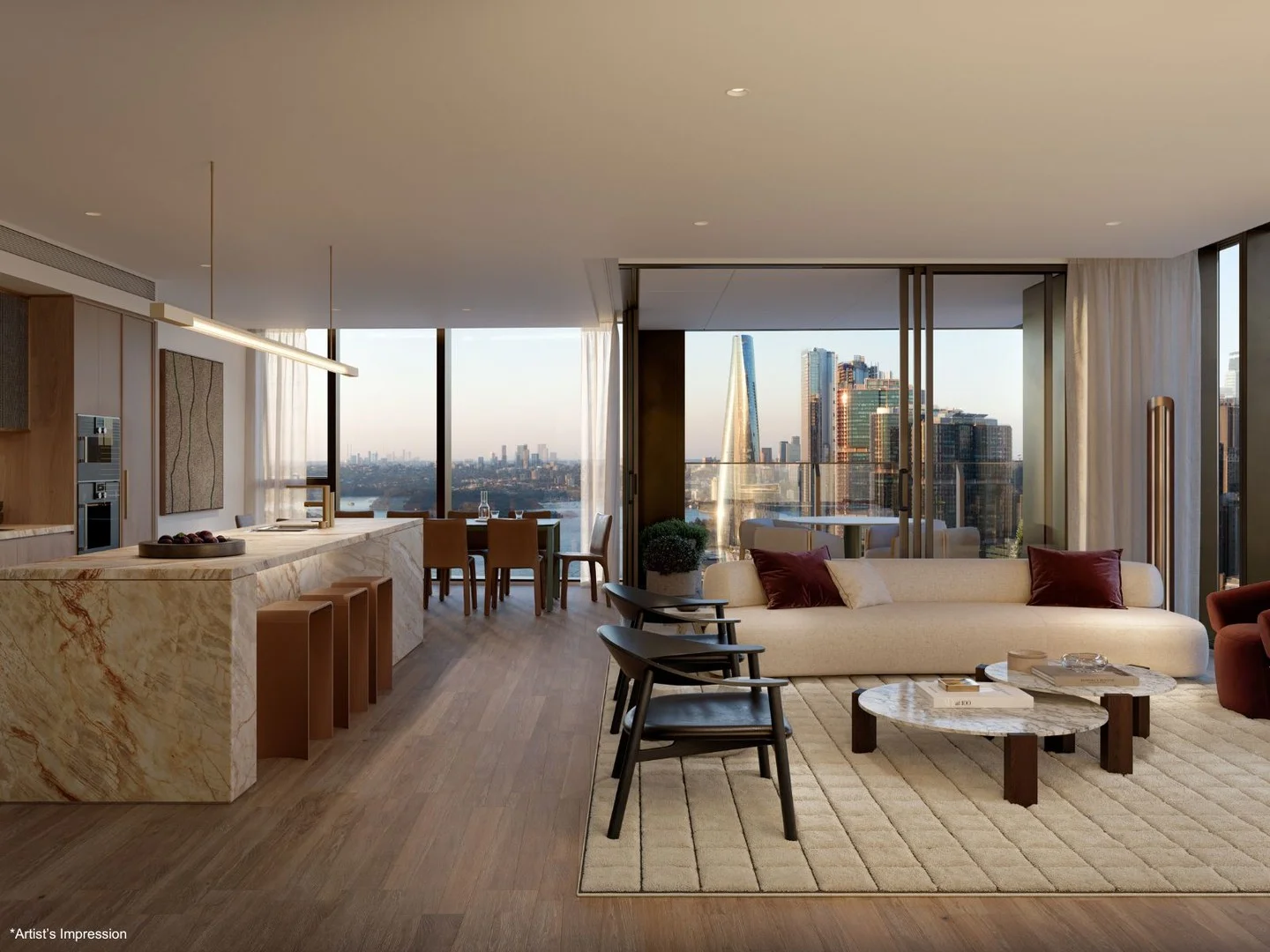 $12,980,000
propertyType.NEW APARTMENTS / OFF THE PLAN
$12,980,000
propertyType.NEW APARTMENTS / OFF THE PLAN
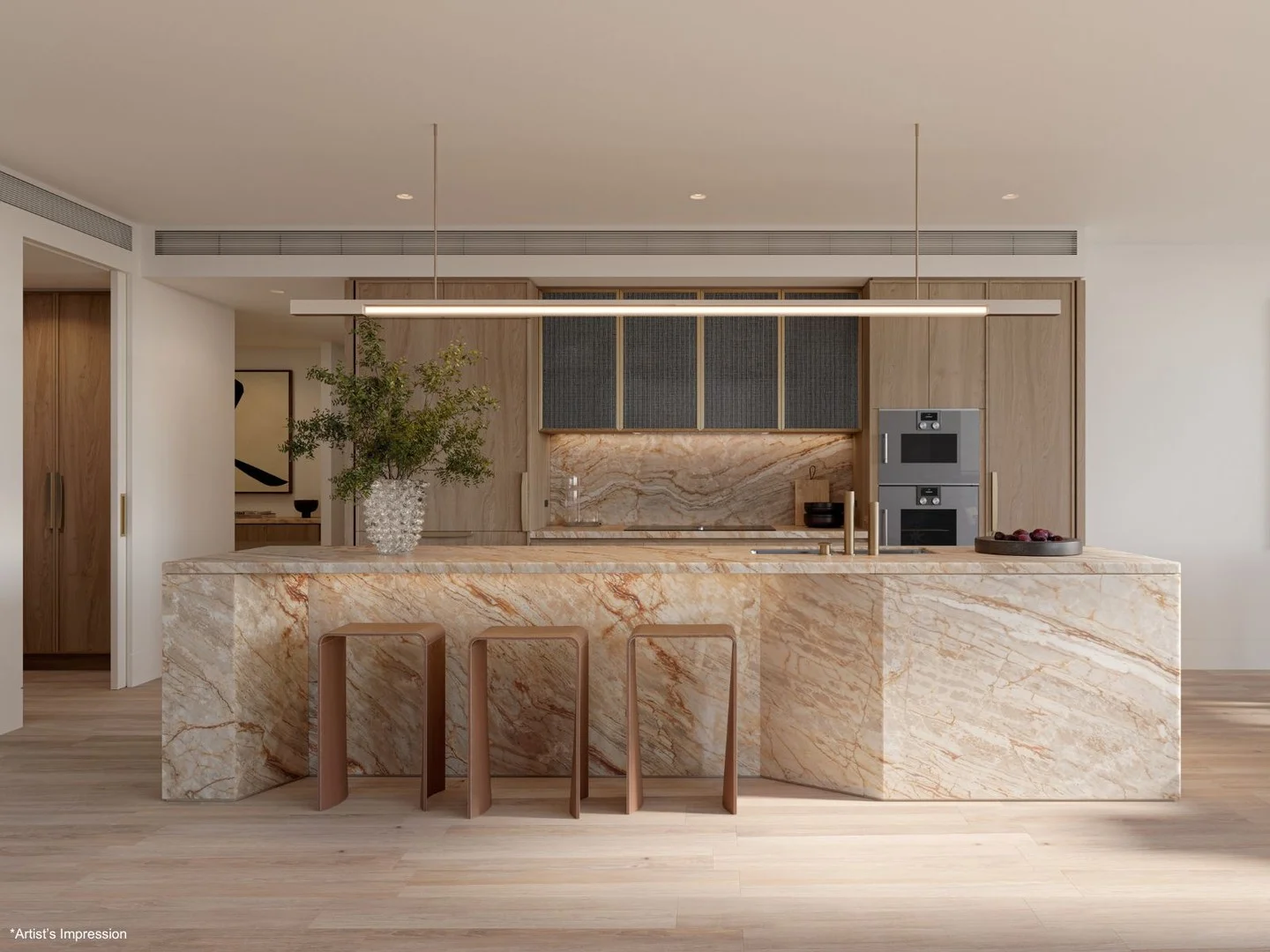 $6,225,000
propertyType.NEW APARTMENTS / OFF THE PLAN
$6,225,000
propertyType.NEW APARTMENTS / OFF THE PLAN
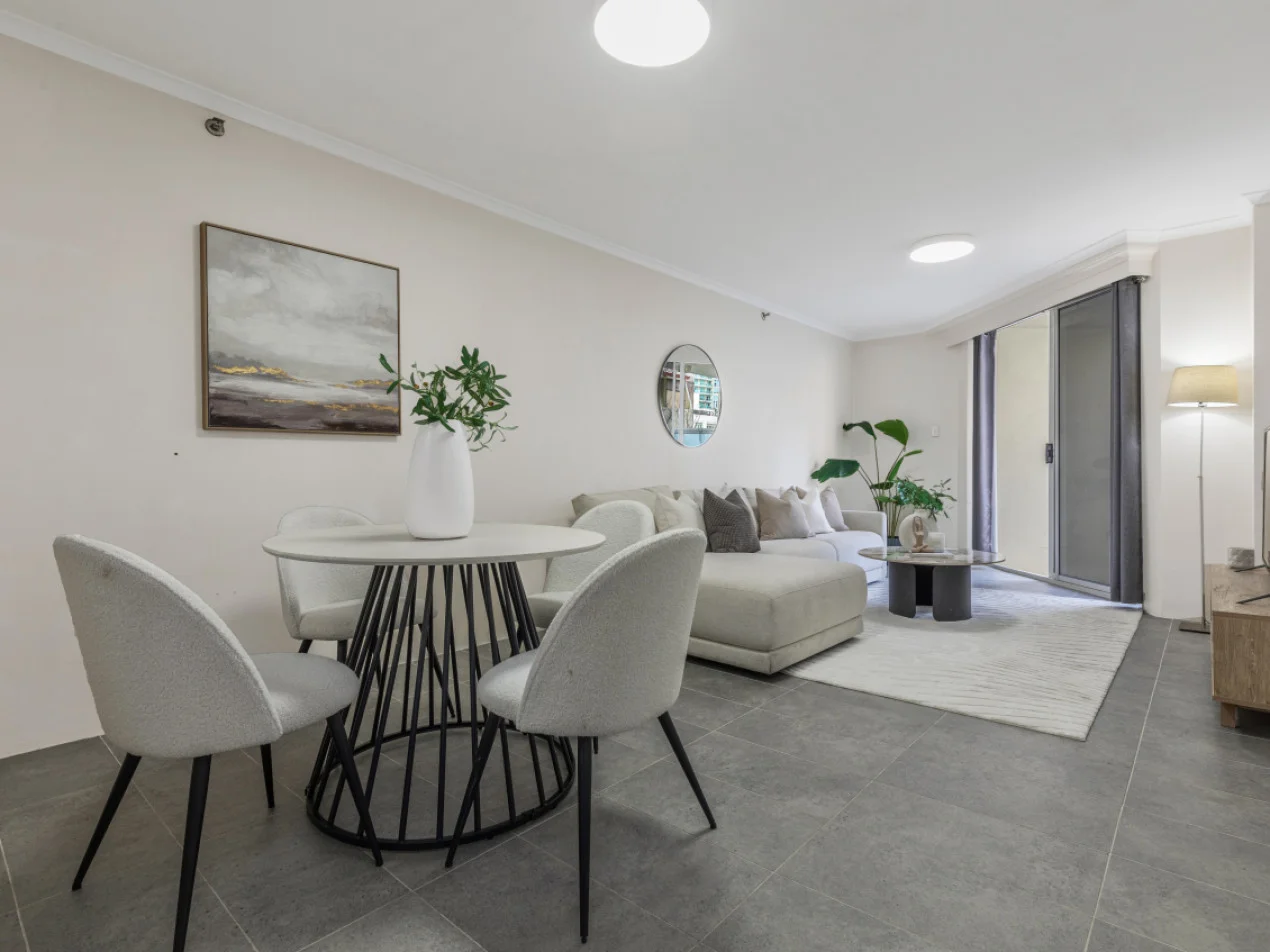 $640,000 - $675,000
Apartment / Unit / Flat
$640,000 - $675,000
Apartment / Unit / Flat
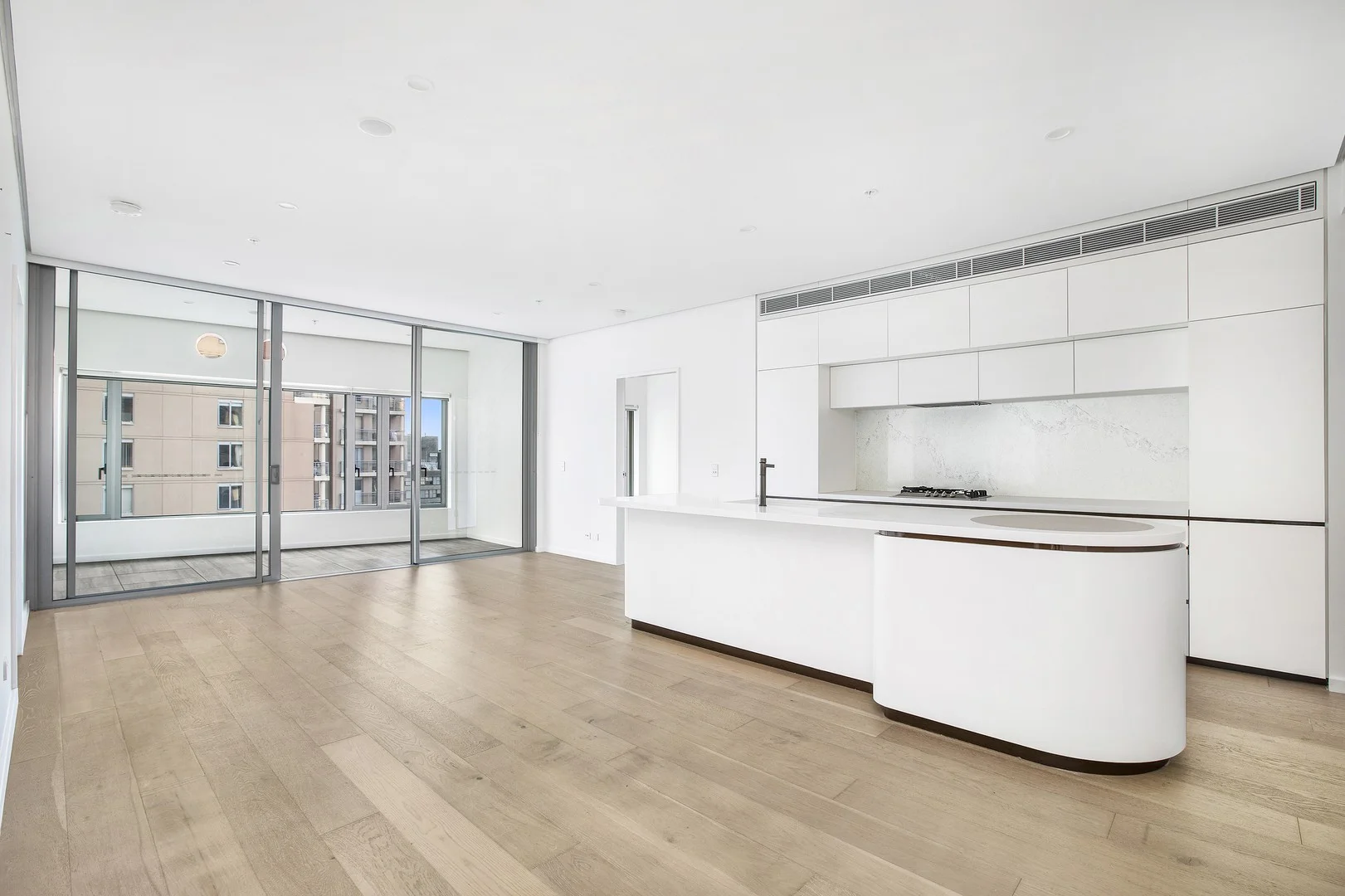 $2,250,000
Apartment / Unit / Flat
$2,250,000
Apartment / Unit / Flat
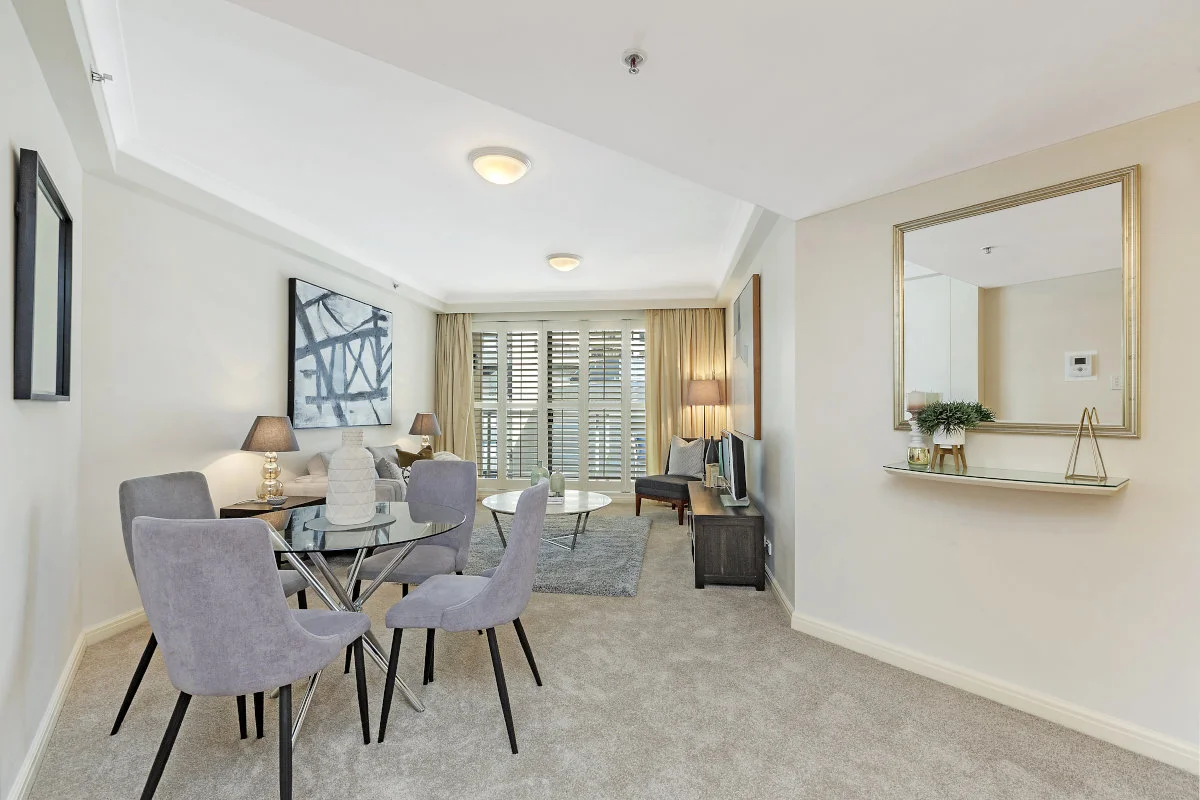 $660,000 - $725,000
Apartment / Unit / Flat
$660,000 - $725,000
Apartment / Unit / Flat