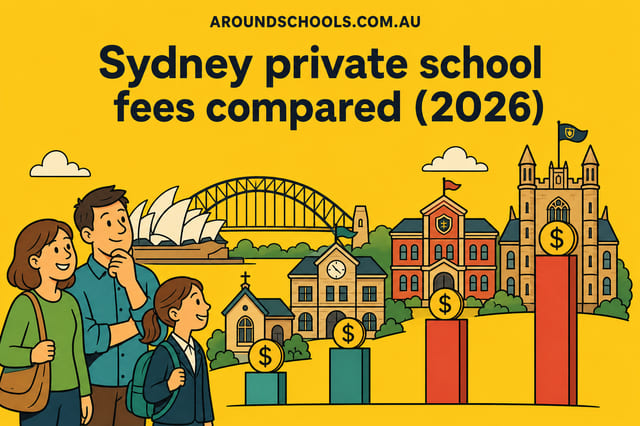
Overview
## 1. Overview
Trinity Grammar Preparatory School is an independent Anglican day school for boys, focused on delivering a strong primary education within a values-driven culture. The preparatory program emphasizes academic development, character, and a broad range of co-curricular opportunities that help boys grow into confident, capable learners.
The school is large for a boys’ primary program and typically features class sizes around 20 or so students, which supports individual attention while maintaining a lively, collaborative environment. The atmosphere is academically focused yet nurturing, inclusive, and sport-minded, with a strong sense of community among students, families, and staff.
---
## 2. Academics & Learning
- Academic strengths: English, mathematics, science, and languages are core pillars, with an emphasis on clear communication, rigour, and problem-solving. Leadership Development and public speaking are integrated through classroom activities and school programs.
- Special programs: Gifted and Talented or accelerated learning opportunities are offered to appropriate students, along with exposure to leadership development and co-curricular competitions.
- NAPLAN trends: The school typically demonstrates strong performance with stable to improving results over time, reflecting consistent high achievement relative to state norms.
- Student-teacher ratios: Ratios are kept deliberately low to support individual instruction and feedback, commonly around 1:10 to 1:15 in the primary years.
- Support for diverse learners: Strong support for EAL (English as an Additional Language) and SEN (Special Educational Needs) through targeted small-group interventions, access to specialists, and inclusive teaching practices.
---
## 3. Sports & Extracurricular Strengths
- Sports offered: Rugby, cricket, football (soccer), basketball, tennis, swimming, athletics, and cross-country are commonly available, with pathways to representative teams and inter-school competition.
- Strong teams or achievements: The school places emphasis on developing competitive teams with a track record of participation and achievement in inter-school events and age-appropriate leagues.
- Music, arts, drama programs: Comprehensive programs include school choirs, orchestras, solo performance opportunities, and drama productions that enrich the arts experience.
- Clubs: Robotics, chess, coding, debating, and other STEM or humanities clubs help students explore interests beyond the classroom.
- Partnerships: Regular participation in local and regional competitions and collaborations with community and sports clubs to extend opportunities.
---
## 4. Wellbeing & Pastoral Care
- Anti-bullying approach: Clear anti-bullying policies and proactive programs promote respectful behaviour and a safe school environment.
- House system: A traditional house system fosters belonging, camaraderie, and healthy competition across year groups.
- Counsellors / wellbeing officers: On-site wellbeing staff support students’ social, emotional, and mental health needs, with accessible pathways for help.
- Transition support for new students: Induction programs, buddy systems, and targeted orientation activities ease transitions into the school community.
---
## 5. Facilities
- Sports grounds: Well-maintained fields and gym facilities support a broad range of physical education and team sports.
- Libraries: Dedicated library spaces with print and digital resources to support learning and inquiry.
- Science labs: Modern, well-equipped laboratories for hands-on science exploration.
- Music/performing arts centers: Spaces for rehearsals and performances, including recital rooms and performance venues.
- Tech/innovation labs: Computer labs and makerspaces that encourage coding, robotics, and digital creation.
- Cafeteria: On-site food service with a variety of options.
- Updated playgrounds: Safe, well-designed outdoor spaces for play and active recreation.
---
## 6. School Values & Community Culture
- School values / mission: Emphasis on respect, integrity, excellence, service, and character development as part of daily learning.
- Leadership style: Collaborative and student-centered, with opportunities for student leadership and voice within the school community.
- Behaviour expectations: Clear codes of conduct and positive discipline policies that promote responsible, respectful behaviour.
- Community reputation: Strong sense of community among families, alumni, and staff, with an emphasis on support and involvement.
- Diversity & inclusion: Commitment to a diverse and inclusive environment where students from various backgrounds feel welcomed and supported.
---
## 7. School Logistics & Daily Operations
- School hours: The day typically runs through a standard primary timetable with start and finish times aligned to the school’s calendar; before/after care is often available.
- Before/after school care: Available to families needing supervision outside the core school day.
- Uniform requirements: Formal school uniform is standard, with appropriate day-to-day and event wear.
- Transport (train/bus routes): Transport options include school buses and connections to public transport; families should check local routes and schedules.
- Canteen availability: Canteen or lunch services are available, offering a range of options.
- Fees (low/medium/high ranges): Fees are in the high range for independent primary education in many Sydney contexts, reflecting private schooling standards and facilities.
---
## 8. Enrolment & Admissions
11. What is the enrolment process and timeline?
- Applications are submitted online with supporting documents. Shortlisting for interviews/tests occurs, followed by assessments, interviews, and offers. Once offered, families typically confirm enrollment within a stated window and complete any required enrolment steps and deposits.
12. Is there a waiting list, and how does it work?
- There is often a waiting list when year groups reach capacity. Positions on the list are typically allocated based on vacancy availability, siblings, and the school’s admissions priorities. Families may be advised of their status and approximate wait times.
13. Are there any entry requirements, tests, or interviews?
- Entry usually involves an admissions interview and age-appropriate assessments or tests (e.g., verbal and non-verbal reasoning, and potentially literacy/numeracy tasks) to determine readiness and fit. Prior schooling records and recommendations are typically reviewed.
14. Does the school accept mid-year transfers?
- Mid-year transfers may be possible if space is available, subject to the school’s assessment, class composition, and enrolment processes. Prospective families should contact the admissions team as early as possible to explore options.
---
## 9. Frequently Asked Questions
- Why Parents Choose This School?
- A strong academic program paired with supportive pastoral care, extensive co-curricular offerings, and a values-based culture common to independent Anglican schools.
- What type of student thrives at this school?
- Curious, motivated boys who respond well to a structured yet supportive environment with opportunities across academics, sport, arts, and leadership.
- What opportunities are available for students to extend their skills (academics, sports, arts)?
- Advanced coursework or acceleration options, strong sport programs, music and drama ensembles, debating and robotics clubs, and leadership roles.
- How does the school communicate with parents?
- Regular notifications, parent-teacher conversations, newsletters, and digital platforms for updates on academics, wellbeing, and events.
- What is the school’s approach to teaching and learning?
- A balanced emphasis on high-quality instruction, critical thinking, and character development, with differentiated support to meet diverse needs.
- How does the school support students who need extra academic help?
- Targeted in-class support, learning plans, and access to specialist staff and tutoring options as appropriate.
- What support is available for academic challenges?
- Early identification, personalised support plans, and availability of remediation or extension as needed.
- How does the school communicate with parents?
- See above: regular channels include meetings, emails, newsletters, and online portals.
- What are the class sizes and how much individual attention do students receive?
- Class sizes typically around 20 students, with teacher focus on individual feedback and learning progress.
- What extracurricular and sports opportunities are available?
- A broad range including rugby, cricket, football, basketball, tennis, swimming, arts, music, drama, robotics, chess, coding, and debating.
- What facilities does the school offer (sports, science, arts)?
- Comprehensive facilities including sports grounds, libraries, science labs, music/performing arts spaces, tech labs, canteen, and updated outdoor play areas.
- What is the school’s approach to technology and digital learning?
- Integration of technology across the curriculum with access to computers, coding clubs, and digital learning tools to build ICT literacy and creativity.
- What transport and accessibility options are available?
- School transport options and proximity to public transport routes; check with the admissions team for current arrangements.
- What are the typical school fees or additional costs?
- Fees align with a private independent school in the region, often in the higher range; additional costs may include uniforms, trips, and activity-specific fees.
---
## 10. Short Pros & Cons list
- Pros
- Strong academic framework with robust co-curricular options
- Supportive wellbeing and pastoral care
- Clear values and positive school culture
- Dedicated facilities and resources for learning and performance
- Active student leadership opportunities and community engagement
- Cons
- Higher tuition fees typical of independent private schools
- Competitive entry with potential waiting lists during peak years
- Busy calendar may require careful family time management











 $8,630,000
propertyType.NEW APARTMENTS / OFF THE PLAN
$8,630,000
propertyType.NEW APARTMENTS / OFF THE PLAN
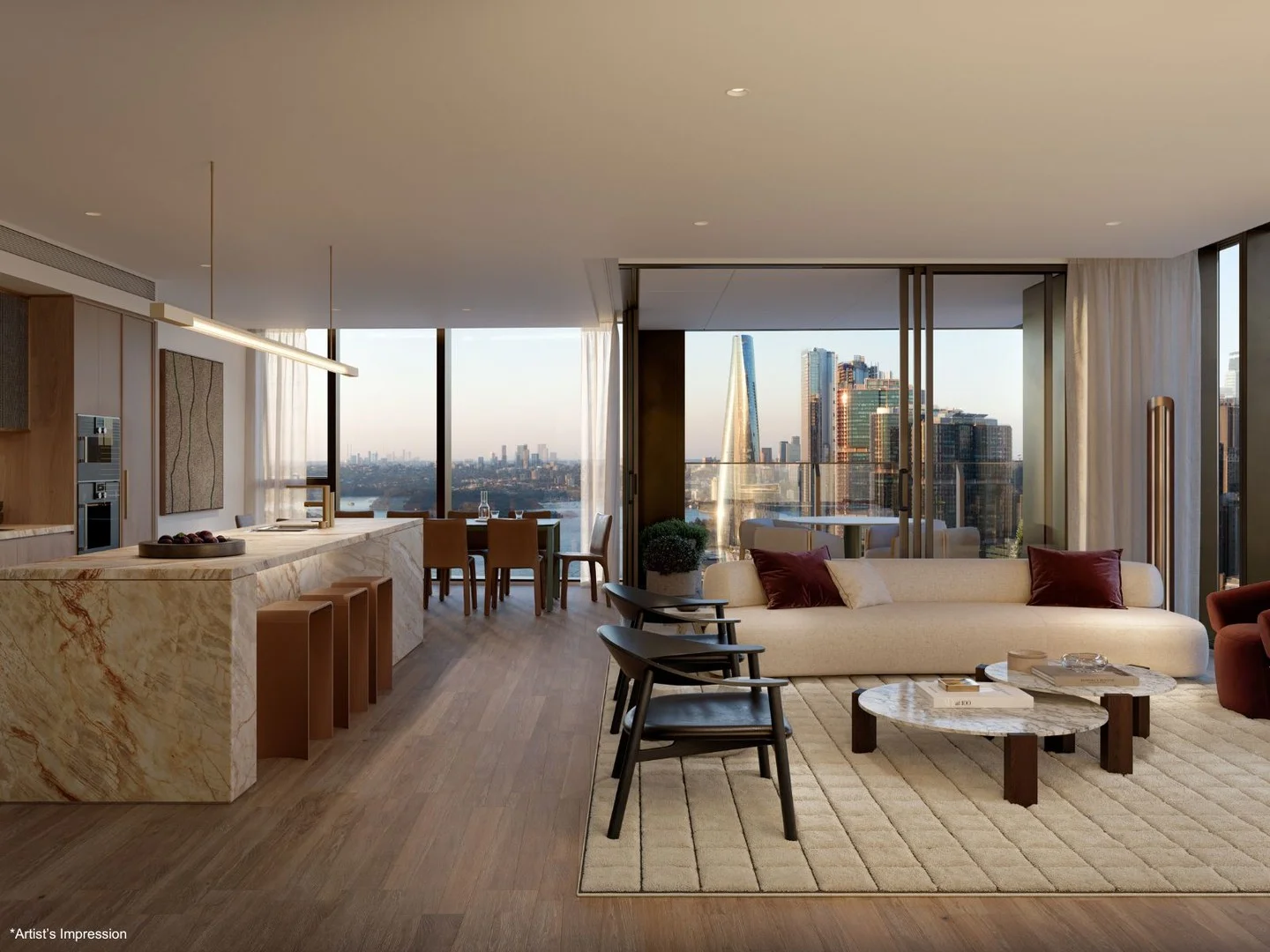 $12,980,000
propertyType.NEW APARTMENTS / OFF THE PLAN
$12,980,000
propertyType.NEW APARTMENTS / OFF THE PLAN
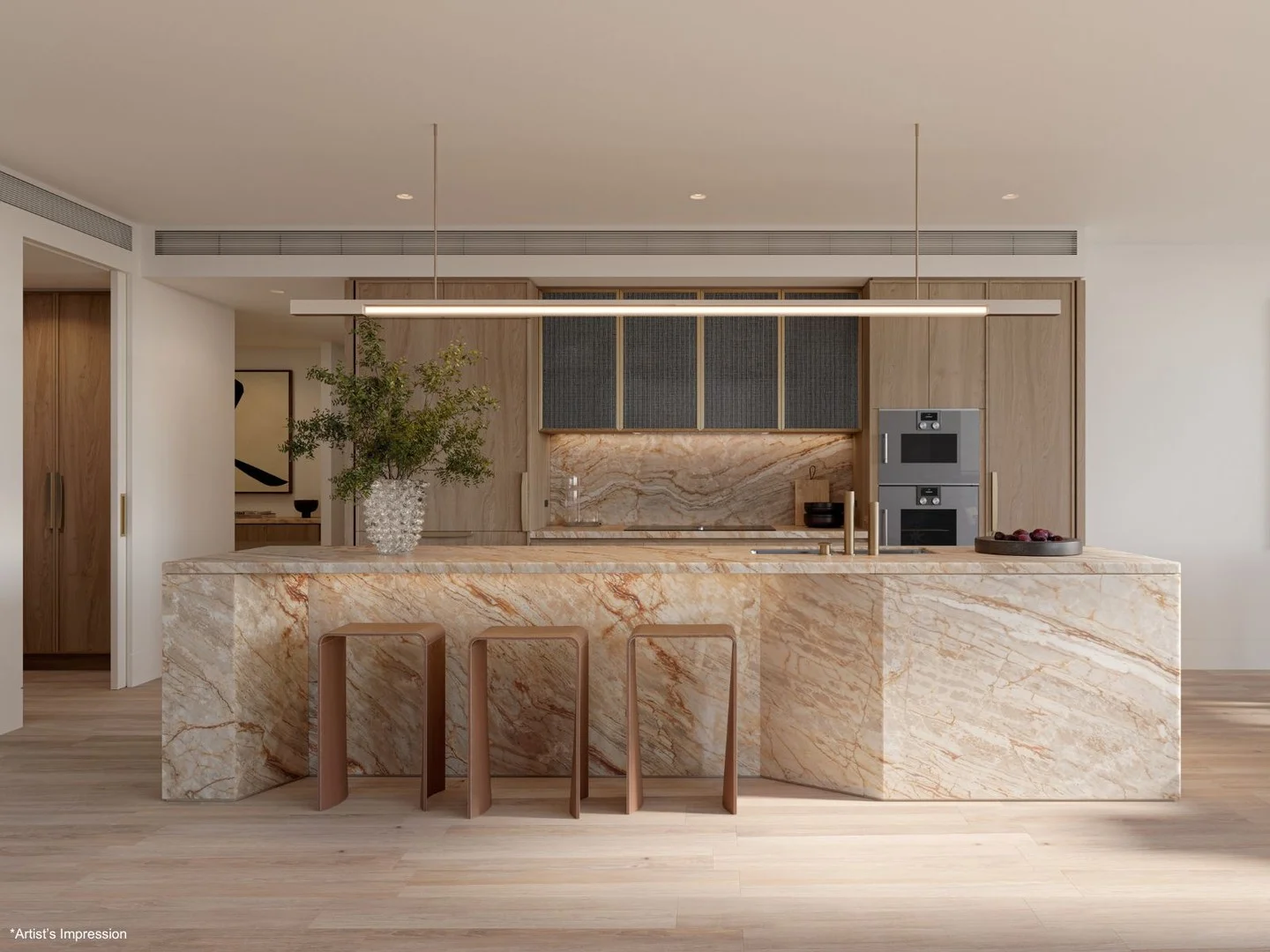 $6,225,000
propertyType.NEW APARTMENTS / OFF THE PLAN
$6,225,000
propertyType.NEW APARTMENTS / OFF THE PLAN
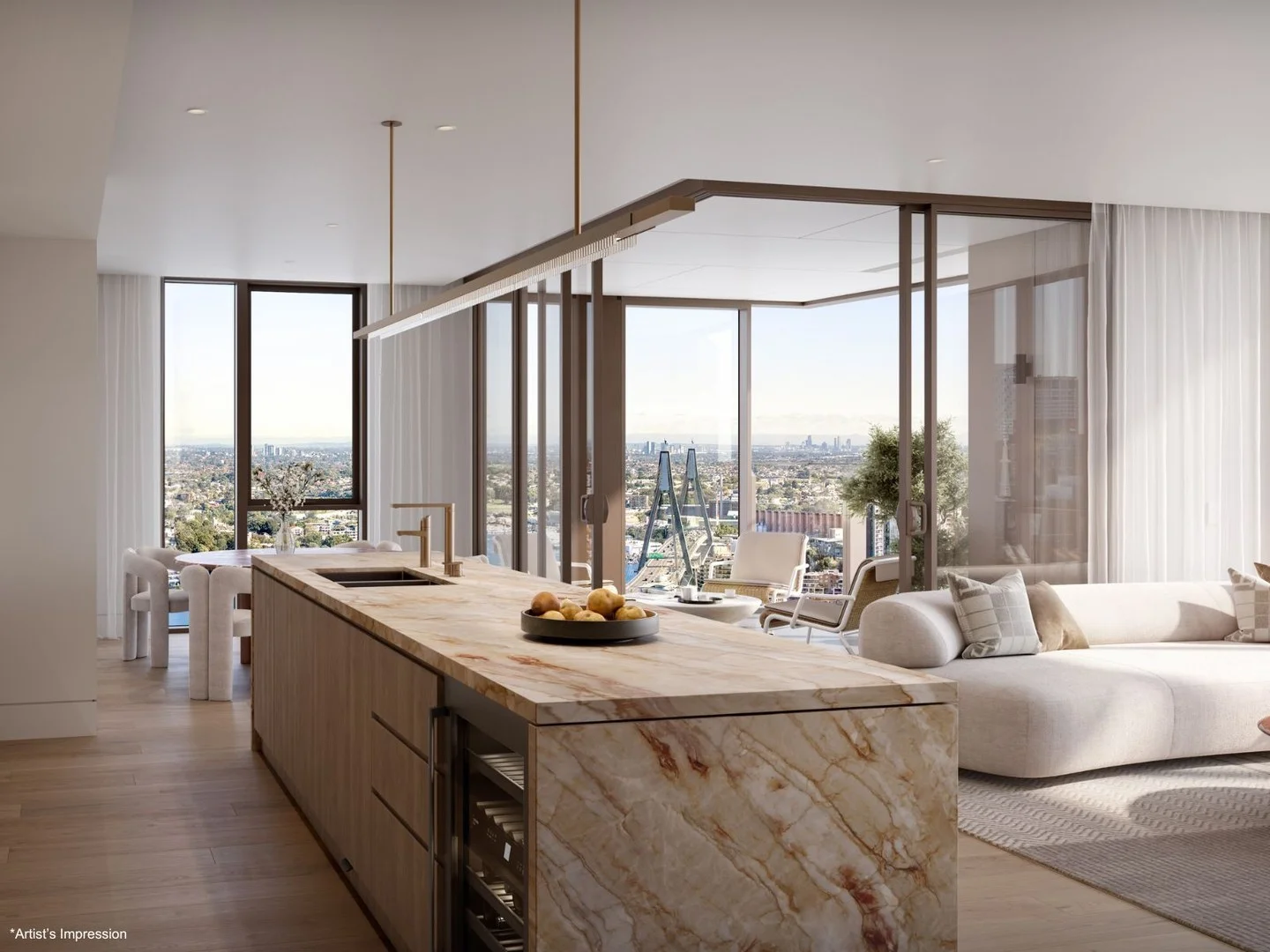 $9,020,000
propertyType.NEW APARTMENTS / OFF THE PLAN
$9,020,000
propertyType.NEW APARTMENTS / OFF THE PLAN
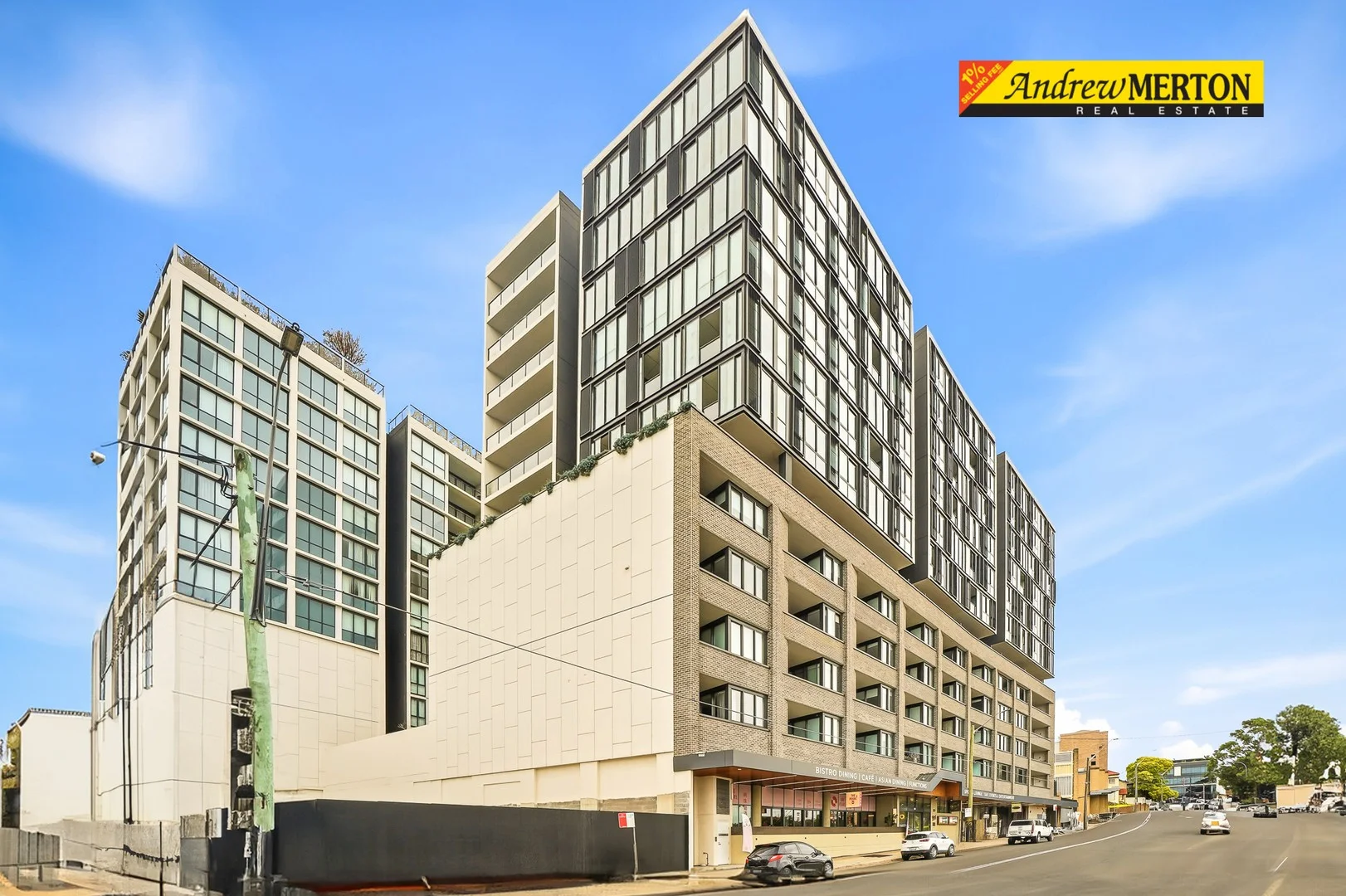 $699,000
Apartment / Unit / Flat
$699,000
Apartment / Unit / Flat
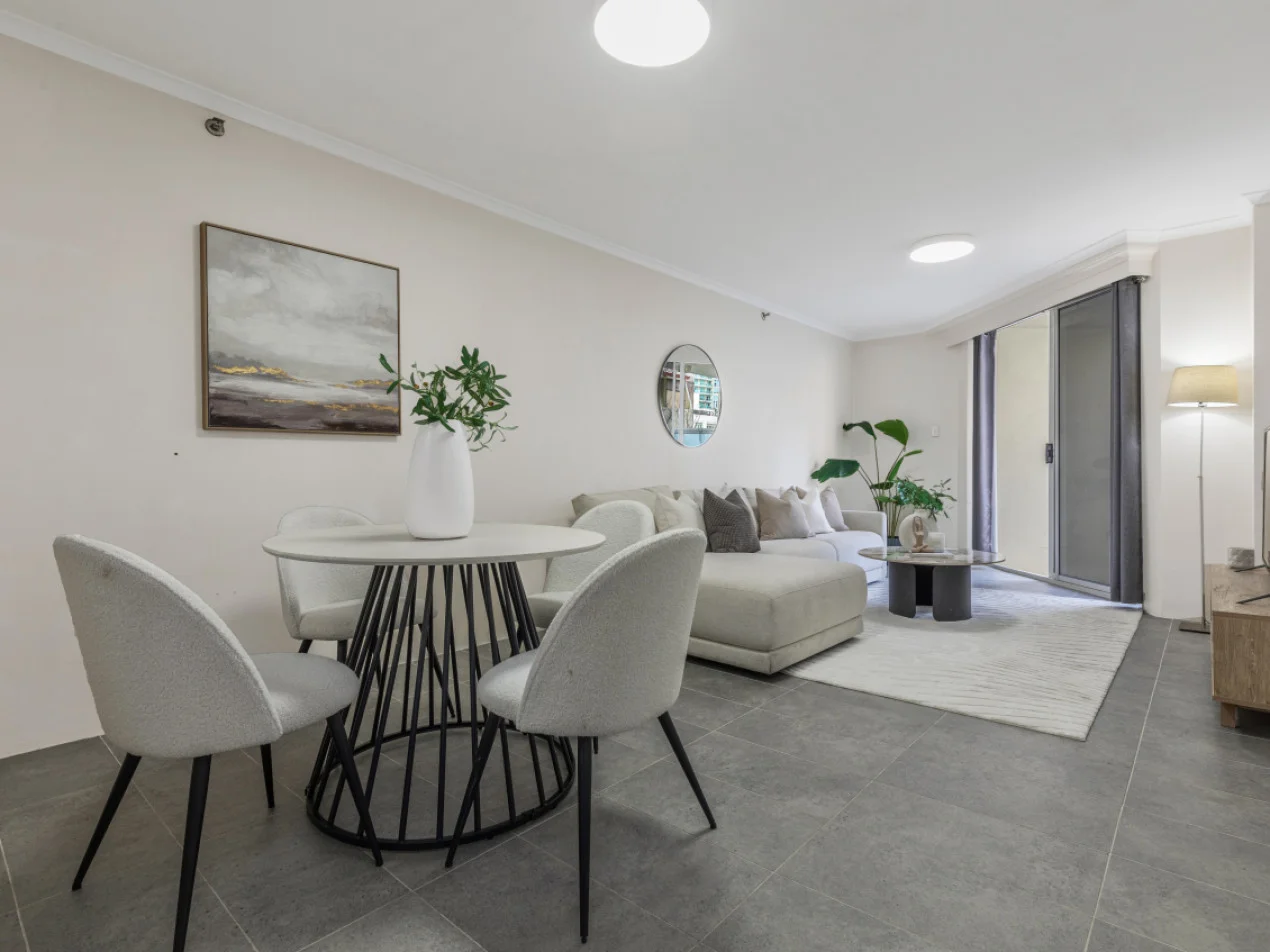 $640,000 - $675,000
Apartment / Unit / Flat
$640,000 - $675,000
Apartment / Unit / Flat
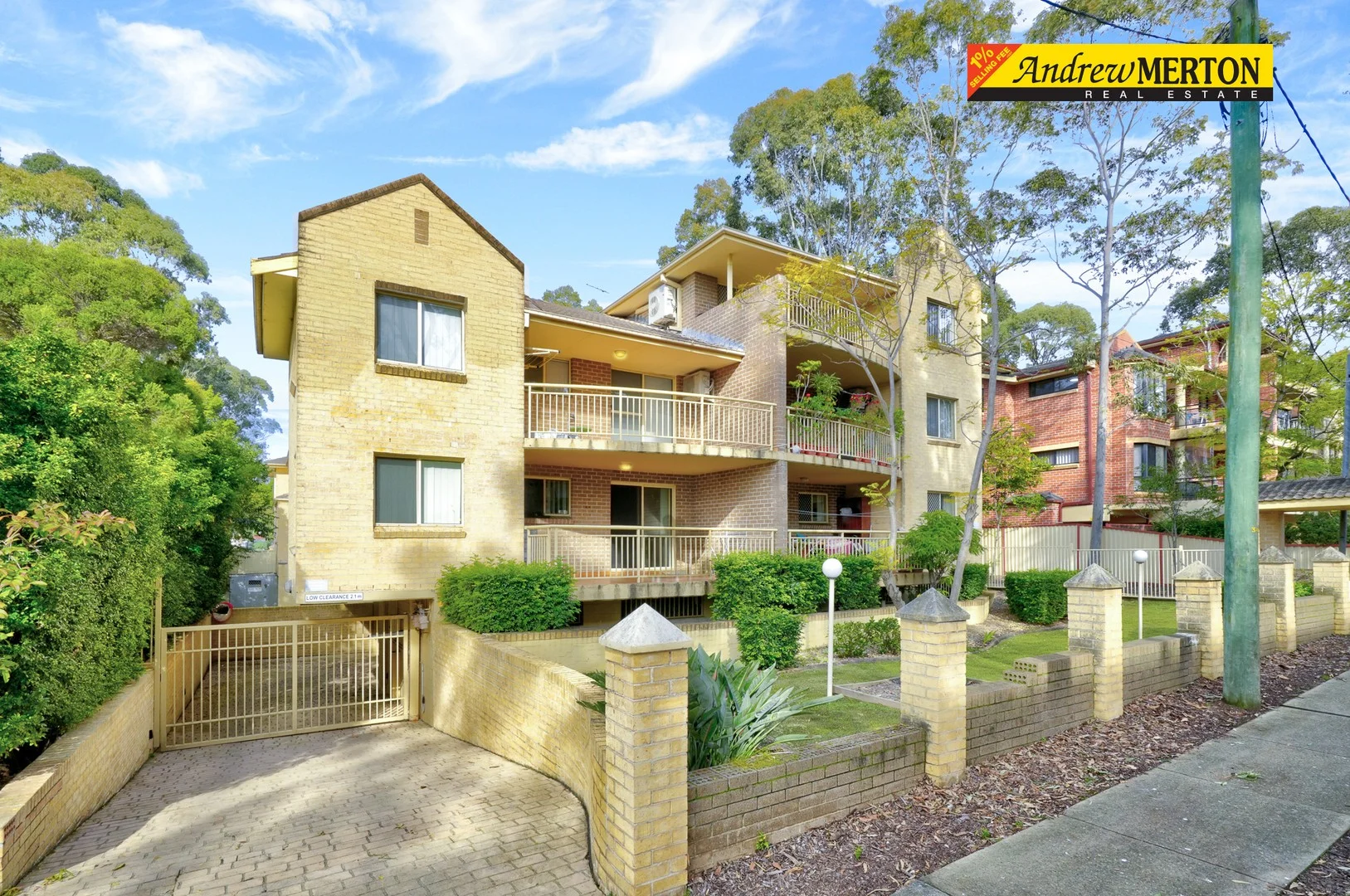 $530,000
Apartment / Unit / Flat
$530,000
Apartment / Unit / Flat
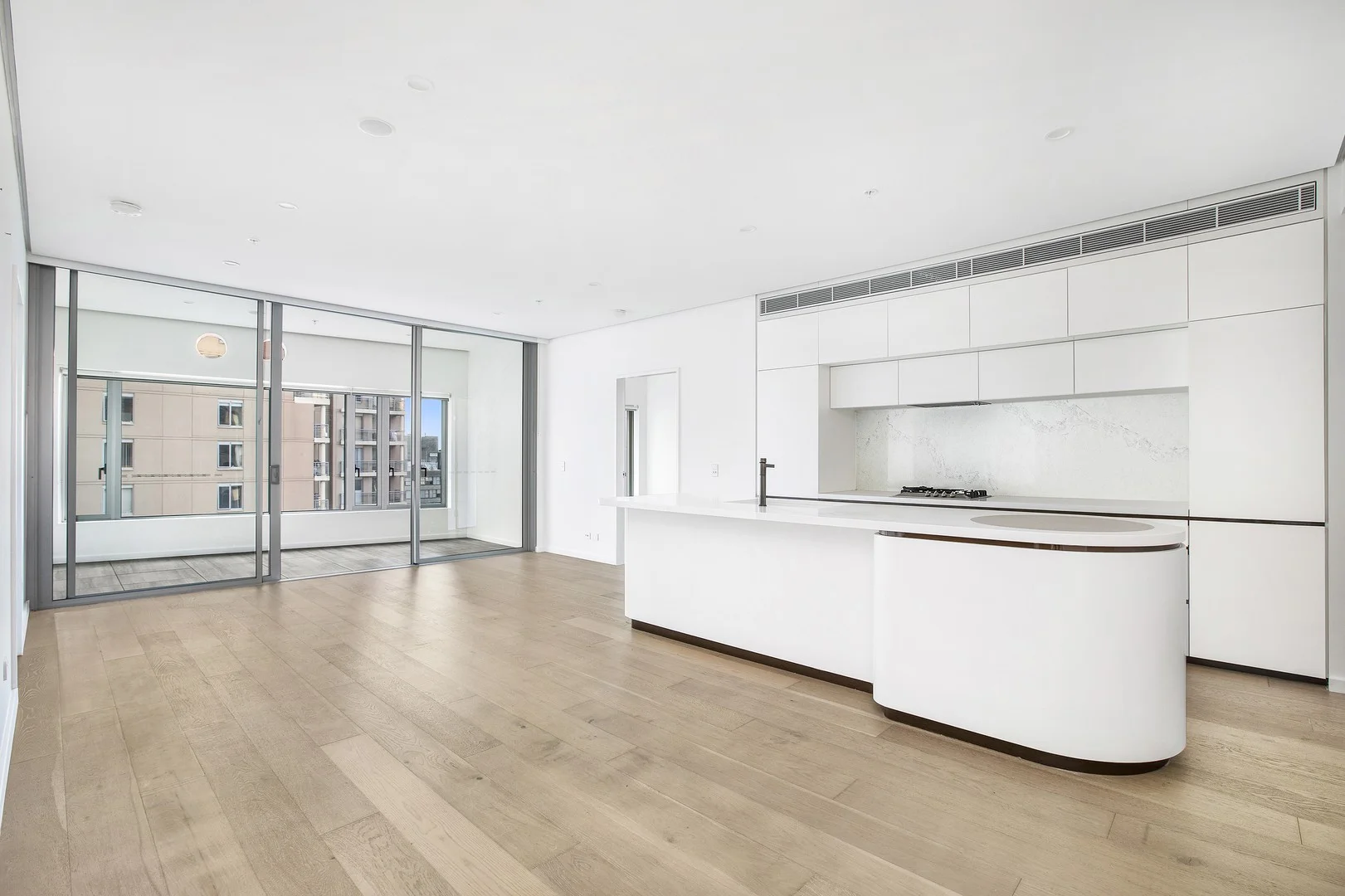 $2,250,000
Apartment / Unit / Flat
$2,250,000
Apartment / Unit / Flat
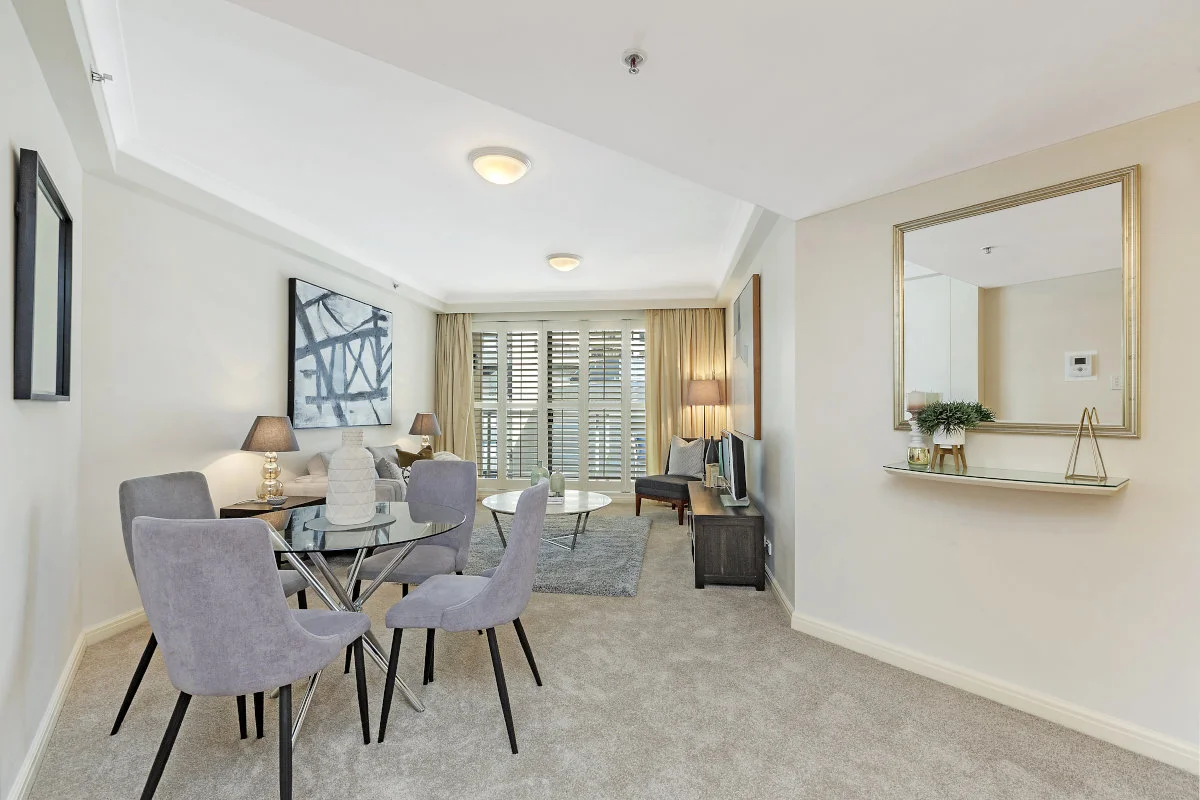 $660,000 - $725,000
Apartment / Unit / Flat
$660,000 - $725,000
Apartment / Unit / Flat