Overview
## 1. Overview
St Louis de Montfort's Primary School, Aspendale is a Catholic primary school providing a values-based education in a small-to-medium campus setting. It offers a nurturing, inclusive environment with a strong sense of community and parish links, focused on developing the whole child.
- School type: Catholic
- School size: Small to medium
- Class size: Typically around 20–24 students per class
- Atmosphere/culture: Nurturing, inclusive, faith-centered, community-driven
⸻
## 2. Academics & Learning
The school emphasises strong literacy and numeracy foundations within a Catholic worldview, supported by a broad curriculum that embraces digital learning, creative arts, and inquiry-based approaches.
- Academic strengths: English/literacy, numeracy, faith formation and values education, and the integration of STEM/technology into learning.
- Special programs: Catholic faith development, potential Gifted & Talented opportunities, and targeted interventions to support learning.
- NAPLAN / trends: Consistent growth and progress across literacy and numeracy over recent years, with a focus on developing year-to-year improvement rather than only raw scores.
- Student-teacher ratios: Class sizes around 20–24 students with supportive teacher-student ratios overall.
- Support for diverse learners: EAL/D support, in-class differentiation, and Learning Support staff to assist students with diverse learning needs.
⸻
## 3. Sports & Extracurricular Strengths
Extracurricular life is valued, with a range of activities that appeal to boys aged 10–14 and beyond, supporting physical, creative and cognitive development.
- Sports offered: Soccer, netball, basketball, cricket, Australian rules football, athletics, swimming (seasonal programs and inter-school events).
- Strong teams or achievements: Active participation in inter-school sports and regional events; emphasis on teamwork, sportsmanship and personal bests.
- Music, arts, drama programs: School choir, music lessons or ensembles, and regular performing arts opportunities.
- Clubs: Robotics, coding, chess, debating, and other clubs that promote problem-solving and critical thinking.
- Partnerships: Collaboration with local sports clubs and community groups for competitions and enrichment activities.
⸻
## 4. Wellbeing & Pastoral Care
Wellbeing is a central pillar of school life, with systems to support every student’s emotional and social development.
- Anti-bullying approach: Clear anti-bullying policies, positive behaviour frameworks, and supportive staff to respond promptly.
- House system: House groups used to organise students for events, leadership opportunities, and social connection.
- Counsellors / wellbeing officers: Access to a school wellbeing officer or counsellor for student support.
- Transition support for new students: Buddy programs, orientation activities, and targeted supports to help new students settle in.
⸻
## 5. Facilities
The school provides a visually engaging and functional learning environment with spaces designed to support a broad curriculum.
- Sports grounds: On-site sports facilities and adjacent play spaces.
- Libraries: A well-stocked library supporting literacy across year levels.
- Science labs: Dedicated spaces for science experiments and hands-on learning.
- Music/performing arts centers: Areas for music practice and drama/theatre activities.
- Tech/innovation labs: Computer or tech-enabled spaces for coding and digital learning.
- Cafeteria: On-site canteen or lunch facilities for students.
- Updated playgrounds: Modern, age-appropriate play areas and equipment.
⸻
## 6. School Values & Community Culture
The school's culture reflects its Catholic identity while fostering an inclusive, respectful community.
- School values / mission: Faithful to Catholic values such as compassion, respect, service, and honesty; focus on forming character alongside academics.
- Leadership style: Collaborative leadership with opportunities for student voice and parental involvement; emphasis on servant leadership and community contribution.
- Behaviour expectations: Clear guidelines around respect, responsibility, kindness, and safety.
- Community reputation: Welcoming and supportive parish-school relationship; strong family engagement and community spirit.
- Diversity & inclusion: Commitment to an inclusive environment that respects and values diversity in all forms.
⸻
## 7. School Logistics & Daily Operations
Practical day-to-day information helps families plan around school life.
- School hours: Typical day runs approximately from 9:00 am to 3:30 pm, with variations by year level and term.
- Before/after school care: After-school care or supervised programs may be available.
- Uniform requirements: School uniform required (seasonal variations possible), with a sports uniform for PE and special events.
- Transport (train/bus routes): Access via local transport options; bus routes and nearby train stations facilitate commuting for families.
- Canteen availability: Canteen or lunch program available on certain days.
- Fees (low/medium/high ranges): Fees are in the low-to-medium range for metropolitan Catholic primary schools, with family discount options and consistent payment schedules.
⸻
## 8. Enrolment & Admissions
11. What is the enrolment process and timeline?
- Families typically submit an enrolment form, provide required documentation, and participate in an information session or interview. Prep intake cycles often have a multi-month timeline, with ongoing consideration for other year levels as spaces allow.
12. Is there a waiting list, and how does it work?
- Yes, a waiting list may apply. Offers are made as spaces become available, with priority generally given to siblings and then other criteria set by the school.
13. Are there any entry requirements, tests, or interviews?
- Entry may involve a family interview and information gathering. There may not be formal academic testing for Prep; some years or programs might include brief assessments or readiness checks as part of the process. Catholic identity considerations (e.g., parish involvement) may be discussed depending on the school’s policy.
14. Does the school accept mid-year transfers?
- Yes, mid-year transfers are considered subject to space, alignment with the cohort, and completion of required documentation.
⸻
## 9. Frequently Ask Questions
- Why Parents Choose This School?
- A values-based Catholic education, supportive community, and strong focus on both academic growth and character development.
- What type of student thrives at this school?
- Students who engage with a faith-centered, inclusive community; strong readers and curious learners who value teamwork and service.
- What opportunities are available for students to extend their skills (academics, sports, arts)?
- A range of literacy/numeracy supports, STEM-enhanced activities, sports teams, music and drama opportunities, robotics/coding clubs, and debate.
- How does the school communicate with parents?
- Regular newsletters, parent-teacher meetings, digital platforms for updates, and prompt responses from staff.
- What is the school’s approach to teaching and learning?
- A balanced, evidence-informed approach combining core academics, faith formation, and hands-on, inquiry-based learning.
- How does the school support students who need extra academic help?
- Targeted interventions, small-group or one-to-one support, and access to Learning Support resources.
- What support is available for academic challenges?
- Differentiated instruction, pastoral support, and coordination with families to create individual learning plans when needed.
- How does the school communicate with parents? (Note: repeated in original list)
- See above: newsletters, meetings, and digital communication.
- What are the class sizes and how much individual attention do students receive?
- Class sizes are typically around 20–24 students, with teachers providing regular, targeted feedback and support.
- What extracurricular and sports opportunities are available?
- A range of sports (soccer, netball, basketball, etc.), music/arts programs, and clubs such as robotics, coding, chess, and debating.
- What facilities does the school offer (sports, science, arts)?
- Sports grounds, library, science labs, music/performing arts spaces, technology labs, cafeteria, and updated playgrounds.
- What is the school’s approach to technology and digital learning?
- Integrated digital learning and technology use to enhance literacy, numeracy, and problem-solving skills.
- What transport and accessibility options are available?
- Local transport options including bus routes and nearby train stations; consideration given to family logistics.
- What are the typical school fees or additional costs?
- Fees fall in the low-to-medium range for metropolitan Catholic primary schools; detailed schedules are provided by the school.
⸻
## 10. Short Pros & Cons list
- Pros
- Catholic, values-driven education with a nurturing community
- Small-to-medium size with manageable class sizes
- Strong focus on literacy, numeracy, and digital learning
- Broad extracurricular mix (sport, arts, clubs)
- Support for diverse learners (EAL, SEN)
- Positive wellbeing and pastoral care framework
- Active parish/school community involvement
- Cons
- Limited subject breadth compared to larger schools (typical for smaller settings)
- Space and waiting lists can affect mid-year intake
- Transportation options may depend on local access and demand
- Fees apply (though in the low-to-medium range for the sector)










 $610
House
$610
House
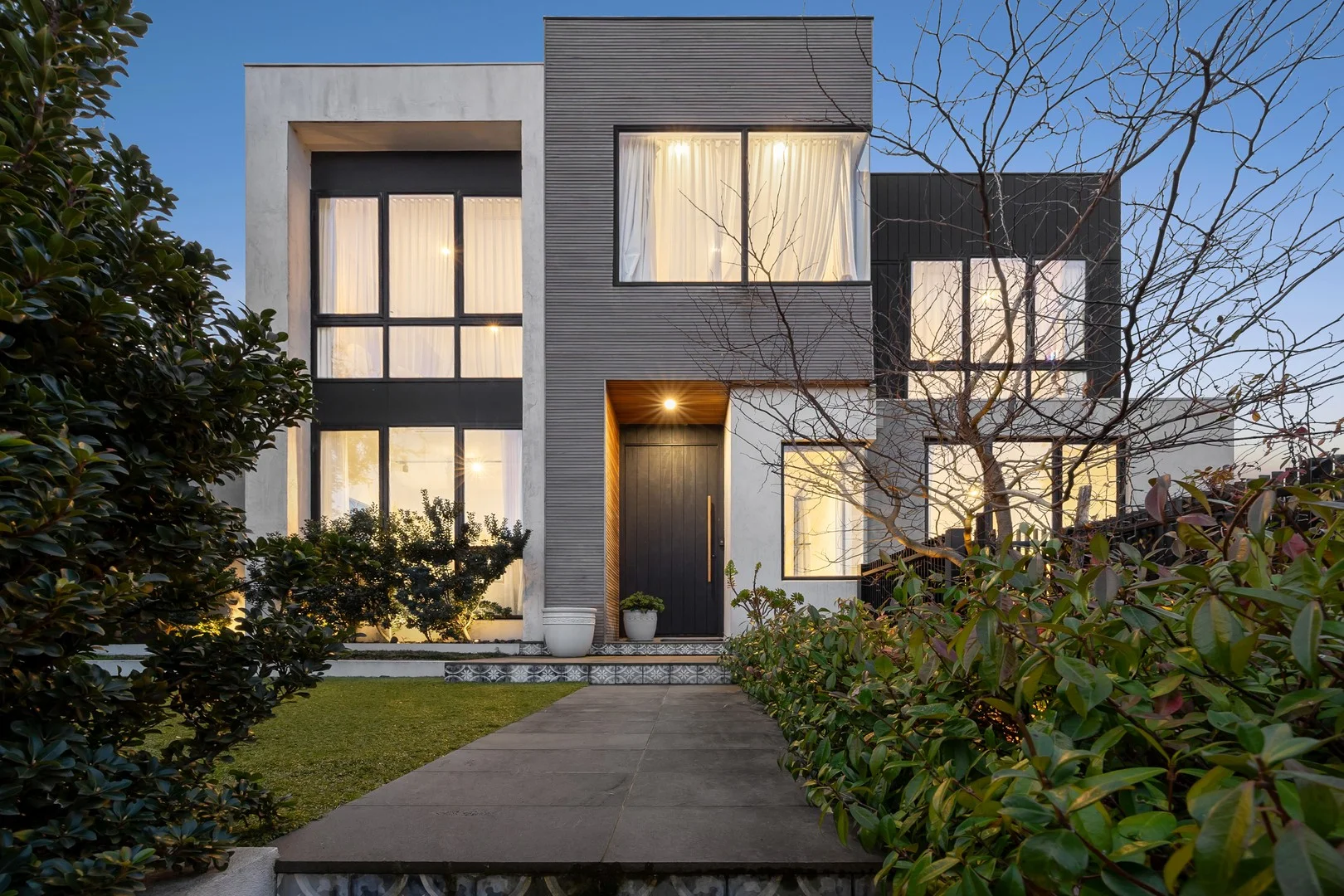 $4,200,000
House
$4,200,000
House
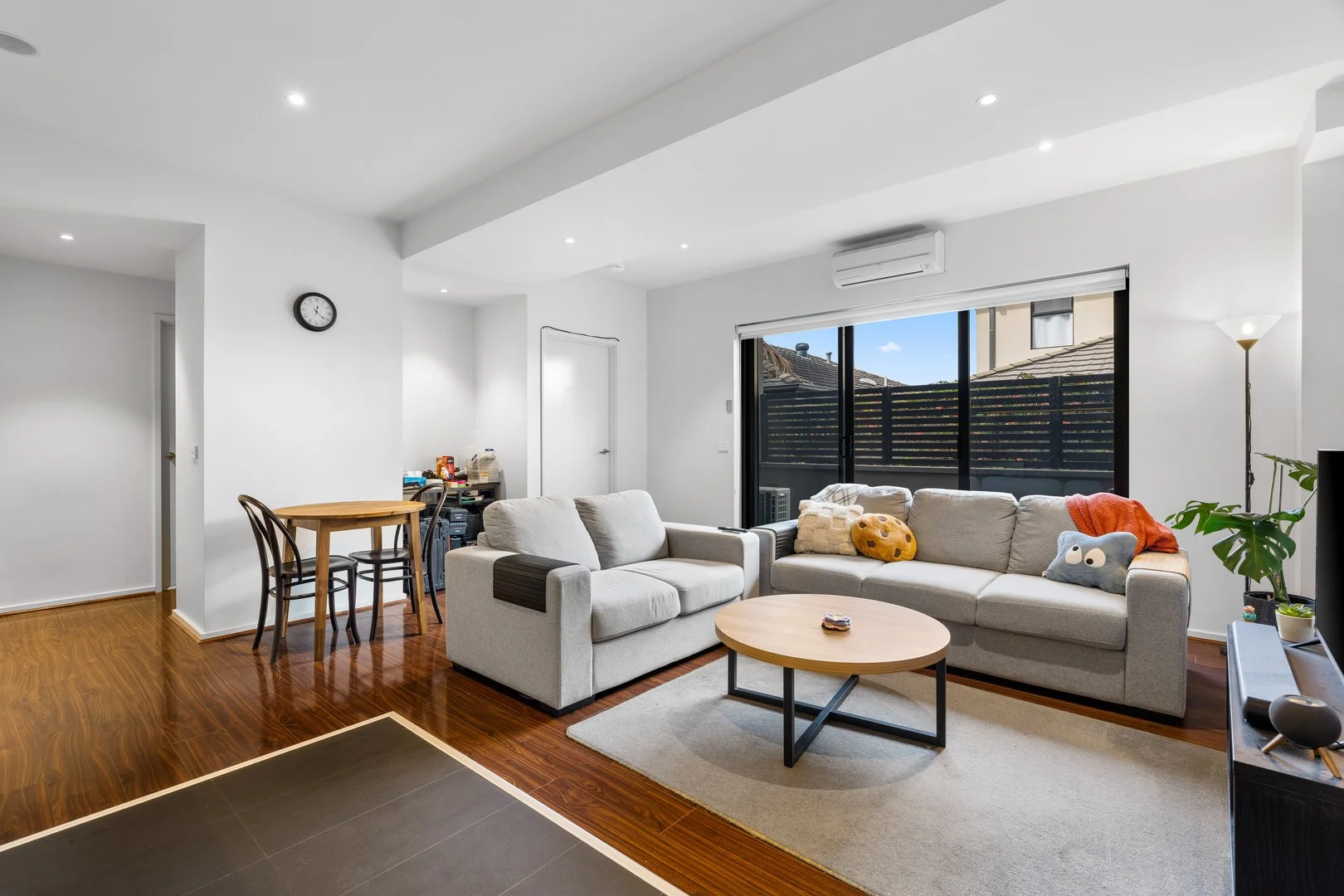 $385,000 - $410,000
Apartment / Unit / Flat
$385,000 - $410,000
Apartment / Unit / Flat
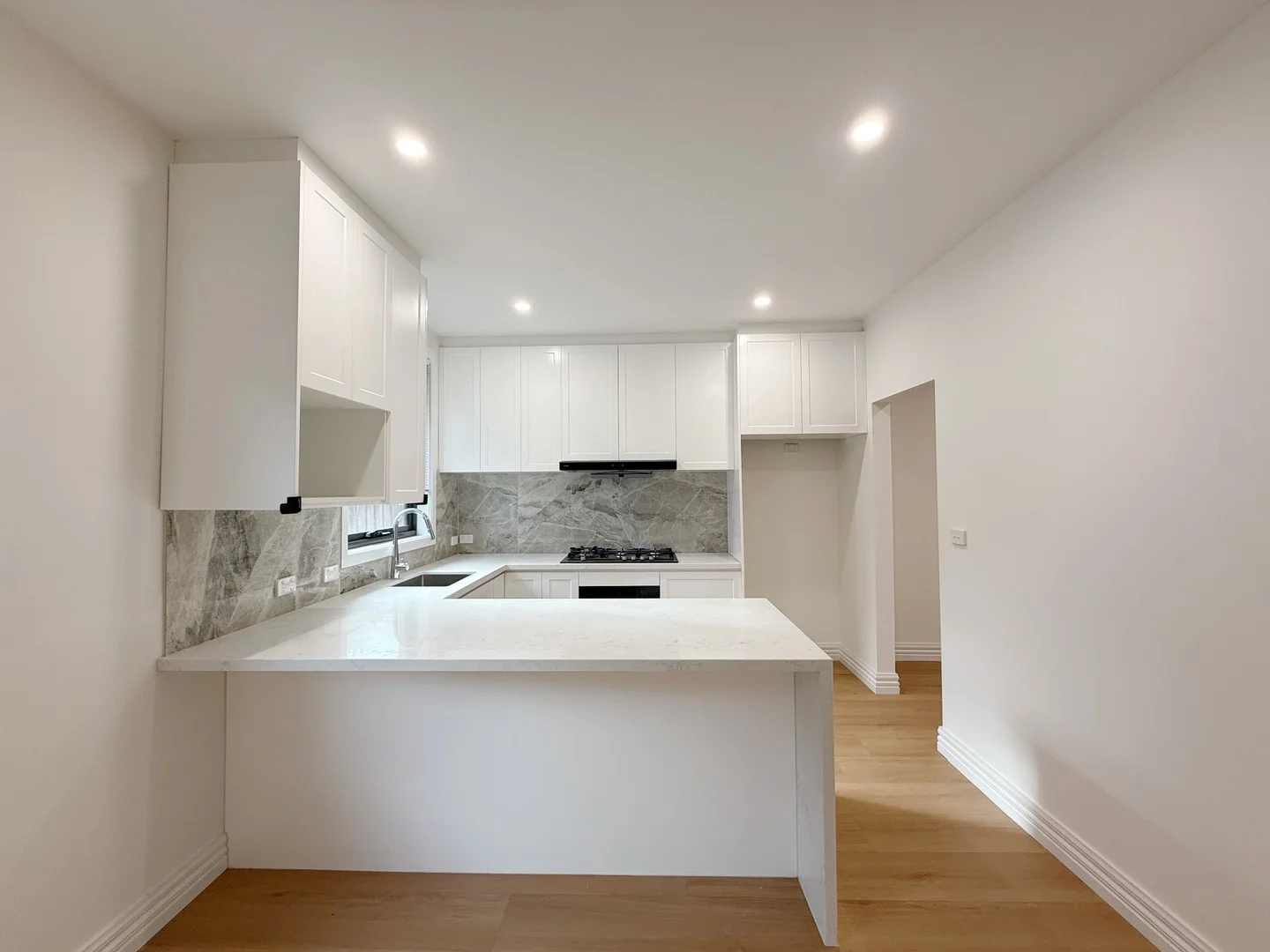 $1,280
House
$1,280
House