1. Overview
St Michael’s Primary School is a Catholic primary school in Coolamon, NSW, offering a nurturing, community-focused education for local families. The school emphasizes faith-based values, strong relationships, and a supportive learning environment.
- School type: Catholic
- School size: small to medium regional primary
- Class size: typically around 18–24 students per class
- Atmosphere/culture: nurturing, inclusive, community-minded with a focus on academic growth and well-being
⸻
2. Academics & Learning
St Michael’s aims to provide solid foundational learning with opportunities for extension and growth.
- Academic strengths: English and Maths form the core, with integrated STEM concepts and opportunities for student leadership and project work
- Special programs: opportunities for gifted/talented pathways and accelerated learning where available, plus strong emphasis on Literacy and Numeracy
- NAPLAN trends: typically stable or improving trends over time, with targeted support where needed
- Student-teacher ratios: generally favourable, enabling some level of individual attention within a small-to-mid sized class setting
- Support for diverse learners: practical support for diverse learners, including assistance for EAL (English as an Additional Language) students and SEN (Special Educational Needs) planning
⸻
3. Sports & Extracurricular Strengths
A core focus for many families, with a broad range of activities and local participation.
- Sports offered: a mix of team and individual sports common to regional NSW primary schools (e.g., soccer, netball, athletics, cricket, rugby-league-influenced activities) with school-wide participation encouraged
- Strong teams or achievements: regular participation in local and regional sports events, with emphasis on teamwork, fitness, and fair play
- Music, arts, drama programs: school choir/performances, music and drama activities, and opportunities to showcase creativity
- Clubs: robotics, coding, chess, debating and other clubs available as student interest grows
- Partnerships: connections with local community clubs and regional competitions to broaden experiences
⸻
4. Wellbeing & Pastoral Care
Wellbeing is a central priority, with structures to support students’ social and emotional development.
- Anti-bullying approach: proactive, clear anti-bullying policies and programs, with student involvement and reporting mechanisms
- House system: house groups to foster belonging, leadership, and healthy competition
- Counsellors / wellbeing officers: access to school-based support for student wellbeing and personal development
- Transition support for new students: buddy systems, orientation activities, and targeted support to help new students settle in
⸻
5. Facilities
Facilities are designed to support a well-rounded learning experience and community activities.
- Sports grounds: multi-use outdoor spaces for PE and games
- Libraries: dedicated library for reading, research, and quiet study
- Science labs: available spaces for practical science activities
- Music/performing arts centers: rooms and spaces for music, drama, and performances
- Tech/innovation labs: computer or technology spaces to support digital learning
- Cafeteria: on-site dining or lunch arrangements
- Updated playgrounds: safe, age-appropriate outdoor play areas
⸻
6. School Values & Community Culture
The school promotes values that guide student behavior and school life, fostering a respectful and inclusive culture.
- School values / mission: faith-based ethos centered on respect, compassion, responsibility, and service
- Leadership style: student-inclusive and collaborative, with opportunities for student voice and leadership
- Behaviour expectations: clear codes of conduct aligned with the school’s values
- Community reputation: supportive, close-knit local community with strong family involvement
- Diversity & inclusion: welcoming to families from diverse backgrounds, with inclusive practices
⸻
7. School Logistics & Daily Operations
Practical information to help families plan daily routines.
- School hours: typical primary school day from mid-morning to mid-afternoon, with start and finish times consistent with NSW norms
- Before/after school care: OSHC or similar programs often available
- Uniform requirements: formal uniform policy with required apparel and accessories
- Transport (bus routes): regional bus services and local transport options commonly available
- Canteen availability: on-site or approved canteen/lunch program
- Fees (low/medium/high ranges): fees regarded as moderate within the regional Catholic sector
⸻
8. Enrolment & Admissions
11. What is the enrolment process and timeline?
- Applications are typically invited in advance of the new school year; families complete an enrolment form, provide required documentation (birth certificate, immunisation records where applicable), and may participate in an information session or interview as part of the process.
- Timelines vary by year and the number of applicants; the school will outline specific intake dates and notification timelines.
12. Is there a waiting list, and how does it work?
- Waiting lists are common when demand exceeds places. Applications are usually placed on a waiting list with priority given to siblings and parish or Catholic community considerations; timing and space availability determine offers.
13. Are there any entry requirements, tests, or interviews?
- Entry generally relies on documentation and faith-based placement policies; some schools may conduct informal discussions or interviews with families to understand alignment with the school’s values and community expectations. There are typically no academic entrance tests for primary school enrolments.
14. Does the school accept mid-year transfers?
- Mid-year transfers are considered if space is available. Families should contact the school to discuss space, alignment, and any required documentation for a smooth transition.
⸻
9. Frequently Asked Questions
- Why Parents Choose This School?
- A Catholic, values-driven environment with a supportive, close-knit community and approachable staff.
- What type of student thrives at this school?
- Students who respond well to a nurturing, faith-based setting, with a willingness to engage in both academic and extracurricular activities.
- What opportunities are available for students to extend their skills (academics, sports, arts)?
- Extension in core subjects, access to clubs (coding, robotics, chess, debating), and performance opportunities in music and drama; participation in local sports and active wellbeing programs.
- How does the school communicate with parents?
- Regular updates through newsletters, parent-teacher meetings, school portal or notices, and open channels with teachers and administration.
- What is the school’s approach to teaching and learning?
- Student-centered learning with a focus on literacy, numeracy, and core competencies, integrated with faith-based values and wellbeing support.
- How does the school support students who need extra academic help?
- Targeted in-class support and referral pathways for additional assistance, with coordination for SEN and EAL needs where available.
- What support is available for academic challenges?
- Monitoring, intervention strategies, and access to supportive personnel to help students catch up and grow.
- How does the school communicate with parents? (Repeated)
- See above: regular updates, meetings, and digital communications.
- What are the class sizes and how much individual attention do students receive?
- Class sizes are designed to be small-to-medium, allowing for meaningful teacher-student interaction and targeted support.
- What extracurricular and sports opportunities are available?
- A range of sports and clubs (including coding, robotics, chess, debating) and music/drama activities, plus opportunities to participate in regional events.
- What facilities does the school offer (sports, science, arts)?
- Sports grounds, library, science labs, music/arts spaces, and technology or computer facilities.
- What is the school’s approach to technology and digital learning?
- Integrated digital learning with appropriate devices and software to support core subjects and creativity.
- What transport and accessibility options are available?
- Regional bus routes and local transport options; the school provides information to help families plan commutes.
- What are the typical school fees or additional costs?
- Fees are generally moderate within the regional Catholic sector, with potential additional costs for camps, excursions, or elective activities.
⸻
10. Short Pros & Cons list
Pros
- Catholic, values-based environment with strong community ties
- Small-to-medium class sizes enabling more individual attention
- Broad range of extracurriculars (sports, arts, clubs)
- Supportive wellbeing and pastoral care framework
- Family-friendly communication and engagement
Cons
- Limited to the local regional area with admissions influenced by space and Catholic placement policies
- Fees apply as with most Catholic independent primary schools
- Availability of some advanced programs may vary by year and cohort size
⸻










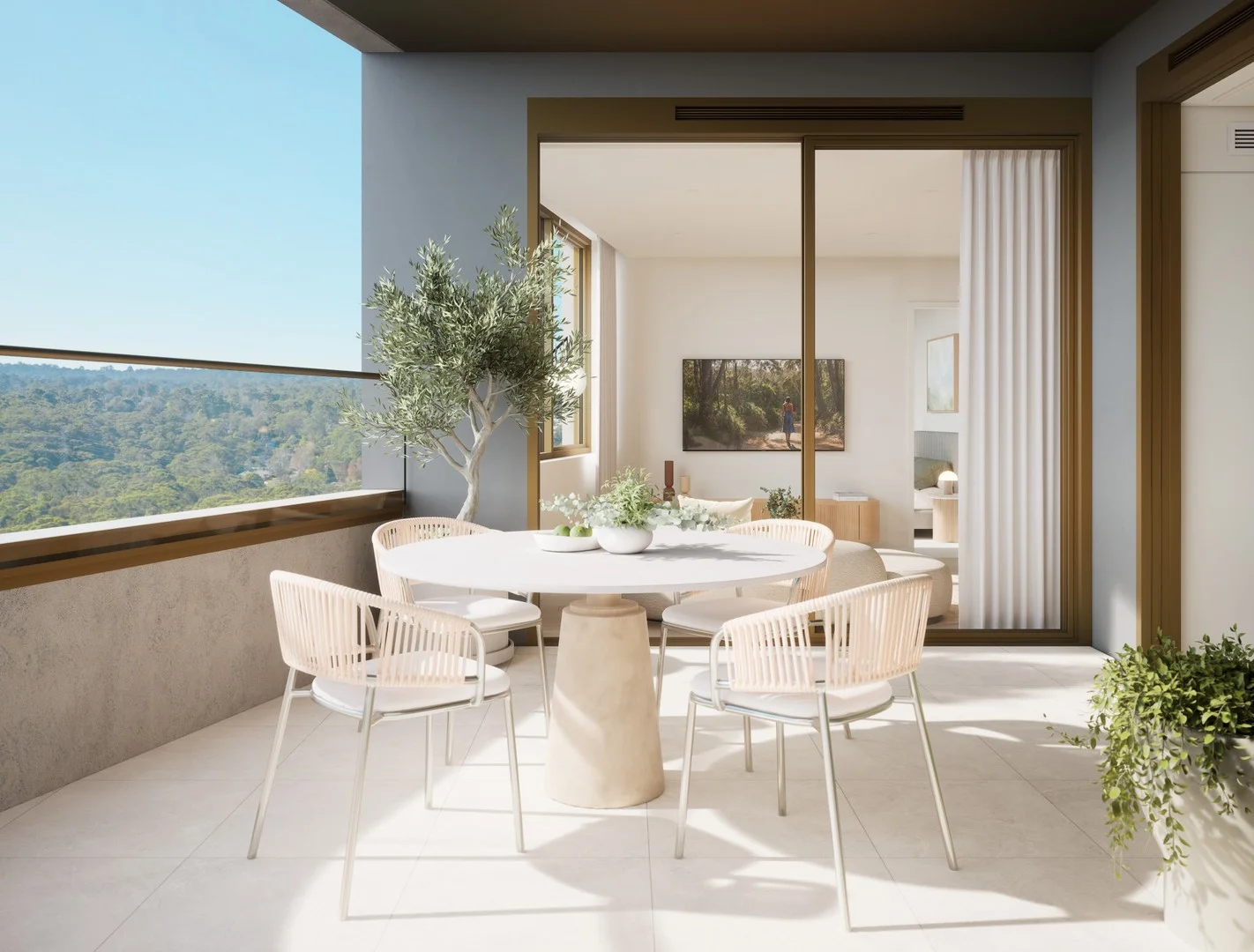 $1,525,000
Apartment / Unit / Flat
$1,525,000
Apartment / Unit / Flat
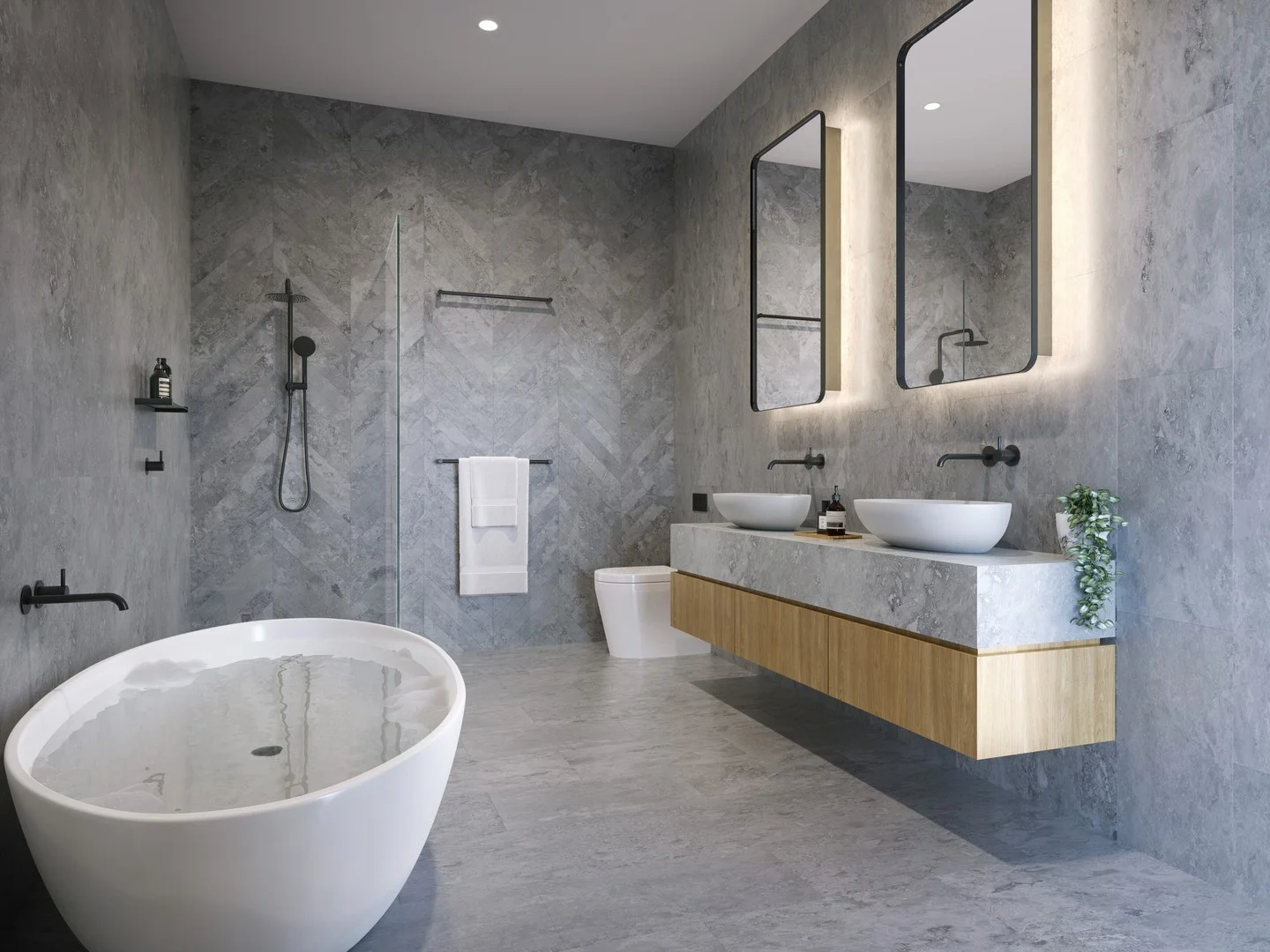 $2,824,000
Apartment / Unit / Flat
$2,824,000
Apartment / Unit / Flat
 $36,000,000 - $39,500,000
Vacant Land
$36,000,000 - $39,500,000
Vacant Land
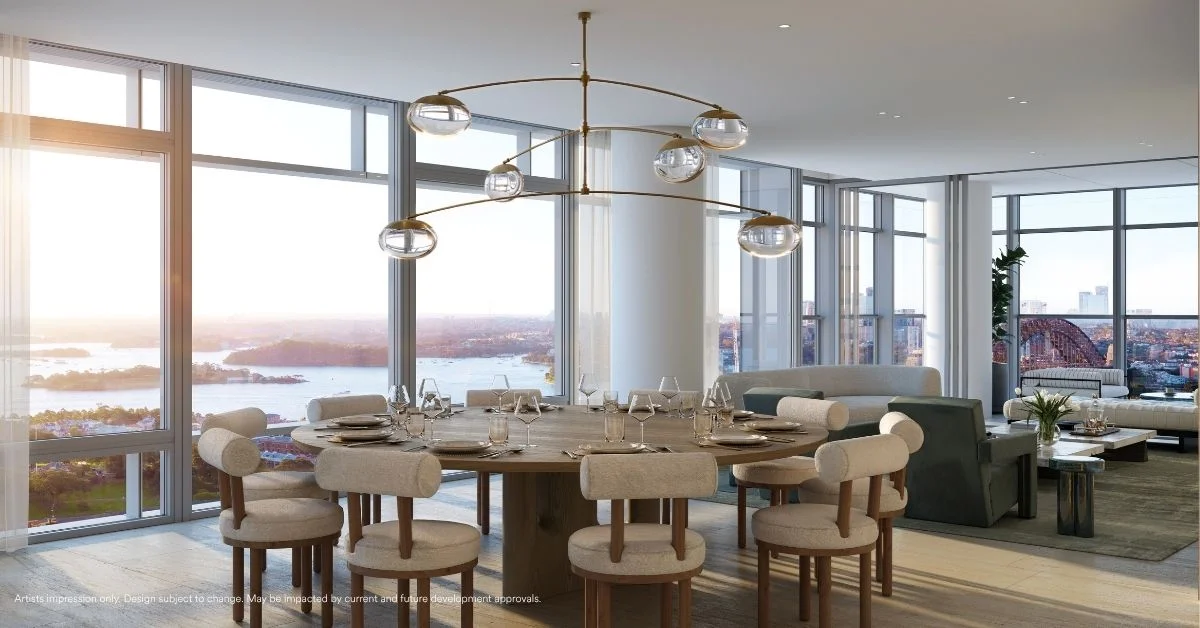 $26,550,000
propertyType.NEW APARTMENTS / OFF THE PLAN
$26,550,000
propertyType.NEW APARTMENTS / OFF THE PLAN
 $2,745,000
propertyType.NEW APARTMENTS / OFF THE PLAN
$2,745,000
propertyType.NEW APARTMENTS / OFF THE PLAN
 $12,980,000
propertyType.NEW APARTMENTS / OFF THE PLAN
$12,980,000
propertyType.NEW APARTMENTS / OFF THE PLAN
 $8,630,000
propertyType.NEW APARTMENTS / OFF THE PLAN
$8,630,000
propertyType.NEW APARTMENTS / OFF THE PLAN
 $6,225,000
propertyType.NEW APARTMENTS / OFF THE PLAN
$6,225,000
propertyType.NEW APARTMENTS / OFF THE PLAN
 $9,020,000
propertyType.NEW APARTMENTS / OFF THE PLAN
$9,020,000
propertyType.NEW APARTMENTS / OFF THE PLAN


