# 1. Overview
Forestville Public School is a public primary school serving Kindergarten to Year 6 with a medium-sized, close-knit community. Class sizes are typically in the mid-20s, which supports a comfortable learning environment where teachers can provide individual attention within a group setting. The school cultivates an inclusive, supportive atmosphere and a culture of respect and collaboration.
The school emphasises strong literacy and numeracy foundations, alongside opportunities for inquiry-based learning and personal development. Students are encouraged to develop resilience, teamwork, and a positive attitude toward learning, preparing them for the next steps in their education.
# 2. Academics & Learning
- Academic strengths: Focus on core skills in literacy and numeracy, with opportunities for STEM-related activities and practical problem-solving. The school places emphasis on reading, writing, and mathematics across year levels, plus opportunities to explore leadership and collaborative learning.
- Special programs: Access to English as an Additional Language or Dialect (EAL/D) support and targeted intervention where needed. Gifted and Talented (G&T) considerations are explored where available, with differentiation within the classroom and enrichment activities.
- NAPLAN / trends: NSW public schools typically show stable performance with local variations; many classrooms implement strategies that aim to improve reading, writing, and numeracy over time. The school focuses on continuous improvement through data-informed practice and ongoing assessment.
- Student-teacher ratios: Class sizes in the mid-20s with specialist staff supporting areas such as science, performing arts, and technology, contributing to a student-teacher ratio that allows for differentiated learning.
- Support for diverse learners: Strong emphasis on inclusive education with support for diverse learners, including EAL/D and students requiring additional SEN assistance through targeted programs and support staff.
# 3. Sports & Extracurricular Strengths
- Sports offered: A broad program including team and individual sports such as soccer, cricket, AFL/netball, athletics, swimming, and fitness activities, with opportunities for inter-school and local competitions.
- Strong teams or achievements: Participation in district-level events and school-level teams, with recognition of teamwork, sportsmanship, and achievement in various disciplines.
- Music, arts, drama programs: Access to music instruction, school concerts and performances, and opportunities to engage in the performing arts as part of school life.
- Clubs: Robotics, coding, chess, debating, and other enrichment clubs commonly offered to extend learning beyond core subjects.
- Partnerships: Connections with local clubs and community groups for competitions, mentorship, and additional enrichment opportunities that enhance STEM, arts, and sports experiences.
# 4. Wellbeing & Pastoral Care
- Anti-bullying approach: Clear anti-bullying policies and whole-school safety programs designed to create a respectful and safe environment for all students.
- House system: A house-based structure fosters belonging, teamwork, and healthy, positive competition across year levels.
- Counsellors / wellbeing officers: Access to school counsellors or wellbeing staff to support social-emotional learning, mental health, and pastoral care.
- Transition support for new students: Buddy programs, orientation activities, and targeted support to help new students settle in smoothly and build connections with peers and staff.
# 5. Facilities
- Sports grounds: Adequate playing fields or courts for outdoor activities and team sports.
- Libraries: Well-stocked library spaces supporting reading, research, and independent learning.
- Science labs: Primary-friendly science facilities to support hands-on experiments and inquiry-based learning.
- Music/performing arts centers: Dedicated spaces for music and performance activities.
- Tech/innovation labs: Access to technology-rich spaces or maker/innovation areas to support coding and STEM learning.
- Cafeteria: On-site dining options or a school canteen to provide lunch and snack choices.
- Updated playgrounds: Safe, age-appropriate play areas that encourage active play and outdoor exploration.
# 6. School Values & Community Culture
- School values / mission: A focus on respect, responsibility, resilience, and positive relationships within a collaborative learning community.
- Leadership style: Distributed and collaborative leadership, with staff shared responsibility for improving teaching and learning and for student well-being.
- Behaviour expectations: Clear behavioural standards aligned with a positive, inclusive culture; consistent routines and consequences to maintain a constructive environment.
- Community reputation: Family-friendly and welcoming, with a reputation for supporting students and families and for fostering a sense of belonging.
- Diversity & inclusion: Commitment to diversity and inclusive practices that recognise and value different backgrounds and experiences.
# 7. School Logistics & Daily Operations
- School hours: Typically a daytime schedule aligned with NSW public school hours; day-to-day routines support learning, breaks, and transitions between classes.
- Before/after school care: Access to before/after school care options through OSHC or approved providers.
- Uniform requirements: School uniform is part of daily wear, with guidelines on acceptable attire and dress standards.
- Transport (train/bus routes): Local bus connections to surrounding suburbs are common; families often rely on bus routes to and from school.
- Canteen availability: On-site or nearby canteen options for lunch and snacks; generally available on school days.
- Fees (low/medium/high ranges): Public schools do not charge tuition; there are typically voluntary contributions and costs related to activities or materials, with generally low-to-medium overall costs for families.
# 8. Enrolment & Admissions
11. What is the enrolment process and timeline?
- Enrolment is handled through the NSW public school intake process. Begin by checking local catchment eligibility, submitting required documents (proof of residency, Immunisation History Statement, birth certificate, and guardianship details), and following the school’s intake timelines. Some information sessions or open days may be offered to help families understand the process and school programs.
12. Is there a waiting list, and how does it work?
- If the school is oversubscribed, a waiting list may be established. Priority typically goes to students within the catchment area. The school communicates with families about their position on the list and the expected timelines for possible offers.
13. Are there any entry requirements, tests, or interviews?
- Public primary schools generally do not require entry exams or formal interviews for enrollment. Documentation confirming residency, immunisation status, and guardianship is required. Some schools may conduct informal orientation visits or communicate with families about individual needs or supports (e.g., EAL/D or SEN) as part of the intake process.
14. Does the school accept mid-year transfers?
- Mid-year transfers are considered when space is available. Families should contact the school promptly to discuss placement, availability, and any required documentation. The school may arrange a settlement plan or orientation to help the student adjust mid-year.
# 9. Frequently Asked Questions
- Why Parents Choose This School?
- A welcoming, inclusive culture with strong literacy and numeracy foundations, plus opportunities across sports, arts, and clubs. Families value the focus on well-being, safety, and a supportive learning environment.
- What type of student thrives at this school?
- Students who are curious, collaborative, and motivated to participate in a range of learning experiences—academic, creative, and physical—titting well with the school’s inclusive, community-focused approach.
- What opportunities are available for students to extend their skills (academics, sports, arts)?
- Enrichment in STEM and arts, leadership roles, music and performing arts programs, tiered academic support and challenge options, and a variety of sports and extracurricular clubs.
- How does the school communicate with parents?
- Regular updates through newsletters, parent-teacher meetings, digital platforms for grades and attendance, and avenues for direct contact with teachers and administration.
- What is the school’s approach to teaching and learning?
- A mix of practical, inquiry-based learning and structured instruction, with differentiation to meet diverse student needs and ongoing assessment to guide teaching decisions.
- How does the school support students who need extra academic help?
- Targeted interventions, EAL/D and SEN support, and collaboration with specialists to provide tailored learning plans.
- What support is available for academic challenges?
- Access to tutors, learning support staff, and small-group or one-on-one assistance, aligned with each student’s education plan.
- How does the school communicate with parents? (Repeated)
- See above: newsletters, meetings, digital platforms, and direct channels to teachers and staff.
- What are the class sizes and how much individual attention do students receive?
- Class sizes are in the mid-20s, with specialist support and targeted interventions to provide additional attention where needed.
- What extracurricular and sports opportunities are available?
- A range of sports, clubs (robotics, coding, chess, debating), and arts programs, with pathways to district and inter-school events.
- What facilities does the school offer (sports, science, arts)?
- Sports grounds, libraries, science labs, music/performing arts spaces, tech/innovation spaces, a canteen, and updated playgrounds.
- What is the school’s approach to technology and digital learning?
- Integration of technology into learning, access to devices and digital resources, and opportunities for coding and STEM-focused activities.
- What transport and accessibility options are available?
- Local bus routes and other transport options; school facilities are designed to be accessible for students and families.
- What are the typical school fees or additional costs?
- Tuition is not charged for public schooling; there are voluntary contributions and potential costs for activities or materials, generally modest.
# 10. Short Pros & Cons list
- Pros
- Public, inclusive environment with a focus on literacy and numeracy
- Broad range of extracurriculars and clubs
- Supportive wellbeing and pastoral care
- Balanced facilities with science, arts, and technology spaces
- Active parent-community engagement
- Cons
- As a public school, enrollment capacity can impact mid-year transfers or waitlist timing
- Class sizes, while typical for the region, may vary by year level and staffing
- Availability of some specialised programs (e.g., certain G&T options) may depend on resources and student demand








 $2,824,000
Apartment / Unit / Flat
$2,824,000
Apartment / Unit / Flat
 $1,525,000
Apartment / Unit / Flat
$1,525,000
Apartment / Unit / Flat
 $26,550,000
propertyType.NEW APARTMENTS / OFF THE PLAN
$26,550,000
propertyType.NEW APARTMENTS / OFF THE PLAN
 $36,000,000 - $39,500,000
Vacant Land
$36,000,000 - $39,500,000
Vacant Land
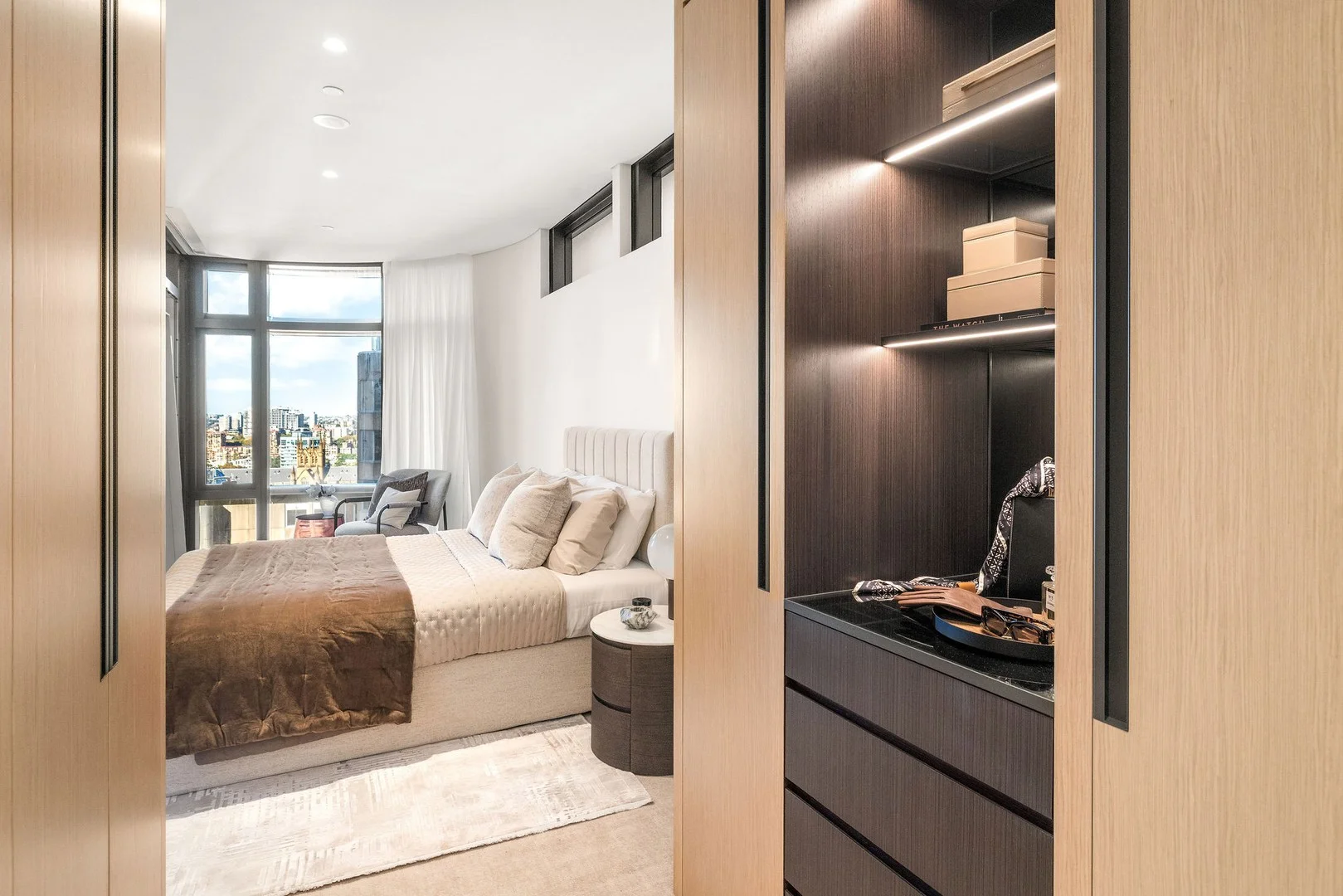 $2,745,000
propertyType.NEW APARTMENTS / OFF THE PLAN
$2,745,000
propertyType.NEW APARTMENTS / OFF THE PLAN
 $6,225,000
propertyType.NEW APARTMENTS / OFF THE PLAN
$6,225,000
propertyType.NEW APARTMENTS / OFF THE PLAN
 $12,980,000
propertyType.NEW APARTMENTS / OFF THE PLAN
$12,980,000
propertyType.NEW APARTMENTS / OFF THE PLAN
 $8,630,000
propertyType.NEW APARTMENTS / OFF THE PLAN
$8,630,000
propertyType.NEW APARTMENTS / OFF THE PLAN
 $9,020,000
propertyType.NEW APARTMENTS / OFF THE PLAN
$9,020,000
propertyType.NEW APARTMENTS / OFF THE PLAN


