Overview
# 1. Overview
St Michael’s School – Baulkham Hills is a Catholic primary school serving families in the Baulkham Hills area within the Diocese of Parramatta. The school emphasises faith-based values, a nurturing community, and a holistic approach to learning that supports both academic progress and character development.
The school is medium in size, with class sizes typically in the low to mid-20s. The atmosphere is generally described as inclusive and supportive, aiming to balance academic expectations with pastoral care and a sense of belonging for students, families, and staff.
# 2. Academics & Learning
- Academic strengths: The school prioritises literacy and numeracy, with integrated religious education, and opportunities in ICT and general inquiry learning. There’s a focus on developing foundational skills while encouraging curiosity and critical thinking across key subjects.
- Special programs: Enrichment opportunities and differentiated learning within classes; pursuing targeted support or extension where appropriate. Gifted and Talented options may be available within the school or through collaboration with the diocese.
- NAPLAN trends: The school participates in NAPLAN and monitors year-to-year progress to identify growth areas and celebrate improvements in literacy and numeracy, with an emphasis on individual student growth.
- Student-teacher ratios: Typical primary ratios are in the range of 1 teacher for about 20–25 students, with additional support staff as needed.
- Support for diverse learners: Inclusive education approach with in-school Learning Support, potential EAL/D assistance, and tailored interventions to assist students who need extra help or specific supports.
# 3. Sports & Extracurricular Strengths
- Sports offered: A range of primary-level sports such as soccer, basketball, cricket, netball, and athletics, with opportunities to participate in intra-school events and local competitions.
- Strong teams or achievements: Participation in local Catholic and community competitions; focus on teamwork, sportsmanship, and personal bests.
- Music, arts, drama programs: Access to music opportunities (choir, ensemble, and possibly instrumental programs) and school productions or drama activities as part of arts education.
- Clubs: Robotics, coding, chess, debating, and other interest-based clubs may be available depending on term and student interest.
- Partnerships: Involvement with local clubs and diocesan events for broader sporting and arts activities, along with opportunities to participate in inter-school competitions.
# 4. Wellbeing & Pastoral Care
- Anti-bullying approach: A proactive, whole-school approach to wellbeing and safety, with clear expectations and supportive practices to promote respectful relationships.
- House system: A house framework used to build community, foster belonging, and support pastoral activities and friendly competition.
- Counsellors / wellbeing officers: Access to wellbeing staff or school-based counsellors to support mental health, social-emotional learning, and transition needs.
- Transition support for new students: Structured orientation, buddy programs, and ongoing staff support to help students settle into the school community.
# 5. Facilities
- Sports grounds: Open spaces and fields suitable for games, PE lessons, and outdoor activities.
- Libraries: A dedicated learning space with books and resources to support literacy and inquiry.
- Science labs: Equipped spaces to support hands-on science learning and experiments.
- Music/performing arts centers: Rooms or spaces for music practice, rehearsals, and performances.
- Tech/innovation labs: ICT and digital learning spaces to support coding, robotics, and digital projects.
- Cafeteria: On-site canteen or food service for break times and recess.
- Updated playgrounds: Safe, well-maintained play areas for recess and lunch activities.
# 6. School Values & Community Culture
- School values / mission: A faith-informed mission emphasising respect, inclusivity, integrity, and service, aligned with Catholic education principles.
- Leadership style: Principled leadership that emphasises collaboration, servant leadership, and partnership with families and the wider school community.
- Behaviour expectations: Clear expectations around conduct, respect, responsibility, and positive relationships; consistent and fair application of rules.
- Community reputation: A warm, family-oriented school community with emphasis on pastoral care and faith formation.
- Diversity & inclusion: Commitment to welcoming students from diverse backgrounds and supporting inclusive practices in learning and social life.
# 7. School Logistics & Daily Operations
- School hours: Typically morning start with a structured timetable and clear routines; finish times aligned to NSW primary schedules.
- Before/after school care: Possible after-school care or care programs offered on-site or nearby, depending on term needs.
- Uniform requirements: Standard school uniform policy with appropriate footwear and accessories as per school guidelines.
- Transport (train/bus routes): Access to public transport options and/or school shuttle arrangements where available; information on drop-off/pick-up routines may be provided.
- Canteen availability: Canteen or canteen services operating at recess and lunch, with age-appropriate healthy options.
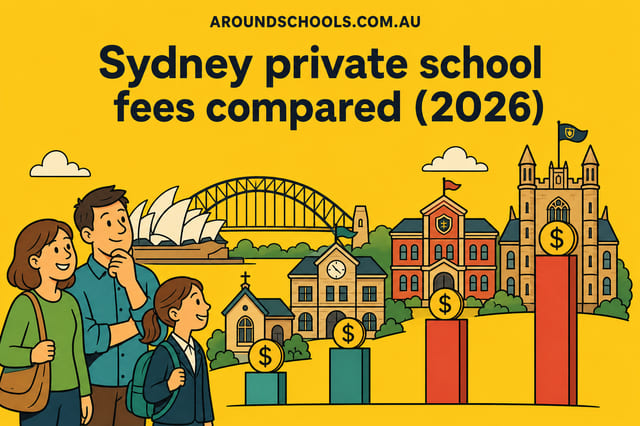
- Fees (low/medium/high ranges): Fees are typically structured as part of Catholic primary schooling; detailed fee schedules are provided by the school and can vary by year level and additional activities.
# 8. Enrolment & Admissions
11. What is the enrolment process and timeline?
- Submit an enrolment application with required documentation (birth certificate, immunisation details, proof of address, etc.).
- Attend school information sessions/open days if available.
- Complete any interviews or meetings with the principal or enrolment coordinator as part of the decision process.
- Receive and accept an offer of placement, followed by confirmation of enrolment and start date.
12. Is there a waiting list, and how does it work?
- Yes, there can be a waiting list when grade levels reach capacity. Priorities and waitlist order may depend on factors such as availability, parish or community ties, and date of application.
13. Are there any entry requirements, tests, or interviews?
- Entries typically involve an interview or meeting with school leadership, along with standard documentation. Standard immunisation records and proof of address are commonly required.
14. Does the school accept mid-year transfers?
- Mid-year transfers may be possible if there are vacancies; acceptance is subject to space and meeting enrolment requirements. Contact the enrolment team early to discuss options.
# 9. Frequently Asked Questions
- Why Parents Choose This School?
- A values-based Catholic education with a strong sense of community, supportive staff, and a focus on holistic development for every child.
- What type of student thrives at this school?
- Students who are engaged, respectful, curious, and willing to participate in both academic and pastoral life; the school aims to support a range of learning styles and backgrounds.
- What opportunities are available for students to extend their skills (academics, sports, arts)?
- Enrichment activities in literacy and numeracy, sports teams, music ensembles, drama opportunities, and clubs such as robotics, coding, and debating.
- How does the school communicate with parents?
- Regular communications via newsletters, emails, parent portals, and parent-teacher events; clear reporting on student progress.
- What is the school’s approach to teaching and learning?
- Student-centered and inclusive, with differentiated instruction, emphasis on literacy and numeracy, and integration of faith-based values into learning.
- How does the school support students who need extra academic help?
- In-school Learning Support, targeted interventions, and access to additional resources or referrals as needed.
- What support is available for academic challenges?
- Ongoing monitoring of progress, tailored support plans, and collaboration with families to ensure timely interventions.
- How does the school communicate with parents?
- See above: regular updates, meetings, and accessible channels for ongoing dialogue.
- What are the class sizes and how much individual attention do students receive?
- Class sizes are typically around 20–25 students, with teachers able to provide targeted feedback and small-group support as needed.
- What extracurricular and sports opportunities are available?
- A range of sports and physical activities, as well as clubs such as robotics, coding, chess, and debates, plus music and arts programs.
- What facilities does the school offer (sports, science, arts)?
- Sports grounds, library, science labs, music/performing arts spaces, tech/innovation labs, canteen, and updated playgrounds.
- What is the school’s approach to technology and digital learning?
- Integration of ICT with a focus on digital literacy, responsible use, and opportunities for coding and interactive learning.
- What transport and accessibility options are available?
- Local transport options and arrangements for drop-off/pick-up; information on routes and accessibility is provided by the school.
- What are the typical school fees or additional costs?
- Fees are published by the school; families should refer to the official schedule for exact amounts and any additional costs (excursions, resources, etc.).
# 10. Short Pros & Cons list
- Pros
- Strong sense of community and faith-based values
- Holistic approach to education with focus on wellbeing
- Moderate class sizes allowing for some individual attention
- Range of academic, sporting, and arts opportunities
- Inclusive environment with support for diverse learners
- Cons
- Fees and costs may be a consideration for some families
- Availability of certain programs and clubs can vary by year and student interest
- As a local primary school, opportunities for very specialised programs may be more limited compared with larger or independent institutions








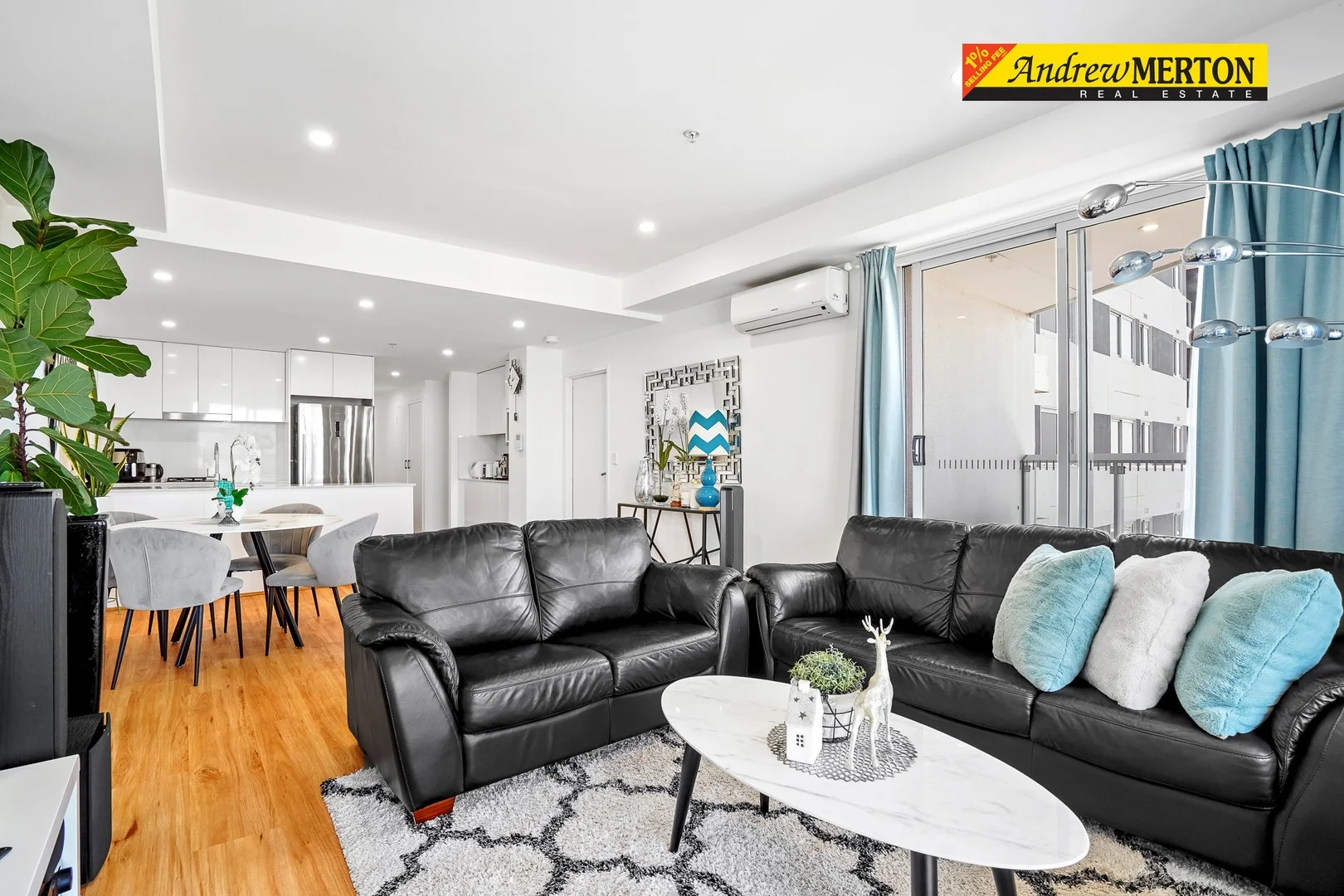 $475,000
Apartment / Unit / Flat
$475,000
Apartment / Unit / Flat
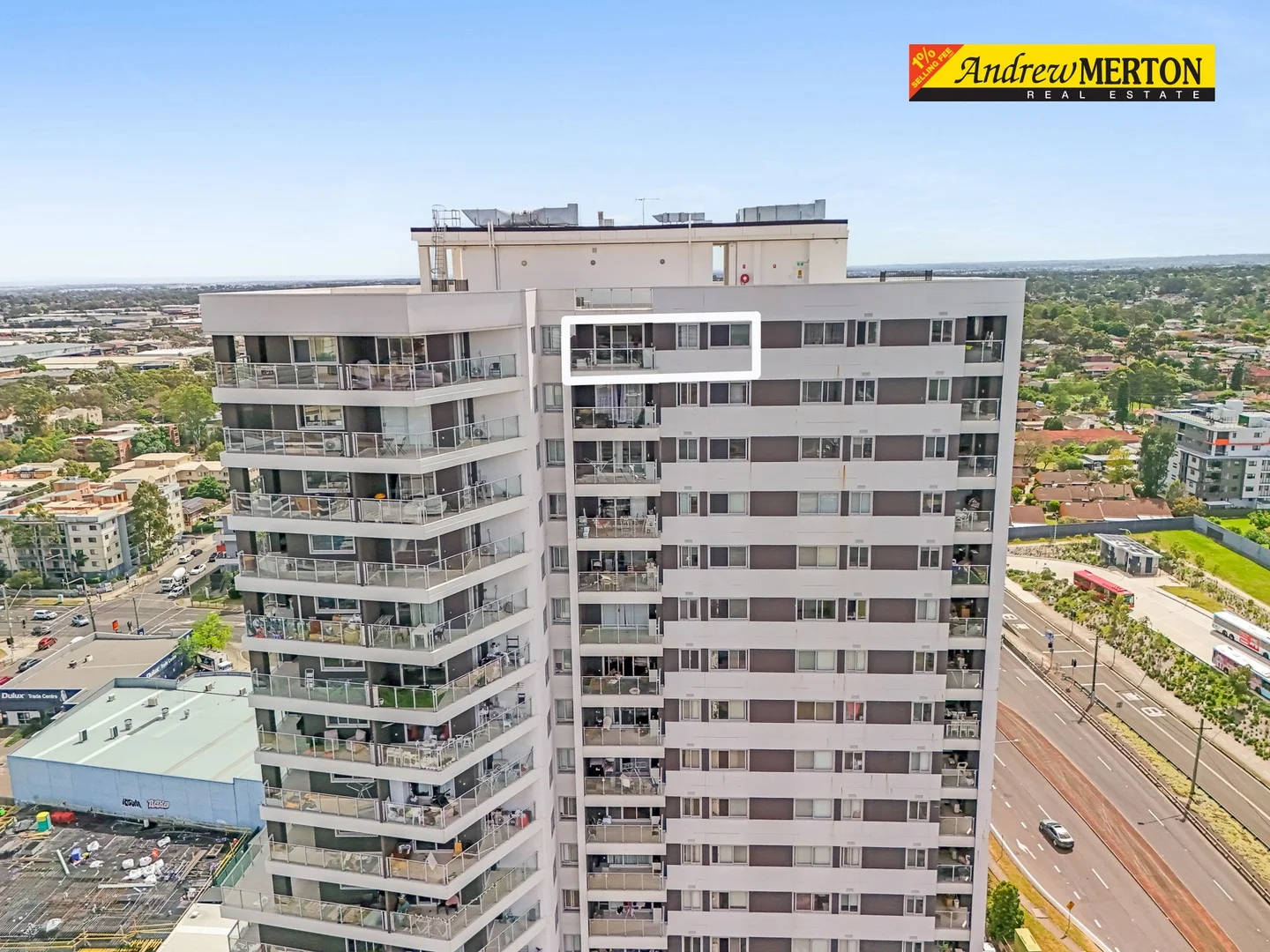 $399,900
Apartment / Unit / Flat
$399,900
Apartment / Unit / Flat
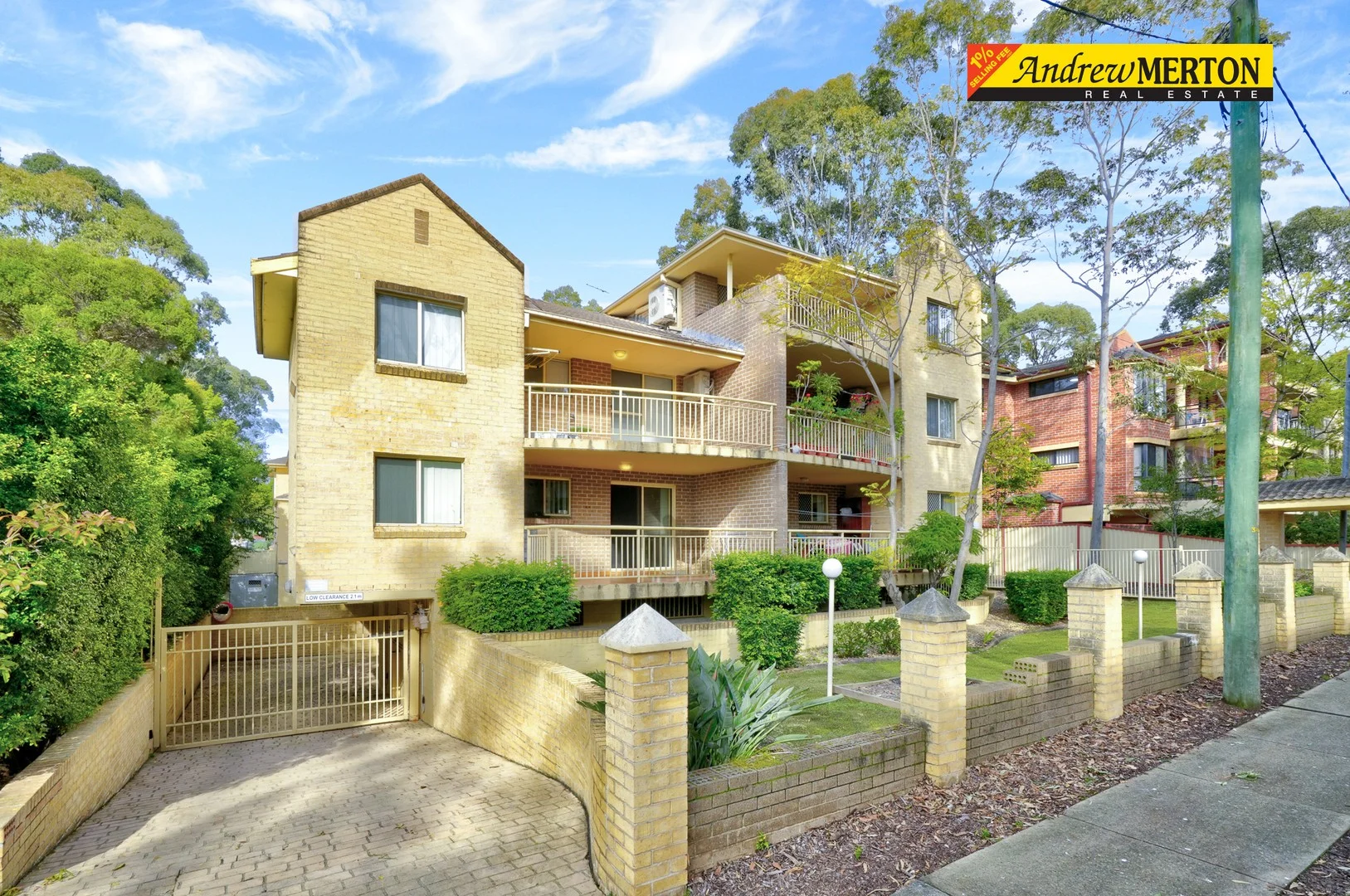 $530,000
Apartment / Unit / Flat
$530,000
Apartment / Unit / Flat