## 1. Overview
St Norbert College is a Catholic, co-educational secondary school serving students in Queens Park, WA. As part of the Catholic Education system, the college offers a faith-informed learning environment with an emphasis on academic achievement, service and personal growth. The campus supports Years 7–12 and strives to provide an inclusive, values-driven culture where students are encouraged to develop strong character alongside their academic pursuits.
The school is large in size with a diverse student body and a supportive atmosphere that blends individual attention with opportunities for leadership, teamwork and community involvement. The environment aims to be welcoming and respectful, balancing high expectations with a nurturing approach to help students thrive.
⸻
## 2. Academics & Learning
- Academic strengths: Broad curriculum across English, mathematics, sciences and humanities, with emphasis on developing critical thinking, literacy and numeracy. Strong focus on leadership development and preparing students for tertiary study or career pathways.
- Special programs: Catholic approach to learning integrated across subjects; opportunities for accelerated or advanced study within senior years; pathways to ATAR/ATAR-supported subjects and senior school completion.
- NAPLAN / trends: Schools in this system typically show stable to improving performance in reading and numeracy over time, with ongoing emphasis on consistency and growth across year groups. Expect a focus on targets and year-by-year progress.
- Student-teacher ratios: Class sizes in the mid-20s are common, with teacher support available through subject teachers, adviser and pastoral teams. Overall student-teacher contact time supports individual assistance when needed.
- Support for diverse learners: Dedicated support for EAL (if applicable), learning adjustments and SEN supports, plus access to learning support staff and guidance services to assist students with different needs.
⸻
## 3. Sports & Extracurricular Strengths
- Sports offered: A range of team and individual sports including football (soccer), basketball, netball, volleyball, cricket, athletics and more, with opportunities to represent the college in inter-school competitions.
- Strong teams or achievements: Regular participation in local and regional school sport competitions; success stories typically highlighted through school magazines, assemblies and showcases.
- Music, arts, drama programs: Active music ensembles, theatre and performing arts offerings, with opportunities to participate in productions, concerts and public performances.
- Clubs: Robotics, coding, chess, debating and other academic or interests clubs are commonly available to broaden skills beyond the core curriculum.
- Partnerships: Local competitions and academy-style opportunities, along with connections to community arts and sport programs to extend learning beyond the classroom.
⸻
## 4. Wellbeing & Pastoral Care
- Anti-bullying approach: Clear policies and supportive processes to promote respectful behavior, with staff and student involvement in promoting a safe school culture.
- House system: A house-based framework to foster belonging, teamwork and school spirit through competitions and events.
- Counsellors / wellbeing officers: Access to school counsellors and wellbeing staff to support mental health, transition needs and personal development.
- Transition support for new students: Orientation activities, buddy programs and mentoring to ease joining from primary years or other schools.
⸻
## 5. Facilities
- Sports grounds: Access to diverse outdoor sporting facilities and fields for a range of activities.
- Libraries: On-site library with study spaces and resources to support learning and research.
- Science labs: Modern science laboratories to support practical experiments and inquiry.
- Music/performing arts centers: Dedicated spaces for music practice and performing arts activities.
- Tech/innovation labs: STEM and makerspace-style facilities to support technology and innovation learning.
- Cafeteria: On-site canteen or cafeteria providing meals and snacks.
- Updated playgrounds: Modern outdoor spaces for recreation and break times.
⸻
## 6. School Values & Community Culture
- School values / mission: Catholic faith, service, respect, excellence and character development integrated into daily learning and school life.
- Leadership style: Student leadership opportunities (e.g., student council) and collaborative decision-making that encourages responsibility and initiative.
- Behaviour expectations: Clear standards for conduct, with consistent expectations around respect, honesty and accountability.
- Community reputation: School is recognised within the local community for its faith-based education, supportive culture and commitment to student development.
- Diversity & inclusion: Emphasis on a welcoming, inclusive environment with respect for different backgrounds and abilities.
⸻
## 7. School Logistics & Daily Operations
- School hours: Typical day runs from morning start to mid-afternoon finish, with variations by year level and activities.
- Before/after school care: After-school programs or supervision arrangements may be available through external providers or school-supported services; check current offerings.
- Uniform requirements: Formal school uniform required, with seasonal adjustments (summer/winter) and sport uniform for physical education and after-school activities.
- Transport (train/bus routes): Accessible via public transport with bus routes serving the area; car drop-off/pick-up arrangements in place.
- Canteen availability: On-site canteen or tuck shop offering a range of food and beverages.
- Fees (low/medium/high ranges): Fees sit in the mid-to-high range for private Catholic secondary education in Western Australia; exact figures vary by year and program and are published by the college and CEWA.
⸻
## 8. Enrolment & Admissions
11. What is the enrolment process and timeline?
- Applications are typically invited ahead of the intake year, with information sessions or open days. The process generally includes submitting an application, attending an interview or information session, and receiving an enrolment offer based on space availability and criteria. Timelines vary by year level and intake period; prospective families should check the college’s admissions calendar for exact dates.
12. Is there a waiting list, and how does it work?
- Waiting lists are common when applications exceed vacancies. Offers are usually prioritized by criteria such as year level, space, and applicant category. Families may be advised of estimated wait times during the admissions process.
13. Are there any entry requirements, tests, or interviews?
- Generally, there is an application process that may include an interview and discussion of fit with the school’s ethos and learning program. Some year levels may require additional information or assessments, but specific testing requirements are determined by the college.
14. Does the school accept mid-year transfers?
- Mid-year transfers are sometimes possible if spaces exist. Families seeking mid-year transfers should contact the admissions team to discuss availability and arrange the appropriate steps.
⸻
## 9. Frequently Asked Questions
- Why Parents Choose This School?
- A Catholic, values-based education with a focus on academic growth, wellbeing and service within a supportive community.
- What type of student thrives at this school?
- Students who are engaged, values-driven, collaborative and motivated to pursue both academics and co-curricular opportunities.
- What opportunities are available for students to extend their skills (academics, sports, arts)?
- Access to advanced subjects and pathways, leadership roles, sports teams, music and drama, robotics, coding, debating and other clubs.
- How does the school communicate with parents?
- Regular newsletters, parent portals, emails and parent-teacher meetings to share progress and school news.
- What is the school’s approach to teaching and learning?
- Student-centered learning with faith integration, use of technology and opportunities for inquiry, collaboration and real-world applications.
- How does the school support students who need extra academic help?
- In-class support, targeted tutoring, learning support staff, EAL and SEN assistance as needed.
- What support is available for academic challenges?
- Access to advisers, learning supports, tutoring and adjustments to learning plans to help students stay on track.
- How does the school communicate with parents? (repeat)
- See above: newsletters, portals, notifications and meetings.
- What are the class sizes and how much individual attention do students receive?
- Class sizes typically sit in the mid-20s, with additional support available through teachers, advisers and support staff.
- What extracurricular and sports opportunities are available?
- A broad range of sports, arts, clubs and competitions; opportunities to participate in robotics, coding, debating, music and theatre.
- What facilities does the school offer (sports, science, arts)?
- Comprehensive facilities including sports grounds, libraries, science labs, performing arts spaces, tech/innovation labs and on-site canteen.
- What is the school’s approach to technology and digital learning?
- Integration of digital tools and resources to support learning, often with access to devices and ICT areas; emphasis on responsible and productive use.
- What transport and accessibility options are available?
- Accessible via public transport with bus routes serving the area; provisions for car drop-off and pick-up.
- What are the typical school fees or additional costs?
- Fees fall in the mid-to-high range for private Catholic secondary schools in WA; additional costs may apply for camps, activities, uniforms and certain programs.
⸻
## 10. Short Pros & Cons
- Pros
- Strong Catholic identity and values-based environment
- Large, diverse school community with broad curricular and co-curricular options
- Range of facilities to support academics, arts and sports
- Supportive wellbeing and pastoral care system
- Opportunities for leadership, service and personal development
- Cons
- Large school size may mean less one-on-one time in some subjects
- Fees reflect private Catholic education; ongoing costs to consider
- Popular programs can have waitlists or space limitations at certain year levels
⸻













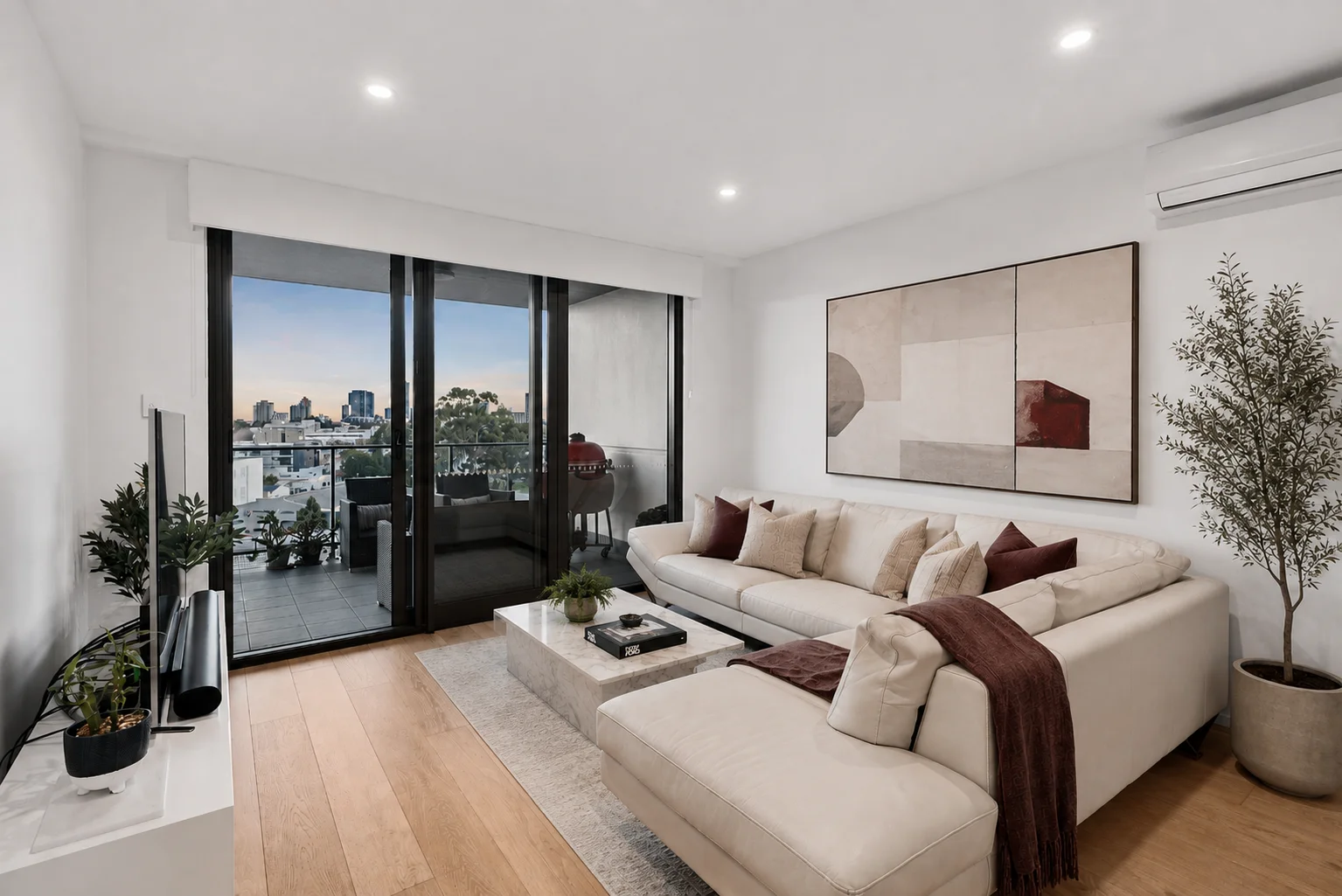 $700,000
Apartment / Unit / Flat
$700,000
Apartment / Unit / Flat
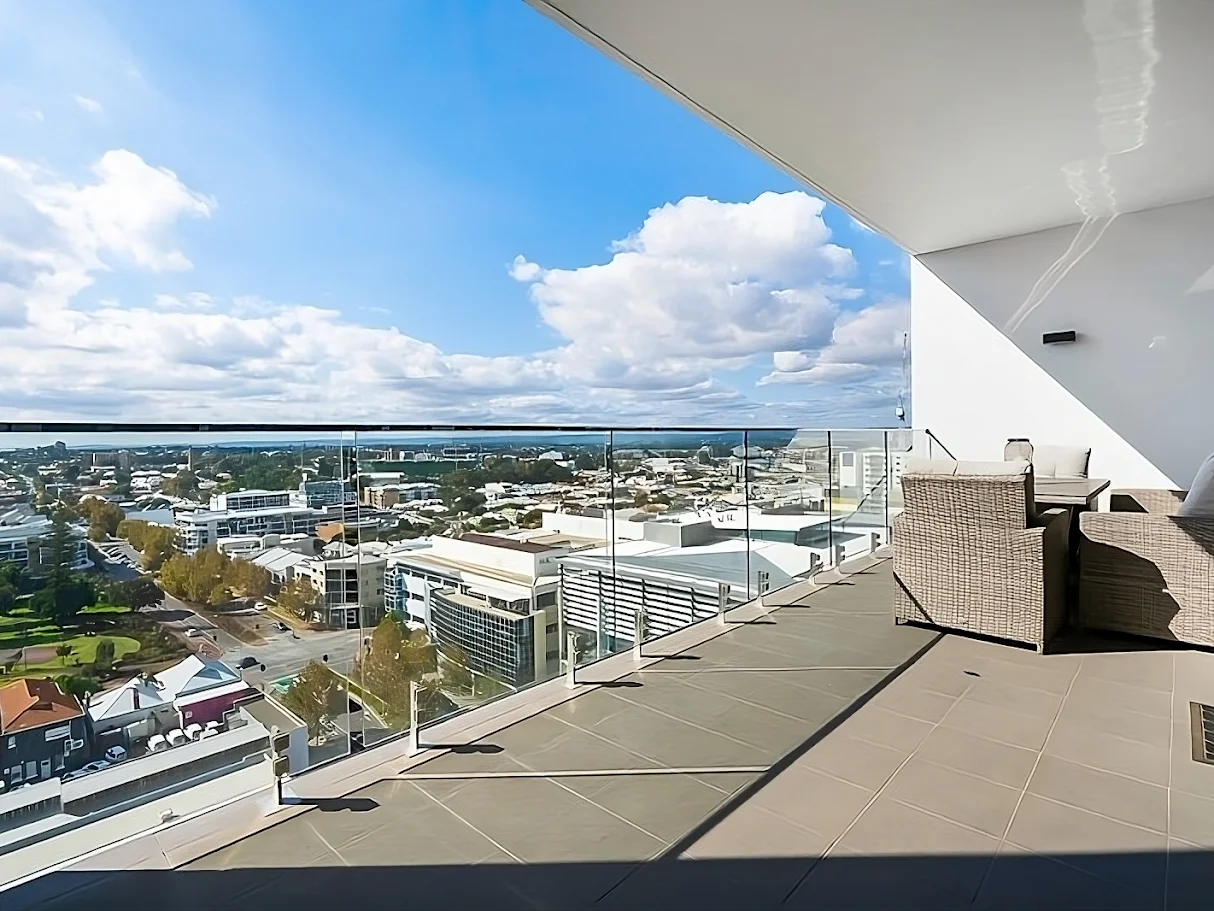 $580,000
Apartment / Unit / Flat
$580,000
Apartment / Unit / Flat
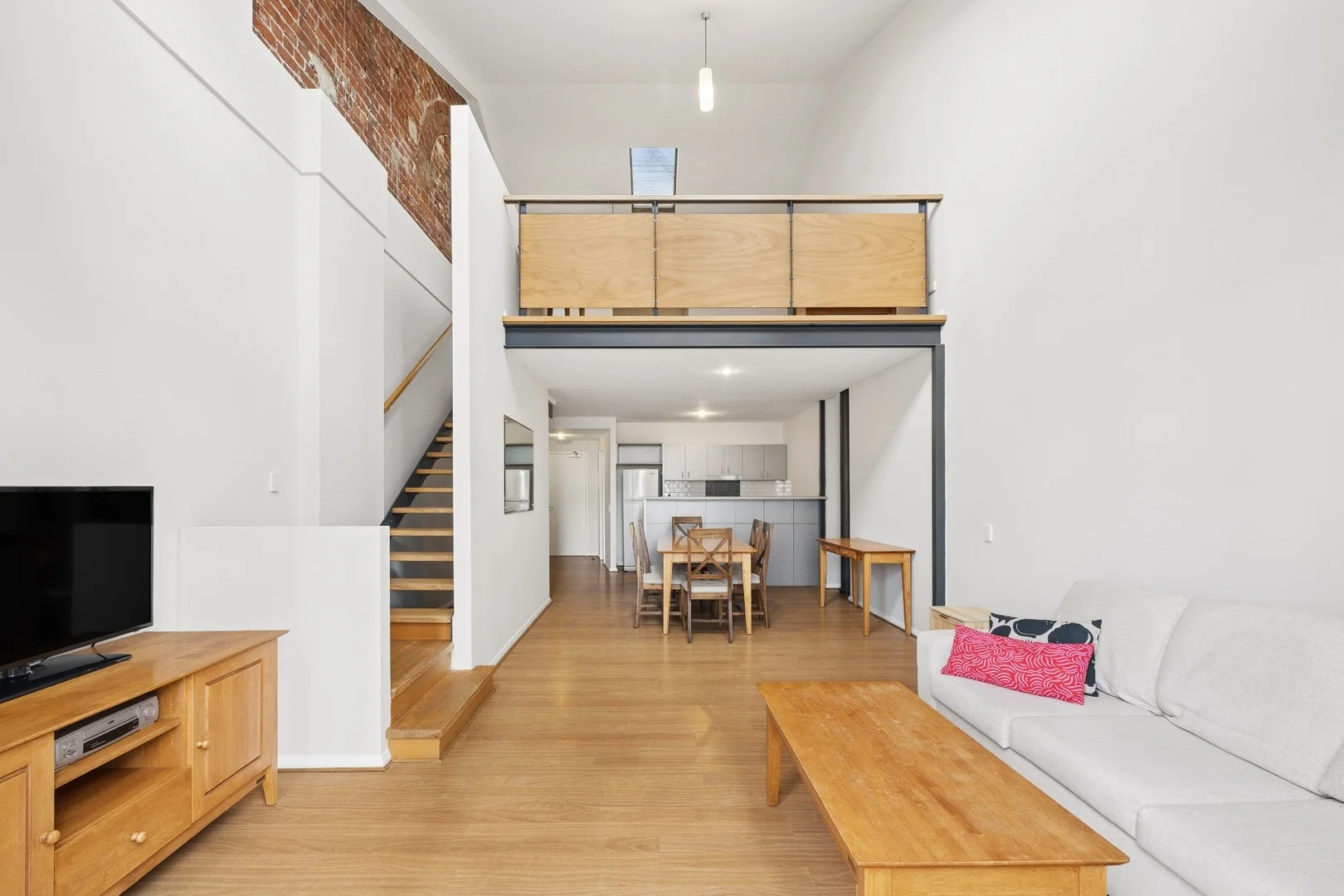 $549,000
Apartment / Unit / Flat
$549,000
Apartment / Unit / Flat
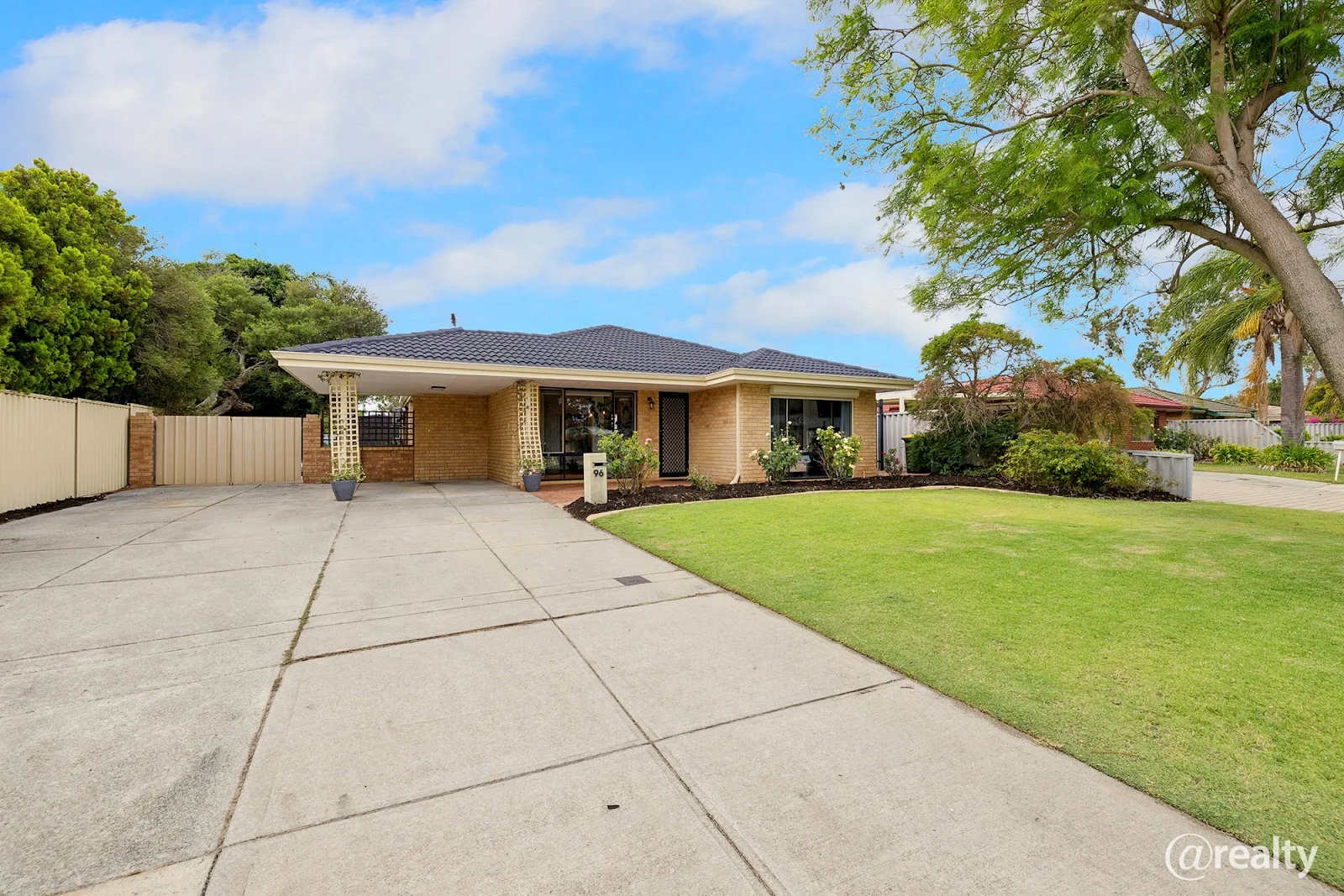 $899,000 - $943,950
House
$899,000 - $943,950
House
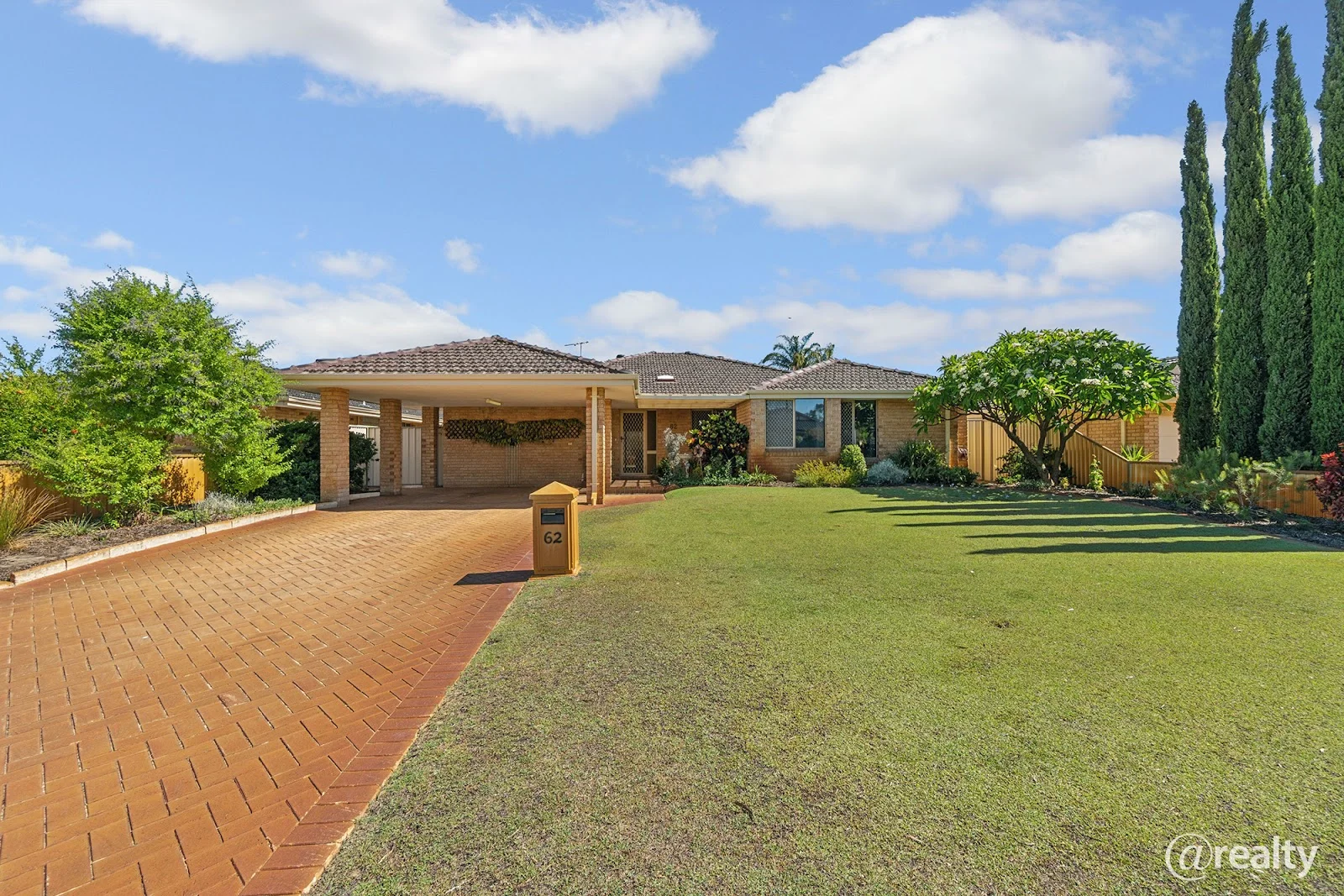 $1,099,000 - $1,153,950
House
$1,099,000 - $1,153,950
House
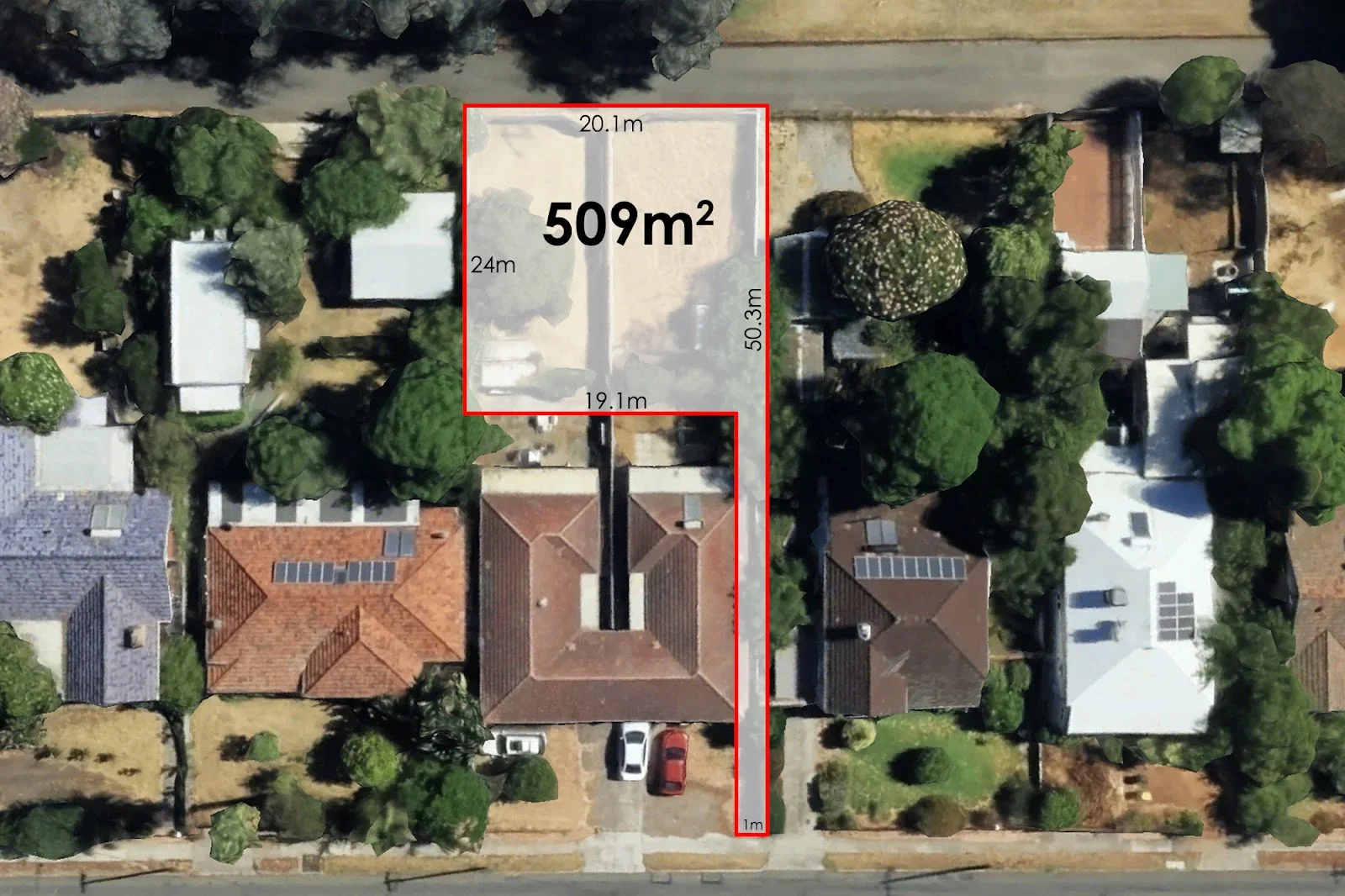 $480,000
Vacant Land
$480,000
Vacant Land


