Overview
St Patrick's Marist College Dundas is a Catholic school rooted in the Marist tradition, serving families in Western Sydney with a focus on faith, learning and service. The college emphasises a supportive, inclusive culture where students are encouraged to strive academically while developing strong pastoral care and community involvement.
The school is a medium-sized secondary college with a welcoming, community-focused atmosphere. Class sizes are typically in the low 20s, allowing strong student–teacher engagement. The culture blends academic endeavour with character development, faith formation and participation in extracurricular life.
Academics & Learning
- Academic strengths: English, Mathematics, Science and STEM, with emphasis on literacy, numeracy and leadership development; strong pathways in senior secondary learning.
- Special programs: Gifted and Talented / accelerated learning opportunities; clear pathways for leadership development and community service; various curriculum enrichment options.
- Support for diverse learners: EAL support, inclusive SEN programs, learning support plans and targeted interventions to assist varied learner needs.
- Sports offered: Rugby, soccer, basketball, cricket, athletics/long-distance events, swimming, tennis, and netball.
- Strong teams or achievements: Active representation in inter-school competitions with competitive NSW Catholic school results; strong programs in rugby and cricket among others.
- Music, arts, drama programs: Active music program with bands and choir; drama productions and performing arts opportunities.
- Clubs: Robotics, coding, chess, debating and other student-led clubs.
- Partnerships: Local clubs and regional competitions linked to school sport and extended learning opportunities; participation in inter-school events and invitational tournaments.
Wellbeing & Pastoral Care
- Anti-bullying approach: Whole-school anti-bullying policy with education, reporting channels and ongoing monitoring.
- House system: House-based pastoral structure with active engagement in leadership, events and mentoring.
- Counsellors / wellbeing officers: On-site school counsellors and wellbeing staff supporting student welfare and mental health.
- Transition support for new students: Induction programs, buddy systems and targeted orientation to ease transition for new students and families.
Facilities
- Sports grounds: Extensive sports fields and courts for outdoor activities and training.
- Libraries: Modern library with print and digital resources to support study and reading for pleasure.
- Science labs: Well-equipped science laboratories for practical experiments and learning.
- Music/performing arts centers: Dedicated spaces for music practice and drama performances.
- Tech/innovation labs: Computer labs and spaces for design, coding and digital learning.
- Cafeteria: On-site canteen offering a range of healthy options.
- Updated playgrounds: Well-maintained recreational areas supporting break-time activity.
- School values / mission: Grounded in Catholic values and Marist ethos—focus on faith, service, humility, integrity and care for others.
- Leadership style: Inclusive, student voice and leadership opportunities; collaborative decision-making within the school community.
- Behaviour expectations: Clear code of conduct centred on respect, responsibility and honesty.
- Community reputation: Positive standing within the local Catholic education community; emphasis on service and community involvement.
- Diversity & inclusion: Commitment to welcoming students from diverse backgrounds and ensuring inclusive practices.
School Logistics & Daily Operations
- School hours: Typical school day starts mid-morning to afternoon (approximately 8:30–9:00am to 3:15–3:30pm).
- Before/after school care: After-school supervision and activity options available.
- Uniform requirements: School uniform required; includes standard daily attire and sports uniform for PE.
- Transport (train/bus routes): Transport options include public bus services and nearby train links with accessible stops; convenient arrangements for drop-off and pick-up.
- Canteen availability: On-site canteen offering meals and snacks.
- Fees (low/medium/high ranges): Fees are generally in the moderate/medium range for NSW Catholic systemic schools, with typical family contributions and activity costs.
Enrolment & Admissions
- What is the enrolment process and timeline?
- Families typically complete an enrolment application, submit required documents (birth details, previous school reports, etc.), and may attend information sessions or an interview. Offers are issued after review and can align with a defined annual intake timeline; orientation occurs prior to the start of the new academic year.
- Is there a waiting list, and how does it work?
- A waiting list may operate when vacancies are limited. Applications are held on the list, and offers are made as spaces become available, with priority considerations as defined by the school (e.g., Catholic readiness, siblings, etc.).
- Are there any entry requirements, tests, or interviews?
- Entry often involves an information session or interview and consideration of prior academic records. Some programs (e.g., performing arts, gifted pathways) may require additional assessment or auditions.
- Does the school accept mid-year transfers?
- Yes, mid-year transfers are possible where space allows. Prospective families should contact the admissions team to discuss vacancies and the transfer process.
Frequently Ask Questions
- Why Parents Choose This School?
- A strong Catholic ethos, supportive pastoral care, solid academics, and a balanced focus on sport, arts and service.
- What type of student thrives at this school?
- Motivated, community-minded students who value faith, learning, teamwork and involvement in school life.
- What opportunities are available for students to extend their skills (academics, sports, arts)?
- Enrichment in STEM, English and languages; leadership and service programs; competitive sports teams; music, drama and arts; robotics, coding and debating clubs.
- How does the school communicate with parents?
- Regular newsletters, digital portals, parent-teacher interviews and open days; direct contact with teachers and school administration.
- What is the school’s approach to teaching and learning?
- Student-centered learning with a focus on literacy and numeracy, inquiry-based activities, and integration of faith and values.
- How does the school support students who need extra academic help?
- Targeted learning support, EAL services and SEN assistance, alongside tutoring and accommodation where appropriate.
- What support is available for academic challenges?
- Access to counsellors and learning support staff; structured intervention plans and progress monitoring.
- How does the school communicate with parents?
- See above: multiple channels including digital platforms and direct meetings.
- What extracurricular and sports opportunities are available?
- A broad program including rugby, soccer, basketball, cricket, athletics, swimming and netball, plus clubs in robotics, coding, chess, debating and arts.
- What facilities does the school offer (sports, science, arts)?
- Comprehensive facilities across sports grounds, libraries, science labs, music/performing arts spaces and technology labs.
- What is the school’s approach to technology and digital learning?
- Integrated ICT across the curriculum with computer labs, digital resources and learning platforms to support modern education.
- What transport and accessibility options are available?
- Public transport connections (bus/train) with planned drop-off and pick-up arrangements; accessible facilities.
- What are the typical school fees or additional costs?
- Moderate fees with potential extra costs for uniforms, excursions, camps and voluntary contributions.
Short Pros & Cons list
- Strong Catholic/Marist ethos with values-based education
- Supportive pastoral care and student wellbeing
- Solid academic program with enrichment and leadership opportunities
- Broad extracurriculars (sports, arts, clubs)
- Good facilities and resources
- Mid-year transfer and waitlist processes can affect immediate availability
- Fees and uniform costs are a consideration for some families
- Transport options depend on local routes and schedule

 Free
Free









 $36,000,000 - $39,500,000
Vacant Land
$36,000,000 - $39,500,000
Vacant Land
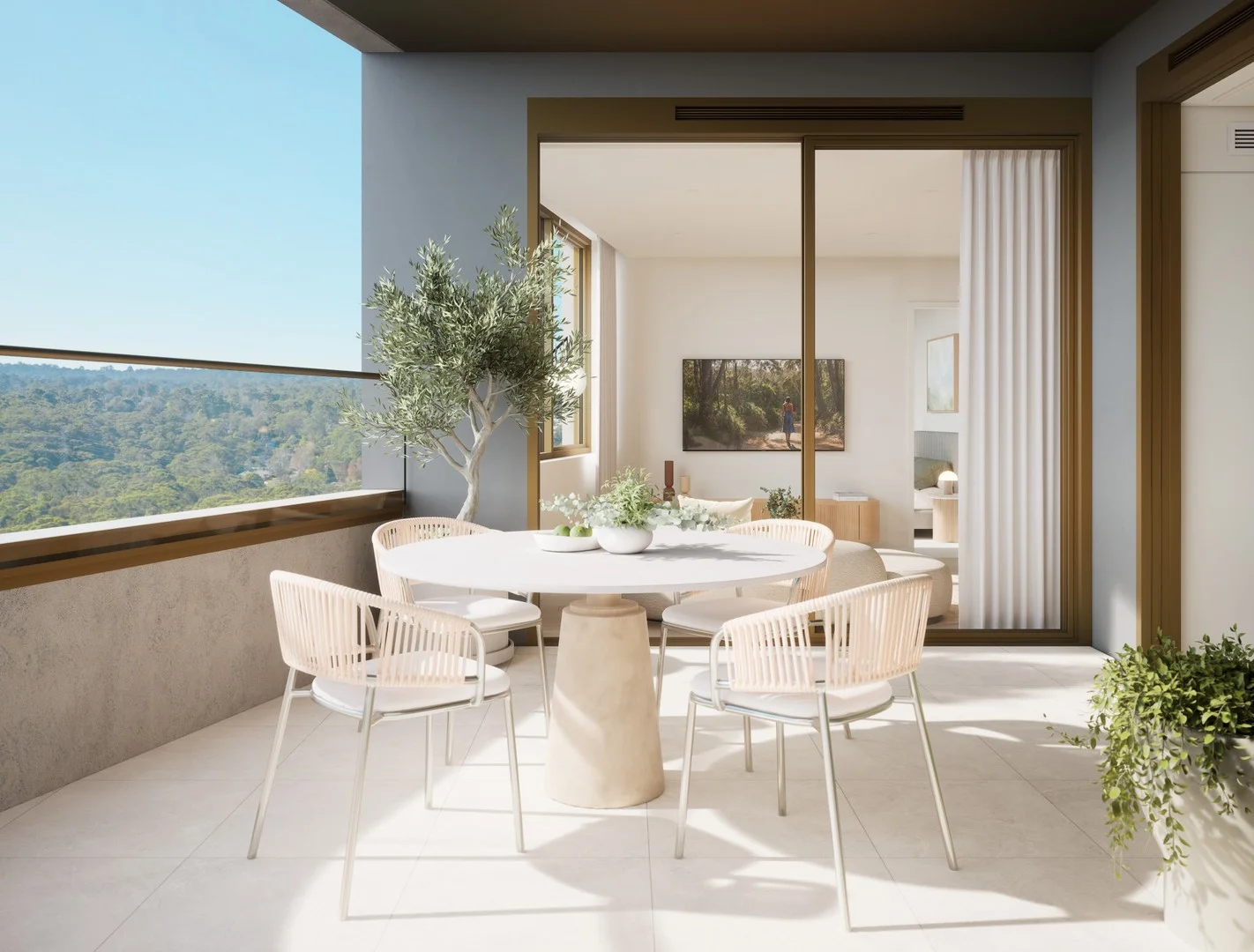 $1,525,000
Apartment / Unit / Flat
$1,525,000
Apartment / Unit / Flat
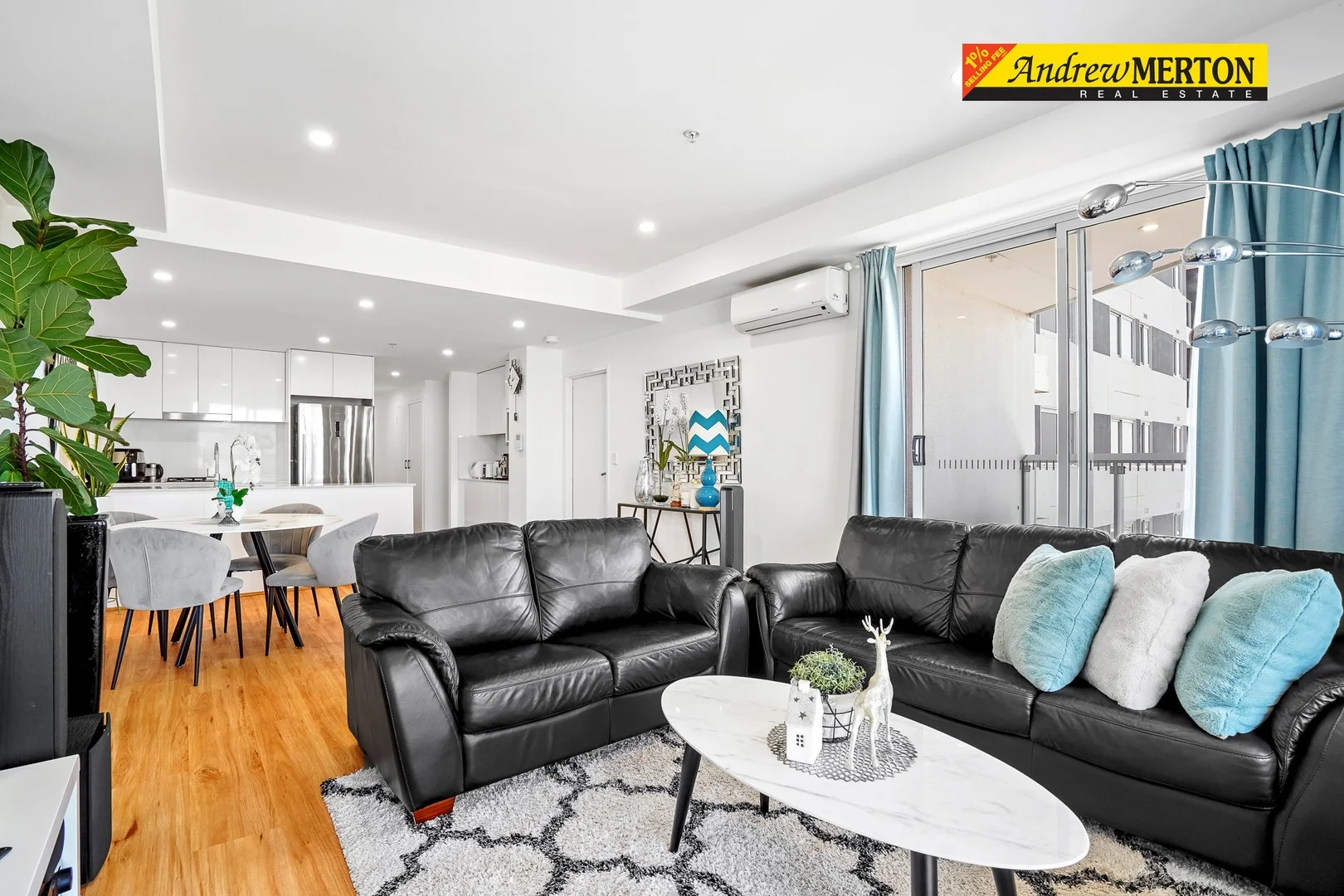 $450,000 - $470,000
Apartment / Unit / Flat
$450,000 - $470,000
Apartment / Unit / Flat
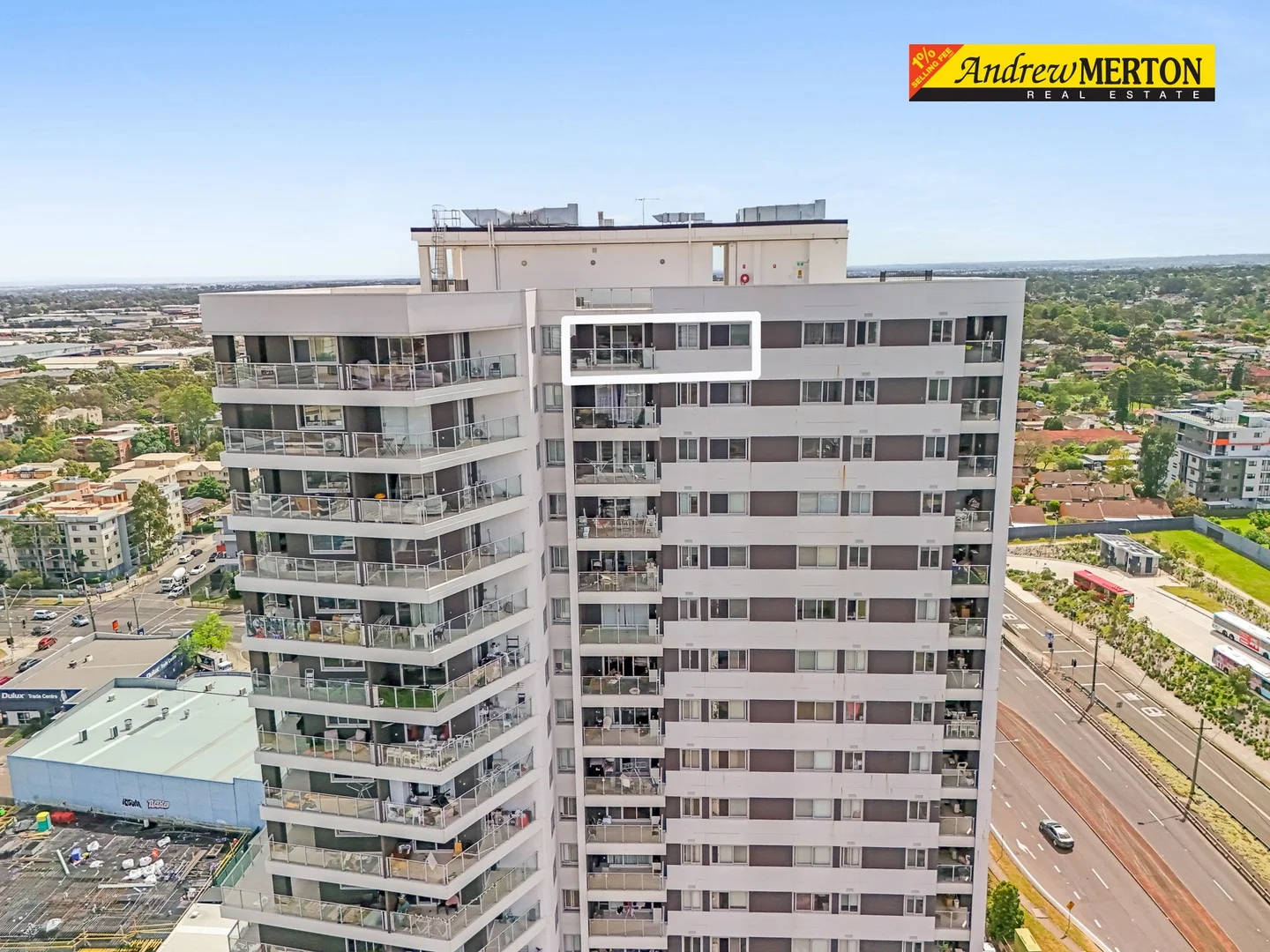 $399,900
Apartment / Unit / Flat
$399,900
Apartment / Unit / Flat
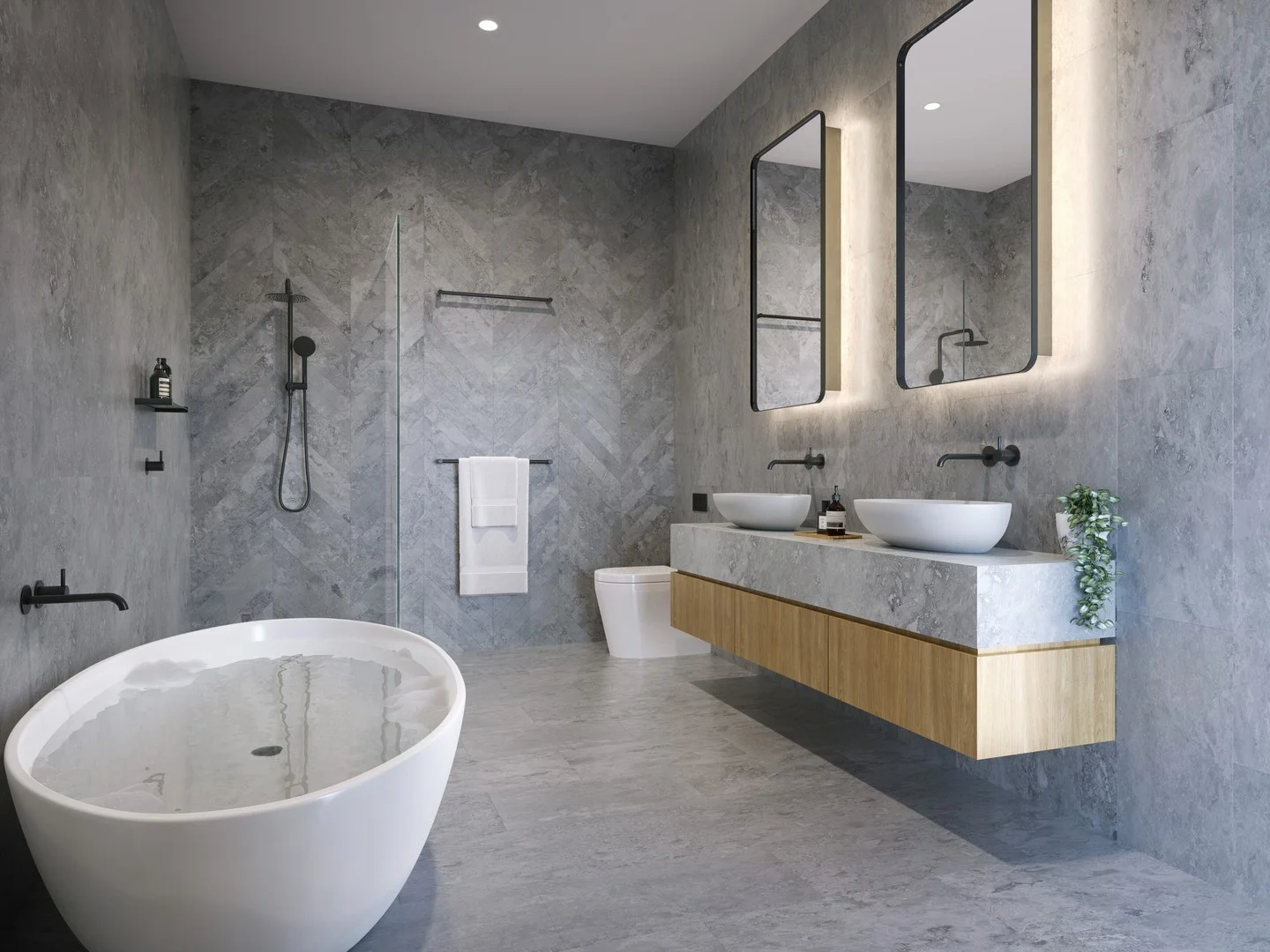 $2,824,000
Apartment / Unit / Flat
$2,824,000
Apartment / Unit / Flat