Overview
St Bernadette's Primary School is a Catholic, co-educational primary school serving families in Dundas Valley. As a medium-sized school, it aims to provide a caring, faith-centered learning environment where students are supported to grow academically and personally. Class sizes are typically in the mid-20s, helping teachers know students well and tailor learning. The atmosphere is nurturing, inclusive, and values-driven, with a strong emphasis on faith, service to others, and community.
Academics & Learning
- Academic strengths: Strong emphasis on literacy and numeracy, with integrated religious education. Opportunities to engage in STEM activities, critical thinking, and leadership development.
- Special programs: Gifted and Talented provisions or accelerated learning options may be available; coding and robotics activities are often offered as part of enrichment.
- Support for diverse learners: English as an Additional Language (EAL) support and inclusive education programs; learning support teams and targeted interventions for students who need extra help.
- Sports offered: Common primary-sport offerings include soccer, netball, basketball, cricket, athletics, and gym/fitness activities; programs align with school and community competitions.
- Strong teams or achievements: Participation in inter-school events and local competitions; recognition for teamwork, sportsmanship, and improvement rather than only winning.
- Music, arts, drama programs: Choir, school concerts, and opportunities in music and drama are often available to extend creativity and performance skills.
- Clubs: Robotics, coding, chess, debating, and other STEM or literacy-oriented clubs help students explore interests beyond core academics.
- Partnerships: Connections with local clubs, diocesan programs, or community partners to support sport, arts, and competitive events.
Wellbeing & Pastoral Care
- Anti-bullying approach: Clear policies and proactive programs to promote respectful behavior, with supervision, reporting pathways, and restorative practices.
- House system: A house structure is typically used to foster belonging, leadership, and friendly competition in events and ceremonies.
- Counsellors / wellbeing officers: Access to school-based wellbeing staff or counsellors to support emotional health and resilience.
- Transition support for new students: Orientation activities, buddy programs, and gradual onboarding to help students settle into school life.
Facilities
- Sports grounds: Access to oval/fields and courts for physical education and games.
- Libraries: On-site library with resources to support reading and learning across subjects.
- Science labs: Dedicated spaces for hands-on science activities and experiments.
- Music/performing arts centers: Areas or spaces for music practice, rehearsals, and performances.
- Tech/innovation labs: Computer labs or makerspace environments to support digital learning and coding.
- Cafeteria: On-site canteen or lunch facilities for students.
- Updated playgrounds: Modern and safe outdoor play areas with age-appropriate equipment.
- School values / mission: Faith-based education centered on Catholic values such as compassion, service, respect, and integrity.
- Leadership style: Student voice is encouraged through class leadership roles, student councils, and teacher guidance.
- Behaviour expectations: Clear codes of conduct emphasizing respect, responsibility, and care for others.
- Community reputation: Strong parish and family involvement typical of Catholic primary schools; emphasis on welcoming new families and fostering a supportive network.
- Diversity & inclusion: Commitment to an inclusive environment that respects diverse backgrounds and abilities, with appropriate supports as needed.
School Logistics & Daily Operations
- School hours: Typical day starts in the morning and ends in the afternoon with standard recess and lunch breaks; specific times vary by year group.
- Before/after school care: After-school care or holiday programs are commonly available through school or approved providers.
- Uniform requirements: Standard school uniform with seasonal adjustments, sun protection (hats), and a clear policy on footwear and grooming.
- Transport (train/bus routes): Access to local bus routes and public transport; families often use a mix of walking, bus, and car drop-off options.
- Canteen availability: Canteen or lunch facilities available on-site, with healthy meal options and snack choices.
- Fees (low/medium/high ranges): Catholic primary schools typically have modest fees and routine voluntary contributions; exact costs vary by year level and activities.
Enrolment & Admissions
- What is the enrolment process and timeline?
- Submit an application or expression of interest during the school’s intake period (with open days or information sessions).
- Complete the school’s formal enrolment form and provide required documents (birth certificate, baptism/catholic identity information if applicable, proof of address, etc.).
- Attend any required interview or family information session; receive an offer of placement if spaces are available.
- Accept the offer by the stated deadline to secure the place; complete any remaining enrolment steps before start date.
- Is there a waiting list, and how does it work?
- Yes, many Catholic primary schools maintain a waiting list when demand exceeds capacity. Priority may be given to Catholic families, siblings of current students, parishioners, and then general applicants. The school will advise on how long the wait may be and how places are allocated.
- Are there any entry requirements, tests, or interviews?
- Most primary entries do not require academic testing. Some schools may conduct an interview or family information session to understand the student’s needs and to confirm fit with the school’s values. Documentation to establish identity and Catholic affiliation or parish involvement may be requested.
- Does the school accept mid-year transfers?
- Mid-year transfers are often possible if space is available and the student’s year level aligns with the class. Transfers typically require smooth onboarding, transcript or report card transfer, and coordination with the receiving year level.
Frequently Asked Questions
- Why Parents Choose This School?
- A values-driven, faith-based community with a focus on strong literacy and numeracy, supportive pastoral care, and opportunities across academics, sport, and the arts.
- What type of student thrives at this school?
- Students who value community, faith-based learning, inclusive education, and a balanced mix of academics, sports, and creative pursuits.
- What opportunities are available for students to extend their skills (academics, sports, arts)?
- Enrichment programs in literacy and numeracy, STEM activities, leadership opportunities, clubs (robotics, coding, chess, debating), and performing arts activities.
- How does the school communicate with parents?
- Through newsletters, a student portal or payroll system, regular parent-teacher meetings, and open days or information sessions.
- What is the school’s approach to teaching and learning?
- Holistic, faith-informed education with a blend of whole-class, small-group, and individualized instruction focusing on literacy, numeracy, and critical thinking.
- How does the school support students who need extra academic help?
- Targeted interventions, learning support staff, EAL and SEN assistance, and ongoing progress monitoring.
- What support is available for academic challenges?
- Differentiated instruction, after-school or in-school tutoring, and collaboration between teachers, specialists, and families.
- How does the school communicate with parents? (repeated for emphasis)
- See above: newsletters, portals, meetings, and regular updates on student learning and wellbeing.
- What extracurricular and sports opportunities are available?
- A range of sports (soccer, netball, basketball, cricket, athletics), music and drama, and clubs like robotics, coding, chess, and debating.
- What facilities does the school offer (sports, science, arts)?
- Sports grounds, libraries, science labs, music/performing arts spaces, and technology labs, plus a canteen and updated playgrounds.
- What is the school’s approach to technology and digital learning?
- Integration of computers/tablets, interactive learning tools, coding and digital literacy, and guidance on responsible digital citizenship.
- What transport and accessibility options are available?
- Local bus routes, walking options where feasible, and information about public transport access and accessibility arrangements.
- What are the typical school fees or additional costs?
- Fees are generally modest for a Catholic primary, with potential extra costs for camps, excursions, uniforms, and voluntary contributions. Check the current school schedule for exact figures.
Short Pros & Cons list
- Faith-based, values-driven education in a supportive community
- Broad range of academics, enrichment programs, and clubs
- Strong wellbeing and pastoral care, with house system and buddy programs
- Good facilities for learning, including libraries, science labs, and tech spaces
- Availability may be limited due to popularity; waitlists are possible
- Uniform and additional costs (e.g., excursions, uniforms) can be a consideration
- Transport options depend on local routes and distance
- Mid-year transfers depend on space and alignment with year level
- As with many schools, specific programs or enrichment offerings may vary year to year
If you’d like, I can tailor any section to emphasize particular aspects you want to highlight (e.g., stronger focus on STEM, or more detail on wellbeing programs) or adjust language for a shorter/longer read.
 Free
Free









 $36,000,000 - $39,500,000
Vacant Land
$36,000,000 - $39,500,000
Vacant Land
 $1,525,000
Apartment / Unit / Flat
$1,525,000
Apartment / Unit / Flat
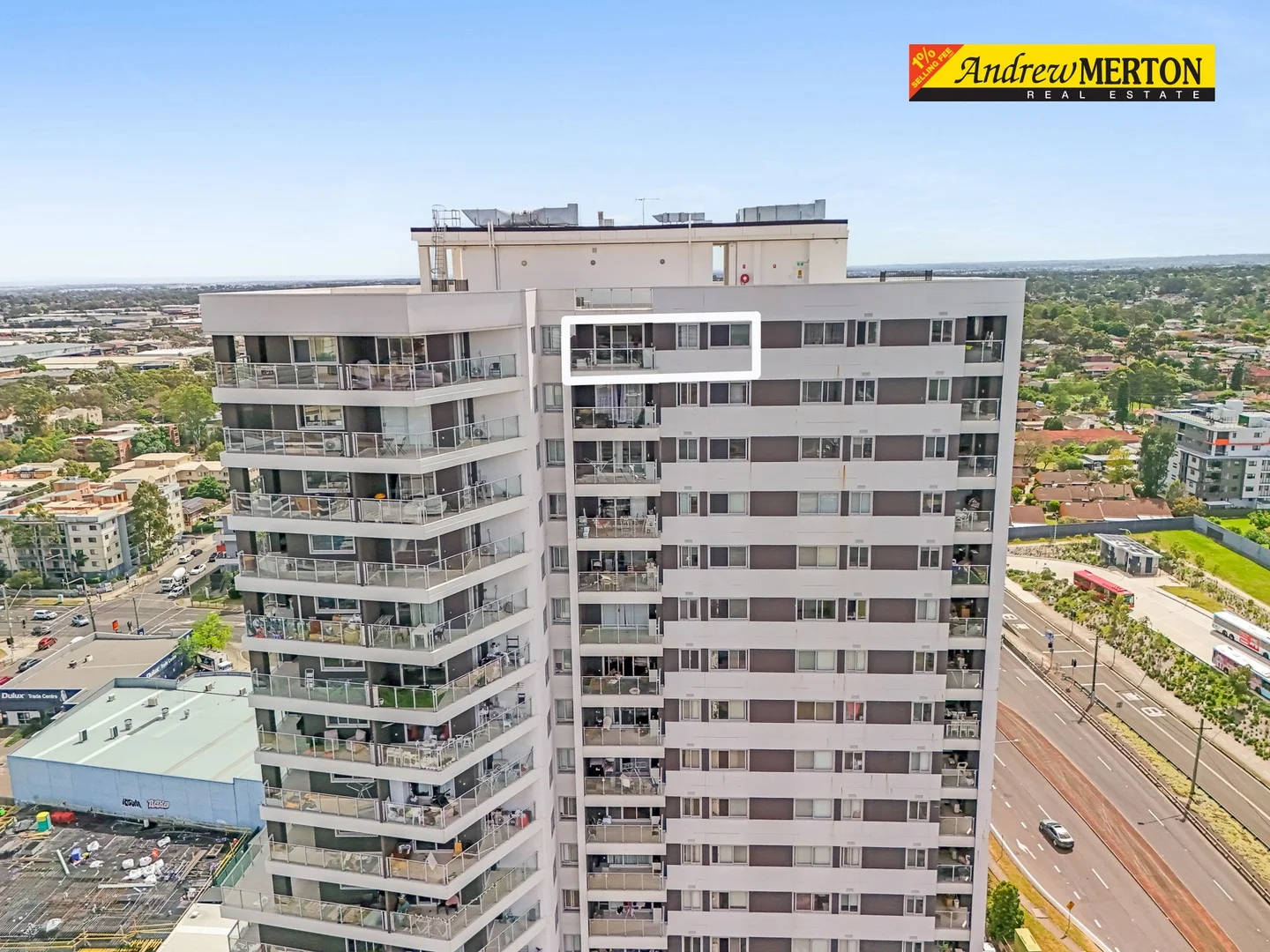 $399,900
Apartment / Unit / Flat
$399,900
Apartment / Unit / Flat
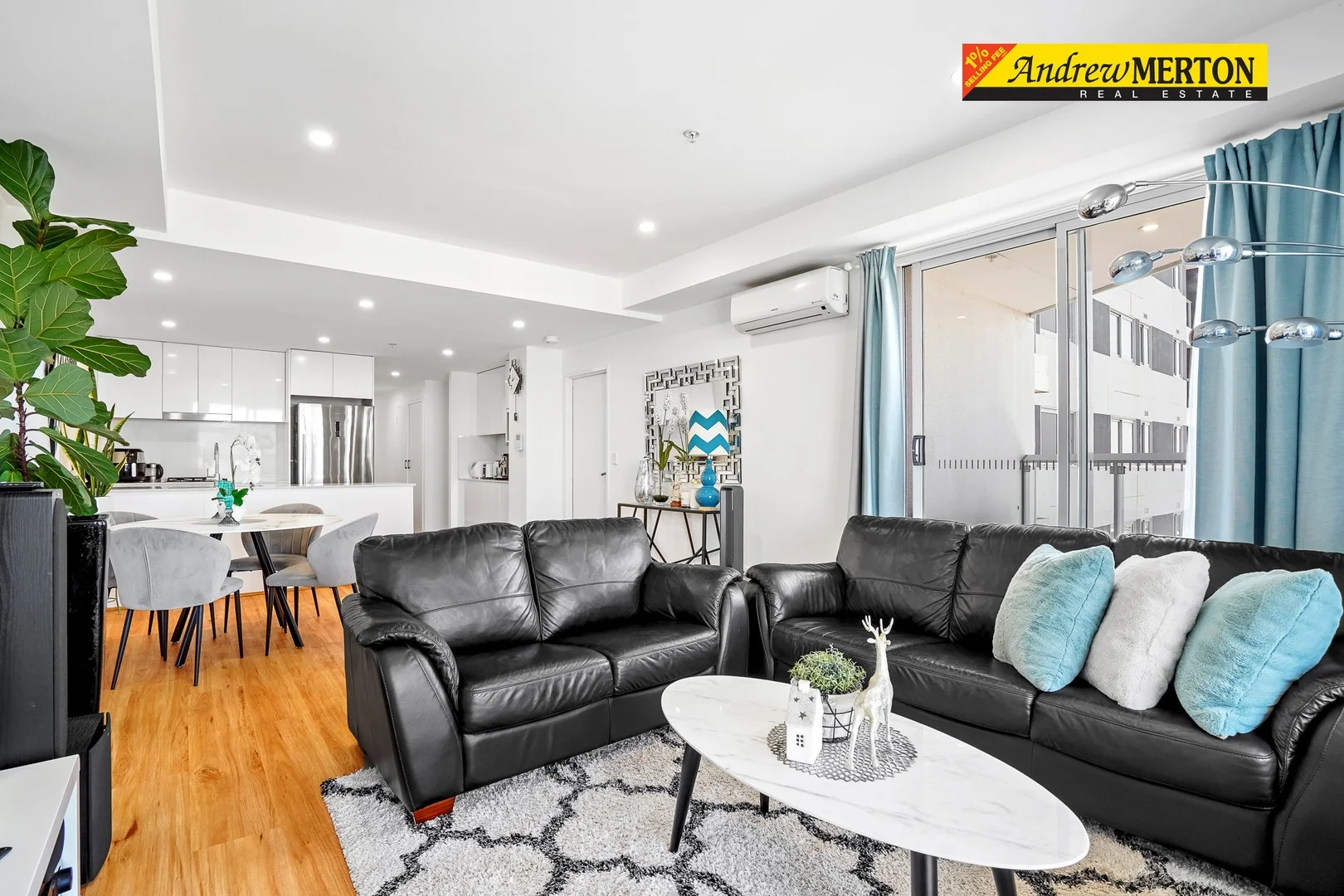 $450,000 - $470,000
Apartment / Unit / Flat
$450,000 - $470,000
Apartment / Unit / Flat
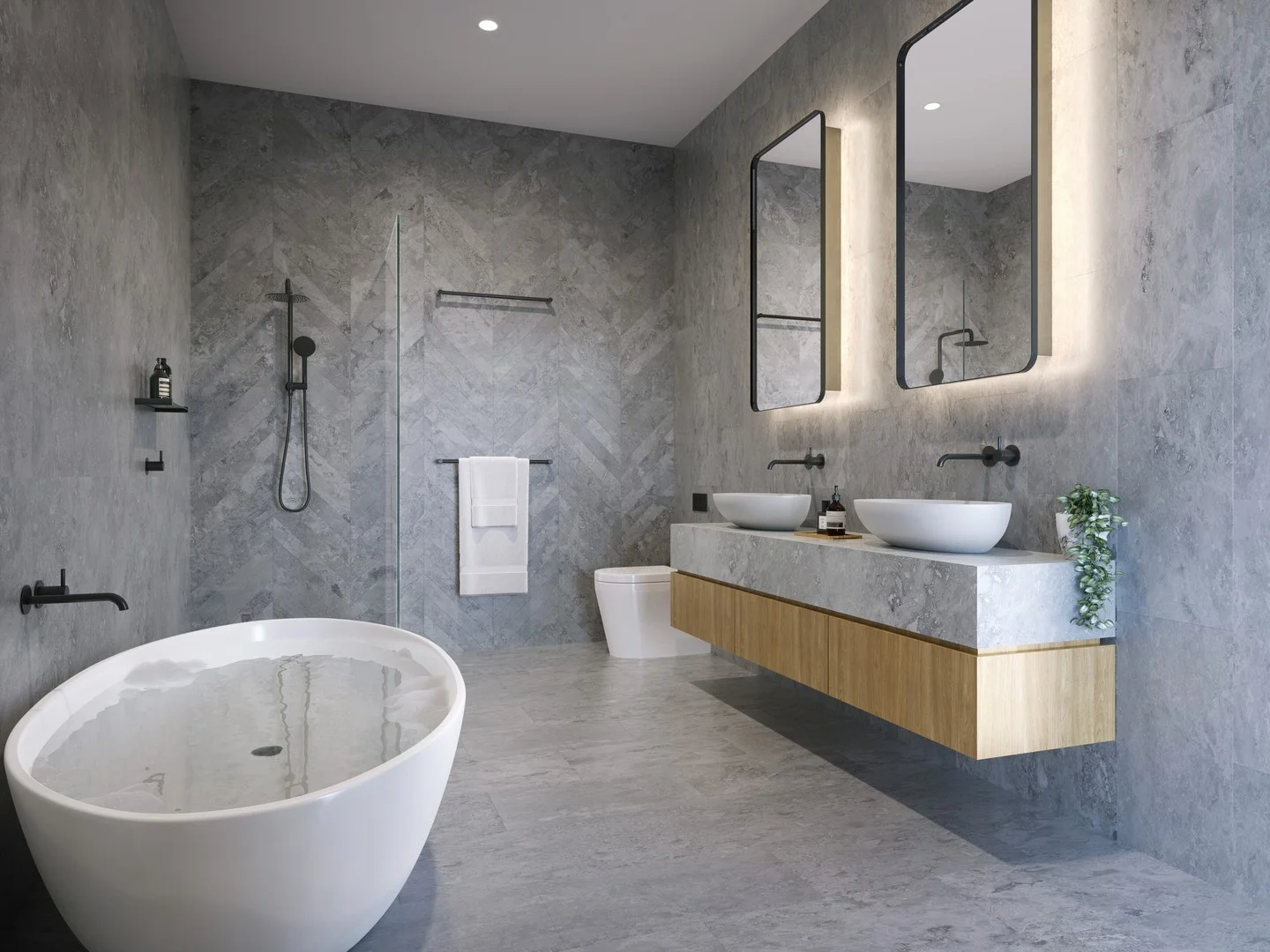 $2,824,000
Apartment / Unit / Flat
$2,824,000
Apartment / Unit / Flat