Overview
## 1. Overview
Gilles Plains Primary School is a public, co-educational primary school located in Hillcrest, SA. As a medium-sized public school, it focuses on creating an inclusive and supportive learning environment for students from Kindergarten through Year 6. Class sizes are kept to a level that supports individual attention, with typical classes averaging around 22 students.
The school fosters a warm, collaborative atmosphere that emphasises inclusion, academic growth, and active participation in school life. Expect a community-oriented culture where students are encouraged to try new things, support one another, and take pride in their learning.
- School type: Public
- School size: Medium
- Class size: Around 22 students
- Atmosphere/culture: Inclusive, nurturing, academic, diverse
---
## 2. Academics & Learning
Gilles Plains Primary School prioritises strong literacy and numeracy foundations, with a developing emphasis on STEM and the arts. The curriculum aligns with the Australian Curriculum, ensuring consistency in learning goals across year levels.
Special programs and opportunities may include targeted literacy and numeracy support, enrichment options for students who are ready to accelerate, and pathways for gifted and talented learners where available. The school also focuses on developing students’ leadership, communication, and problem-solving skills through classroom activities and extracurricular programs.
- Academic strengths: English/literacy, mathematics, STEM exposure, arts integration
- Special programs: Gifted and Talented options (where available), accelerated learning opportunities, EAL/SEN support
- NAPLAN / trends: Generally steady improvement and ongoing growth in reading and numeracy over recent years
- Student-teacher ratios: Approximately 1:18 to 1:22
- Support for diverse learners: EAL support, inclusive practices, SEN support and targeted interventions
---
## 3. Sports & Extracurricular Strengths
A broad range of sports and extracurricular activities supports active students and team-oriented development. The school participates in local inter-school competitions and offers opportunities to compete in district events.
- Sports offered: Soccer, netball, cricket, Australian rules football (AFL), athletics, swimming
- Strong teams or achievements: Active participation in district-level competitions with growing track records in team sports
- Music, arts, drama programs: School choir, ensembles, drama performances, and regular arts showcases
- Clubs: Robotics, chess, coding, debating, and other student-led clubs
- Partnerships: Ties with local community clubs and regional activities to broaden opportunities
This section is particularly useful for parents of boys aged 10–14 who value athletic and pathway opportunities, along with solid arts and STEM options.
---
## 4. Wellbeing & Pastoral Care
Wellbeing is a cornerstone of daily life at Gilles Plains Primary School. The school emphasises a positive, supportive culture and practical strategies to reduce bullying and promote respect among students.
- Anti-bullying approach: Clear policies, student-led initiatives, and staff monitoring to foster a respectful school climate
- House system: A house-based framework for sport, leadership, and community events (e.g., Red, Blue, Green, Yellow)
- Counsellors / wellbeing officers: Access to school counsellors and wellbeing staff to support mental health and social-emotional development
- Transition support for new students: Orientation sessions, buddy programs, and targeted welcome activities to ease transitions
---
## 5. Facilities
Facilities at Gilles Plains Primary School are designed to support a broad curriculum and engaging learning experiences. The campus is arranged to be visually inviting and easy to navigate.
- Sports grounds
- Libraries
- Science labs
- Music/performing arts centers
- Tech/innovation labs
- Cafeteria
- Updated playgrounds
The school works to keep spaces bright, functional, and ready to support hands-on learning across subjects.
---
## 6. School Values & Community Culture
Parents often look for a school where students grow into responsible, curious, and respectful individuals. Gilles Plains Primary School emphasises clear values and a positive school culture.
- School values / mission: Respect, Responsibility, Excellence, Integrity (embedded in daily practice)
- Leadership style: Distributed leadership with opportunities for student voice and involvement in school decision-making
- Behaviour expectations: Positive behaviour framework with consistent routines and recognition
- Community reputation: Welcoming, family-oriented, and supportive within the local community
- Diversity & inclusion: Commitment to equity and inclusive education for all students
---
## 7. School Logistics & Daily Operations
New and returning families want straightforward information about daily life at school.
- School hours: Typical daytime schedule aligned to the public school calendar
- Before/after school care: Before and after school care available through OSHC providers
- Uniform requirements: School uniform standard with seasonal options
- Transport (train/bus routes): Access to regional bus routes and convenient public transport options
- Canteen availability: Canteen service available on most school days
- Fees (low/medium/high ranges): Public school with low-to-medium discretionary costs (uniforms, excursions, book packs, and activity fees)
---
## 8. Enrolment & Admissions
11. What is the enrolment process and timeline?
- Check enrolment periods with the local education authority
- Complete the school’s enrolment application and provide required documentation (birth certificate, proof of address, immunisation records)
- Submit by the designated deadline; you may be contacted for additional information or an interview if applicable
12. Is there a waiting list, and how does it work?
- Yes, there may be a waiting list when enrolments exceed vacancies
- Priority is generally given based on the order of application, catchment considerations, and availability of places
13. Are there any entry requirements, tests, or interviews?
- There are usually no entrance exams or high-stakes tests
- Some schools may conduct informal meetings or welcome conversations to understand needs and ensure placement suitability
14. Does the school accept mid-year transfers?
- Mid-year transfers are possible subject to vacancies and placement availability
- Parents should contact the school early to discuss options and the transfer process
---
## 9. Frequently Asked Questions
- Why Parents Choose This School?
- A welcoming, inclusive community with a focus on literacy and numeracy, a broad range of programs, and strong support for students’ social and emotional development.
- What type of student thrives at this school?
- Curious, collaborative learners who value effort, teamwork, and participation in a balanced academic and extracurricular program.
- What opportunities are available for students to extend their skills (academics, sports, arts)?
- Enrichment programs, gifted/talented options (where available), STEM clubs, coding and robotics, music and drama, and district sports teams.
- How does the school communicate with parents?
- Newsletters, email updates, the school website or portal, phone calls, and regular parent-teacher conferences.
- What is the school’s approach to teaching and learning?
- Student-centred, evidence-based approaches aligned to the Australian Curriculum, with opportunities for hands-on activities, collaboration, and technology integration.
- How does the school support students who need extra academic help?
- In-class targeted support, literacy and numeracy interventions, small-group instruction, and access to SEN/EAL resources.
- What support is available for academic challenges?
- Early identification, tailored learning plans, and ongoing monitoring with teachers and support staff.
- How does the school communicate with parents? (Yes, listed above; multiple channels used)
- See above: newsletters, portal, email, phone, and conferences.
- What are the class sizes and how much individual attention do students receive?
- Typical class sizes around 22 students; teachers provide individual feedback, targeted small-group work, and differentiated instruction.
- What extracurricular and sports opportunities are available?
- A range of sports (soccer, netball, cricket, AFL, athletics), plus clubs in robotics, chess, coding, and debating, alongside music and drama programs.
- What facilities does the school offer (sports, science, arts)?
- Sports grounds, library, science labs, music/performing arts center, tech/innovation labs, canteen, and updated playgrounds.
- What is the school’s approach to technology and digital learning?
- Integration of digital resources and devices to support learning; use of educational platforms and safe online practices.
- What transport and accessibility options are available?
- Access to bus routes and convenient public transport; campus design supports accessibility needs.
- What are typical school fees or additional costs?
- Generally low-to-medium discretionary costs (uniforms, excursions, book packs, optional activities).
---
## 10. Short Pros & Cons list
- Pros
- Inclusive, supportive culture with a strong focus on literacy and numeracy
- Broad range of academics, arts, and sports programs
- Active wellbeing and pastoral support
- Moderate class sizes enabling individual attention
- Positive community reputation and family-friendly environment
- Cons
- As a medium-sized public school, some specialised programs may depend on enrolment numbers
- Extracurricular offerings can vary by year and cohort
- Mid-year transfers depend on vacancies, which may affect placement timing









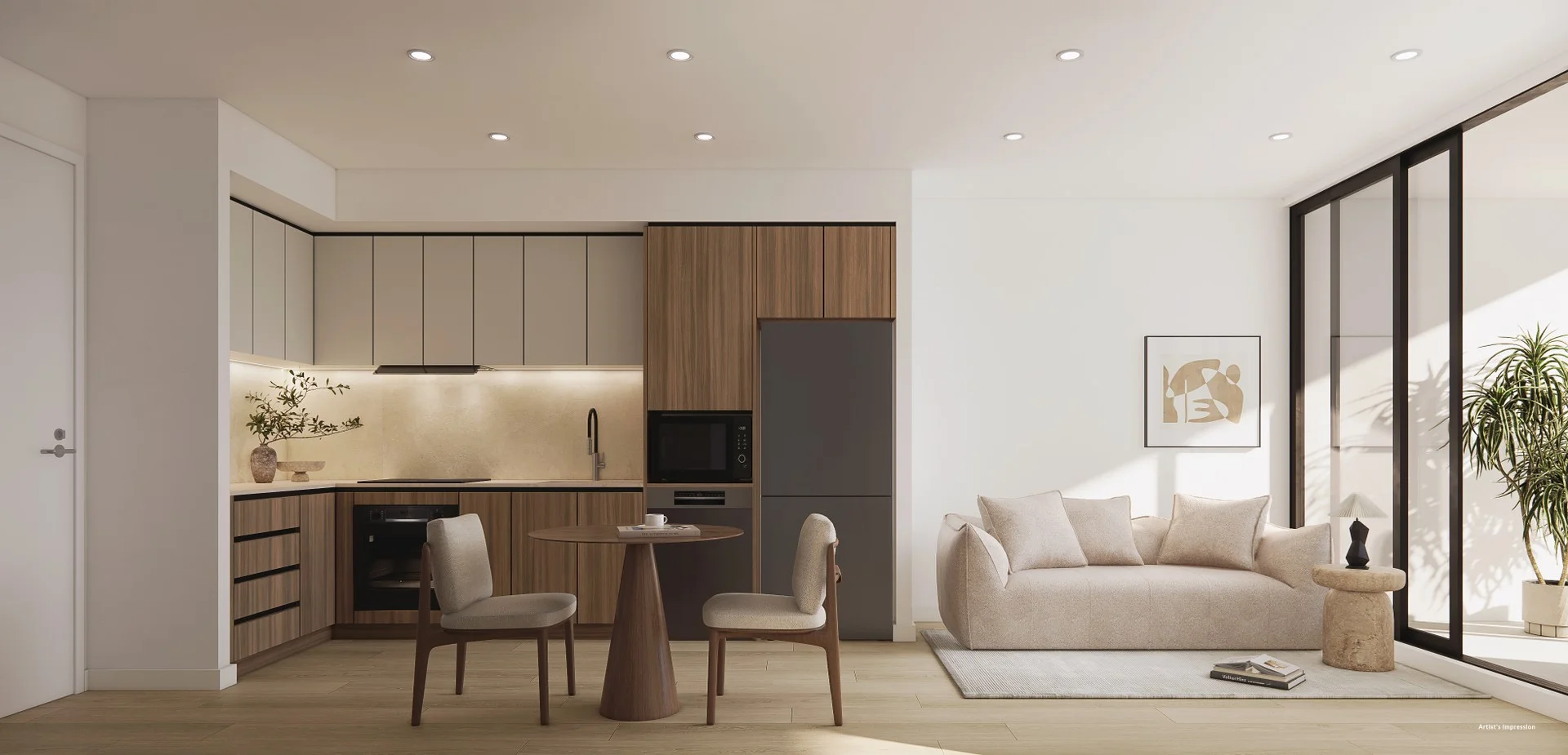
 $545,000
Apartment / Unit / Flat
$545,000
Apartment / Unit / Flat
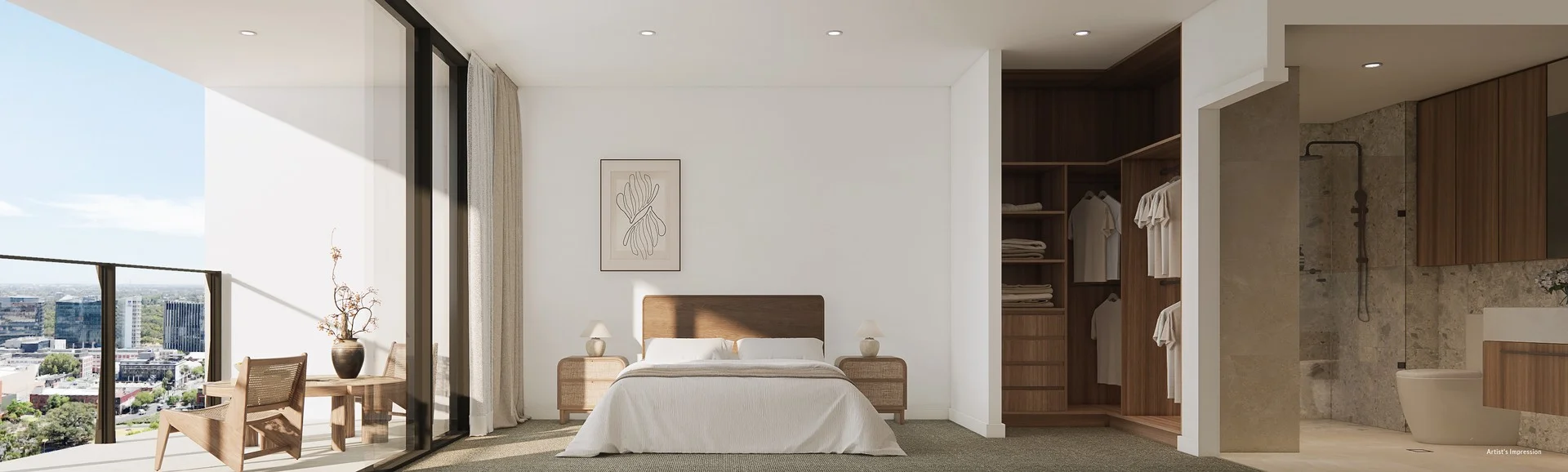
 $588,000
Apartment / Unit / Flat
$588,000
Apartment / Unit / Flat
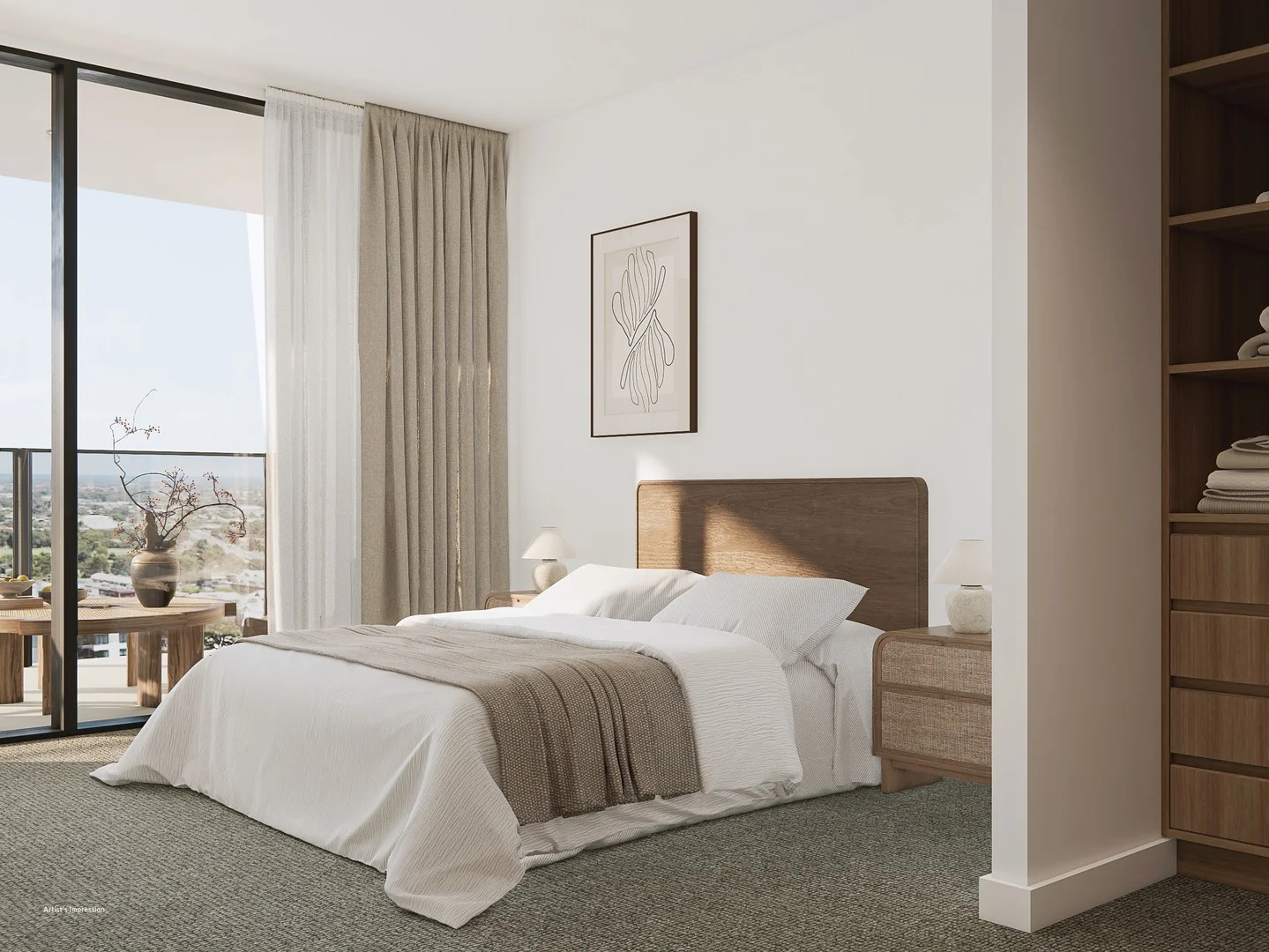
 $1,056,000
Apartment / Unit / Flat
$1,056,000
Apartment / Unit / Flat
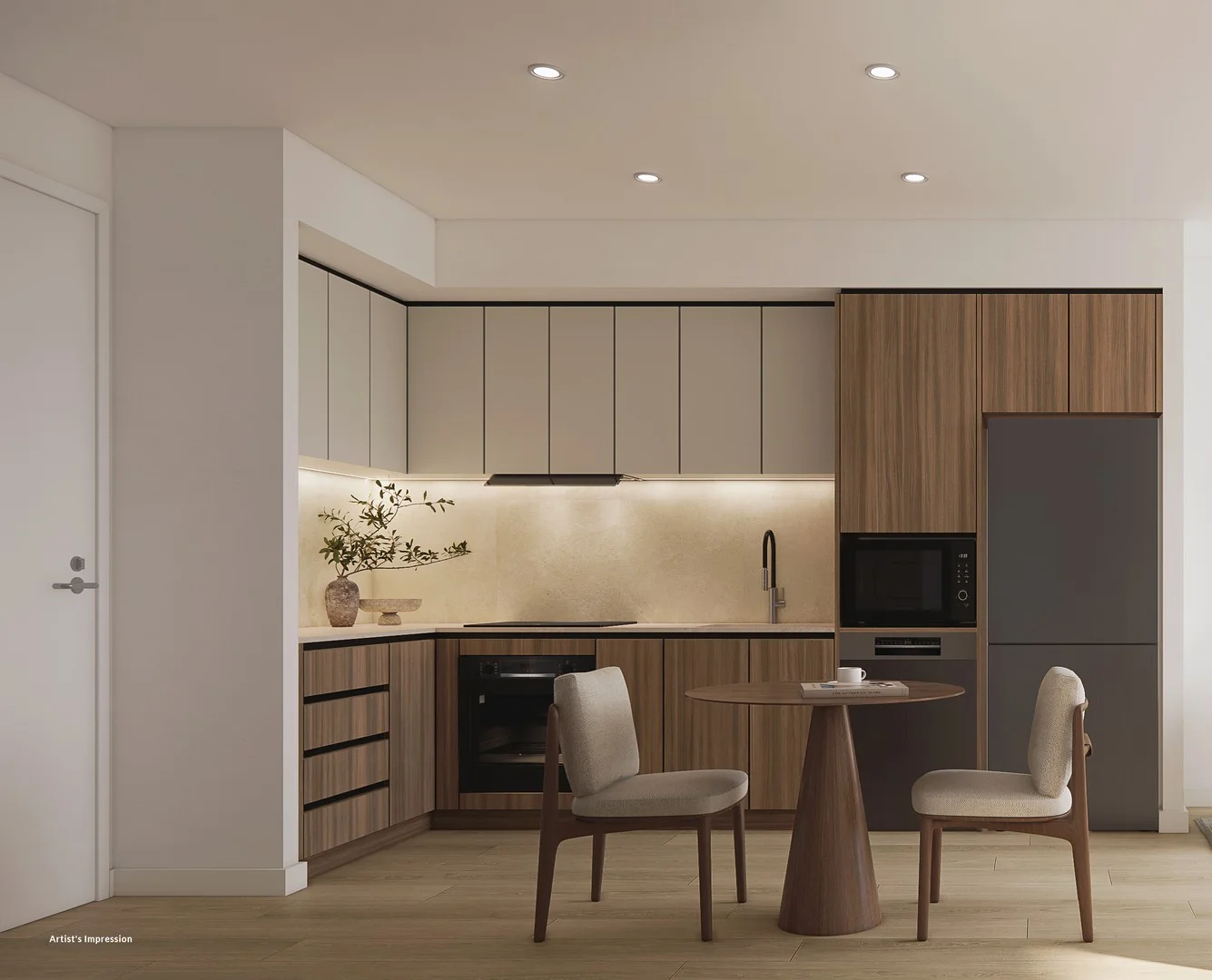
 $935,000
Apartment / Unit / Flat
$935,000
Apartment / Unit / Flat
 $557,000
Apartment / Unit / Flat
$557,000
Apartment / Unit / Flat
 $440,000
Apartment / Unit / Flat
$440,000
Apartment / Unit / Flat
 $775,000
House
$775,000
House
 $1,100,000
Apartment / Unit / Flat
$1,100,000
Apartment / Unit / Flat