Overview
## 1. Overview
St Peter Chanel Catholic Primary School is a Catholic, co-educational primary school serving families in Regents Park, NSW. As a medium-sized community within the Catholic Education Diocese of Parramatta, the school combines faith-based learning with a strong academic program, focused on developing the whole child in a nurturing environment. Class sizes are typically in the low- to mid-20s, allowing teachers to give individual attention and build strong relationships with students.
The atmosphere is warm and inclusive, with a culture that emphasises faith, service, and togetherness. Families often report a supportive school community where students are encouraged to grow in character, resilience, and academic confidence.
## 2. Academics & Learning
- Academic strengths: Literacy and numeracy are core priorities, with a focus on developing reading comprehension, writing skills, and mathematical thinking. There is an emphasis on faith-based values integrated across the curriculum to support holistic learning.
- Special programs: Religious Education is central; opportunities for student leadership and involvement in school-wide initiatives. Some cohorts may have access to extension activities or programmes designed for talented learners.
- NAPLAN trends: Over recent years, the school has shown stable performance with gradual improvements in reading and numeracy and consistent achievement across year levels.
- Student-teacher ratios: Class sizes commonly in the 20s; overall student–teacher ratio typically around 1:18–1:25, depending on year level and class.
- Support for diverse learners: Dedicated Learning Support staff; EAL support for students whose first language is not English; targeted interventions and access to specialist services as needed.
## 3. Sports & Extracurricular Strengths
- Sports offered: Soccer, Netball, Rugby League, Cricket, Athletics, Basketball, and Recreation programs; participation encouraged across age groups.
- Strong teams or achievements: Competes in diocesan events and local inter-school activities; teams regularly represent the school in regional competitions.
- Music, arts, drama programs: School choir, music lessons, and performing arts opportunities; annual musical or drama productions.
- Clubs: Robotics, Chess, Coding, Debating and other lunchtime/after-school activities.
- Partnerships: Local community clubs and diocesan sports associations; opportunities to take part in inter-school tournaments and workshops.
## 4. Wellbeing & Pastoral Care
- Anti-bullying approach: Clear anti-bullying policy, with restorative practices and student wellbeing support to address concerns.
- House system: Four houses (named after saints or parish figures) that foster healthy competition and community spirit.
- Counsellors / wellbeing officers: Access to school counsellors or wellbeing staff to support students' social and emotional needs.
- Transition support for new students: Orientation sessions, buddy programs, and transition visits to help new students settle in.
## 5. Facilities
- Sports grounds: Outdoor fields and courts for varied sports.
- Libraries: On-site library with classroom resources and reading programs.
- Science labs: Dedicated science space for practical experiments and learning.
- Music/performing arts centers: Space for rehearsals and performances.
- Tech/innovation labs: Computer rooms or makerspaces for coding and design projects.
- Cafeteria: On-site canteen or lunch facilities.
- Updated playgrounds: Safe, well-maintained playground areas for different age groups.
## 6. School Values & Community Culture
- School values / mission: Catholic ethos at the heart of daily learning; emphasis on faith, service, respect, and responsibility.
- Leadership style: Collegial leadership with a collaborative approach between principal, staff, and parents.
- Behaviour expectations: Clear codes of conduct focusing on respect, safety, and integrity.
- Community reputation: Strong parish connection and supportive parent community with active involvement in school life.
- Diversity & inclusion: Welcomes families from diverse backgrounds and fosters an inclusive environment.
## 7. School Logistics & Daily Operations
- School hours: Typical day from 9:00 am to 3:00 pm with break times; before/after school care options.
- Before/after school care: Availability of OSHC through external provider or school program.
- Uniform requirements: School uniform; seasonal adjustments; hat policy for outdoor time; uniform shop details to be confirmed.
- Transport: Access via local bus routes; proximity to public transport; car drop-off/pick-up arrangements.
- Canteen availability: On-site canteen or lunch program offering healthy choices.
- Fees: Tuition and family contribution ranges; expected ongoing costs for uniforms, excursions, and materials.
## 8. Enrolment & Admissions
11. What is the enrolment process and timeline?
- Submit enrolment application form and supporting documents; wait for interview/meeting with the principal; view school facilities; receive offer of placement; acceptance and enrolment confirmation; timelines vary by year and intake period.
12. Is there a waiting list, and how does it work?
- Some year levels may have limited vacancies; applications may be placed on a waiting list; priority considerations may include parish affiliation and existing policy.
13. Are there any entry requirements, tests, or interviews?
- Typically, enrolment involves an interview with families; there may be discussion about the school’s Catholic ethos; no mandatory entrance tests; baptism or parish involvement may be considered in some cases.
14. Does the school accept mid-year transfers?
- Yes, subject to vacancies and a smooth transition; requires transfer documentation and approvals.
## 9. Frequently Ask Questions
- Why Parents Choose This School?
- A strong Catholic ethos, supportive community, focus on holistic development, and high value placed on literacy, numeracy, and wellbeing.
- What type of student thrives at this school?
- Students who are respectful, curious, engaged in learning, and who value faith-based values and community involvement.
- What opportunities are available for students to extend their skills (academics, sports, arts)?
- Enrichment programs in literacy and numeracy, leadership opportunities, sports teams, arts and drama productions, robotics, coding, chess, and debating clubs.
- How does the school communicate with parents?
- Regular newsletters, parent-teacher meetings, digital platforms, and timely alerts.
- What is the school’s approach to teaching and learning?
- Student-centered, differentiated instruction with a strong emphasis on literacy and numeracy, integrated Catholic values, and use of technology where appropriate.
- How does the school support students who need extra academic help?
- Learning Support, EAL assistance, targeted interventions, and access to specialist staff.
- What support is available for academic challenges?
- Additional tutoring or targeted supports through the Learning Support Team; collaboration with families to tailor plans.
- How does the school communicate with parents?
- (See above: newsletters, meetings, digital platforms.)
- What are the class sizes and how much individual attention do students receive?
- Class sizes typically in the low- to mid-20s; teachers provide regular formative feedback and targeted support.
- What extracurricular and sports opportunities are available?
- See Sports & Extracurricular Strengths section.
- What facilities does the school offer (sports, science, arts)?
- See Facilities section.
- What is the school’s approach to technology and digital learning?
- Integration of digital tools and coding opportunities; emphasis on digital citizenship and appropriate use of technology in learning.
- What transport and accessibility options are available?
- See Transport in the Facilities/Logistics sections; options vary by location and route.
- What are the typical school fees or additional costs?
- Fees include tuition and resource/levy charges; additional costs may arise from uniforms, excursions, and activities.
## 10. Short Pros & Cons list
Pros
- Catholic ethos with a nurturing, inclusive culture
- Strong focus on literacy and numeracy
- Active wellbeing and pastoral care
- Wide range of extracurricular activities
- Support for diverse learners and inclusive education
Cons
- Some year levels may have limited vacancies; wait lists possible
- Uniforms and related costs; ongoing annual expenses
- Transport options depend on local routes and availability










 $36,000,000 - $39,500,000
Vacant Land
$36,000,000 - $39,500,000
Vacant Land
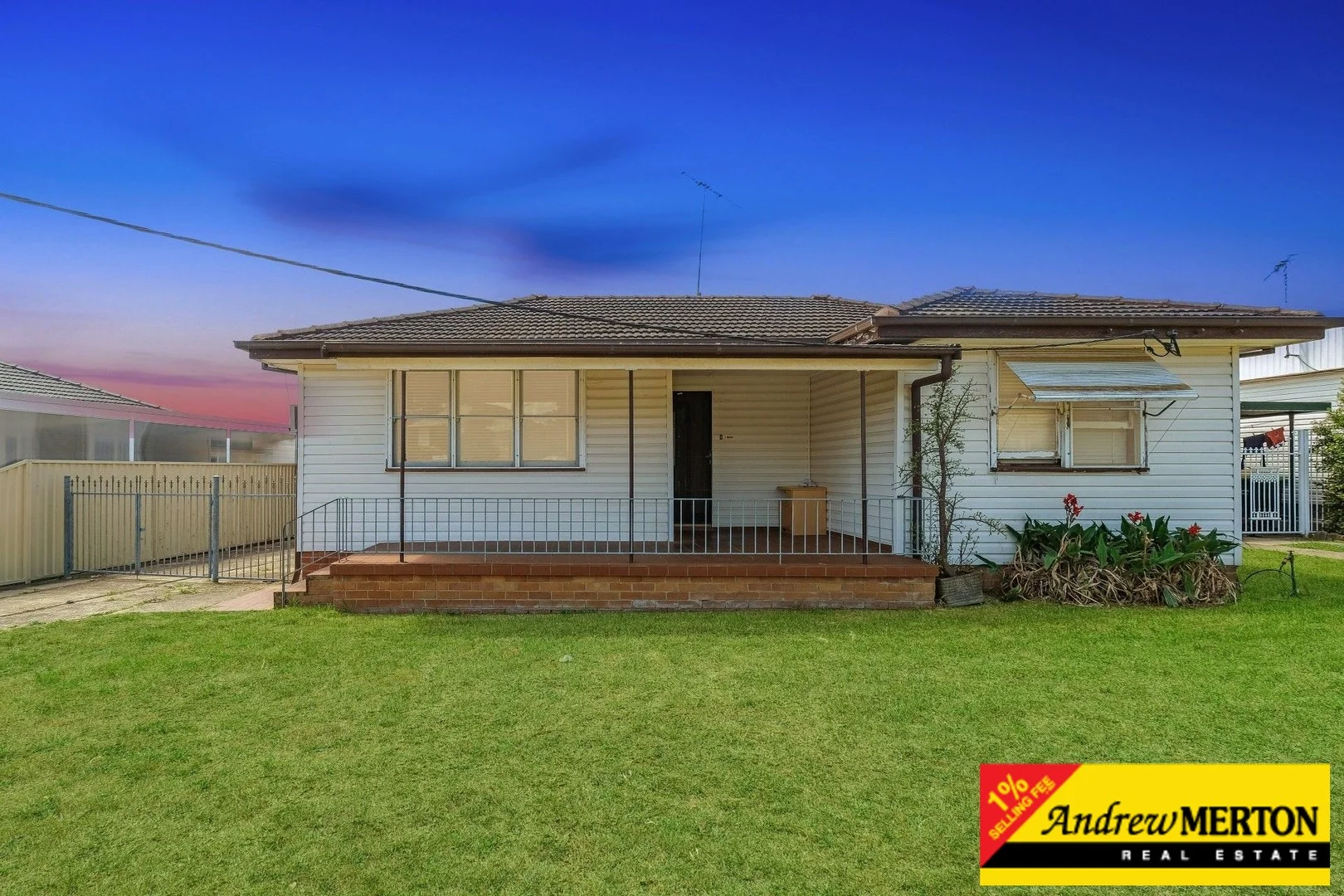 $1,092,500 - $1,201,750
House
$1,092,500 - $1,201,750
House
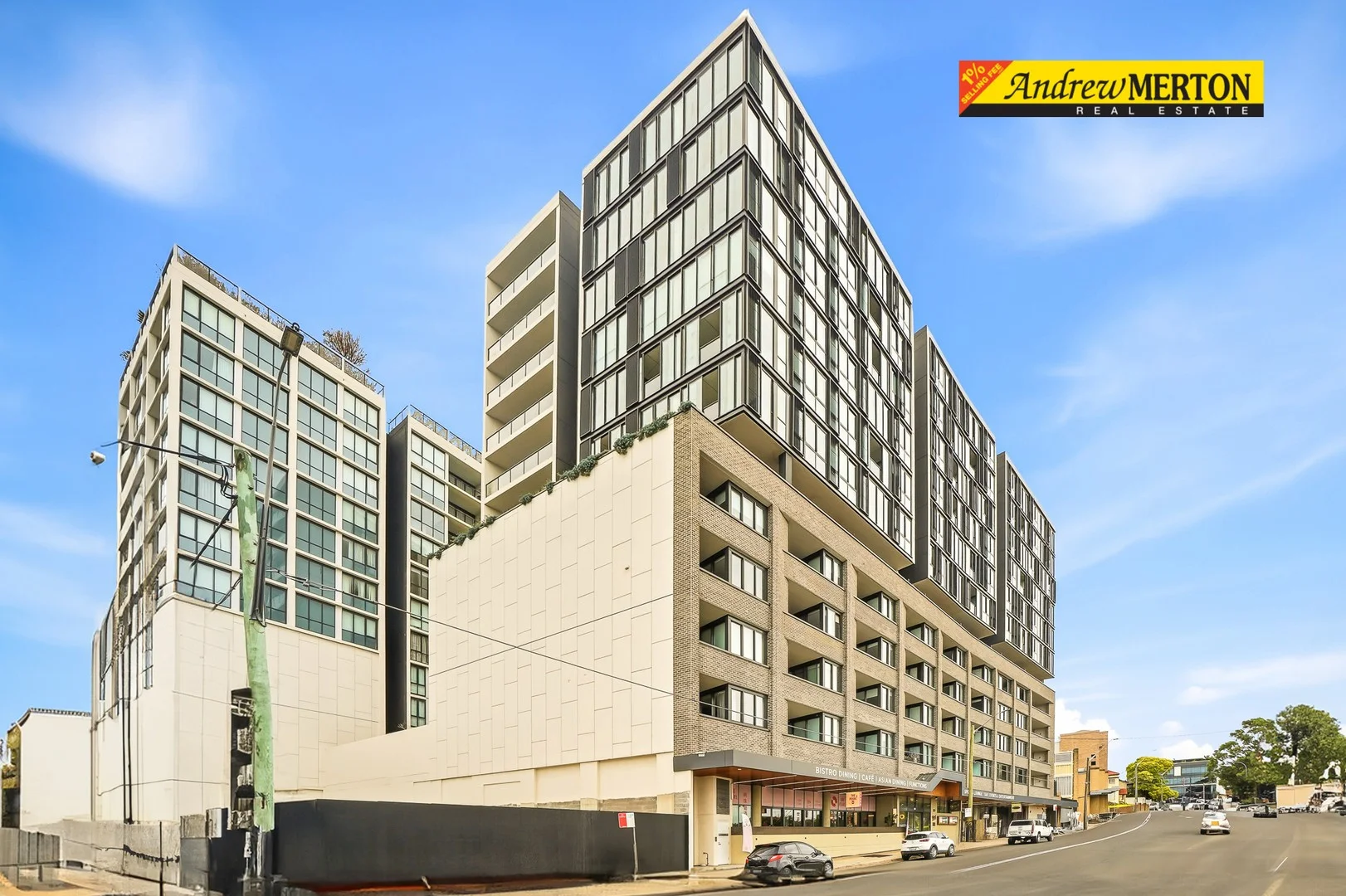 $665,000
Apartment / Unit / Flat
$665,000
Apartment / Unit / Flat
 $1,525,000
Apartment / Unit / Flat
$1,525,000
Apartment / Unit / Flat


