Overview
## 1. Overview
St Joseph the Worker Catholic Primary School in Auburn South is a Catholic, co-educational primary school serving Kindergarten through to Year 6. The school tends to have a small-to-medium size feel, with class groups typically around 20–25 students. Class sizes and the overall student-teacher dynamic are designed to be supportive and approachable, promoting a nurturing, faith-centered community where students can grow academically, socially, and spiritually in an inclusive environment.
The atmosphere emphasises values-based education, respectful relationships, and strong community involvement. Families can expect a culture that blends faith, learning, and service, with teachers committed to individual student growth and a collaborative approach to learning.
---
## 2. Academics & Learning
- Academic strengths: English and Mathematics form the core focus, with a clear emphasis on literacy and numeracy. Religious Education is integrated throughout the curriculum, supporting a values-based learning environment. The school also aktively engages students in STEM activities and digital literacy as part of a well-rounded curriculum.
- Special programs: Opportunities for enrichment and extension are typically available, with differentiated instruction to meet diverse learner needs. Gifted and talented pathways or accelerated-learning options may be offered where appropriate.
- NAPLAN / trends: NSW Catholic primary schools generally aim for steady progress across reading, writing, numeracy, and other domains. Schools track trends over time to identify areas of growth and ensure ongoing improvement, aligned with state benchmarks.
- Student-teacher ratios: Class sizes commonly range around 20–25 students per class, with a student-teacher ratio that supports individual attention and small-group learning.
- Support for diverse learners: EAL (English as an Additional Language) and SEN (Special Education Needs) supports are typically available, including targeted intervention, reading/writing support, and access to specialist staff as needed.
---
## 3. Sports & Extracurricular Strengths
- Sports offered: A range of team and individual sports commonly available, such as soccer, basketball, netball, cricket, athletics, and swimming.
- Strong teams or achievements: Inter-school competitions and carnivals provide opportunities for participation and achievement; emphasis is on participation, teamwork, and school spirit.
- Music, arts, drama programs: The school typically offers music ensembles, choir, and opportunities to participate in drama productions or school performances.
- Clubs: Robotics, coding, chess, debating, and other STEM or literacy clubs are often available to extend learning outside the classroom.
- Partnerships: The school may collaborate with local clubs, community programs, and competitions to provide additional pathways for sport, coding, and creative arts.
---
## 4. Wellbeing & Pastoral Care
- Anti-bullying approach: A clear, school-wide anti-bullying policy is in place, with restorative practices and proactive wellbeing support to promote respectful relationships.
- House system: A house or pastoral grouping structure is used to foster belonging, friendly competition, and community events.
- Counsellors / wellbeing officers: A school counsellor or wellbeing staff are typically available to support student welfare, mental health, and transition needs.
- Transition support for new students: Orientation activities, buddy programs, and targeted transition supports (especially for Kinder entrants) help new students settle in smoothly.
---
## 5. Facilities
- Sports grounds: On-site or nearby sports facilities to support physical education and team sports.
- Libraries: A library or reading space supports literacy development and independent learning.
- Science labs: Access to science spaces or dedicated labs to support hands-on inquiry.
- Music/performing arts centers: A music room or performing arts space for rehearsals and performances.
- Tech/innovation labs: ICT suites or computer labs to support digital learning and coding activities.
- Cafeteria: An on-site canteen or lunch facilities offering healthy options.
- Updated playgrounds: Modern outdoor play areas for break and physical activity.
---
## 6. School Values & Community Culture
- School values / mission: A Catholic ethos centers learning around faith, respect, service, compassion, and integrity.
- Leadership style: Student voice and leadership opportunities are encouraged, with collaborative leadership practices involving staff, students, and families.
- Behaviour expectations: Clear expectations around respect, responsibility, and safe, inclusive conduct.
- Community reputation: The school tends to be known for welcoming families, strong pastoral care, and a supportive, faith-infused community.
- Diversity & inclusion: Commitment to welcoming diverse backgrounds and ensuring an inclusive environment for all students.
---
## 7. School Logistics & Daily Operations
- School hours: Typical day starts around mid-morning and ends in the mid-afternoon, with morning sessions, lunch break, and afternoon lessons. Specific times are set by the school.
- Before/after school care: Child care services before and after school are commonly available, often through on-site or partnered providers.
- Uniform requirements: Formal school uniform is standard, with rules for daily wear and sport uniform on designated days.
- Transport (train/bus routes): Public transport access and school drop-off/pick-up arrangements are supported, with guidance on nearby bus routes or train stations.
- Canteen availability: A canteen or lunch program provides options for healthy meals and snacks.
- Fees (low/medium/high ranges): Fees for Catholic primary schools are typically moderate, with itemised costs for uniform, activities, and excursions. Some additional voluntary contributions may apply.
---
## 8. Enrolment & Admissions
11. What is the enrolment process and timeline?
- Submit an application with required documentation (birth certificate, proof of residency, immunisation records, etc.). The school will provide a timeline outlining when applications are reviewed, interview slots offered, and notification of placement or waiting lists.
12. Is there a waiting list, and how does it work?
- Waiting lists are common and managed by the school. Placement is typically offered as spaces become available, with priority given to siblings and Catholic Education guidelines where applicable.
13. Are there any entry requirements, tests, or interviews?
- Entry often involves an interview or family interview to understand fit with the school’s values and environment. There may be a short assessment for specific learning needs or gifting considerations, but formal entrance exams are not always required.
14. Does the school accept mid-year transfers?
- Yes, subject to space and availability. Mid-year transfers may require documentation, release from previous school, and alignment with the school’s intake process.
---
## 9. Frequently Asked Questions
- Why Parents Choose This School?
- Families often choose for values-based education, supportive teachers, a nurturing community, faith integration, and small-to-medium class sizes that support individual attention.
- What type of student thrives at this school?
- Students who value community, faith-informed learning, and collaborative, supportive environments. Those who respond well to a smaller class setting and a holistic approach to growth tend to thrive.
- What opportunities are available for students to extend their skills (academics, sports, arts)?
- Enrichment programs, a range of sports, music ensembles, drama, robotics, coding, chess, debating, and opportunities for leadership and service.
- How does the school communicate with parents?
- Regular newsletters, emails, school apps or portals, parent-teacher interviews, and notices from the administration and teachers.
- What is the school’s approach to teaching and learning?
- A differentiated, student-centered approach that integrates faith-based values with literacy, numeracy, science, and the arts, fostering critical thinking and collaborative learning.
- How does the school support students who need extra academic help?
- Targeted interventions, small-group or one-on-one support, EAL and SEN services, and access to specialist staff as needed.
- What support is available for academic challenges?
- Early identification, tailored support plans, and ongoing monitoring to help students catch up and progress.
- How does the school communicate with parents? (Reinforces section above)
- Through multiple channels such as newsletters, apps, email, and direct communication from teachers and leaders.
- What are the class sizes and how much individual attention do students receive?
- Class sizes typically around 20–25, with a focus on providing opportunities for individual attention through small groups and targeted supports.
- What extracurricular and sports opportunities are available?
- A broad mix including team sports, music, drama, robotics, coding, chess, debating, and inter-school activities.
- What facilities does the school offer (sports, science, arts)?
- Sports grounds, library, science labs, performing arts/music spaces, tech/ICT labs, and a canteen, along with updated outdoor play areas.
- What is the school’s approach to technology and digital learning?
- Emphasis on digital literacy, safe online practices, and use of ICT tools and resources to enhance learning across subjects.
- What transport and accessibility options are available?
- Guidance on nearby bus routes and train stations, plus practical drop-off/pick-up arrangements and accessible facilities where applicable.
- What are typical school fees or additional costs?
- Fees are generally moderate for Catholic primary schools, with costs for uniform, excursions, and optional activities. Some costs may be required for certain programs or events.
---
## 10. Short Pros & Cons list
- Pros
- Values-based Catholic education with a supportive, inclusive community
- Small-to-medium class sizes enabling individualized attention
- Strong focus on literacy and numeracy, with opportunities across sports, arts, and STEM
- Comprehensive wellbeing and pastoral care, including transition support
- Welcoming environment with a clear code of conduct and positive culture
- Cons
- Catholic-focused environment may not suit families seeking a secular program
- Availability and selection may vary with demand; mid-year placements depend on space
- Specific programs or facilities can vary by year; confirm current offerings with the school
- Fees and associated costs, while moderate, are an ongoing consideration for families
If you’d like, I can tailor this content further once you provide specific details from the school (current enrolment numbers, exact class sizes, confirmed programs, and any recent facility updates).










 $36,000,000 - $39,500,000
Vacant Land
$36,000,000 - $39,500,000
Vacant Land
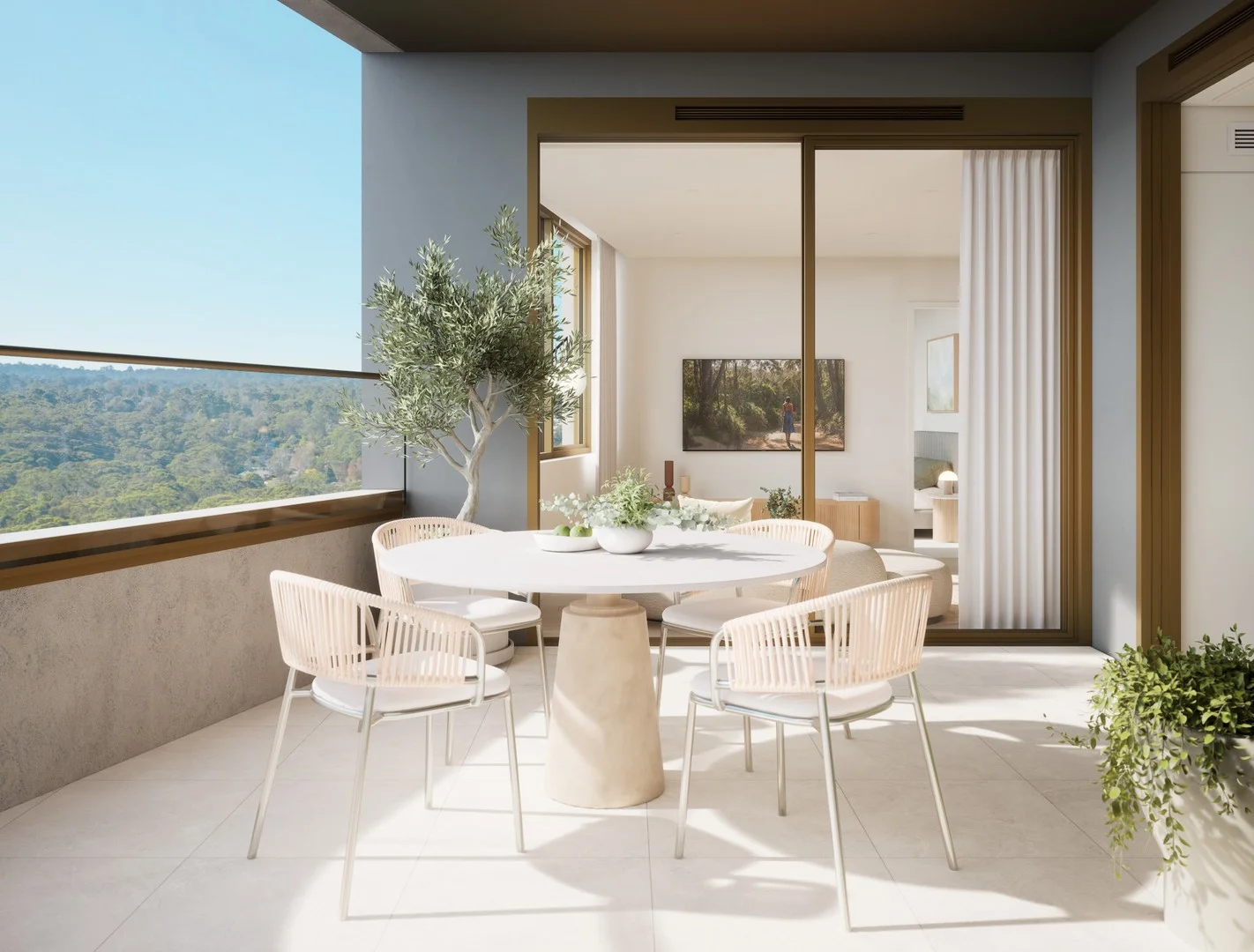 $1,525,000
Apartment / Unit / Flat
$1,525,000
Apartment / Unit / Flat
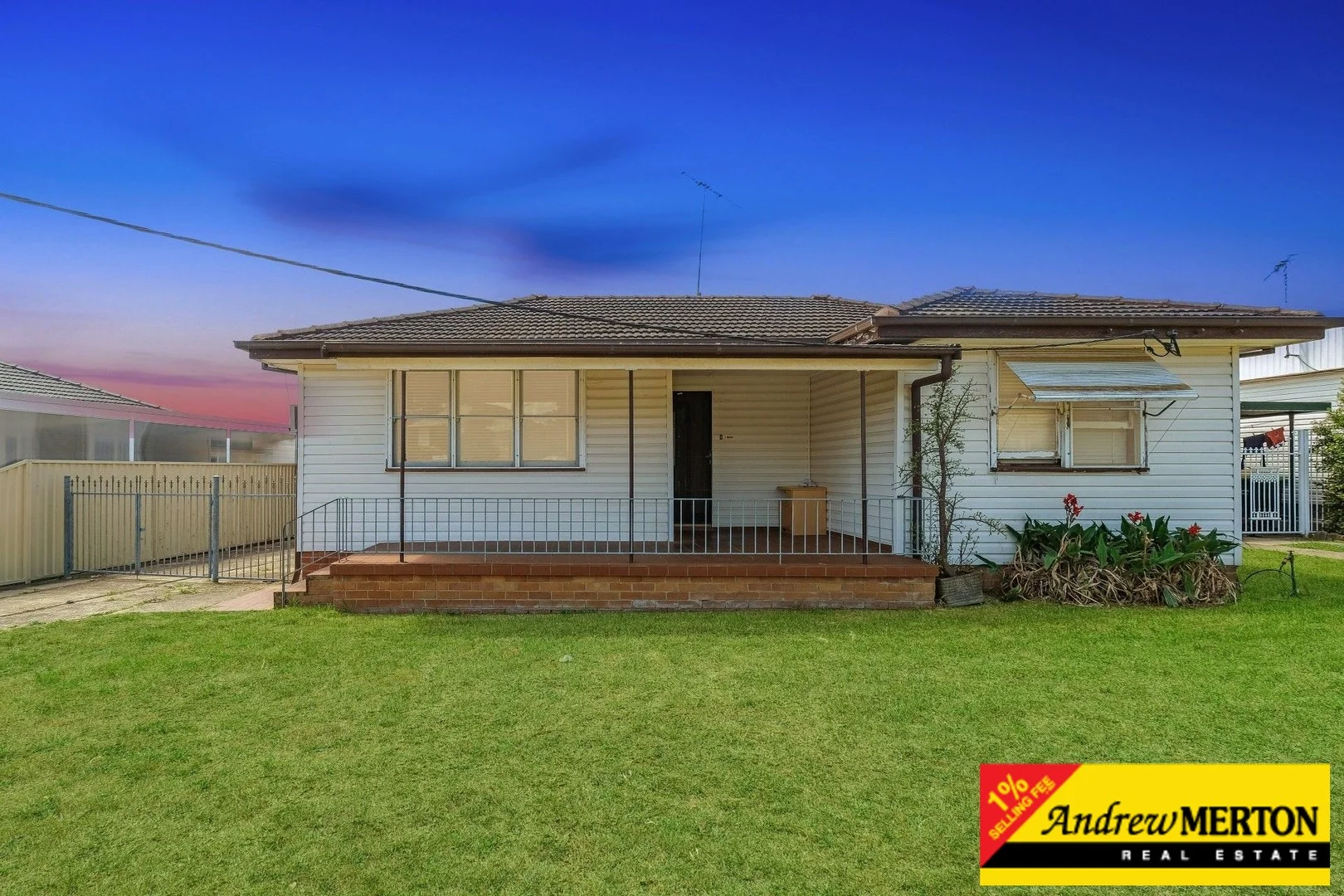 $1,092,500 - $1,201,750
House
$1,092,500 - $1,201,750
House
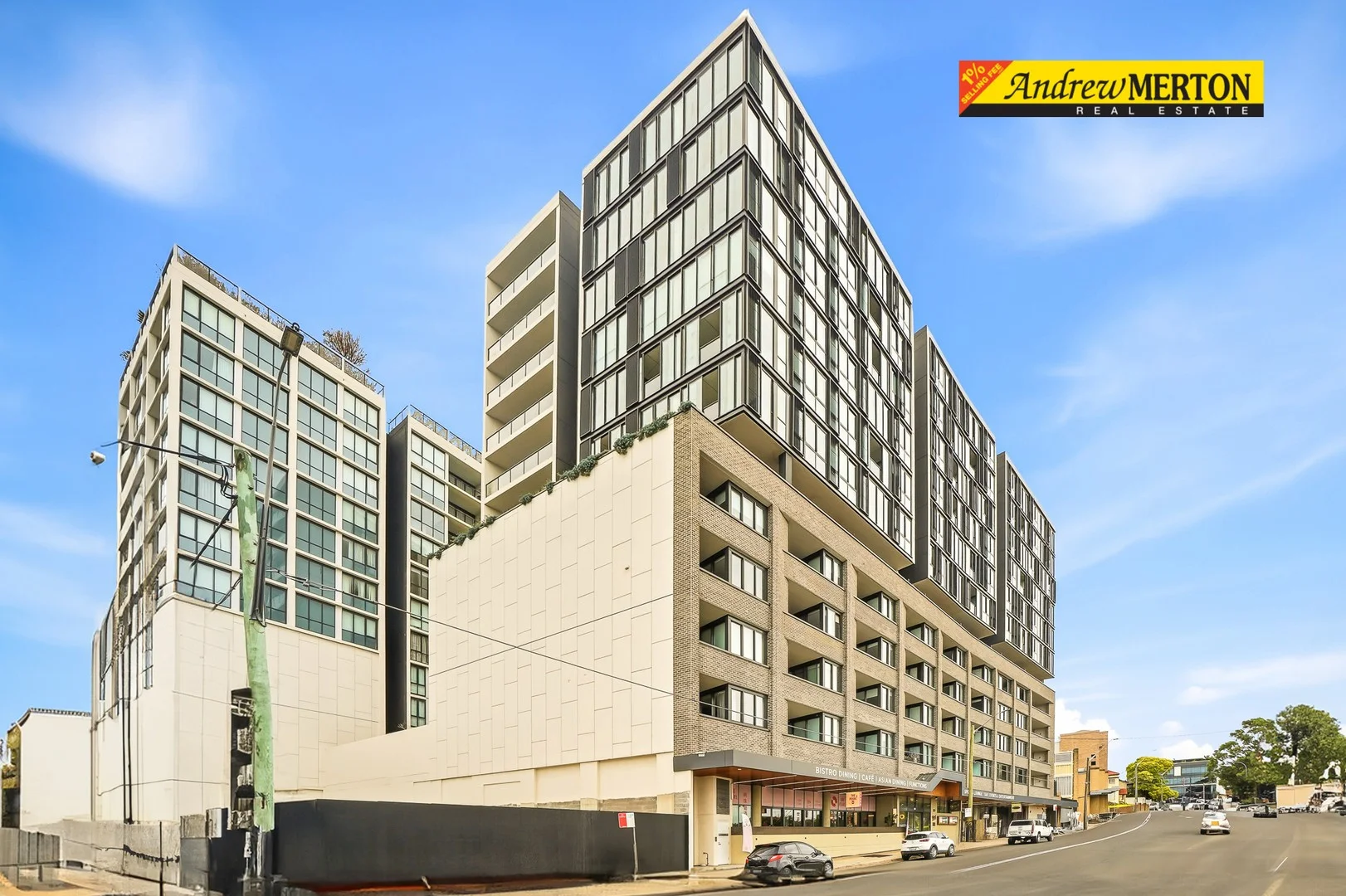 $665,000
Apartment / Unit / Flat
$665,000
Apartment / Unit / Flat


