Overview
St Pius' Primary School, Banyo is a Catholic, co-educational primary school within the Brisbane Catholic Education system. The school fosters a values-driven, community-focused environment where faith, learning and service are central. It is a medium-sized school that aims to feel like a close-knit family for students, families and staff.
Class sizes are designed to be manageable and conducive to individual attention, with typical classes around 20–25 students. The atmosphere is nurturing and inclusive, emphasising respect, resilience and a strong sense of belonging for every child.
Academics & Learning
- Academic strengths: Strong foundations in literacy and numeracy, with an emphasis on critical thinking, evidenced-based learning practices, and opportunities to grow in leadership and language skills.
- Special programs: Religious education and Catholic values are integrated across the curriculum; Gifted and Talented or accelerated learning opportunities are provided where appropriate; additional enrichment activities and specialist programs support diverse learner needs.
- Support for diverse learners: Programs and support for EAL (English as an Additional Language) learners and students with diverse learning needs (SEN), including targeted interventions and inclusive practices.
- Sports offered: Broad program including team and individual sports such as soccer, netball, rugby league, basketball, athletics and swimming events; regular participation in interschool and community competitions.
- Strong teams or achievements: Active participation in district and interschool sport with emphasis on teamwork, sportsmanship and personal development.
- Music, arts, drama programs: Engaging music and performing arts offerings, choir and opportunities to participate in school productions and assemblies.
- Clubs: Robotics, chess, coding and debating are part of the extracurricular landscape, along with other-interest clubs and activities.
- Partnerships: Connections with local community clubs, sporting associations and regional school events to broaden competition and performance opportunities.
Wellbeing & Pastoral Care
- Anti-bullying approach: Clear policies and proactive programs to promote respectful behaviour, safe school culture and restorative practices.
- House system: A house-based framework that encourages belonging, healthy competition and peer support.
- Counsellors / wellbeing officers: Access to school-based wellbeing support and guidance for students, families and staff.
- Transition support for new students: Robust orientation, buddy programs and familiarisation activities to help new students settle in smoothly.
Facilities
- Sports grounds: On-site playing fields and courts that support a range of physical activities.
- Libraries: Well-stocked library with space for reading, research and collaborative learning.
- Science labs: Dedicated spaces for science experiments and hands-on inquiry.
- Music/performing arts centers: Areas dedicated to music and performance activities.
- Tech/innovation labs: Modern spaces that support digital learning, coding and technology projects.
- Cafeteria: On-site dining facilities to support daily nutrition and social time.
- Updated playgrounds: Safe, well-maintained play spaces for breaks and outdoor learning.
- School values / mission: A faith-centred mission that emphasises respect, service, integrity, responsibility and compassion within daily learning.
- Leadership style: Student leadership opportunities alongside a collaborative, inclusive approach from staff; leadership development is encouraged across year levels.
- Behaviour expectations: Clear codes of conduct built on respect, responsibility and care for others.
- Community reputation: Known for a welcoming, family-friendly culture and strong partnerships with families and parish communities.
- Diversity & inclusion: Commitment to creating an inclusive environment where every student can thrive and feel valued.
School Logistics & Daily Operations
- School hours: Typical day runs within standard Queensland hours, with start and end times aligned to BCE guidelines and school routines.
- Before/after school care: Yes, there are before and after school care options to support family needs.
- Uniform requirements: Formal school uniform with seasonal variations; guidance on daily attire and dress standards.
- Transport (train/bus routes): Accessible by public transport with clear drop-off/pick-up arrangements; information on bus routes and access is provided by the school.
- Canteen availability: On-site or school-supported canteen/food service options available.
- Fees (low/medium/high ranges): Fees are in the typical range for a Catholic primary school within the Brisbane area, with information on any additional costs provided by the school.
Enrolment & Admissions
- What is the enrolment process and timeline?
- Submit an application and required documents, participate in information sessions or interviews as advised, and complete any necessary enrolment forms. The school will communicate timelines and next steps after initial inquiry.
- Is there a waiting list, and how does it work?
- Waiting lists may apply depending on year level and intake capacity. The school will outline how waitlists are managed and anticipated timelines when eligibility spaces arise.
- Are there any entry requirements, tests, or interviews?
- Entry may include an information session and possibly an informal interview or discussion to understand each family’s needs and alignment with the school's values and programs.
- Does the school accept mid-year transfers?
- Mid-year transfers are considered where places are available and the school can support the student’s transition.
Frequently Asked Questions
- Why Parents Choose This School?
- A values-based Catholic education in a welcoming community with a strong focus on academic growth, wellbeing and family partnerships.
- What type of student thrives at this school?
- Students who are curious, cooperative, values-driven and eager to engage in a broad program of academics, faith, sport and the arts.
- What opportunities are available for students to extend their skills (academics, sports, arts)?
- Enrichment in literacy, numeracy, STEM and leadership; participation in sports, music, drama and clubs such as robotics, coding, chess and debating.
- How does the school communicate with parents?
- Regular updates through newsletters, emails, the school website and parent-teacher meetings; timely communications about events and student progress.
- What is the school’s approach to teaching and learning?
- Child-centred, evidence-based approaches with a focus on literacy, numeracy, inquiry, and inclusive practices that support diverse learners.
- How does the school support students who need extra academic help?
- Targeted interventions and inclusive teaching strategies, with access to specialist staff and support services.
- What support is available for academic challenges?
- Additional tutoring or small-group support, adjustment of learning plans and collaboration with families to set achievable goals.
- How does the school communicate with parents? (Repeated)
- See above: regular channels for timely and transparent communication.
- What extracurricular and sports opportunities are available?
- A broad programme including team and individual sports, music and performing arts, robotics, coding, chess and debating.
- What facilities does the school offer (sports, science, arts)?
- Sports grounds, libraries, science labs, music/performing arts spaces, tech/innovation labs, a canteen and well-equipped play facilities.
- What is the school’s approach to technology and digital learning?
- Integration of digital literacy and technology across the curriculum, with dedicated spaces for innovation and coding activities.
- What transport and accessibility options are available?
- Access to public transport routes with school-arranged drop-off/pick-up options and safe access to the campus.
- What are the typical school fees or additional costs?
- Fees align with typical Catholic primary schools in the region; the school provides a breakdown of costs and any additional required items.
Short Pros & Cons list
- Catholic values-based education with a supportive, inclusive culture
- Strong focus on literacy, numeracy and holistic development
- Broad extracurricular program including sports, arts and clubs
- Wellbeing and pastoral care embedded in daily operations
- Good facilities supporting learning, science, arts and technology
- As a Catholic system school, religious education is central; families seeking a secular environment may look elsewhere
- Enrolment may be subject to year-level availability and waitlists
- Fees reflect Catholic school expectations; families should review a full breakdown of costs and any optional costs






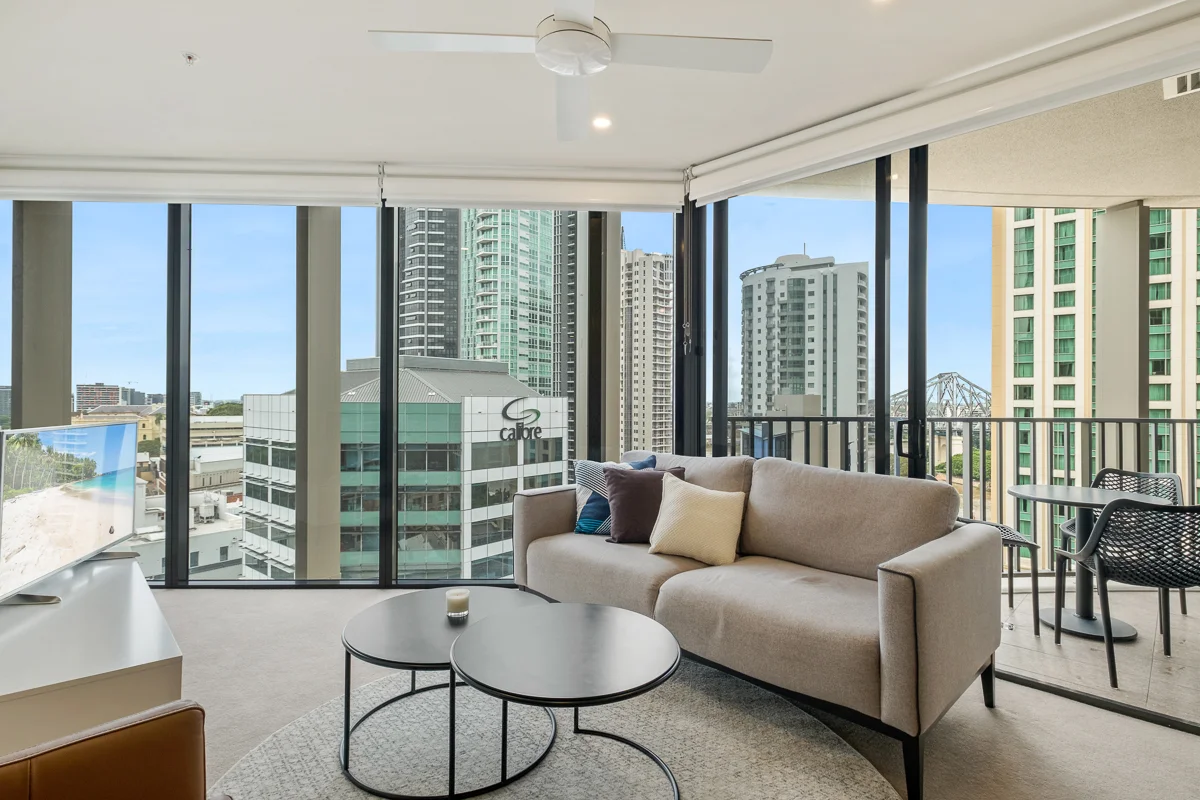 $950,000
Apartment / Unit / Flat
$950,000
Apartment / Unit / Flat
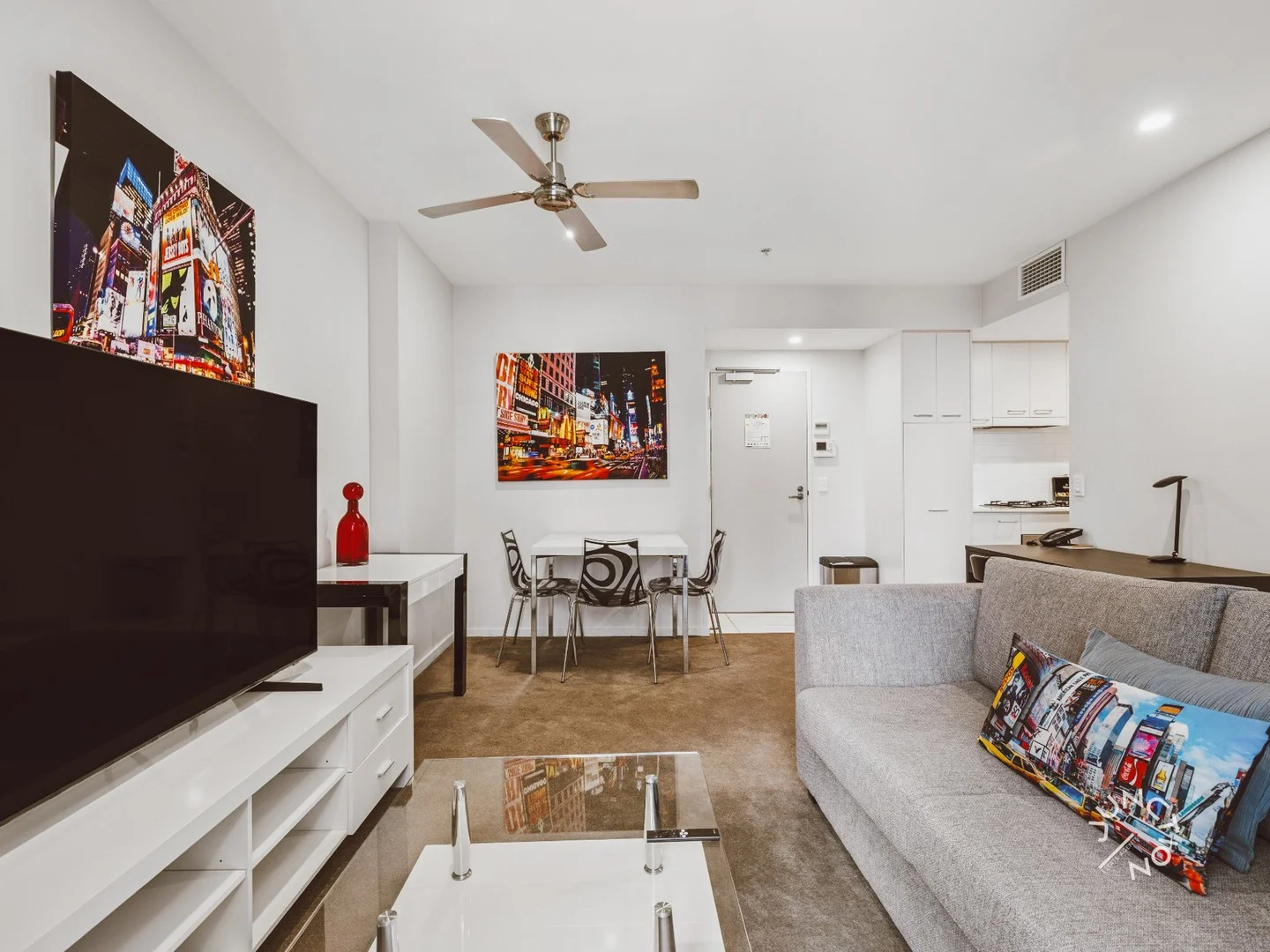 $523,200 - $566,800
Apartment / Unit / Flat
$523,200 - $566,800
Apartment / Unit / Flat
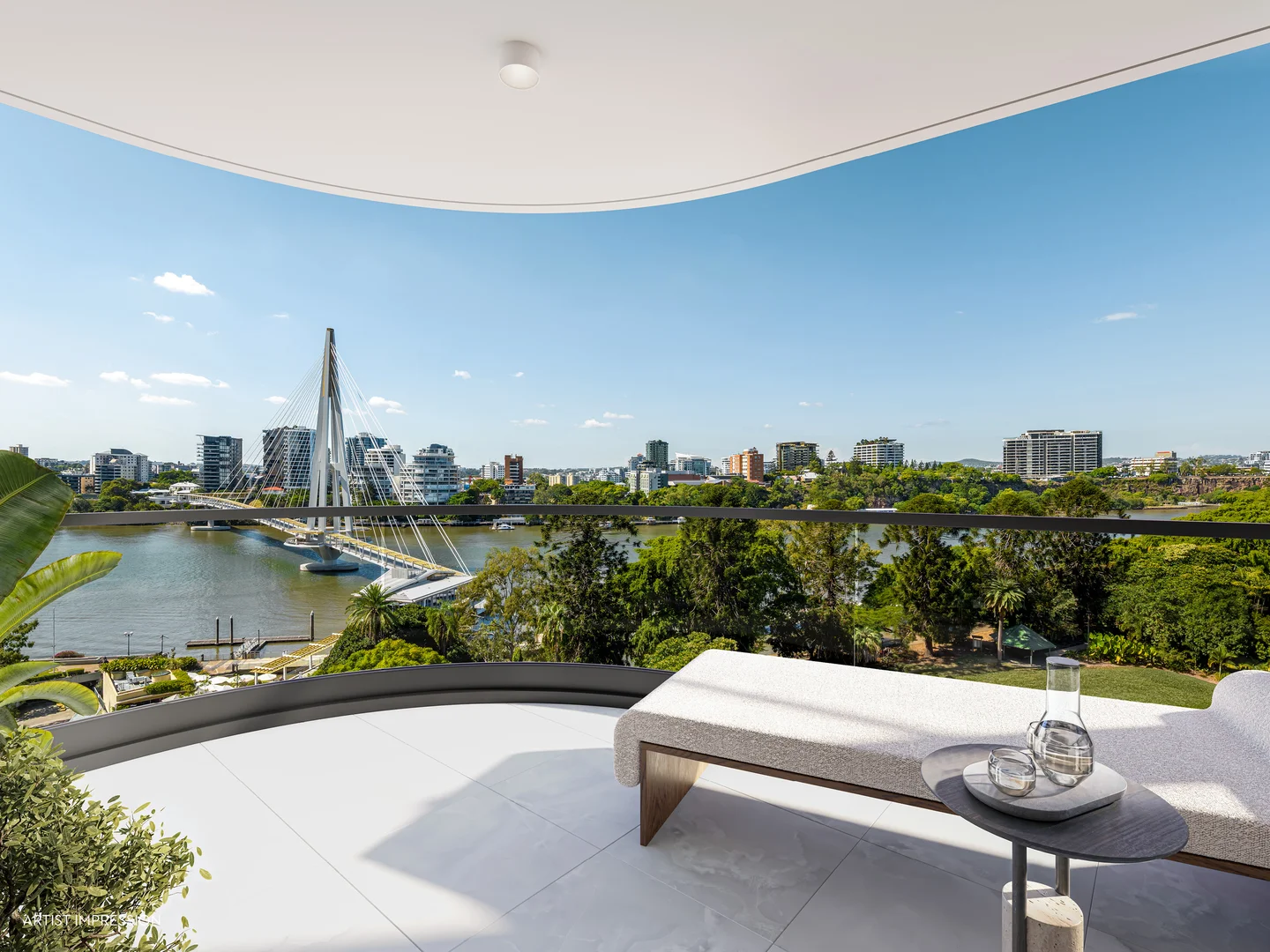 $1,475,000 - $2,090,000
propertyType.NEW APARTMENTS / OFF THE PLAN
$1,475,000 - $2,090,000
propertyType.NEW APARTMENTS / OFF THE PLAN
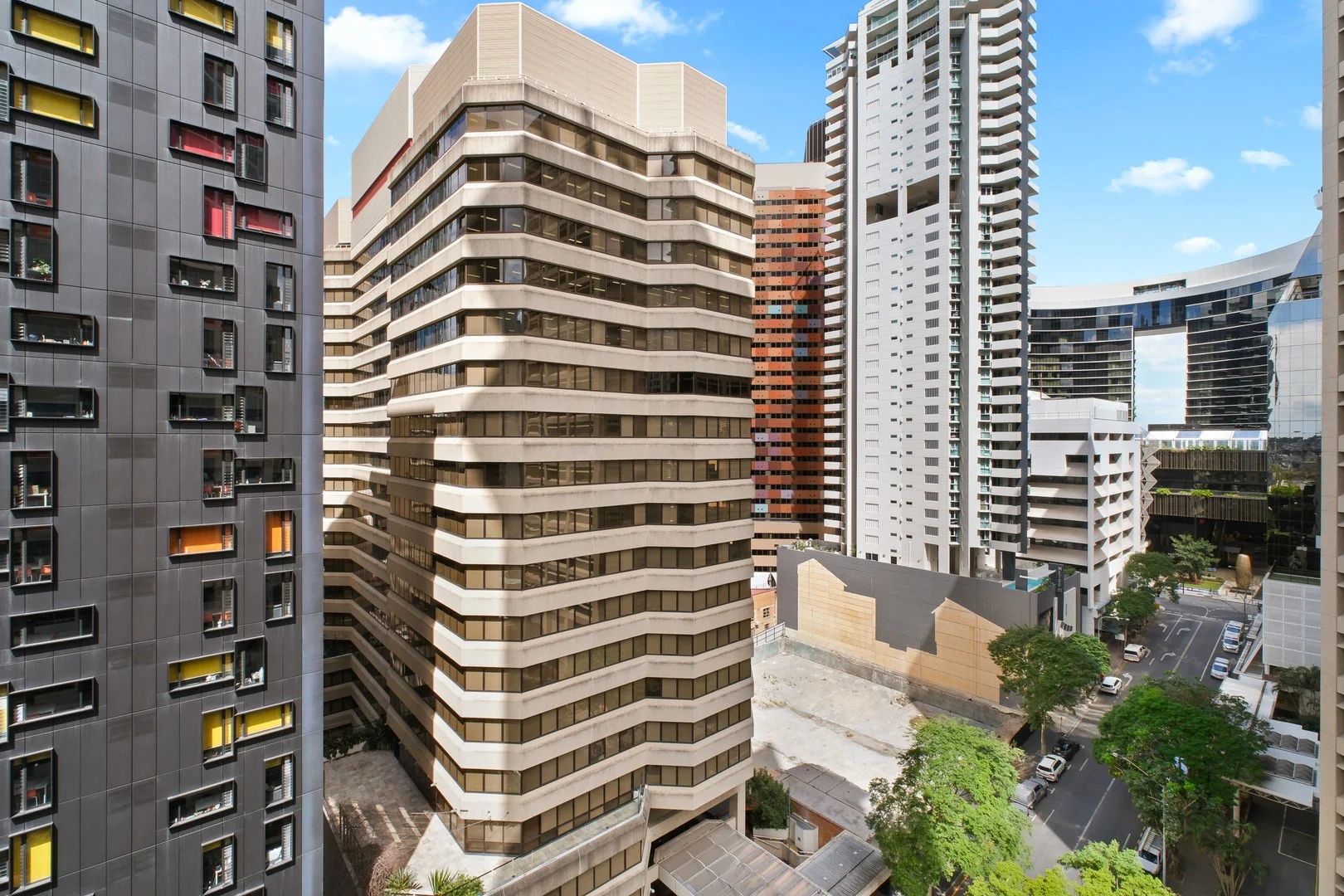 $550,000
Apartment / Unit / Flat
$550,000
Apartment / Unit / Flat
 $770,000
Apartment / Unit / Flat
$770,000
Apartment / Unit / Flat