Overview
1. Overview
St Pius X Primary School is a Catholic, independent primary school serving families in Salisbury, Queensland. The school provides a faith-based, holistic education for students from Prep to Year 6, emphasising character development alongside academic achievement. As a medium-sized school, it fosters a close-knit, inclusive community where students are encouraged to grow academically, spiritually and socially.
Class sizes are designed to be manageable and conducive to individual attention, with typical ranges around 20–25 students per class. The atmosphere is nurturing and supportive, with a strong emphasis on values, service to others and healthy collaboration between students, families and staff.
2. Academics & Learning
- Academic strengths: English and literacy, numeracy and mathematics, with a clear emphasis on reading, writing and critical thinking. There is also a focus on STEM-inspired learning and the development of digital literacy.
- Special programs: Gifted and Talented/enrichment opportunities and targeted support for diverse learners are offered to extend high-potential students and assist those who need extra help.
- NAPLAN / trends: The school uses data-informed teaching to monitor progress, with a history of steady improvement in literacy and numeracy outcomes across cohorts.
- Student-teacher ratios: Roughly around 1:14, supporting more individualized instruction and timely feedback.
- Support for diverse learners: EAL (English as an Additional Language) support and inclusive education programs for students with diverse learning needs (SEN), including in-class supports and targeted interventions.
3. Sports & Extracurricular Strengths
- Sports offered: A range of team and individual sports typical for Australian primary schools, including cricket, football (soccer), AFL/RU, netball, basketball and athletics, with opportunities for swimming and cross-country as appropriate.
- Strong teams or achievements: Participation in local inter-school competitions and school-level teams, with a track record of dedicated participation and achievement across age groups.
- Music, arts, drama programs: Active music and performing arts programs, including opportunities to participate in school ensembles and productions.
- Clubs: Robotics, chess, coding, debating and other technology- or inquiry-based clubs are available to students seeking enrichment.
- Partnerships: Collaboration with local community clubs and regional competitions, providing pathways for broader athletic, arts and STEM opportunities.
4. Wellbeing & Pastoral Care
- Anti-bullying approach: Proactive, whole-school programs that promote respectful relationships, student voice, and a safe learning environment.
- House system: A house or mentor-based framework supports belonging, leadership development and positive peer relationships.
- Counsellors / wellbeing officers: Access to school-based wellbeing staff who provide counselling support and strategies for resilience and social-emotional learning.
- Transition support for new students: Structured orientation and buddy systems to help new students settle in and build friendships quickly.
5. Facilities
- Sports grounds: On-site sports fields and courts for PE and sport.
- Libraries: A well-equipped library supporting reading for pleasure and research activities.
- Science labs: Dedicated spaces for hands-on science learning and experiments.
- Music/performing arts centers: Facilities to support music education and drama presentations.
- Tech/innovation labs: ICT suites or classrooms designed for digital learning, coding and STEM activities.
- Cafeteria: On-site canteen or lunch facilities to support daily eating needs.
- Updated playgrounds: Modern, safe outdoor play areas and equipment.
6. School Values & Community Culture
- Values / mission: A faith-centered mission that emphasises respect, compassion, service and integrity within daily learning and community life.
- Leadership style: Collaborative, transparent leadership that invites student, family and staff input into school life.
- Behaviour expectations: Clear expectations aligned with positive behavior policies, reinforcing respect for self, others and property.
- Community reputation: Known for a welcoming, supportive and engaged community where families feel valued and involved.
- Diversity & inclusion: A commitment to inclusive education and welcoming families from diverse backgrounds.
7. School Logistics & Daily Operations
- School hours: Generally aligned with local primary schedules, typically beginning in the morning and finishing in mid-afternoon.
- Before/after school care: Options are available through school arrangements or approved external providers.
- Uniform requirements: A neat and consistent school uniform is required, with guidelines for everyday wear and formal occasions.
- Transport (train/bus routes): Accessible transport options via local bus services; drop-off and pick-up arrangements in line with school protocols.
- Canteen availability: On-site canteen or lunch facilities offering daily meal and snack options.
- Fees (low/medium/high ranges): Fees fall within a moderate (medium) range for Queensland Catholic primary schools, with potential additional costs for camps, activities and uniforms.
8. Enrolment & Admissions
11. What is the enrolment process and timeline?
- Parents typically submit an enrolment application with required documentation (birth certificate, immunisation records, proof of address, baptism or parish information where relevant). The school reviews applications, conducts information sessions or interviews if applicable, and confirms placement based on vacancy and policy timelines. The timeline varies by year and demand, but families are encouraged to apply well before the requested start date.
12. Is there a waiting list, and how does it work?
- Waiting lists may apply when year levels reach capacity. Placement on the list is typically determined by date of application and, in some cases, prioritisation for siblings or Catholic parish alignment. The school communicates expected wait times and next steps to applicants.
13. Are there any entry requirements, tests, or interviews?
- Entry requirements generally include verification of essential documentation and confirmation of eligibility. Some Catholic schools conduct short interviews or parent meetings to assess alignment with school values and community fit. Academic testing is not always required for primary admissions, but assessments may inform support needs.
14. Does the school accept mid-year transfers?
- Mid-year transfers are considered as vacancies arise. Families wishing to transfer mid-year should contact the admissions team to discuss space availability, documentation, and transition planning.
9. Frequently Asked Questions
- Why Parents Choose This School?
- A strong, values-based Catholic education in a welcoming community, with a focus on academic growth, faith formation and well-rounded development. Families often value the caring culture, consistent pastoral support and opportunities for student leadership.
- What type of student thrives at this school?
- Students who respond well to a supportive, inclusive environment, who value a faith-informed approach to learning, and who enjoy participating in a broad range of academic, sporting, arts and community activities.
- What opportunities are available for students to extend their skills (academics, sports, arts)?
- Enrichment programs for gifted and talented students, extended literacy and numeracy support, competitive sports teams, music and performing arts opportunities, robotics and coding clubs, debating and public speaking, plus community service projects.
- How does the school communicate with parents?
- Regular newsletters, a parent portal or app for updates, clear reporting on student progress, and active engagement through parent-teacher meetings and school events.
- What is the school’s approach to teaching and learning?
- A student-centered, evidence-informed approach that integrates faith, values and real-world learning. Instruction emphasizes literacy, numeracy, critical thinking and collaborative problem solving, with differentiation to meet diverse needs.
- How does the school support students who need extra academic help?
- In-class differentiation, targeted intervention programs, small-group support, EAL assistance and access to SEN specialists or counsellors as needed.
- What support is available for academic challenges?
- Early identification of challenges, individualized plan development, ongoing progress monitoring and adjustments to instruction and supports to help students catch up.
- How does the school communicate with parents?
- See above: regular communication channels including newsletters, portals/apps, and structured parent-teacher meetings.
- What are the class sizes and how much individual attention do students receive?
- Class sizes are typically around 20–25 students, enabling more opportunities for individual feedback and teacher support within the classroom.
- What extracurricular and sports opportunities are available?
- A broad range of sports and physical activities, plus clubs in robotics, coding, chess and debating, and access to music, drama and arts programs.
- What facilities does the school offer (sports, science, arts)?
- Well-equipped facilities including sports grounds, a library, science labs, a music/performing arts space, ICT/tech labs, a canteen and updated playgrounds.
- What is the school’s approach to technology and digital learning?
- Integration of ICT into the curriculum, development of digital literacy, responsible online conduct and opportunities to use devices for learning and collaboration.
- What transport and accessibility options are available?
- Local bus services and well-planned drop-off/pick-up arrangements; accessible facilities to support students with varying needs.
- What are the typical school fees or additional costs?
- Fees are in the medium range for Catholic primary schools in the area, with potential additional costs for excursions, camps, uniforms and some extra-curricular activities.
10. Short Pros & Cons list
Pros
- Catholic values-based education with a strong sense of community
- Nurturing, inclusive environment and supportive staff
- Solid academic focus with literacy/numeracy emphasis
- Broad range of extracurriculars (sport, arts, STEM clubs)
- Good facilities for a primary school (library, science labs, music/arts spaces)
Cons
- Moderate class sizes may limit ultra-small-group environments in some year levels
- Fees are required (as with most independent Catholic schools)
- Availability of mid-year placements depends on vacancies
- Enrichment opportunities may vary by year based on staffing and pupil interest
If you’d like, I can tailor these sections further with more precise details or wording to fit specific marketing goals or to align with any updated information you have from the school.





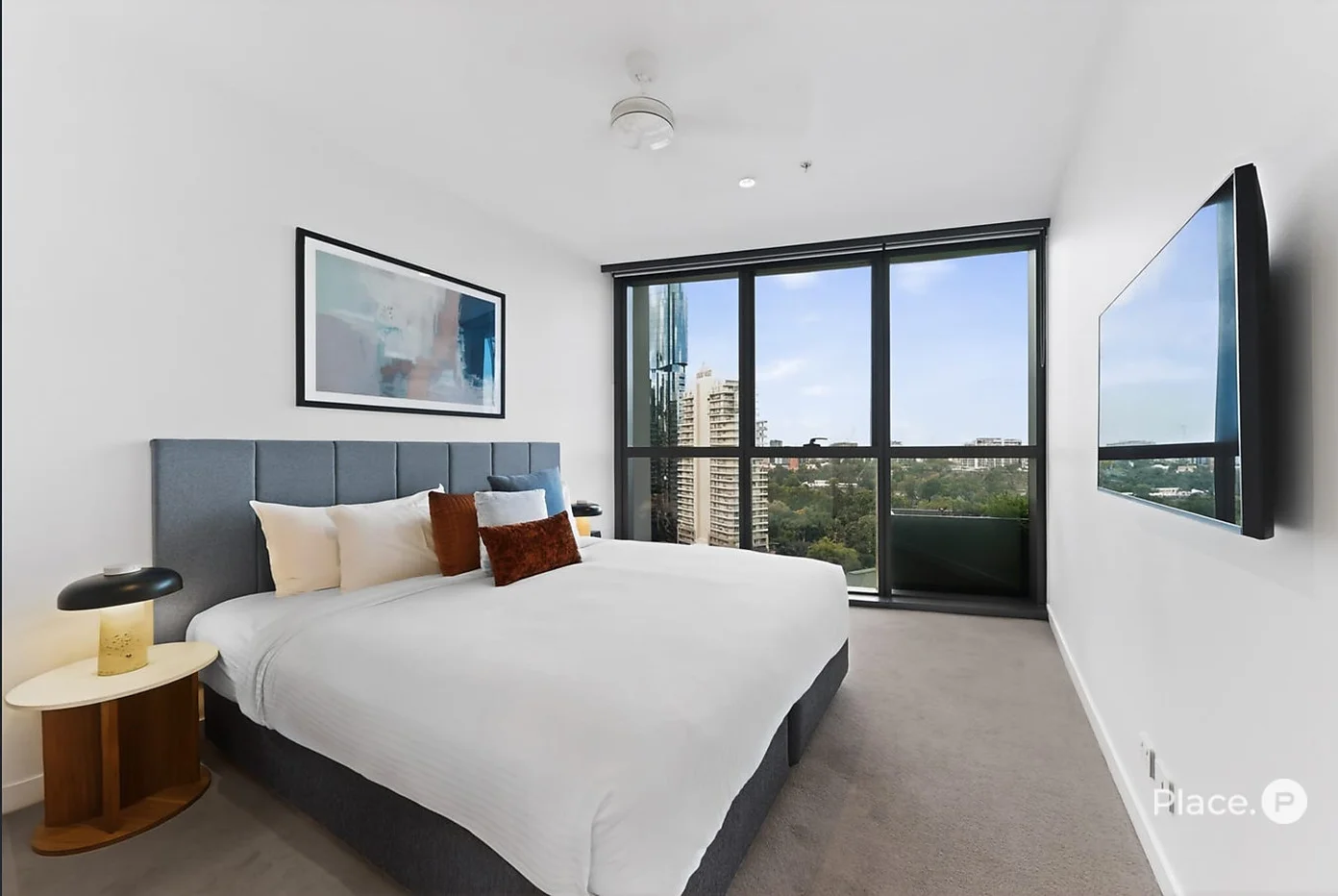 $770,000
Apartment / Unit / Flat
$770,000
Apartment / Unit / Flat
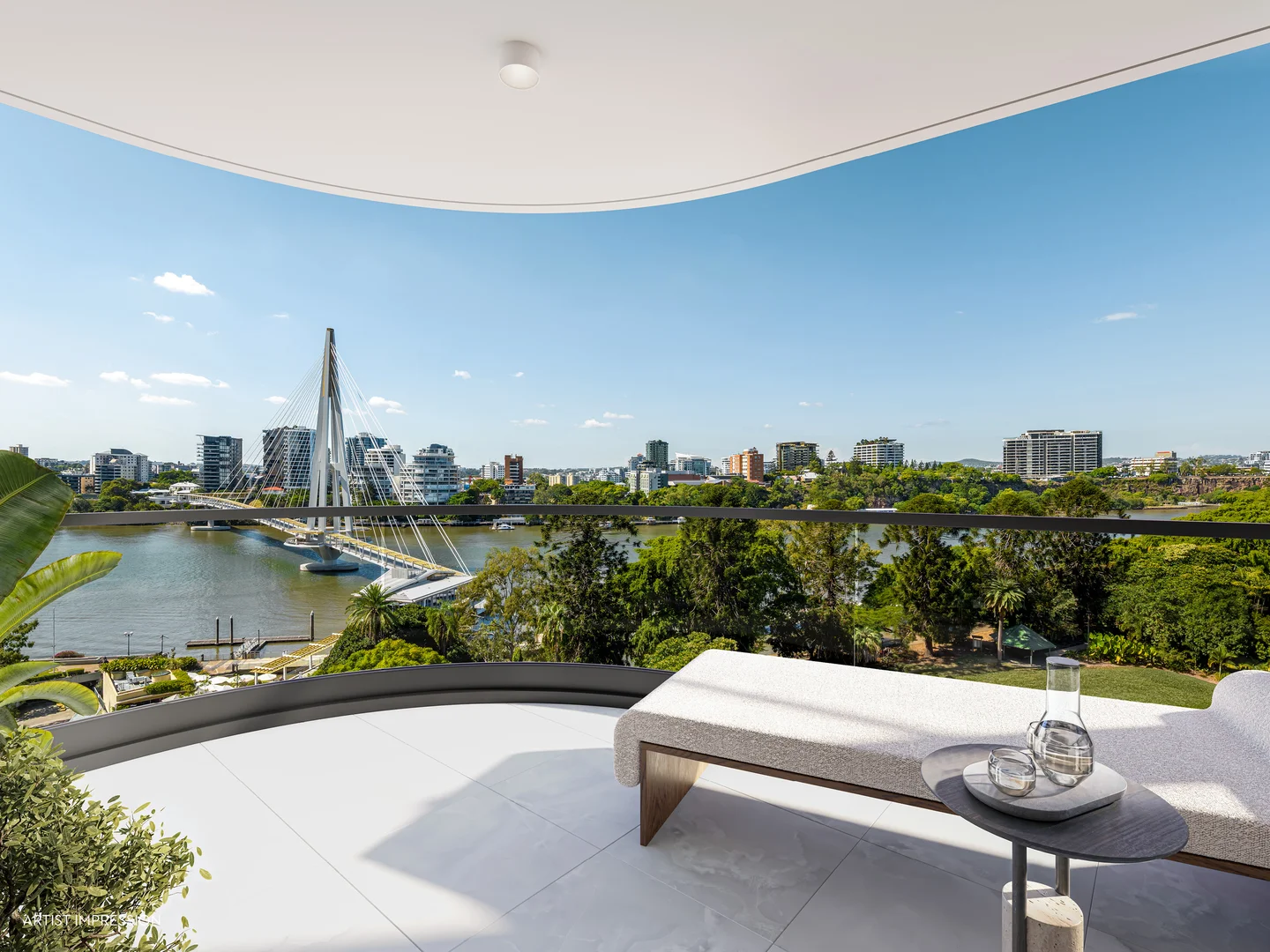 $1,475,000 - $2,090,000
propertyType.NEW APARTMENTS / OFF THE PLAN
$1,475,000 - $2,090,000
propertyType.NEW APARTMENTS / OFF THE PLAN
 $550,000
Apartment / Unit / Flat
$550,000
Apartment / Unit / Flat
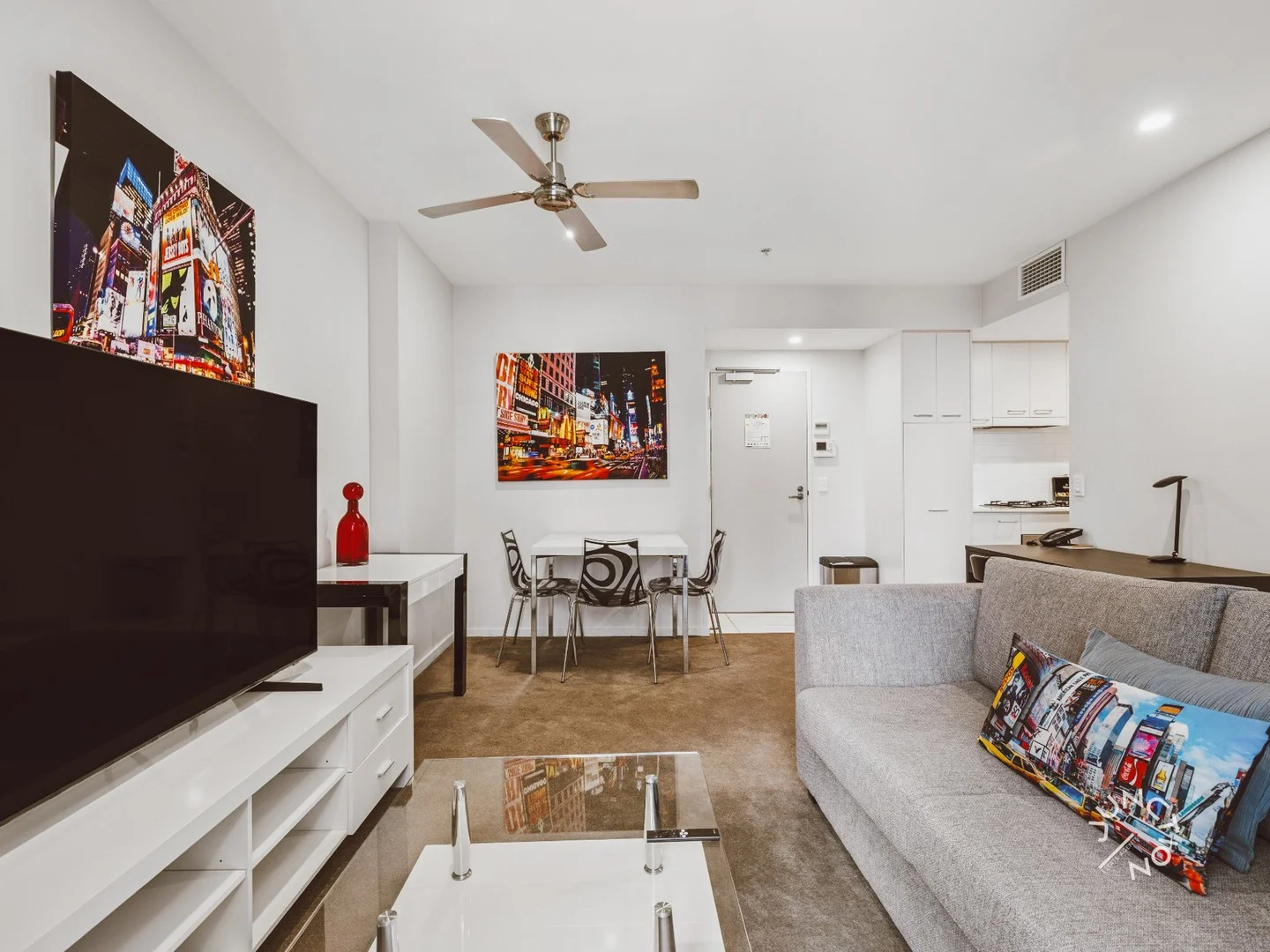 $523,200 - $566,800
Apartment / Unit / Flat
$523,200 - $566,800
Apartment / Unit / Flat
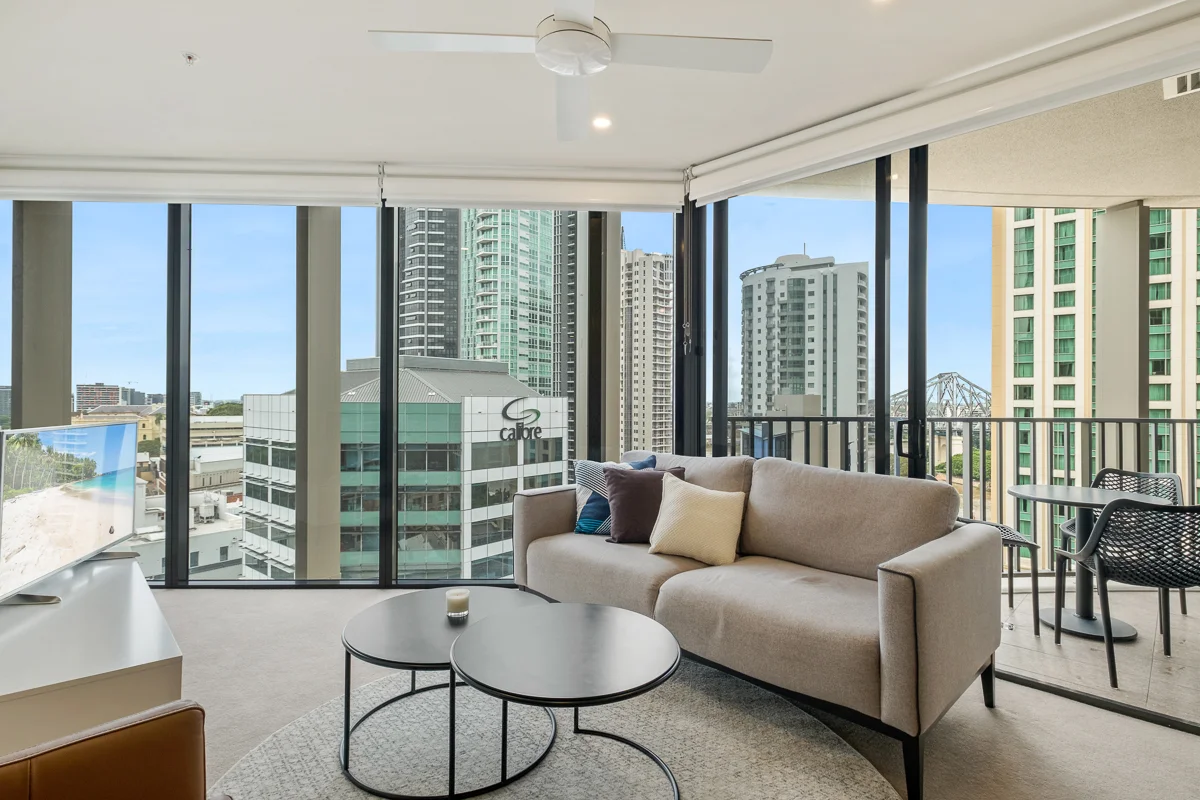 $950,000
Apartment / Unit / Flat
$950,000
Apartment / Unit / Flat


