Overview
## 1. Overview
The Children’s House Montessori School is a private/independent Montessori school serving North Ryde, NSW 2113. It offers an early childhood and primary program within a Montessori prepared environment that emphasizes hands-on learning, independence, and respect for each child’s development. The school typically operates as a small-to-medium community, creating a warm, collaborative atmosphere where curiosity and calm focus are encouraged.
Classrooms are usually mixed-age and guided by trained Montessori educators. The culture prioritizes self-directed learning, social-emotional growth, and community involvement, with ongoing opportunities for parent participation and school events. The environment aims to be welcoming, inclusive, and supportive of every child’s pace and interests.
⸻
## 2. Academics & Learning
- Academic strengths: Montessori education emphasizes literacy and numeracy through concrete, hands-on materials; strong focus on language development, mathematical reasoning, scientific inquiry, and practical life skills; inquiry-based learning supports critical thinking and curiosity.
- Special programs: Core Montessori approach complemented by enrichment in arts, music, environmental education, and opportunities for exposure to additional languages within the daily learning setting.
- NAPLAN / Ofsted trends: Formal standardized testing and public trend data may be limited in Montessori settings. Progress is commonly tracked through portfolio work, teacher observations, and Montessori-style assessments over time.
- Student-teacher ratios: Generally low ratios with trained Montessori teachers guiding small groups and individual work, allowing for frequent teacher feedback and close observation of progress.
- Support for diverse learners: Inclusive classroom practices with attention to EAL and SEN needs; individualized learning plans and collaboration with families to support all learners within the Montessori framework.
⸻
## 3. Sports & Extracurricular Strengths
- Sports offered: Regular physical education and movement sessions; emphasis on daily activity, coordination, and healthy habits; opportunities to participate in community or school-run activities through local clubs.
- Strong teams or achievements: Participation in regional or local inter-school events and competitions through community networks; achievements often highlighted in school newsletters or events rather than in-island league structures.
- Music, arts, drama programs: Integrated music and arts within the curriculum; occasional performances or showcases; access to art studios and music spaces.
- Clubs: Robotics, coding, chess, debating, and other student-led or faculty-guided clubs may be available as part of enrichment.
- Partnerships: Connections with local arts, sports, and community organizations; potential participation in regional competitions or networks for Montessori schools.
⸻
## 4. Wellbeing & Pastoral Care
- Anti-bullying approach: Emphasis on respect, empathy, and restorative conflict resolution; structured routines encourage positive social interactions and problem-solving.
- House system: A house or community-group structure may be used to foster belonging, teamwork, and friendly competition across activities and events.
- Counsellors / wellbeing officers: Access to on-site or visiting wellbeing staff and/or partnerships with external professionals to support emotional and social health.
- Transition support for new students: Orientation programs, buddy systems, and gradual integration to ease transitions for new families and children.
⸻
## 5. Facilities
- Sports grounds: Outdoor play and movement spaces suitable for daily activity and outdoor learning.
- Libraries: On-site library with a range of picture books, early readers, and children’s reference materials.
- Science labs: Flexible spaces for hands-on experiments and inquiry-based science activities.
- Music/performing arts centers: Dedicated or shared spaces for music and arts activities and performances.
- Tech/innovation labs: Access to appropriate technology and digital learning tools integrated into lessons.
- Cafeteria: On-site or nearby dining options; spaces for social meals and lunch breaks.
- Updated playgrounds: Well-maintained outdoor play areas designed for safe exploration and physical development.
⸻
## 6. School Values & Community Culture
- School values / mission: Focus on independence, curiosity, respect, kindness, and responsibility; nurturing a love of learning within a supportive community.
- Leadership style: Facilitative and collaborative, with teachers guiding rather than delivering didactic instruction; emphasis on student agency within a structured environment.
- Behaviour expectations: Positive, respectful behavior reinforced through the prepared environment and consistent routines; emphasis on self-regulation and accountability.
- Community reputation: Typically described as welcoming and family-inclusive, with active parent involvement and a culture of cooperation among staff and families.
- Diversity & inclusion: Commitment to inclusivity and respect for diverse backgrounds, with practices that support all learners within the Montessori framework.
⸻
## 7. School Logistics & Daily Operations
- School hours: Generally a full-day program with structured start and finish times; core learning blocks follow a predictable daily rhythm.
- Before/after school care: Often available, either on-site or via partnerships, to support working families.
- Uniform requirements: Usually consistent with private school norms; specific guidelines for comfortable, practical clothing suitable for Montessori activities.
- Transport (train/bus routes): Access via local public transport options and established school drop-off/pick-up arrangements; proximity to North Ryde transport corridors may facilitate commuting.
- Canteen availability: Canteen or lunch facilities available, with meals or snacks typically aligned to school policies on nutrition and allergen management.
- Fees (low/medium/high ranges): Private/independent settings generally have higher fee levels; exact figures vary—consult the school for current tuition, levies, and material costs.
⸻
## 8. Enrolment & Admissions
11. What is the enrolment process and timeline?
- Start with an application and initial intake; families usually attend a tour or information session, then participate in observation or meeting with the teaching team. If available, an interview with parents and a child visit may follow; offers are made once spaces are confirmed, with an intake timeline aligned to the school year.
12. Is there a waiting list, and how does it work?
- Many Montessori schools maintain a waiting list when applications exceed vacancies. The list is typically managed by priority and date of application, with updates provided to families.
13. Are there any entry requirements, tests, or interviews?
- Entry often involves age eligibility checks, a child observation or visit to determine readiness, and parent interviews. Some programs may include a brief developmental or learning-style discussion rather than formal testing.
14. Does the school accept mid-year transfers?
- Mid-year transfers may be possible subject to space and compatibility with the Montessori program; readiness and transition planning are usually discussed during the admissions process.
⸻
## 9. Frequently Asked Questions
- Why Parents Choose This School?
- A child-centered, hands-on learning environment that supports independence, curiosity, and social-emotional growth; smaller class sizes and individualized attention are common benefits.
- What type of student thrives at this school?
- Students who enjoy hands-on exploration, self-paced discovery, collaborative work, and a calm, structured environment tend to thrive in Montessori settings.
- What opportunities are available for students to extend their skills (academics, sports, arts)?
- Enrichment in language, literacy, math through Montessori materials; integrated science and practical life activities; music and arts experiences; clubs such as robotics, coding, chess, and debating; daily movement and opportunities for community involvement.
- How does the school communicate with parents?
- Regular newsletters, email updates, parent-teacher conferences, and possibly an online portal for schedules, portfolios, and attendance.
- What is the school’s approach to teaching and learning?
- A prepared environment with child-led exploration guided by trained teachers; emphasis on hands-on materials, real-life connections, and developmentally appropriate practice.
- How does the school support students who need extra academic help?
- In-class differentiation, targeted materials within the Montessori framework, frequent teacher observation, and collaboration with families to tailor supports.
- What support is available for academic challenges?
- Individualized strategies within the classroom, possible referrals to external specialists if needed, and ongoing progress reviews with families.
- How does the school communicate with parents? (Duplicate)
- See above: newsletters, conferences, and online portals.
- What are the class sizes and how much individual attention do students receive?
- Class sizes are small-to-medium with low student-teacher ratios, enabling frequent one-on-one or small-group instruction and regular progress checks.
- What extracurricular and sports opportunities are available?
- Robotics, coding, chess, debating clubs; music and arts activities; regular PE and movement; potential participation in local inter-school events.
- What facilities does the school offer (sports, science, arts)?
- Sports grounds or outdoor spaces, libraries, science labs, music/arts spaces, and dedicated environments for art and technology.
- What is the school’s approach to technology and digital learning?
- Balanced integration of age-appropriate technology to develop digital literacy, with safety guidelines and purposeful use within learning activities.
- What transport and accessibility options are available?
- Public transport access and school-administered drop-off/pick-up options; accessible facilities to support diverse needs.
- What are typical school fees or additional costs?
- Private Montessori fees vary by program and location; expect tuition plus materials, excursions, and possible uniform or activity costs—confirm current figures with the school.
⸻
## 10. Short Pros & Cons list
- Pros
- Child-centered Montessori approach supports independence and intrinsic motivation
- Typically small-to-medium class sizes with low teacher-to-student ratios
- Mixed-age groups encourage mentorship and social-emotional growth
- Emphasis on practical life skills, curiosity, and real-world learning
- Inclusive environment with support for diverse learners
- Cons
- May observe fewer formal standardized test scores and league-type sport teams
- Tuition typically higher than public options
- Availability can be limited; waiting lists are common in popular programs
- Transition to conventional schooling styles may require adjustment for some families
- Requires active partnership with families to support at-home learning and material preparation







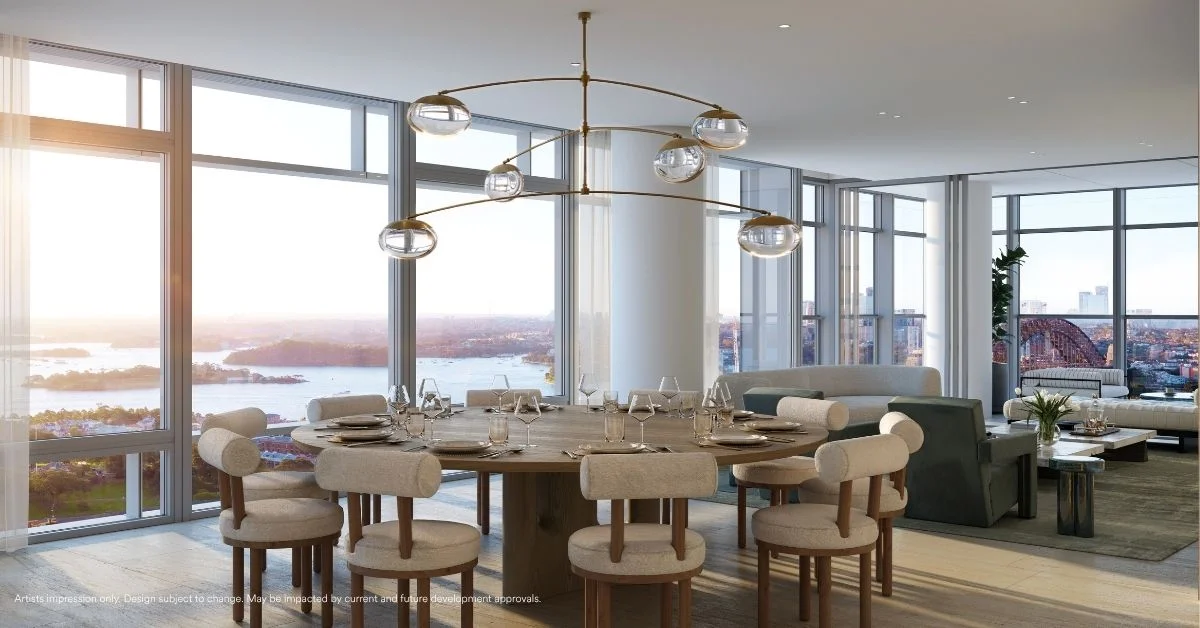 $26,550,000
propertyType.NEW APARTMENTS / OFF THE PLAN
$26,550,000
propertyType.NEW APARTMENTS / OFF THE PLAN
 $8,630,000
propertyType.NEW APARTMENTS / OFF THE PLAN
$8,630,000
propertyType.NEW APARTMENTS / OFF THE PLAN
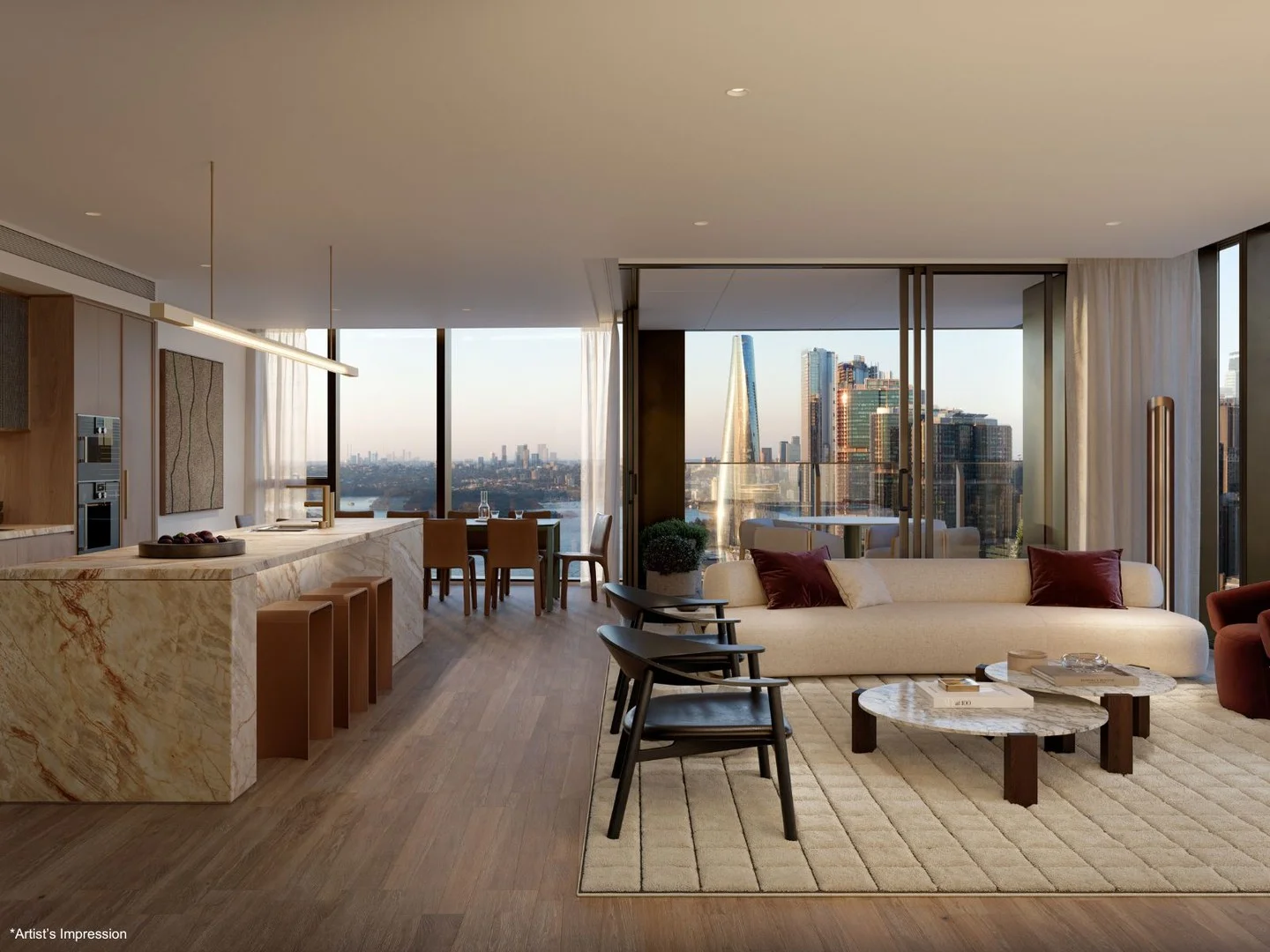 $12,980,000
propertyType.NEW APARTMENTS / OFF THE PLAN
$12,980,000
propertyType.NEW APARTMENTS / OFF THE PLAN
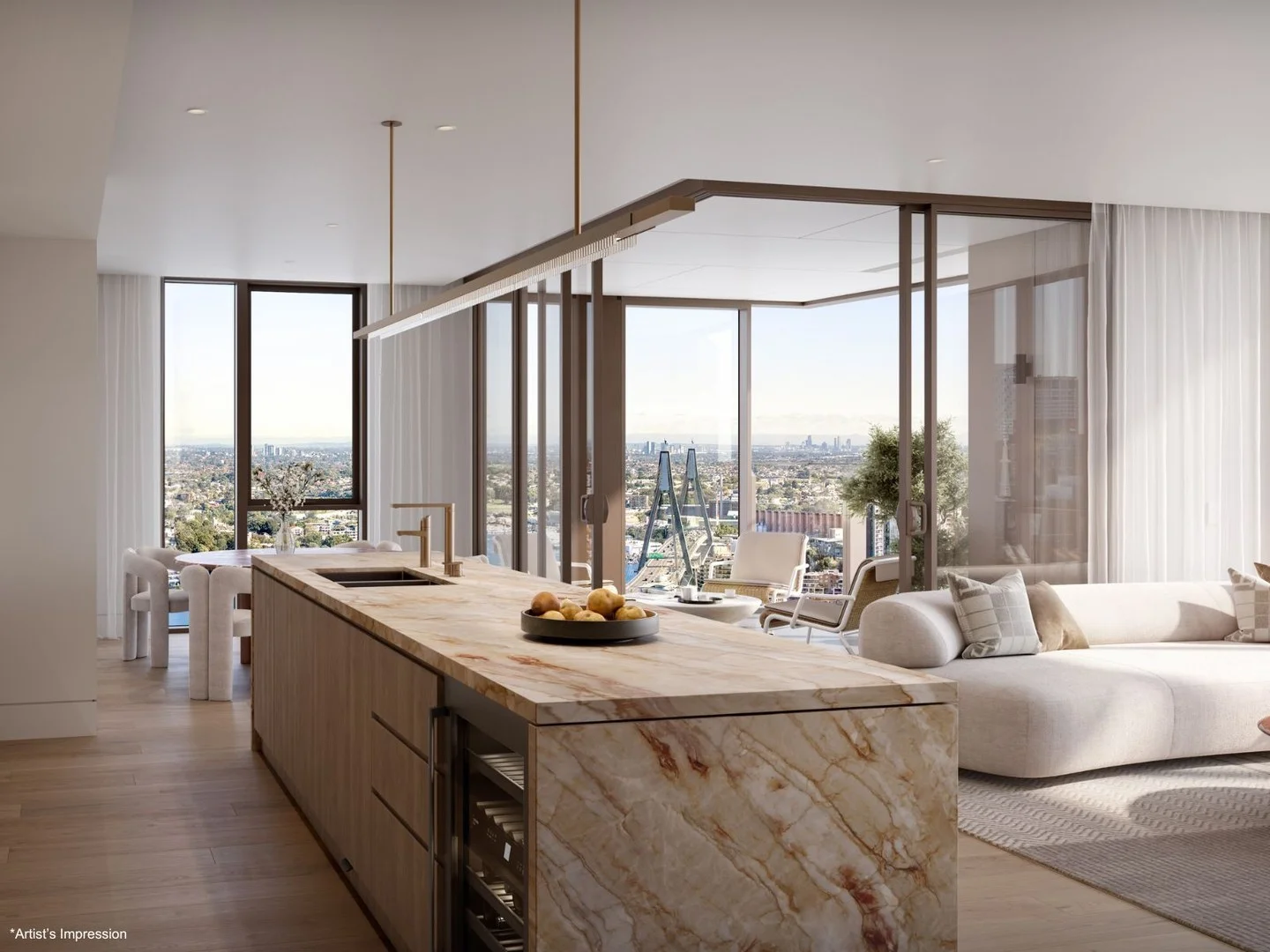 $9,020,000
propertyType.NEW APARTMENTS / OFF THE PLAN
$9,020,000
propertyType.NEW APARTMENTS / OFF THE PLAN
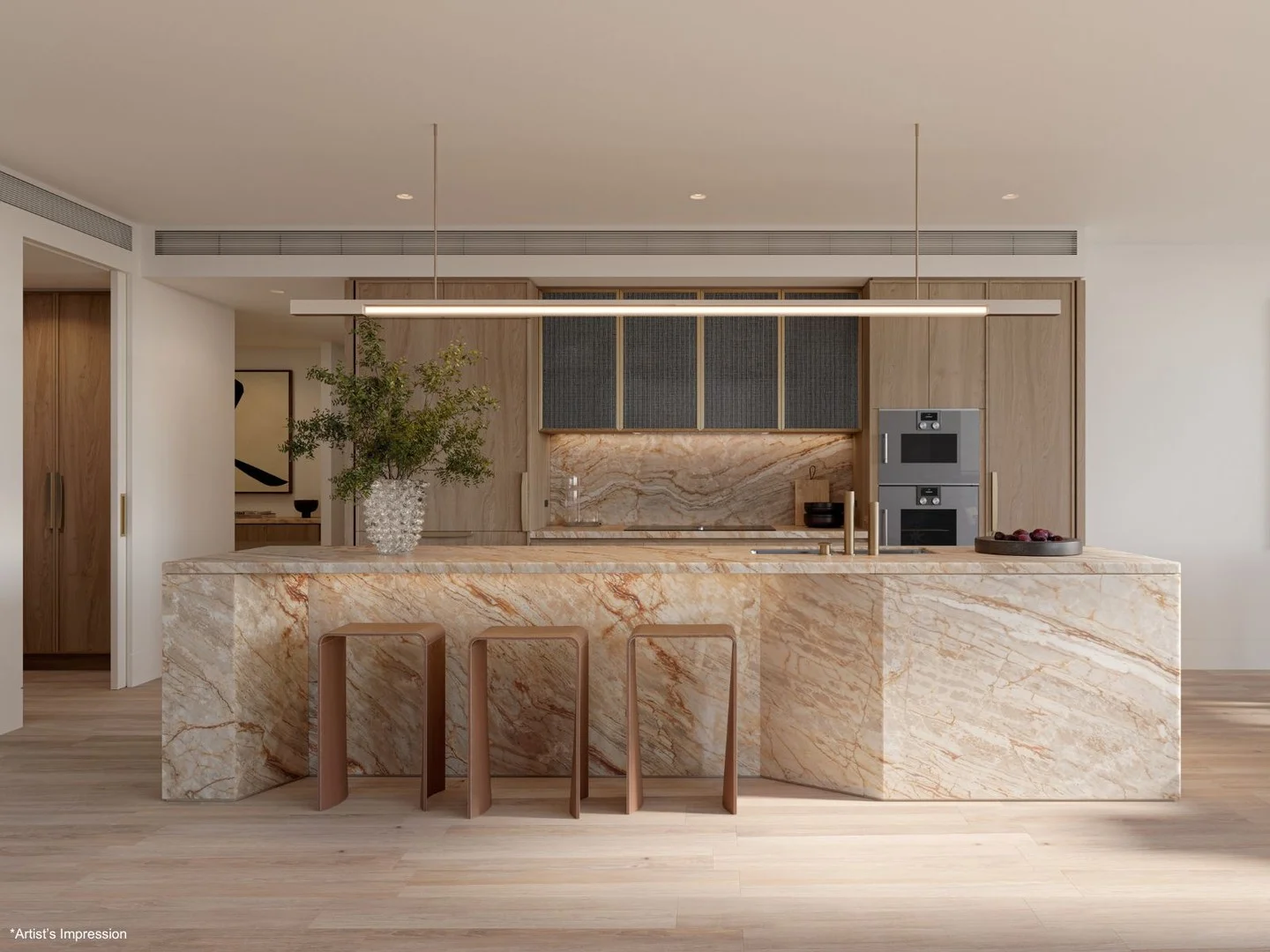 $6,225,000
propertyType.NEW APARTMENTS / OFF THE PLAN
$6,225,000
propertyType.NEW APARTMENTS / OFF THE PLAN
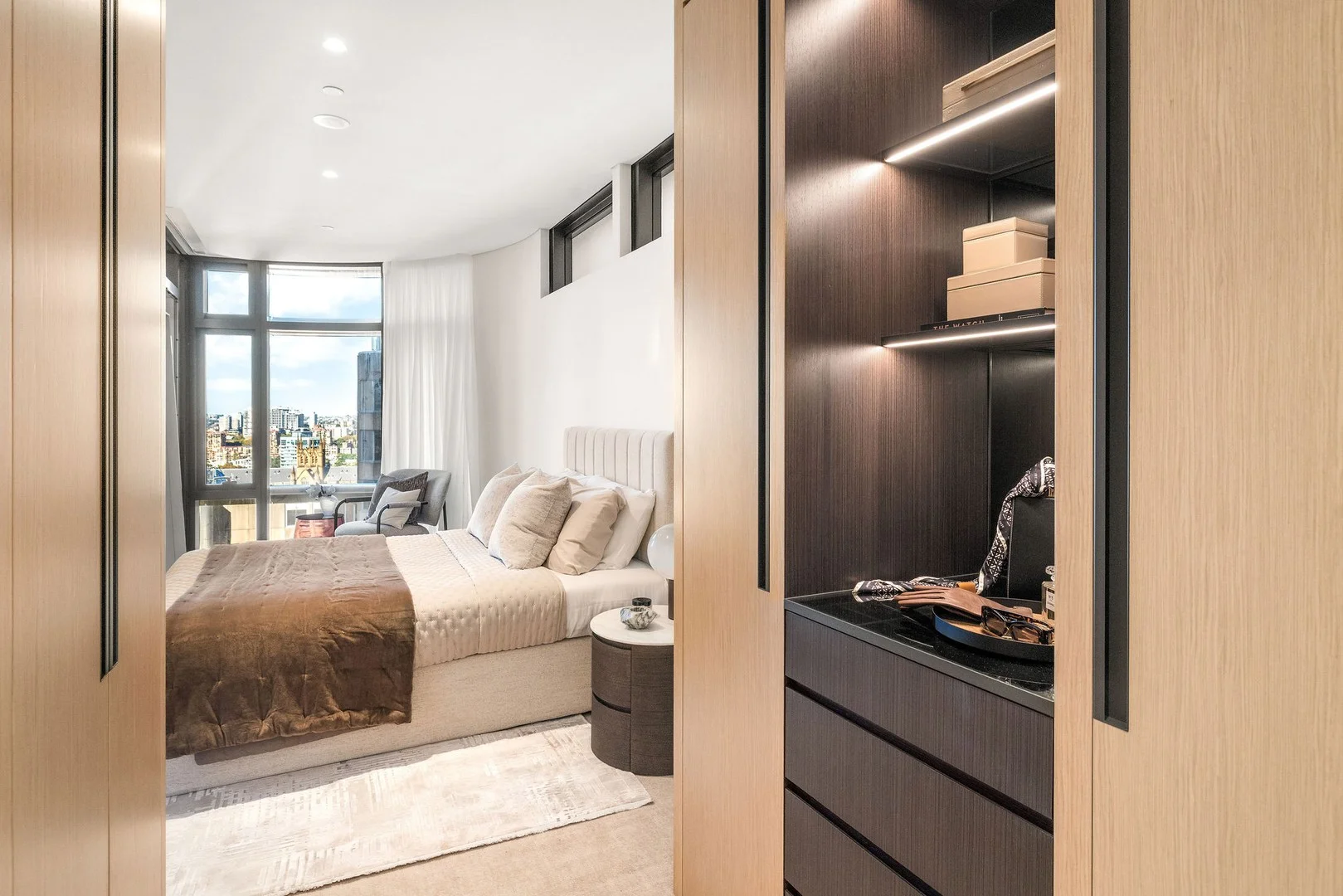 $2,745,000
propertyType.NEW APARTMENTS / OFF THE PLAN
$2,745,000
propertyType.NEW APARTMENTS / OFF THE PLAN
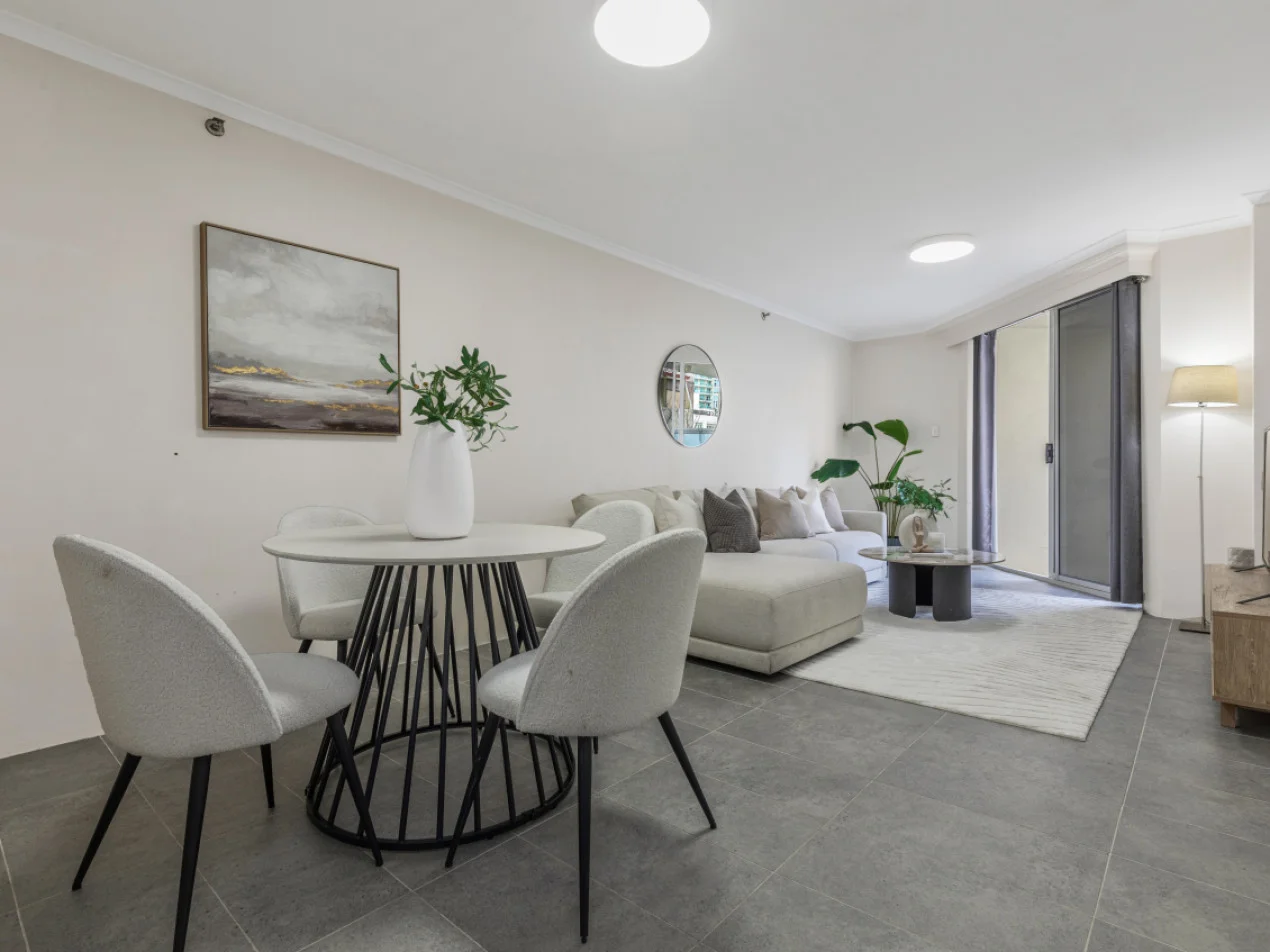 $640,000 - $675,000
Apartment / Unit / Flat
$640,000 - $675,000
Apartment / Unit / Flat
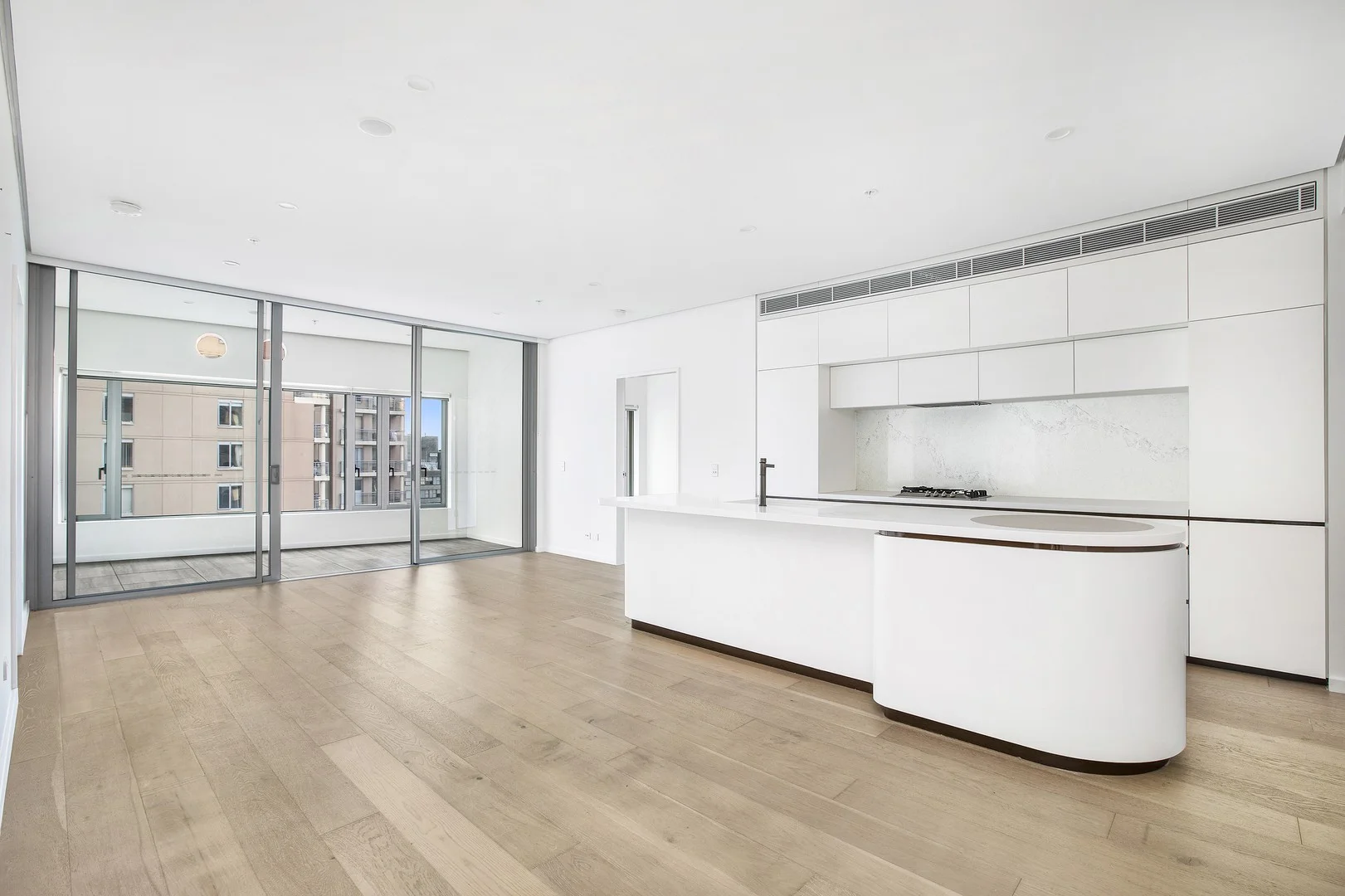 $2,250,000
Apartment / Unit / Flat
$2,250,000
Apartment / Unit / Flat
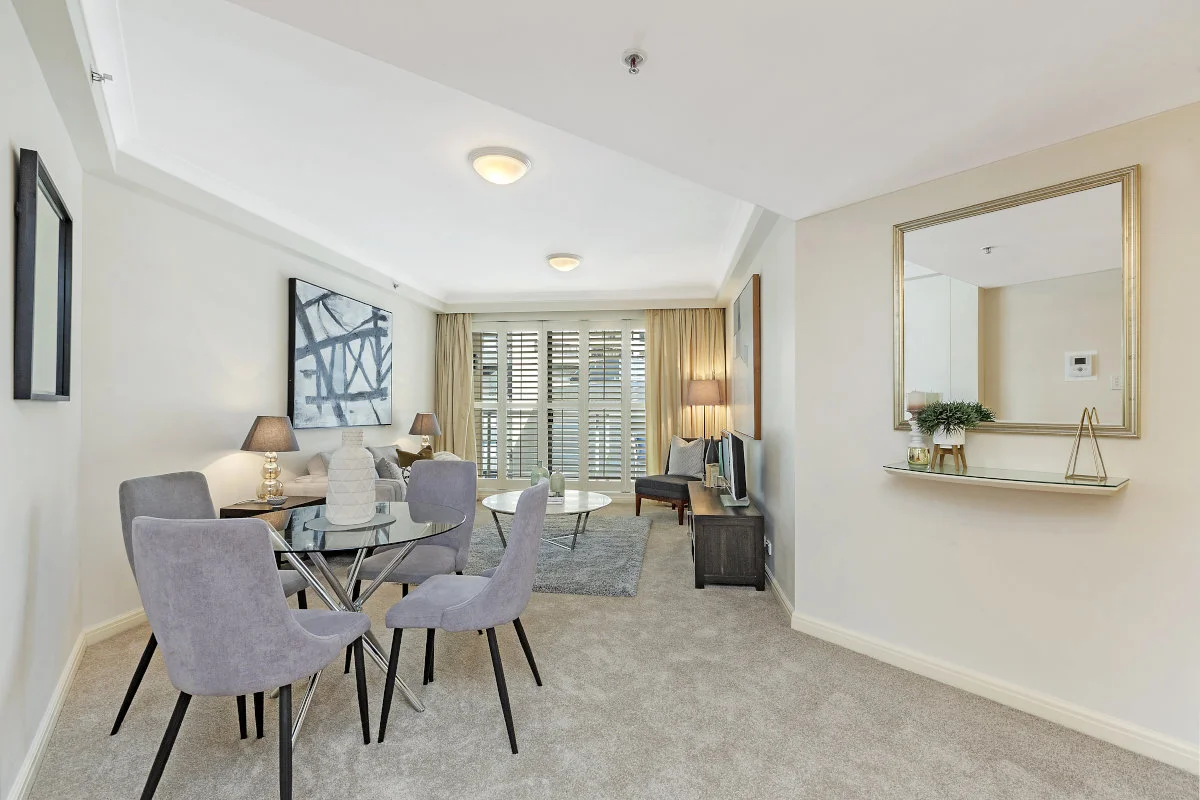 $660,000 - $725,000
Apartment / Unit / Flat
$660,000 - $725,000
Apartment / Unit / Flat