Overview
1. Overview
Holy Spirit Catholic Primary School, North Ryde is a Catholic co-educational school within the Sydney Catholic Schools network. The school emphasises faith-filled learning, care for the whole child, and strong partnerships with families and parish. It maintains a medium-sized community that feels close-knit and welcoming, with class sizes designed to support individual attention and active student participation.
The atmosphere is nurturing and inclusive, with a focus on developing character, resilience and service alongside academics. Students are encouraged to contribute to a positive school culture through values-based education, leadership opportunities and participation in community activities.
⸻
2. Academics & Learning
- Academic strengths: Strong focus on literacy and numeracy, with supportive programs to develop analytical thinking, writing and comprehension. There is also emphasis on STEM activities and digital literacy, integrated with Catholic studies and character education, helping students grow academically and personally.
- Special programs: Gifted and Talented/accelerated learning options, and targeted supports to extend students who need challenge. Religious education is integrated as a core part of the curriculum.
- NAPLAN / trends: Consistent patterns of solid performance with gradual improvement over recent years, aligning with state expectations and the school’s commitment to continuous improvement.
- Student-teacher ratios: Class sizes designed to enable meaningful teacher-student interactions, typically around 1:20–1:22 in primary classes, with additional small-group support where needed.
- Support for diverse learners: EAL support and a Learning Support Team to assist students with diverse learning needs (SEN), including differentiated instruction and targeted intervention.
⸻
3. Sports & Extracurricular Strengths
- Sports offered: Soccer, netball, basketball, cricket, athletics and other on-site and interschool activities.
- Strong teams or achievements: Participation in local and diocesan sports events, with opportunities for interschool competition and recognition of team efforts.
- Music, arts, drama programs: Choirs, school musical activities, and opportunities to engage in performing arts.
- Clubs: Robotics, coding, chess, debating and other clubs that support STEM and communication skills.
- Partnerships: Collaboration with local clubs and regional competitions, including opportunities to participate in diocesan and community events.
⸻
4. Wellbeing & Pastoral Care
- Anti-bullying approach: Whole-school anti-bullying policies and programs, with education on respectful relationships and student wellbeing integrated into the curriculum.
- House system: A house-based framework to foster belonging, healthy competition and peer mentoring.
- Counsellors / wellbeing officers: Access to school-based wellbeing staff to support emotional and social development.
- Transition support for new students: Orientation, buddy programs and transition activities to help new students settle and feel connected from day one.
⸻
5. Facilities
- Sports grounds: On-site sports areas and fields for various activities and events.
- Libraries: Central library resources to support reading, research and silent study.
- Science labs: Dedicated spaces for hands-on experiments and STEM activities.
- Music/performing arts centers: Facilities to support music ensembles and drama activities.
- Tech/innovation labs: Computer and tech spaces to support digital learning and project work.
- Cafeteria: On-site canteen or dining area offering healthy options.
- Updated playgrounds: Modern playground equipment and outdoor learning spaces.
⸻
6. School Values & Community Culture
- School values / mission: Faith-centered education focused on respect, service, integrity and personal growth aligned with Catholic traditions.
- Leadership style: Collaborative leadership involving staff, students and families; emphasis on student voice and participative decision-making where appropriate.
- Behaviour expectations: Clear codes of conduct promoting respect, responsibility, and safety; restorative approaches to discipline are encouraged.
- Community reputation: Positive standing within the parish and local community, reflecting strong family involvement and active engagement in school events.
- Diversity & inclusion: Welcoming environment for families from diverse backgrounds, with an emphasis on inclusion and belonging for all students.
⸻
7. School Logistics & Daily Operations
- School hours: Typically around 9:00 am–3:15 pm (with variations by year level), plus arrangements for before/after school care.
- Before/after school care: Available through school-approved programs or external providers to support families’ work schedules.
- Uniform requirements: Standard school uniform with specified seasonal options; clear guidelines for day-to-day wear and excursions.
- Transport (train/bus routes): Accessible by local bus services and nearby train stations; information on routes and travel planning is provided by the school.
- Canteen availability: Canteen or canteen services offering healthy meal and snack options.
- Fees (low/medium/high ranges): Fee levels are in the moderate range for NSW Catholic primary schools, with details provided on enquiry and during the admissions process.
⸻
8. Enrolment & Admissions
11. What is the enrolment process and timeline?
- Applications are typically submitted through the school system in consultation with parish guidelines. The process includes providing required documents, family details, and parish information. Offers are made according to availability and the school’s intake timeline, with guidance provided by the school during the year for the next academic cycle.
12. Is there a waiting list, and how does it work?
- Waiting lists may apply when the school receives more applications than available places. Placement often considers factors such as year level vacancies, siblings, parish guidelines, and place availability. Families are advised of their status and expected timelines if a waitlist is in effect.
13. Are there any entry requirements, tests, or interviews?
- Primary-entry processes usually do not involve standard entrance tests. An interview or meeting with the principal or registrar may occur to discuss the family, faith formation, and alignment with the school’s values. Documents such as baptism certificates or parish details may be requested to support Catholic enrollment requirements.
14. Does the school accept mid-year transfers?
- Mid-year transfers may be possible if there are vacancies, subject to the school’s capacity and enrolment policies. Prospective families should contact the school early to discuss availability and transition planning.
⸻
9. Frequently Ask Questions
- Why Parents Choose This School?
- A welcoming Catholic environment with a strong sense of community, solid academics, supportive staff, and emphasis on values-based education and service.
- What type of student thrives at this school?
- Students who are curious, respectful, engaged in community life, and who respond well to a nurturing, inclusive learning environment.
- What opportunities are available for students to extend their skills (academics, sports, arts)?
- Extensions and enrichment in literacy and numeracy, STEM activities, leadership roles, sports teams, music programs, drama, robotics, coding and debating clubs.
- How does the school communicate with parents?
- Through newsletters, emails, a school portal or app, regular parent-teacher meetings, and reminders about events and outcomes.
- What is the school’s approach to teaching and learning?
- Student-centered learning with differentiated instruction, explicit teaching in core subjects, integration of faith-based values, and use of digital tools to enhance engagement and understanding.
- How does the school support students who need extra academic help?
- Targeted interventions via a Learning Support Team, EAL support for English learners, and small-group or one-on-one assistance as needed.
- What support is available for academic challenges?
- Additional tutoring or classroom accommodations, progress monitoring, and collaboration with families to tailor support plans.
- How does the school communicate with parents? (duplicate)
- See above: regular updates, meetings, and accessible channels for ongoing conversation.
- What are the class sizes and how much individual attention do students receive?
- Typical primary class sizes are around 20–25 students, with teachers delivering instruction and small-group support to meet individual needs.
- What extracurricular and sports opportunities are available?
- A range of sports (soccer, netball, basketball, cricket, athletics), arts programs (music, drama), and clubs (robotics, coding, chess, debating).
- What facilities does the school offer (sports, science, arts)?
- Sports grounds, libraries, science labs, music/performing arts spaces, tech/innovation labs, a canteen, and updated play areas.
- What is the school’s approach to technology and digital learning?
- Integration of ICT across the curriculum, use of interactive whiteboards and devices, and a focus on digital literacy and responsible online learning.
- What transport and accessibility options are available?
- Access via local bus services and nearby train stations, with guidance on travel planning and accessibility arrangements.
- What are typical school fees or additional costs?
- Fees are in the moderate range for NSW Catholic primary schools, with potential costs for excursions, camps and certain activities; exact amounts provided on enquiry.
⸻
10. Short Pros & Cons list
Pros
- Strong Catholic values and inclusive, supportive culture
- Medium-sized, community-focused school with small class sizes
- Broad range of sports, arts and clubs to engage many interests
- Robust wellbeing and pastoral care, with supports for diverse learners
- Modern facilities across science, tech, music and libraries
Cons
- Catholic affiliation may not suit all families
- Possible waitlists during oversubscribed intake periods
- Travel may require some families to rely on bus or train connections
- Fees are in the mid-range for NSW Catholic primary schools, with additional costs for excursions and activities
⸻







 $26,550,000
propertyType.NEW APARTMENTS / OFF THE PLAN
$26,550,000
propertyType.NEW APARTMENTS / OFF THE PLAN
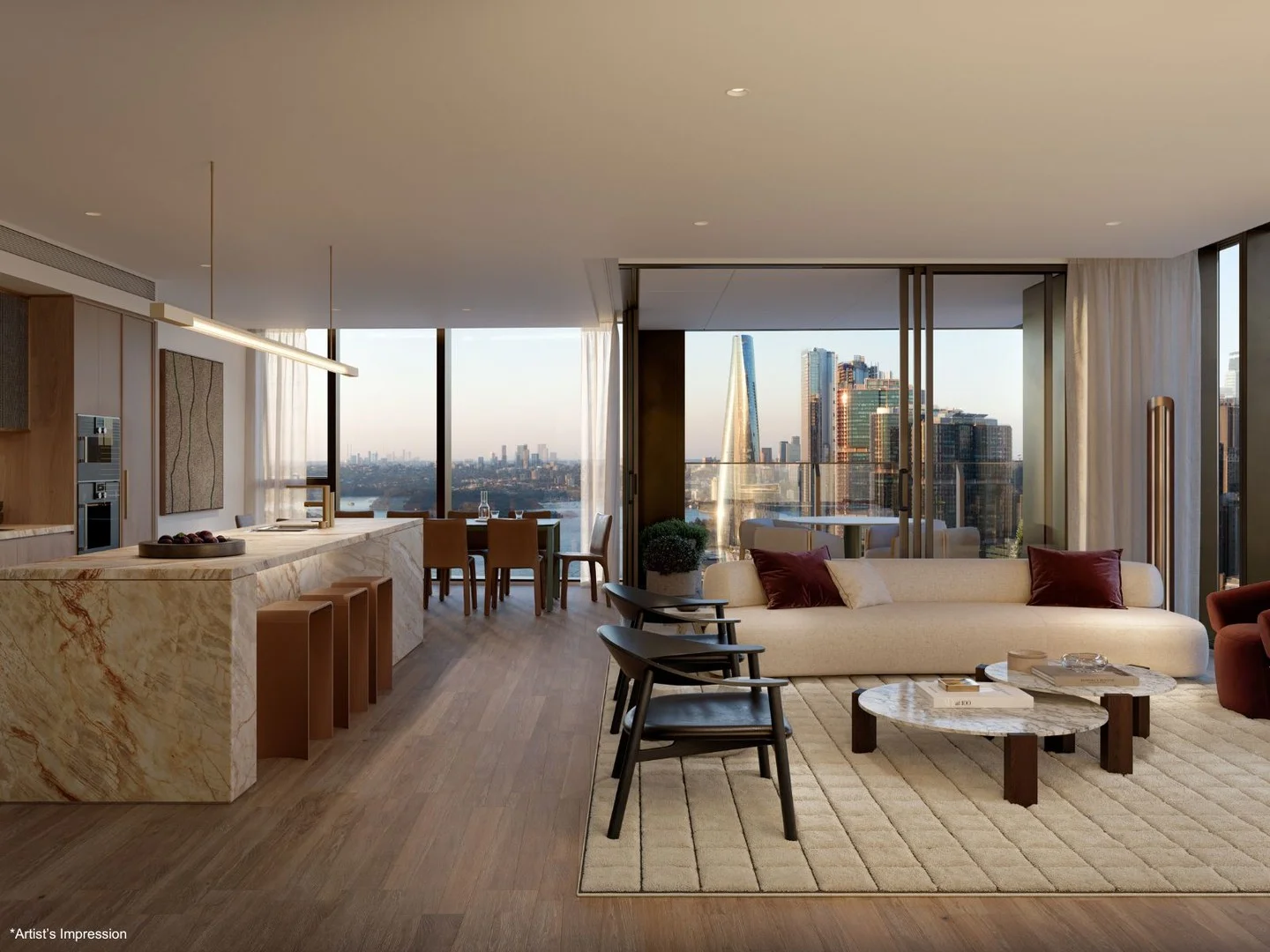 $12,980,000
propertyType.NEW APARTMENTS / OFF THE PLAN
$12,980,000
propertyType.NEW APARTMENTS / OFF THE PLAN
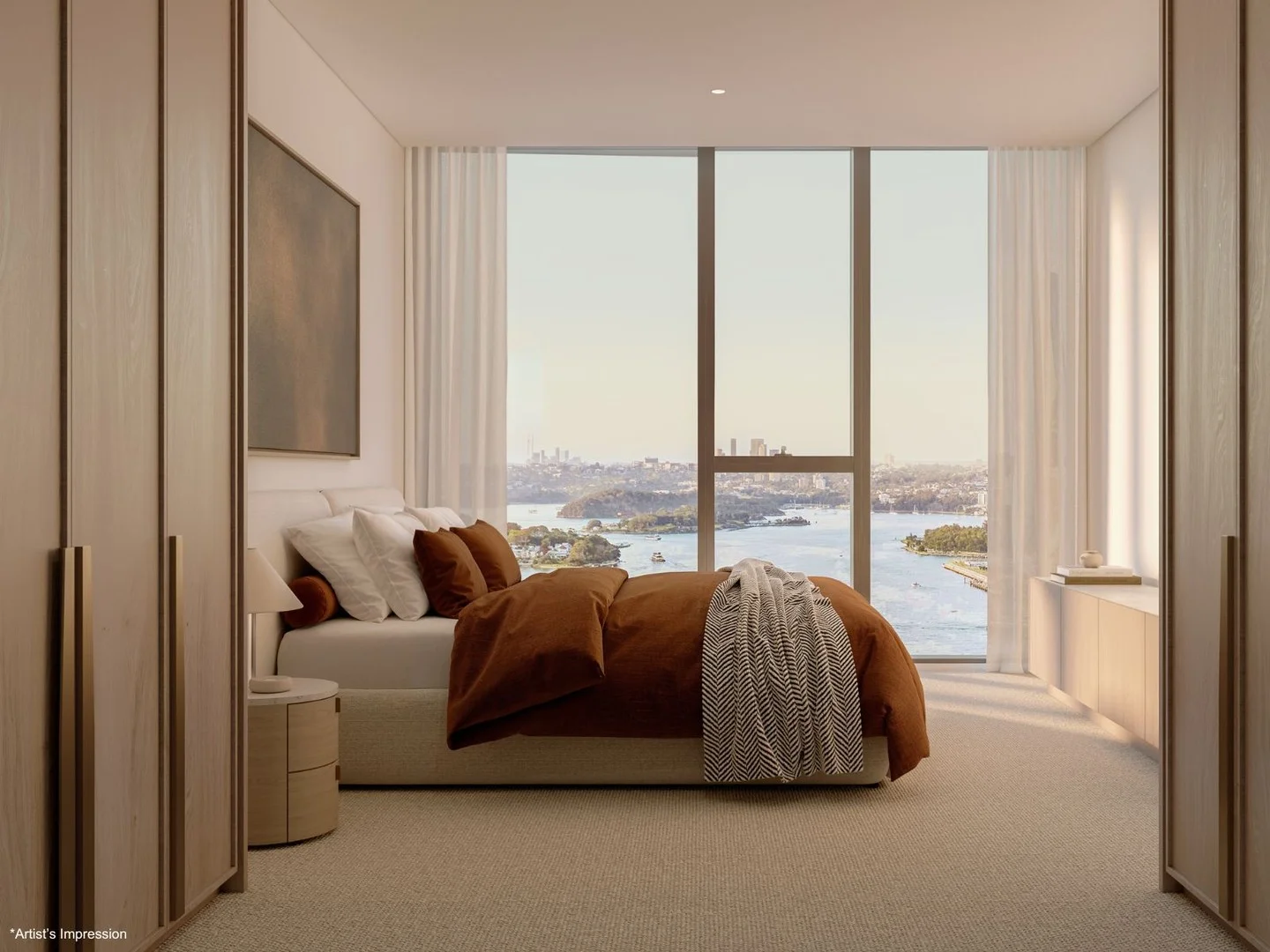 $8,630,000
propertyType.NEW APARTMENTS / OFF THE PLAN
$8,630,000
propertyType.NEW APARTMENTS / OFF THE PLAN
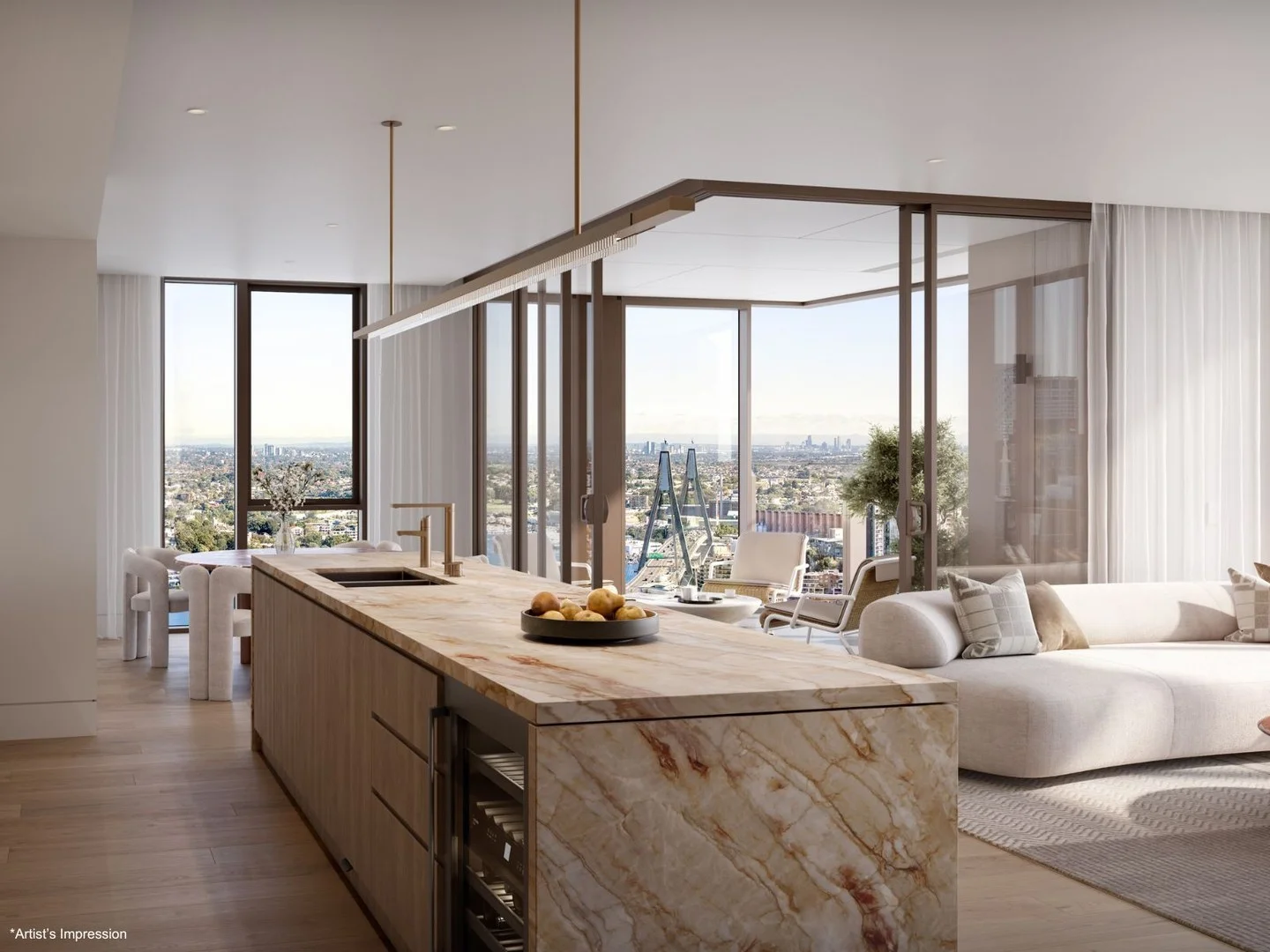 $9,020,000
propertyType.NEW APARTMENTS / OFF THE PLAN
$9,020,000
propertyType.NEW APARTMENTS / OFF THE PLAN
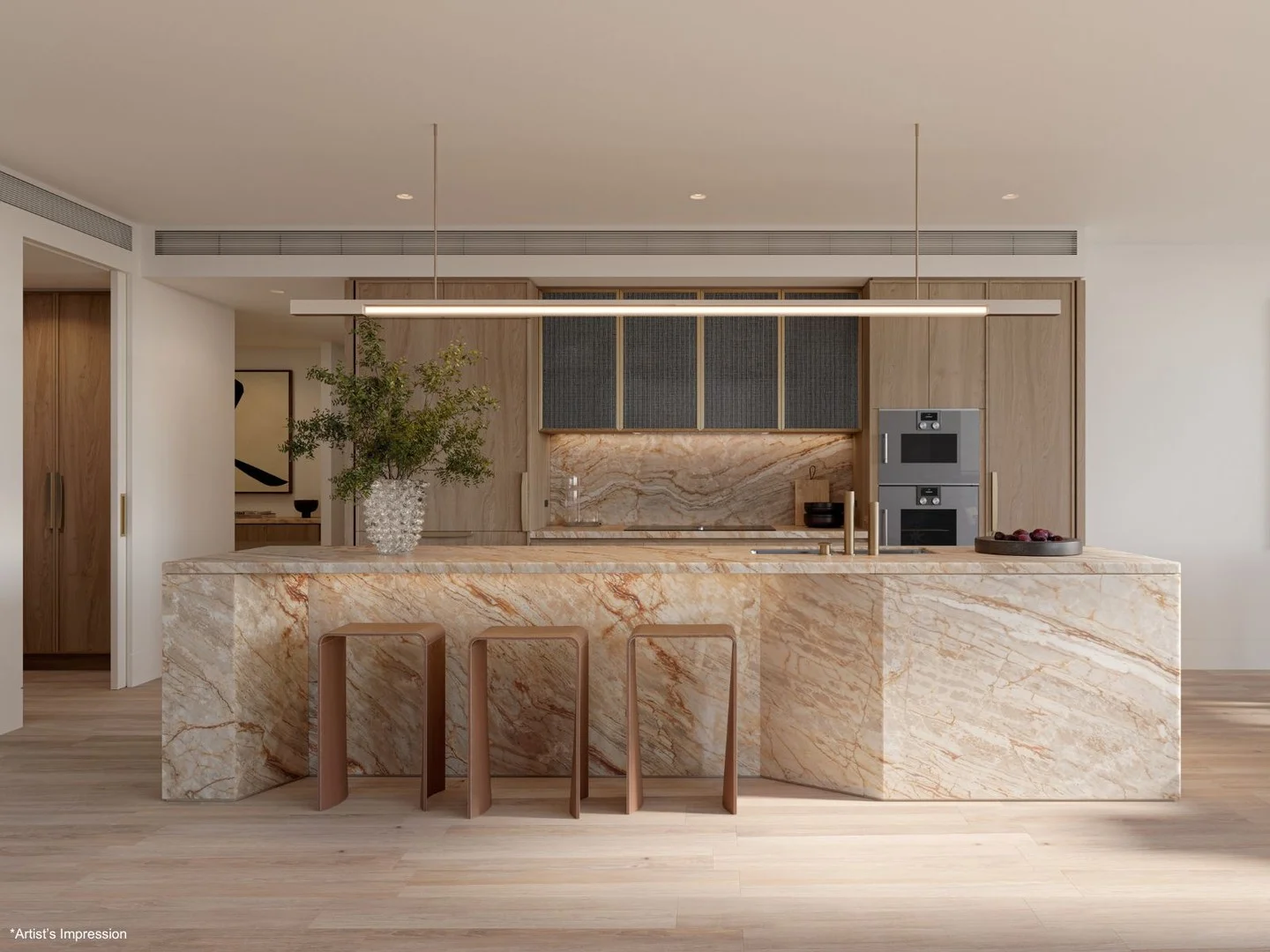 $6,225,000
propertyType.NEW APARTMENTS / OFF THE PLAN
$6,225,000
propertyType.NEW APARTMENTS / OFF THE PLAN
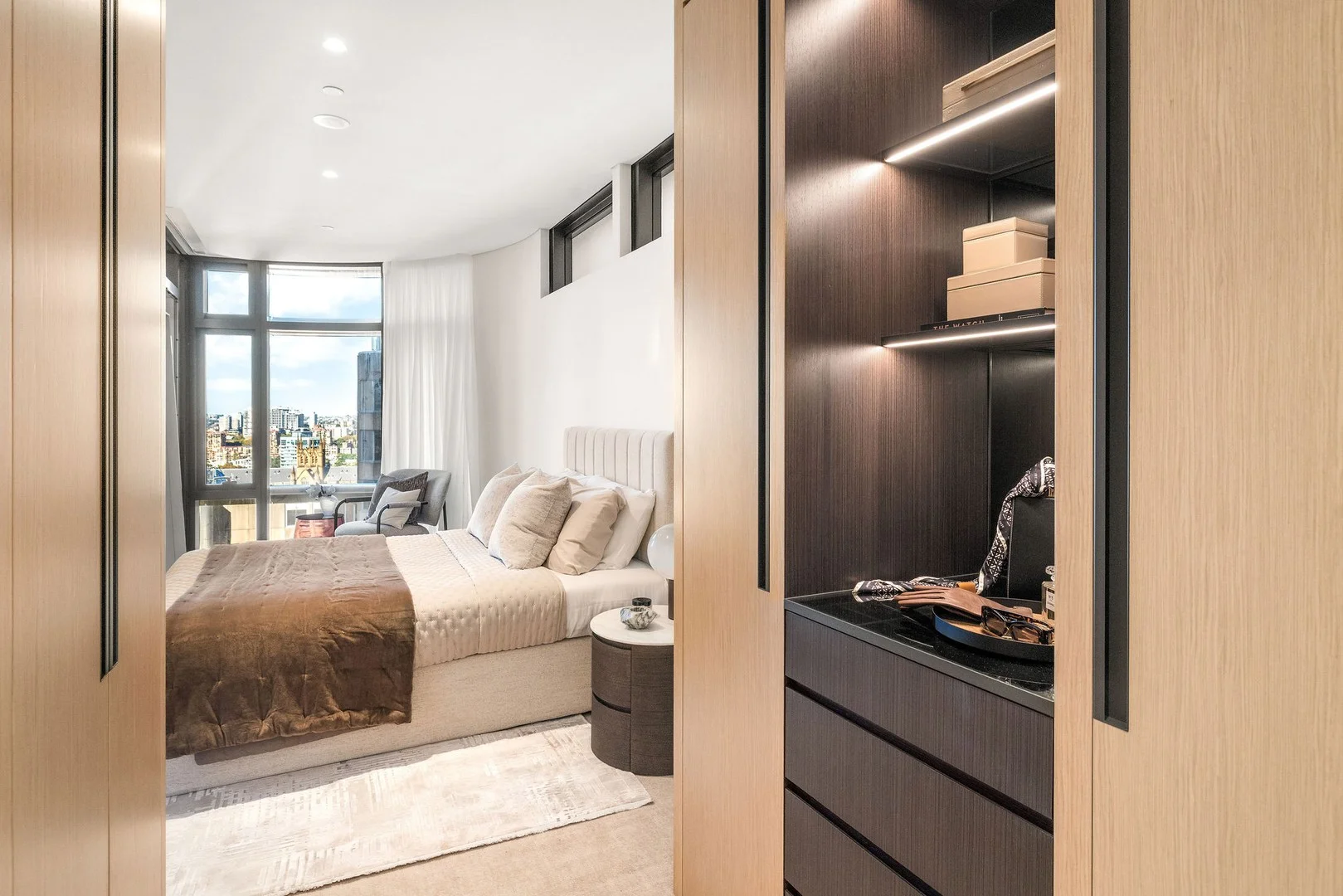 $2,745,000
propertyType.NEW APARTMENTS / OFF THE PLAN
$2,745,000
propertyType.NEW APARTMENTS / OFF THE PLAN
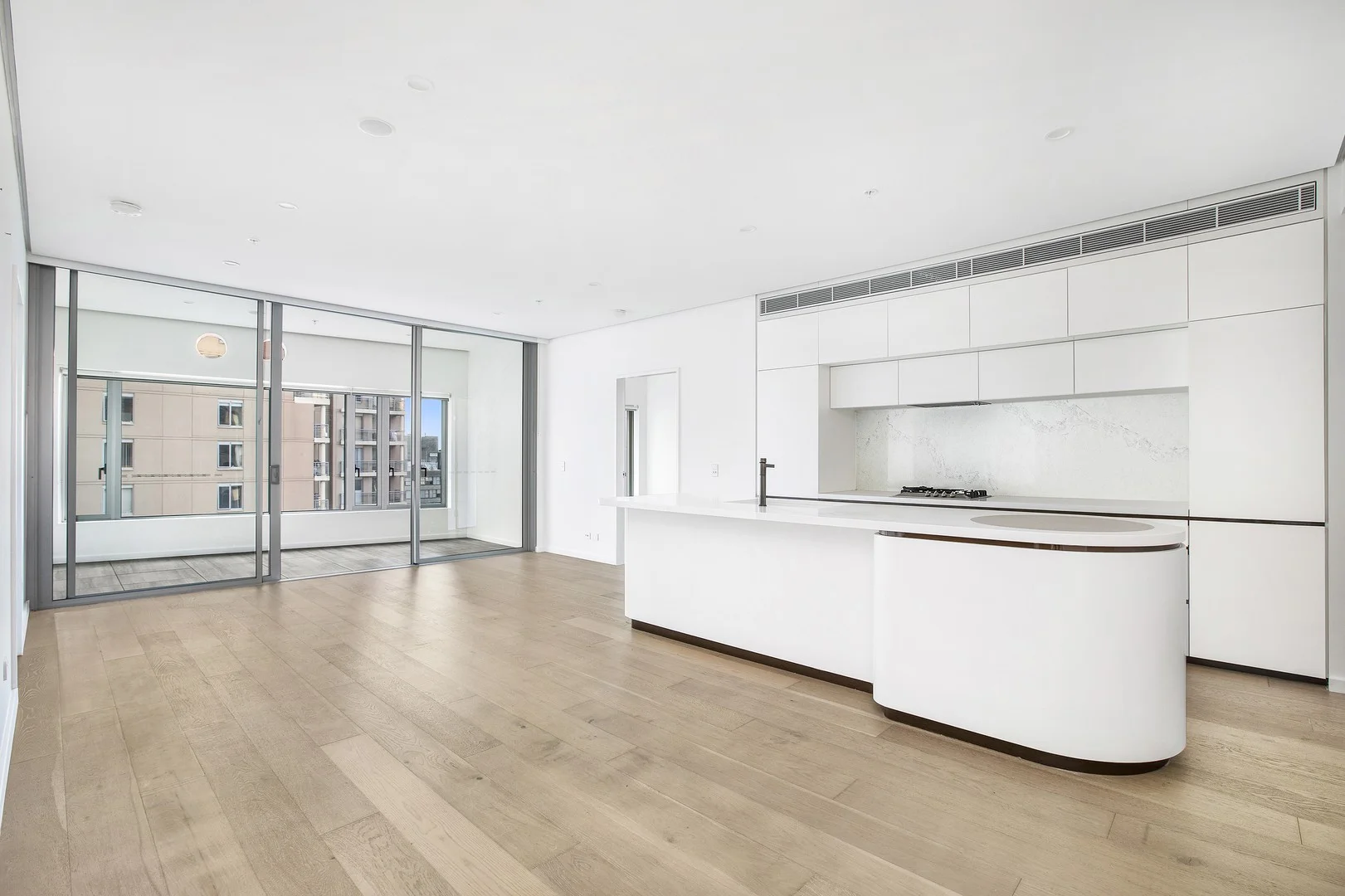 $2,250,000
Apartment / Unit / Flat
$2,250,000
Apartment / Unit / Flat
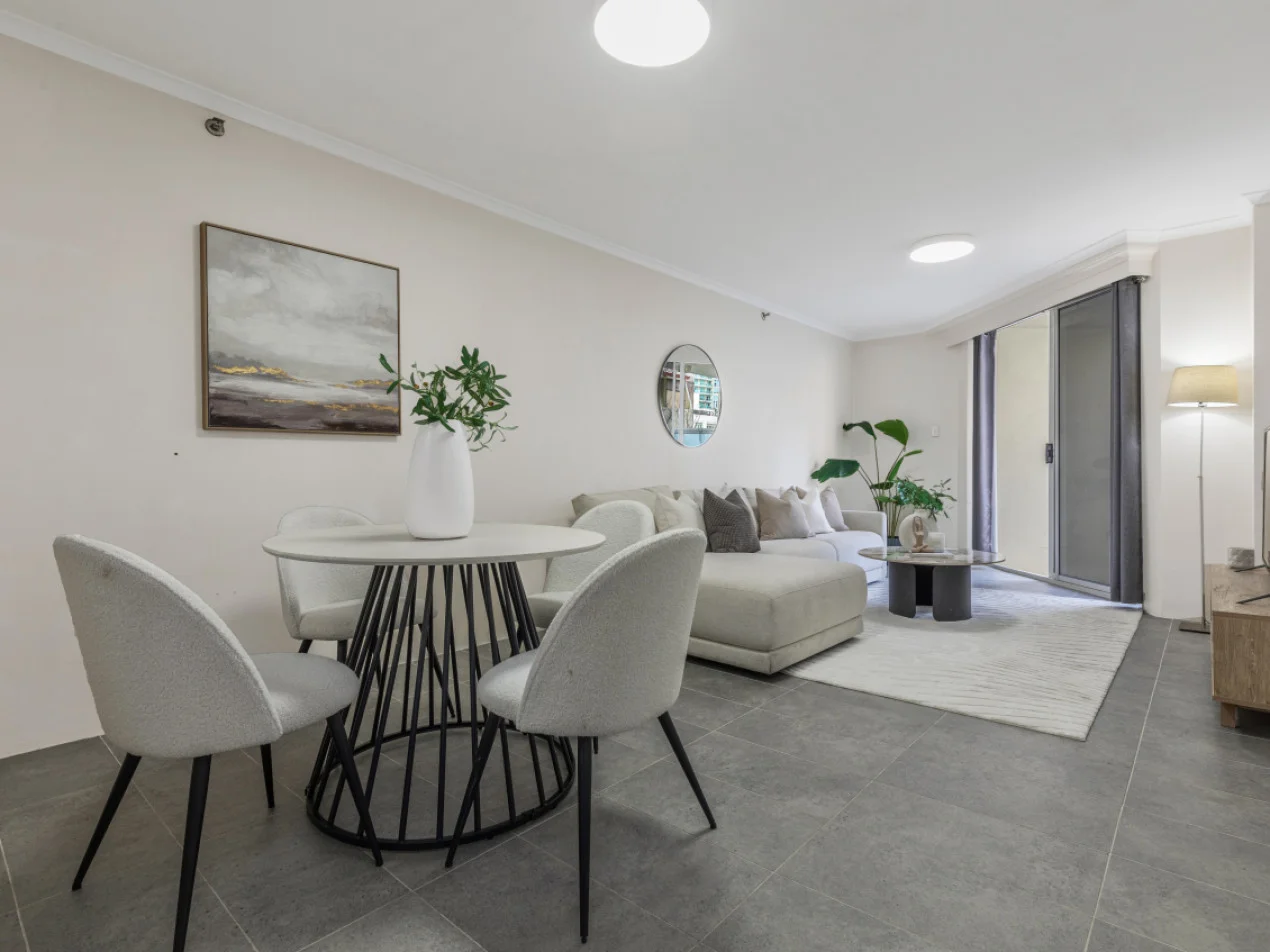 $640,000 - $675,000
Apartment / Unit / Flat
$640,000 - $675,000
Apartment / Unit / Flat
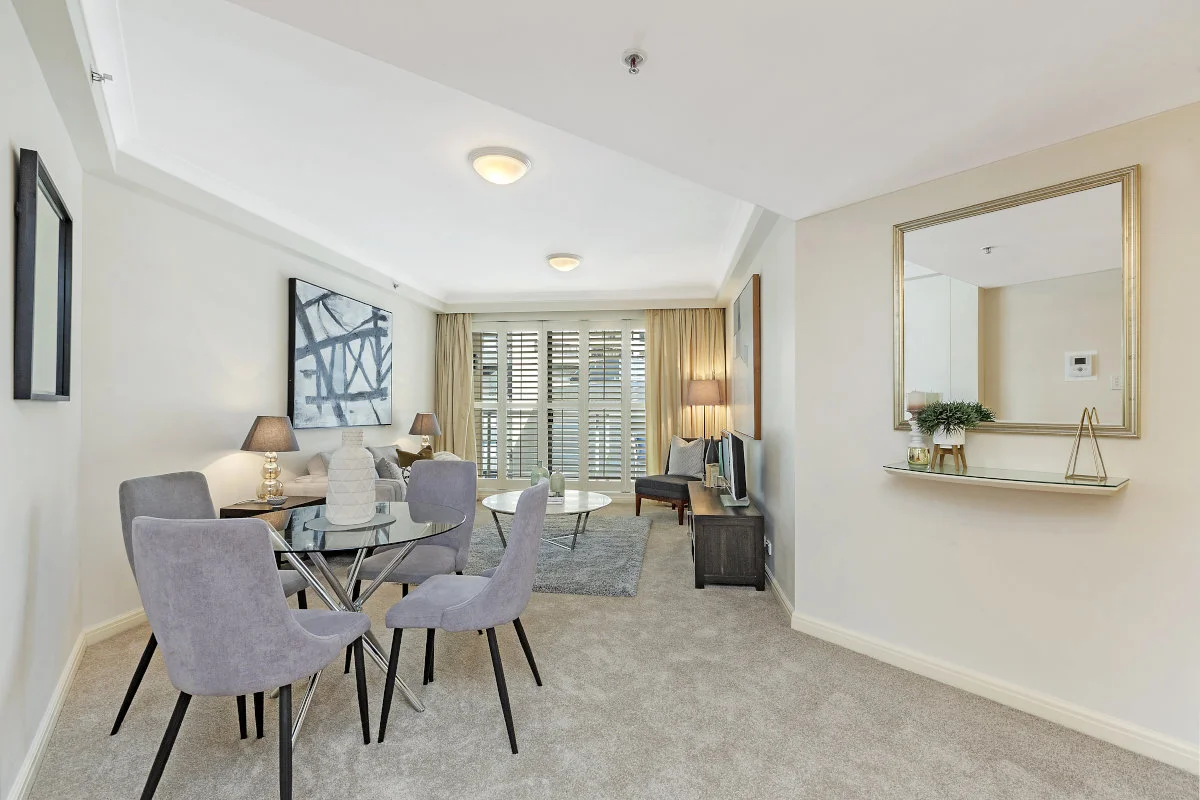 $660,000 - $725,000
Apartment / Unit / Flat
$660,000 - $725,000
Apartment / Unit / Flat