- Overview
The Geelong College is an independent Anglican school in Geelong, VIC, offering a co-educational environment across the primary and secondary years. It emphasises a well-rounded education that blends academic rigour with strong programs in the arts and sport, all delivered within a supportive, inclusive community.
- School type: Independent Anglican school
- School size: Large (Prep–12; a substantial student body)
- Atmosphere/culture: Nurturing, inclusive, academically focused with strong emphasis on sport and the arts
- Academics & Learning
The Geelong College provides a rigorous curriculum designed to prepare students for VCE study and life beyond school, with broad subject choices and opportunities to develop leadership and independent learning.
- Academic strengths: Strong domains across STEM, English, and languages; emphasis on critical thinking, problem solving, and communication
- Special programs: Victorian Certificate of Education (VCE) with a wide range of subjects; pathways for accelerated or advanced learning; leadership and enrichment opportunities
- Support for diverse learners: Dedicated support for EAL and students with additional learning needs; access to learning support staff and targeted plans
- Sports & Extracurricular Strengths
Australian families often place high importance on sport and co-curriculars, and The Geelong College provides a broad mix of both, alongside vibrant arts and tech programs.
- Sports offered: Cricket, football, rowing, tennis, swimming, athletics, hockey, basketball, rugby, and more
- Strong teams or achievements: Competitive interschool programs with representation at regional level and notable achievements across various codes
- Music, arts, drama programs: Robust performing arts scene including ensembles and regular productions; emphasis on musical and theatrical development
- Clubs: Robotics, chess, coding, debating, and other interest-based clubs
- Partnerships: Participation in local and regional competitions and collaborations with community and sporting bodies
- Wellbeing & Pastoral Care
A strong wellbeing framework helps students feel safe, supported and able to thrive academically and socially.
- Anti-bullying approach: Comprehensive anti-bullying policies and proactive wellbeing programs
- House system: House structure to foster belonging, peer support, and leadership opportunities
- Counsellors / wellbeing officers: Access to school-based counsellors and wellbeing staff for students and families
- Transition support for new students: Orientation programs, buddy systems, and ongoing transition support to help new students settle in
- Facilities
The school offers modern spaces that support learning across academics, arts and sport.
- Sports grounds
- Libraries
- Science labs
- Music/performing arts centers
- Tech/innovation labs
- Cafeteria
- Updated playgrounds
- School Values & Community Culture
Parents assess how a school shapes the character and belonging of its students. The Geelong College seeks to cultivate capable, courteous and resilient young people within a supportive community.
- School values / mission: Focus on academic excellence, integrity, respect, and inclusion
- Leadership style: Distributed leadership with student leadership opportunities and mentor-driven programs
- Behaviour expectations: Clear codes of conduct reflecting respect, responsibility and safety
- Community reputation: Strong ties with Geelong families and the broader regional community
- Diversity & inclusion: Commitment to a welcoming, inclusive environment with support for diverse backgrounds
- School Logistics & Daily Operations
Practical details help families plan daily life around school.
- School hours: Typical school day runs during standard Victorian school hours with some variation by year level
- Before/after school care: Available or arranged through school programs
- Uniform requirements: School uniform required; distinct summer and winter options; typical items include blazer and tie for certain year levels
- Transport (train/bus routes): Bus services and public transport options available; convenient drop-off/pick-up arrangements
- Canteen availability: On-site canteen or food service options
- Fees (low/medium/high ranges): Fees are in the higher range for private schooling; additional costs may apply for excursions, ICT, uniforms, and activities
- Enrolment & Admissions
The enrolment process is designed to identify students who will thrive in the school’s environment and to help families understand timelines and requirements.
- What is the enrolment process and timeline?
- Submit an application with supporting documents
- Attend information events or open days if offered
- Participate in interviews and/or subject or program-specific assessments
- Receive offer(s) according to space and admissions criteria
- Confirm enrolment and complete any required steps (fees, documentation)
- Is there a waiting list, and how does it work?
- Waiting lists may apply when year levels reach capacity
- Priority typically given to siblings and current families; other applicants considered based on space, needs, and fit
- Are there any entry requirements, tests, or interviews?
- Likely to include interviews and subject preferences; some year levels may require assessments or auditions for particular programs
- Does the school accept mid-year transfers?
- Mid-year transfers can be considered subject to space, program fit, and completion of required documentation
- Frequently Asked Questions
- Why Parents Choose This School?
- Strong academic program, broad co-curricular options, supportive community, excellent facilities, and a balanced approach to student development.
- What type of student thrives at this school?
- Students who enjoy a well-rounded education with opportunities across academics, arts and sport; those who value a welcoming, inclusive environment.
- What opportunities are available for students to extend their skills (academics, sports, arts)?
- Access to advanced and specialist subjects within VCE, leadership and enrichment programs, sports teams, music ensembles, drama productions, robotics and debating clubs.
- How does the school communicate with parents?
- Regular newsletters, emails, a school portal, parent-teacher interviews and performance reports.
- What is the school’s approach to teaching and learning?
- Thorough curriculum coverage with emphasis on inquiry, critical thinking, technology integration and differentiation to support diverse learners.
- How does the school support students who need extra academic help?
- Dedicated learning support, EAL assistance, tutoring options and targeted intervention plans.
- What support is available for academic challenges?
- On-campus counsellors and learning support staff, small-group or one-on-one coaching as needed.
- How does the school communicate with parents? (repeat)
- See above: newsletters, portal, emails, and interviews to keep families informed.
- What extracurricular and sports opportunities are available?
- Wide range of sports (team and individual), music ensembles, drama, robotics, chess, coding, debating and other clubs.
- What facilities does the school offer (sports, science, arts)?
- Sports grounds, libraries, science labs, music/performing arts centre, tech/innovation labs, caf and student facilities.
- What is the school’s approach to technology and digital learning?
- Integrated ICT and digital learning across the curriculum, with a focus on digital citizenship and responsible use.
- What transport and accessibility options are available?
- Bus routes and public transport connections; convenient drop-off/pick-up arrangements; accessible facilities.
- What are the typical school fees or additional costs?
- Tuition and fees reflect private schooling; additional costs may include uniforms, excursions, extra-curricular activities and technology-related fees.
- Short Pros & Cons list
Pros
- Strong academic program with broad subject choices
- Comprehensive co-curriculars across sport, arts, and clubs
- Modern facilities and well-equipped learning spaces
- Supportive, inclusive school culture with a focus on wellbeing
- Active community and strong local connections
Cons
- Tuition and associated costs are above state school pricing
- Competitive environment may not suit every student
- Transport and commute considerations for families outside Geelong area








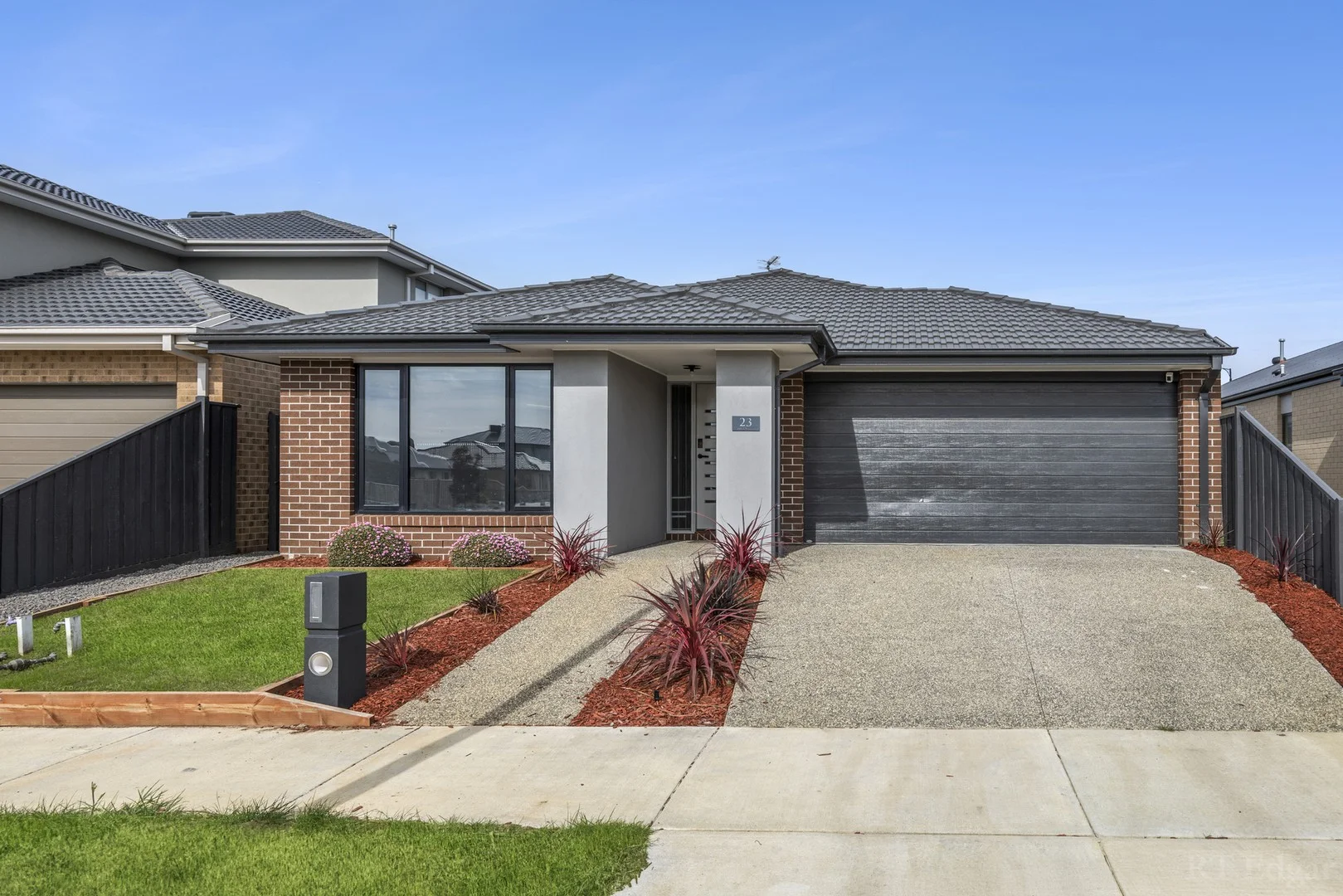 $599,000 - $658,900
House
$599,000 - $658,900
House
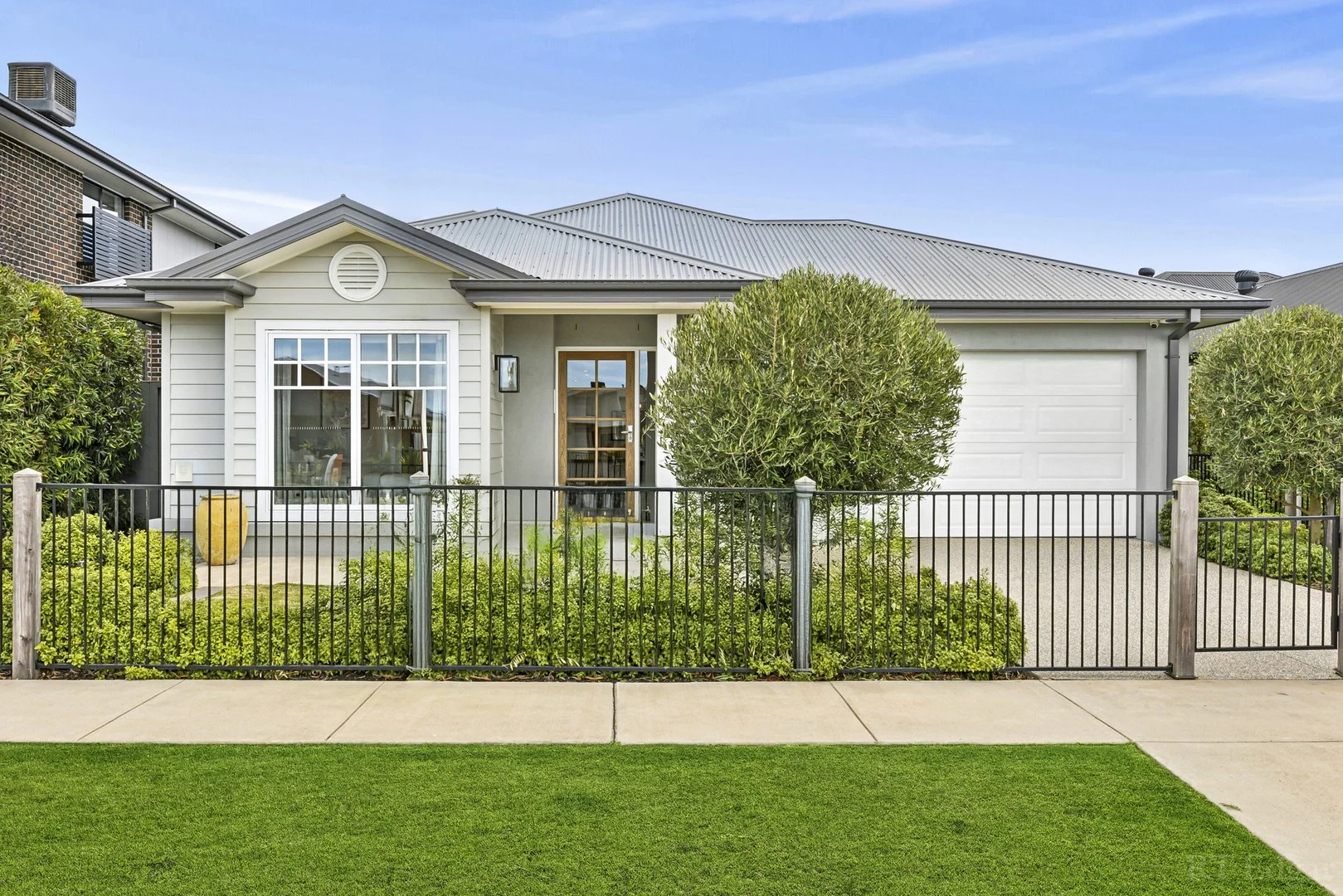 $877,800 - $965,580
House
$877,800 - $965,580
House
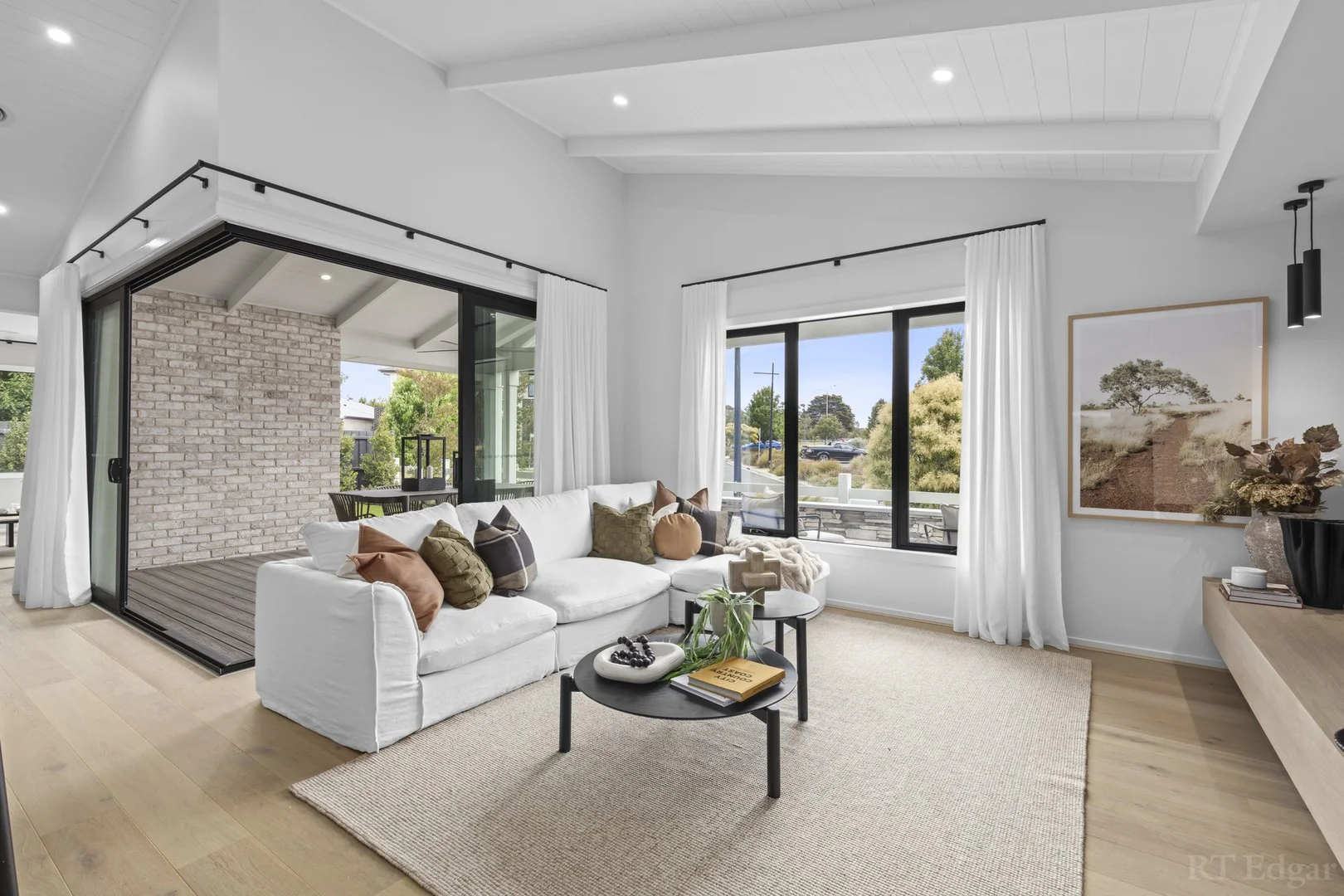 $1,022,295 - $1,124,524
House
$1,022,295 - $1,124,524
House
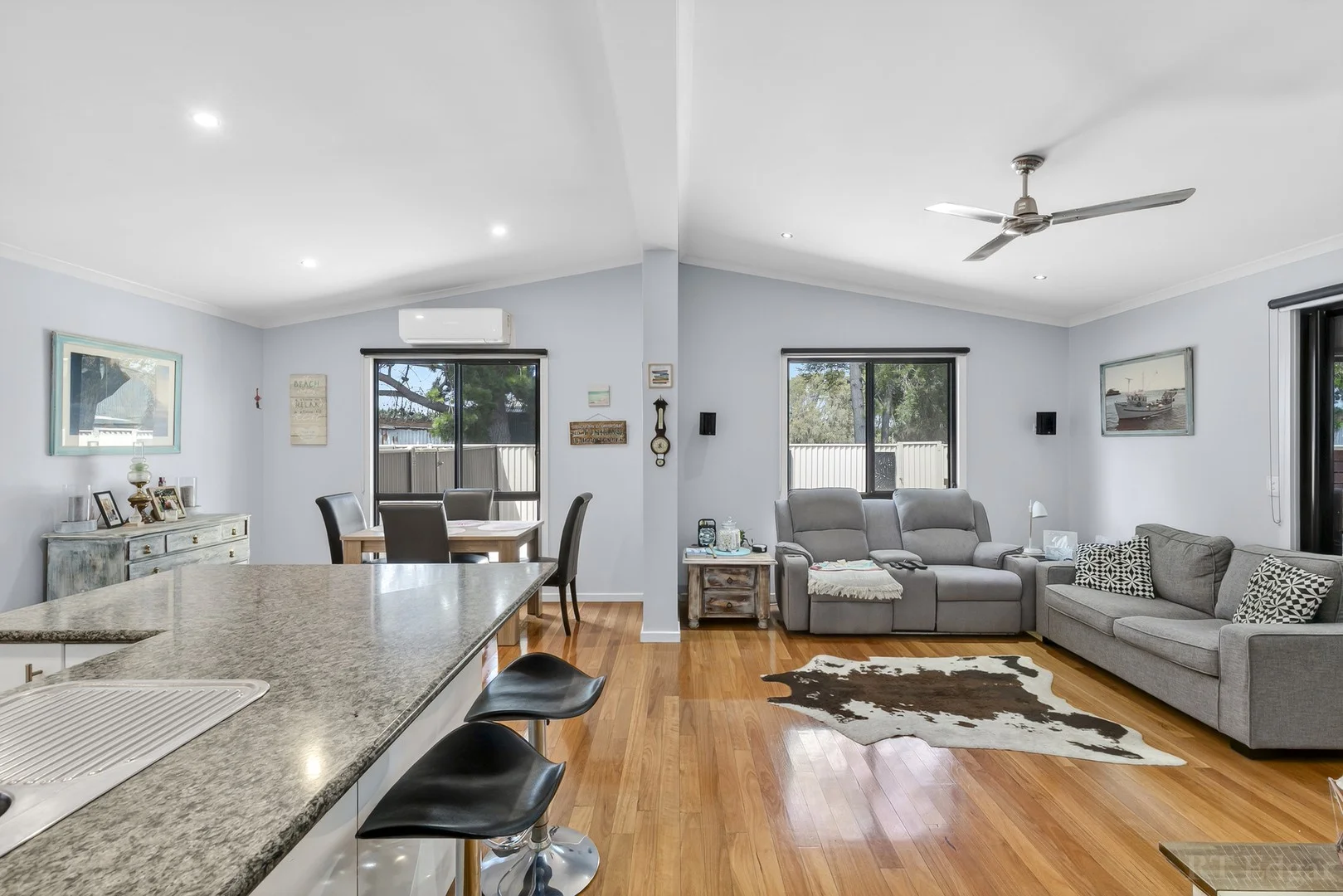 $538,175 - $591,992
Apartment / Unit / Flat
$538,175 - $591,992
Apartment / Unit / Flat
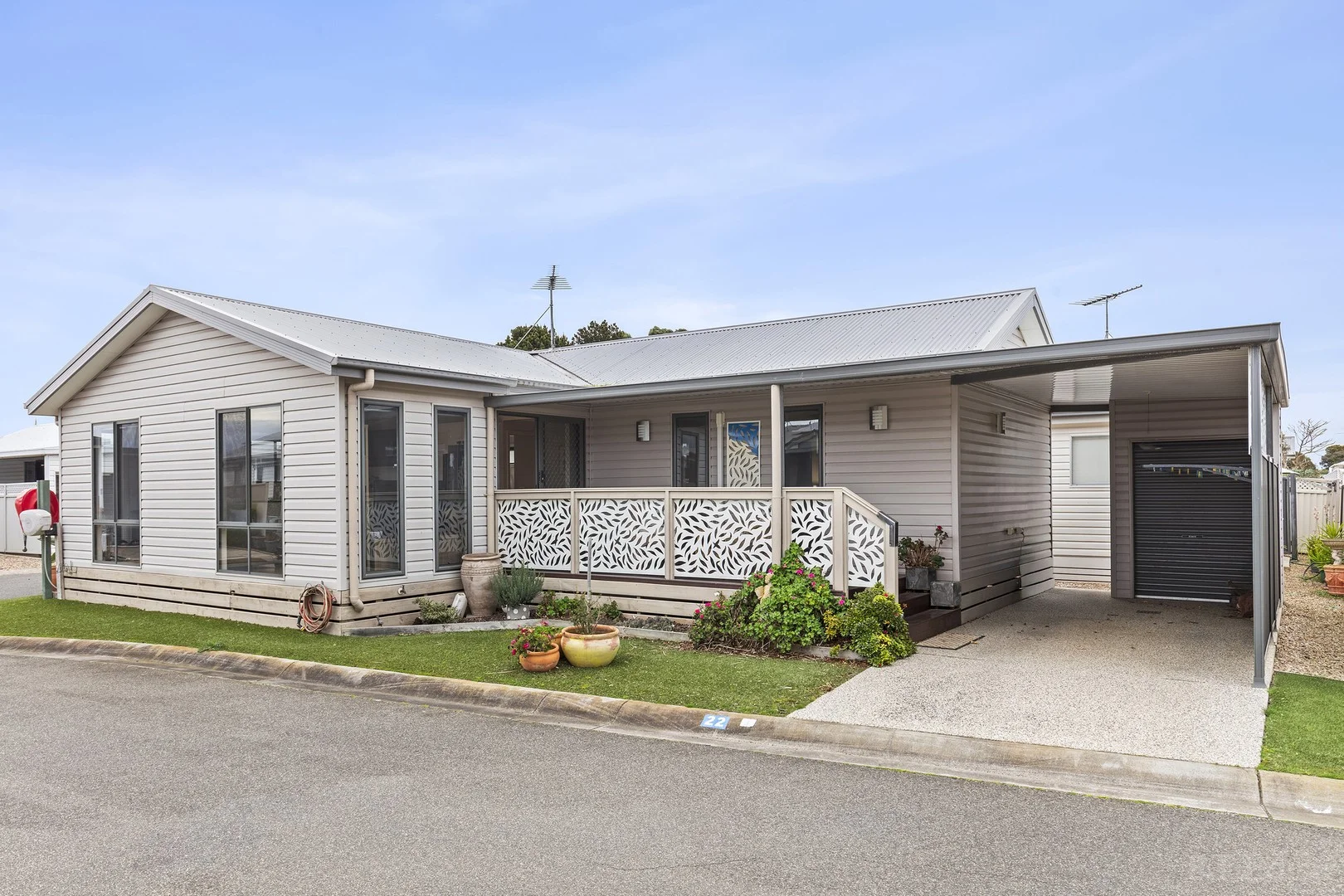 $428,450 - $471,295
House
$428,450 - $471,295
House
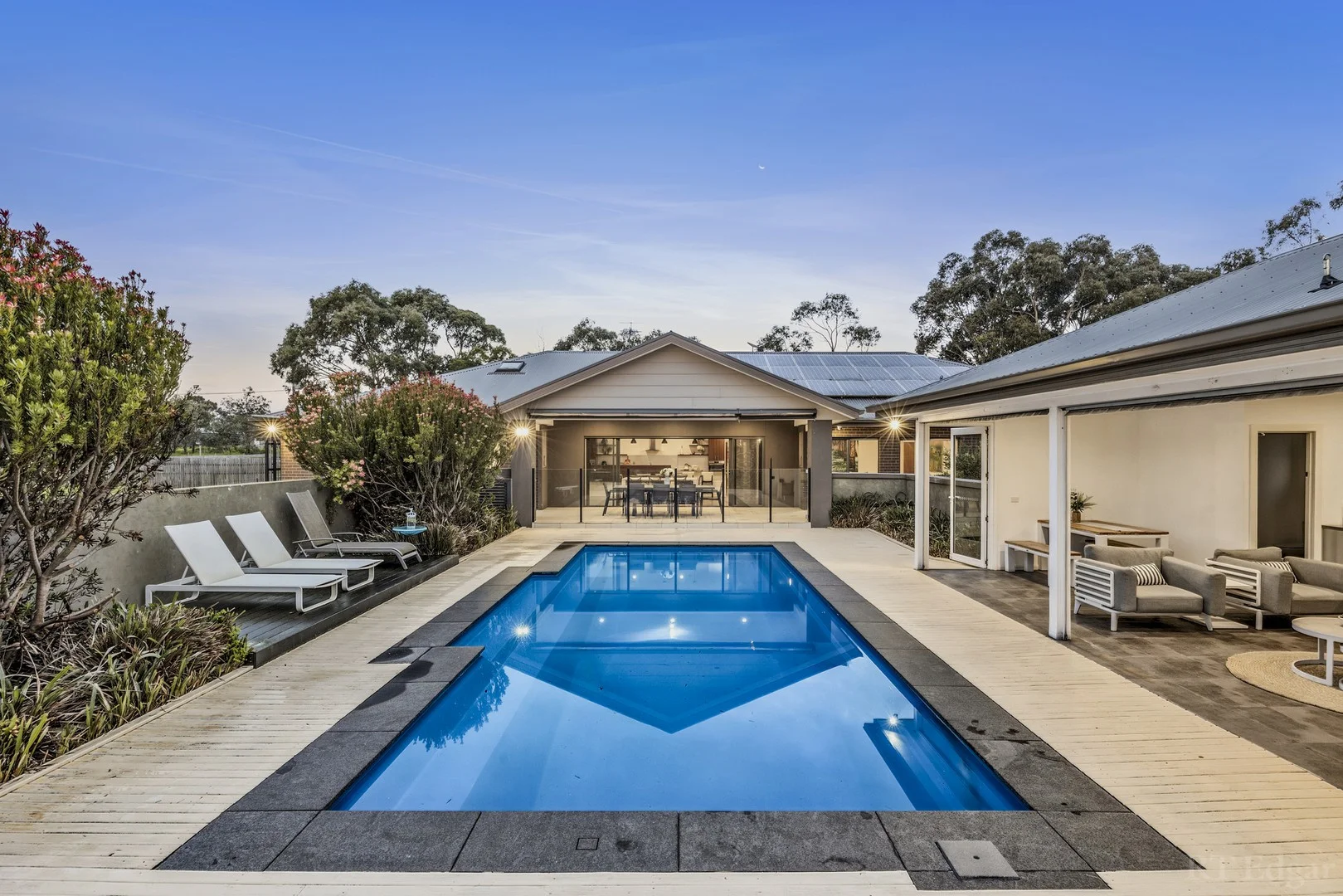 $3,006,750 - $3,307,425
House
$3,006,750 - $3,307,425
House
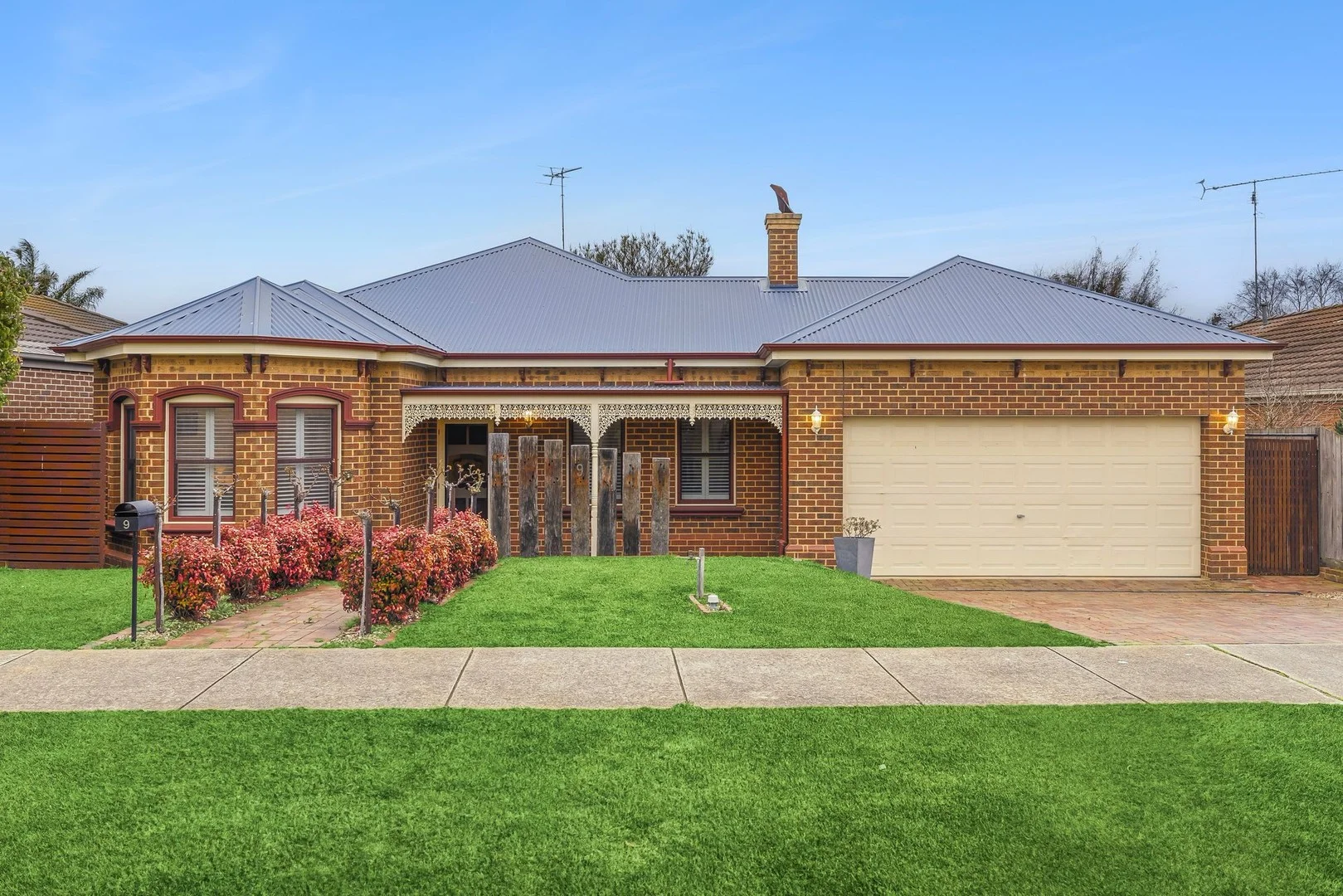 $830,000 - $890,000
House
$830,000 - $890,000
House
 $810,000
House
$810,000
House
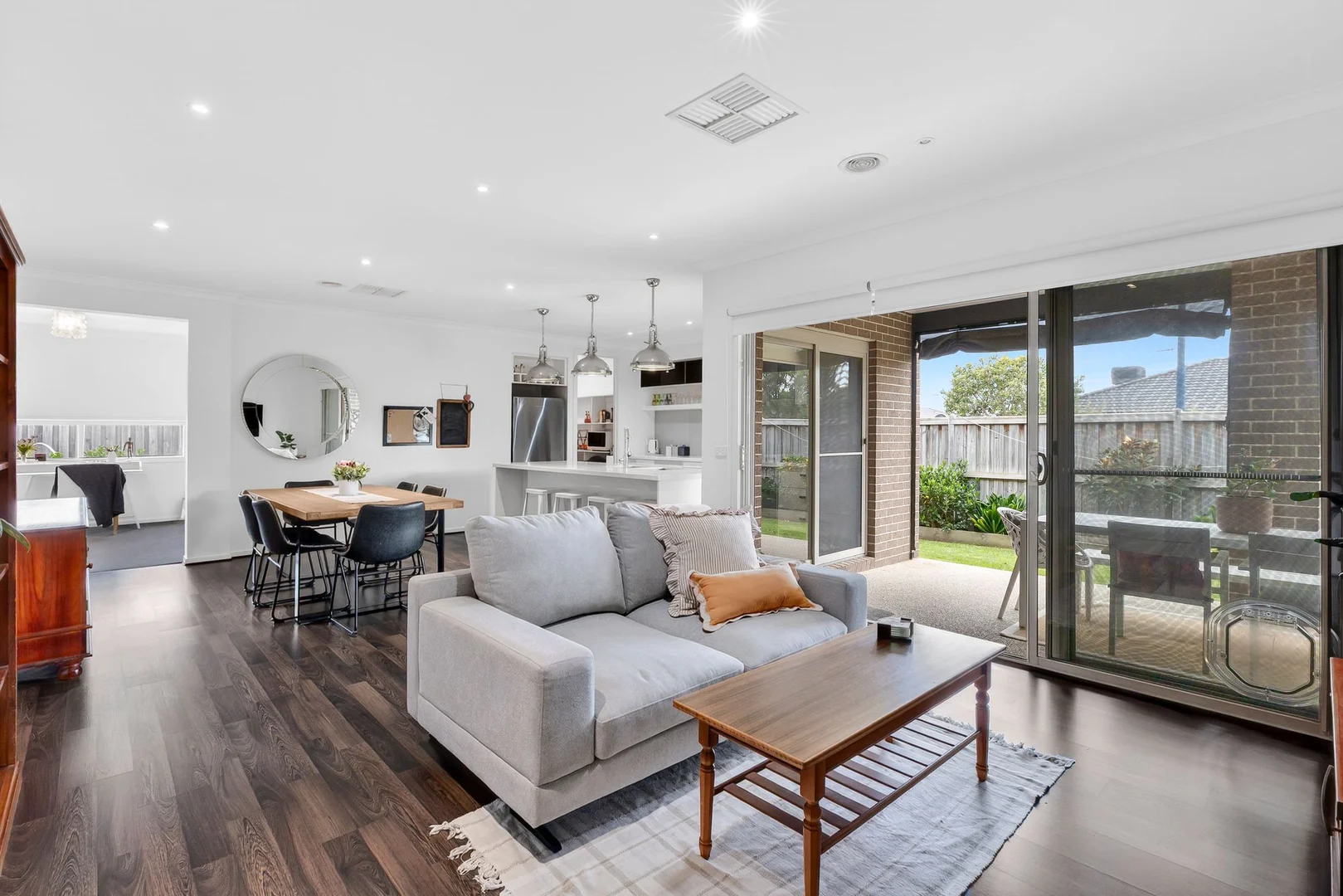 $840,000 - $880,000
House
$840,000 - $880,000
House


