Overview
## 1. Overview
The Village School Gold Coast is a private/independent school on the Gold Coast offering a close-knit, community-driven education. The campus is designed for a small-to-medium student cohort, fostering strong teacher-student relationships and a warm, supportive atmosphere.
- School type: Private/independent
- School size: Small to medium
- Class size: Approximately 15–22 students per class (varies by year level)
- Atmosphere/culture: Nurturing, inclusive, academically oriented
The school aims to combine academic rigour with wellbeing and character development, creating a culture where students feel seen, supported, and challenged to grow across academics, sport, arts, and community involvement.
---
## 2. Academics & Learning
The Village School Gold Coast focuses on a balanced curriculum that supports strong academic outcomes while developing critical thinking, creativity, and leadership.
- Academic strengths: Emphasis on literacy and numeracy, solid STEM and English foundations, leadership development, and language options.
- Special programs: Extension or gifted/talented pathways, opportunities for accelerated learning where available, and targeted enrichment activities; typically complemented by small-group support.
- NAPLAN / trends: Historical trends show stable to improving performance in reading and numeracy with ongoing emphasis on outcomes; annual results are shared with families.
- Student-teacher ratios: Generally around 1:9 to 1:15, depending on year level and cohort.
- Support for diverse learners: EAL support and SEN services are often available, with inclusive education practices and individualized learning supports as needed.
---
## 3. Sports & Extracurricular Strengths
Extracurricular life is a cornerstone for parents seeking a well-rounded education.
- Sports offered: A range of team and individual sports, including soccer, rugby/netball, basketball, tennis, swimming, and athletics.
- Strong teams or achievements: Students regularly participate in local and regional competitions; school-level achievements and championships are celebrated.
- Music, arts, drama programs: Active music program (ensembles, bands), drama production opportunities, and visual arts experiences.
- Clubs: Robotics, chess, coding, debating, and other interest-based clubs are commonly available.
- Partnerships: Local clubs, community organizations, and regional competitions often provide partnerships and pathways for additional opportunities.
---
## 4. Wellbeing & Pastoral Care
Wellbeing and pastoral care are priorities, with programs designed to support every student.
- Anti-bullying approach: Proactive education, clear reporting channels, restorative practices, and student-led wellbeing initiatives.
- House system: A house structure to foster belonging, leadership, and camaraderie through events and friendly competition.
- Counsellors / wellbeing officers: On-site counselors or wellbeing staff to support mental health, resilience, and transitions.
- Transition support for new students: Orientation programs, buddy systems, and targeted supports to assist with adjusting to a new school environment.
---
## 5. Facilities
Facilities are designed to be functional and engaging, supporting both learning and wellbeing.
- Sports grounds
- Libraries
- Science labs
- Music/performing arts centers
- Tech/innovation labs
- Cafeteria
- Updated playgrounds
The campus aims to provide modern spaces that inspire exploration, collaboration, and hands-on learning across subject areas and activities.
---
## 6. School Values & Community Culture
Understanding the school’s ethos helps families gauge fit and long-term alignment.
- School values / mission: A focus on respect, integrity, resilience, inclusion, and excellence in learning.
- Leadership style: Collaborative and accessible leadership that encourages student voice and staff partnership with families.
- Behaviour expectations: Clear codes of conduct with positive behaviour supports and restorative approaches.
- Community reputation: Known for a welcoming, family-oriented community that values student wellbeing and holistic development.
- Diversity & inclusion: Commitment to diverse backgrounds and inclusive practices that support all learners.
---
## 7. School Logistics & Daily Operations
Practical day-to-day details to help families plan.
- School hours: Typically around 8:00–3:00 (varies by year level), with some early or late options.
- Before/after school care: Availability of before/after care or supervision, depending on campus arrangements.
- Uniform requirements: School uniform is required, with specific items by year level and terms.
- Transport (train/bus routes): Bus services or public transport options commonly provided or supported; check exact routes for your area.
- Canteen availability: Canteen or healthy dining options on campus.
- Fees (low/medium/high ranges): Fees fall in the private school range; exact amounts vary by year level and program.
---
## 8. Enrolment & Admissions
11. What is the enrolment process and timeline?
- Inquiry and information session
- Online application submission with required documents (birth certificate, school reports, immunisation records, etc.)
- Application fee (if applicable)
- Screening steps (interview and/or placement tests) and teacher observations
- Offer of place and acceptance
- Enrolment confirmation and onboarding
12. Is there a waiting list, and how does it work?
- Yes, popular year levels may have a waiting list. Priority often given to siblings and returning families; waitlisted applicants are placed with consideration of balance across year groups and availability.
13. Are there any entry requirements, tests, or interviews?
- Yes. Expect an interview and/or placement assessment to determine academic readiness and fit, along with submission of previous school reports and any relevant documentation. English language proficiency assessments may be used for EAL learners.
14. Does the school accept mid-year transfers?
- Mid-year transfers are possible subject to vacancy and curriculum alignment. The process typically includes assessments, transcripts, and an agreed transition plan to ensure continuity.
---
## 9. Frequently Asked Questions
- Why Parents Choose This School?
- Families often value individualized attention in a close-knit community, a strong wellbeing focus, balanced academics with opportunities in sport and arts, and a supportive environment for personal growth.
- What type of student thrives at this school?
- Students who are motivated, collaborative, curious, and engaged across academics, sports, and creative pursuits tend to do well. The school supports varied interests and strengths.
- What opportunities are available for students to extend their skills (academics, sports, arts)?
- Extension programs, leadership opportunities, advanced coursework or acceleration where offered, competitive sports participation, music and drama programs, robotics, coding, debating, and other clubs.
- How does the school communicate with parents?
- Regular newsletters, a parent portal or learning management system, parent-teacher meetings, and direct contact with teachers and administration as needed.
- What is the school’s approach to teaching and learning?
- A balanced, student-centered approach that combines rigorous academics with project-based learning, wellbeing, and digital literacy.
- How does the school support students who need extra academic help?
- Targeted tutoring, learning support staff, personalised learning plans, and small-group instruction as available.
- What support is available for academic challenges?
- Access to learning support, counselling for academic planning, and strategies to build resilience and study skills.
- What are the class sizes and how much individual attention do students receive?
- Class sizes are relatively small (around 15–22 students), enabling more teacher interaction, targeted feedback, and personalised support.
- What extracurricular and sports opportunities are available?
- A broad range of sports and clubs, including team sports, arts, robotics, coding, debating, and other interest-based activities.
- What facilities does the school offer (sports, science, arts)?
- Comprehensive facilities across sports grounds, libraries, science labs, performing arts spaces, tech labs, and dining areas.
- What is the school’s approach to technology and digital learning?
- Emphasis on digital literacy, safe online learning practices, and integration of technology to enhance teaching and student collaboration.
- What transport and accessibility options are available?
- Transport options typically include school-supplied or recommended bus routes and guidance on local public transport; accessibility considerations are addressed as part of campus planning.
- What are the typical school fees or additional costs?
- Fees exist as part of private education; exact amounts vary by year level and program. Contact the school for current tuition, uniforms, excursions, and activity costs.
---
## 10. Short Pros & Cons list
Pros
- Small to medium class sizes promoting individual attention
- Holistic education with strong emphasis on wellbeing
- Broad range of sports, arts, and clubs
- Supportive, inclusive community
- Modern facilities and hands-on learning spaces
Cons
- Private school fees and additional costs
- Availability may be limited in popular year levels
- Mid-year transfers depend on vacancies and alignment with curriculum
- Transition may require adjustment for families relocating from different systems
If you’d like, I can tailor this content further with any specific details you have from The Village School Gold Coast (such as exact year ranges, current programs, or recent facility updates) to improve accuracy.







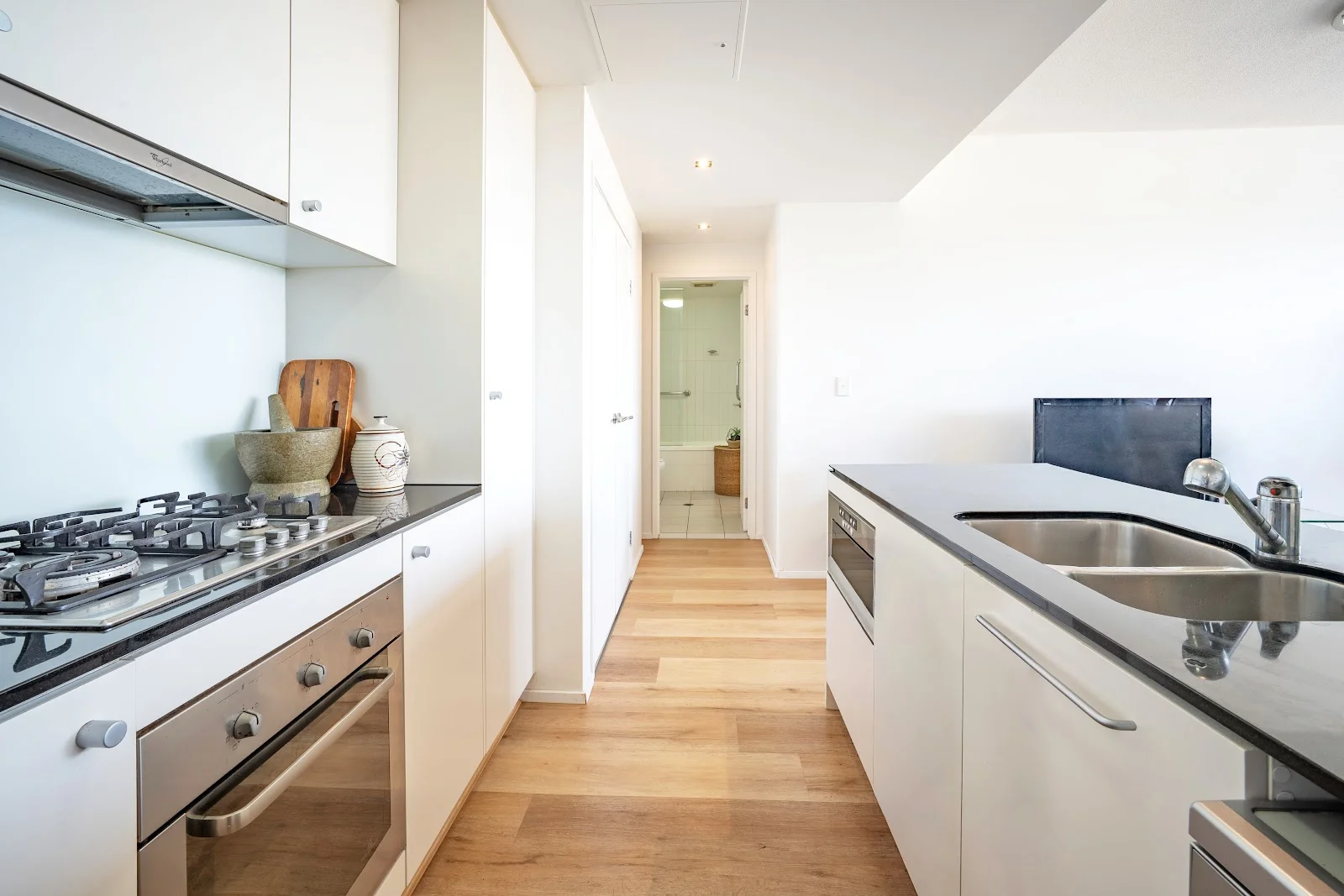 $750,000
Apartment / Unit / Flat
$750,000
Apartment / Unit / Flat
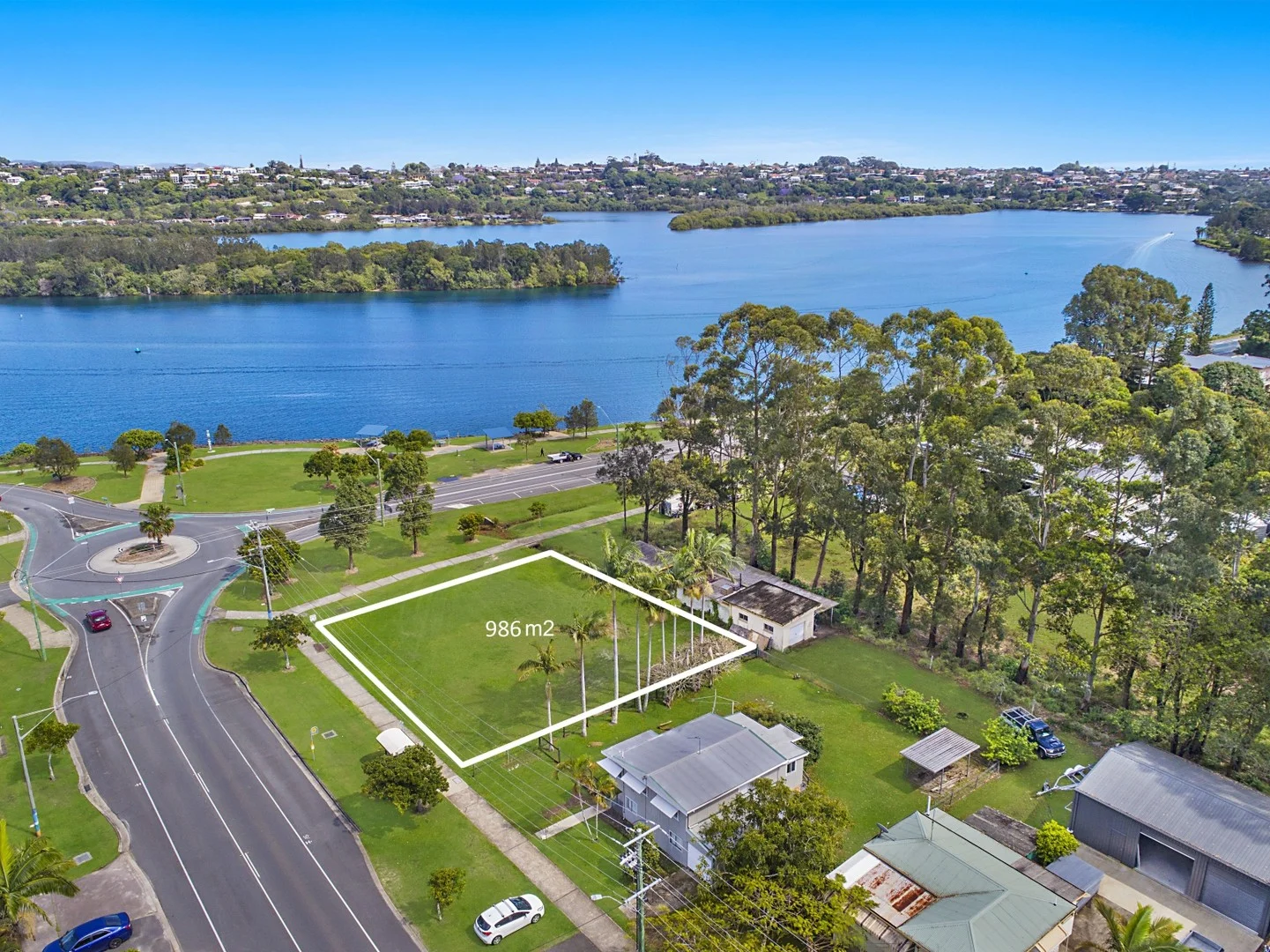 $1,000,000
Vacant Land
$1,000,000
Vacant Land
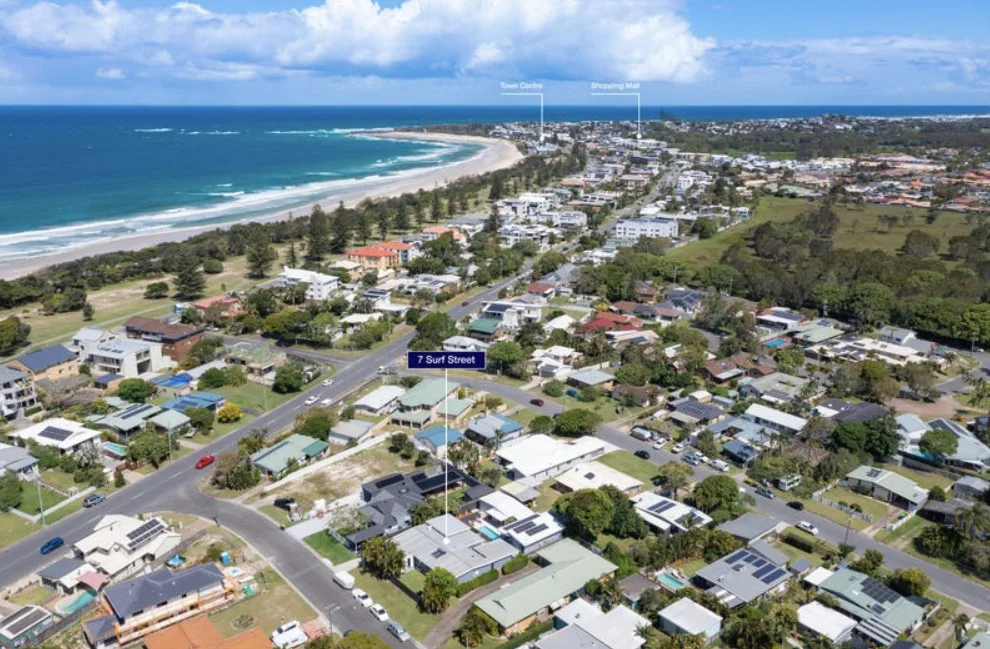 $2,200,000 - $2,350,000
House
$2,200,000 - $2,350,000
House