Overview
## 1. Overview
West Coast Steiner School (Wannallamara area, WA) is a private/independent school following the Steiner (Waldorf) education philosophy. It offers a child-centred, holistic approach that weaves academic learning with arts, crafts, music, and practical activities to support the development of the whole child. The school tends to focus on a nurturing, inclusive environment where creativity, imagination, and personal growth are valued alongside academic progress.
- School type: Private/independent
- School size: Small to medium
- Class size: Generally small to medium classes (typical ranges around 14–22 students per class, depending on year)
- Atmosphere/culture: Nurturing, inclusive, arts-integrated, community-focused
⸻
## 2. Academics & Learning
West Coast Steiner School emphasises a holistic, developmentally appropriate approach to learning, with strong integration of arts, crafts, and hands-on activities alongside core academic subjects.
- Academic strengths: Arts-infused literacy and numeracy, humanities and social studies, music and drama, handcrafts, and nature/environmental education. Emphasis on creative problem-solving and oral storytelling.
- Special programs: Steiner/Waldorf approach as the core method; focus on developmental learning progression; opportunities for enrichment within a holistic framework; sometimes inclusion of language study (e.g., German) and practical arts as core elements.
- NAPLAN / Ofsted trends: In Australia, NAPLAN trends are part of state reporting; many Steiner schools emphasize progress in literacy and numeracy through internal assessment rather than focusing on test scores. Ofsted is a UK body and not applicable; in WA, school oversight comes from state education authorities and independent school processes. If available, NAPLAN trend data would be publicly reported by the WA Department of Education, but the school will typically highlight holistic progress and literacy/numeracy development rather than test scores alone.
- Student-teacher ratios: Generally smaller class sizes with favorable student-teacher ratios, supporting more individual attention and responsive teaching.
- Support for diverse learners: Strong focus on inclusive practices, with support for EAL/D learners and students with SEN through individualized planning, targeted support, and collaboration with families.
⸻
## 3. Sports & Extracurricular Strengths
Extracurricular life is important in this context, with opportunities that complement the Steiner approach and appeal to families seeking well-rounded development.
- Sports offered: Common team and individual activities such as soccer, netball, basketball, athletics, swimming, and outdoor education activities.
- Strong teams or achievements: Participation in regional and inter-school events, with a focus on teamwork, sportsmanship, and personal bests rather than high-pressure competition.
- Music, arts, drama programs: Music ensembles, choir, recorder, drama/theatre, and eurythmy (where offered in Steiner settings); regular opportunities to perform and showcase work.
- Clubs: Robotics, coding, chess, debating, and other hands-on clubs may be offered to extend practical and intellectual skills.
- Partnerships: Participation in local arts and sport programs, connections with WA Steiner associations, and inter-school events or competitions through the Steiner network.
⸻
## 4. Wellbeing & Pastoral Care
Wellbeing and pastoral care are central to the school’s ethos, supporting students through transitions and daily life at school.
- Anti-bullying approach: Culture of respect and inclusion with restorative practices and open communication channels to address concerns.
- House system: House or form-group structure used to foster belonging, mentorship, and pastoral care through regular activities and ceremonies.
- Counsellors / wellbeing officers: Access to wellbeing support and staff trained in pastoral care to help students manage social and emotional needs.
- Transition support for new students: Orientation programs, buddy systems, and teacher-led introductions to help new students settle in smoothly.
⸻
## 5. Facilities
Facilities are designed to support a balanced, arts-integrated education and safe, engaging spaces for students.
- Sports grounds: Outdoor playing fields or courts for physical education and recreation.
- Libraries: Resource-rich spaces supporting reading, research, and quiet study.
- Science labs: Practical science spaces for inquiry and hands-on experiments.
- Music/performing arts centers: Rooms or halls for music classes, rehearsals, and performances.
- Tech/innovation labs: Age-appropriate technology spaces that encourage exploration and project work.
- Cafeteria: On-site or arranged lunch options and a space for students to eat together.
- Updated playgrounds: Safe, age-appropriate play areas and outdoor learning spaces.
⸻
## 6. School Values & Community Culture
The school’s values shape the daily life, leadership, and community interactions.
- School values / mission: Emphasis on creativity, curiosity, compassion, responsibility, and respect; education designed to develop inner motivation and social responsibility.
- Leadership style: Collaborative, reflective, and teacher-student partnership; emphasis on modeling and mentoring.
- Behaviour expectations: Respectful, considerate conduct with restorative approaches to conflict and discipline.
- Community reputation: Known for being welcoming, supportive, and engaged within the local community; strong parent involvement in school life.
- Diversity & inclusion: Committed to inclusive practices and welcoming students from diverse backgrounds.
⸻
## 7. School Logistics & Daily Operations
Practical details to help families plan around school life.
- School hours: Typical school day aligned with WA norms (early morning to mid-afternoon) with potential for extended care options.
- Before/after school care: Often available, with supervision and activities before and after the core day.
- Uniform requirements: Standard school uniform with sport-specific attire for PE or activities.
- Transport (bus routes): Access to local bus routes or family drop-off/pick-up arrangements; proximity to public transport may be a factor.
- Canteen availability: Canteen or lunch program available, with options or meal ordering.
- Fees (low/medium/high ranges): Private/independent school fees typically in the mid-to-high range relative to state schooling; additional costs may include uniforms, excursions, and materials.
⸻
## 8. Enrolment & Admissions
11. What is the enrolment process and timeline?
- Submit an online or paper application and family information.
- Attend an information session or tour; complete any required family interviews.
- Child observation or informal assessment may occur as part of readiness for Steiner education.
- Receive an offer of enrolment (if space is available) and complete the enrolment paperwork with deposit.
- Confirm start date and onboarding steps.
12. Is there a waiting list, and how does it work?
- Waiting lists are common when spaces are limited; priority may be given to siblings or local families, depending on the school’s criteria.
- Families on the waiting list are kept informed about expected timelines and opportunities to secure a position.
13. Are there any entry requirements, tests, or interviews?
- Interviews with families and age-appropriate observation of the student are typical.
- There may not be formal entrance exams; the focus is on alignment with the Steiner approach and readiness for the program.
- The school may request information about the child’s learning needs and any support in place at home or in previous schooling.
14. Does the school accept mid-year transfers?
- Mid-year transfers may be considered if space is available; timing and placement depend on current cohorts and readiness for the program.
⸻
## 9. Frequently Asked Questions
- Why Parents Choose This School?
- A holistic, creative, and community-focused education that fosters curiosity, resilience, and social-emotional development.
- What type of student thrives at this school?
- Students who enjoy hands-on learning, arts and crafts, storytelling, collaboration, and a pace that supports deep understanding rather than rote memorization.
- What opportunities are available for students to extend their skills (academics, sports, arts)?
- Strong arts integration (music, drama, visual arts, handcrafts), languages, outdoor education, and clubs (coding, robotics, chess, debating), plus involvement in regional and Steiner networks.
- How does the school communicate with parents?
- Regular newsletters, parent-teacher meetings, student progress updates, school events, and digital platforms or apps used for announcements and documentation.
- What is the school’s approach to teaching and learning?
- Developmentally appropriate, experiential learning with an emphasis on creativity, practical activities, and interdisciplinary connections; small class sizes support individualized attention.
- How does the school support students who need extra academic help?
- Targeted support within the classroom, learning adjustments, and coordinated plans with families; access to additional tutoring or specialist input as needed.
- What support is available for academic challenges?
- Early identification of learning needs, collaboration with families, and appropriate accommodations or interventions aligned with the Steiner framework.
- How does the school communicate with parents?
- See above; ongoing conversations through meetings, newsletters, updates, and school events.
- What are the class sizes and how much individual attention do students receive?
- Class sizes are small to medium, enabling more individualized feedback and teacher attention.
- What extracurricular and sports opportunities are available?
- Sports, music, drama, arts, and clubs that align with the school’s holistic approach (e.g., robotics, coding, chess, debating).
- What facilities does the school offer (sports, science, arts)?
- Sports grounds, libraries, science labs, music/performing arts spaces, technology labs, canteen, and age-appropriate playgrounds.
- What is the school’s approach to technology and digital learning?
- Age-appropriate integration of technology with guidance from teachers; emphasis on responsible use and project-based learning.
- What transport and accessibility options are available?
- Local transport options and school-arranged arrangements; clear drop-off/pick-up zones and accessible facilities where appropriate.
- What are typical school fees or additional costs?
- Fees are in the private school range; additional costs may include uniforms, excursions, materials, and activity fees.
⸻
## 10. Short Pros & Cons list
- Pros
- Holistic, arts-integrated learning aligned with Steiner philosophy.
- Small to medium class sizes enabling individual attention.
- Strong emphasis on wellbeing, community, and inclusive practices.
- Rich extracurriculars in arts, music, drama, and practical crafts.
- Supportive environment for families and steady progression through the school years.
- Cons
- Private school fees may be higher than public options.
- The holistic, non-traditional approach may not suit families seeking a purely exam-focused pathway.
- Availability of spaces can be limited; waiting lists may apply.
- Some specialized programs (e.g., certain sports or clubs) may have limited capacity depending on enrolment.
⸻
If you’d like, I can tailor this content further with any specific details you have from the school (for example, exact year levels offered, current club offerings, or current transport options) to tighten accuracy for enrolment decisions.









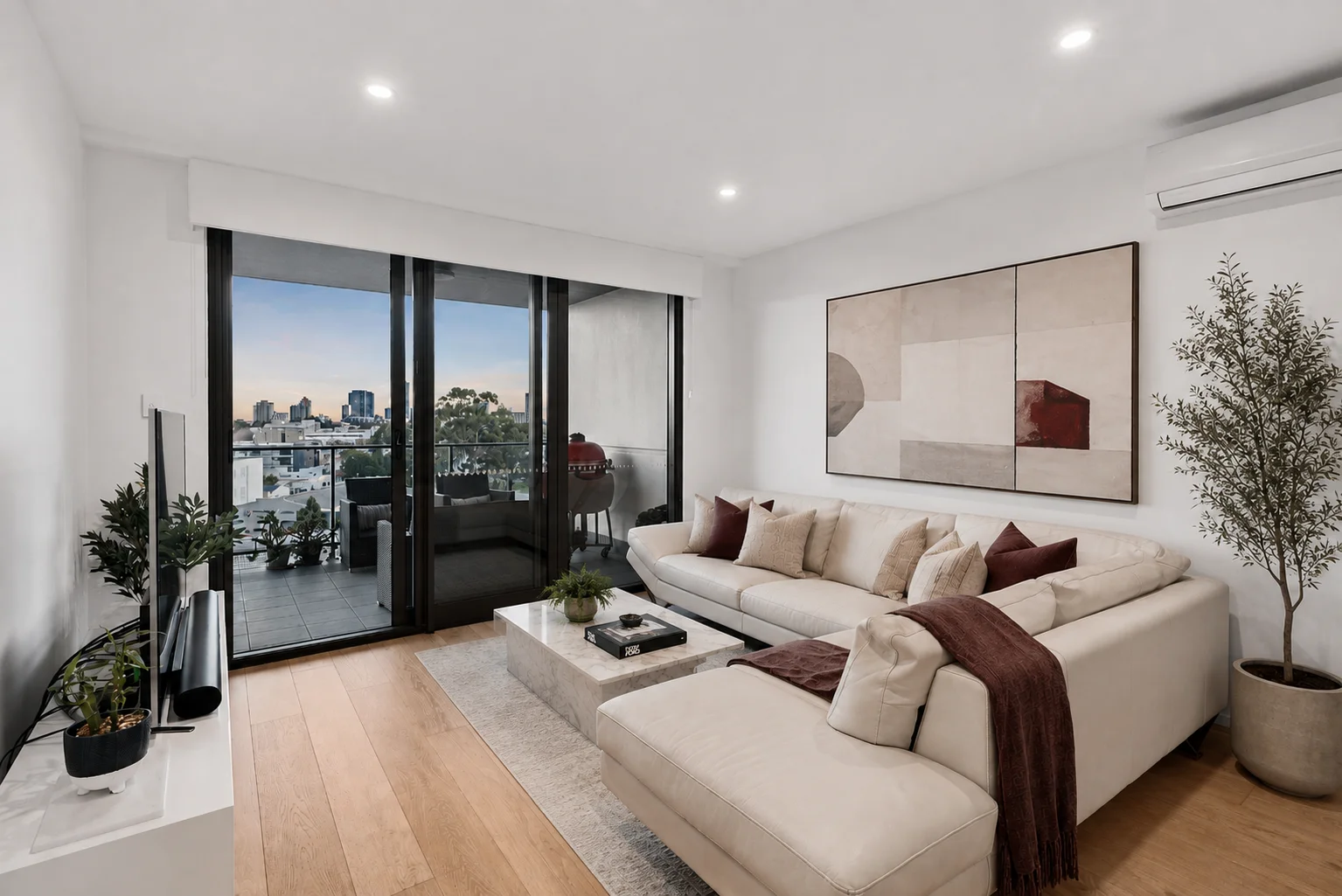 $700,000
Apartment / Unit / Flat
$700,000
Apartment / Unit / Flat
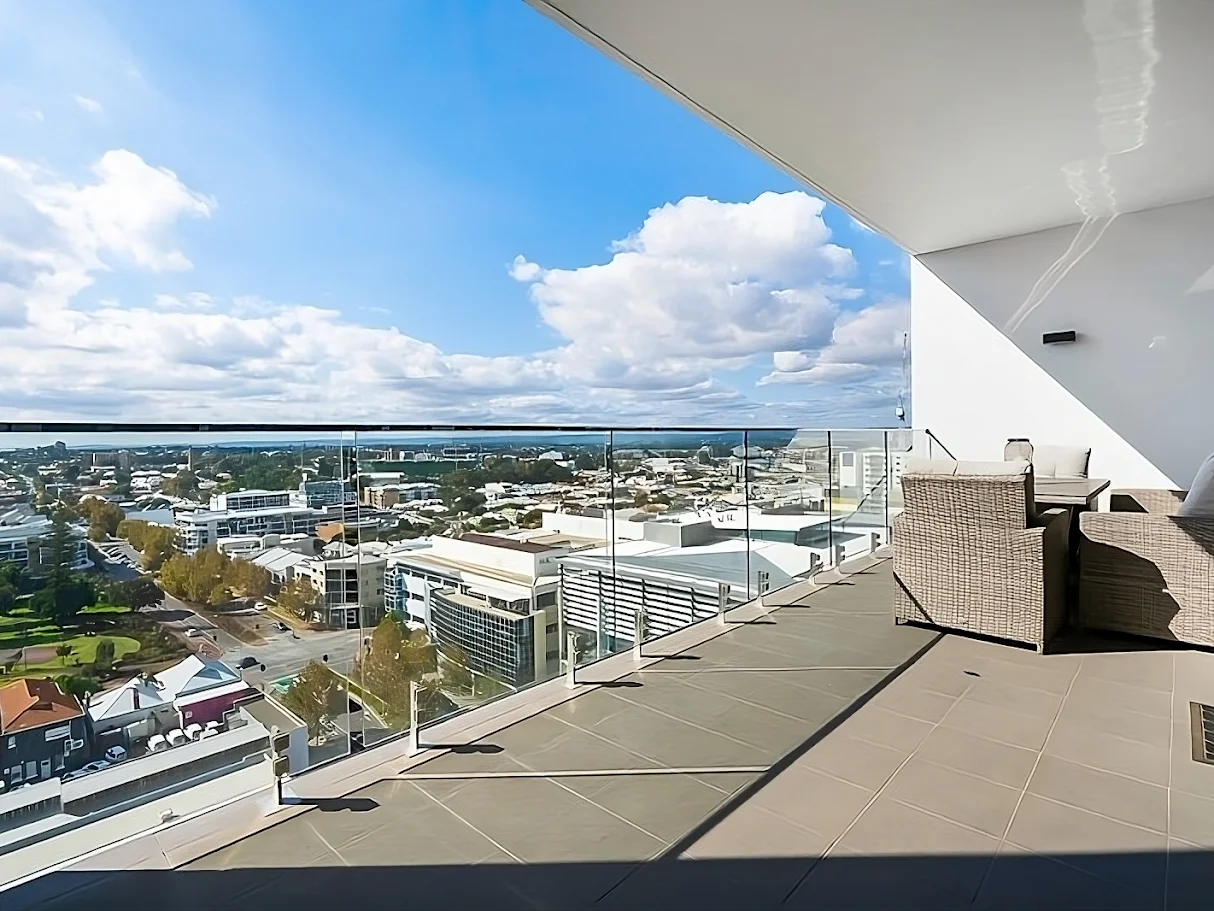 $580,000
Apartment / Unit / Flat
$580,000
Apartment / Unit / Flat
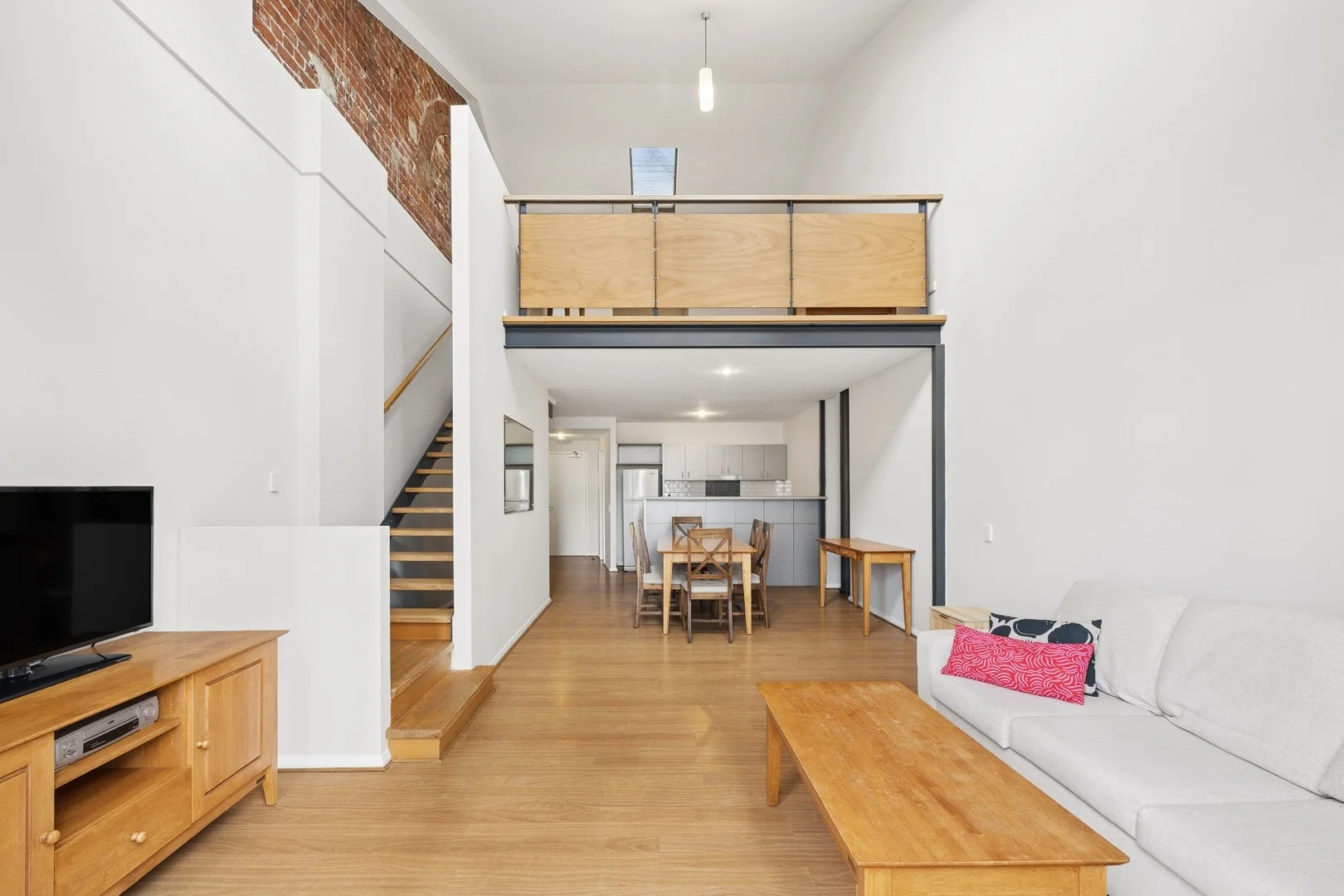 $549,000
Apartment / Unit / Flat
$549,000
Apartment / Unit / Flat
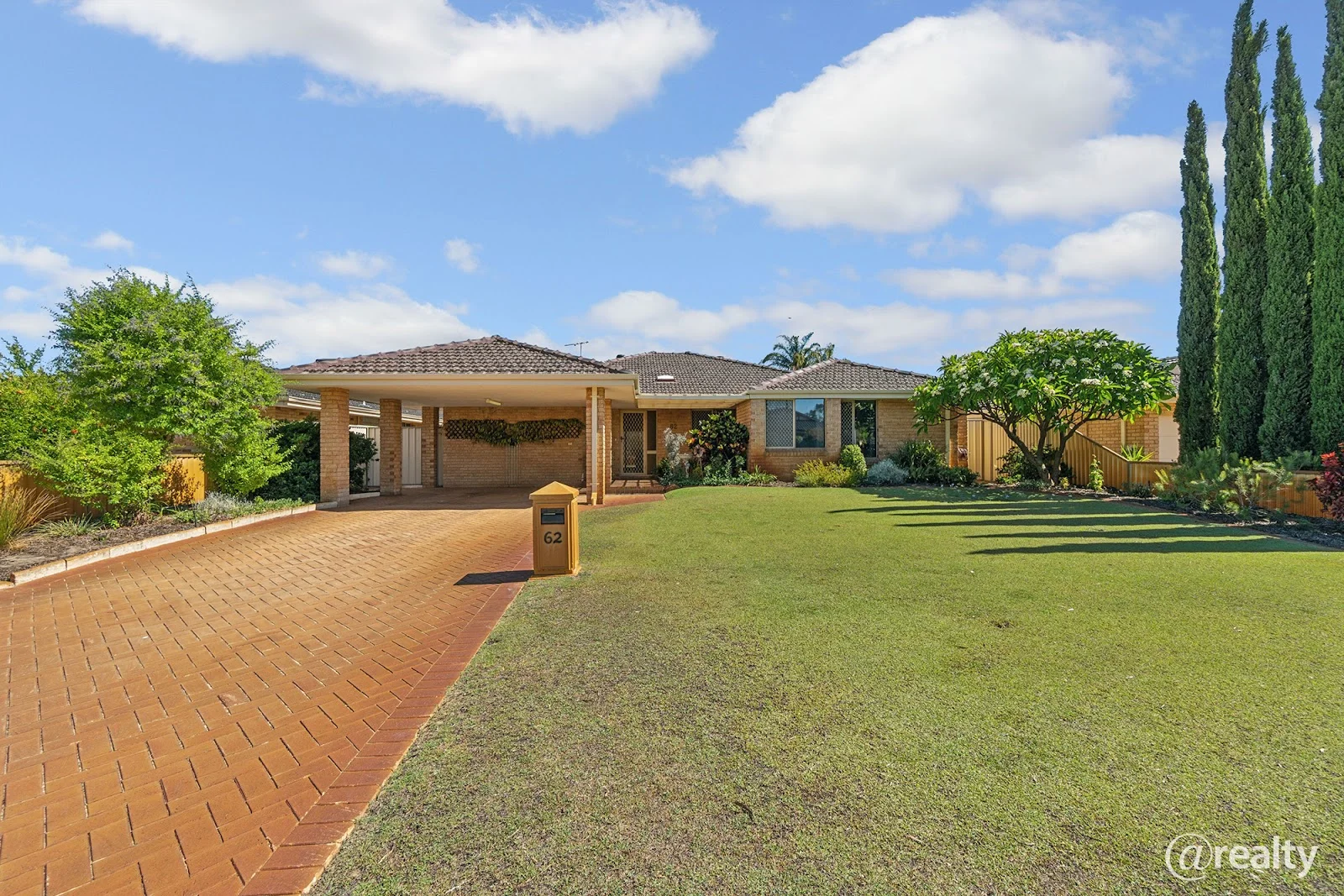 $1,099,000 - $1,153,950
House
$1,099,000 - $1,153,950
House
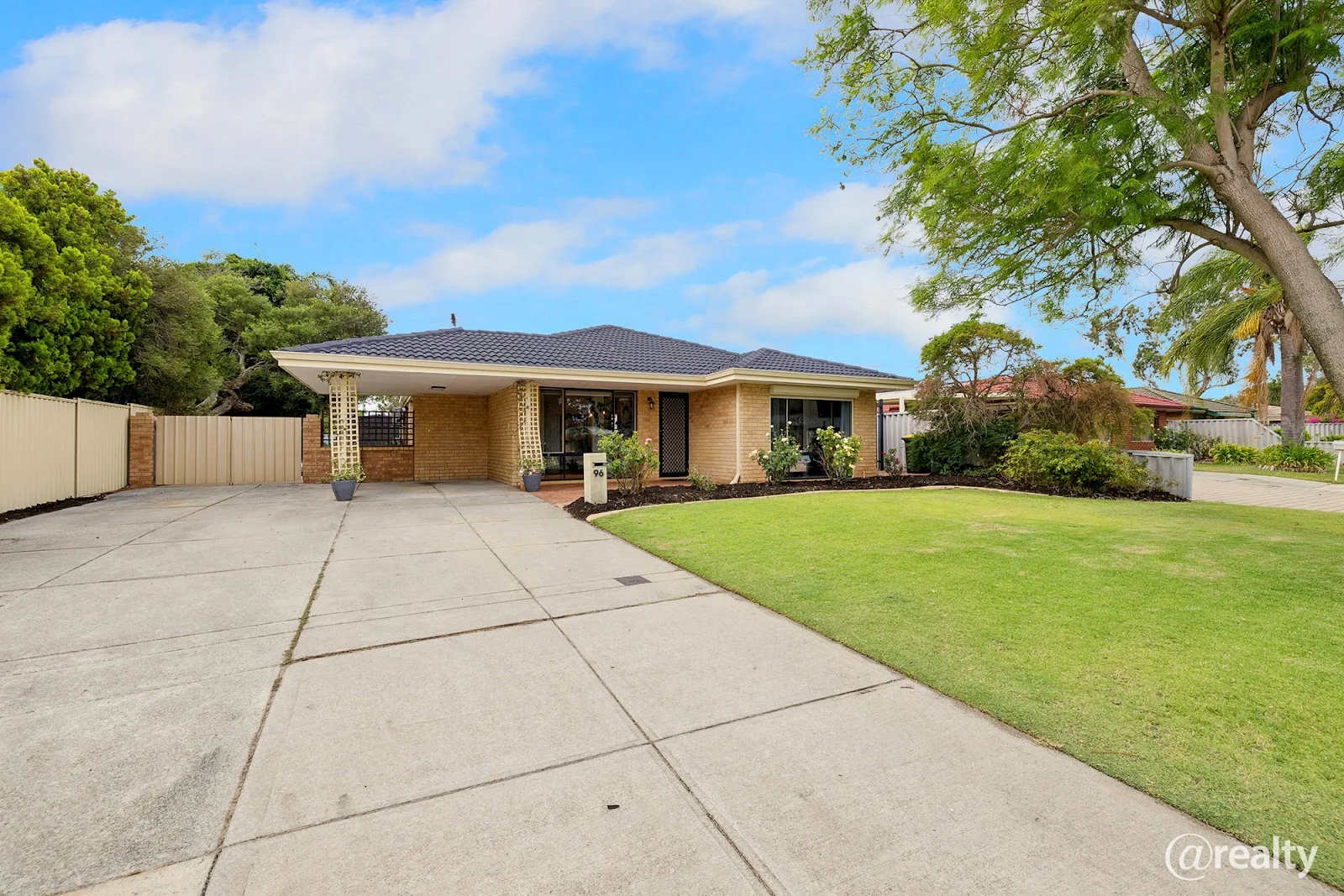 $899,000 - $943,950
House
$899,000 - $943,950
House
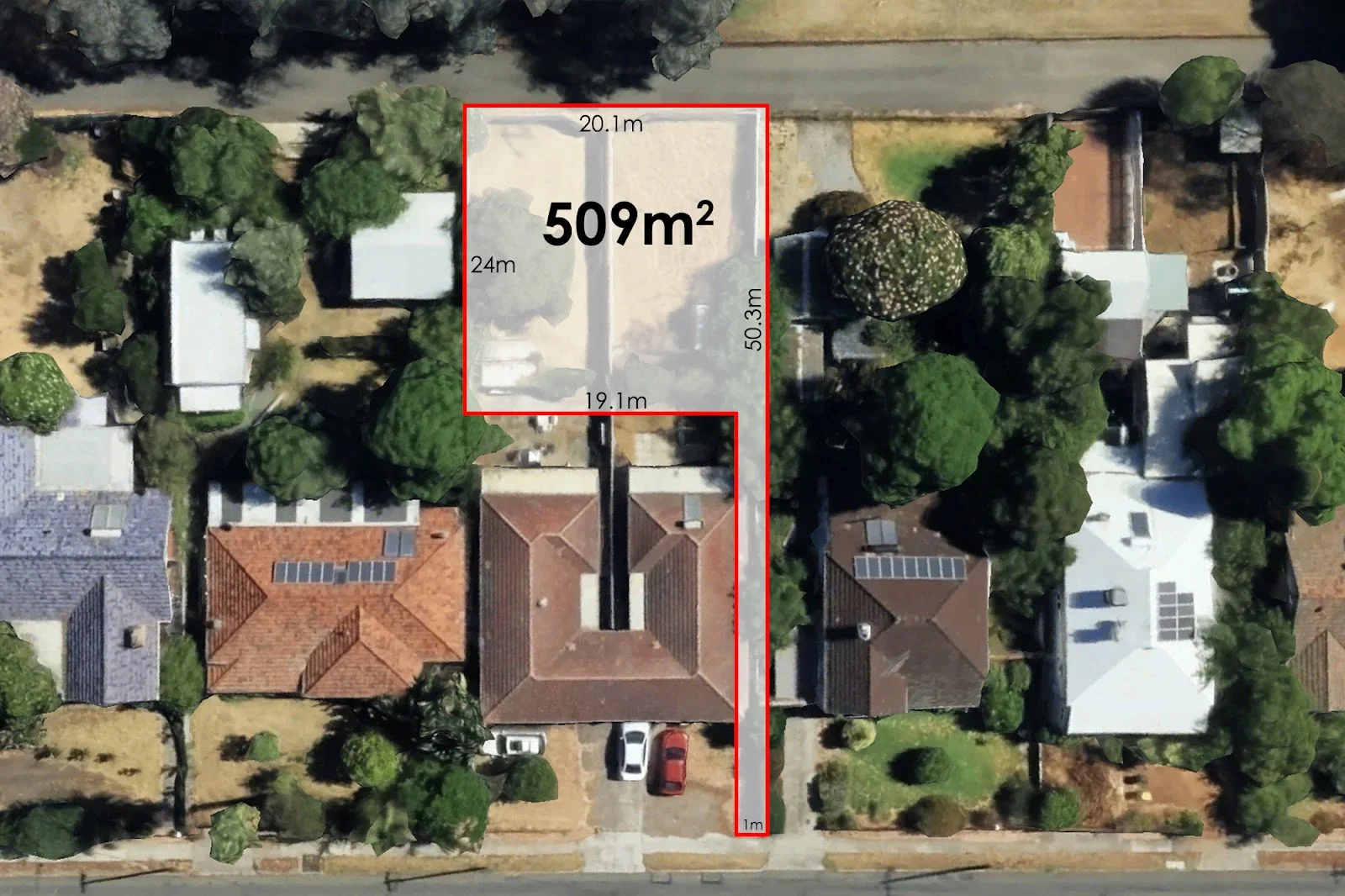 $480,000
Vacant Land
$480,000
Vacant Land