Overview
## 1. Overview
Willandra Rise Primary School is a public primary school serving the Clyde North community. The school aims to provide a welcoming, inclusive environment where students can grow academically, socially, and personally. It typically serves a medium-sized cohort and focuses on a nurturing atmosphere that supports diverse learners.
- School type: Public
- School size: Medium
- Class size: Typically mid-20s per class
- Atmosphere/culture: Nurturing, inclusive, diverse, with a focus on student wellbeing and belonging
⸻
## 2. Academics & Learning
Willandra Rise Primary School emphasises foundational literacy and numeracy, with programs and learning experiences designed to engage students across key subject areas. The curriculum often includes opportunities to explore STEAM, arts, and leadership through classroom activities and school programs.
- Academic strengths: English and numeracy foundations; emphasis on literacy and critical thinking; opportunities in STEM and arts
- Special programs: Integrated STEAM/projects, arts and music experiences, student leadership opportunities; targeted programs to support diverse learners
- NAPLAN / trends: Schools typically track year-to-year progress in reading and numeracy; check the school’s annual reports for current trend information
- Student-teacher ratios: Class sizes generally in the low- to mid-20s; overall student-teacher contact maintained to support learning
- Support for diverse learners: EAL and SEN support, differentiated learning plans, access to learning support staff and resources
⸻
## 3. Sports & Extracurricular Strengths
Extracurricular activities and sports are an important part of the school experience, with a range of options designed to engage students aged 10–14 and beyond.
- Sports offered: Soccer, basketball, netball, athletics, cricket, football/ruts common to primary programs
- Strong teams or achievements: Participation in inter-school events and house-based activities; emphasis on teamwork and fair play
- Music, arts, drama programs: Music groups, choir, performing arts opportunities, school productions
- Clubs: Robotics, coding, chess, debating, science clubs and other student-led groups
- Partnerships: Local clubs and community organizations often collaborate on competitions and showcases
⸻
## 4. Wellbeing & Pastoral Care
Wellbeing and pastoral care are prioritized to help students feel safe, supported, and ready to learn. The school typically uses structured approaches to support positive behaviour and student health.
- Anti-bullying approach: Clear policies and restorative practices to promote respect and safety
- House system: House groups to foster belonging, teamwork, and healthy competition
- Counsellors / wellbeing officers: Access to trained wellbeing staff to support social-emotional learning
- Transition support for new students: Orientation activities, buddy systems, and transition programs to help new entrants settle in
⸻
## 5. Facilities
Facilities are a key focus for families, with spaces designed to support a broad range of learning experiences.
- Sports grounds: Outdoor fields and courts for physical education and games
- Libraries: Modern library and learning spaces
- Science labs: Dedicated science facilities for hands-on experiments
- Music/performing arts centers: Dedicated rooms or spaces for music and drama
- Tech/innovation labs: Makerspace or STEM-focused areas for project work
- Cafeteria: On-site or nearby canteen facilities for meals and snacks
- Updated playgrounds: Safe, age-appropriate play areas and equipment
⸻
## 6. School Values & Community Culture
The school fosters a values-based culture with an emphasis on student voice, respect, and inclusion.
- School values / mission: Emphasis on respect, inclusion, responsibility, and resilience
- Leadership style: Distributed leadership with opportunities for student input and teacher collaboration
- Behaviour expectations: Clear, consistent expectations supported by positive reinforcement
- Community reputation: Built on a welcoming, supportive environment with active parent involvement
- Diversity & inclusion: Strong focus on inclusion and support for students from diverse backgrounds
⸻
## 7. School Logistics & Daily Operations
Daily operations are designed to be straightforward for families, with clear routines and accessible arrival and departure processes.
- School hours: Typical school day runs during standard hours with mornings and afternoons set for learning
- Before/after school care: Available through approved providers or school-approved programs
- Uniform requirements: School uniform encouraged or required, with details provided by administration
- Transport (train/bus routes): Bus services and public transport options commonly available; local route information provided by transport authorities
- Canteen availability: Canteen or lunch program services available
- Fees (low/medium/high ranges): Public primary schools generally have modest fees for materials and activities; specifics vary by year level and program
⸻
## 8. Enrolment & Admissions
11. What is the enrolment process and timeline?
- Applications typically go through the local enrolment processes for Victorian government schools, with intake periods aligned to the school year. Parents are usually asked to submit documentation and may be invited to family information sessions.
12. Is there a waiting list, and how does it work?
- There can be a waiting list when intake is full. Priority usually follows zone-based enrollments or local residence guidelines; positions are offered as vacancies arise.
13. Are there any entry requirements, tests, or interviews?
- Generally, public primary schools do not require entrance tests. There may be a brief information session or transitional meeting, and documentation (proof of address, immunization, birth details) is typically requested.
14. Does the school accept mid-year transfers?
- Mid-year transfers are sometimes possible if vacancies exist; approval depends on space and alignment with grade structures. Documentation and previous school records are usually required.
⸻
## 9. Frequently Asked Questions
- Why Parents Choose This School?
- A welcoming, inclusive environment with a focus on literacy, numeracy, and well-being; strong sense of community.
- What type of student thrives at this school?
- Students who respond well to a nurturing, structured setting with opportunities to engage in a range of programs (academic, arts, sports, and clubs).
- What opportunities are available for students to extend their skills (academics, sports, arts)?
- Wide range of clubs (robotics, coding, chess, debating), music and performing arts, sports teams, leadership opportunities, and STEAM activities.
- How does the school communicate with parents?
- Through newsletters, emails, a school portal/app, and parent-teacher interviews; regular updates on learning and wellbeing.
- What is the school’s approach to teaching and learning?
- A focus on foundational literacy and numeracy, integrated projects, and inclusive practices to meet diverse learning needs.
- How does the school support students who need extra academic help?
- Targeted learning support, differentiated instruction, and access to learning support staff; EAL and SEN supports as needed.
- What support is available for academic challenges?
- Early intervention strategies, progress monitoring, and individualized support plans to help students improve.
- How does the school communicate with parents?
- (Repeated) See above: newsletters, portal/app, emails, and interviews.
- What are the class sizes and how much individual attention do students receive?
- Class sizes are typically in the mid-20s; teachers aim to provide targeted attention through planning and small-group instruction.
- What extracurricular and sports opportunities are available?
- A range of sports and clubs, including robotics, coding, chess, debating, music, and arts programs.
- What facilities does the school offer (sports, science, arts)?
- Sports grounds, libraries, science labs, music/arts spaces, and tech/innovation labs.
- What is the school’s approach to technology and digital learning?
- Integration of digital literacy, devices or platforms for learning, and opportunities for project-based tech learning.
- What transport and accessibility options are available?
- Information on bus routes and public transport options; supports for families with transportation needs.
- What are the typical school fees or additional costs?
- Public primary schools have modest, essential fees for materials and activities; specifics vary by year level and program
⸻
## 10. Short Pros & Cons list
- Pros
- Public, inclusive environment with a focus on wellbeing and literacy/numeracy
- Broad range of programs including STEAM, arts, and clubs
- Active student involvement through leadership and house activities
- Support for diverse learners (EAL and SEN)
- Family-friendly communication and community feel
- Cons
- Class sizes, while typical for primary schools, may vary by year level
- Availability of certain programs or seats can depend on ongoing enrolment and space
- Mid-year transfers depend on vacancies and space in grade levels
- Details on uniform, fees, and transport may require confirmation with the school
If you’d like, I can tailor these sections with verified specifics from the school’s official materials or help format this content as a ready-to-publish page.






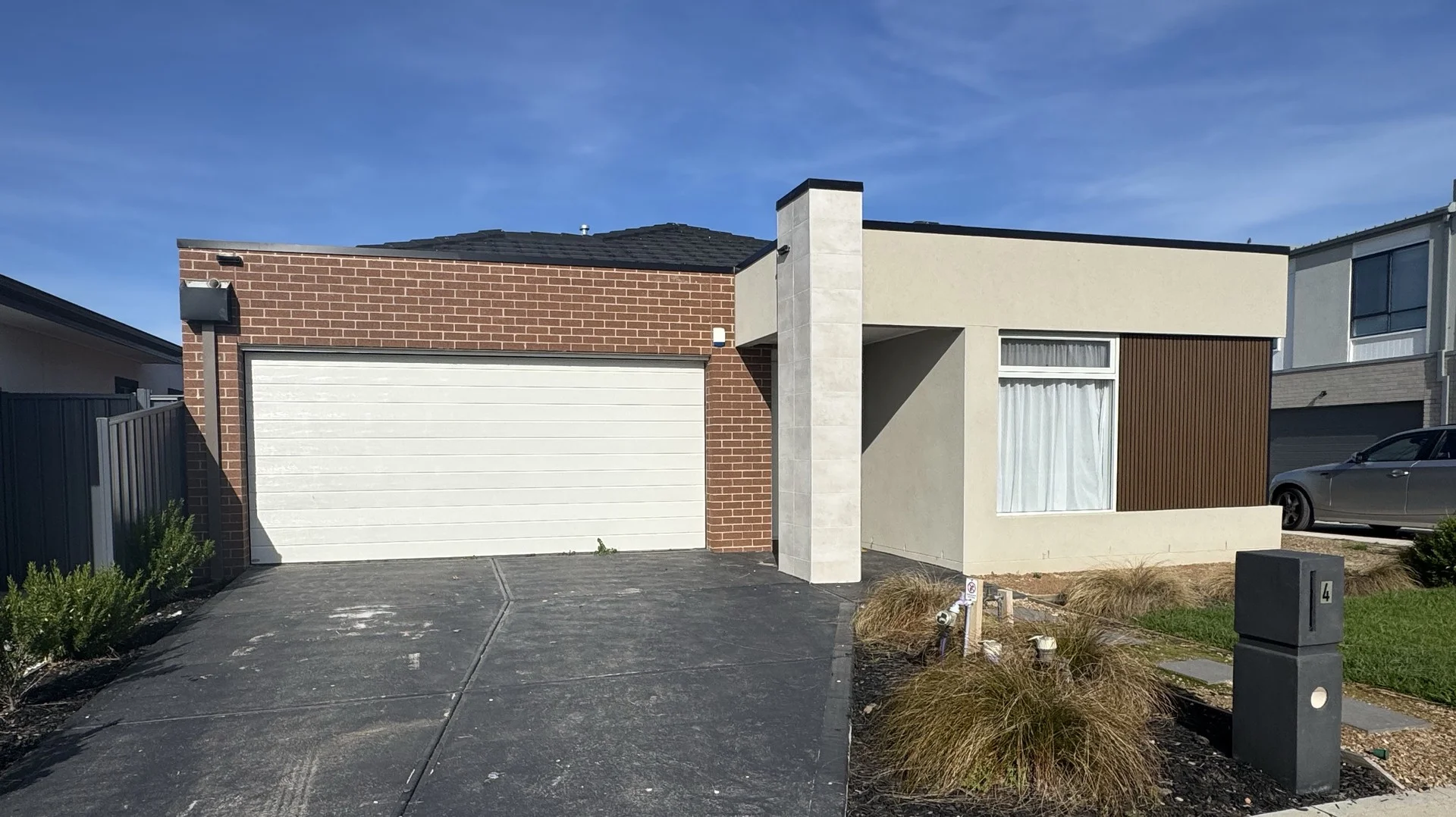 $600
House
$600
House
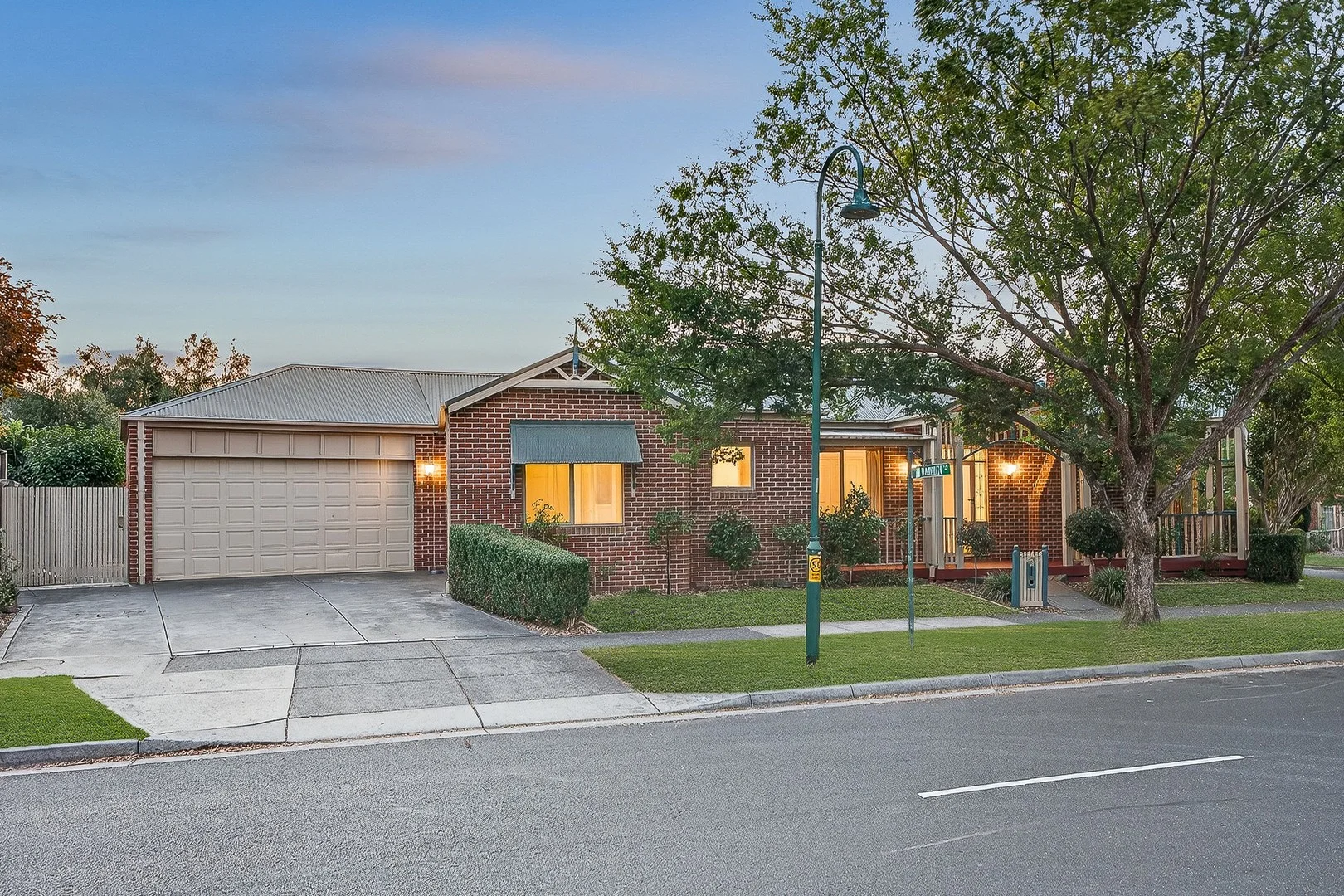 $700
House
$700
House
 $595,000 - $645,000
House
$595,000 - $645,000
House
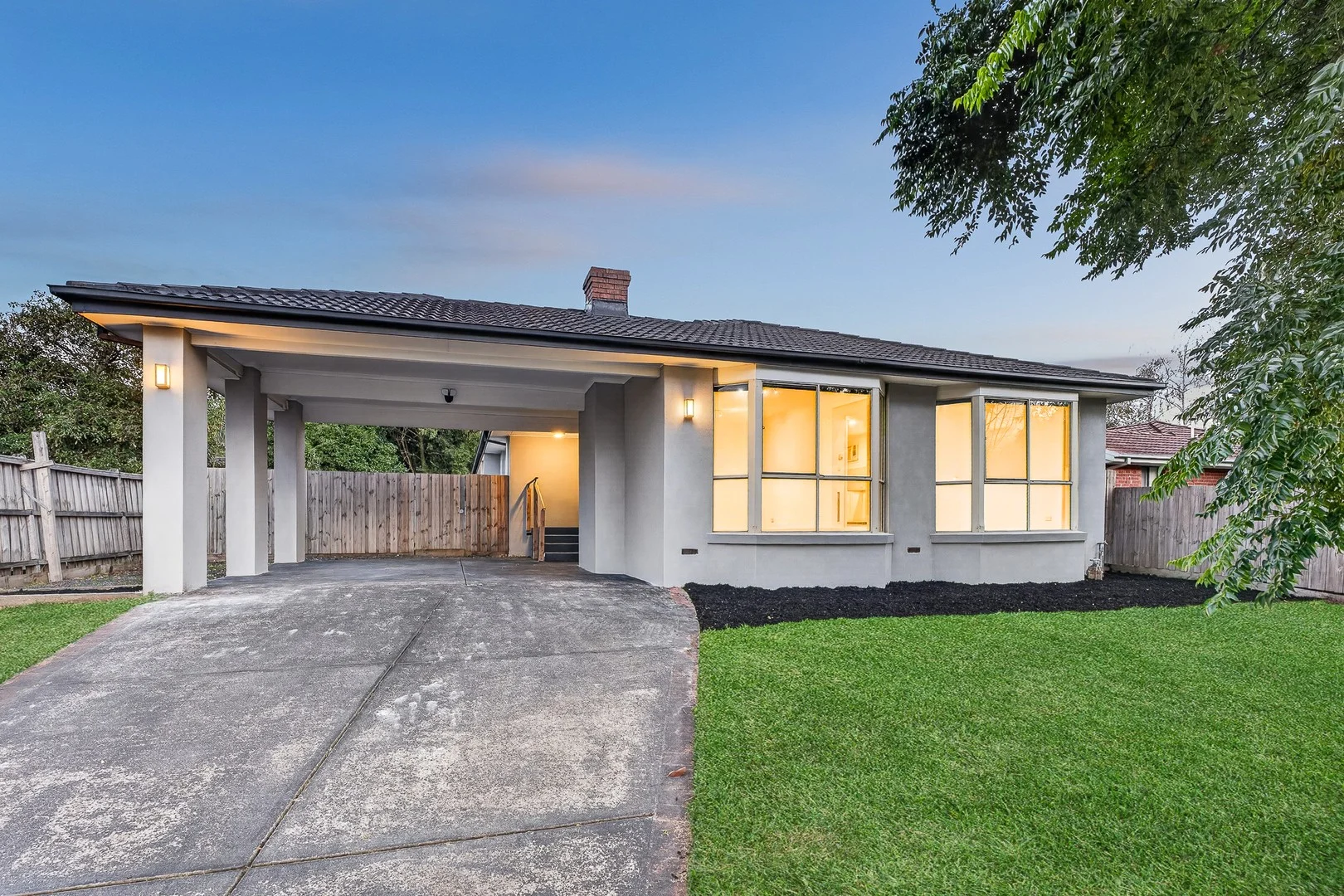 $800,000 - $880,000
House
$800,000 - $880,000
House
 $795,000 - $835,000
House
$795,000 - $835,000
House