Overview
## Overview
Yeop Park Infants School is a public, co-educational NSW primary school for early years (Kindergarten to Year 2). The school focuses on a welcoming, family-friendly environment that supports strong community connections and a smooth transition into the broader NSW public school system. With a small-to-medium footprint, classes typically run at intimate sizes to maximise teacher attention and student participation.
Class sizes are designed to be around 20–25 students, promoting personalised instruction and strong teacher–student relationships. The atmosphere is nurturing and inclusive, with a emphasis on developing social skills, curiosity, and a positive mindset for learning.
⸻
## Academics & Learning
- Academic strengths: early literacy and numeracy, strong oral language development, and foundational STEM inquiry experiences. The school supports a broad approach to learning that builds confidence in reading, writing, and mathematics from an early age.
- Special programs: opportunities for enrichment and extension activities; targeted support in literacy and numeracy; inclusive programs to support diverse learners.
- NAPLAN trends: the school tracks year-to-year progress and aims for steady growth in key literacy and numeracy areas, with focused interventions where needed.
- Student-teacher ratios: small class environments typically allow for close supervision and frequent teacher feedback, with approximate ratios in the low-teens to mid-teens.
- Support for diverse learners: dedicated EAL/D support and SEN services are available, along with inclusive practices to ensure all students can access learning and participate meaningfully.
⸻
## Sports & Extracurricular Strengths
- Sports offered: regular physical education, with opportunities for participation in local school sport events and organised activities such as soccer, cricket, and junior athletics as appropriate for early years.
- Strong teams or achievements: active participation in school-wide events and inter-school activities; emphasis on teamwork, sportspmanship, and personal bests.
- Music, arts, drama programs: school-wide music sessions, classroom-based performance opportunities, and occasional performing arts events.
- Clubs: after-school or lunch-time options such as robotics, chess, coding, and debating are offered periodically where feasible.
- Partnerships: connections with local community clubs and organisations for events, workshops, and friendly competitions to broaden experiences outside the classroom.
⸻
## Wellbeing & Pastoral Care
- Anti-bullying approach: school-wide anti-bullying policies with clear expectations, restorative practices, and ongoing student education.
- House system: house groups used to foster belonging, teamwork, and healthy competition in a supportive environment.
- Counsellors / wellbeing officers: access to school counsellors or wellbeing staff to support social-emotional learning and student health.
- Transition support for new students: structured buddy programs, short orientation visits, and gradual induction to help students settle in smoothly.
⸻
## Facilities
- Sports grounds: on-site outdoor spaces for active play and physical education.
- Libraries: age-appropriate library resources and regular reading programs.
- Science spaces: discovery-oriented spaces to explore early science concepts and hands-on investigations.
- Music/performing arts centers: dedicated spaces or rooms for music and performing arts activities.
- Tech/innovation labs: classrooms equipped with digital learning tools and interactive technologies.
- Cafeteria: a canteen or meal preparation area supporting lunch orders and healthy eating.
- Updated playgrounds: safe, well-maintained play areas with age-appropriate equipment.
⸻
## School Values & Community Culture
- School values / mission: a focus on respect, responsibility, inclusivity, and resilience to guide learning and behaviour.
- Leadership style: distributed leadership approach with teacher collaboration and student voice where appropriate.
- Behaviour expectations: clear codes of conduct emphasising kindness, cooperation, and safety.
- Community reputation: family-focused, welcoming, and supportive environment that values parent partnerships.
- Diversity & inclusion: culturally diverse community with inclusive practices and language support where needed.
⸻
## School Logistics & Daily Operations
- School hours: typically 9:00 am–3:00 pm, with arrival and dismissal procedures aligned to NSW public school standards.
- Before/after school care: OSHC or similar programs available to extend care around the school day.
- Uniform requirements: school uniform policy (specifics generally include standard navy/blue tops and bottoms, appropriate footwear, and a broad hat policy for sun safety).
- Transport (bus/train routes): access to local public transport routes and reasonable parking arrangements; information available from the school or NSW transport services.
- Canteen availability: canteen or lunch-order services offering healthy meal options.
- Fees (low/medium/high ranges): public schools usually have no tuition fees; there are voluntary contributions and costs for uniforms, excursions, and some activities, typically modest.
⸻
## Enrolment & Admissions
11. What is the enrolment process and timeline?
- Enrolment is processed through the NSW Department of Education for in-catchment families, with established intake periods each year. Parents submit required documents (birth certificate, immunisation records, proof of address, and any relevant custody or court orders). The school informs families of key dates for enrolment and transition planning.
12. Is there a waiting list, and how does it work?
- If the school is at capacity, a waiting list may operate. Priority typically goes to in-catchment applicants, with timing and placement managed by the school in coordination with the NSW Department of Education.
13. Are there any entry requirements, tests, or interviews?
- Most enrolments do not require entrance tests for infant year levels. Some schools may conduct a brief intake interview or orientation to understand needs and plan supports, but formal testing is uncommon at this stage.
14. Does the school accept mid-year transfers?
- Mid-year transfers may be possible subject to vacancy and alignment with NSW Department of Education procedures. Parents should contact the school as early as possible to discuss options.
⸻
## Frequently Asked Questions
- Why Parents Choose This School?
- A warm, inclusive learning environment with small class sizes and strong emphasis on foundational literacy and numeracy, plus supportive wellbeing and a smooth transition into primary school.
- What type of student thrives at this school?
- Curious, engaged learners who respond well to supportive instruction, strong teacher relationships, and collaborative activities.
- What opportunities are available for students to extend their skills (academics, sports, arts)?
- Enrichment activities, extra-curricular clubs (robotics, coding, chess, debating when offered), music and arts programs, and participation in local school sport events.
- How does the school communicate with parents?
- Regular newsletters, notice boards, parent-teacher meetings, and digital portals or apps as implemented by the NSW Department of Education.
- What is the school’s approach to teaching and learning?
- A balanced, evidence-based approach focusing on literacy and numeracy foundations, inquiry-based learning, and inclusive practices to support all learners.
- How does the school support students who need extra academic help?
- Targeted literacy and numeracy support, EAL/D and SEN services, and small-group or individual interventions as part of the school plan.
- What support is available for academic challenges?
- Access to support staff and tailored intervention plans; collaboration with families to monitor progress and adjust strategies.
- How does the school communicate with parents? (duplicate question kept as provided)
- See above: newsletters, meetings, and digital updates.
- What are the class sizes and how much individual attention do students receive?
- Class sizes are small to moderate (around 20–25 students per class), enabling frequent teacher feedback and closer supervision.
- What extracurricular and sports opportunities are available?
- After-school or lunch-time clubs (robotics, coding, chess, debating when offered) and regular PE participation; local sport events and community partnerships may provide broader opportunities.
- What facilities does the school offer (sports, science, arts)?
- Sports grounds, library, discovery/science spaces, music/performing arts areas, and technology-enabled classrooms, plus a canteen and updated playgrounds.
- What is the school’s approach to technology and digital learning?
- Integration of digital tools to support literacy and numeracy, with age-appropriate devices and classroom technology to enhance learning.
- What transport and accessibility options are available?
- Access to local bus routes and public transport; information about routes and accessibility is provided by the school and local transport authorities.
- What are the typical school fees or additional costs?
- Public schools generally do not charge tuition; there are voluntary contributions and costs for uniforms, excursions, and some activities.
⸻
## Short Pros & Cons list
- Pros
- Small-to-medium environment with close teacher–student relationships
- Strong emphasis on foundational literacy and numeracy
- Inclusive, nurturing culture with clear wellbeing support
- Positive transition experience for early-years students
- Access to diverse activities (arts, music, basic tech, sports)
- Cons
- Limited grade levels (Infants school focuses on early years; progression to higher-year settings required)
- Extracurricular offerings may be more limited than larger schools
- Some programs and clubs run on a flexible schedule and may not be available every term
⸻










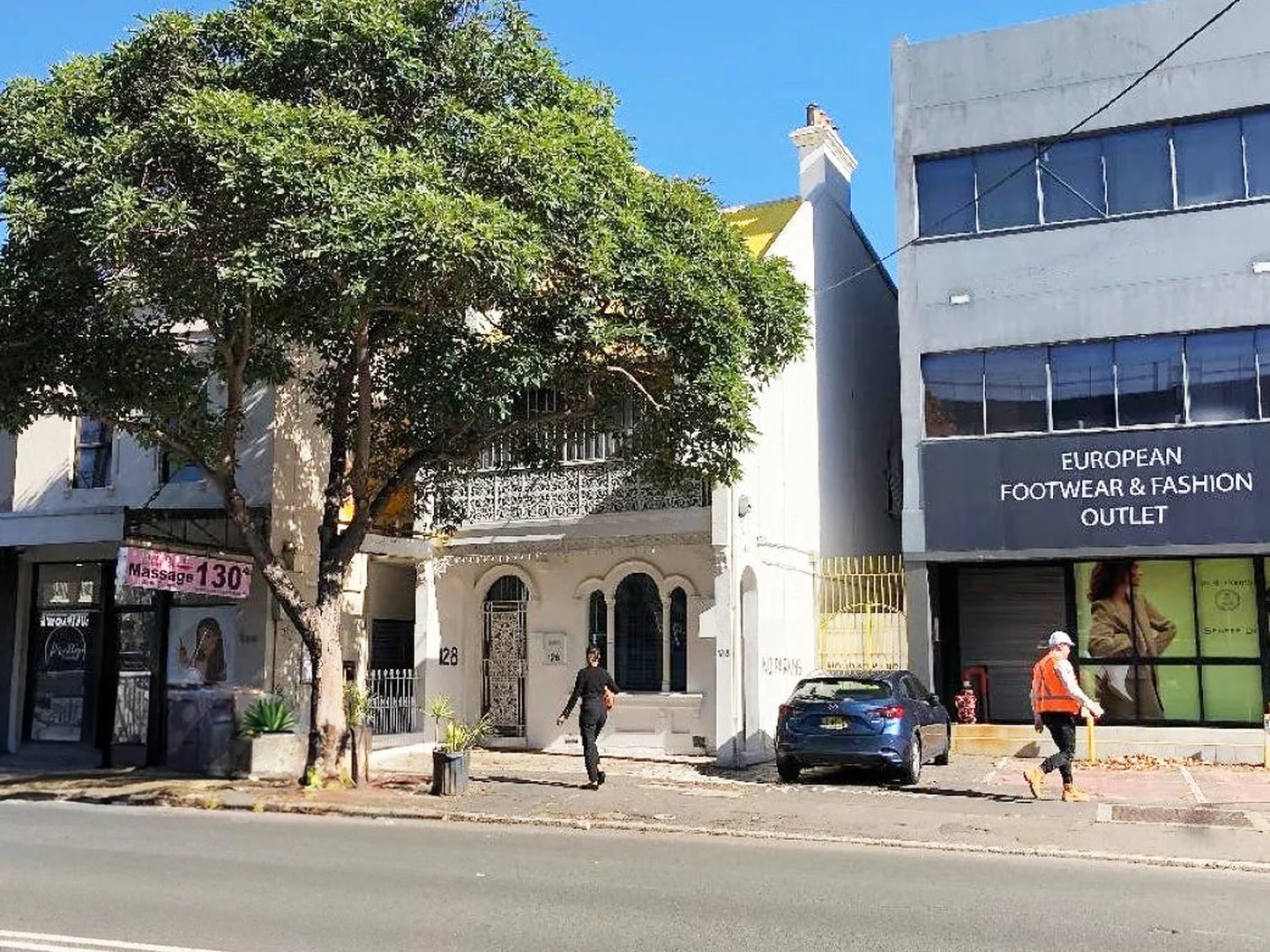 $3,900,000
House
$3,900,000
House
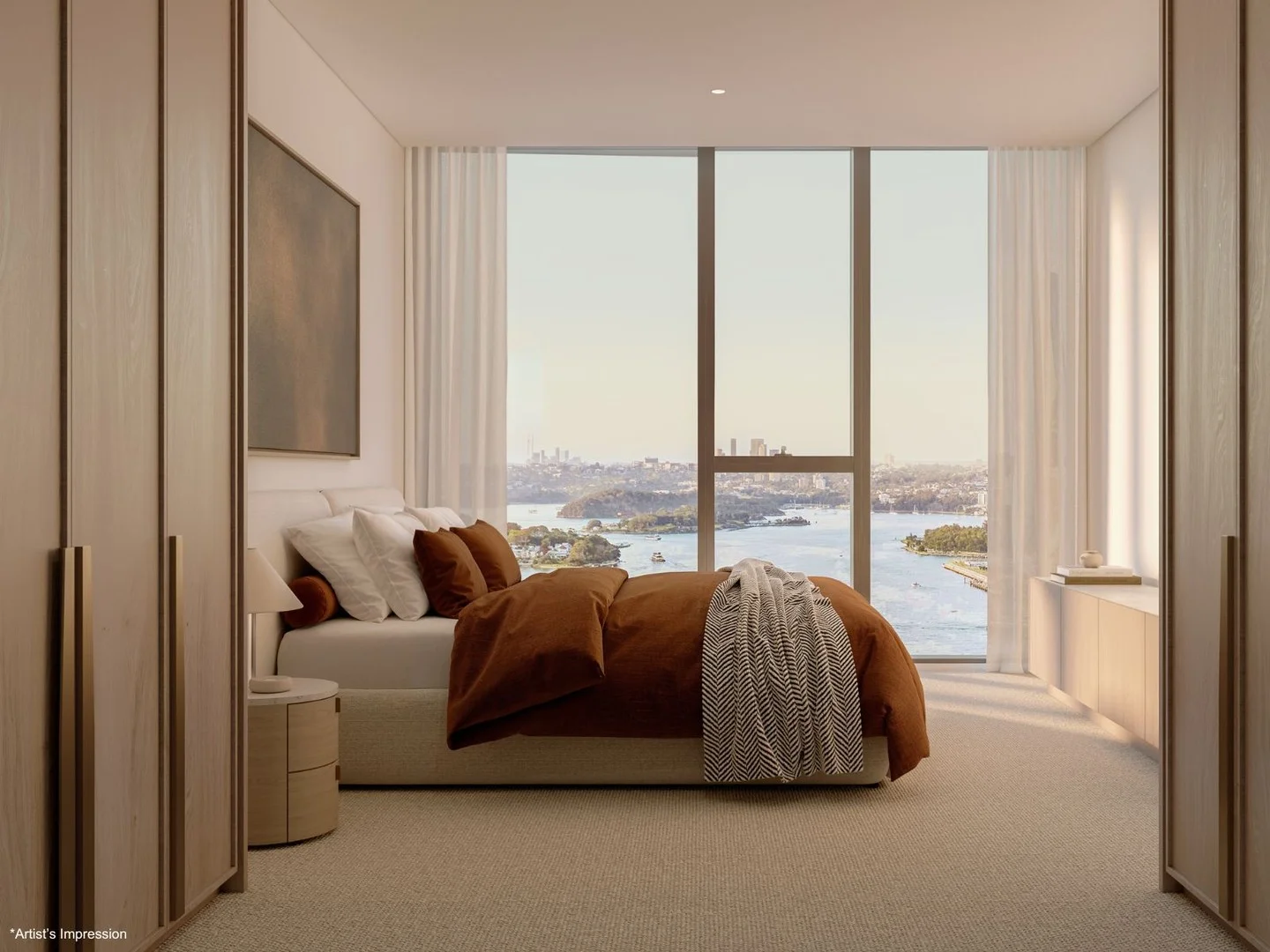 $8,630,000
propertyType.NEW APARTMENTS / OFF THE PLAN
$8,630,000
propertyType.NEW APARTMENTS / OFF THE PLAN
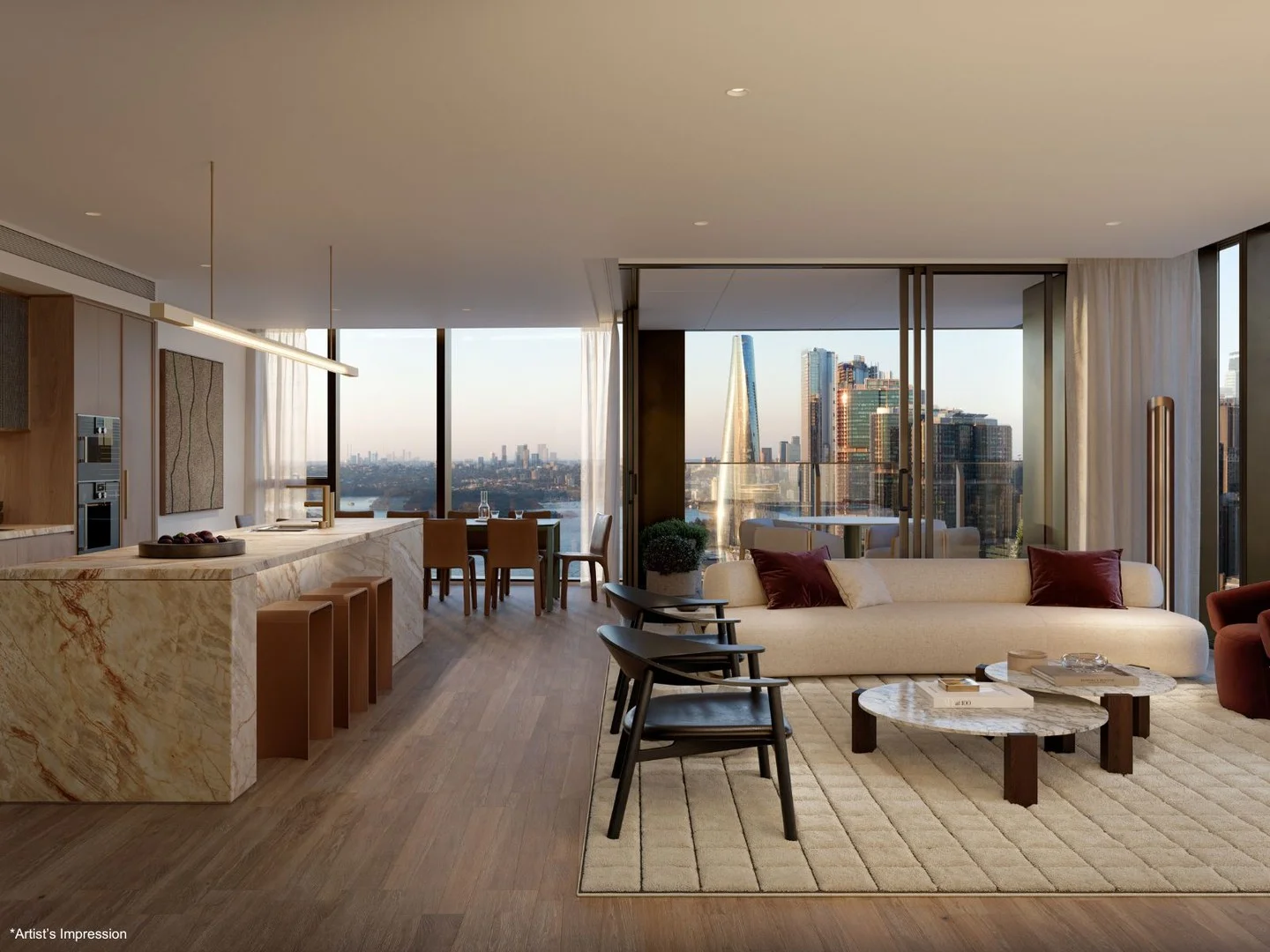 $12,980,000
propertyType.NEW APARTMENTS / OFF THE PLAN
$12,980,000
propertyType.NEW APARTMENTS / OFF THE PLAN
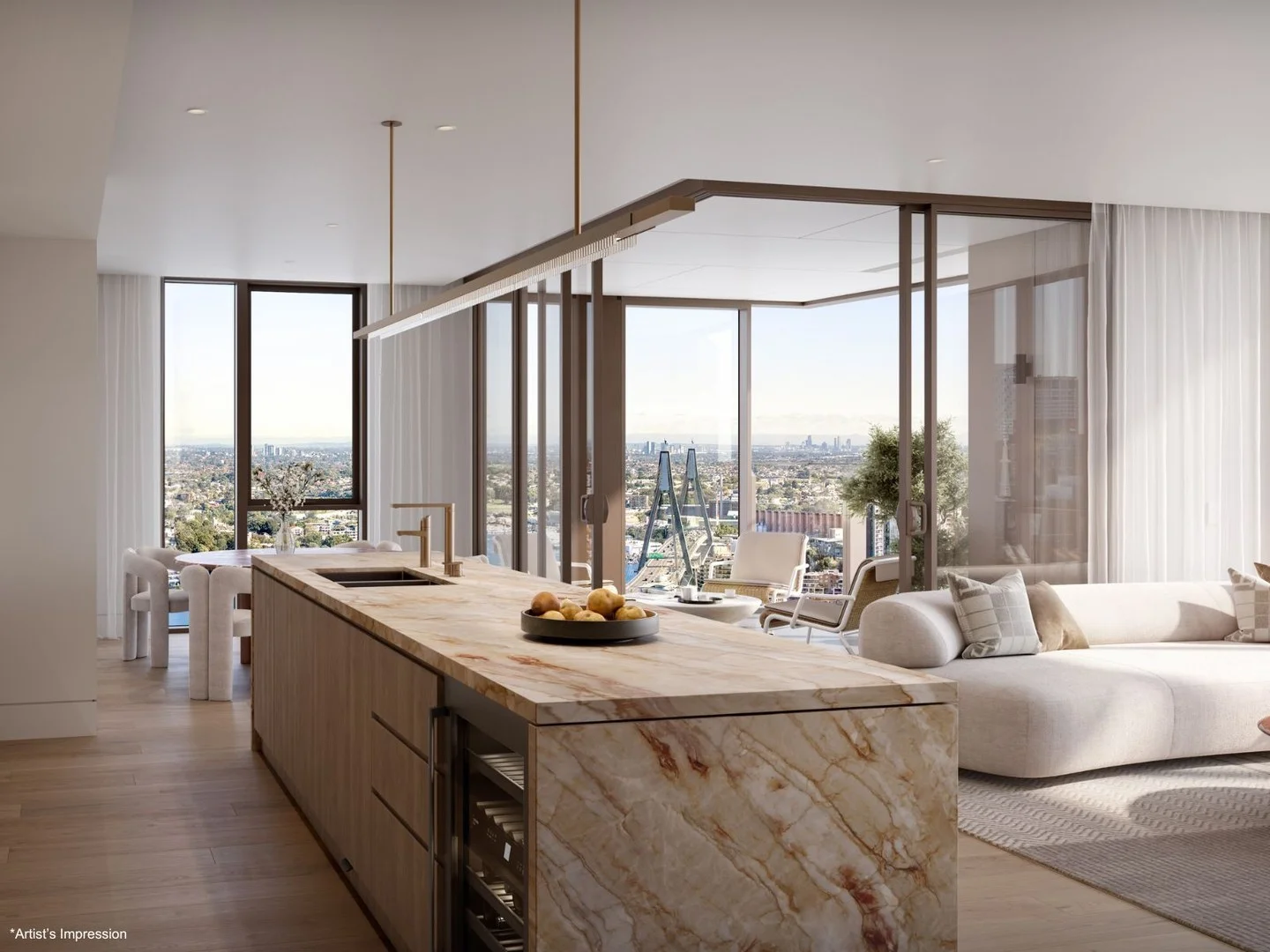 $9,020,000
propertyType.NEW APARTMENTS / OFF THE PLAN
$9,020,000
propertyType.NEW APARTMENTS / OFF THE PLAN
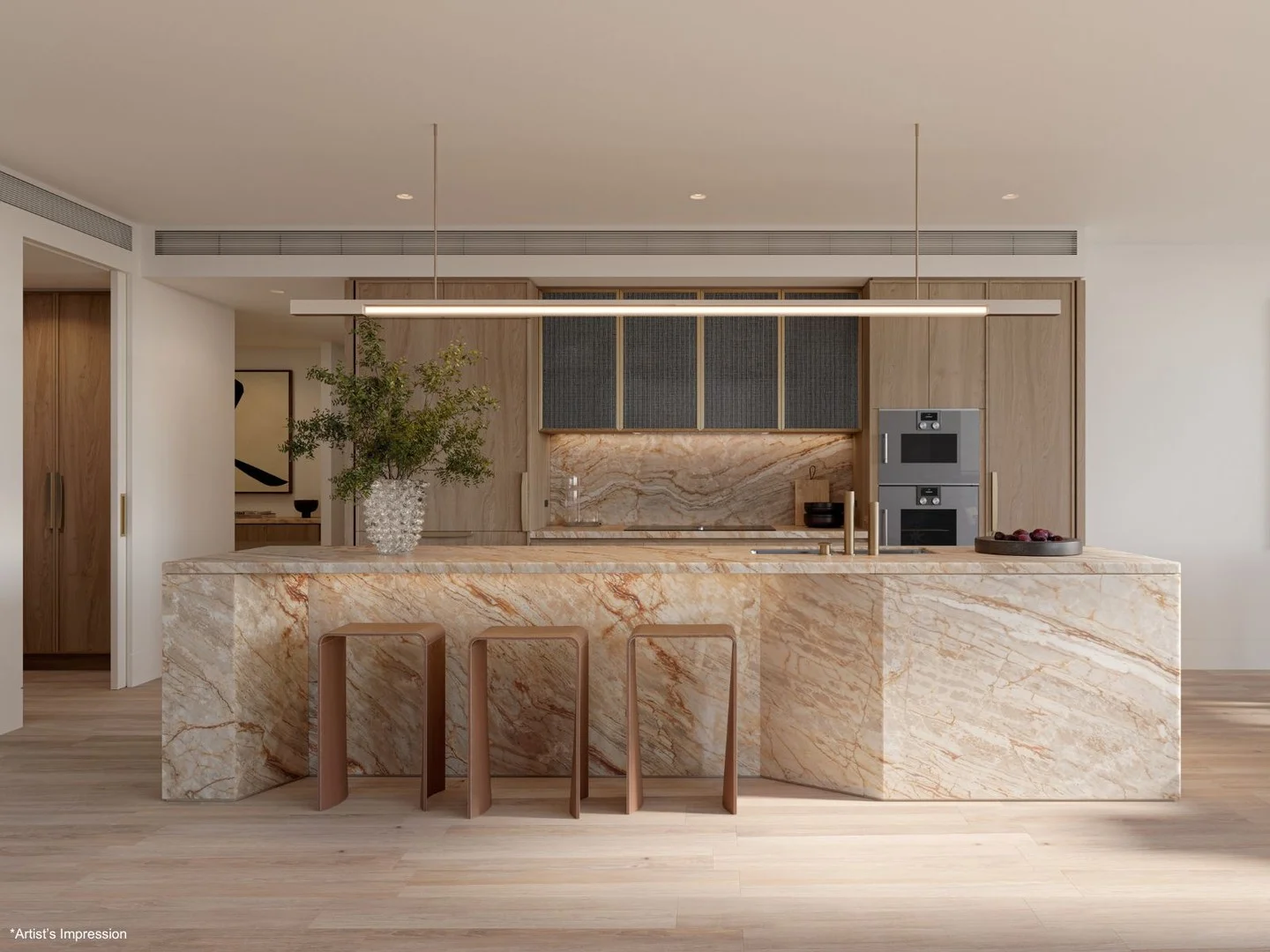 $6,225,000
propertyType.NEW APARTMENTS / OFF THE PLAN
$6,225,000
propertyType.NEW APARTMENTS / OFF THE PLAN
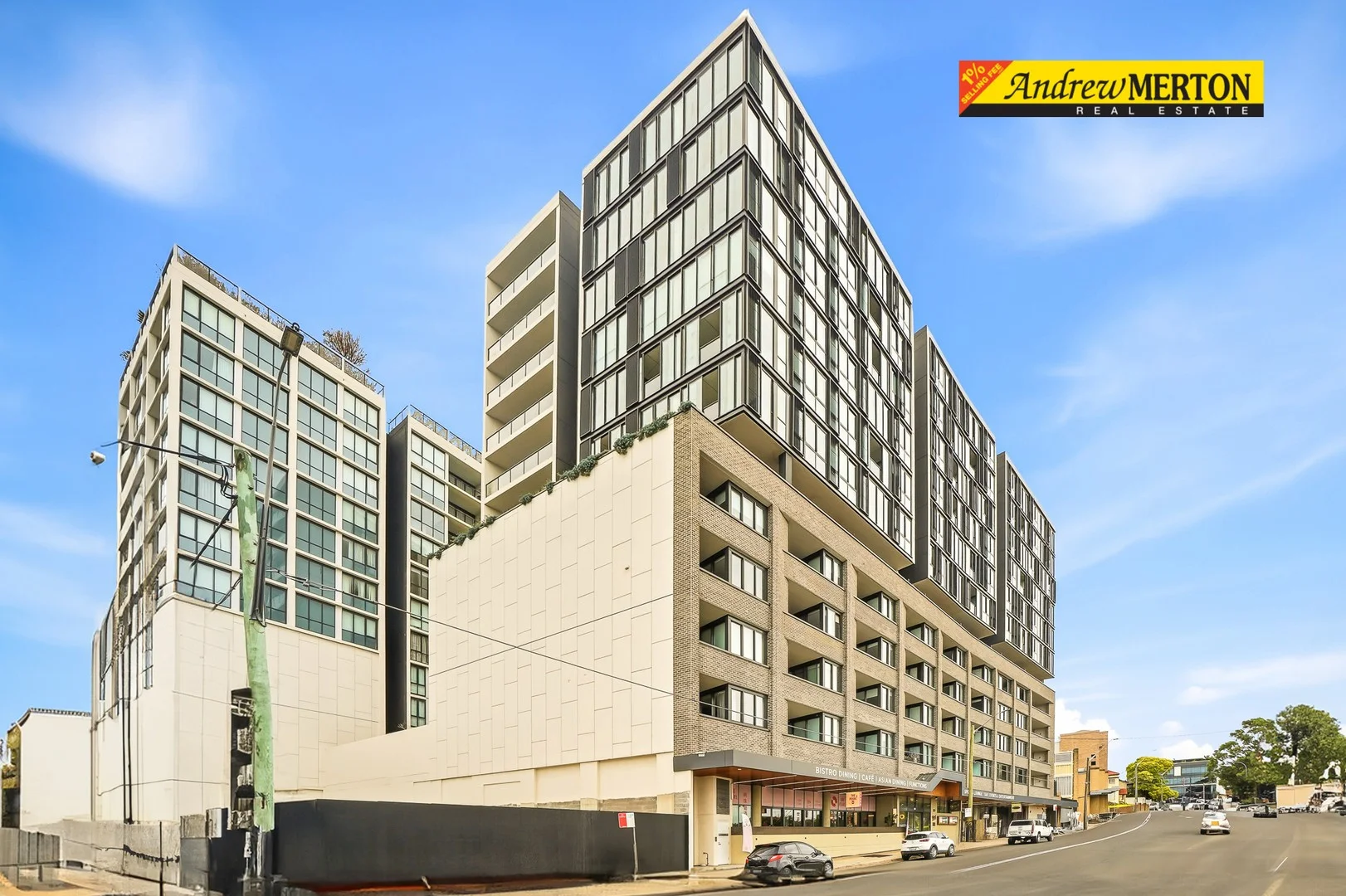 $665,000
Apartment / Unit / Flat
$665,000
Apartment / Unit / Flat
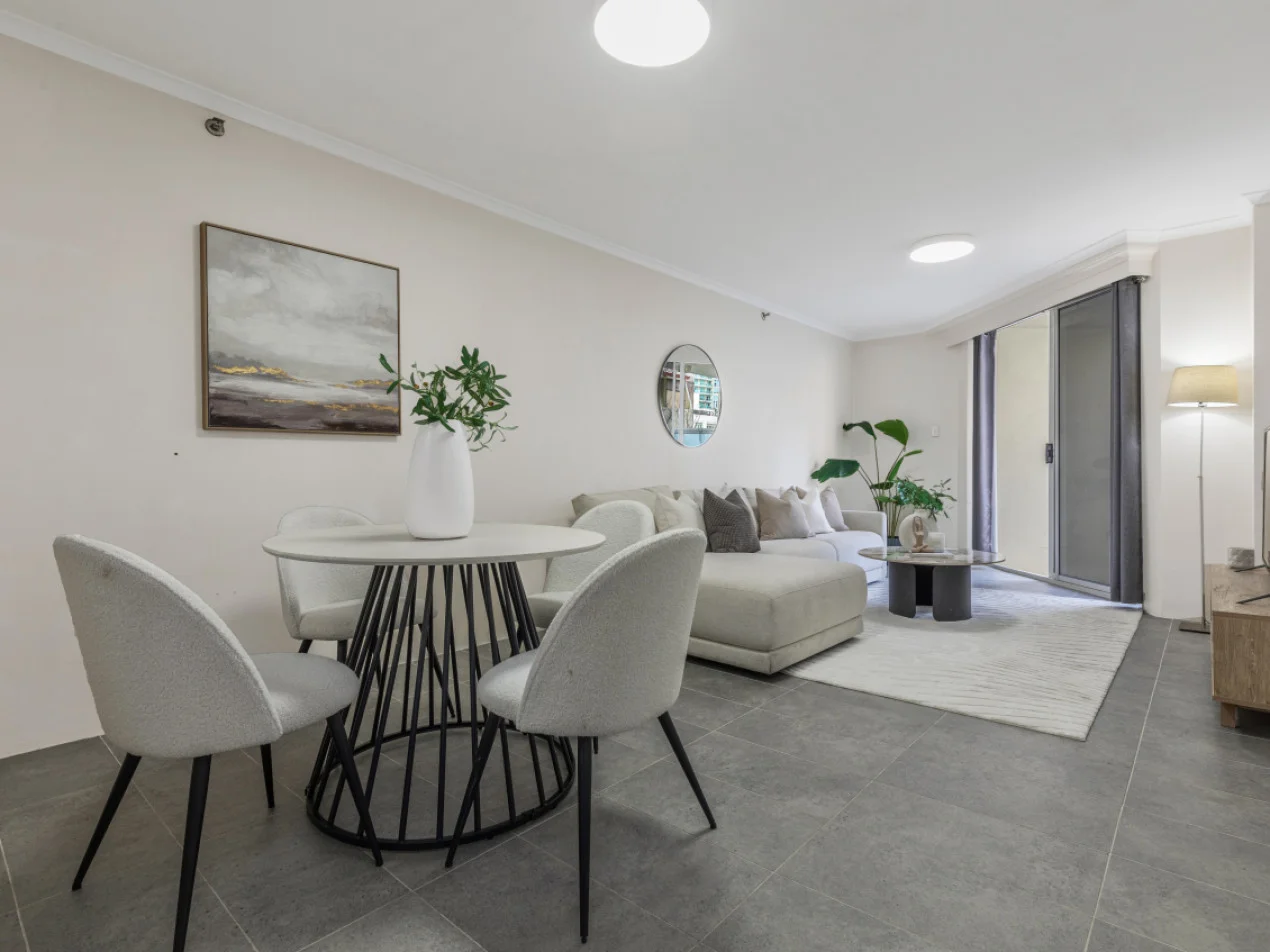 $640,000 - $675,000
Apartment / Unit / Flat
$640,000 - $675,000
Apartment / Unit / Flat
 $990
Apartment / Unit / Flat
$990
Apartment / Unit / Flat
 $660,000 - $725,000
Apartment / Unit / Flat
$660,000 - $725,000
Apartment / Unit / Flat


