Overview
## Overview
St Patrick’s Catholic Primary School, Summer Hill is a Catholic, co-educational primary school serving students from Kindergarten through to Year 6. The school emphasises faith-based education within a welcoming community, aiming to nurture each child’s learning, character and service.
With a medium-scale enrolment, the school fosters a warm, inclusive atmosphere where students are supported to grow academically, socially and spiritually. Classrooms typically balance individual attention with collaborative learning, contributing to a culture that values respect, curiosity and resilience.
⸻
## Academics & Learning
- Academic strengths: Strong literacy and numeracy foundations underpin learning across the curriculum, with opportunities to develop thinking, creativity and communication. The school also supports engagement with science, technology and the humanities to build well-rounded scholars.
- Special programs: Catholic faith formation and regular faith-based activities; opportunities for gifted and talented learners and accelerated learning where available.
- NAPLAN / trends: Longitudinal trends show steady improvement in literacy and numeracy outcomes across year levels, supported by targeted teaching and intervention when needed.
- Student-teacher ratios: Class sizes typically in the range of mid-20s, with experienced teachers and a focus on differentiated instruction to meet diverse learner needs.
- Support for diverse learners: Dedicated support for EAL/D students and students with additional educational needs; access to learning support staff and coordinated SEN approaches.
⸻
## Sports & Extracurricular Strengths
- Sports offered: A range of team and individual sports typical for primary schools (e.g., soccer, basketball, cricket, athletics, swimming) with opportunities to participate in inter-school events and carnivals.
- Strong teams or achievements: Regular participation in local and inter-school competitions; emphasis on teamwork, fair play and personal improvement.
- Music, arts, drama programs: Active involvement in music and performing arts, with opportunities for school choirs, concerts and theatrical performances.
- Clubs: Robotics, coding, chess, debating and other student-led clubs are commonly available, supporting STEM and communication skills.
- Partnerships: Local community partnerships and feeder programs with community clubs or academies to enrich sport, music and arts experiences.
⸻
## Wellbeing & Pastoral Care
- Anti-bullying approach: Clear anti-bullying policies with proactive classroom and whole-school programs to build respectful cultures and safe environments.
- House system: House affiliations foster belonging, healthy competition and collaboration across year levels.
- Counsellors / wellbeing officers: Access to wellbeing support, with staff trained to assist students’ social and emotional development.
- Transition support for new students: Structured orientation and buddy programs to help new students settle in and feel connected to the school community.
⸻
## Facilities
- Sports grounds: Dedicated outdoor spaces and fields suitable for PE and school sports.
- Libraries: On-site library supporting independent reading and research activities.
- Science labs: Accessible science facilities to support hands-on inquiry.
- Music/performing arts centers: Space for music rehearsals, drama and school productions.
- Tech/innovation labs: Technology-rich spaces to support coding, digital learning and STEAM activities.
- Cafeteria: On-site canteen or lunch facilities supporting healthy meal options.
- Updated playgrounds: Modern, age-appropriate play areas and outdoor learning spaces.
⸻
## School Values & Community Culture
- School values / mission: Grounded in Catholic faith, service, respect, responsibility and compassion; emphasis on developing capable, caring young people.
- Leadership style: Participative and collegial, with opportunities for student voice and leadership through classrooms and pupil programs.
- Behaviour expectations: Clear conduct policies built on positive behaviour supports and consistent expectations across the school.
- Community reputation: Known for a welcoming, faith-centered community with active parental involvement and strong school-community partnerships.
- Diversity & inclusion: Commitment to inclusive practices and celebrating diverse backgrounds within a supportive environment.
⸻
## School Logistics & Daily Operations
- School hours: The school day generally follows NSW primary school timings, with start and finish times aligned to local practice; attendance and punctuality are supported.
- Before/after school care: Services available to extend the school day for families needing care outside standard hours.
- Uniform requirements: A defined school uniform is standard, with guidelines for daily wear and any sport-related attire.
- Transport (train/bus routes): Accessible by local transport options; school traffic plans and drop-off/pick-up zones are in place to support safe access.
- Canteen availability: Canteen or lunch facilities available to provide healthy meal options.
- Fees (low/medium/high ranges): Fees are in line with typical private Catholic primary schools, with a transparent schedule and occasional contributions for activities and excursions.
⸻
## Enrolment & Admissions
11. What is the enrolment process and timeline?
- Applications are typically submitted through the school office or online forms during the intake period. Families are asked to provide required documentation (birth certificate, immunisation records, baptism/catholic confirmation details if applicable, and any prior school reports). The school communicates timelines for intake, interviews (if required) and final offers.
12. Is there a waiting list, and how does it work?
- Waiting lists are common when year levels reach capacity. When vacancies arise, the school prioritises applicants based on factors such as sibling attendance, parish affiliation, and demonstrated alignment with the school’s ethos. The school will advise expected wait times and placement options.
13. Are there any entry requirements, tests, or interviews?
- Entry may involve documentation checks and an informal interview or meeting with families to discuss fit with the school’s Catholic mission and values. Formal entrance tests are not typically required for primary level entry but may occur for specific programs or year-level placements.
14. Does the school accept mid-year transfers?
- Mid-year transfers are considered where spaces exist. Applicants should coordinate with the school to review current class availability, required documentation and transition support to ensure a smooth start for the student.
⸻
## Frequently Ask Questions
- Why Parents Choose This School?
- A strong Catholic identity, a supportive, inclusive community and a focus on holistic development (academic, faith, wellbeing) attract families seeking a values-based education with personal attention.
- What type of student thrives at this school?
- Curious, respectful students who value community, faith formation and opportunities to grow across academics, sports and the arts.
- What opportunities are available for students to extend their skills (academics, sports, arts)?
- Access to enriched literacy and numeracy programs, STEM and coding clubs, music and performing arts activities, sport teams and inter-school events, plus leadership and service opportunities.
- How does the school communicate with parents?
- Regular newsletters, emails and notices via a school app/portal, parent-teacher interviews and annual reporting, plus updates on events and student wellbeing.
- What is the school’s approach to teaching and learning?
- Student-centered, differentiated instruction that supports diverse learning needs within a faith-informed context; emphasis on inquiry, creativity and collaboration.
- How does the school support students who need extra academic help?
- Targeted intervention, in-class supports, EAL/D assistance and coordination with learning support staff to help students reach their goals.
- What support is available for academic challenges?
- Individual or small-group support plans, access to learning support staff and regular progress monitoring.
- What are the class sizes and how much individual attention do students receive?
- Class sizes are in the mid-20s, with teacher differentiation and targeted support to ensure opportunities for individual attention.
- What extracurricular and sports opportunities are available?
- A range of sports, music and drama programs, robotics/coding/chess/debating clubs, and opportunities for participation in inter-school competitions.
- What facilities does the school offer (sports, science, arts)?
- Sports grounds, library, science labs, performing arts spaces, tech/innovation labs, canteen, and updated playgrounds.
- What is the school’s approach to technology and digital learning?
- Technology is integrated across the curriculum with dedicated facilities and devices to support digital literacy, coding, online safety and collaborative projects.
- What transport and accessibility options are available?
- Access via local transport routes; parking and drop-off/pick-up areas designed for safe access; consideration of accessibility needs.
- What are the typical school fees or additional costs?
- Fees are in line with a medium-range private Catholic primary school; costs may include uniform, excursions, approved activities and optional programs.
⸻
## Short Pros & Cons list
- Pros
- Strong Catholic ethos with a caring, inclusive community
- Balanced focus on academics, faith, wellbeing and service
- Moderate class sizes with opportunities for individual attention
- Broad range of extracurriculars including sports, arts and STEM
- Clear communication with families and supportive transition for new students
- Cons
- As a private school, tuition and related costs may be higher than government schools
- Space and availability may be limited at certain year levels due to steady demand
- Extra-curricular activities may require additional time and costs beyond core fees
⸻










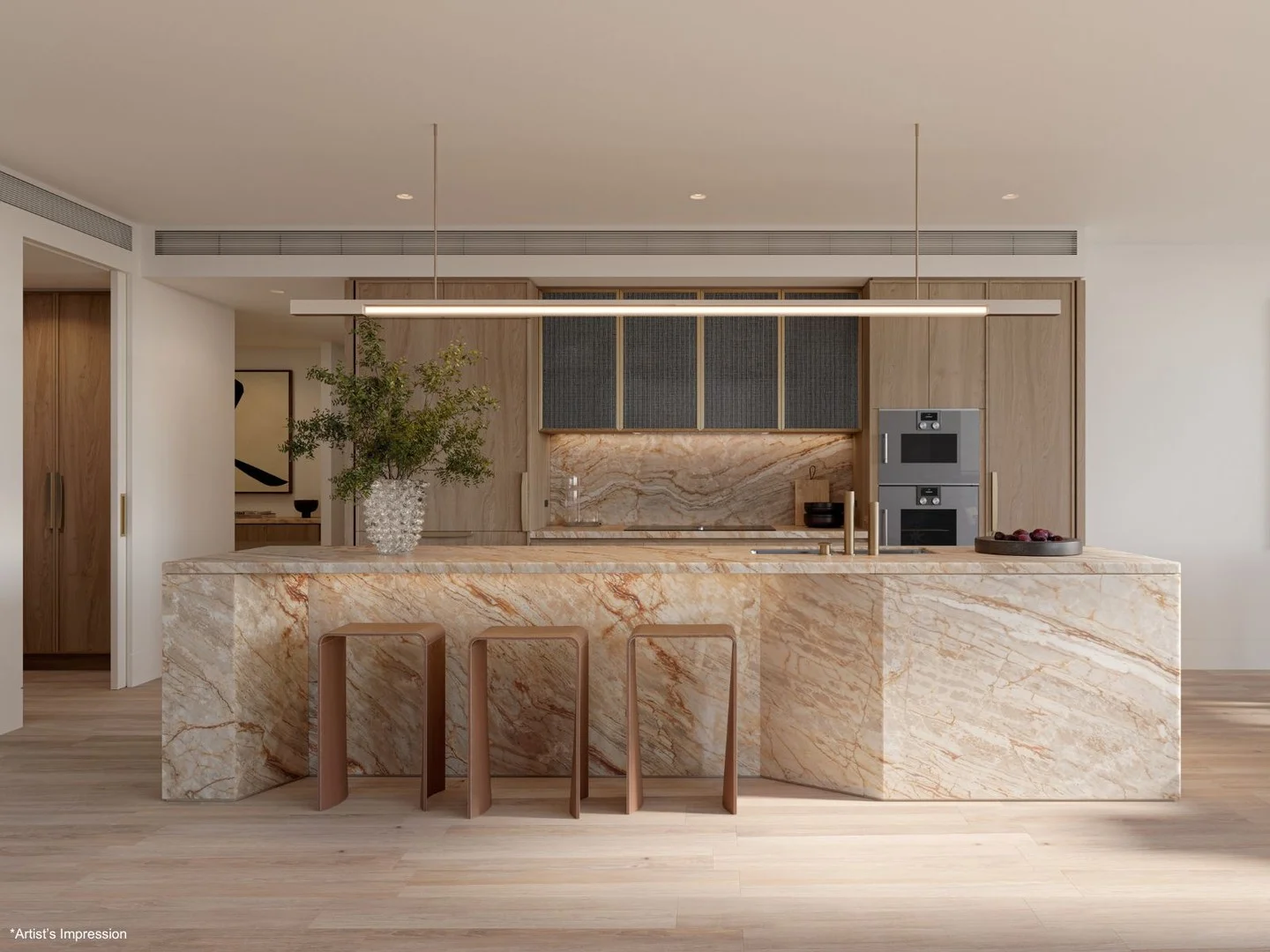 $6,225,000
propertyType.NEW APARTMENTS / OFF THE PLAN
$6,225,000
propertyType.NEW APARTMENTS / OFF THE PLAN
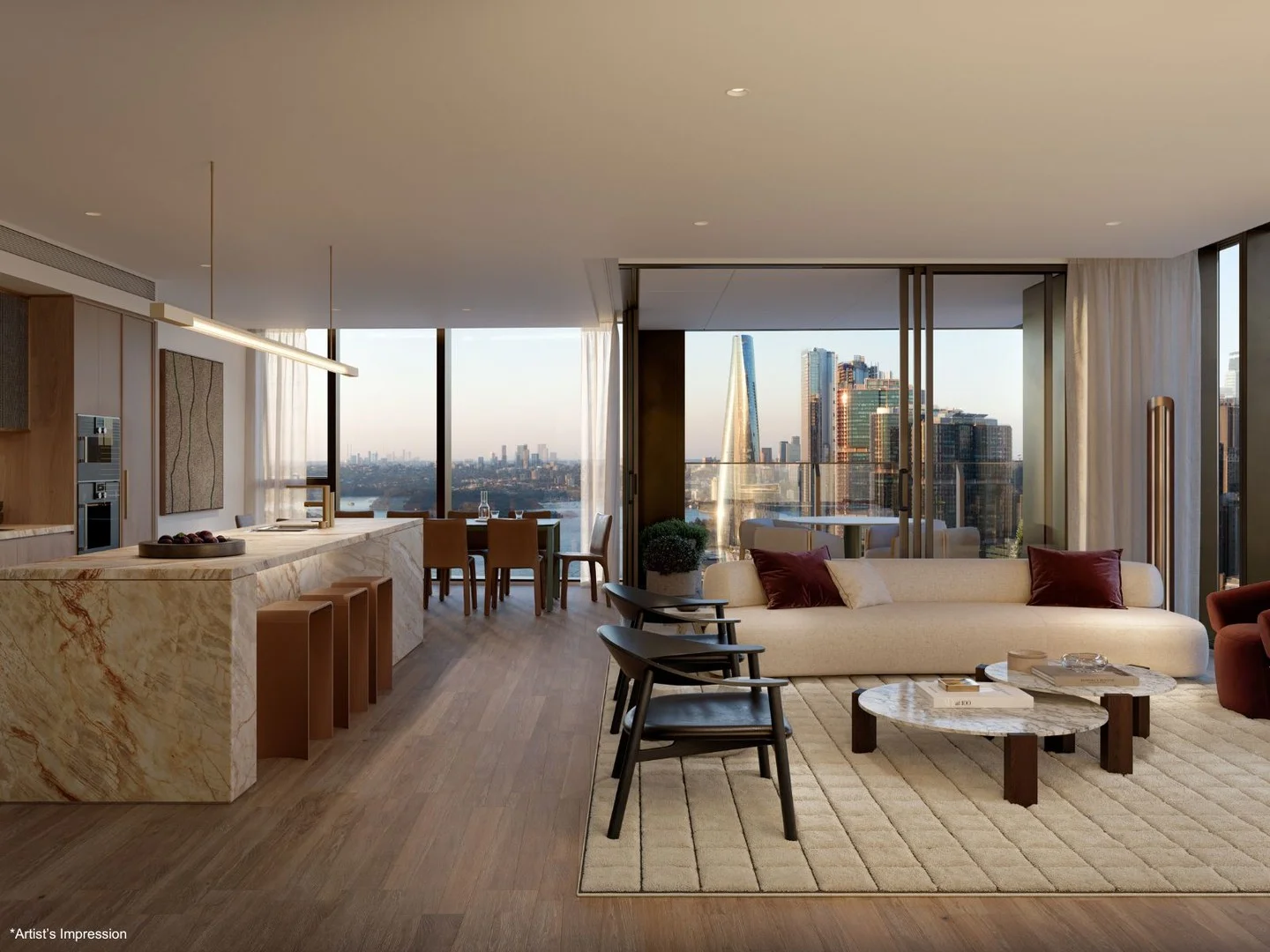 $12,980,000
propertyType.NEW APARTMENTS / OFF THE PLAN
$12,980,000
propertyType.NEW APARTMENTS / OFF THE PLAN
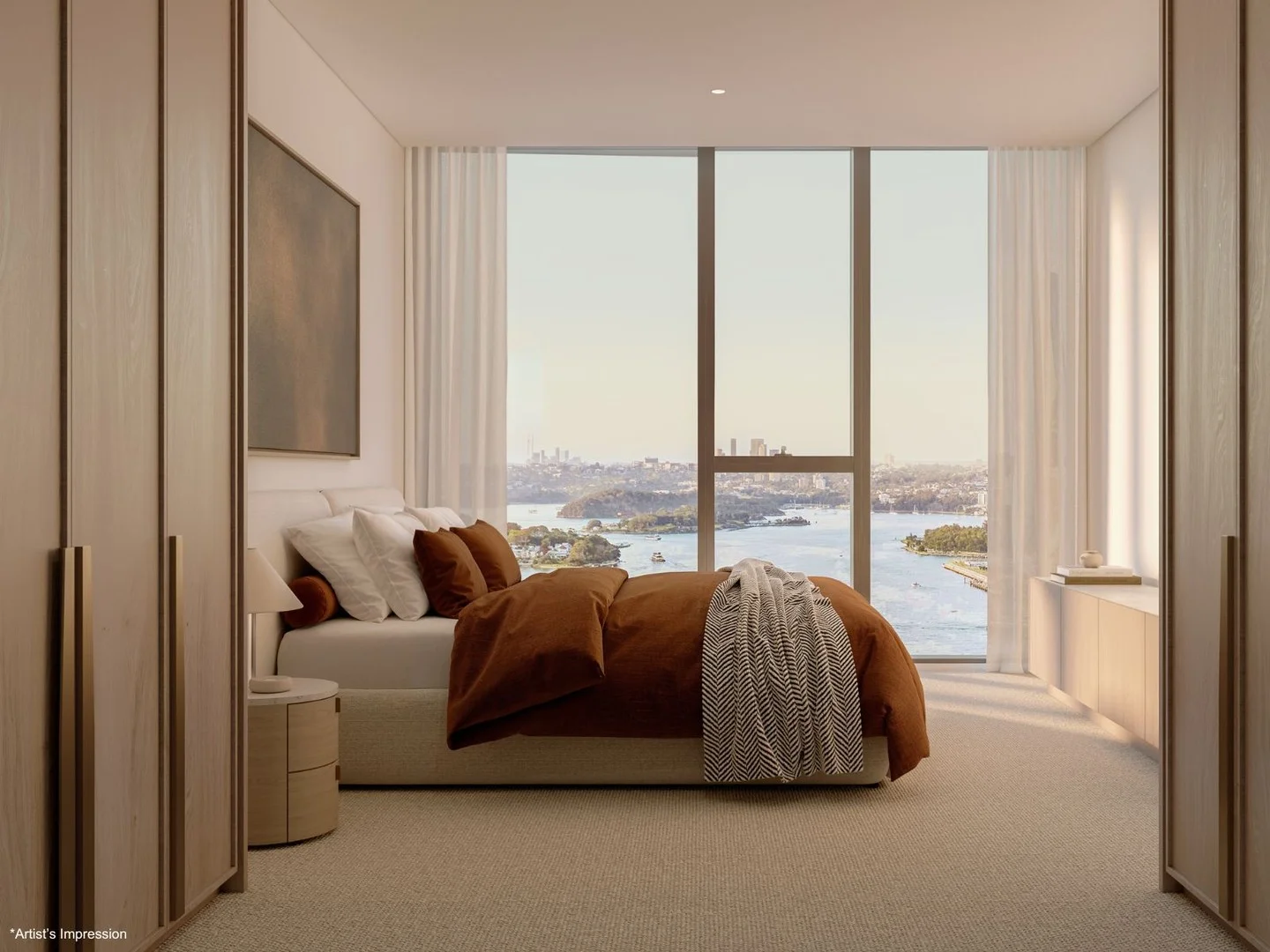 $8,630,000
propertyType.NEW APARTMENTS / OFF THE PLAN
$8,630,000
propertyType.NEW APARTMENTS / OFF THE PLAN
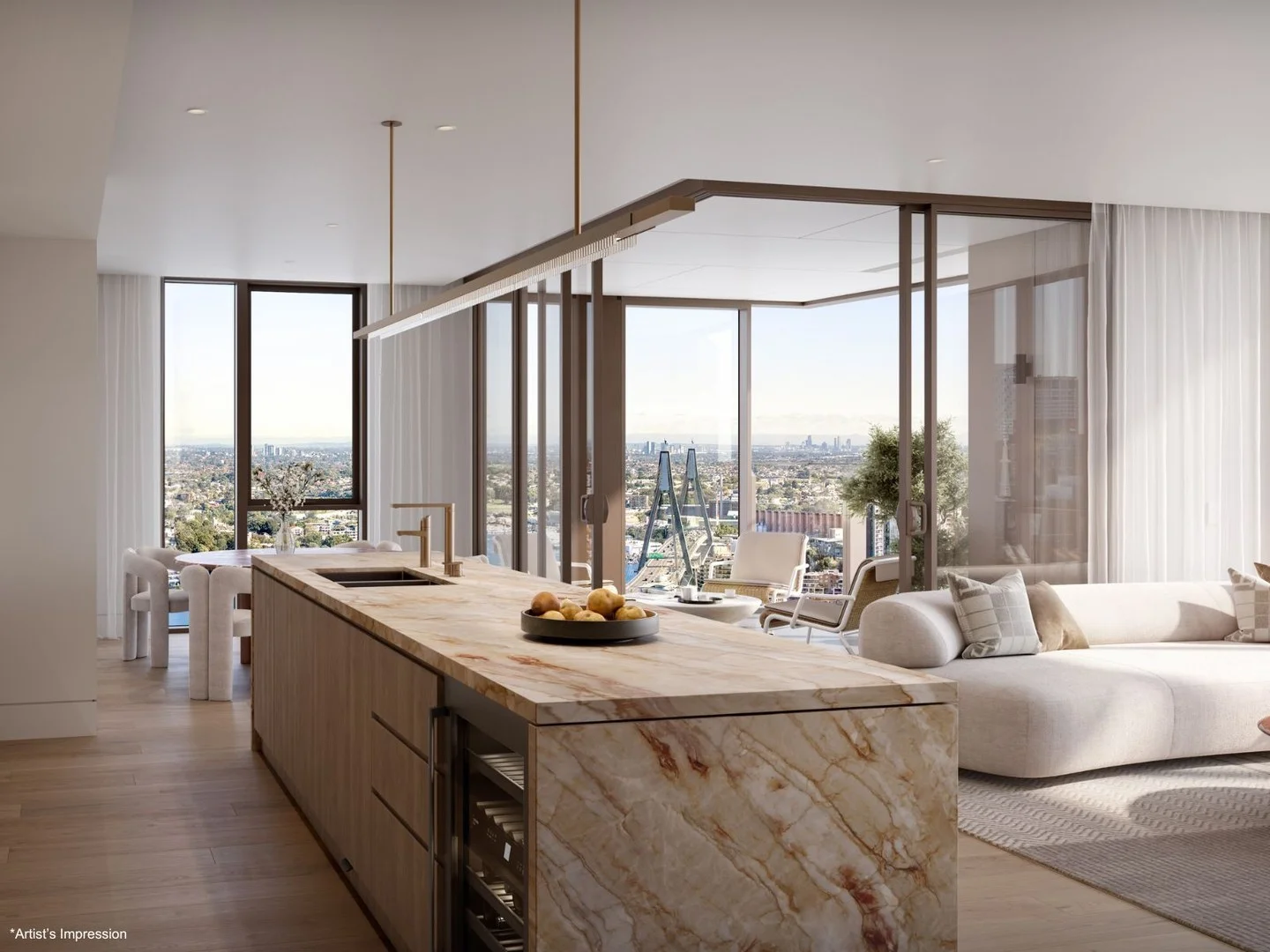 $9,020,000
propertyType.NEW APARTMENTS / OFF THE PLAN
$9,020,000
propertyType.NEW APARTMENTS / OFF THE PLAN
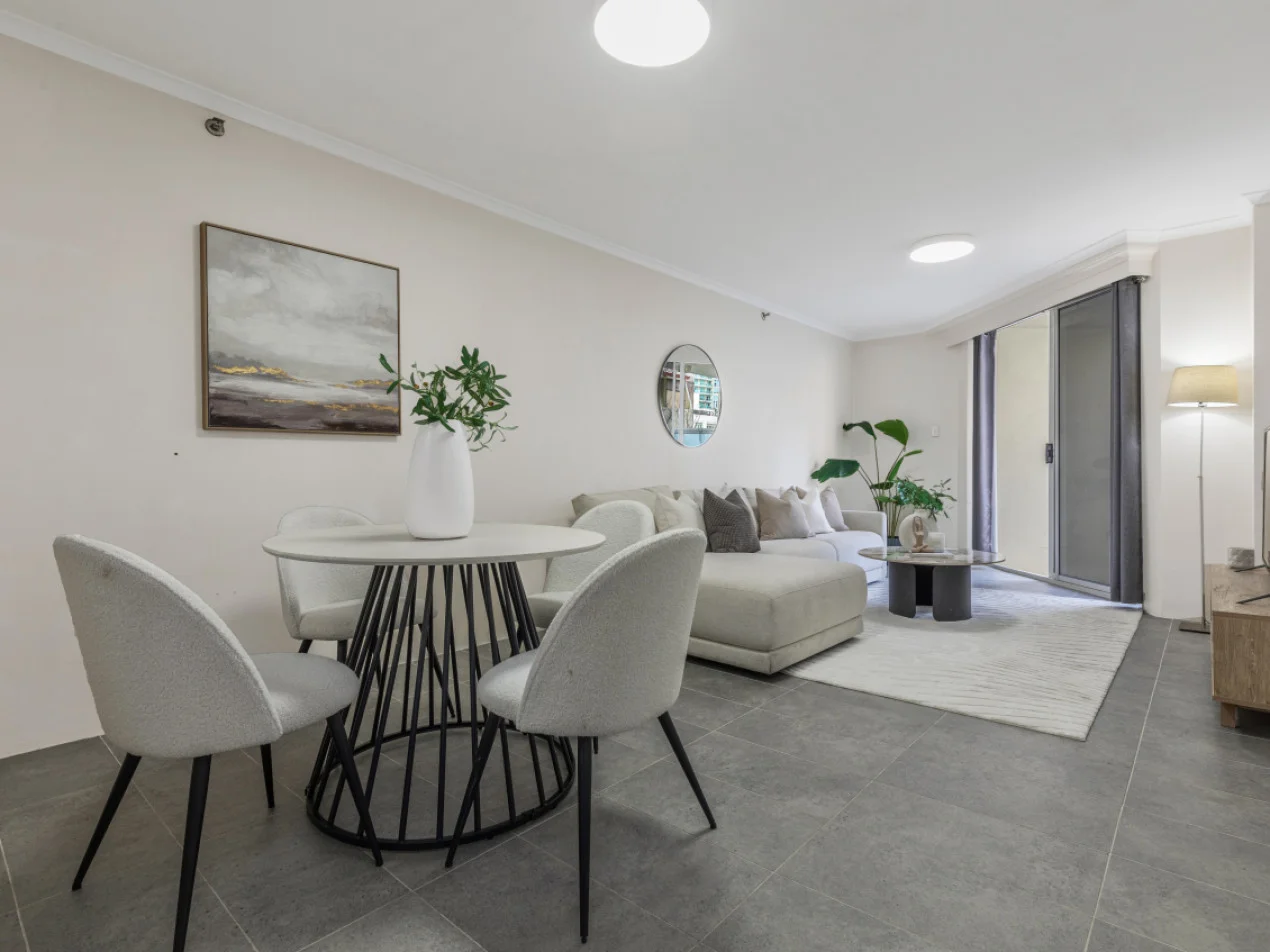 $640,000 - $675,000
Apartment / Unit / Flat
$640,000 - $675,000
Apartment / Unit / Flat
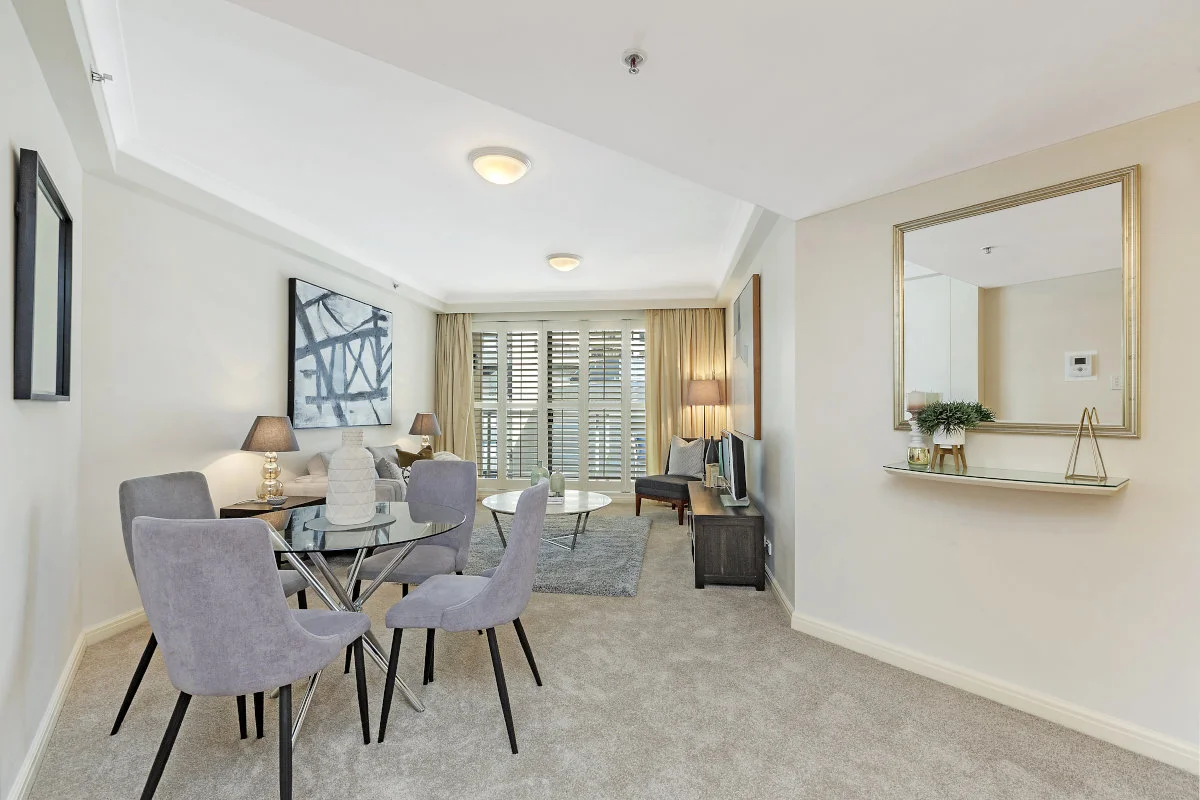 $660,000 - $725,000
Apartment / Unit / Flat
$660,000 - $725,000
Apartment / Unit / Flat
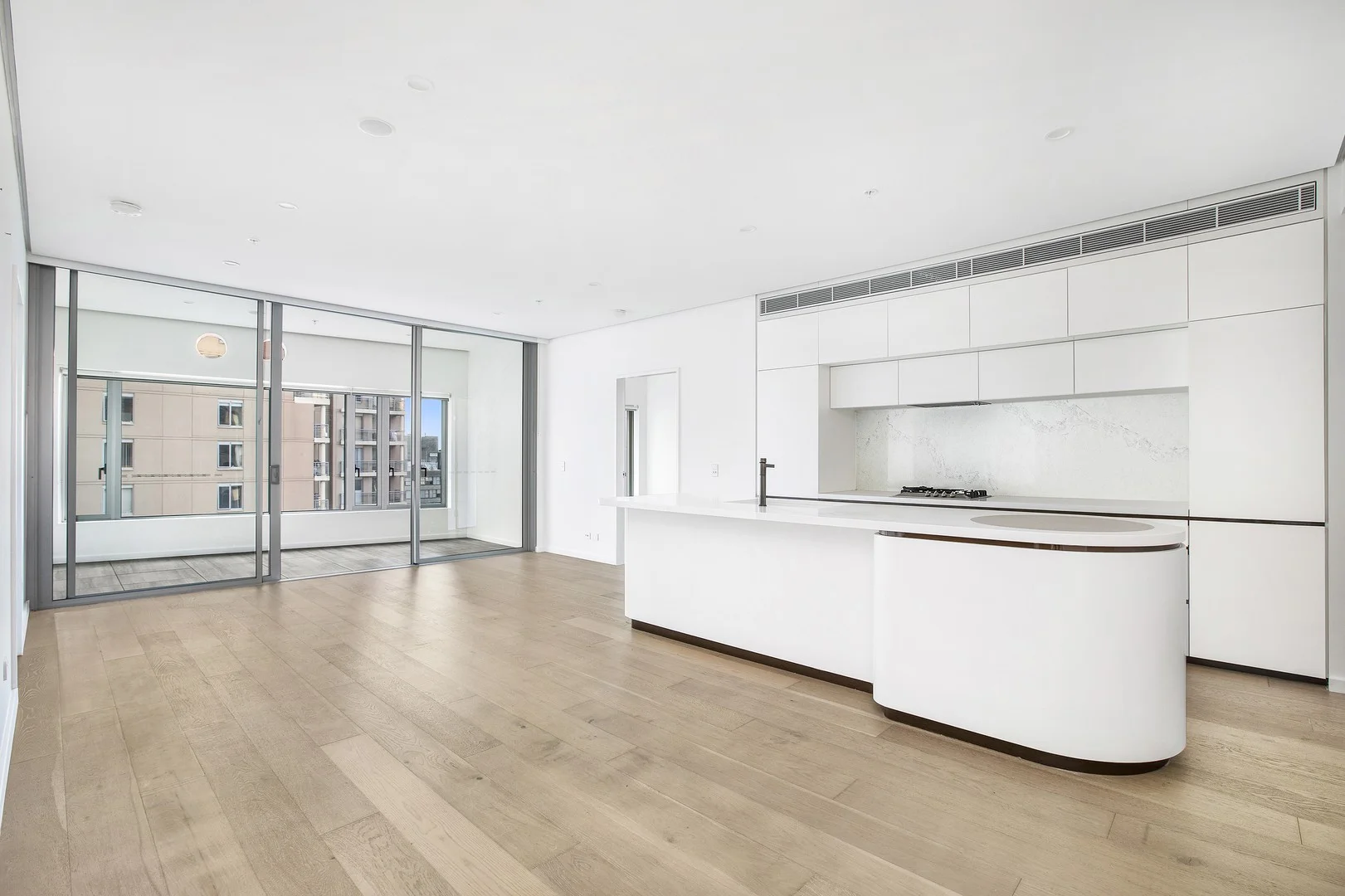 $2,250,000
Apartment / Unit / Flat
$2,250,000
Apartment / Unit / Flat
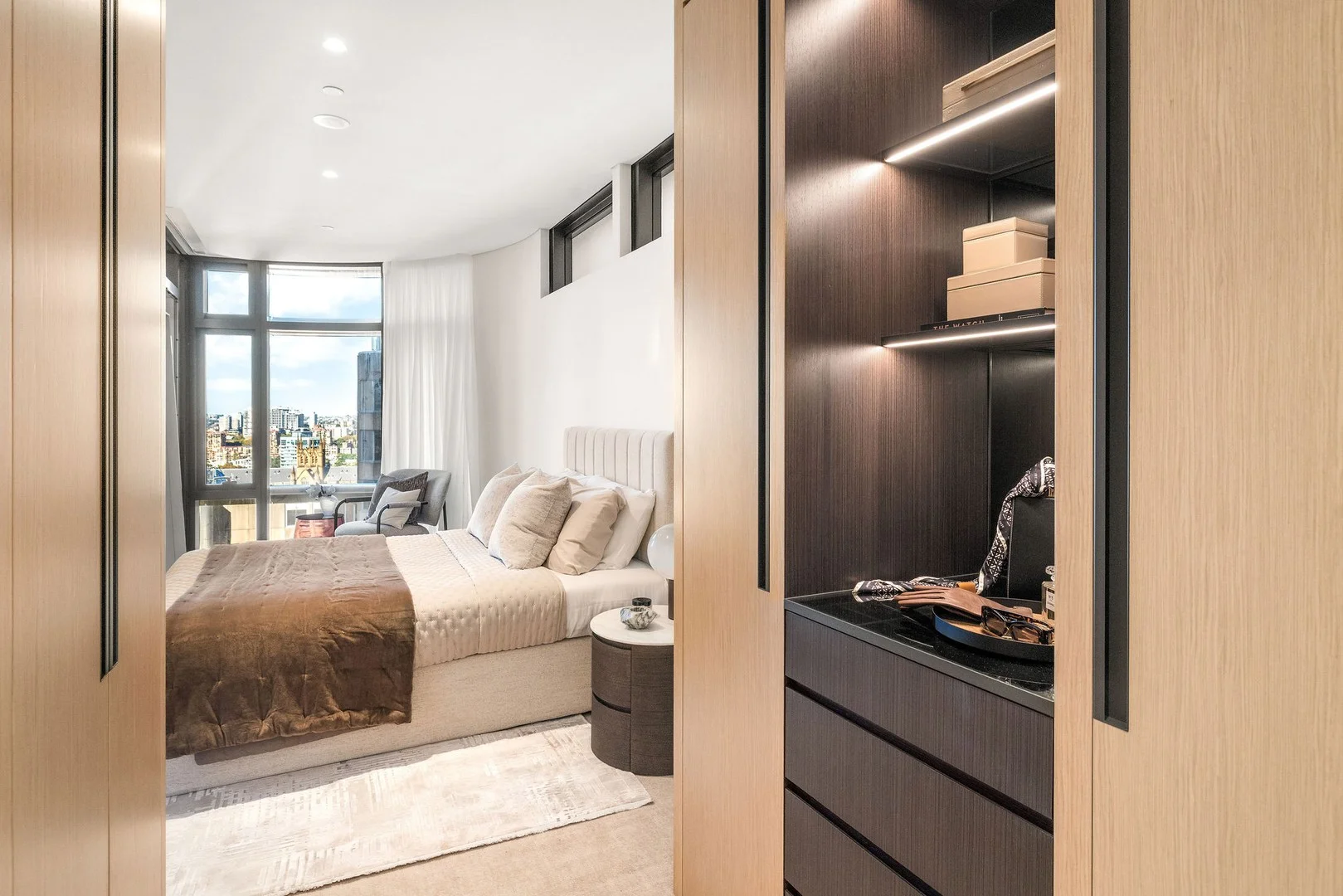 $2,745,000
propertyType.NEW APARTMENTS / OFF THE PLAN
$2,745,000
propertyType.NEW APARTMENTS / OFF THE PLAN
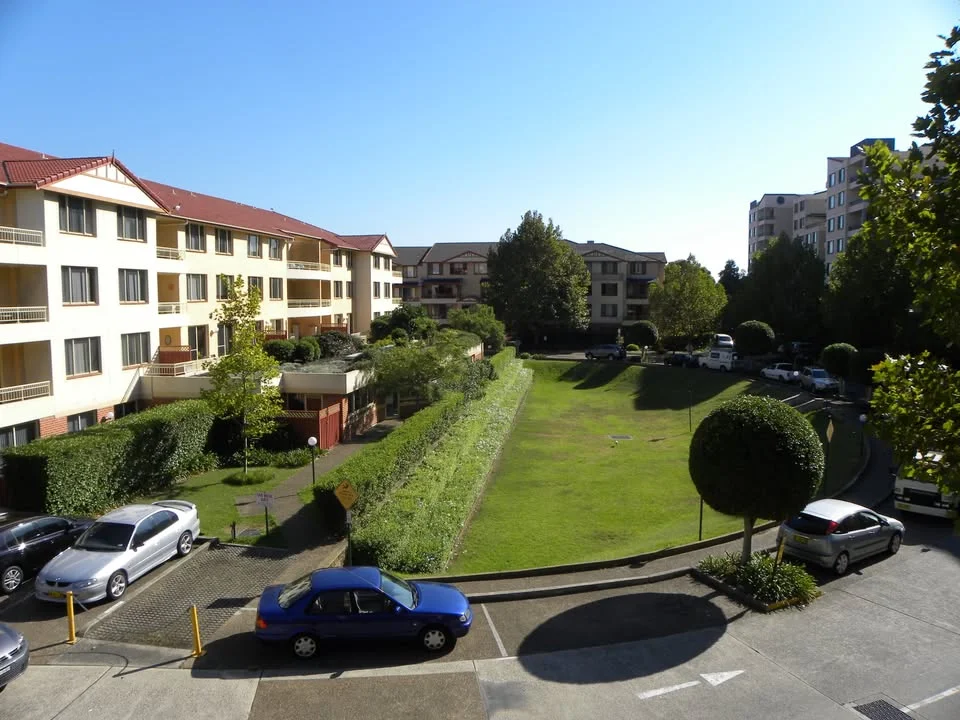 $990
Apartment / Unit / Flat
$990
Apartment / Unit / Flat