# Overview
Cooma North Public School 是一所公立小学,为科马地区的家庭提供服务。作为公立机构,它专注于为本地学生在一个小到中等规模的学校环境中提供可及、以社区为驱动的教育。环境设计为热情友好、支持性强,强调学生、家庭和教职员之间的协作。
- 学校类型:公立
- 学校规模:小到中等
- 班级规模:通常每班约20–25名学生
- 氛围/文化:有养育性、包容、以社区为中心
⸻
# Academics & Learning
学术与学习
Cooma North Public School 注重全面的小学教育,在核心科目和强项领域提供成长机会。
- 学术优势:英语与读写能力、算术、STEM 活动、领导力发展;在核心学术重点与实际、动手学习经验之间取得平衡。
- 特别项目:在有条件的情况下,提供天赋与才华(Gifted and Talented)或拓展机会;领导力与学生参与计划;参与基于项目的学习机会。
- NAPLAN / 趋势:新南威尔士州公立学校通常会对阅读、写作与算术的年度趋势进行监测;学校力求在各学年之间稳定提升和保持一致性。
- 学生-教师比率:提供支持性比率,旨在实现个别关注;班级规模小到中等,便于教师密切监控进展。
- 对多元学习者的支持:为英语为第二语言的学生(如适用)以及有额外学习需要的学生提供额外支持;有针对性的干预和课堂内的调整,帮助所有学生参与并取得成功。
⸻
# Sports & Extracurricular Strengths
体育与课外强项
对体育、艺术与充实教育的强烈关注,帮助学生全面发展并保持参与度。
- Sports offered: Soccer, netball, rugby league/league-tag alternatives, cricket, athletics, cross-country, and other local inter-school activities.
- 提供的体育项目:足球、网球(netball)、橄榄球联盟/联盟标签替代、板球、田径、越野,以及其他本地校际活动。
- Strong teams or achievements: Participation in local inter-school sporting events with opportunities to contribute to school teams and showcase talents.
- 强队伍或成就:参与本地校际体育赛事,有机会为学校球队做出贡献并展示才华。
- Music, arts, drama programs: School music activities, performance opportunities and arts programs to build creativity and expression.
- 音乐、艺术、戏剧项目:学校音乐活动、表演机会和艺术项目,培养创造力与表达。
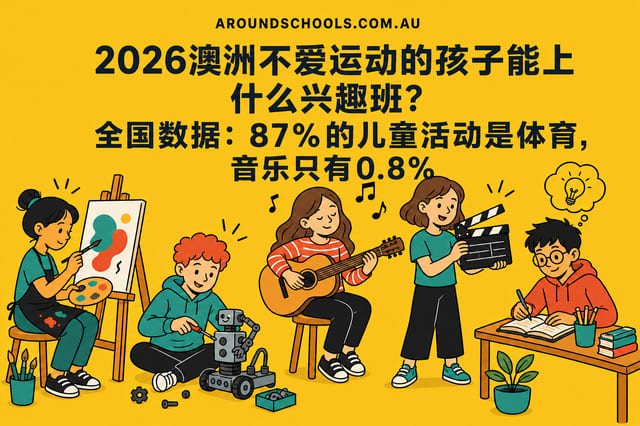
- Clubs: Robotics, chess, coding, debating and other enrichment clubs as available.
- 俱乐部:机器人、国际象棋、编程、辩论及其他可用的丰富活动俱乐部。
- Partnerships: Connections with local community clubs and regional competitions to expand participation and competition opportunities.
- 伙伴关系:与当地社区俱乐部及区域比赛的联系,扩大参与与比赛机会。
⸻
# Wellbeing & Pastoral Care
福祉与牧灵照护
幸福感对学生成功至关重要,设有支持每位学习者的结构。
- Anti-bullying approach: Clear anti-bullying policies, supportive programs and restorative practices to address concerns.
- 反霸凌做法:明确的反霸凌政策、支持性计划及修复性做法,以解决关切。
- House system: House groups to promote belonging, friendly competition and teamwork.
- 院系/宿舍系统:以院系小组促进归属感、友好竞争和团队合作。
- Counsellors / wellbeing officers: Access to wellbeing staff for emotional and social support.
- 辅导员/幸福官员:可获取幸福与福祉相关人员的情感与社交支持。
- Transition support for new students: Orientation and buddy systems to help new students settle in smoothly.
- 新生过渡支持:迎新与同伴计划,帮助新生顺利适应。
⸻
# Facilities
设施
Facilities are designed to support a range of learning activities and student wellbeing.
设施旨在支持多样化的学习活动与学生福祉。
- Sports grounds: External play fields and courts for physical activity.
- 体育场地:外部运动场与球场,供体育活动使用。
- Libraries: Well-stocked library with reading programs and research supports.
- 图书馆:藏书充足,提供阅读计划和研究支持。
- Science labs: Dedicated spaces for practical science learning.
- 科学实验室:用于实际科学学习的专用空间。
- Music/performing arts centers: Rooms or spaces for music practice and drama activities.
- 音乐/表演艺术中心:供音乐练习与戏剧活动使用的房间或空间。
- Tech/innovation labs: Computer labs and ICT resources to support digital learning.
- 技术/创新实验室:计算机实验室与信息与通信技术资源,支持数字学习。
- Cafeteria: On-site canteen or dining facilities.
- 餐厅/食堂:现场餐饮设施。
- Updated playgrounds: Well-maintained play areas and equipment.
- 更新的操场:维护良好的游戏区与设备。
⸻
# School Values & Community Culture
学校价值观与社区文化
The school community reflects shared values and a positive, inclusive culture.
学校社区体现共同的价值观与积极、包容的文化。
- School values / mission: Emphasis on respect, responsibility, cooperation and integrity.
- 学校价值观/使命:强调尊重、责任、合作与正直。
- Leadership style: Collaborative and supportive leadership that encourages student voice and involvement.
- 领导风格:协作与支持性领导,鼓励学生表达与参与。
- Behaviour expectations: Clear behavioral expectations and a positive behaviour for learning approach.
- 行为期望:明确的行为期望与以学习为本的积极行为方式。
- Community reputation: Known for being family-friendly, welcoming and supportive of diverse needs.
- 社区声誉:以家庭友好、热情欢迎和支持多元需求而闻名。
- Diversity & inclusion: Commitment to an inclusive environment that welcomes students from varied backgrounds and abilities.
- 多样性与包容性:致力于打造包容性环境,欢迎来自不同背景与能力的学生。
⸻
# School Logistics & Daily Operations
学校物流与日常运作
Practical information to help families plan and participate.
实用信息,帮助家庭规划与参与。
- School hours: Aligns with NSW Department of Education schedules; typically a morning start and afternoon finish with breaks.
- 学校时间:与新南威尔士教育部时间表一致;通常上午开始、下午结束并设有休息。
- Before/after school care: OSHC or school-approved programs available for before/after school care.
- 放学前/放学后照护:OSHC(在校看护)或学校认可的项目。
- Uniform requirements: School uniform policy in place; details provided by the school and P&C.
- 校服要求:已制定校服政策;由学校和家长会提供细节。
- Transport: Availability of local bus/transport routes; information coordinated with families and transport services.
- 交通:本地公交/交通路线可用;与家庭及交通服务协调信息。
- Canteen availability: On-site canteen or healthy meal options during the day.
- 食堂:现场小卖部或日间健康餐选项。
- Fees: Public schools have no tuition; minor voluntary contributions or optional fees may apply for activities or resources.
- 费用:公立学校不收取学费;可能有少量自愿捐款或活动与资源的自选费用。
⸻
# Enrolment & Admissions
入学与招生
11. What is the enrolment process and timeline?
- Enrolment is typically managed through the NSW Department of Education system for public schools. Families provide proof of age and Australian residency, proof of address, immunisation records and other documentation. The school may have an intake window or rolling admissions depending on availability and catchment priorities. Parents should contact the school to start the process and confirm intake timelines.
- 入学通常通过新南威尔士教育部的公立学校系统进行。家庭需提供年龄证明和澳大利亚居留权证明、地址证明、免疫记录及其他文件。学校可能根据可用性和入学辖区优先级设有入学窗口期或滚动招生。家长应联系学校以启动流程并确认入学时间表。
12. Is there a waiting list, and how does it work?
- If the school is oversubscribed, there may be a waiting list or priority admittance based on catchment rules and available space. Space availability, enrolment zones, and enrolment priorities influence placement.
- 如果学校名额超额,可能会有等待名单或基于入学辖区规则与可用空间的优先录取。可用空间、入学区域和入学优先级将影响安置。
13. Are there any entry requirements, tests, or interviews?
- Public primary schools generally do not require entrance tests. There may be a brief discussion or informal meeting with staff to support transition planning, along with standard documentation (birth certificate, immunisation, proof of address). Some programs or activities may involve informal assessments to tailor support, but formal exams are not typical.
- 公立小学通常不需要入学考试。可能会有简短的与教职员工的讨论或非正式会面来支持过渡计划,以及标准文件(出生证明、免疫证明、地址证明)。某些项目或活动可能涉及非正式评估以定制支持,但正式考试并不常见。
14. Does the school accept mid-year transfers?
- Mid-year transfers are possible if there is space and capacity within the year level. Families should contact the school as early as possible to discuss feasibility and required documentation.
- 如在同一学年内有空位,年中转学是可能的。家长应尽早联系学校,讨论可行性与所需文件。
⸻
# Frequently Asked Questions
常见问题
- Why Parents Choose This School?
- A close-knit community, supportive staff, emphasis on wellbeing and a balanced approach to academics, sport and the arts.
- 为什么家长选择这所学校?
- 紧密的社区、支持性的教职员工、对幸福感的重视,以及在学术、体育和艺术方面的均衡方法。
- What type of student thrives at this school?
- Students who respond well to a collaborative, inclusive environment with opportunities to participate in a range of learning experiences.
- 哪种类型的学生在这所学校里茁壮成长?
- 能很好地适应协作、包容性环境并有机会参与多样学习体验的学生。
- What opportunities are available for students to extend their skills (academics, sports, arts)?
- Gifted/extension opportunities, leadership roles, sports teams, music and arts programs, and clubs such as robotics, coding, chess and debating.
- 学生有哪些机会来提升技能(学业、体育、艺术)?
- 天赋/拓展机会、领导角色、运动队、音乐与艺术项目,以及机器人、编程、国际象棋和辩论等俱乐部。
- How does the school communicate with parents?
- Regular updates through newsletters, emails, the school app or website, and parent-teacher conversations; there is a focus on open, timely communication.
- 学校如何与家长沟通?
- 通过通讯、电子邮件、学校应用程序或网站,以及家长-教师对话进行定期更新,强调开放、及时的沟通。
- What is the school’s approach to teaching and learning?
- A comprehensive, student-centred approach with emphasis on core literacy and numeracy, hands-on learning, and opportunities for collaboration and inquiry.
- 学校的教学与学习方法是什么?
- 全面、以学生为中心的方法,强调核心读写与算术、动手学习,以及协作与探究的机会。
- How does the school support students who need extra academic help?
- Targeted interventions, in-class support, and access to wellbeing and learning support staff; adjustments and accommodations are made to assist learners.
- 学校如何支持需要额外学业帮助的学生?
- 有针对性的干预、课堂内的支持,以及可获得幸福与学习支持人员的帮助;为学习者提供调整与适应。
- What support is available for academic challenges?
- Additional tutoring or interventions as needed, along with ongoing teacher collaboration and planning to address individual learning goals.
- 面对学业挑战有哪些支持?
- 根据需要提供额外的辅导或干预,以及持续的教师协作与计划以实现个别学习目标。
- How does the school communicate with parents? (Repeated)
- See above: multiple channels including newsletters, emails, apps, and parent-teacher meetings.
- 学校如何与家长沟通?(重复)
- 参见上文:通过多种渠道,包括通讯、电子邮件、应用程序和家长-教师会议。
- What are the class sizes and how much individual attention do students receive?
- Class sizes are small-to-medium, designed to enable teachers to provide more individual attention and targeted feedback.
- 班级规模和学生获得的个体关注程度?
- 班级规模为小到中等,旨在让教师能够提供更多的个别关注和有针对性的反馈。
- What extracurricular and sports opportunities are available?
- A range of sports (e.g., soccer, netball, cricket, athletics), plus clubs in robotics, coding, chess, debating, music and arts programs.
- 课外和体育机会有哪些?
- 各类体育(如足球、网球、板球、田径等),以及机器人、编程、国际象棋、辩论、音乐与艺术项目等俱乐部。
- What facilities does the school offer (sports, science, arts)?
- Sports grounds, library, science labs, music/drama spaces, ICT/computer labs and a canteen, with updated playground facilities.
- 学校提供哪些设施(体育、科学、艺术)?
- 体育场、图书馆、科学实验室、音乐/戏剧空间、信息与通信技术/计算机实验室和食堂,并有更新的操场设施。
- What is the school’s approach to technology and digital learning?
- Integration of ICT and digital learning tools to support curriculum delivery and student collaboration.
- 学校在技术与数字学习方面的做法?
- 将信息与通信技术及数字学习工具整合,以支持课程实施和学生协作。
- What transport and accessibility options are available?
- Transport options typically include local bus routes and school-provided pick-up arrangements; details provided by the school or local transport authorities.
- 可用的交通与无障碍选项?
- 交通选项通常包括本地公交路线和学校提供的接送安排;具体信息由学校或当地交通主管部门提供。
- What are the typical school fees or additional costs?
- As a public school, tuition is not charged; families may encounter voluntary contributions or costs for optional activities and school uniforms.
- 通常的学校费用或额外支出?
- 公立学校不收取学费;家长可能还会遇到可选活动与校服的自愿捐款或费用。
⸻
# Short Pros & Cons
优点与缺点
- Pros
- Public, community-focused environment with a nurturing culture.
- 公立、以社区为中心的环境,具备养育性的文化。
- Small-to-medium class sizes enabling more individual attention.
- 小到中等班级规模,能够提供更多的个别关注。
- Broad range of academics, sports, arts and clubs; emphasis on wellbeing.
- 广泛的学科、体育、艺术与俱乐部;强调幸福感。
- Supportive transition and inclusion practices for diverse learners.
- 对多元学习者的支持性过渡与包容性做法。
- Active parent and community involvement through events and programs.
- 通过活动与项目积极参与的家长和社区。
- Cons
- As a small-to-medium school, some specialist programs may be limited compared with larger urban schools.
- 作为小到中等规模的学校,与大型城市学校相比,某些专业项目可能受限。
- Availability of certain programs or clubs may vary by year and cohort.
- 某些项目或俱乐部的可用性可能随年份与班级而异。
- Mid-year transfers depend on space and may involve additional logistics.
- 年中转学取决于空位,可能涉及额外的后勤安排。