## Overview
莫斯曼高中是一所公立的男女同校高中,招收7–12年级学生。学校强调提供一个支持性、包容性的学习环境,并与悉尼北岸下部地区的社区保持紧密联系。
- School type: Public high school (government) -> 公立高中(政府资助)
- School size: Medium -> 中等规模
- Class size: Typically 22–26 students per class -> 每班通常22–26名学生
- Atmosphere/culture: Inclusive, academically focused with a strong sense of community and belonging -> 包容、学术导向、具有强烈的社区意识和归属感
⸻
## Academics & Learning
学校提供平衡的课程,旨在培养读写、算术和批判性思维等基础技能,同时为高年级学习及领导力发展提供途径。
- Academic strengths: English, Mathematics, Science, and STEM subjects; opportunities to develop leadership and language skills -> 学术优势:英语、数学、科学和 STEM 科目;有机会发展领导力和语言技能
- Special programs: Gifted and Talented programs, accelerated learning opportunities, and HSC preparation pathways -> 特别项目:天赋与才华计划、加速学习机会,以及 HSC(新南威尔士州高等学校证书)准备路径
- NAPLAN trends: Consistent attainment with gradual improvements in reading and writing over time; numeracy showing stable trends year to year -> NAPLAN 趋势:阅读与写作表现持续提升逐步改善;数学表现年年保持稳定趋势
- Student-teacher ratios: Roughly 1:18–1:25, depending on year level and subject -> 学生与教师比例:大约 1:18–1:25,取决于年级和科目
- Support for diverse learners: EAL support, SEN support, and inclusive education services; targeted assistance for students needing extra help -> 多元学习者支持:EAL 支持(英语作为额外语言)、SEN 支持(特殊教育需要)及包容性教育服务;为需要额外帮助的学生提供定向援助
⸻
## Sports & Extracurricular Strengths
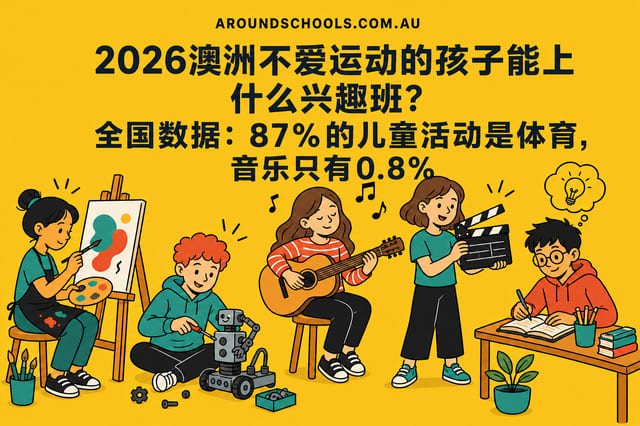
广泛的体育与课外活动在支持性环境中为学生提供追求体育、艺术和社团的机会。
- Sports offered: Rugby league, soccer, cricket, basketball, netball, athletics, swimming, and tennis -> 提供的体育项目:橄榄球联盟、足球、板球、篮球、netball、田径、游泳和网球
- Strong teams or achievements: Competitive inter-school teams with participation in regional competitions -> 具备竞争力的校际队伍,参加地区比赛
- Music, arts, drama programs: Active music program, school productions, choirs and ensembles; visual arts and drama opportunities -> 音乐、艺术、戏剧项目:活跃的音乐项目、校园剧目、合唱团与乐队;视觉艺术与戏剧机会
- Clubs: Robotics, chess, coding, debating, public speaking, science clubs -> 社团:机器人、国际象棋、编码、辩论、公开演讲、科学社团
- Partnerships: Local sporting and arts partnerships, inter-school competitions, and community-based programs for enrichment -> 伙伴关系:本地体育与艺术伙伴关系、校际比赛,以及面向社区的拓展项目
⸻
## Wellbeing & Pastoral Care
福祉是学生成功的核心,学校采用有结构的支持、指导和安全校园文化的方法。
- Anti-bullying approach: Clear anti-bullying policies, awareness programs, and restorative practices -> 反欺凌措施:明确的反欺凌政策、提高意识的计划与修复性做法
- House system: House-based structure to foster belonging and friendly competition -> 学院制:以学院为单位的结构,培养归属感和友好竞争
- Counsellors / wellbeing officers: Access to school counsellors and wellbeing staff for student support -> 辅导员/福祉官员:可获取学校辅导员与福祉人员以支持学生
- Transition support for new students: Orientation programs, buddy systems, and targeted transition activities for Year 7 entrants -> 新生过渡支持:迎新活动、同伴系统及面向7年级新生的定向过渡活动
⸻
## Facilities
设施旨在支持学习、创造力和体育活动,提供满足广泛学生兴趣的空间。
- Sports grounds -> 运动场
- Libraries -> 图书馆
- Science labs -> 科学实验室
- Music/performing arts centers -> 音乐/表演艺术中心
- Tech/innovation labs -> 科技/创新实验室
- Cafeteria -> 餐厅
- Updated playgrounds -> 更新的操场
⸻
## School Values & Community Culture
学校致力于培养有礼、负责任、坚韧的学生,使其对学校及更广泛的社区产生积极贡献。
- School values / mission: Respect, Responsibility, Integrity, Inclusion -> 校训/价值观:尊重、责任、正直、包容
- Leadership style: Student voice and leadership opportunities; collaborative and inclusive -> 领导风格:重视学生声音与领导机会;协作与包容
- Behaviour expectations: Clear code of conduct and consistent expectations; emphasis on restorative approaches -> 行为规范:明确的行为准则与一致的期望;强调修复性做法
- Community reputation: Strong local engagement and positive relationships with families and the community -> 社区声誉:强大的本地参与度及与家庭和社区的积极关系
- Diversity & inclusion: Commitment to an inclusive environment and support for culturally diverse students -> 多样性与包容性:致力于包容性环境并支持具有文化多样性的学生
⸻
## School Logistics & Daily Operations
实用信息有助于家庭围绕学校日程与日常安排进行规划。
- School hours: Typical school day runs from morning start to mid-afternoon -> 学校时间:典型的上课日从上午开始到下午中段
- Before/after school care: Supervisory arrangements and study spaces are available as part of the school facilities -> 课前/课后照看:作为学校设施的一部分,提供监督安排和学习空间
- Uniform requirements: School uniform required; details available through the school -> 校服要求:必须穿校服;详情请以学校为准
- Transport (train/bus routes): Accessible by local public transport; bus routes and nearby transfer points on offer -> 交通(火车/公交线路):可通过本地公共交通到达;提供公交路线及周边换乘点
- Canteen availability: On-site canteen with hot and cold meal options -> 校内食堂,提供热餐和冷餐选项
- Fees (low/medium/high ranges): As a public school, there are no tuition fees; expect modest costs for uniforms, excursions, and subjectLevies -> 费用(低/中/高范围):作为公立学校,没有学费;制服、外出活动和科目附加费等有适度费用
⸻
## Enrolment & Admissions
11. 入学流程与时间表是什么?
- 申请通过 NSW Department of Education(新南威尔士州教育部)管理。家长通常在有名额时为7年级(及其他年级,视名额而定)提交入学申请,需提供身份与居住证明等材料。时间表因入学期而异,最好及早开始并向学校确认截止日期。
12. 是否有等待名单,如何运作?
- 同区申请者对可用名额享有优先权。非同区申请者可能被列入等待名单,待名额出现时再考虑,需遵守教育部的分配政策。
13. 是否有入学要求、测试或面试?
- 一般公立高中的入学不设入学考试或标准面试。某些项目或途径可能有信息说明会或项目特定条件。
14. 学校是否接受学年中转学?
- 是的,如有空位,学年中转学是可行的。家长应联系学校讨论转学要求,包括成绩单与相关证明材料。
⸻
## Frequently Asked Questions
- Why Parents Choose This School?
- A welcoming, inclusive environment with strong academics and supportive wellbeing services; active student engagement and community connections.
- 为什么家长选择这所学校?
- 友好、包容的环境,具备强劲的学术水平和支持性的福祉服务;积极的学生参与与社区联系。
- What type of student thrives at this school?
- Motivated, collaborative learners who value both academics and participation in co-curricular activities; students who seek a balanced, supportive school experience.
- 这所学校适合什么类型的学生?
- 积极上进、善于合作的学习者,重视学业与课外活动的结合;寻求平衡、支持性的校园体验的学生。
- What opportunities are available for students to extend their skills (academics, sports, arts)?
- Gifted and Talented programs, accelerated learning paths, leadership opportunities, STEM and coding clubs, musical ensembles, drama productions, and competitive sports.
- 学生有哪些机会来拓展技能(学术、体育、艺术)?
- 天赋与才华计划、加速学习路径、领导力机会、STEM 与编码社团、音乐合奏、戏剧制作,以及竞技体育。
- How does the school communicate with parents?
- Regular newsletters, emails, parent portals, and scheduled parent-teacher interviews; occasional updates through school platforms.
- 学校如何与家长沟通?
- 定期简报、电子邮件、家长门户及安排的家长-教师会谈;偶尔通过学校平台更新。
- What is the school’s approach to teaching and learning?
- Student-centred and differentiated instruction, combining teacher-led guidance with inquiry and collaboration; emphasis on literacy, numeracy and critical thinking.
- 学校的教学与学习方法是什么?
- 以学生为中心的差异化教学,结合教师引导、探究与协作;强调读写能力、算术能力和批判性思维。
- How does the school support students who need extra academic help?
- Targeted interventions, learning support staff, EAL and SEN services, and tailored learning plans as needed.
- 学校如何支持需要额外学业帮助的学生?
- 有针对性的干预、学习支持人员、EAL 与 SEN 服务,以及按需定制的学习计划。
- What support is available for academic challenges?
- Additional tutoring options, small-group support, and access to guidance from teachers and counsellors.
- 学业挑战有哪些支持?
- 额外的辅导选项、小组支持,以及获得教师和辅导员的指导。
- How does the school communicate with parents? (reiterated)
- See above: newsletters, portals, emails, and interviews.
- 学校如何与家长沟通?(重述)
- 如上:简报、家长门户、电子邮件和面谈。
- What are the class sizes and how much individual attention do students receive?
- Typical classes around 22–26 students with differentiation and teacher support to address individual needs.
- 班级规模是多少,学生能获得多少个体关注?
- 典型班级约22–26名学生,提供差异化教学与教师支持以满足个别需求。
- What extracurricular and sports opportunities are available?
- A broad range of sports, music and arts programs, clubs in robotics, coding, debating, and more; opportunities to participate in inter-school competitions.
- 有哪些课外和体育机会?
- 广泛的体育、音乐与艺术项目,机器人、编码、辩论等社团,以及参与校际比赛的机会。
- What facilities does the school offer (sports, science, arts)?
- Comprehensive facilities including sports grounds, science labs, music/performing arts spaces, libraries, and tech/innovation labs.
- 学校提供哪些设施(体育、科学、艺术)?
- 综合性设施,包括运动场、科学实验室、音乐/表演艺术空间、图书馆和科技/创新实验室。
- What is the school’s approach to technology and digital learning?
- Integration of digital learning tools across the curriculum, with access to computer labs and digital platforms to support classroom work.
- 学校对科技与数字学习的做法?
- 将数字学习工具整合到整个课程中,提供计算机实验室和数字平台以支持课堂学习。
- What transport and accessibility options are available?
- Public transport access via buses and nearby rail connections; facilities designed for accessibility.
- 有哪些交通与无障碍选项?
- 通过公交和附近的铁路线等公共交通可达;设施设计考虑无障碍。
- What are the typical school fees or additional costs?
- Being a public school, there are no tuition fees; there are minor costs for uniforms, excursions, and optional materials.
- 学校通常的学费或额外费用?
- 作为公立学校,没有学费;制服、外出活动和可选材料等有较小的费用。
⸻
## Short Pros & Cons
- Pros
- Public school with a supportive, inclusive culture
- Balanced academics with strong STEM and language pathways
- Wide range of co-curriculars, sports, and arts
- Clear wellbeing and student-support structures
- Family-friendly communication and community involvement
- 优点
- 拥有支持性、包容性文化的公立学校
- 学术与 STEM 及语言路径并重
- 广泛的课外活动、体育与艺术
- 清晰的福祉与学生支持结构
- 家庭友好的沟通与社区参与
- Cons
- Class sizes can vary by subject and year group; some years may feel larger
- As a public school, availability of places can depend on annual enrolment demand
- Transport options depend on local public routes and schedules
- 缺点
- 班级规模因学科和年级而异;某些年级可能感到更大
- 作为公立学校,名额的可用性取决于年度入学需求
- 交通选项取决于当地公共路线与时刻表
⸻













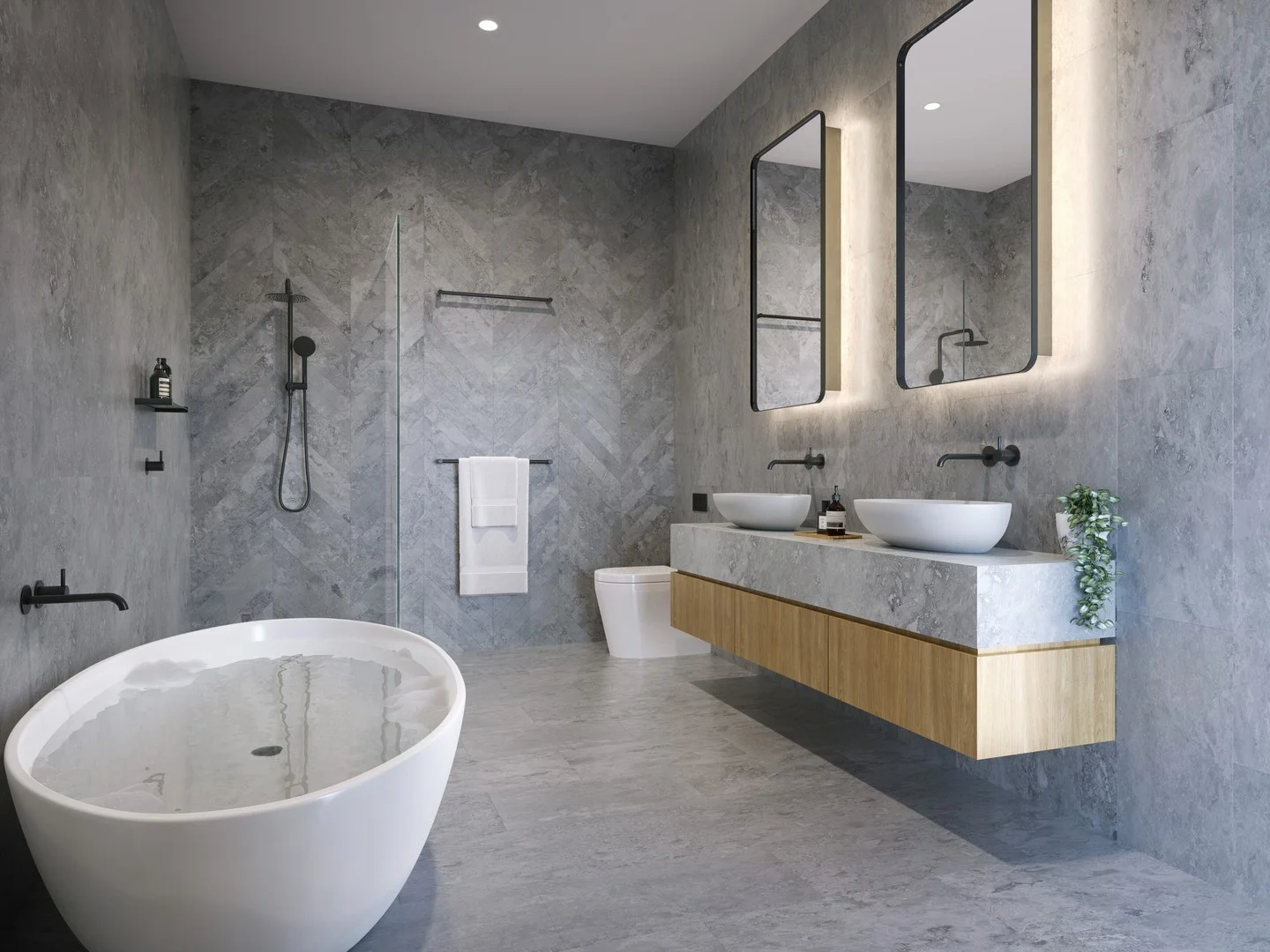 $2,824,000
公寓/单元房
$2,824,000
公寓/单元房
 $26,550,000
propertyType.NEW APARTMENTS / OFF THE PLAN
$26,550,000
propertyType.NEW APARTMENTS / OFF THE PLAN
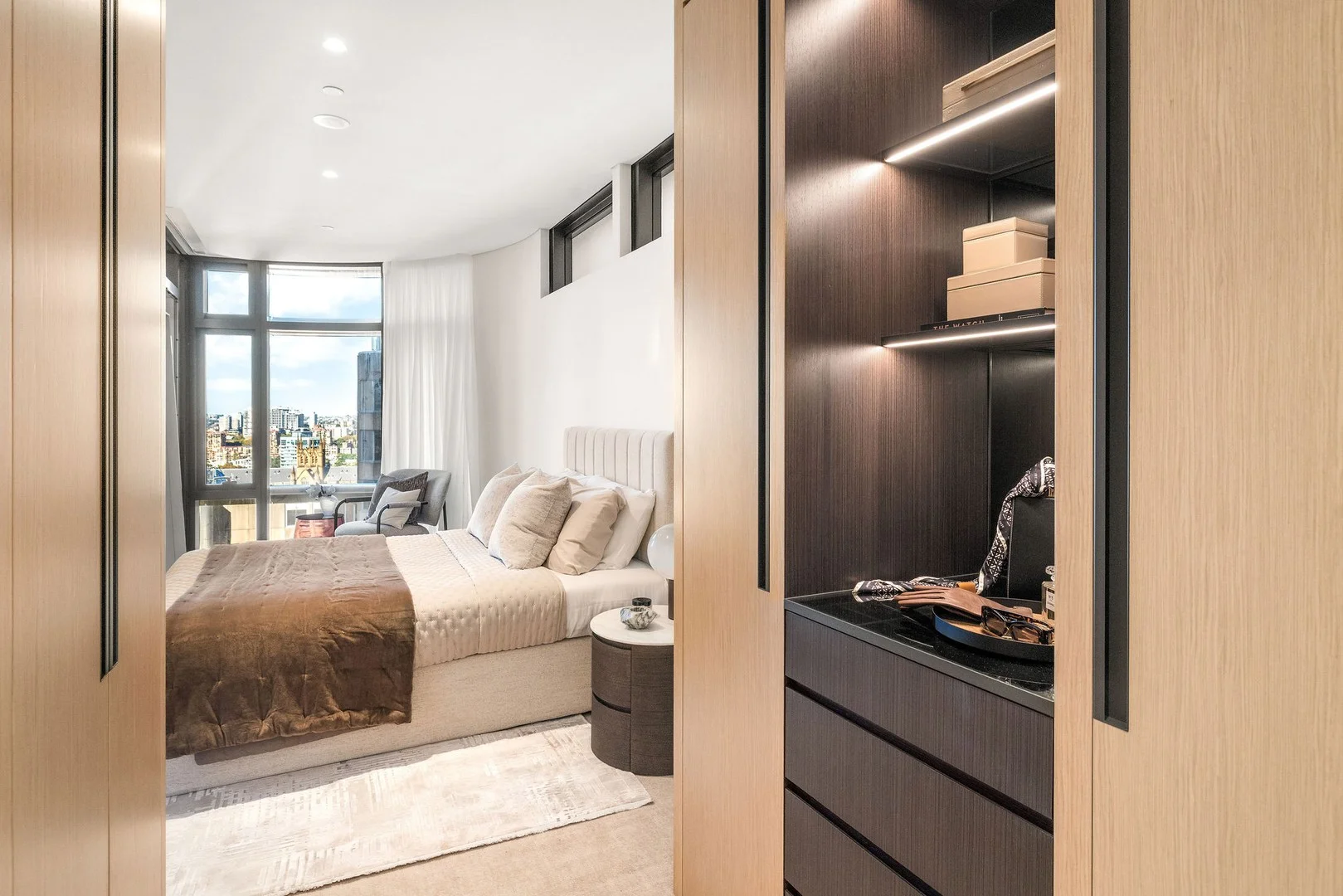 $2,745,000
propertyType.NEW APARTMENTS / OFF THE PLAN
$2,745,000
propertyType.NEW APARTMENTS / OFF THE PLAN
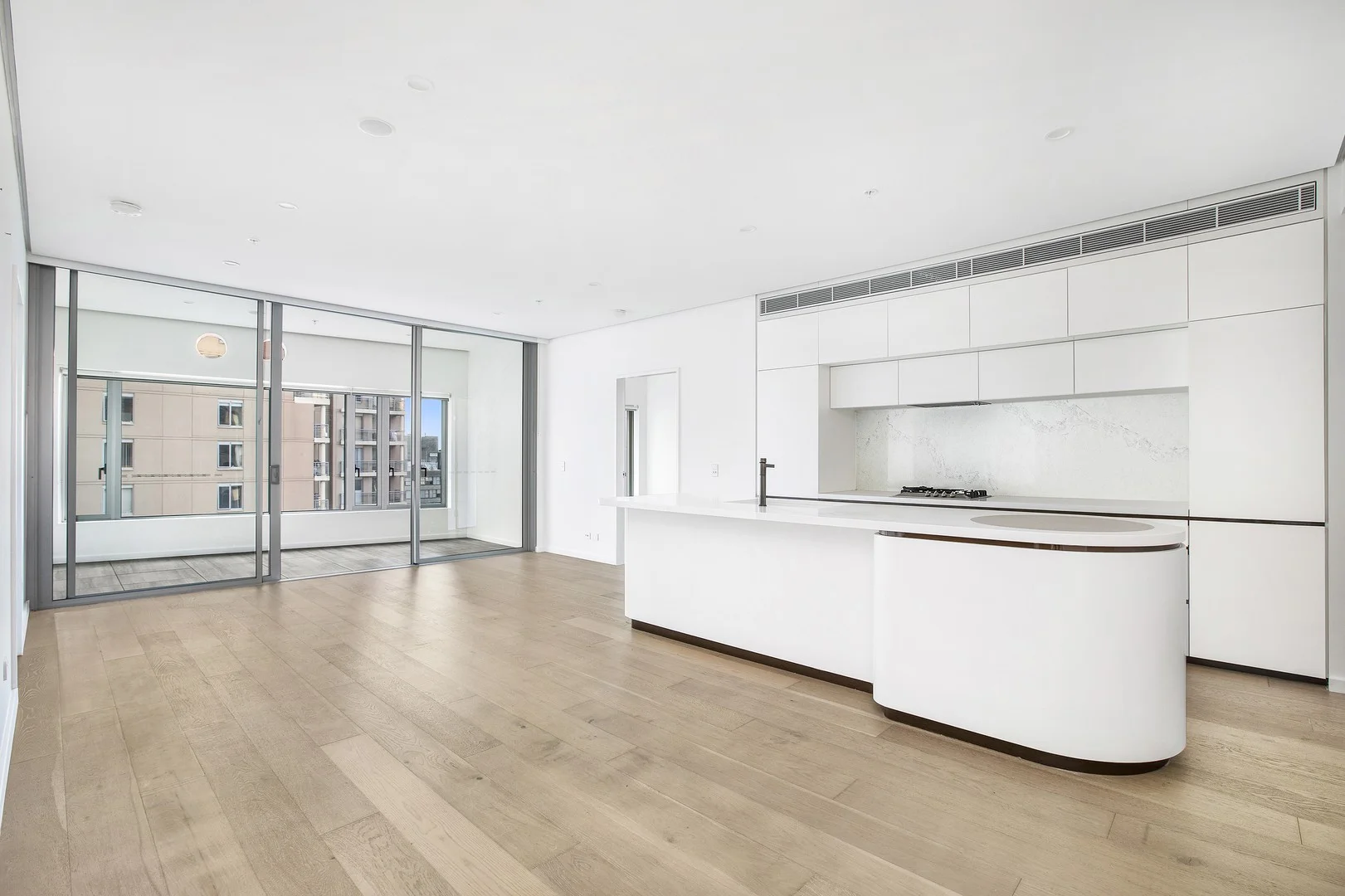 $2,250,000
公寓/单元房
$2,250,000
公寓/单元房
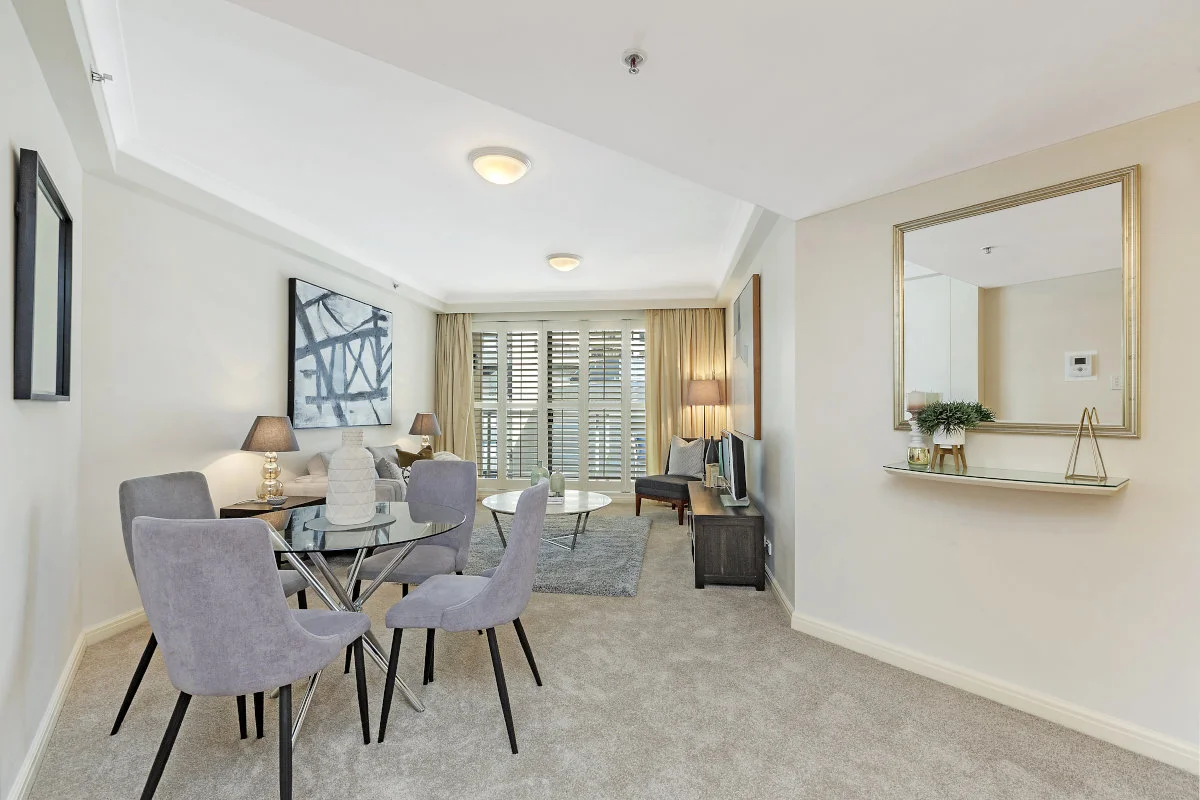 $660,000 - $725,000
公寓/单元房
$660,000 - $725,000
公寓/单元房
 $8,630,000
propertyType.NEW APARTMENTS / OFF THE PLAN
$8,630,000
propertyType.NEW APARTMENTS / OFF THE PLAN
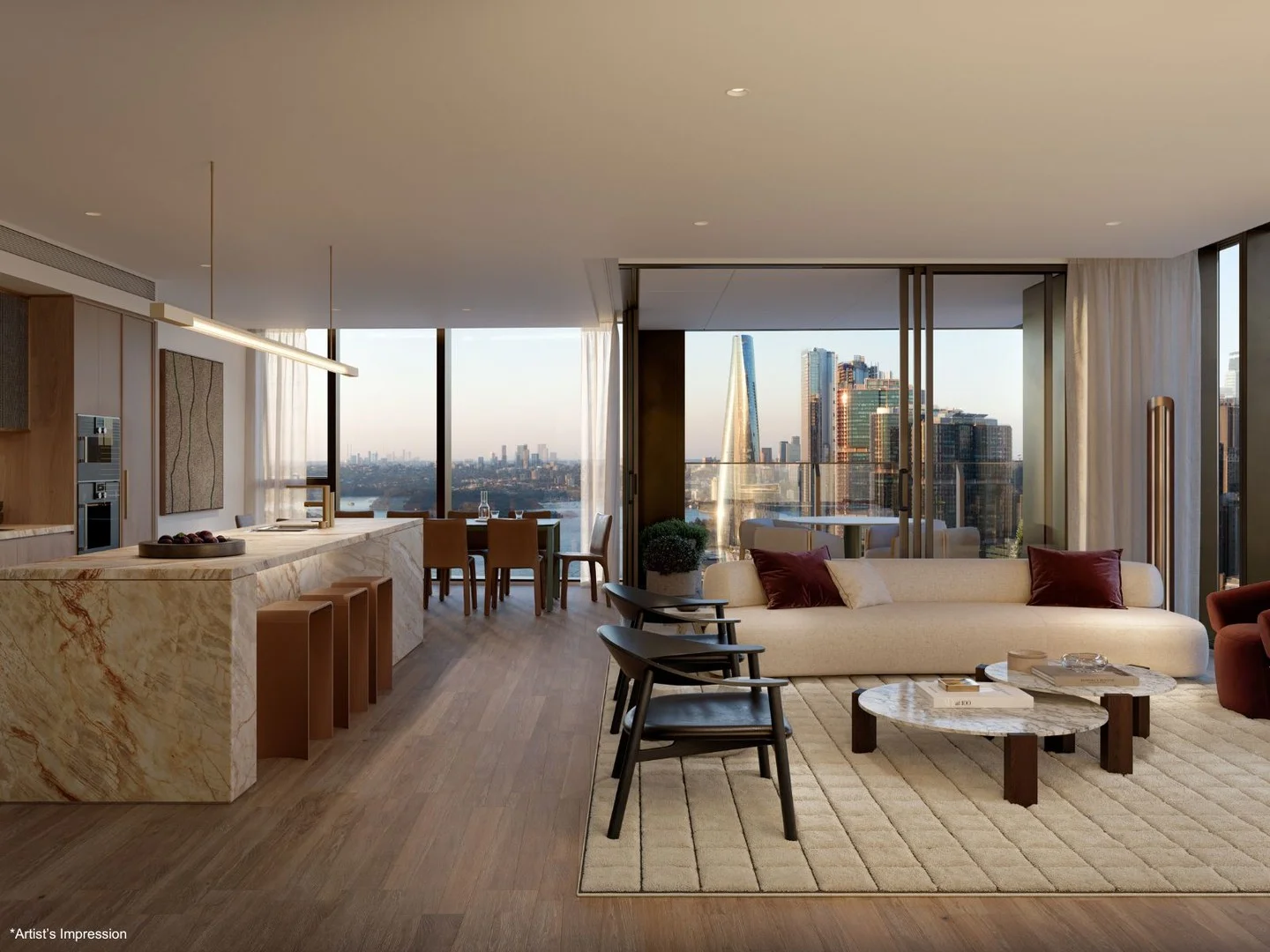 $12,980,000
propertyType.NEW APARTMENTS / OFF THE PLAN
$12,980,000
propertyType.NEW APARTMENTS / OFF THE PLAN
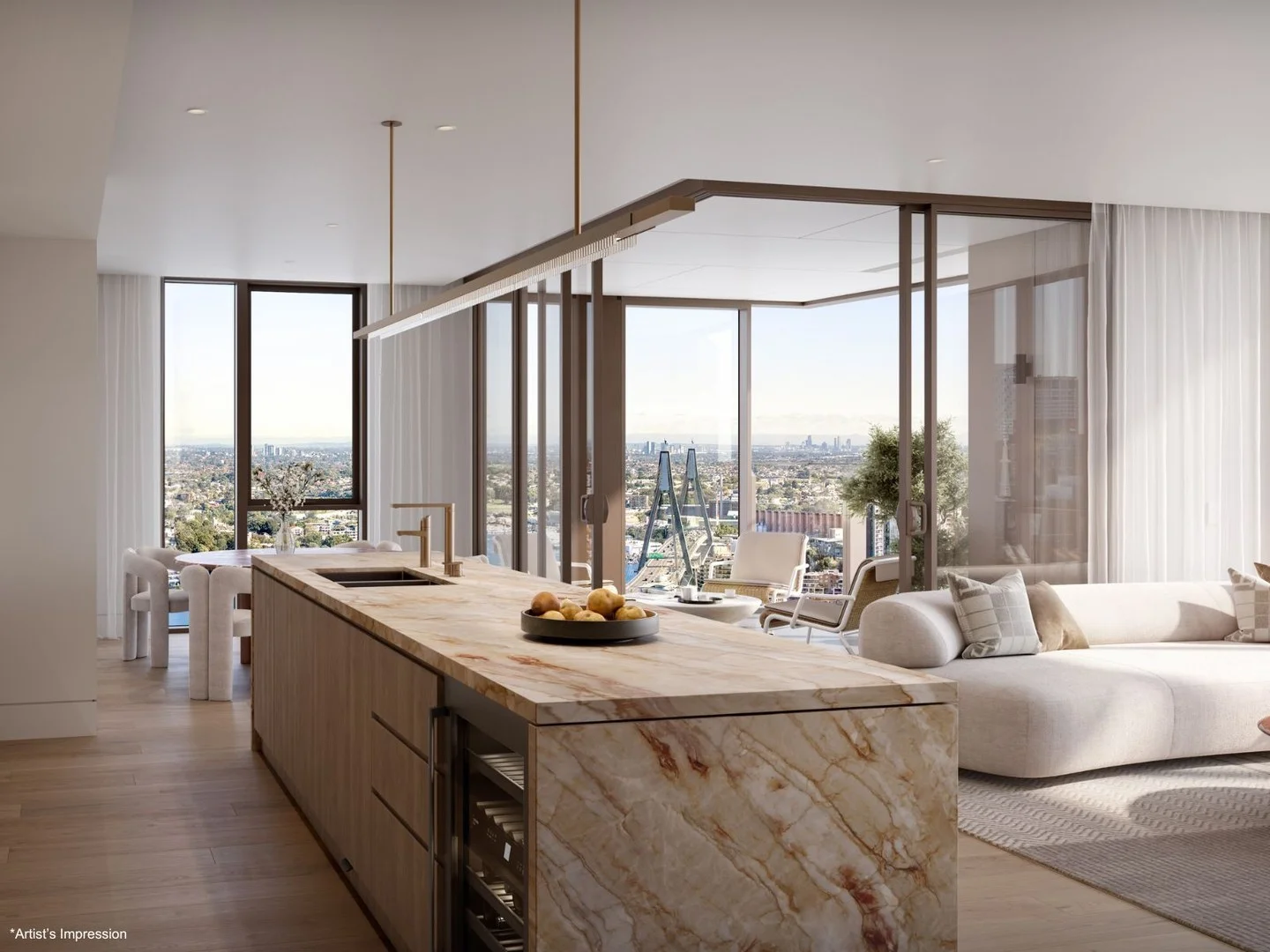 $9,020,000
propertyType.NEW APARTMENTS / OFF THE PLAN
$9,020,000
propertyType.NEW APARTMENTS / OFF THE PLAN
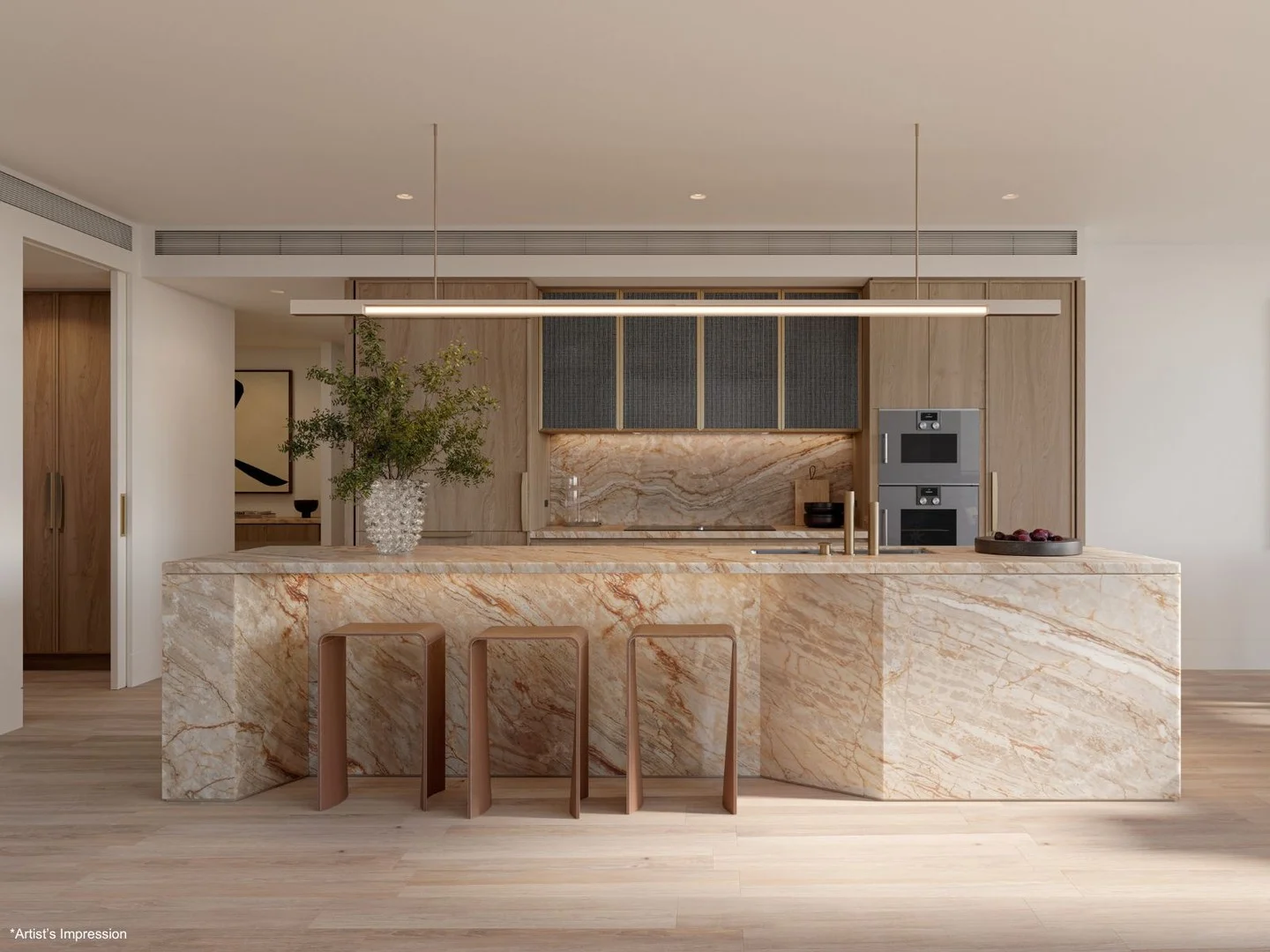 $6,225,000
propertyType.NEW APARTMENTS / OFF THE PLAN
$6,225,000
propertyType.NEW APARTMENTS / OFF THE PLAN