概述
## Overview
圣特蕾莎天主教小学(新南威尔士州)是一所天主教、以社区为中心的小学,将以信仰为基础的教育与强大的学术课程结合起来。学校规模中等,旨在促进学生、家庭和人员之间的密切关系,班级人数通常约为20–25人,以便提供个别关注与协作学习。校园氛围关怀、包容,强调品格养成、服务与积极参与教区生活。
关键标识信息
- 学校类型:天主教私立小学
- 学校规模:中等
- 每班人数:约20–25人
- 氛围/文化:关怀、包容、以信仰为基础、以社区为导向
---
## Academics & Learning
- Academic strengths: Strong literacy and numeracy foundations, with a focus on critical thinking, resilience, and leadership development. The curriculum also emphasises religious education as a core component of daily learning.
- Special programs: Gifted & Talented provisions, STEM-focused activities integrated across year levels, and Indonesian language program to support cultural awareness and language development.
- NAPLAN trends: Over the past few years, trends show steady improvement in reading and numeracy, with targeted efforts to strengthen writing and problem-solving abilities.
- Student-teacher ratios: Approximately 1:16–1:22, varying by year level and subject area, allowing for targeted feedback and small-group instruction.
- Support for diverse learners: EAL/D support is available, along with a dedicated learning support team to assist students with additional needs, including tailored plans and assistive technologies as appropriate.
- 学术优势:扎实的读写和算术基础,重点培养批判性思维、韧性和领导力的发展。课程还强调宗教教育作为日常学习的核心组成部分。
- 特色项目:天赋教育(天才/杰出人才培养)计划、跨年级整合的STEM相关活动,以及印尼语课程以提升文化意识和语言发展。
- NAPLAN趋势:近几年来,阅读和计算能力持续提升,且有针对性地加强写作与解决问题的能力。
- 师生比例:大约1:16–1:22,因年级和学科而异,便于提供有针对性的反馈和小组教学。
- 多元学习者支持:提供英语为第二语言/双语教学(EAL/D)支持,以及专门的学习支持团队,帮助有额外需求的学生,提供定制化计划和适宜的辅助技术。
---
## Sports & Extracurricular Strengths
- Sports offered: Soccer, basketball, netball, cricket, rugby league, athletics, and swimming programs (where available). Local fixtures and inter-school events are a regular part of the year.
- Strong teams or achievements: Regular participation in diocesan and inter-school competitions, with opportunities to develop teamwork, sportsmanship, and competitive spirit.
- Music, arts, drama programs: School choir, musical productions, and opportunities to participate in drama and performance-based activities.
- Clubs: Robotics, chess, coding, debating, and science/clubs that encourage enquiry and collaboration beyond the classroom.
- Partnerships: Collaboration with local clubs and diocesan athletics and sports programs, with opportunities to participate in regional competitions.
- 提供的体育项目:足球、篮球、网球(netball)、板球、橄榄球联盟、田径和游泳项目(如有)。本地比赛和校际活动是年度常态。
- 强队伍或成就:定期参加教区与校际比赛,提供发展团队合作、体育精神和竞争意识的机会。
- 音乐、艺术、戏剧项目:学校合唱团、音乐剧演出,以及参与戏剧和表演类活动的机会。
- 俱乐部:机器人、国际象棋、编程、辩论,以及鼓励在课堂之外进行探究和合作的科学/科技社团。
- 伙伴关系:与本地俱乐部及教区田径与体育项目合作,提供参加区域比赛的机会。
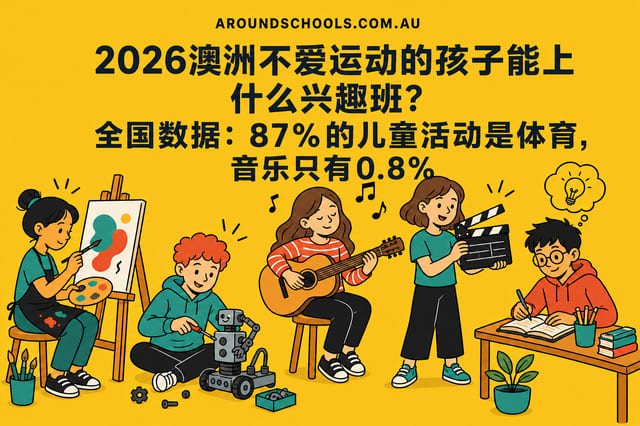
大多数家长会略读本节,尤其是关注10–14岁男孩在体育、音乐和实践型社团方面的机会。
---
## Wellbeing & Pastoral Care
- Anti-bullying approach: Proactive, school-wide strategies emphasizing respect, empathy, and responsible digital citizenship; clear reporting channels and restorative practices.
- House system: Four houses that foster healthy competition and community spirit, with regular house activities and celebrations.
- Counsellors / wellbeing officers: Access to school guidance staff focused on emotional wellbeing, resilience-building, and social development.
- Transition support for new students: Orientation sessions, buddy programs, and transition visits to help new students settle in smoothly.
- 反欺凌策略:主动的全校范围策略,强调尊重、同理心和负责任的数字公民教育;明确的举报渠道和修复性做法。
- 院系/分队制度:四个院系,促进健康竞争和社区精神,定期举行院系活动和庆祝活动。
- 辅导员/福利官员:可获得学校指导人员的支持,关注情绪福祉、韧性培养和社会发展。
- 新生过渡支持:入学导览、伙伴计划和过渡访问,帮助新生顺利适应。
本节通过展现对全人发展的承诺和支持性的校园环境,建立与家庭的信任。
---
## Facilities
- Sports grounds: Well-maintained fields and courts suitable for a range of outdoor activities and school events.
- Libraries: On-site library with comfortable reading spaces and a rotating collection to support literacy development.
- Science labs: Dedicated science space for practical experiments and inquiry-based learning.
- Music/performing arts centers: Spaces for music lessons, rehearsals, and school productions.
- Tech/innovation labs: Computer labs or makerspaces to support coding, robotics, and STEAM projects.
- Cafeteria: Canteen facilities offering healthy meal options and snack choices.
- Updated playgrounds: Safe, modern play areas with shaded spaces for outdoor learning and recreation.
- 运动场地:维护良好的运动场和球场,适用于各类户外活动和校园活动。
- 图书馆:现场图书馆,设有舒适的阅读区和轮换书目以支持读写能力的发展。
- 科学实验室:专门的科学空间,用于实际实验和探究式学习。
- 音乐/表演艺术中心:用于音乐课程、排练和学校演出的空间。
- 科技/创新实验室:计算机实验室或创客空间,支持编程、机器人和STEAM项目。
- 食堂/餐厅:提供健康膳食选择的小吃选项的食堂设施。
- 更新后的操场:安全、现代的游戏区,设有遮蔽区,便于户外学习和休闲。
直观、简洁、易于导航的空间有助于家长勾画学校的日常生活。
---
## School Values & Community Culture
- School values / mission: Faith, respect, responsibility, compassion, and service; a mission aligned with Catholic education principles.
- Leadership style: Collaborative and student-inclusive, with opportunities for student voice through councils or committees.
- Behaviour expectations: Clear norms such as Be Safe, Be Respectful, Be Responsible, reinforced through consistent routines and positive reinforcement.
- Community reputation: A welcoming parish-linked community, with strong family engagement and a willingness to support diverse backgrounds.
- Diversity & inclusion: Inclusive environment with language support, cultural celebrations, and accessibility measures to ensure participation for all students.
- 学校价值观/使命:信仰、尊重、责任、同情与服务;使命与天主教教育原则保持一致。
- 领导风格:协作式、以学生为本,设有通过理事会或委员会表达学生声音的机会。
- 行为期望:明确的规范,例如 Be Safe、Be Respectful、Be Responsible,通过持续的日常惯例和积极强化来巩固。
- 社区声誉:与教区相连的友好社区,家庭参与度高,愿意支持不同背景的学生。
- 多样性与包容性:包容性环境,提供语言支持、文化庆祝活动,以及确保所有学生参与的无障碍措施。
---
## School Logistics & Daily Operations
- School hours: Typically around 8:45 am–3:15 pm; after-school care options may be available.
- Before/after school care: OSHC or similar programs offered to support working families.
- Uniform requirements: Full school uniform, with specified casual/sports uniform on designated days; uniform shop details provided by the school.
- Transport (train/bus routes): Local bus services and public transport links commonly used; school may provide guidance on route planning and accessibility.
- Canteen availability: Canteen operates with healthy meal and snack options; dietary accommodations supported.
- Fees (low/medium/high ranges): Fees fall into a moderate bracket for Catholic primary schools, with transparent itemised charges for materials, excursions, and activities.
- 学校时间:通常约8:45–15:15;可能提供课后照看服务。
- 课前/课后照看:提供OSHC或类似项目,以支持工作家庭。
- 校服要求:全套学校制服,在指定日穿着休闲/运动制服;校服商店的相关信息由学校提供。
- 交通(火车/公交路线):当地公交服务和公共交通连接是常用的;学校可能提供路线规划和无障碍出行的指导。
- 食堂可用性:食堂提供健康膳食和小吃选项;支持饮食方面的需求。
- 学费(低/中/高档位):对于天主教小学而言,学费处于中等区间,材料、外出、活动等费用明细透明。
---
## Enrolment & Admissions
11. What is the enrolment process and timeline?
- Submit an expression of interest or complete the official application form.
- Attend an information session/open day if available.
- Family interview with the enrolments team or principal.
- Provide required documentation (birth/citizenship/residency, immunisation records, baptism certificate where applicable).
- Offers are issued within a defined timeframe; acceptance is confirmed with a deposit or formal acceptance.
11. 入学流程和时间表是什么?
- 提交意向表达或填写正式申请表。
- 如有可用,参加信息说明会/开放日。
- 与招生团队或校长的家庭面谈。
- 提供所需文件(出生证明、国籍/居留、疫苗接种记录、如适用则提供洗礼证书)。
- 在规定时间内发出录取通知;通过缴纳定金或正式接受来确认。
12. Is there a waiting list, and how does it work?
- Yes, potential places may be allocated from a waiting list when vacancies arise.
- Priority often given to Catholic families and siblings of current students; wait times vary by year level and intake.
12. 是否有等待名单,运作方式如何?
- 是的,当出现空缺时,潜在名额可能从等待名单中分配。
- 通常优先给予天主教家庭及在读学生的兄弟姐妹;等待时间因年级和招生情况而异。
13. Are there any entry requirements, tests, or interviews?
- Generally, there are no standard entrance exams for primary grades; families typically participate in an interview and provide supporting documentation.
- Focus is on fit with the school’s holistic program, religious education alignment, and readiness for the year level.
13. 是否有入学要求、考试或面试?
- 通常小学阶段没有标准入学考试;家长通常参加面试并提供相关文件。
- 重点在于与学校的整体教育计划、宗教教育的对接,以及对所报年级的准备程度的匹配。
14. Does the school accept mid-year transfers?
- Yes, depending on vacancies and alignment with the current cohort.
- Mid-year enrollment involves a transfer process, including documentation, transition planning, and potential placement adjustments to support continuity of learning.
14. 学校是否接受学年中转学?
- 是的,取决于空缺情况和与现有班级的匹配。
- 学年中转学包括转学程序、文件、过渡计划,以及可能的分班调整,以支持学习的连续性。
---
## Frequently Asked Questions
- “Why Parents Choose This School?”
- Families value the welcoming Catholic community, strong focus on literacy and numeracy, supportive staff, and holistic development that blends faith, academics, and character.
- “为什么家长选择这所学校?”
- 家庭看重友好的天主教社区、对读写和算术的强烈关注、得到支持的教职人员,以及融合信仰、学术与品格的综合发展。
- “What type of student thrives at this school?”
- Students who are curious, collaborative, respectful, and engaged in both classroom learning and extracurricular activities tend to thrive.
- “哪类学生在这所学校最为茁壮?”
- 好奇、善于合作、尊重他人,并积极参与课堂学习和课外活动的学生往往会茁壮成长。
- “What opportunities are available for students to extend their skills (academics, sports, arts)?”
- Enrichment programs in reading and STEM, gifted and talented provisions, sports teams, music and drama productions, robotics, chess, and coding clubs.
- “有哪些机会供学生扩展技能(学术、体育、艺术)?”
- 在读写和STEM方面的提高课程、天赋教育、体育队、音乐与戏剧表演、机器人、国际象棋和编程俱乐部。
- “How does the school communicate with parents?”
- Regular newsletters, parent-teacher conferences, digital portals for grades and attendance, and open channels for feedback and requests.
- “学校如何与家长沟通?”
- 定期通讯、家长会、成绩与出勤的数字门户,以及开放的反馈与请求渠道。
- “What is the school’s approach to teaching and learning?”
- A student-centered, inclusive approach that blends literacy/numeracy mastery with faith formation, inquiry-based learning, and differentiated support.
- “学校的教学理念是什么?”
- 以学生为本、包容性强的教学方法,将读写与算术精通、信仰培养、探究式学习和差异化支持结合起来。
- “How does the school support students who need extra academic help?”
- Dedicated learning support staff, EAL/D assistance, individualized learning plans, and targeted interventions in literacy and numeracy.
- “学校如何支持需要额外学业帮助的学生?”
- 专业的学习支持人员、EAL/D 辅助、个性化学习计划,以及在读写和算术方面的定向干预。
- “What support is available for academic challenges?”
- Small-group interventions, targeted tutoring, and collaboration between teachers, families, and specialists to address gaps.
- “在学业挑战方面有哪些支持?”
- 小组干预、定向辅导,以及教师、家庭和专家之间的协作以解决差距。
- “What are the class sizes and how much individual attention do students receive?”
- Class sizes of around 20–25 students with periodic small-group or one-on-one support and feedback.
- “班级规模是多少,学生能得到多少个人关注?”
- 约20–25人的班级规模,定期提供小组或一对一的支持与反馈。
- “What extracurricular and sports opportunities are available?”
- A range of sports, music and drama programs, and clubs such as robotics, chess, coding, and debating.
- “有哪些课外和体育机会?”
- 包括多种体育、音乐与戏剧项目,以及机器人、国际象棋、编程和辩论等俱乐部。
- “What facilities does the school offer (sports, science, arts)?”
- Sports grounds, libraries, science labs, music/performing arts spaces, and tech/innovation labs.
- “学校有哪些设施(体育、科学、艺术)?”
- 运动场、图书馆、科学实验室、音乐/表演艺术空间,以及科技/创新实验室。
- “What is the school’s approach to technology and digital learning?”
- Integration of age-appropriate technology in learning, with a focus on digital literacy, coding, and responsible use.
- “学校对技术与数字学习的态度是什么?”
- 在学习中整合符合年龄的技术,侧重数字素养、编程和负责任的使用。
- “What transport and accessibility options are available?”
- Local transport options and guidance on bus/train routes, with support for accessibility needs where possible.
- “提供哪些交通与无障碍选项?”
- 本地交通选项及公交/地铁路线指南,在可能的情况下提供无障碍支持。
- “What are the typical school fees or additional costs?”
- Fees are structured for a Catholic primary setting with items for tuition, materials, excursions, and uniform; families can expect transparent, itemised costs.
- “典型的学校费用或额外花费有哪些?”
- 学费按天主教小学的常规结构设定,包含学费、材料费、外出费和制服费;家长可期待透明、明细的费用。
---
## Short Pros & Cons list
- Pros
- Strong sense of community and faith-based values
- Balanced focus on academics, wellbeing, and character
- Supportive staff and inclusive learning environment
- Broad range of extracurriculars and clubs
- Modern facilities with dedicated spaces for science, music, and technology
- 优点
- 强烈的社区意识和以信仰为基础的价值观
- 在学术、福祉与品格方面的平衡关注
- 支持性强的教职员工和包容性学习环境
- 广泛的课外活动与社团
- 现代化设施,设有专门的科学、音乐和科技空间
- Cons
- Parental involvement and demand for community participation may be higher than some schools
- Fees are moderate (as with many Catholic schools) and may require budgeting for uniform and excursions
- Transport options are local and depend on family location; some families may need to arrange transportation
- Competition for popular elective activities or certain year-level spaces during peak intake periods
- 缺点
- 家长参与度与社区参与的要求可能高于部分学校
- 学费适中(如同许多天主教学校一样),可能需要为制服和外出活动做预算
- 交通选项以本地为主,取决于家庭位置;部分家庭可能需要自行安排交通
- 高峰招生期,热门选修活动或某些年级空间竞争可能激烈









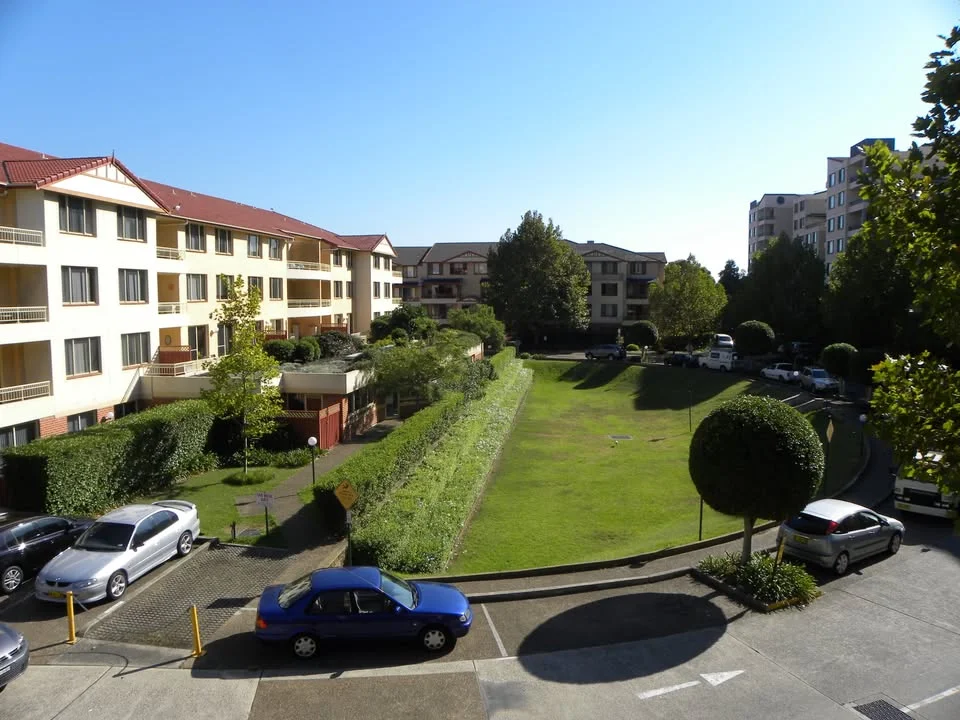 $990
公寓/单元房
$990
公寓/单元房
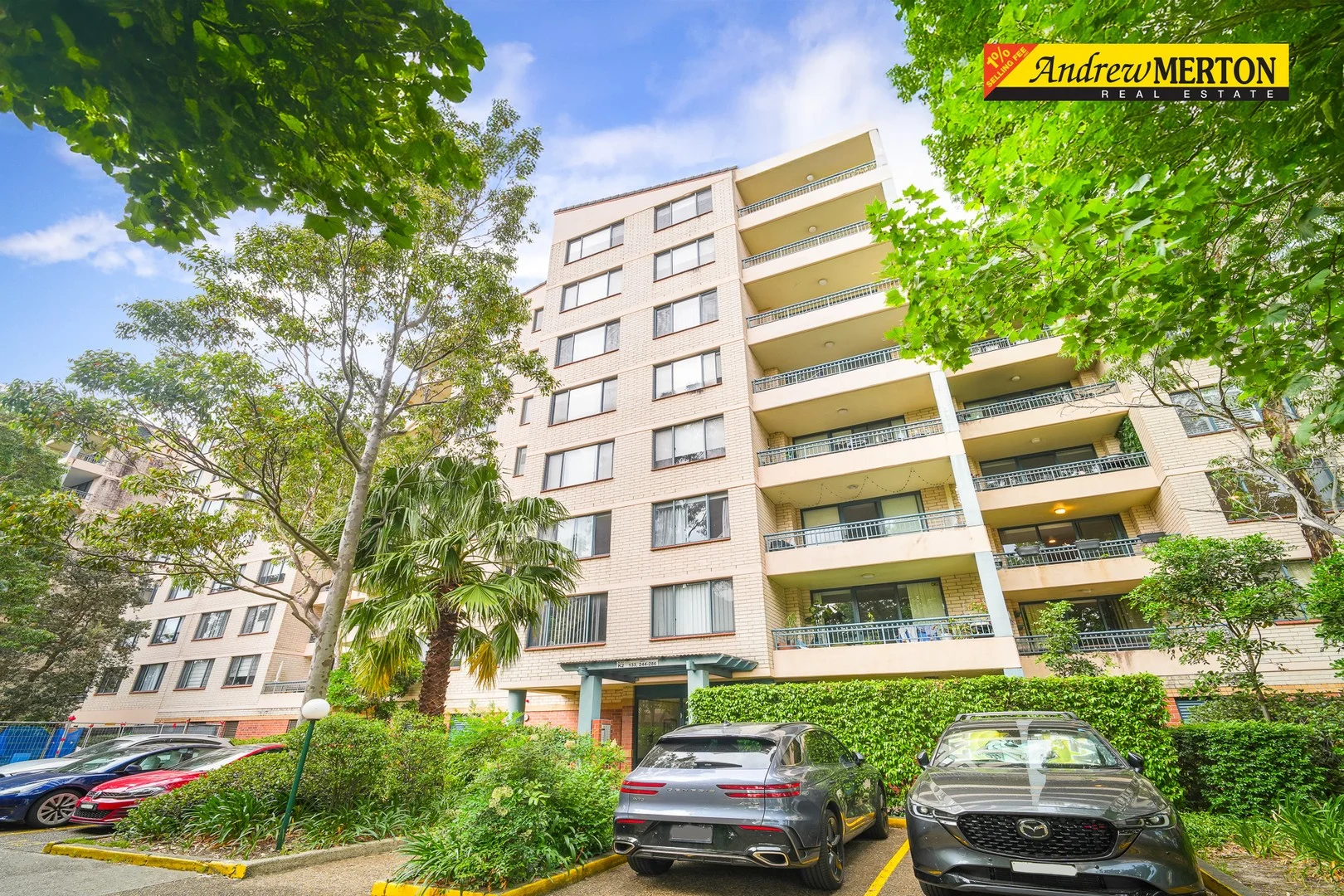 $933,000
公寓/单元房
$933,000
公寓/单元房
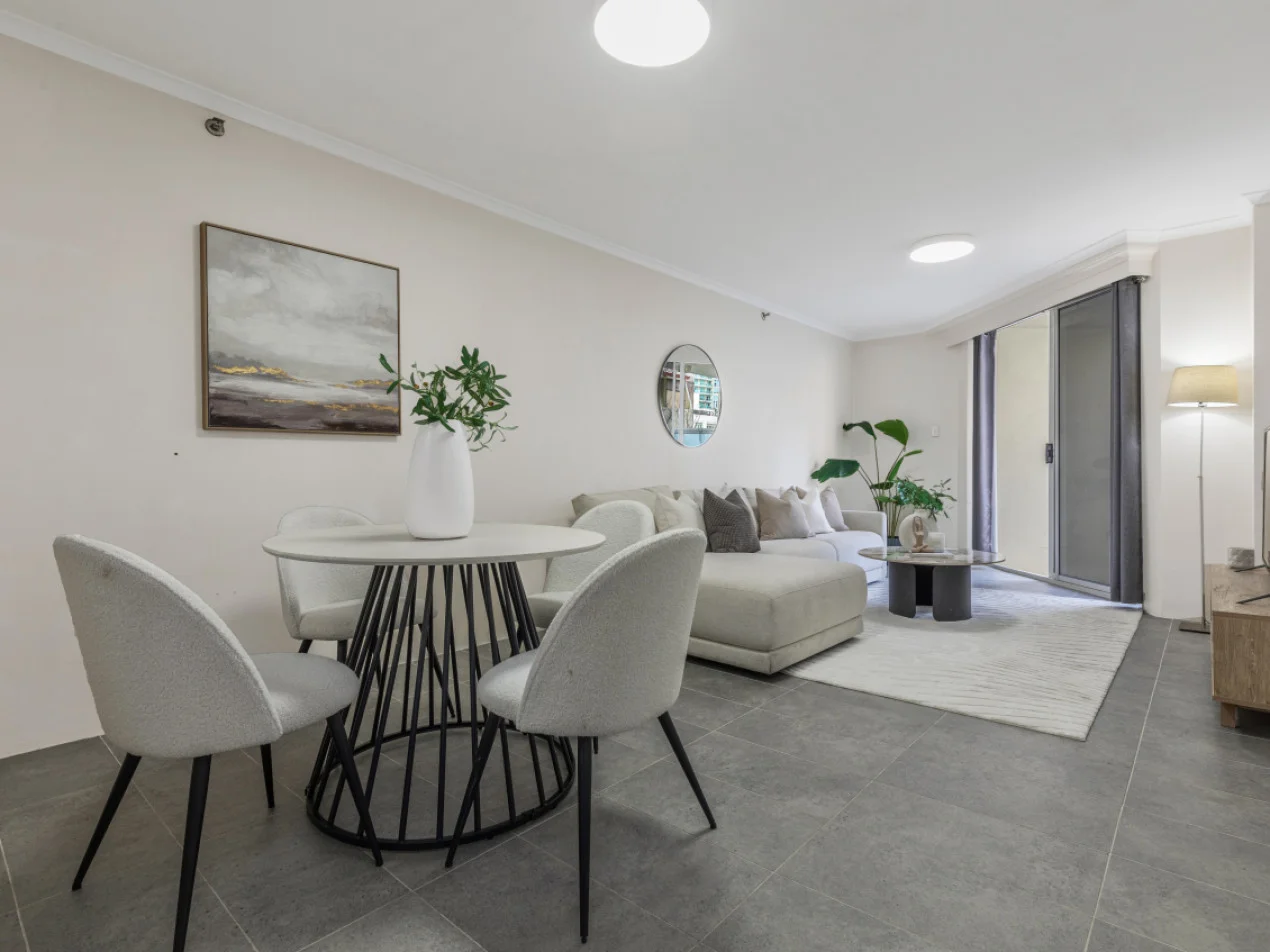 $640,000 - $675,000
公寓/单元房
$640,000 - $675,000
公寓/单元房
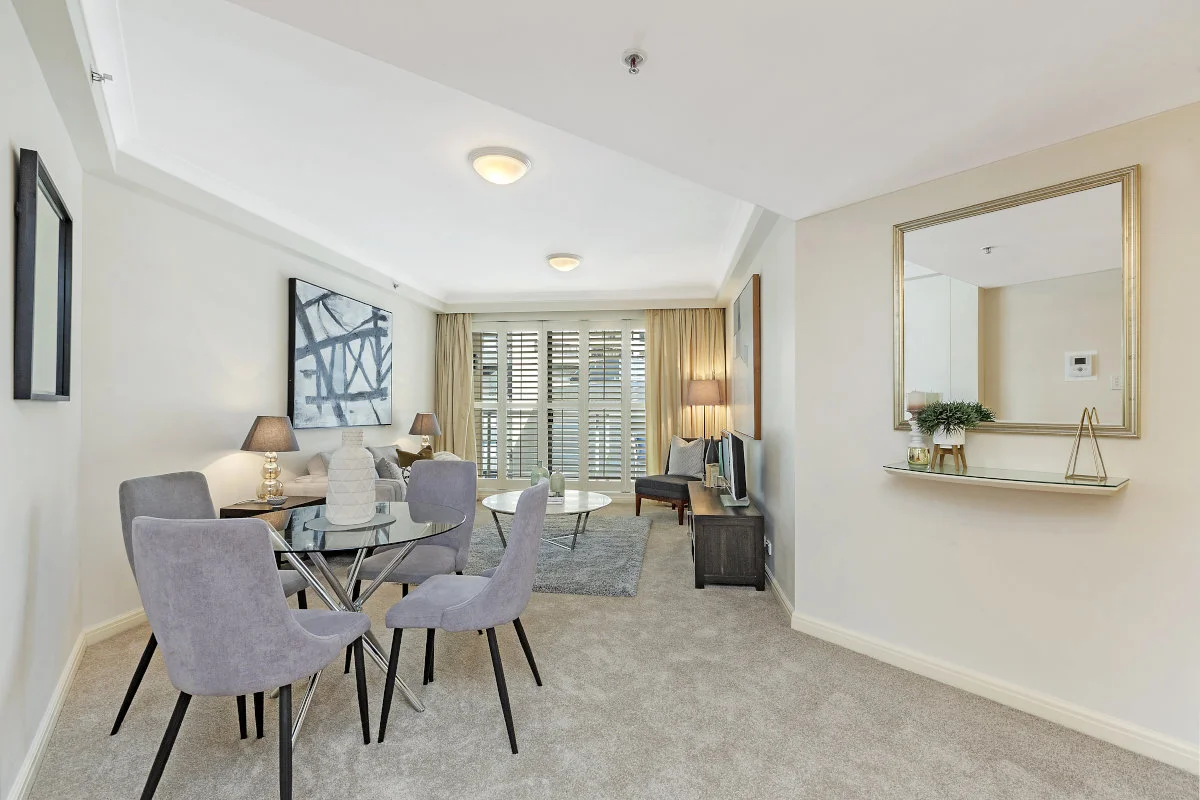 $660,000 - $725,000
公寓/单元房
$660,000 - $725,000
公寓/单元房
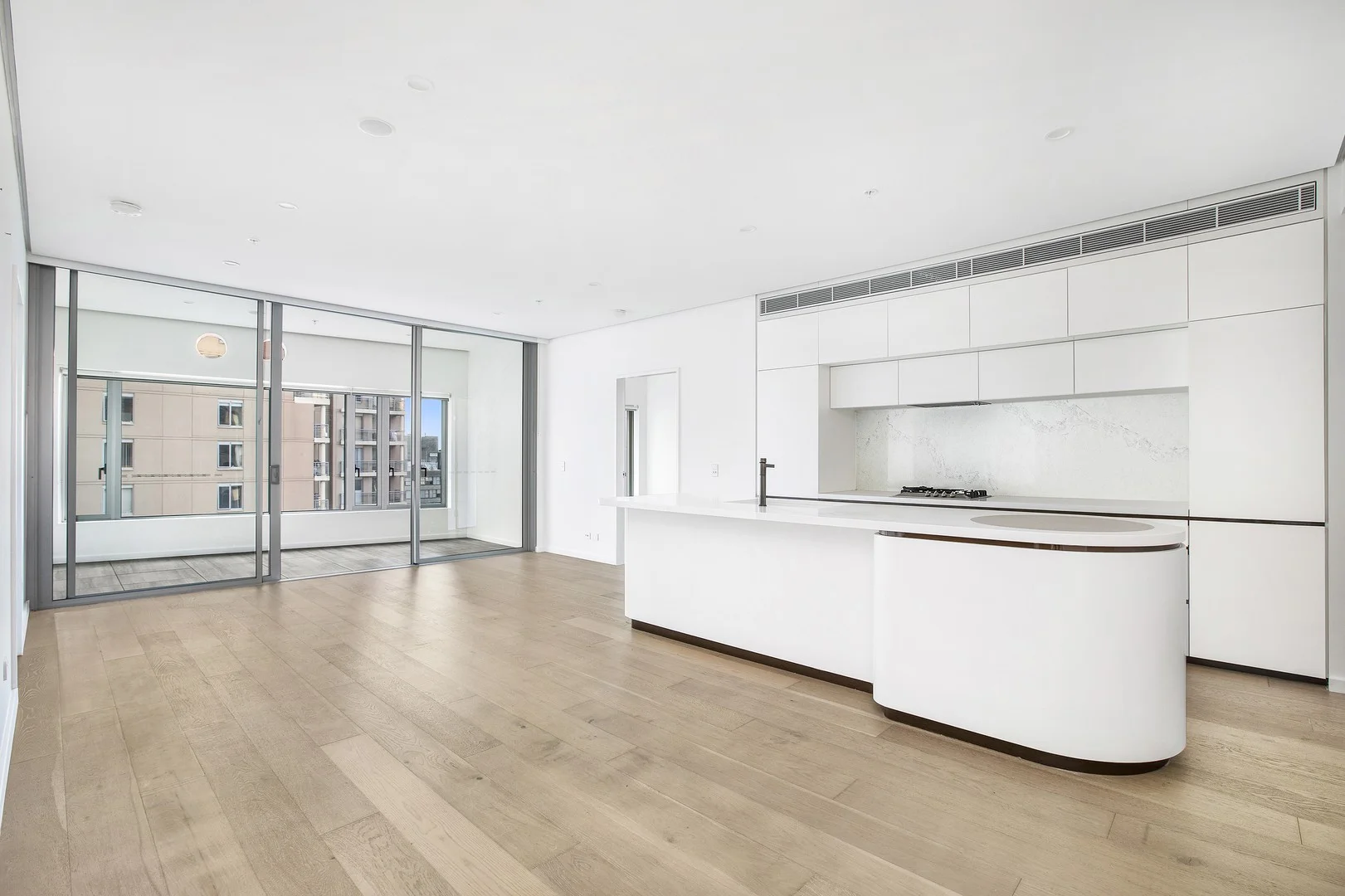 $2,250,000
公寓/单元房
$2,250,000
公寓/单元房
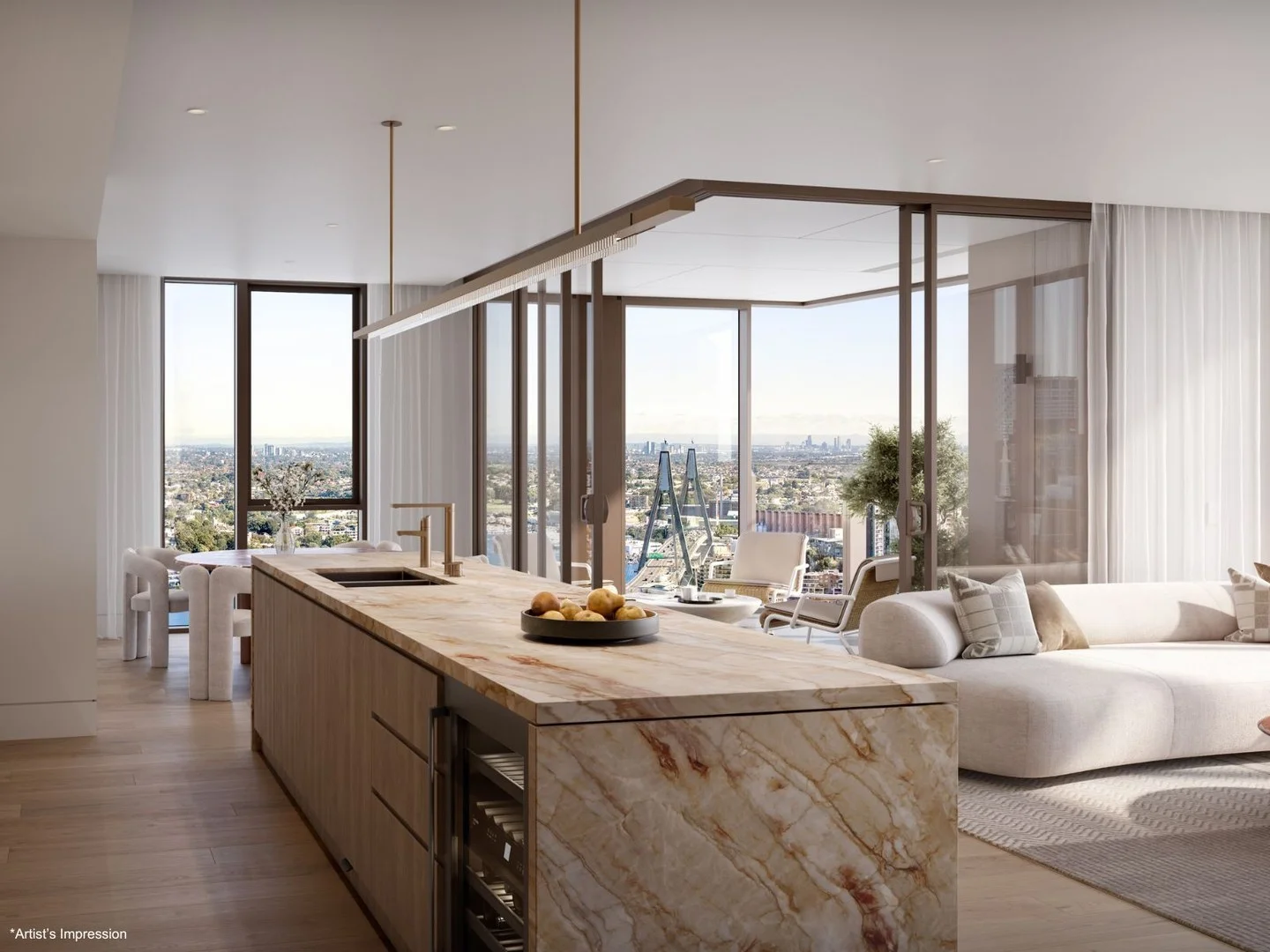 $9,020,000
propertyType.NEW APARTMENTS / OFF THE PLAN
$9,020,000
propertyType.NEW APARTMENTS / OFF THE PLAN
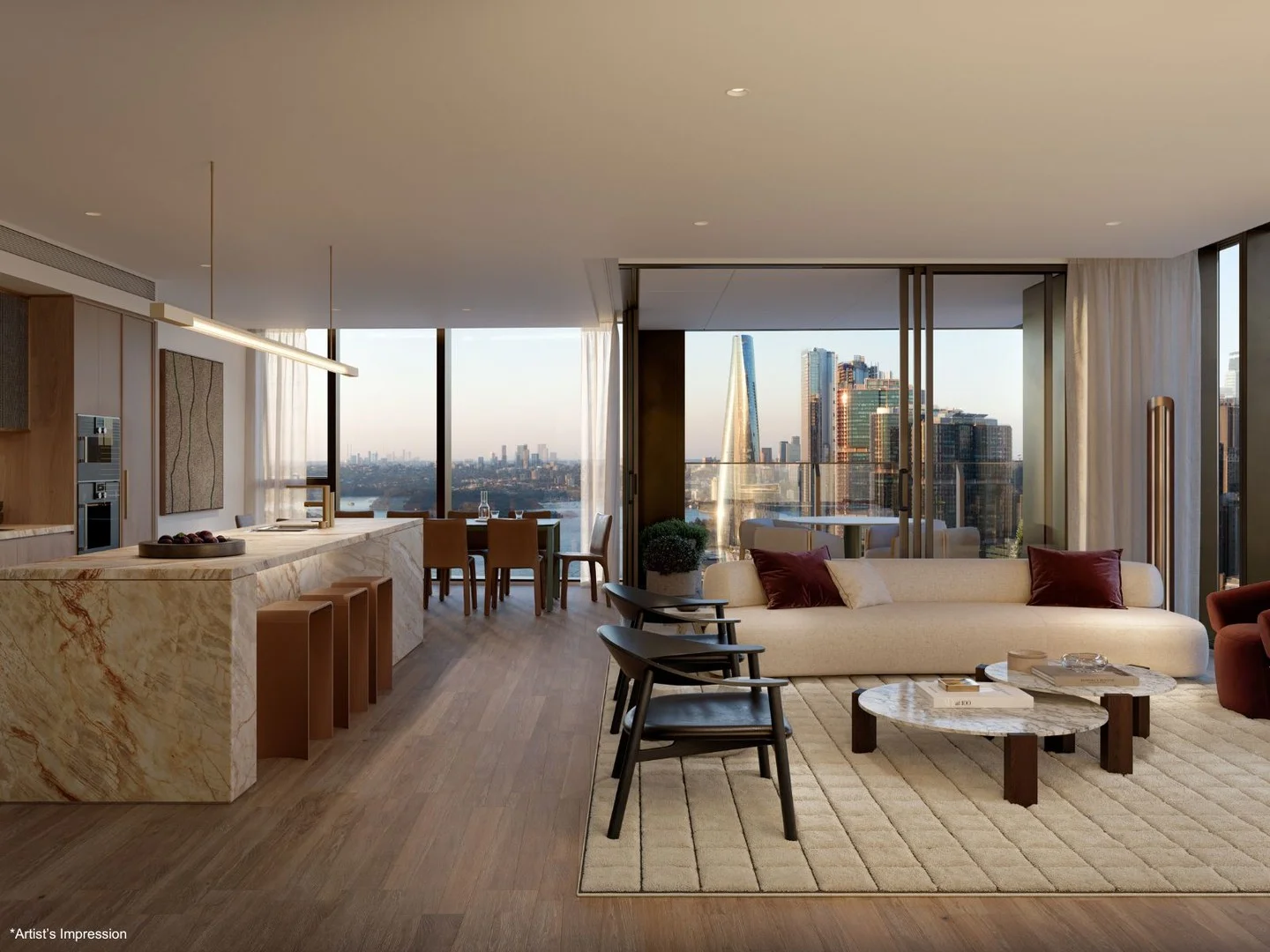 $12,980,000
propertyType.NEW APARTMENTS / OFF THE PLAN
$12,980,000
propertyType.NEW APARTMENTS / OFF THE PLAN
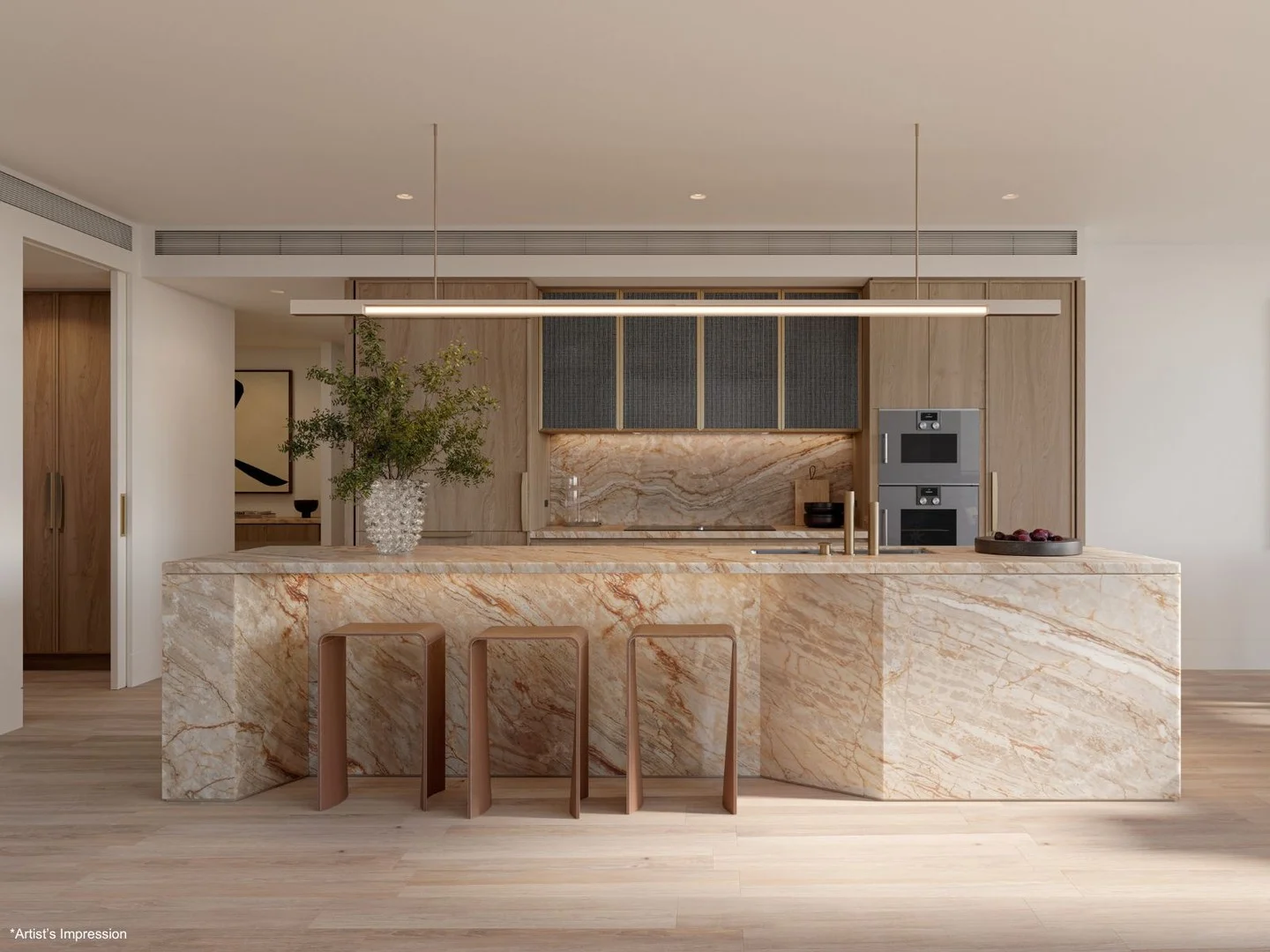 $6,225,000
propertyType.NEW APARTMENTS / OFF THE PLAN
$6,225,000
propertyType.NEW APARTMENTS / OFF THE PLAN
 $8,630,000
propertyType.NEW APARTMENTS / OFF THE PLAN
$8,630,000
propertyType.NEW APARTMENTS / OFF THE PLAN